
1:26
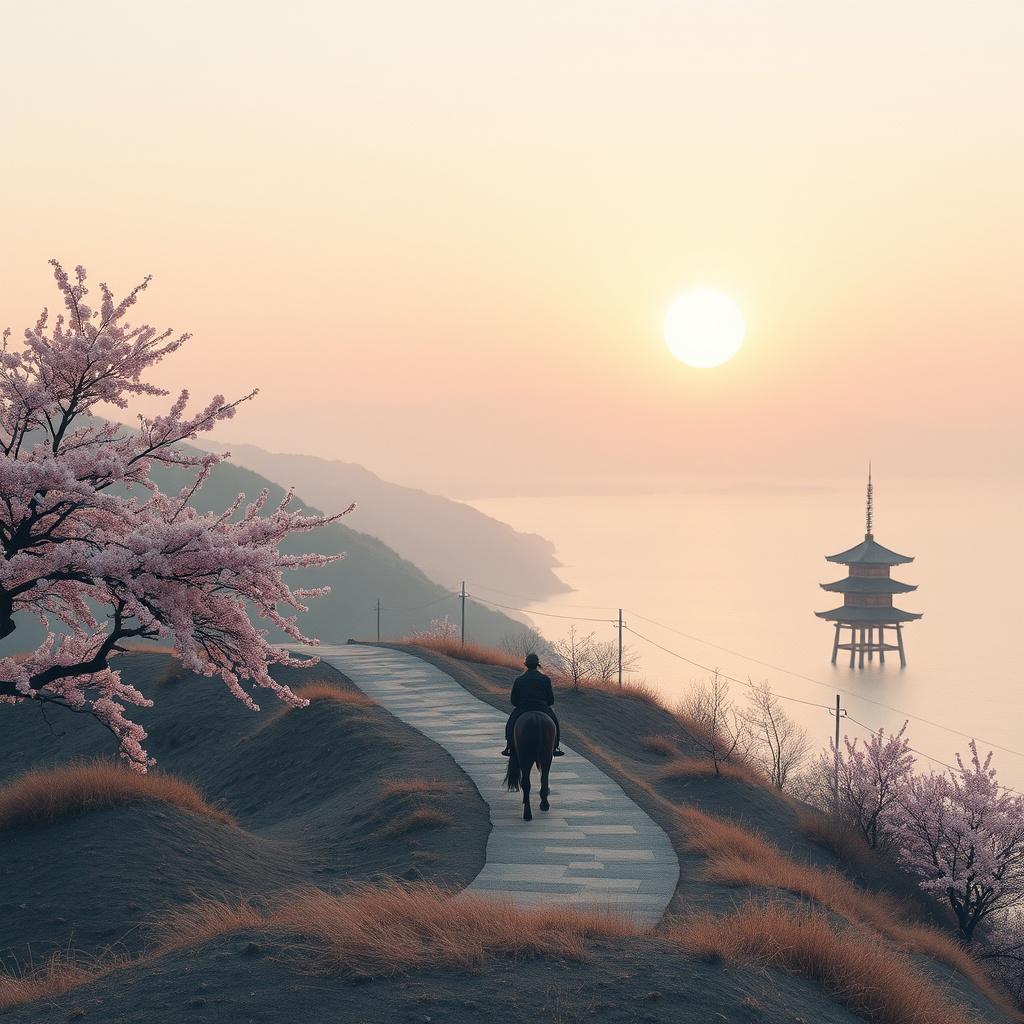
Kyushu awaits
v5.5
Traditional Japanese cinematic travel score, Edo period, Tempo ~70–95 BPM with gentle forward motion, Instruments: shakuhachi, koto, shamisen, light taiko, kokyu, ryuteki, subtle string pads, Atmosphere calm yet purposeful, evoking horseback journey through mountains, forests, and coastal paths toward Kyushu, Begins minimal with wind and solo shakuhachi, gradually introducing steady rhythmic pulse resembling horse gait, Koto and shamisen provide flowing melodic motifs, taiko used lightly for momentum rather than aggression, Mid-section opens into wider melodic expression, slightly uplifting and adventurous, Occasional pauses and dynamic dips to reflect changing landscapes, Ending soft and reflective, like sunset arrival or continuation into horizon, Instrumental only, no vocals, no modern elements, spacious and organic
2:20
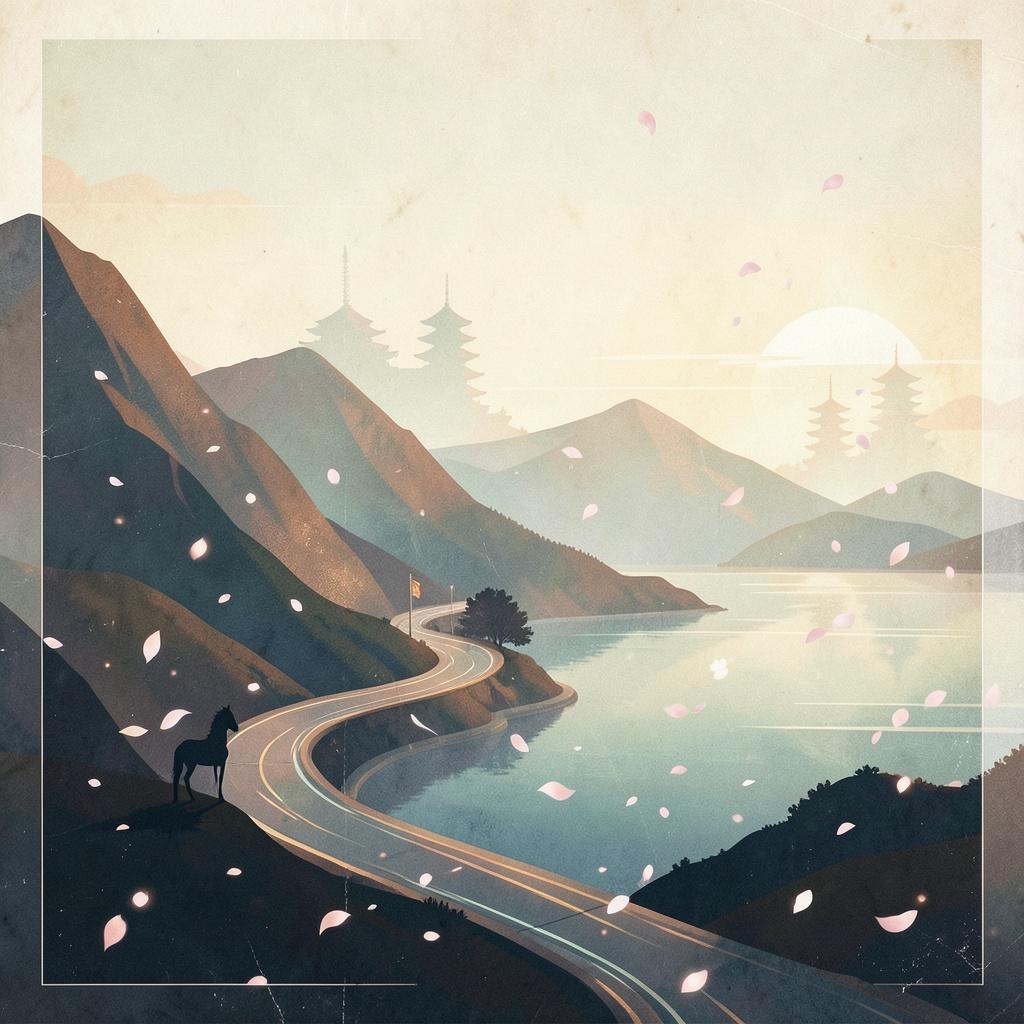
The ride
v5.5
Traditional Japanese cinematic travel score, Edo period, Tempo ~70–95 BPM with gentle forward motion, Instruments: shakuhachi, koto, shamisen, light taiko, kokyu, ryuteki, subtle string pads, Atmosphere calm yet purposeful, evoking horseback journey through mountains, forests, and coastal paths toward Kyushu, Begins minimal with wind and solo shakuhachi, gradually introducing steady rhythmic pulse resembling horse gait, Koto and shamisen provide flowing melodic motifs, taiko used lightly for momentum rather than aggression, Mid-section opens into wider melodic expression, slightly uplifting and adventurous, Occasional pauses and dynamic dips to reflect changing landscapes, Ending soft and reflective, like sunset arrival or continuation into horizon, Instrumental only, no vocals, no modern elements, spacious and organic
3:19
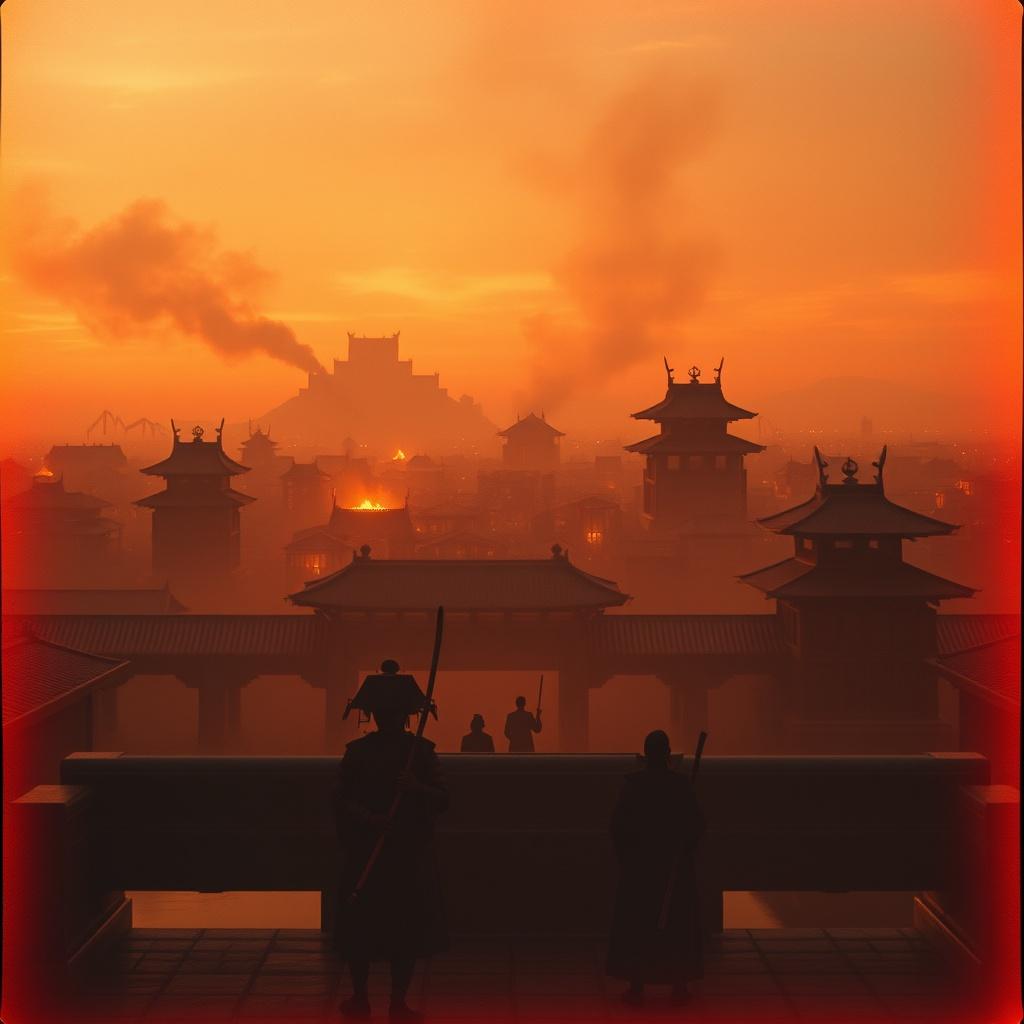
Traditional Japanese cinematic war score, Edo period atmosphere, Tempo evolving ~70–110 BPM, Instruments: taiko ensemble (odaiko, shime-daiko), shakuhachi, hichiriki, ryuteki, shamisen, koto, low orchestral strings, war horns, conch shells (horagai), temple bells, Begins tense and distant with wind, low drones, and sparse flute phrases, Gradually builds into militaristic rhythm with taiko pulses and marching patterns, Mid-section chaotic and aggressive with layered percussion, dissonant strings, and sharp shamisen strikes representing battle, Climactic siege intensity with full taiko, horns, and rapid rhythmic interplay, Final section falls into somber aftermath with sparse shakuhachi and fading drums, Atmosphere: feudal Japanese fortress under siege, fire, arrows, smoke, honor and inevitability, Instrumental only, no vocals, no modern elements
2:28
The siege
v5.5
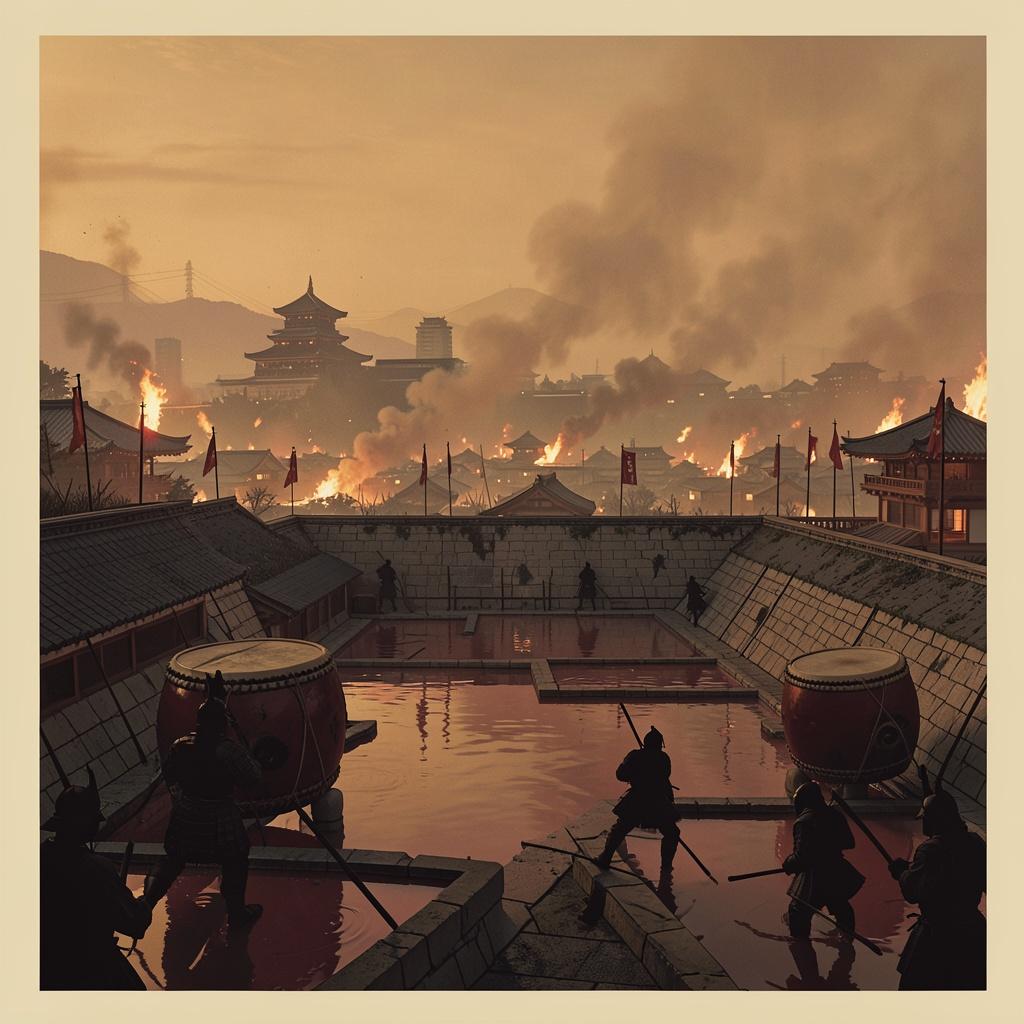
Traditional Japanese cinematic war score, Edo period atmosphere, Tempo evolving ~70–110 BPM, Instruments: taiko ensemble (odaiko, shime-daiko), shakuhachi, hichiriki, ryuteki, shamisen, koto, low orchestral strings, war horns, conch shells (horagai), temple bells, Begins tense and distant with wind, low drones, and sparse flute phrases, Gradually builds into militaristic rhythm with taiko pulses and marching patterns, Mid-section chaotic and aggressive with layered percussion, dissonant strings, and sharp shamisen strikes representing battle, Climactic siege intensity with full taiko, horns, and rapid rhythmic interplay, Final section falls into somber aftermath with sparse shakuhachi and fading drums, Atmosphere: feudal Japanese fortress under siege, fire, arrows, smoke, honor and inevitability, Instrumental only, no vocals, no modern elements
3:29
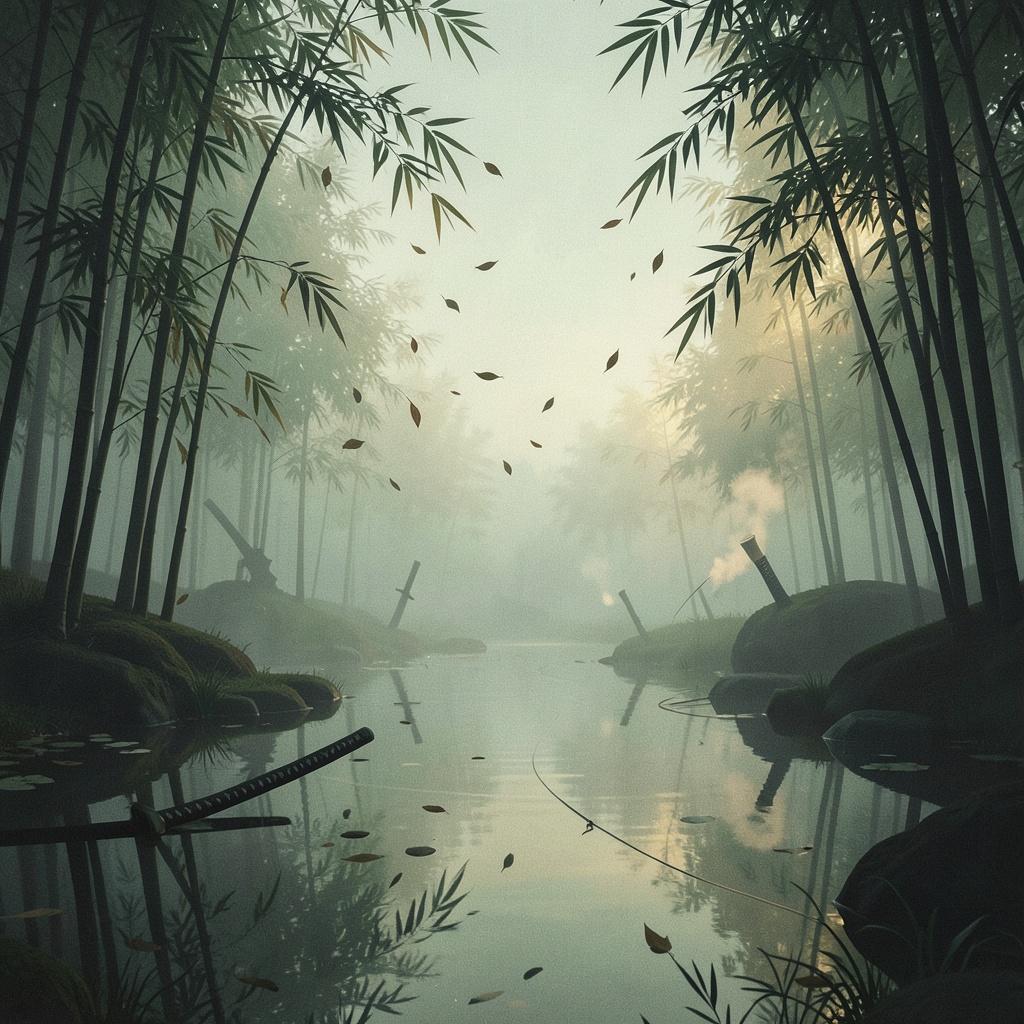
Traditional Japanese cinematic score, instrumental, Tempo ~60–90 BPM evolving, Instruments: shakuhachi, koto, shamisen, taiko drums, low orchestral strings, temple bells, wind ambience, Minimalist Zen aesthetic, spacious reverb, natural dynamics, Begins calm and meditative (ma – silence as rhythm), slowly building tension with plucked koto patterns and breathy shakuhachi phrases, Mid-section intensifies with taiko pulses and shamisen strikes, dissonant strings for duel energy, Climactic percussive hits synced to sword clashes, Final section resolves into sparse shakuhachi and distant bells, melancholic and reflective, Atmosphere: foggy zen garden at dawn, falling leaves, inevitability of fate, No vocals, no modern EDM elements, purely traditional cinematic score
3:46
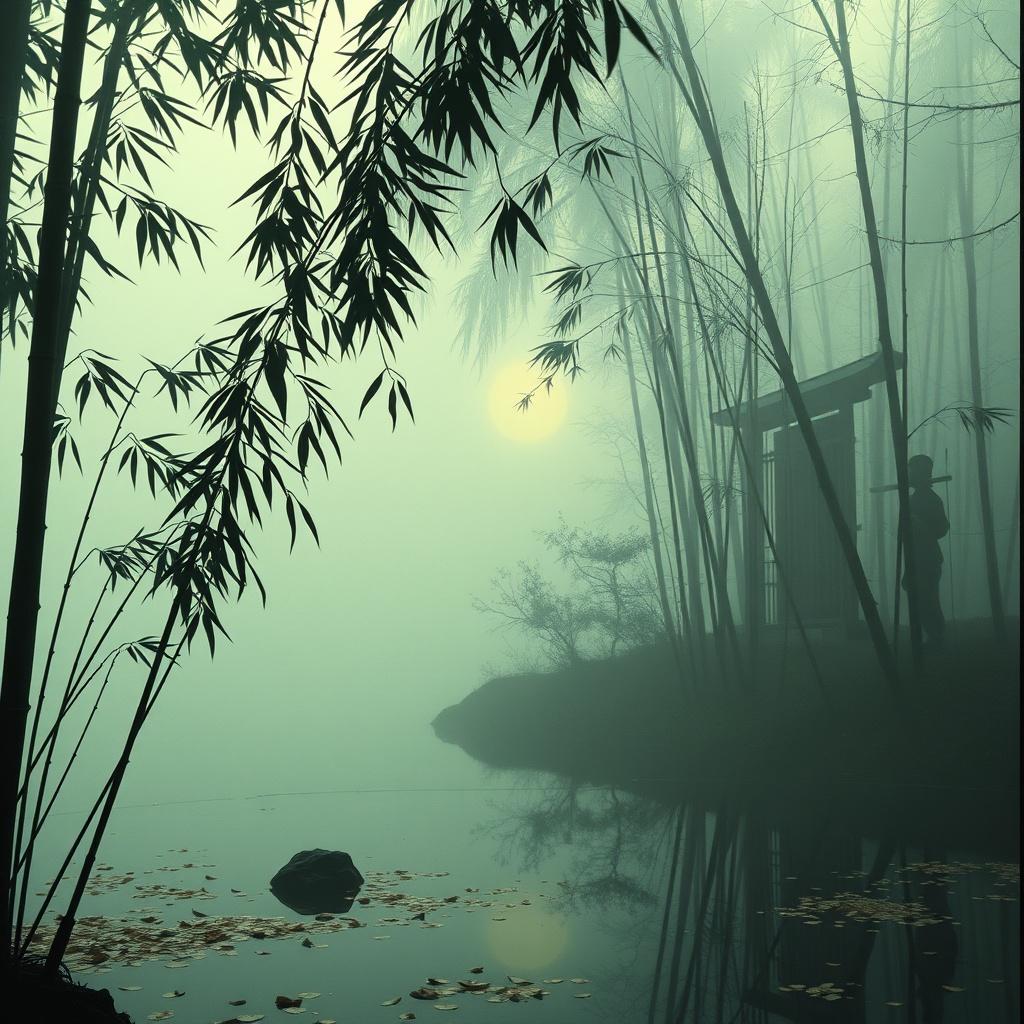
Traditional Japanese cinematic score, instrumental, Tempo ~60–90 BPM evolving, Instruments: shakuhachi, koto, shamisen, taiko drums, low orchestral strings, temple bells, wind ambience, Minimalist Zen aesthetic, spacious reverb, natural dynamics, Begins calm and meditative (ma – silence as rhythm), slowly building tension with plucked koto patterns and breathy shakuhachi phrases, Mid-section intensifies with taiko pulses and shamisen strikes, dissonant strings for duel energy, Climactic percussive hits synced to sword clashes, Final section resolves into sparse shakuhachi and distant bells, melancholic and reflective, Atmosphere: foggy zen garden at dawn, falling leaves, inevitability of fate, No vocals, no modern EDM elements, purely traditional cinematic score
3:38
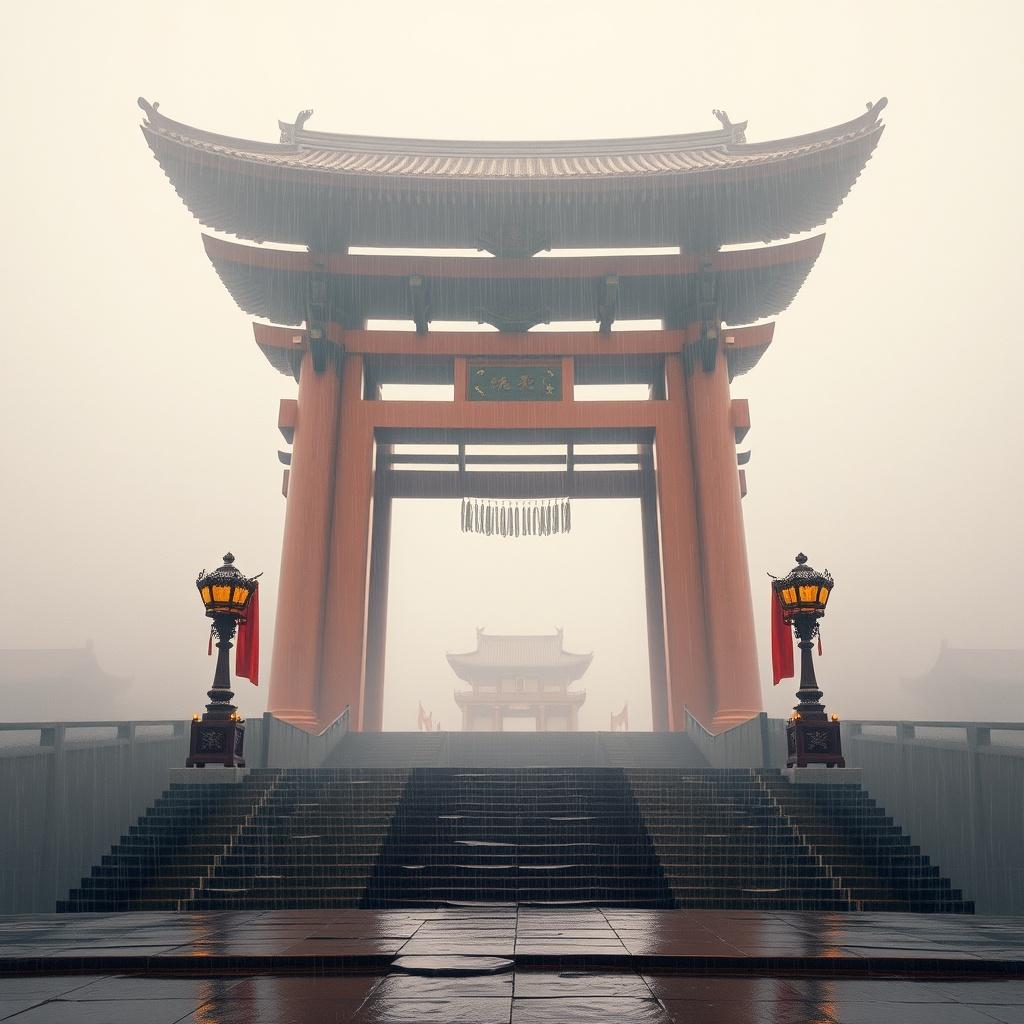
Traditional Japanese cinematic score, Sengoku era imperial summons, Tempo ~50–80 BPM, solemn and commanding, Instruments: gagaku ensemble (sho, hichiriki, ryuteki), shakuhachi, biwa, koto, deep taiko (odaiko), temple bells, low orchestral strings, Atmosphere ritualistic, majestic, and heavy with authority, Begins sparse and ceremonial with sho chords and distant bells, Gradually builds with hichiriki melodic tension and slow taiko strikes like a heartbeat of power, Mid-section introduces deeper percussion and layered winds, evoking gathering warlords and rising inevitability, Climactic section powerful but controlled, not chaotic—authority, not battle, Final section resolves into solemn stillness, echoing the weight of the command, Instrumental only, no vocals, no modern elements, spacious, reverent, and cinematic
3:32
The summoning
v5.5
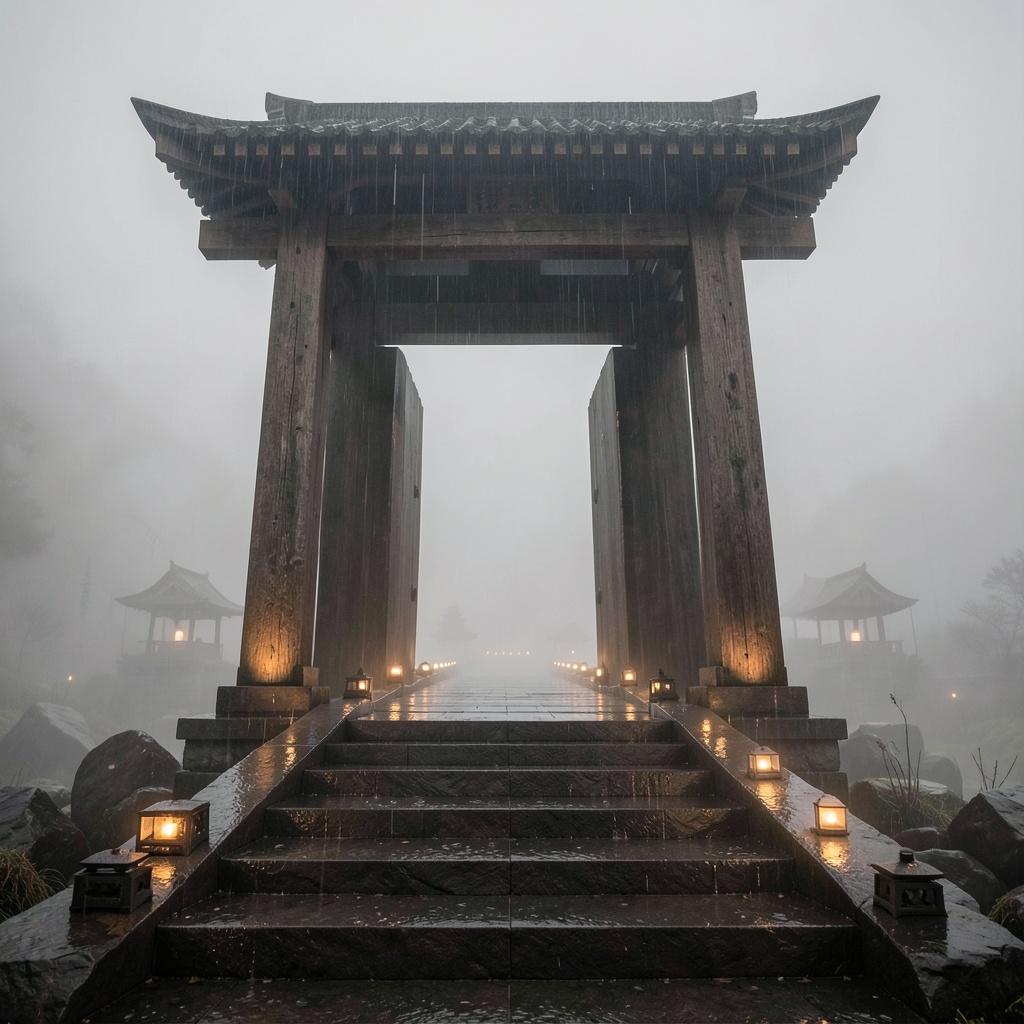
Traditional Japanese cinematic score, Sengoku era imperial summons, Tempo ~50–80 BPM, solemn and commanding, Instruments: gagaku ensemble (sho, hichiriki, ryuteki), shakuhachi, biwa, koto, deep taiko (odaiko), temple bells, low orchestral strings, Atmosphere ritualistic, majestic, and heavy with authority, Begins sparse and ceremonial with sho chords and distant bells, Gradually builds with hichiriki melodic tension and slow taiko strikes like a heartbeat of power, Mid-section introduces deeper percussion and layered winds, evoking gathering warlords and rising inevitability, Climactic section powerful but controlled, not chaotic—authority, not battle, Final section resolves into solemn stillness, echoing the weight of the command, Instrumental only, no vocals, no modern elements, spacious, reverent, and cinematic
3:07
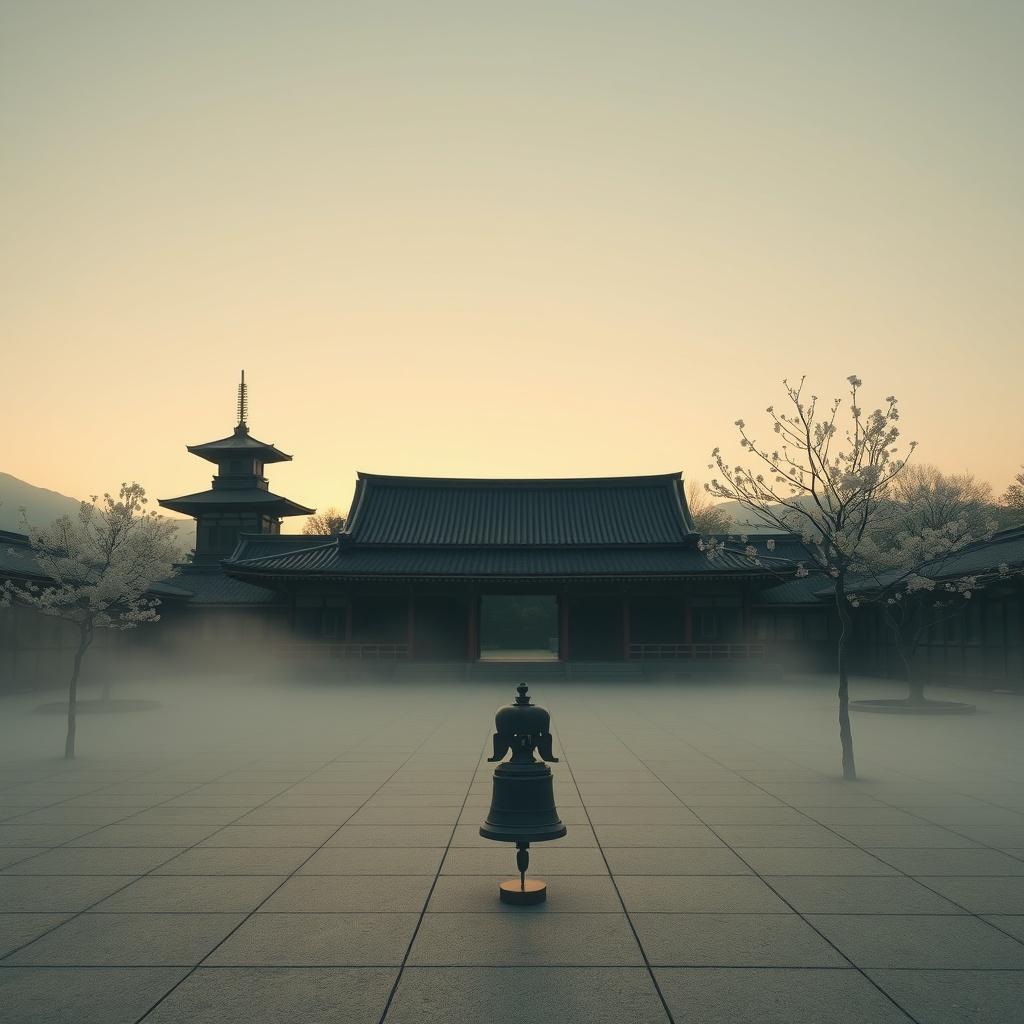
Ancient Japanese gagaku-inspired ceremonial vocal piece, Asuka/Nara period atmosphere, Tempo ~40–70 BPM, free and non-metric feel, Instruments: sho (mouth organ), hichiriki, ryuteki, biwa, koto, sparse taiko, temple bells, Include traditional-style Japanese vocals (male or female, or small choir), slow, elongated syllables, ritualistic phrasing, minimal vibrato, Modal, archaic melodic style, highly spacious with long pauses (ma), Structure fluid, not pop-based, Atmosphere sacred, imperial court ceremony, connection between heaven and earth, Lyrics poetic, classical Japanese tone (simple, nature, eternity, impermanence), No modern elements, no harmony stacking like pop—keep it monophonic or lightly heterophonic
3:09
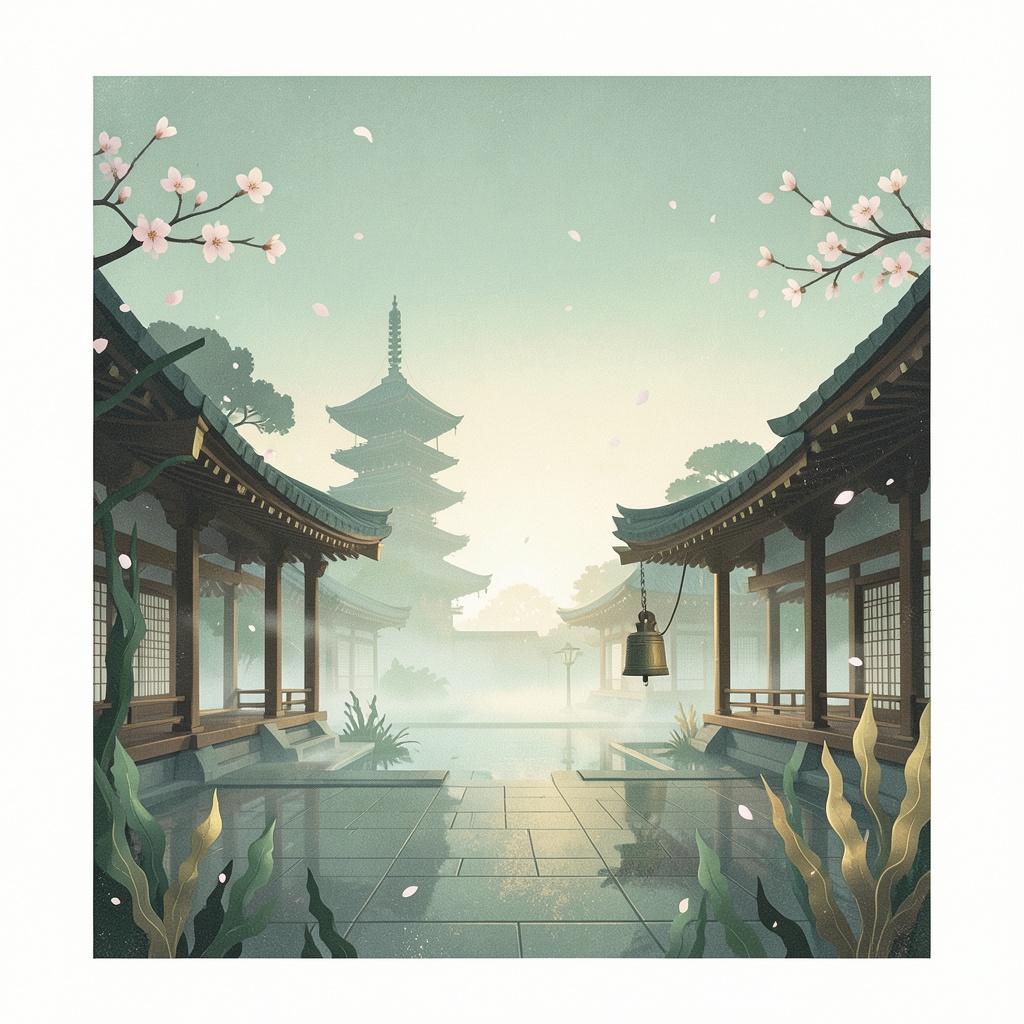
Ancient Japanese gagaku-inspired ceremonial vocal piece, Asuka/Nara period atmosphere, Tempo ~40–70 BPM, free and non-metric feel, Instruments: sho (mouth organ), hichiriki, ryuteki, biwa, koto, sparse taiko, temple bells, Include traditional-style Japanese vocals (male or female, or small choir), slow, elongated syllables, ritualistic phrasing, minimal vibrato, Modal, archaic melodic style, highly spacious with long pauses (ma), Structure fluid, not pop-based, Atmosphere sacred, imperial court ceremony, connection between heaven and earth, Lyrics poetic, classical Japanese tone (simple, nature, eternity, impermanence), No modern elements, no harmony stacking like pop—keep it monophonic or lightly heterophonic
3:19
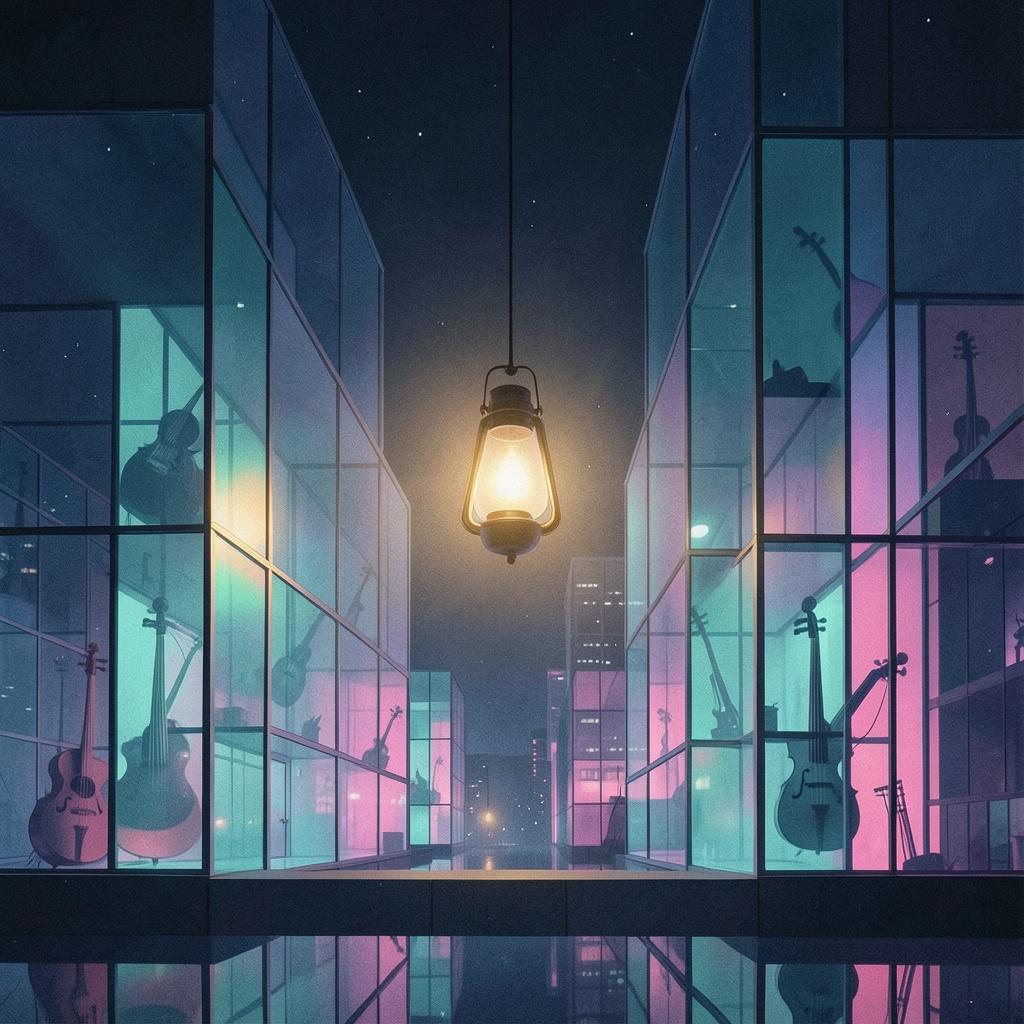
Modern Japanese fusion cinematic track blending traditional and contemporary elements, Tempo ~80–120 BPM, Instruments: shakuhachi, koto, shamisen, taiko combined with modern synths (ambient pads, soft arps), piano, subtle electronic beats, and bass, Atmosphere reflective yet forward-moving—urban Tokyo nights, tradition coexisting with technology, Begin minimal and atmospheric, gradually introducing a steady groove, Balance organic and electronic textures; no aggressive EDM drops, keep it emotional and immersive, Include Japanese vocals (solo or layered), modern melodic phrasing with hints of traditional scales, Theme: continuity, identity, memory in a changing world, Spacious mix, cinematic progression
3:03

Modern Japanese fusion cinematic track blending traditional and contemporary elements, Tempo ~80–120 BPM, Instruments: shakuhachi, koto, shamisen, taiko combined with modern synths (ambient pads, soft arps), piano, subtle electronic beats, and bass, Atmosphere reflective yet forward-moving—urban Tokyo nights, tradition coexisting with technology, Begin minimal and atmospheric, gradually introducing a steady groove, Balance organic and electronic textures; no aggressive EDM drops, keep it emotional and immersive, Include Japanese vocals (solo or layered), modern melodic phrasing with hints of traditional scales, Theme: continuity, identity, memory in a changing world, Spacious mix, cinematic progression
2:51
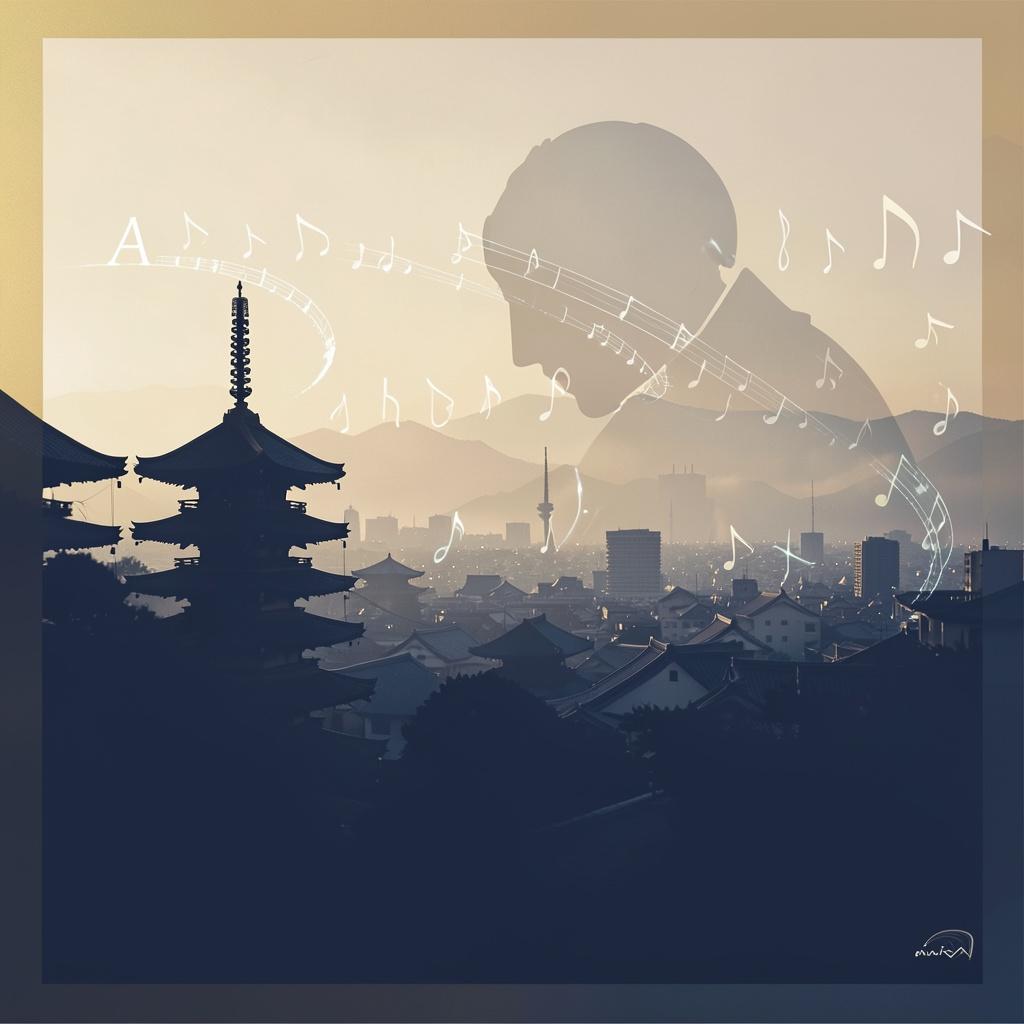
Japanese cinematic orchestral score spanning Meiji to Taisho into wartime decline (late 19th–mid 20th century), Tempo evolving ~60–100 BPM, Hybrid of traditional Japanese instruments (shakuhachi, koto, shamisen, taiko) with Western orchestra (strings, brass, piano, timpani), Begins with proud, modernizing imperial tone—structured, march-like elements, clear harmony, Gradually darkens with heavier brass, minor tonal shifts, dissonant strings, Mid-section reflects war tension and loss, restrained but intense, Climax tragic and overwhelming, not heroic—collapse, inevitability, Final section minimal and mournful: piano, solo shakuhachi, distant echoes, Atmosphere: rise, ambition, conflict, and quiet devastation, Instrumental or optional restrained Japanese choir (wordless or minimal lyrics), No modern electronic elements
2:47
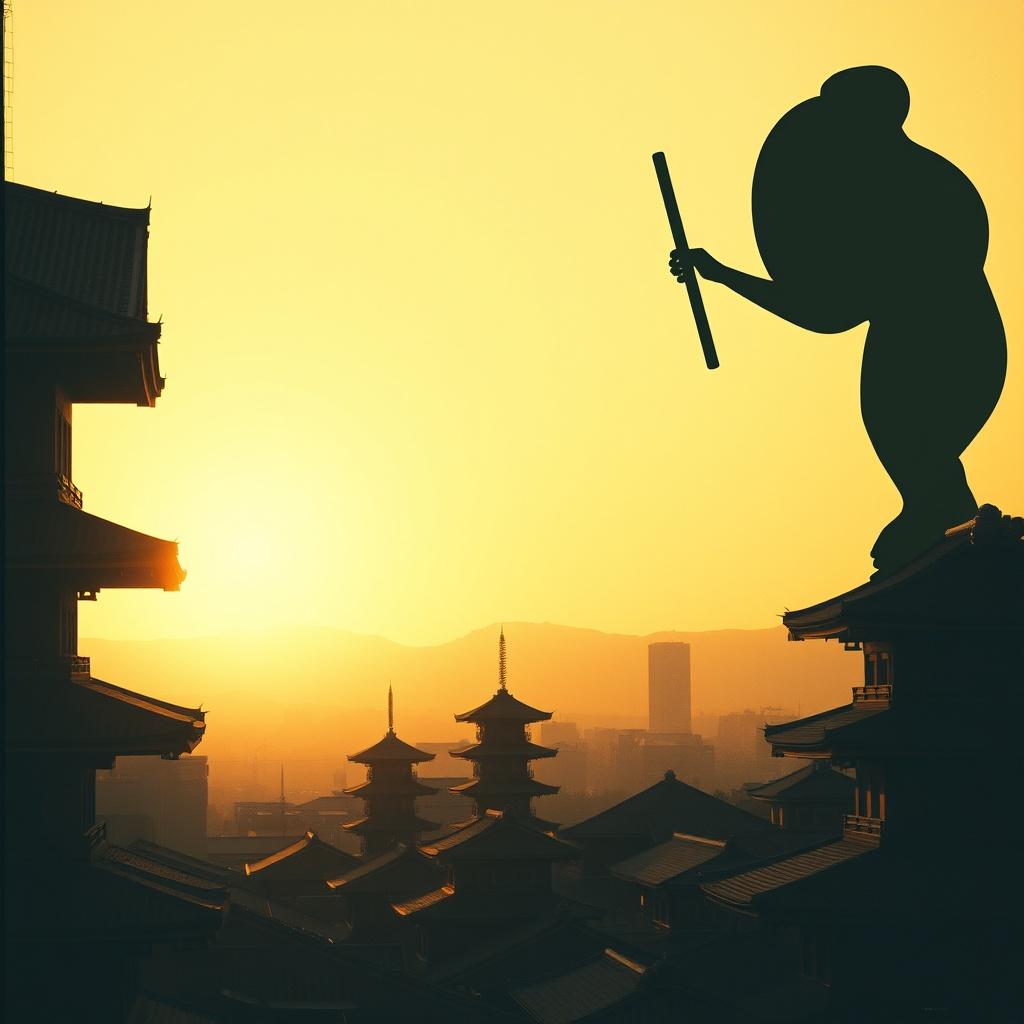
Japanese cinematic orchestral score spanning Meiji to Taisho into wartime decline (late 19th–mid 20th century), Tempo evolving ~60–100 BPM, Hybrid of traditional Japanese instruments (shakuhachi, koto, shamisen, taiko) with Western orchestra (strings, brass, piano, timpani), Begins with proud, modernizing imperial tone—structured, march-like elements, clear harmony, Gradually darkens with heavier brass, minor tonal shifts, dissonant strings, Mid-section reflects war tension and loss, restrained but intense, Climax tragic and overwhelming, not heroic—collapse, inevitability, Final section minimal and mournful: piano, solo shakuhachi, distant echoes, Atmosphere: rise, ambition, conflict, and quiet devastation, Instrumental or optional restrained Japanese choir (wordless or minimal lyrics), No modern electronic elements
3:22
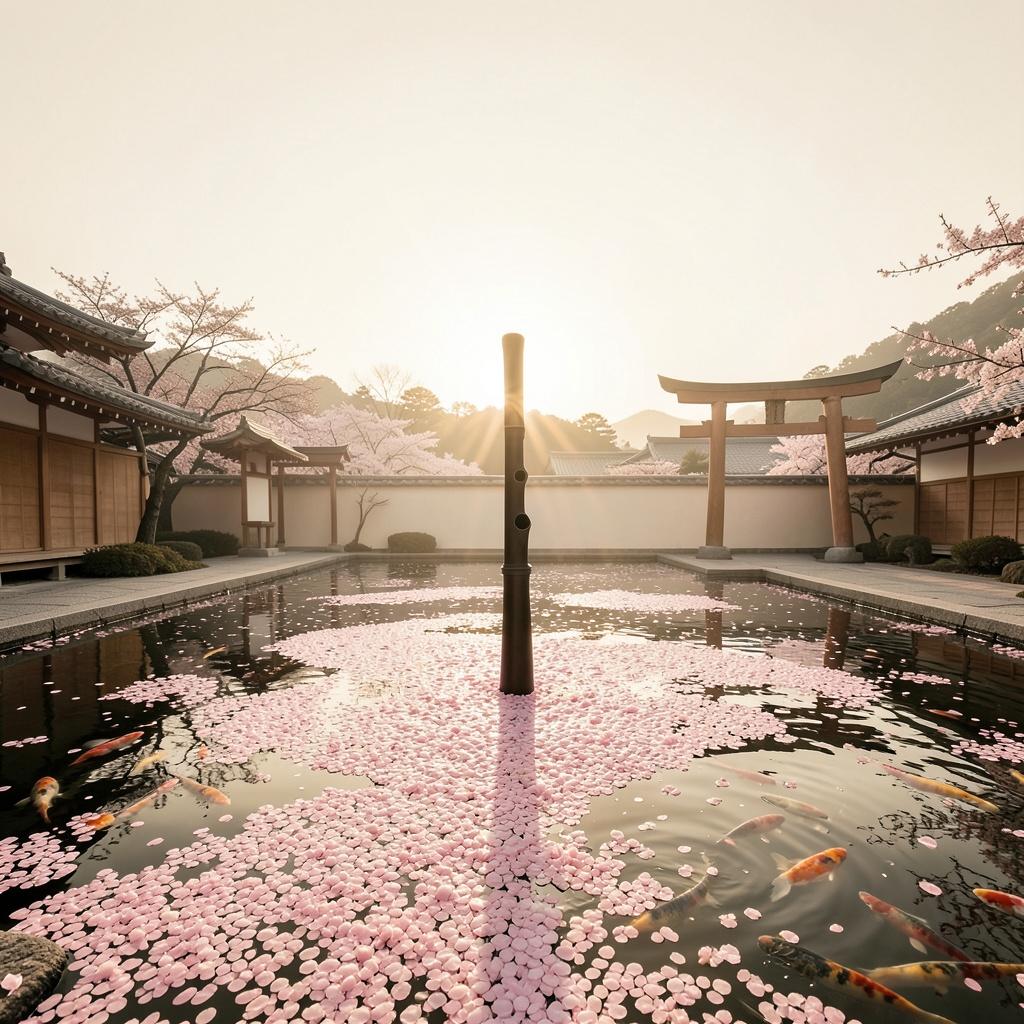
Epic Japanese historical fusion suite spanning all eras, Tempo evolving ~50–120 BPM, Blend traditional instruments (sho, hichiriki, shakuhachi, koto, shamisen, biwa, taiko) with modern cinematic orchestra, piano, subtle electronic textures (ambient pads, soft pulses), Structure multi-sectional, fluid, like a timeline, Begin ancient and minimal (gagaku-inspired), gradually transition through courtly elegance, samurai intensity, isolation, modernization, war, and contemporary fusion, Use Japanese vocals (solo + choir), alternating traditional chant-like phrasing and modern melodic lines, Dynamics wide: from silence (ma) to powerful climaxes, No aggressive EDM drops—emotion over spectacle, Theme: continuity, impermanence, resilience, identity, Sound must feel authentically Japanese at its core
3:33
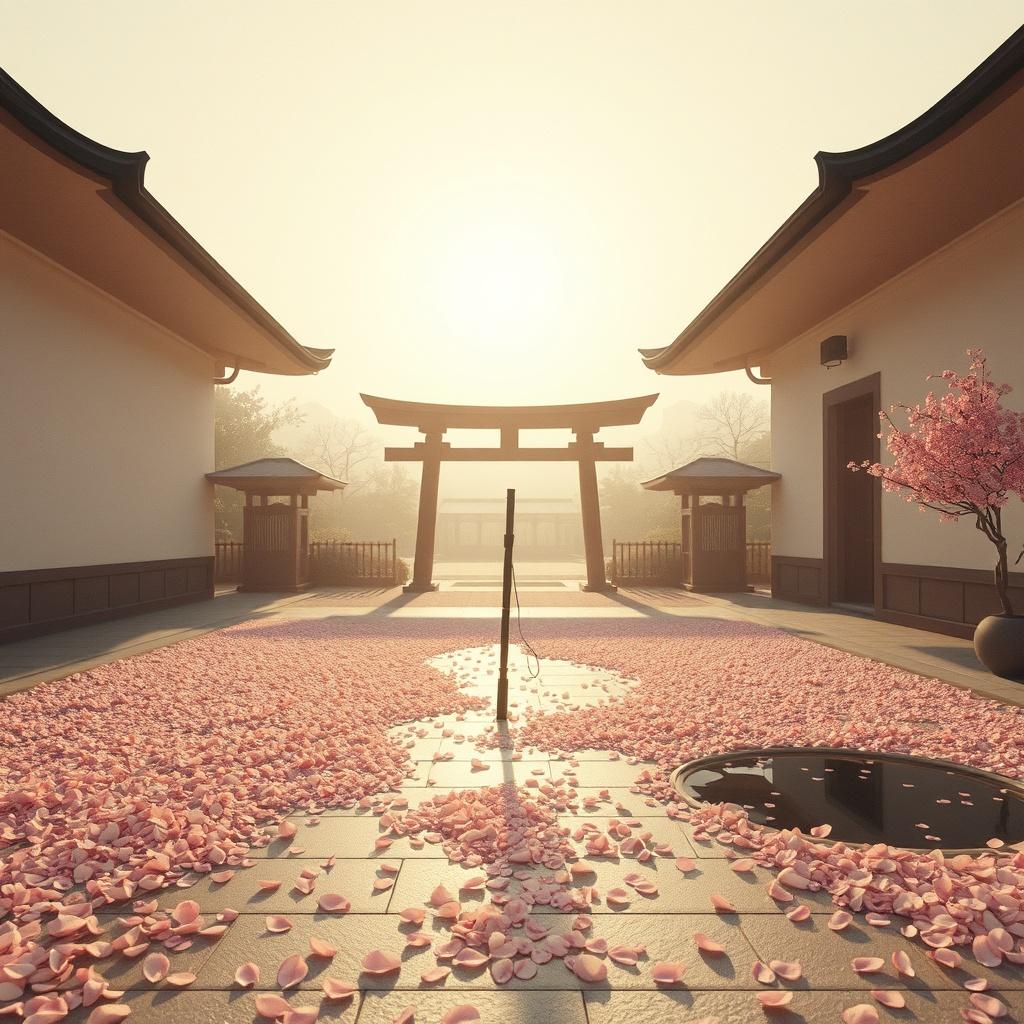
Epic Japanese historical fusion suite spanning all eras, Tempo evolving ~50–120 BPM, Blend traditional instruments (sho, hichiriki, shakuhachi, koto, shamisen, biwa, taiko) with modern cinematic orchestra, piano, subtle electronic textures (ambient pads, soft pulses), Structure multi-sectional, fluid, like a timeline, Begin ancient and minimal (gagaku-inspired), gradually transition through courtly elegance, samurai intensity, isolation, modernization, war, and contemporary fusion, Use Japanese vocals (solo + choir), alternating traditional chant-like phrasing and modern melodic lines, Dynamics wide: from silence (ma) to powerful climaxes, No aggressive EDM drops—emotion over spectacle, Theme: continuity, impermanence, resilience, identity, Sound must feel authentically Japanese at its core