
3:11
Create a mystical medieval ballad titled "Le Chant de Merlin", Instrumentation: vielle à roue, luth, flûte à bec, harpe celtique, frame drums, and occasional chanted drones, Use Dorian or Aeolian modes with modal harmonies and gentle, flowing rhythms (60–75 BPM), Vocals should be bardic and narrative, in the style of troubadour storytelling—solo male or female voice with ethereal backing harmonies, Include subtle forest ambience (wind, owls) and spell-like vocal echoes, Mood: mystical, ancient, melancholic, Structure: intro chant, 3 verses + refrains, an instrumental bridge with flute and vielle, and a soft, fading outro, Ideal for fantasy soundtracks, medieval storytelling, or ritual performances
3:28
Compose a medieval ballad titled "La Quête de Perceval", using authentic instrumentation: lute, vielle, psaltery, flute à bec, and hand percussion (tabor, tambourin), The piece should be in Dorian mode (D minor feel) with modal harmonies, a steady rhythmic pulse (around 80–90 BPM), and alternating sung verses and instrumental interludes, Male Vocals should be clear and unprocessed, sung with a bardic tone, possibly by a single troubadour or with simple polyphony, Add layers of drone from hurdy-gurdy or rebec for mystique, Mood: epic yet humble, telling a tale of innocence, silence, and redemption, Suitable for reenactment, historical RPG, or medieval folk concerts
3:35
Compose a medieval-style ballad titled “En les Terre d'Avalon”, inspired by the legend of King Arthur and the sword Excalibur, Use historical instruments such as vielle à roue (hurdy-gurdy), luth, harpe gothique, flûte à bec, rebec, and frame drums, The melody should be modal, primarily in the Dorian or Aeolian mode, with a slow, solemn tempo evoking reverence and mystery, Include a solo male voice with clear diction and melismatic phrasing, as found in 12th–13th century troubadour songs, Add drone accompaniment or rhythmic ostinatos from hand percussion to enhance the sacred and noble tone, The composition should alternate between narrative verses and a haunting refrain, with harmonies limited to open fifths or drones to preserve authenticity, Avoid modern harmony or orchestration — the goal is to recreate a musical atmosphere suitable for a medieval court or chapel
2:44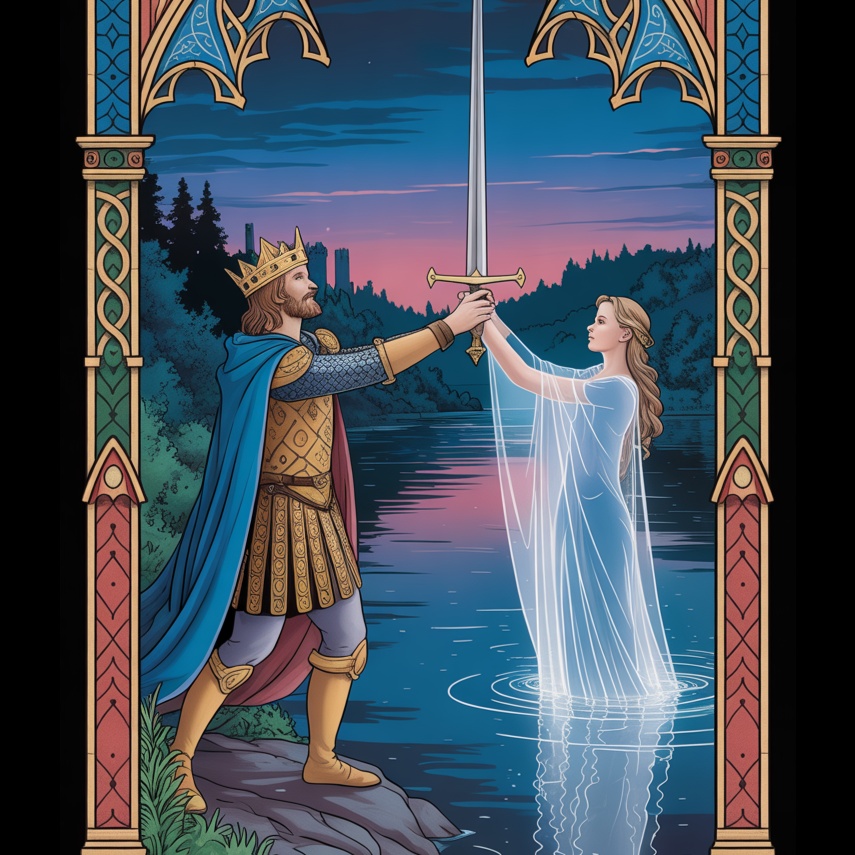
Compose a medieval-style ballad titled “Le Chant d’Excalibur”, inspired by the legend of King Arthur and the sword Excalibur, Use historical instruments such as vielle à roue (hurdy-gurdy), luth, harpe gothique, flûte à bec, rebec, and frame drums, The melody should be modal, primarily in the Dorian or Aeolian mode, with a slow, solemn tempo evoking reverence and mystery, Include a solo male voice with clear diction and melismatic phrasing, as found in 12th–13th century troubadour songs, Add drone accompaniment or rhythmic ostinatos from hand percussion to enhance the sacred and noble tone, The composition should alternate between narrative verses and a haunting refrain, with harmonies limited to open fifths or drones to preserve authenticity, Avoid modern harmony or orchestration — the goal is to recreate a musical atmosphere suitable for a medieval court or chapel
2:19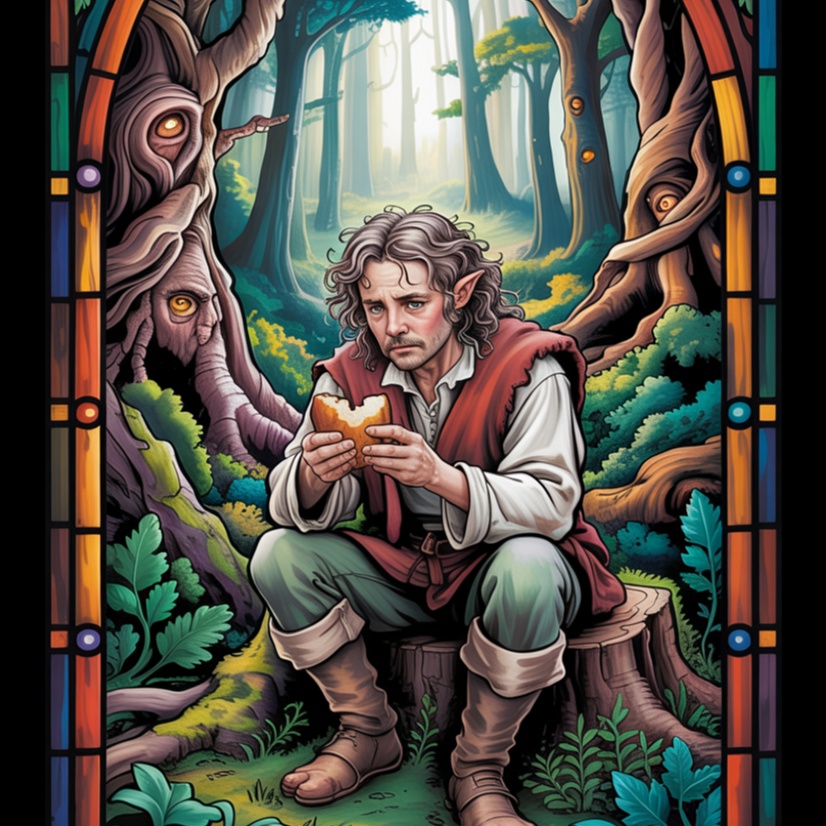
A medieval-style folk ballad titled “I Don’t Like Lembas”, inspired by Tolkien’s Middle-earth, Features traditional instruments such as lute, hurdy-gurdy, vielle (medieval fiddle), recorder, and hand percussion (tambourine, frame drum), Male solo voice with playful, plaintive delivery, accompanied by simple modal melodies in Dorian mode, Tempo moderate, evocative of a traveling minstrel’s tune, with call-and-response refrains, Rustic and lively atmosphere, blending humor and weariness typical of long journeys through enchanted forests
3:59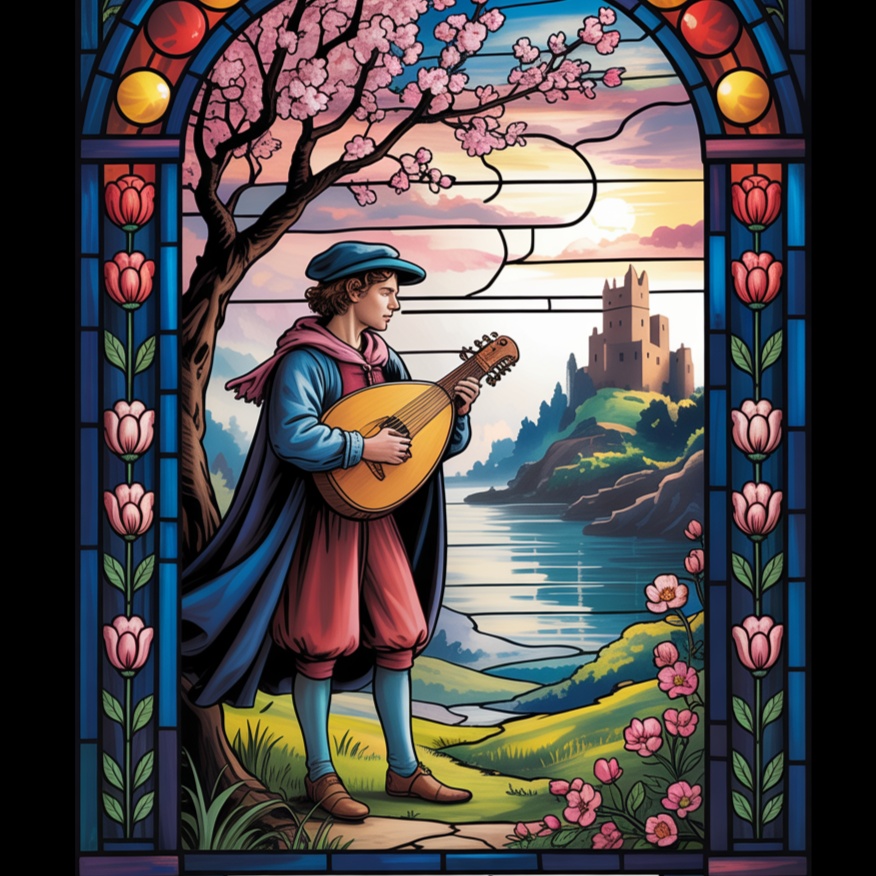
A medieval troubadour ballad titled “La Complainte de l’Aube claire”, performed in Old French style, Acoustic arrangement featuring a solo male voice with lute, vielle à archet, recorder (medieval flute), tambourine, and subtle harp accents, Modal melody (Dorian or Aeolian), with free-flowing rhythm evocative of 12th-century Occitan and French courtly songs, The vocal line is expressive, storytelling in tone, with ornamentation typical of medieval chant, Echoing stone-room reverb adds authenticity, A musical tapestry of romantic longing, chivalry, and poetic melancholy, capturing the sound of the medieval courts and taverns alike
3:41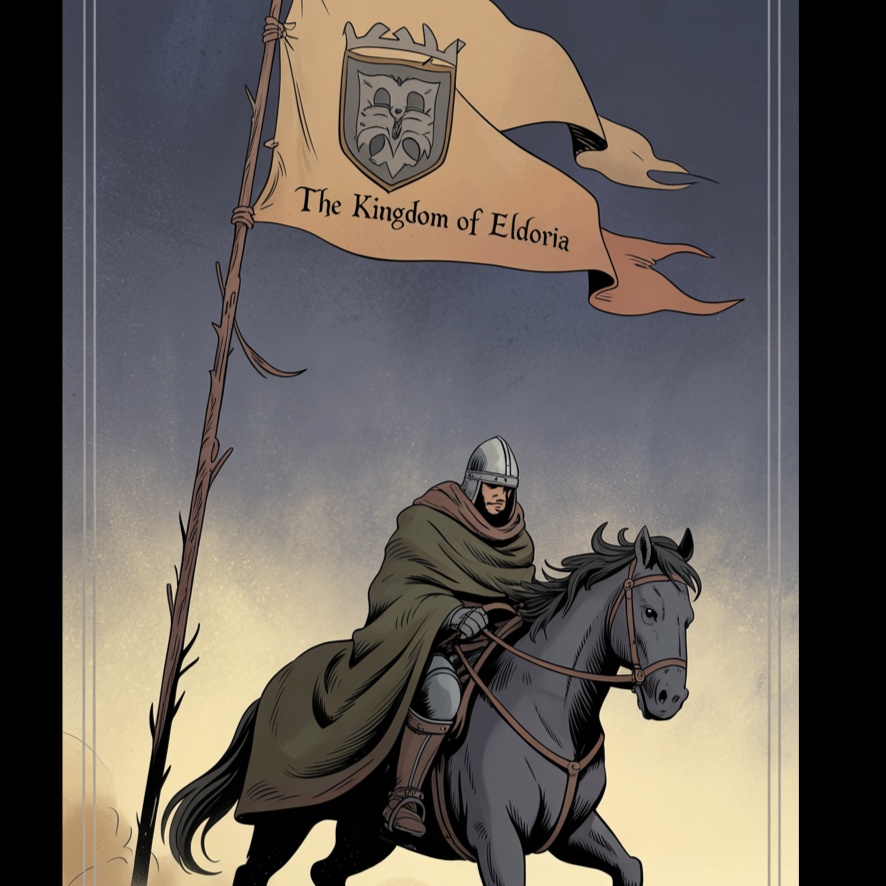
"Create a richly textured medieval-inspired soundtrack evoking the atmosphere of a forgotten kingdom, The music should feature authentic period instruments such as lutes, hurdy-gurdies, recorders, and frame drums, It should begin with a slow, haunting melody carried by a solo lute, gradually joined by layered harmonies and rhythmic percussion, The mood must be both nostalgic and majestic — a blend of solemn courtly elegance and the raw spirit of wandering minstrels, Picture ancient stone halls, wind-swept battlements, and torchlit feasts, Ideal for fantasy settings, historical dramas, or immersive RPG soundtracks, "
2:57
🎵“Arthour !”🎵
v4.5
Medieval Celtic Folk comedy song with male vocals, Opens with lively mandolin and Celtic harp, building a whimsical mood, Light, playful trumpet lines weave through verses, joined by soaring violins and grand cinematic orchestral swells on chorus, Atmosphere is epic yet cheeky