
3:43
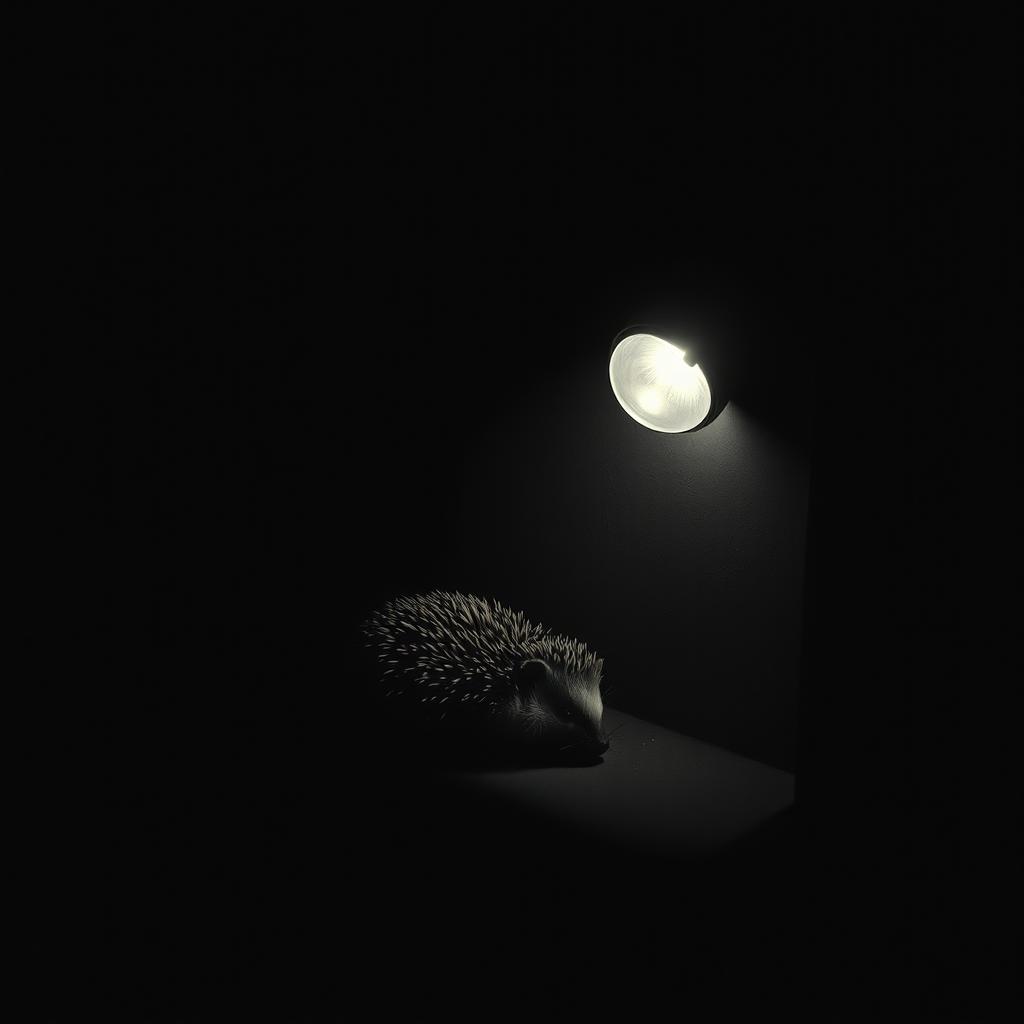
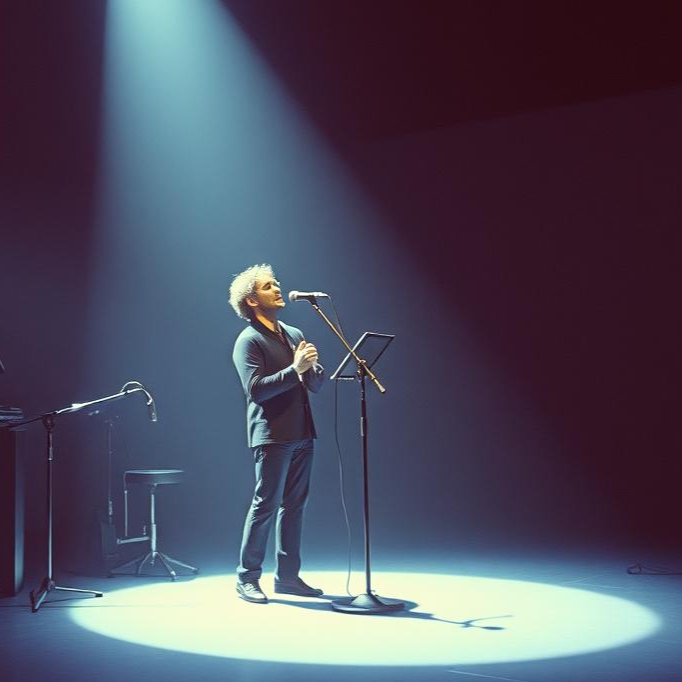
Avant-garde chamber spoken-word piece blending dark poetry and minimal instrumentation, Male voice performs an intimate monologue about solitude and the “porcupine dilemma, ” reflecting on human connection and isolation, Deep reverberant piano and sparse cello create a dissonant, slow, noir atmosphere, Occasional distant brass and low drones emphasize key emotional moments, The tone is melancholic, philosophical, and cinematic — urban imagery of smoke, ash, cement, and tar evokes disillusionment and decay, The pacing is free, almost theatrical, with long pauses, textured reverbs, and intimate vocal proximity, Overall mood: dark, intellectual, introspective, and quietly devastating
3:19
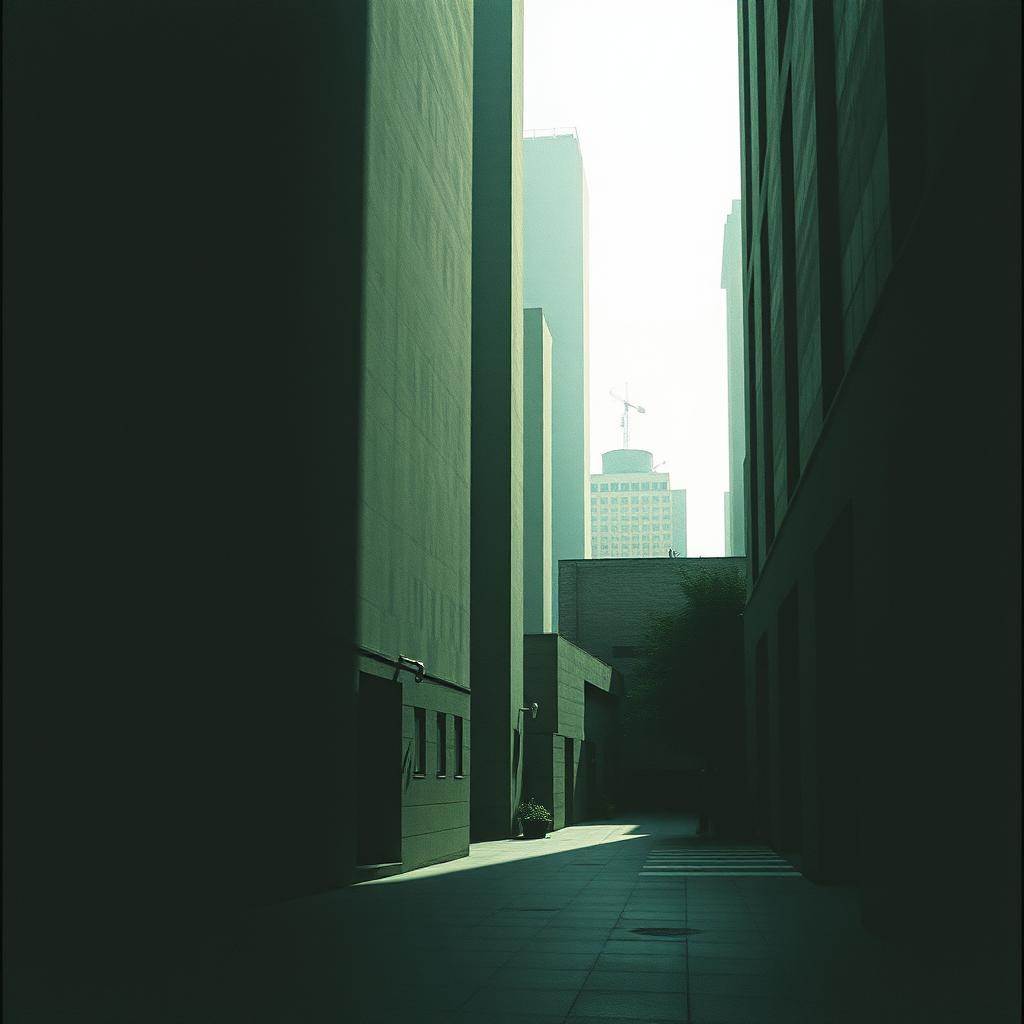
Minimal avant-garde chamber performance in noir-jazz style, Male spoken-word vocal, intimate and breath-driven, delivers a slow existential monologue about being consumed by the living city — “the belly of the beast, ”
Sparse dissonant piano and scraping cello form an organic pulse like a heartbeat; occasional violin adds brief fragile light near the end, The pacing is free and theatrical with long silences and textural breathing, Tone: corporeal, ritualistic, poetic, unsettling yet human — a meditation on digestion, identity, and dissolution within the urban body
4:27
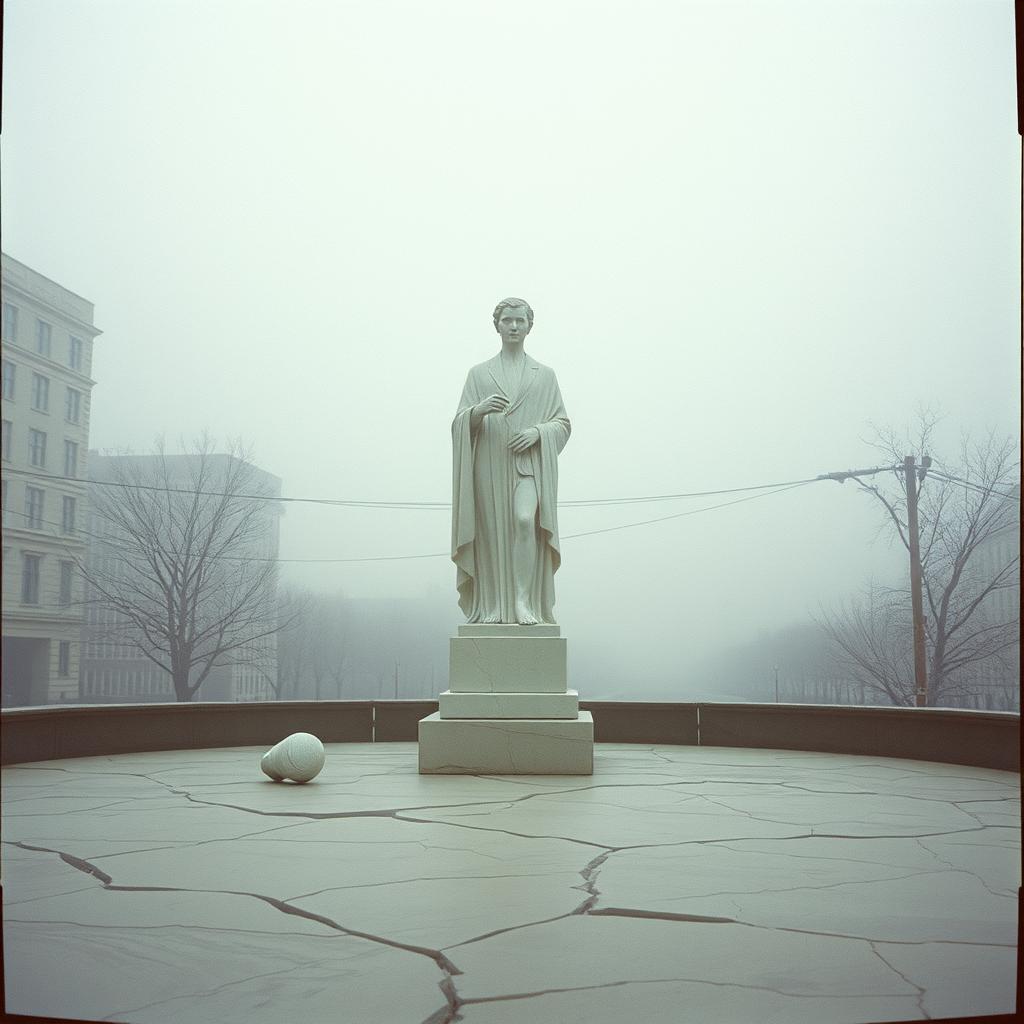
Avant-garde chamber monologue with noir-jazz tone, Male spoken-word vocal, slow and deliberate, delivers a disillusioned reflection on humanity’s arrogance — our search for divinity, our inventions, our art, all collapsing under the truth: “we are born from mud, ”
Sparse dissonant piano provides the backbone; a melancholic, reverberant trombone drifts through the space like a ghostly lament, Occasional low tuba underscores the darker phrases, adding a decaying, earthy resonance, Atmosphere is cinematic and oppressive, blending urban decay with spiritual exhaustion, Mood: philosophical, somber, fatalistic — a confession of human vanity and the inevitability of our return to the soil
3:12
Avant-garde dark tango for piano and cello, Minimal chamber arrangement blending tango rhythm and dissonant jazz harmony, Piano leads with expressive left-hand tango pulse, rubato phrasing, and chromatic improvisation, Cello alternates between sustained harmonics, sliding counterlines, and pizzicato accents, The piece evolves from slow, smoky nocturne to intense, rhythmically unstable climax before decaying into silence, Time signatures shift between 3/4 and 4/4, maintaining a fragmented tango feel with free jazz tension, Mood: passionate, nocturnal, and cinematic — sensual yet cerebral; a tango collapsing under the weight of its own emotion
3:44
Avant-garde noir jazz composition for female soprano voice, piano, cello, and koto, The piece blends Western minimalism with Eastern timbres, creating an intimate, dissonant chamber atmosphere, The soprano delivers a slow, expressive performance — half-sung, half-whispered — weaving poetic reflections on human fragility and transcendence, Sparse piano chords form irregular rhythmic patterns in 7/8 and 5/4; the cello provides deep, textural counterpoint with occasional harmonic scrapes, The koto adds fragile, metallic plucks and bending tones that shimmer in the background like distant memories, Mood: cinematic, meditative, and existential, mixing noir jazz sensibility with Japanese restraint, The pacing is free and unpredictable, marked by silence, tension, and lyrical dissonance — a dialogue between breath, string, and space