
1:14

A cappella four-part mixed voice, Soprano, Alto, Tenor, and Bass madrigal setting of a poem by renaissance poet Clément Marot inspired by renaissance era composer Orlando de Lassus featuring full lyrical imitative polyphony, with each voice entering in staggered order, each voicing singing the full lyrical phrases, and each voice carrying equal weight including the bass voice, Rich, interlocking harmonies weave intricate melodic lines, balancing clarity and texture in Renaissance madrigal style
1:36
A cappella four-part mixed voice, Soprano, Alto, Tenor, and Bass madrigal setting of a poem by great renaissance artist Michelangelo, inspired by renaissance era composer Orlando de Lassus featuring full lyrical imitative polyphony, with each voice entering in staggered order, each voicing singing the full lyrical phrases, and each voice carrying equal weight including the bass voice, Rich, interlocking harmonies weave intricate melodic lines, balancing clarity and texture in Renaissance madrigal style
1:52
A cappella four-part mixed voice, Soprano, Alto, Tenor, and Bass madrigal setting of a sonnet by Michelangelo Buonarroti inspired by renaissance era composer Orlando de Lassus featuring full lyrical imitative polyphony, with each voice entering in staggered order, each voicing singing the full lyrical phrases, and each voice carrying equal weight including the bass voice, Rich, interlocking harmonies weave intricate melodic lines, balancing clarity and texture in Renaissance madrigal style
1:34
A cappella four-part mixed voice, Soprano, Alto, Tenor, and Bass madrigal setting of a sonnet by Torquato Tasso inspired by renaissance era composer Orlando de Lassus featuring full lyrical imitative polyphony, with each voice entering in staggered order, each voicing singing the full lyrical phrases, and each voice carrying equal weight including the bass voice, Rich, interlocking harmonies weave intricate melodic lines, balancing clarity and texture in Renaissance madigal style
1:08
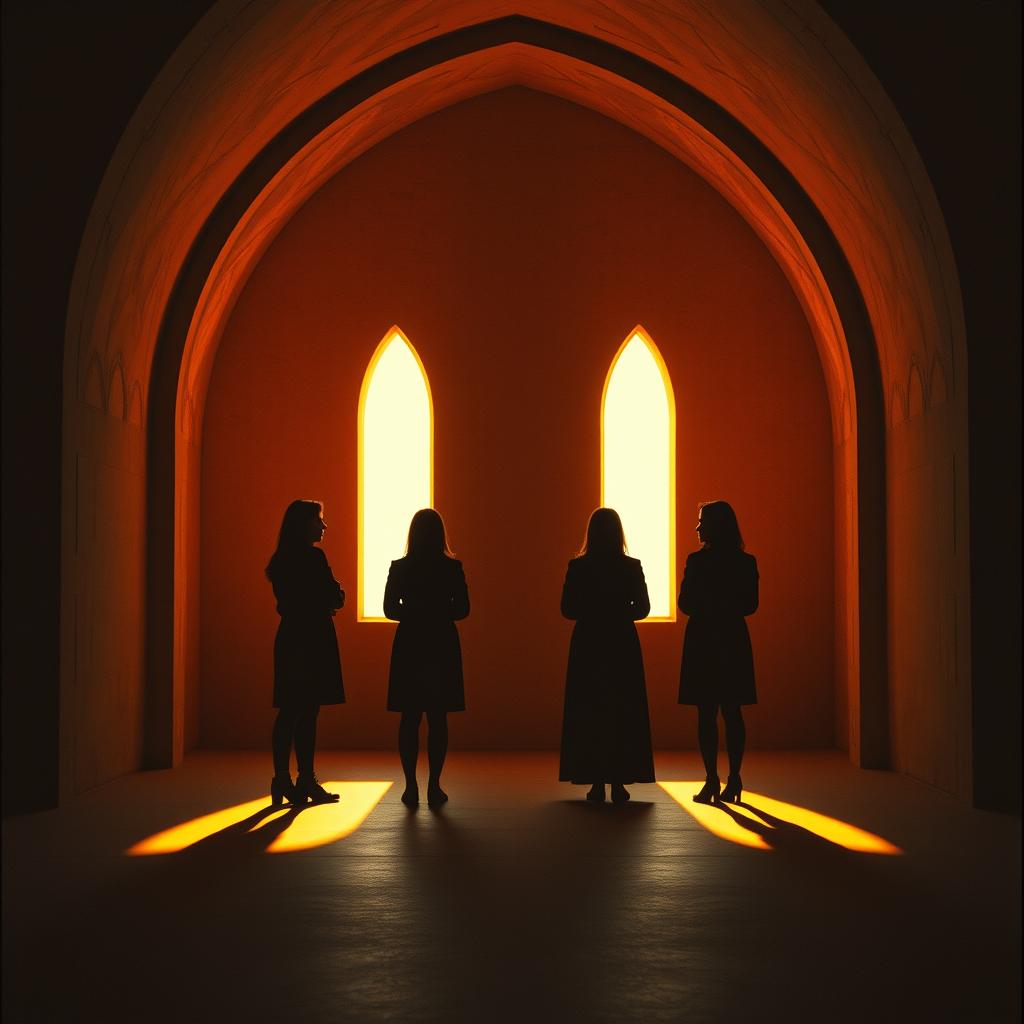
A cappella four-part SATB Renaissance madrigal inspired by the sacred and secular polyphony of Orlando di Lasso, featuring full lyrical imitative counterpoint with staggered voice entries, Each voice—soprano, alto, tenor, and bass—sings the complete text with equal rhetorical weight, including the bass voice carrying full melodic phrases rather than harmonic support alone, The texture is strictly polyphonic, avoiding homophony except at rare cadential points, Melodic lines interlock through continuous imitation, with voices entering on different beats and overlapping phrases to sustain forward motion, The vocal tone is straight, dark, and unadorned, with no vibrato or modern expressivity, The performance favors gravity, restraint, and textual clarity over polish, evoking a solemn Renaissance chapel rather than an academic concert hall, Harmonic density and intensity increase gradually across stanzas, ‑vocables, ‑vocal accompaniment, ‑modern ensemble styli
1:12
A cappella four-part SATB Renaissance madrigal inspired by the sacred and secular polyphony of Orlando di Lasso, featuring full lyrical imitative counterpoint with staggered voice entries, Each voice soprano, alto, tenor, and bass, sings the complete text with equal rhetorical weight, including the bass voice carrying full melodic phrases rather than harmonic support alone, The texture is strictly polyphonic, avoiding homophony except at rare cadential points, Melodic lines interlock through continuous imitation, with voices entering on different beats and overlapping phrases to sustain forward motion, The vocal tone is straight, dark, and unadorned, with no vibrato or modern expressivity, The performance favors gravity, restraint, and textual clarity over polish, evoking a solemn Renaissance chapel rather than an academic concert hall, Harmonic density and intensity increase gradually across stanzas
1:37
A cappella four-part mixed voice, Soprano, Alto, Tenor, and Bass madrigal setting of a sonnet by Michelangelo Buonarroti inspired by renaissance era composer Orlando de Lassus featuring full lyrical imitative polyphony, with each voice entering in staggered order, each voicing singing the full lyrical phrases, and each voice carrying equal weight including the bass voice, Rich, interlocking harmonies weave intricate melodic lines, balancing clarity and texture in Renaissance madigal style
1:37
A cappella four-part mixed voice, Soprano, Alto, Tenor, and Bass madrigal song inspired by renaissance era composer Orlando de Lassus featuring full lyrical imitative polyphony, with each voice entering in staggered order, each voicing singing the full lyrical phrases, and each voice carrying equal weight including the bass voice, Rich, interlocking harmonies weave intricate melodic lines, balancing clarity and texture in Renaissance madigal style, ‑Vocables, ‑non-lexical singing, ‑scatting, ‑ad-libs, ‑vocal filler
3:32
Baroque Opera setting of three sonnets by Michelangelo Buonarroti, Opens with a stately overture for harpsichord and chamber strings, Verses alternate between expressive Soprano arias and sparse secco recitatives, Features ornamental harpsichord flourishes and melismatic vocal lines, A driving basso ostinato motif provides a celebratory, relentless momentum, Full operatic chorus enters for the ritornello with dense imitative counterpoint and staggered vocal entries, Concludes in a philosophically moving, majestic finale with a deep pedal point and sustained choral chords
1:48
A cappella four-part mixed voice, Soprano, Alto, Tenor, and Bass madrigal inspired by renaissance era composer Orlando de Lassus featuring full lyrical imitative polyphony, with each voice entering in staggered order, each voicing singing the full lyrical phrases, and each voice carrying equal weight including the bass voice, Rich, interlocking harmonies weave intricate melodic lines, balancing clarity and texture in Renaissance madigal style
2:13
“Greensleeves, ” a traditional English folk ballad from the late 16th century, often attributed to the Tudor period, unfolds in lilting triple meter reminiscent of a slow courtly dance, The melody moves with graceful stepwise motion and gentle leaps, weaving between minor and Dorian inflections, Traditional arrangements feature lute, harp, or harpsichord with soft viol and recorder accompaniment, creating a stately yet melancholic air, Harmonic motion alternates between tonic and dominant with descending bass patterns, evoking Elizabethan-era love songs and laments, The mood is wistful and noble, combining romantic melancholy with serene elegance, Modern renditions often adapt the tune for strings, piano, or full orchestral chamber texture while preserving its graceful 3/4 rhythm and unmistakably English Renaissance character, Vocals are lyrical, pure, and ornamented, echoing the ballad’s timeless sense of longing and devotion
2:39
A cappella four-part mixed voice madrigal featuring full lyrical imitative polyphony, with each voice entering in staggered order, each voicing singing the full lyrical phrases, and each voice carrying equal weight including the bass voice, Rich, interlocking harmonies weave intricate melodic lines, balancing clarity and texture in sacred Renaissance style, The Dies Irae motif appears in minor mode with slow tempi, woven throughout the voices, In verses three and four, dynamics intensify—polyphony grows more agitated, with bold overlapping entries of the motif, evoking wrathful waves and heightening dramatic tension
2:33
A cappella four-part mixed voice madrigal inspired by renaissance era composer Orlando de Lassus featuring full lyrical imitative polyphony, with each voice entering in staggered order, each voicing singing the full lyrical phrases, and each voice carrying equal weight including the bass voice, Rich, interlocking harmonies weave intricate melodic lines, balancing clarity and texture in Renaissance madigal style
2:26
A cappella four-part mixed voice madrigal inspired by renaissance era composer Orlando de Lassus featuring full lyrical imitative polyphony, with each voice entering in staggered order, each voicing singing the full lyrical phrases, and each voice carrying equal weight including the bass voice, Rich, interlocking harmonies weave intricate melodic lines, balancing clarity and texture in Renaissance madigal style, ‑Drill Down With the Most Impact
2:29
A cappella four-part mixed voice madrigal featuring full lyrical imitative polyphony, with each voice entering in staggered order, each voicing singing the full lyrical phrases, and each voice carrying equal weight including the bass voice, Rich, interlocking harmonies weave intricate melodic lines, balancing clarity and texture in sacred Renaissance style, The Dies Irae motif appears in minor mode with slow tempi, woven throughout the voices, In verses three and four, dynamics intensify—polyphony grows more agitated, with bold overlapping entries of the motif, evoking wrathful waves and heightening dramatic tension
2:04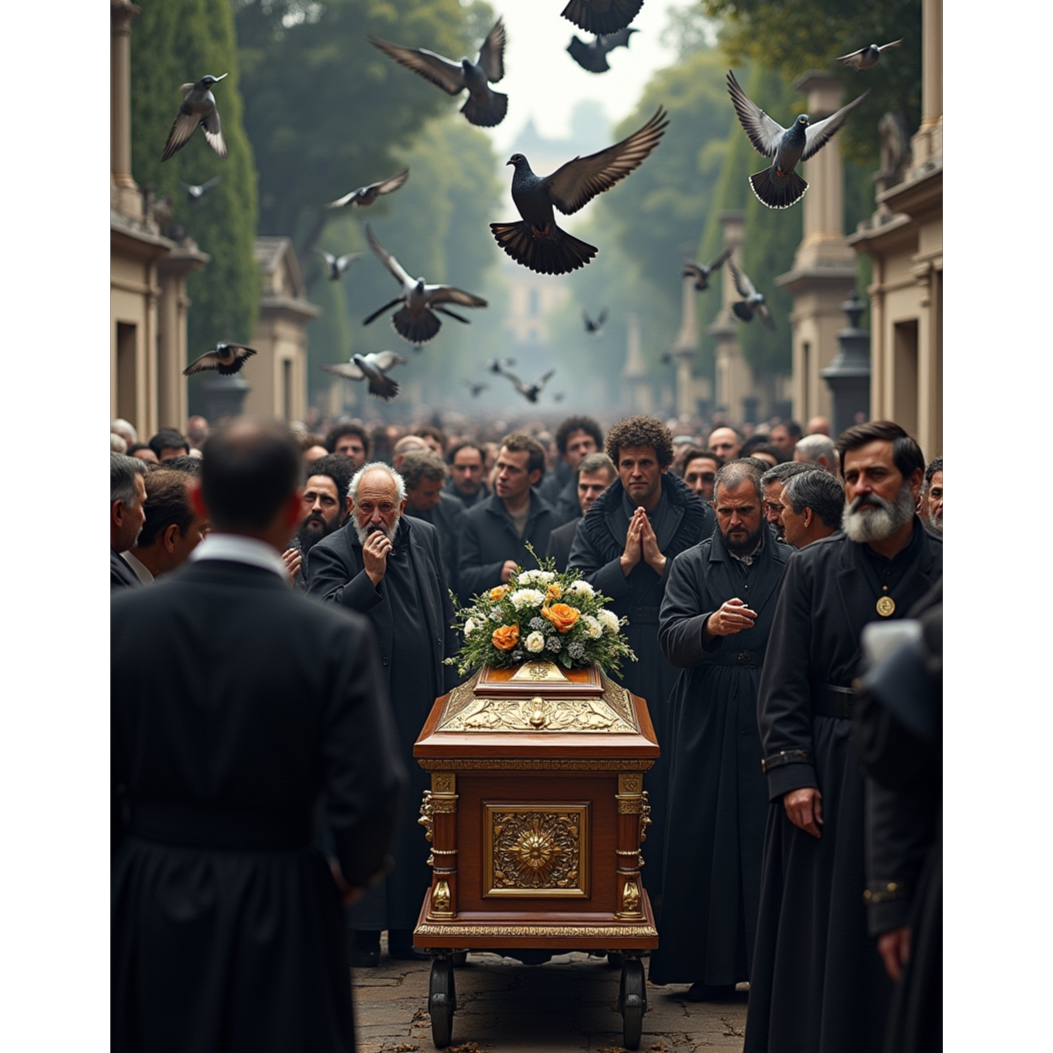
A cappella Soprano, Alto, Tenor, Bass renaissance madrigal funeral dirge and Gregorian chant fusion about the death of a loved one, Features full lyrical imitative polyphonic harmony with staggered entrances; each voice carries the full text and equal melodic weight—including the bass, Rich, interlocking harmonies form intricate melodic lines, maintaining clarity and somber texture in a Renaissance dirge style, A funeral descending melody evoking medieval death chants appears in minor mode and slow tempi, woven throughout the voices, In verses three and four, dynamics intensify as the polyphony grows increasingly agitated, with bold, overlapping motif entries evoking wrathful waves and mounting dramatic tension, Incorporates a descending minor motif resembling the "Dies Irae" medieval death chant, using half-step and whole-step movements starting on F and resolving downward through dark, somber tones
1:24
A traditional a cappella Renaissance madrigal composed for four-part mixed voices composed of soprano, alto, tenor, and bass with full lyrical imitative polyphonic harmony, with each vocal line entering at staggered intervals but singing the full lyrical phrases, All voices—soprano, alto, tenor, and bass—carry equal weight and participate in the melodic and lyric material, The bass voice is not accompaniment but enters with the same full lyrics phrases as the upper voices, creating layered, interweaving melodies in strict counterpoint, The tone is intimate, lyrical, and expressive
1:55
Soprano, Alto, Tenor, Bass mixed voices perform an unaccompanied a cappella madrigal in close full lyrical imitative polyphony typical of the Renaissance, No voice dominates the others, all four voice parts have equal weight, The texture remains polyphonic throughout, with intricate weaving and refined interplay between all voices, No voice dominates the others, all four voice parts have equal weight, ‑vocables
2:44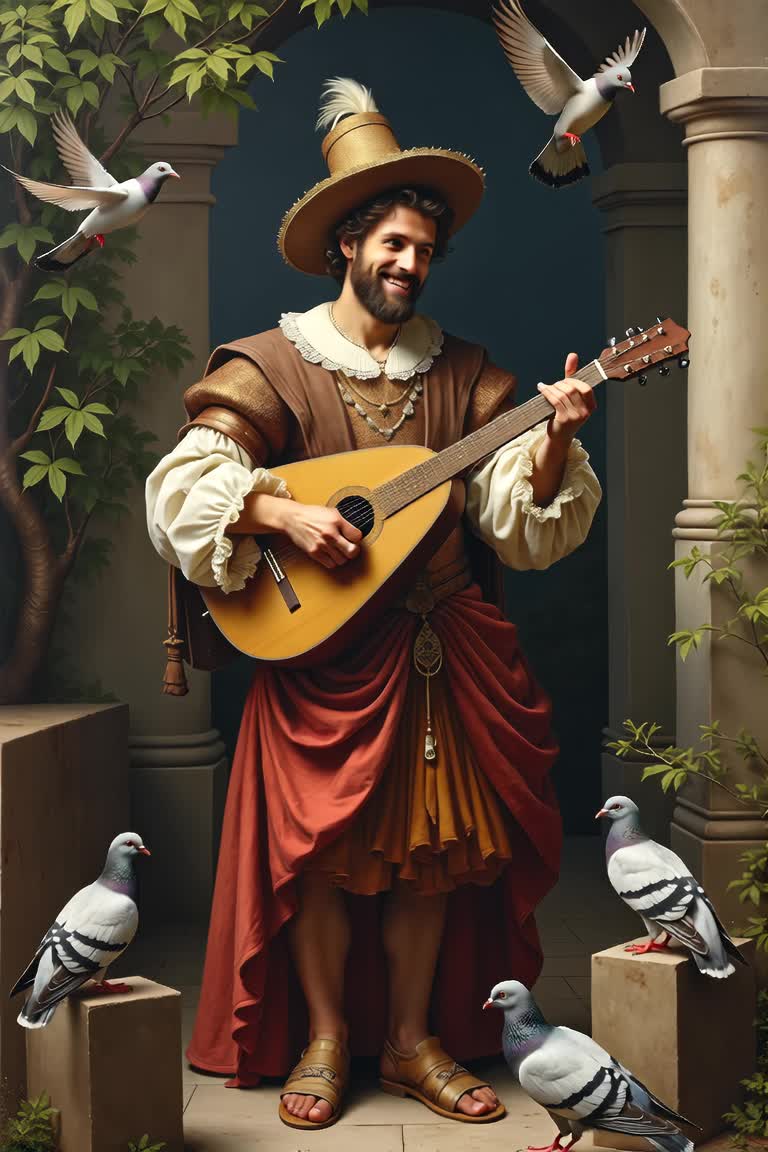
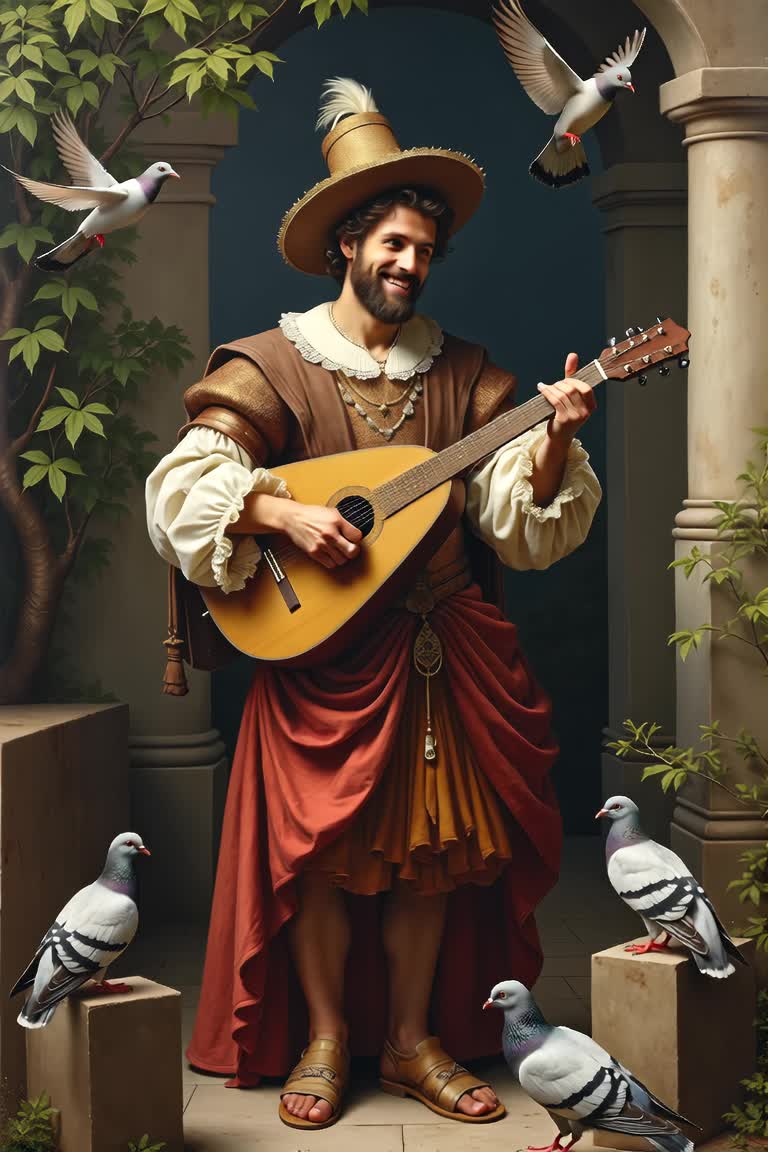
A renaissance bardic, early music courtly pastoral ballad, strophic in form with freeform verses, unfolds in solo voice accompanied by lute and viola da gamba, recorder lines weaving breathy countermelodies, Occasional vocal polyphony adds texture, with a wistful, melancholic romantic reverence, Instrumental interludes feature delicate interplay, enriching the song's gentle flow
2:44
Dies Luctus
v4.5
A cappella So-Al-Te-Ba madrigal dirge featuring full lyrical imitative polyphony, with staggered entrances and each voice carrying the full text and equal melodic weight—including the bass, Rich, interlocking harmonies form intricate melodic lines, maintaining clarity and somber texture in a Renaissance dirge style, The Dies Irae motif (F – E♭ – F – D – E♭ – C – D – B♭ | rhythm: quarter x6, half) appears in minor mode and slow tempi, woven throughout the voices, In verses three and four, dynamics intensify as the polyphony grows increasingly agitated, with bold, overlapping entries of the motif that evoke wrathful waves and mounting dramatic tension, ‑rhythmic syncopation, ‑vocal percussion, ‑instrumental mimicry, ‑scat syllables, ‑barbershop, ‑modern stylization, ‑smiling voice, ‑pop studio mix, ‑pitch effects
2:24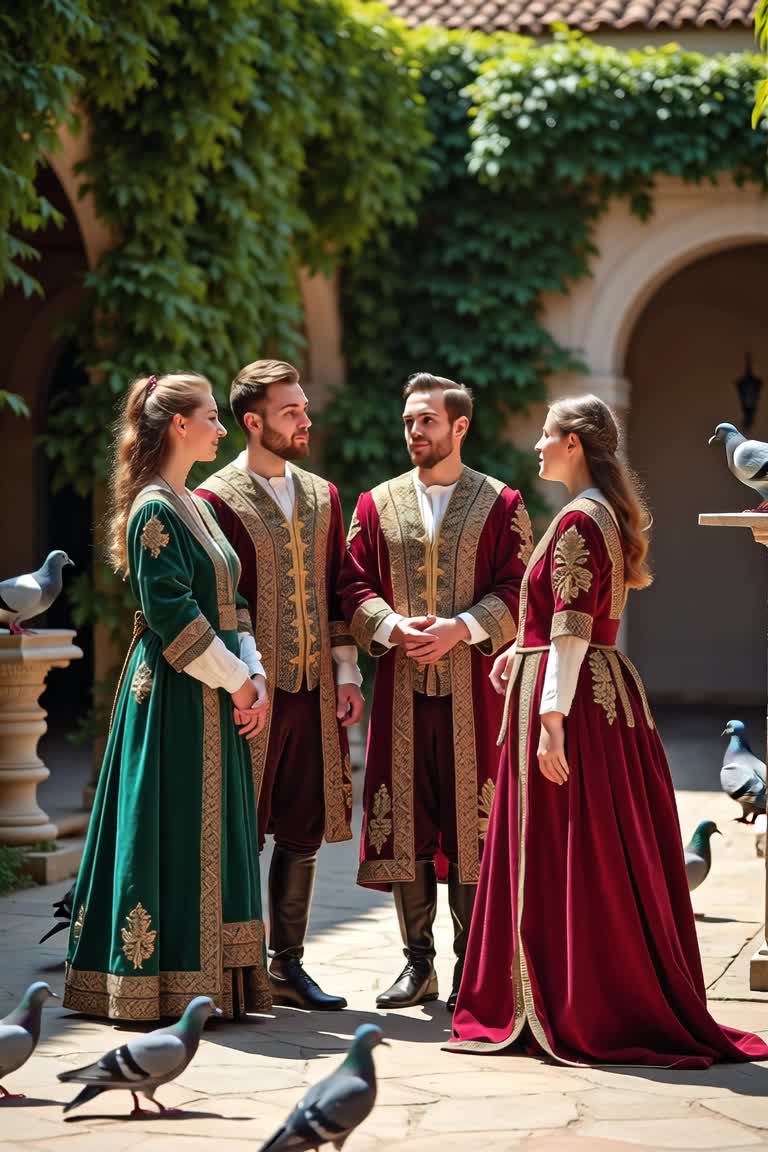
A Renaissance madrigal crafted for four-part mixed voices in polyphonic harmony, featuring intricate a cappella textures, Each section weaves staggered vocal entries for vibrant, overlapping lines, creating dynamic interplays and a unified, resonant choral tapestry throughout
1:59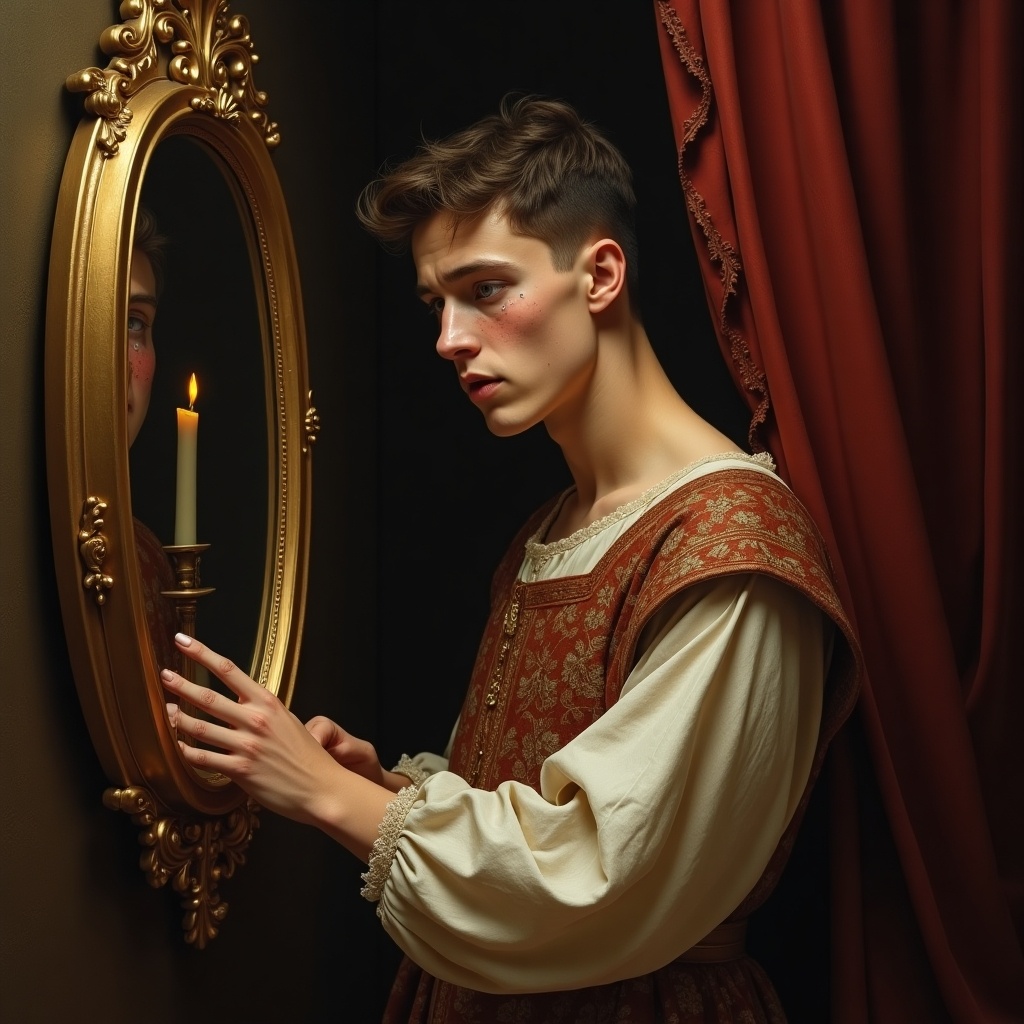
mixed four part vocal ensemble with renaissance style harmony, renaissance, madrigal, european staggered polyphony
2:47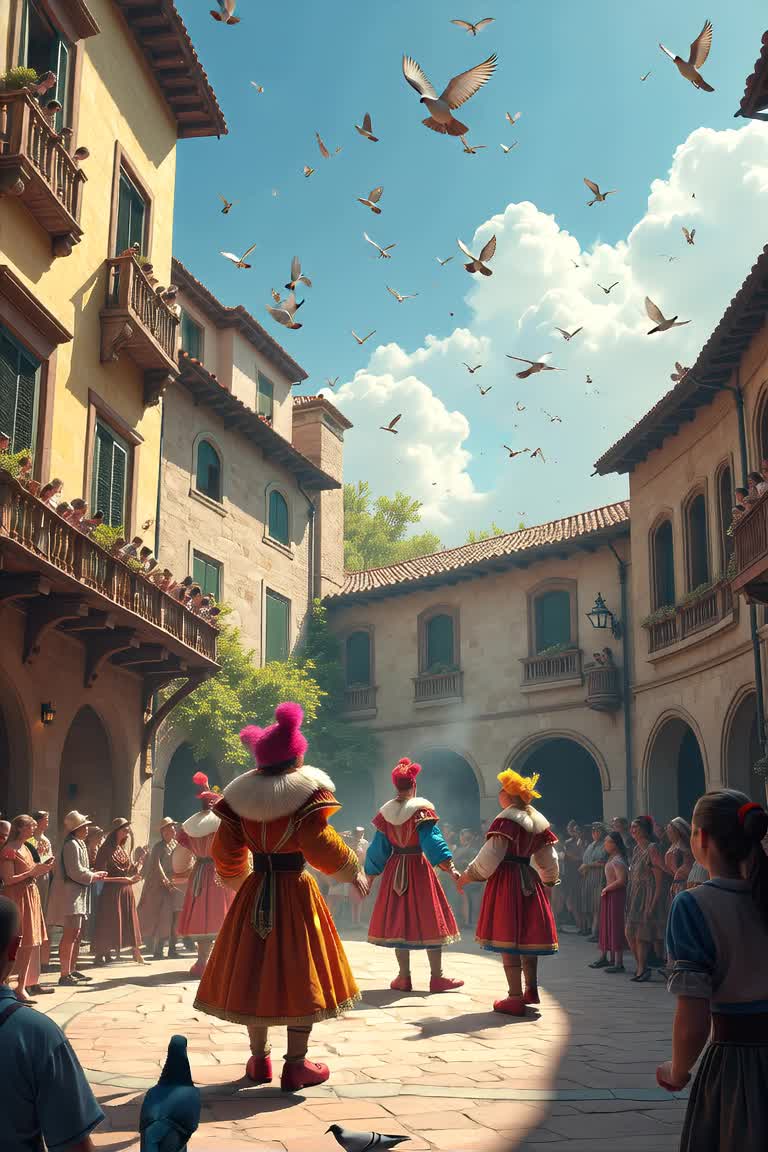
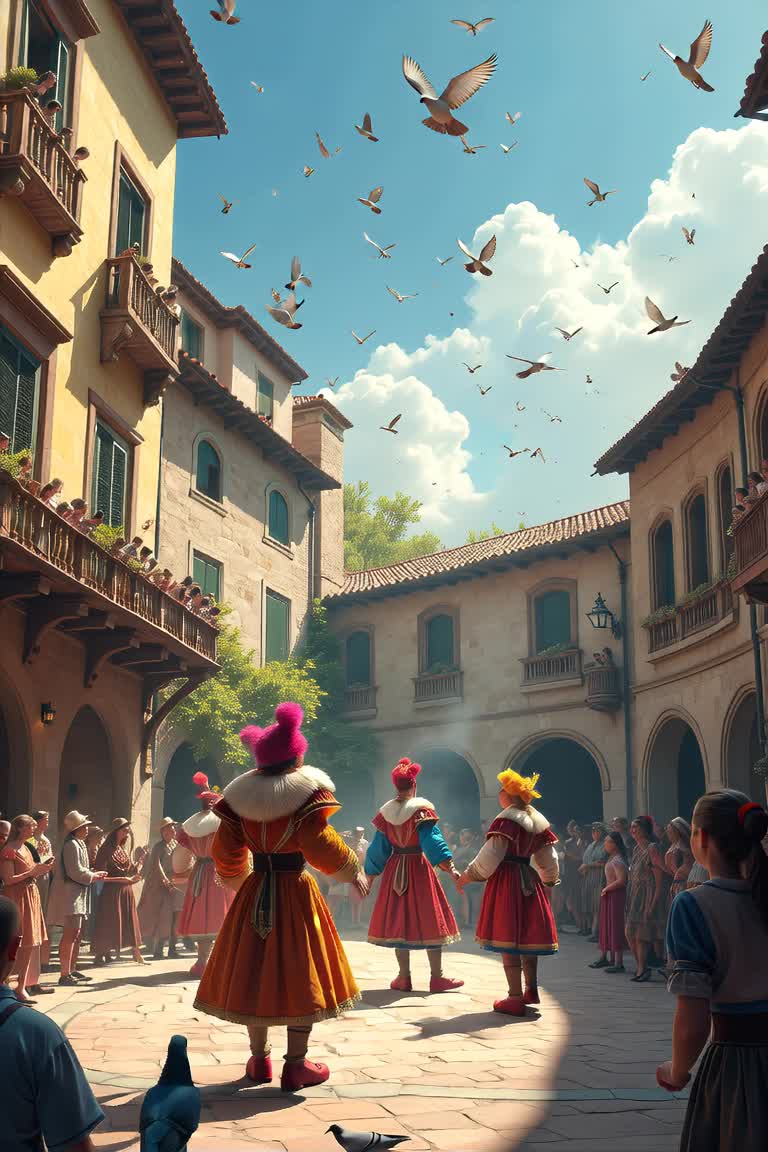
mixed four part vocal ensemble with renaissance style harmony, renaissance, madrigal, european polyphony
2:42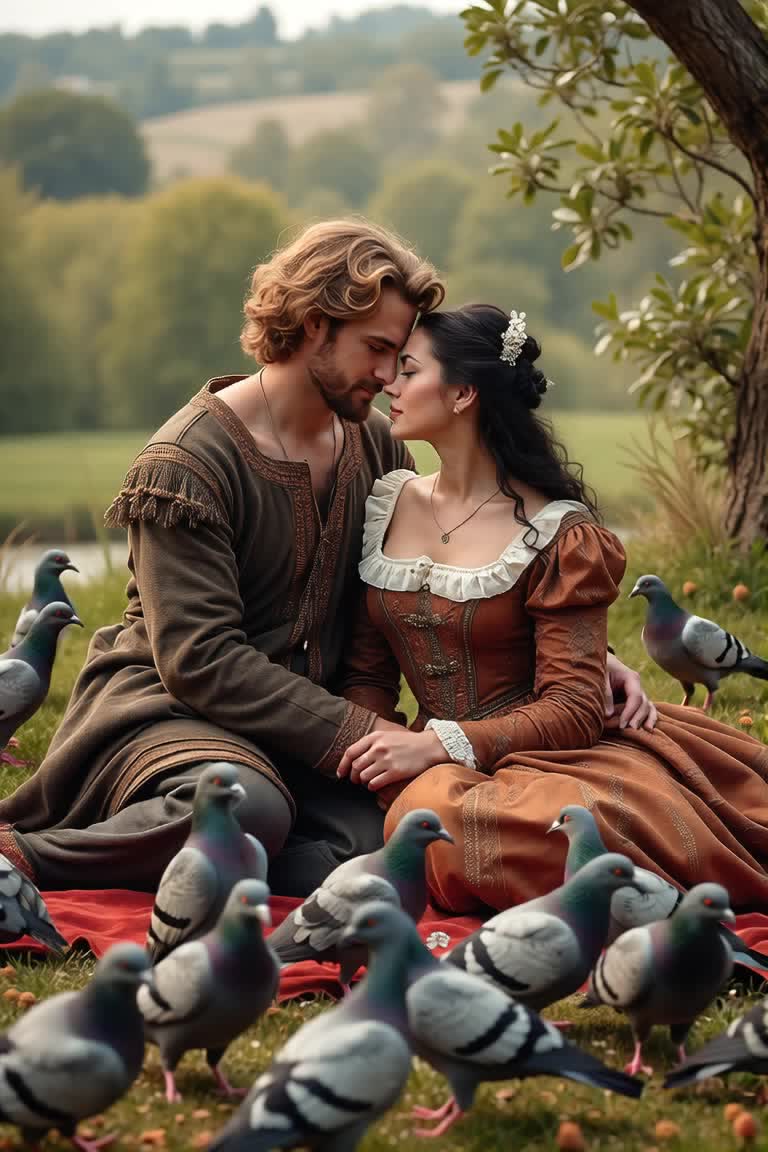
5:00

Baroque classical opera, A chamber ensemble opens with a stately overture, harpsichord and muted strings setting a reverent tone, Verses alternate between lyrical arias and spare secco recitatives, moving elegantly to expressive duet, Each ritornello returns with divine gravity, An ensemble chorus in operatic verse-chorus structure elevates the texture with contrapuntal lines, concluding in an elegiac, philosophically moving finale, ‑metal, ‑rock, ‑modern instruments
2:14
The Warlock's Portal
v4.5+
Baroque classical opera, A chamber ensemble opens with a stately overture, harpsichord and muted strings setting a reverent tone, Verses alternate between lyrical arias and spare secco recitatives, moving elegantly to expressive duet, Each ritornello returns with divine gravity, An ensemble chorus in operatic verse-chorus structure elevates the texture with contrapuntal lines, concluding in an elegiac, philosophically moving finale
3:24
Baroque Opera excerpt from Milton's Paradise Lost, opens with a stately overture for harpsichord and chamber strings, Verses alternate between expressive Soprano arias and sparse secco recitatives, Features ornamental harpsichord flourishes and melismatic vocal lines, A driving basso ostinato motif provides a celebratory, relentless momentum, Full operatic chorus enters for the ritornello with dense imitative counterpoint and staggered vocal entries, Concludes in a philosophically moving, majestic finale with a deep pedal point and sustained choral chords
2:16
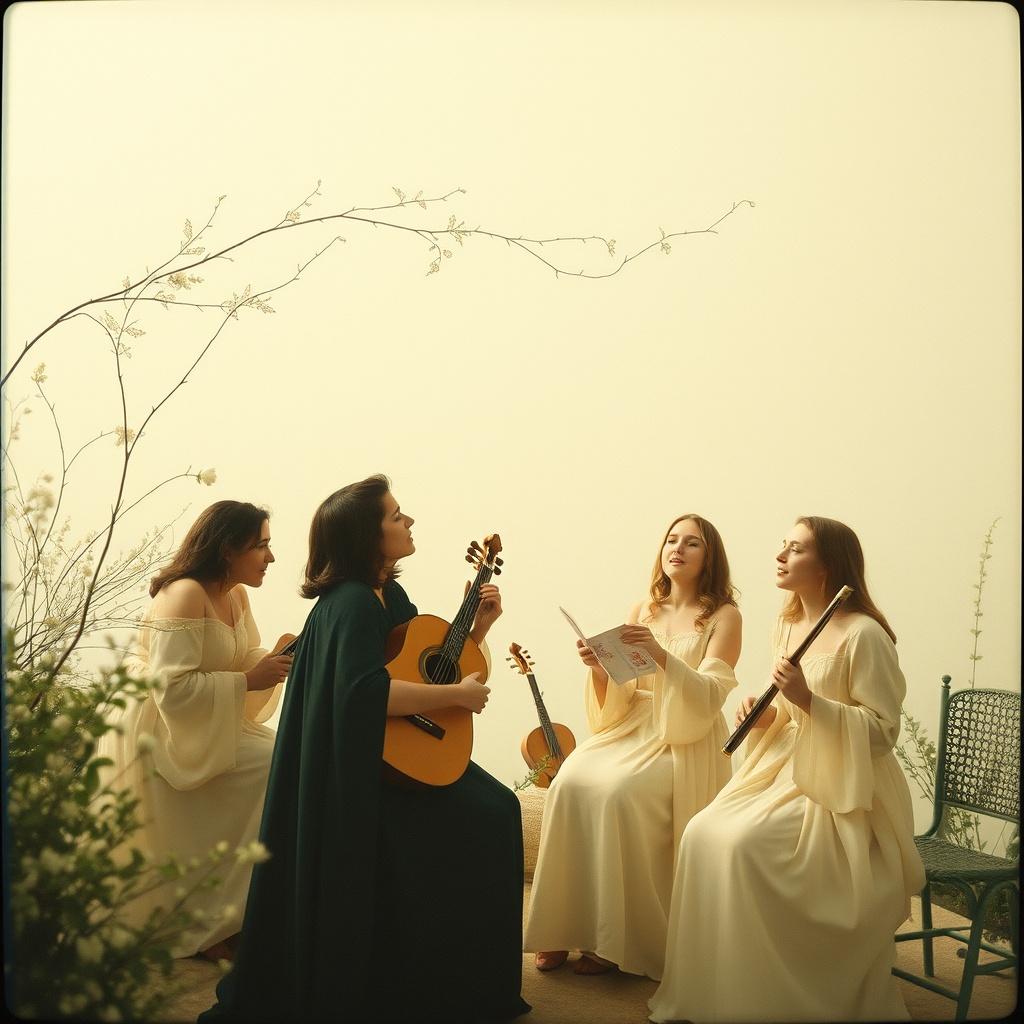
A cappella four-part mixed voice Soprano, Alto, Tenor, and Bass madrigal setting of a poem by renaissance poet Clément Marot inspired by renaissance era composer Orlando de Lassus featuring full lyrical imitative polyphony, with each voice entering in staggered order, each voicing singing the full lyrical phrases, and each voice carrying equal weight including the bass voice, Rich, interlocking harmonies weave intricate melodic lines, balancing clarity and texture in Renaissance madrigal style, Renaissance consort accompaniment of transverse flute, renaissance fiddle, and lute in period performance style, Instruments subordinate to voices at all times, withdrawing during dense contrapuntal passages and re-entering only at interstitial phrases and final cadence, Lute provides light arpeggiated continuo support, Fiddle doubles inner voices, Flute ornaments above the soprano line, No instrument competes with or obscures the vocal polyphony
1:08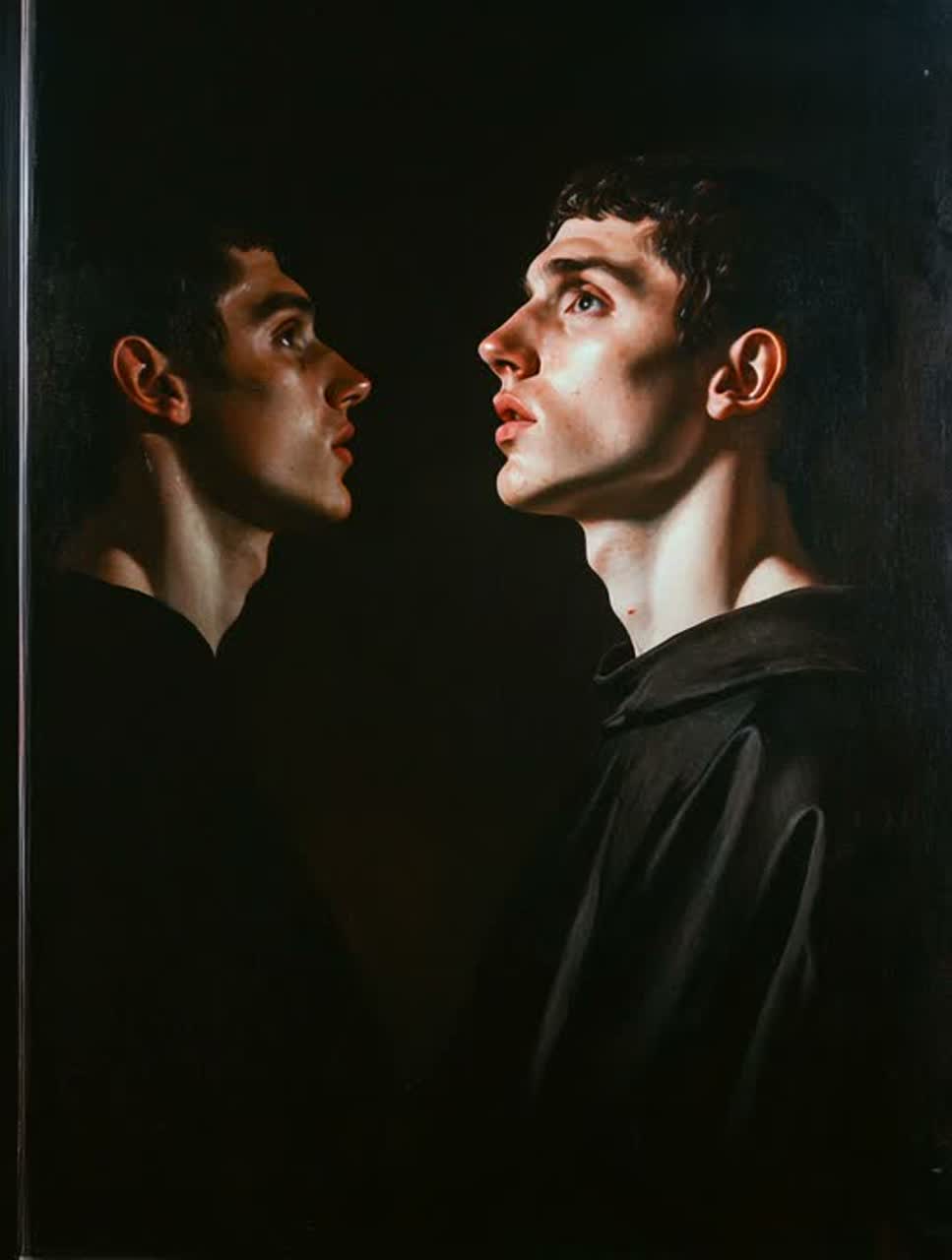
A cappella four-part mixed voice Soprano, Alto, Tenor, and Bass madrigal setting of a poem by renaissance poet Clément Marot inspired by renaissance era composer Orlando de Lassus featuring full lyrical imitative polyphony, with each voice entering in staggered order, each voicing singing the full lyrical phrases, and each voice carrying equal weight including the bass voice, Rich, interlocking harmonies weave intricate melodic lines, balancing clarity and texture in Renaissance madrigal style, Renaissance consort accompaniment of transverse flute, renaissance fiddle, and lute in period performance style, Instruments subordinate to voices at all times, withdrawing during dense contrapuntal passages and re-entering only at interstitial phrases and final cadence, Lute provides light arpeggiated continuo support, Fiddle doubles inner voices, Flute ornaments above the soprano line, No instrument competes with or obscures the vocal polyphony
2:23
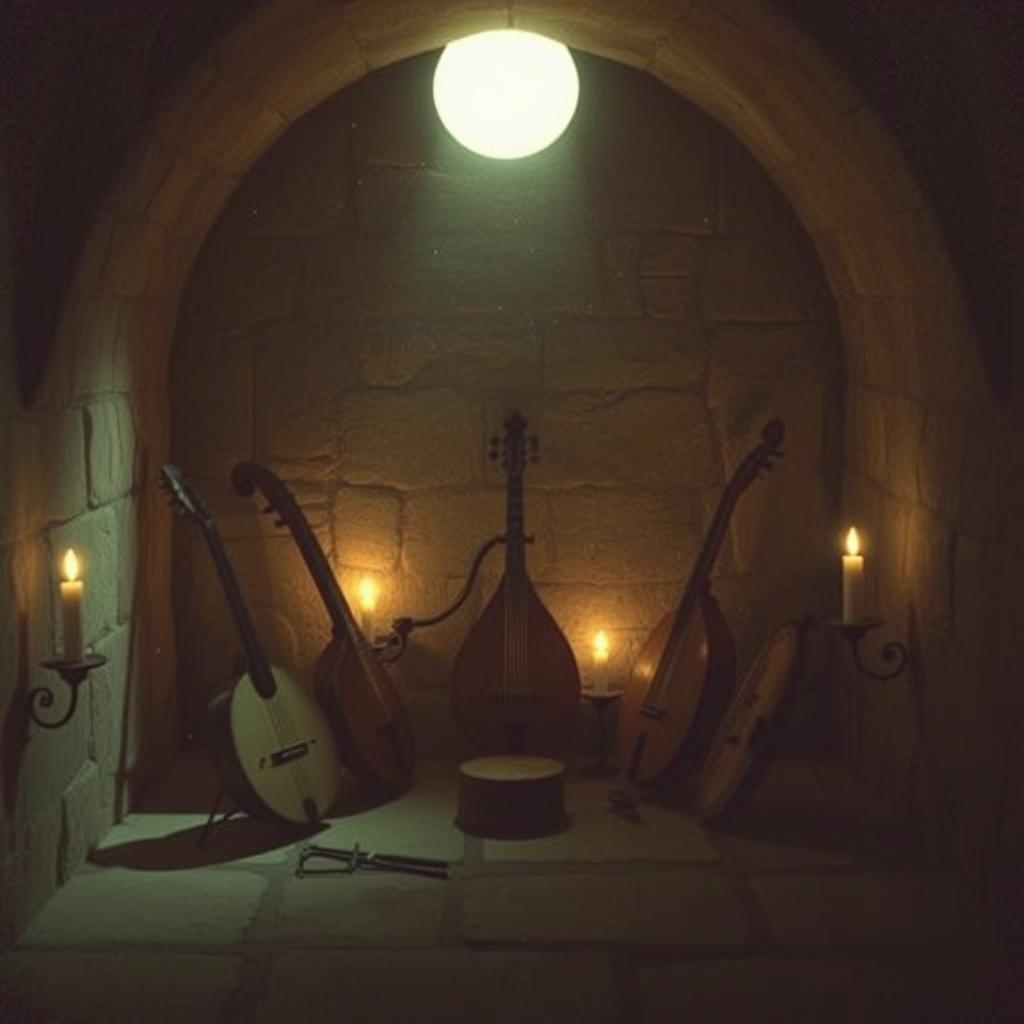
A renaissance folk song unfolds in strophic form, led by plucked lute weaving modal counterpoint with airy passing tones, joined by soft recorder melodies rich in pastoral ornamentation, A tabor provides one-handed, lightly dancing rhythms, Low tenor voice sings with clarity and light vibrato, favoring ornamental cadences, accompanied intimately by lute and occasional recorder doubling, all set within the warm resonance of a small stone chamber, evoking wistful, courtly melancholy in Dorian, Mixolydian, or Aeolian mode
2:05
A cappella four-part mixed voice, Soprano, Alto, Tenor, and Bass madrigal setting of a poem by Thomas Wyatt, inspired by renaissance era composer Orlando de Lassus featuring full lyrical imitative polyphony, with each voice entering in staggered order, each voicing singing the full lyrical phrases, and each voice carrying equal weight including the bass voice, Rich, interlocking harmonies weave intricate melodic lines, balancing clarity and texture in Renaissance madrigal style
2:49
A cappella eight-part mixed voice, with two Soprano, two Alto, two Tenor, Baritone, and Bass madrigal setting of a poem by renaissance poet Clément Marot inspired by renaissance era composer Orlando de Lassus featuring full lyrical imitative polyphony, with each voice entering in staggered order, each voicing singing the full lyrical phrases, and each voice carrying equal weight including the bass voice, Rich, interlocking harmonies weave intricate melodic lines, balancing clarity and texture in Renaissance madrigal style, ‑EDM, ‑dubstep, ‑vocables