5:49
Epic heavy symphonic metal rock opera about the city of Krasnodar, formerly Yekaterinodar, Style: Symphonic Metal / Epic Metal / Rock Opera, Tempo: slow to mid-tempo, heavy and monumental, with dark cinematic builds and powerful climaxes, Mood: dark, tragic, proud, relentless, Language: Russian, Instrumentation: full symphony orchestra with low strings, brass, timpani, orchestral percussion, Heavy distorted electric guitars, deep bass, double-kick metal drums, Recurring church bell motif symbolizing fate and memory, Vocals: main male vocal with strong raspy grit and rough emotional delivery, Clean vocals used rarely for contrast, Supporting female soprano for tragic lines, Large mixed choir as the voice of history and the city, Themes: ancient origins, frontier city, oath and blood, erased names, revolution, occupation, suffering, endurance, rebirth, living memory, No pop elements, Length: 7–9 minutes, Emotion: fate, pain, endurance, resurrection
5:55
[Style: Epic Symphonic Metal]
[Mood: majestic, powerful, sacred, historical]
[Tempo: slow to mid-tempo with massive crescendos]
[Length: long epic, 25–30 minutes]
[Main vocal: male lead vocal with raspy, gritty tone, heroic and emotional, similar to epic metal narration]
[Choir: massive male and female symphonic choir, cathedral-style]
[Instruments: symphonic orchestra, heavy distorted guitars, bass, powerful drums, brass, strings, church bells, gusli accents]
[Language: Russian]
[Rule: Only the Russian lyrics below must be sung, All text inside square brackets is NOT sung, ]
7:07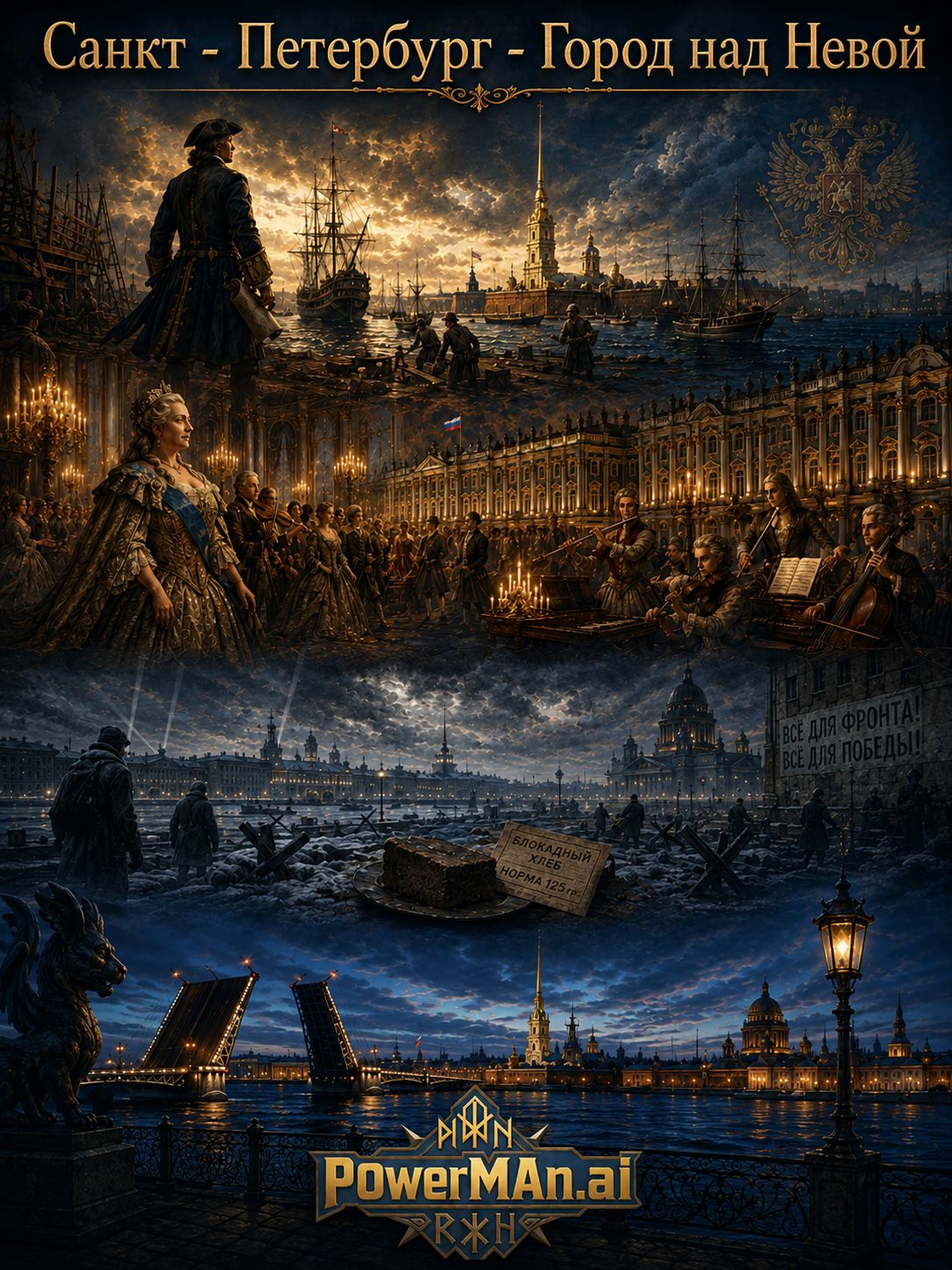
Hypnotic lyrical symphonic metal ballad, 5–6 minutes, Russian lyrics, solemn emotional atmosphere, Theme: history of Saint Petersburg from Peter the Great founding the city, Catherine the Great era, renamings Saint Petersburg, Petrograd, Leningrad, Saint Petersburg, Siege of Leningrad, hunger, survival, and modern city today, Male lead vocal for most sections, Female lead vocal only in the Catherine the Great section, Orthodox choral singing throughout, especially choruses, blockade climax, and final, Use noble ball instruments from Peter I and Catherine II eras: harpsichord, baroque violins, viola, cello, flute, oboe, bassoon, French horn, timpani, minuet and polonaise feel, Add heavy guitars, deep drums, symphonic orchestra, church bells, slow hypnotic build, dramatic compact climax, solemn ending
5:32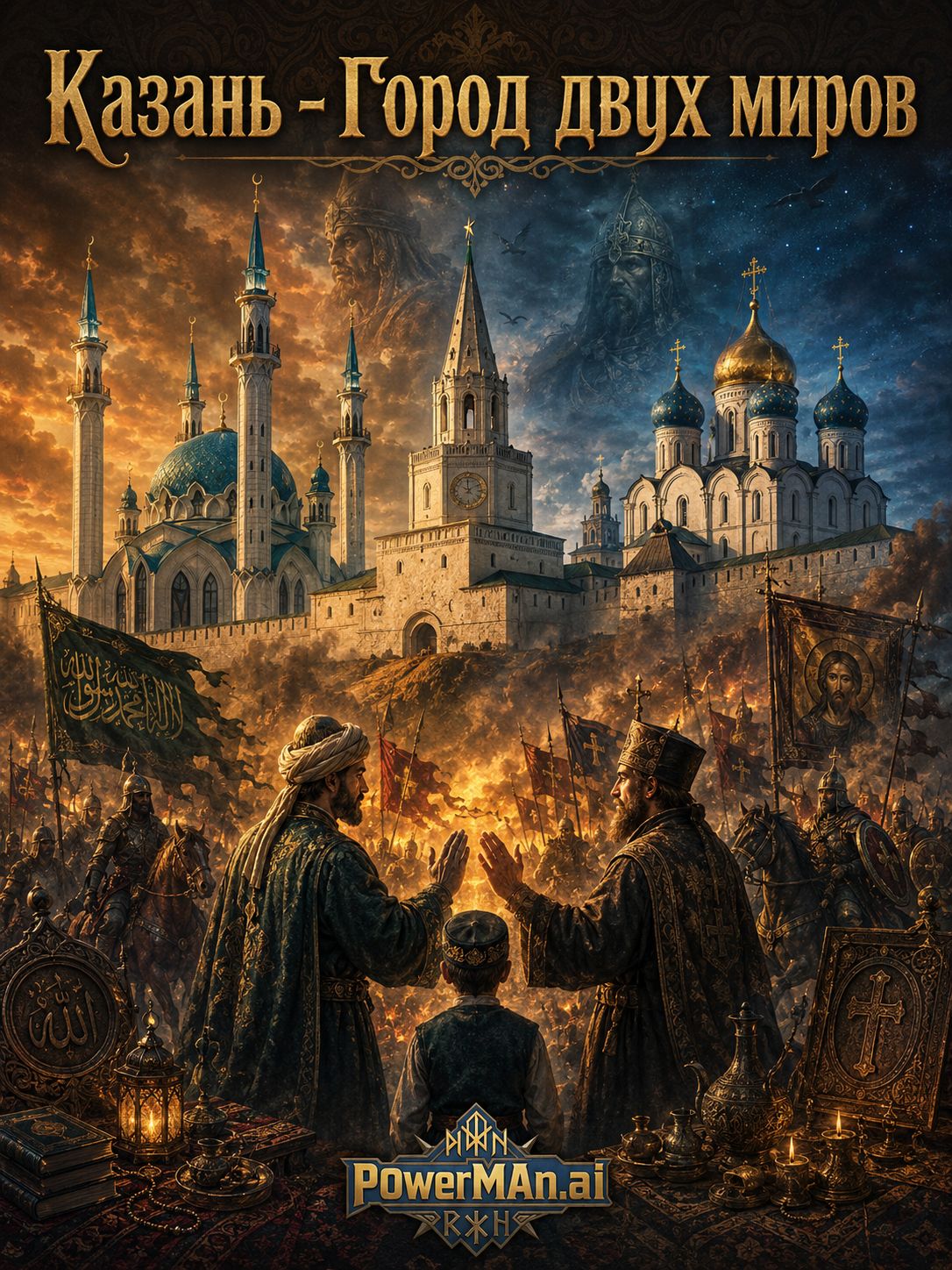
[Create an epic sympho-folk-metal ballad about Kazan, highlighting its history, ancient battles, culture, and the coexistence of Islam and Christianity, ]
[Instruments: Tatar and Russian national instruments, shamanic drum, throat singing, bell chimes, symphonic orchestra, guitars, ]
[Vocals: multi-voice, male and female, in Russian and Tatar, ]
[Structure:
[Introduction: shamanic drum and bell chimes, mystical atmosphere, ]
[Verses: storytelling with national instruments and orchestral support, ]
[Chorus: powerful sympho-metal, multi-voice vocals, shamanic drum, bell chimes, ]
[Bridge / Climax: throat singing, full orchestra, guitars, national instruments, ]
[Ending: soft, mystical, gentle orchestral and drum, whispering vocals, symbolizing harmony, ]]
[Atmosphere: epic, dramatic, mystical, highlighting cultural and religious unity, ]
6:57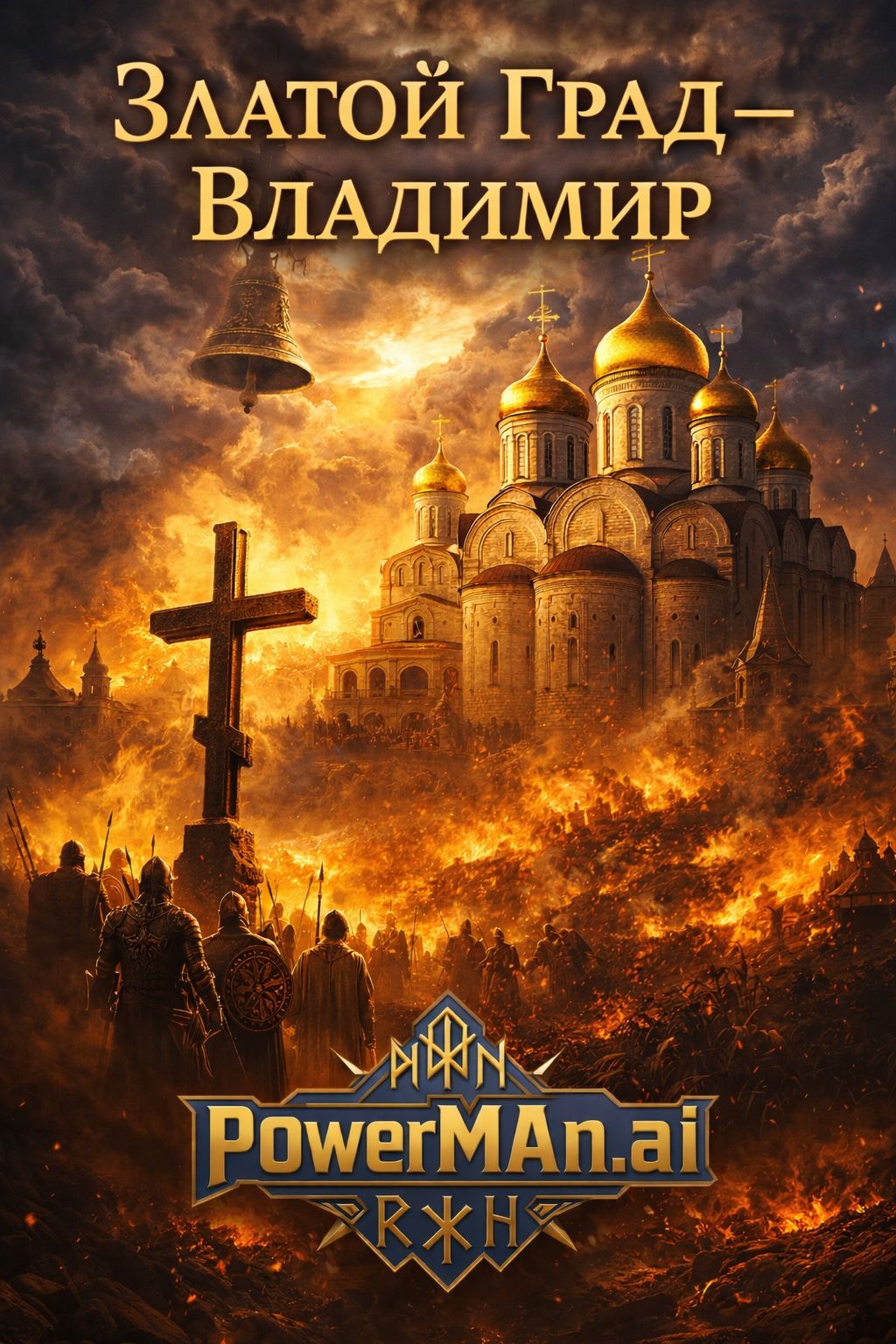
"Symphonic Metal Ballad — 8 minutes long, Epic Slavic sound with Orthodox choir, Russian gusli, church bells, deep male and female vocals, and a powerful metal orchestra, Lyrics in Russian about the ancient capital of Rus — the city of Vladimir: founded by Grand Prince Vladimir Monomakh, blessed by Andrei Bogolyubsky, surviving the Mongol invasion, and rising again as the spiritual and heroic heart of Rus, Majestic, intense, and sacred tone — blending Slavic folk melodies, heavy guitars, choirs, and church bells, Atmosphere: heroic, spiritual, and apocalyptic, with divine energy and ancient Russian power, "
4:23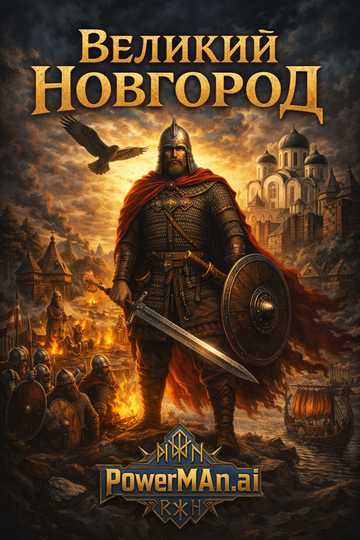
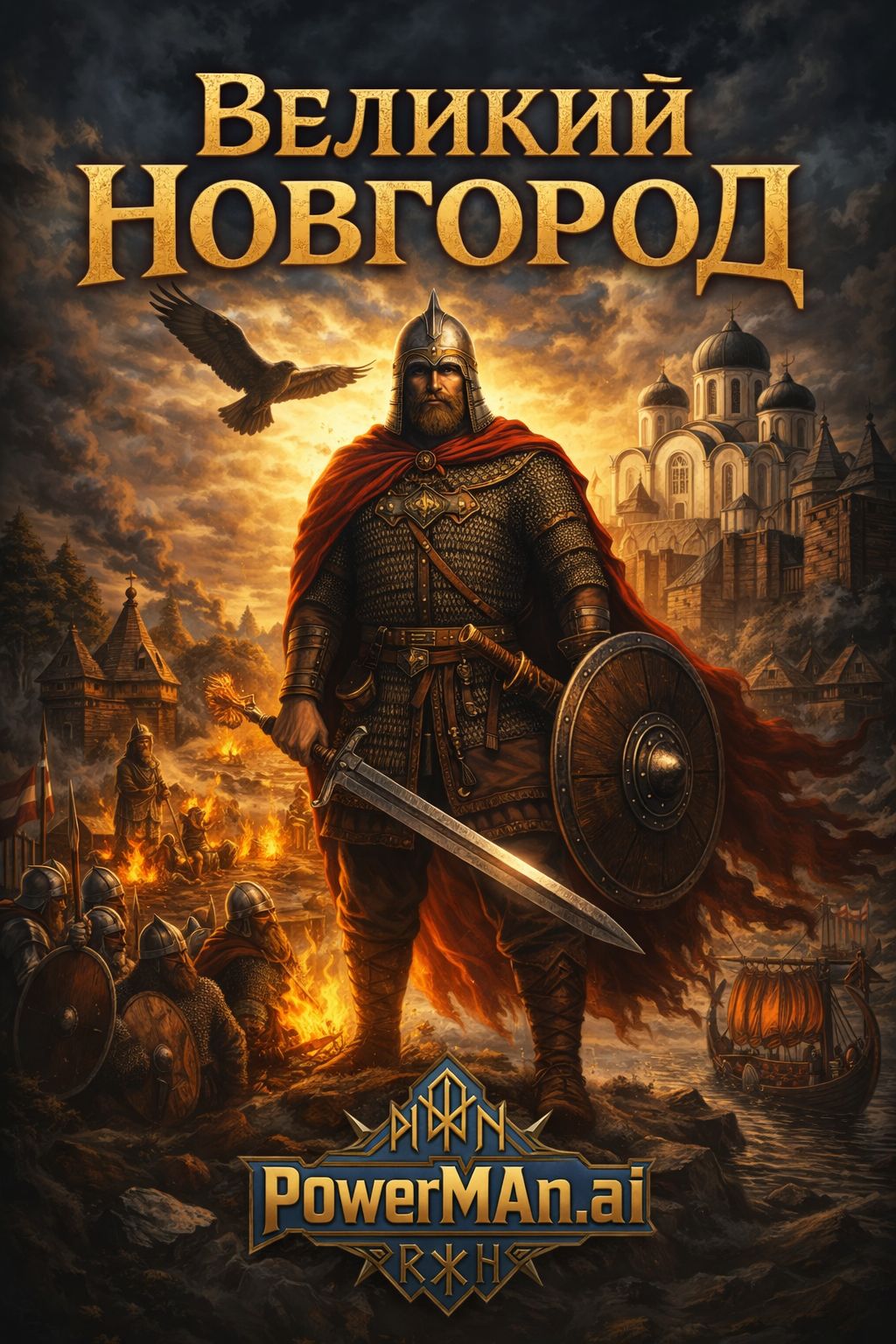
Slavic Sympho-Ethno-Rock Ballad about the founding of Ancient Rus — "Veliky Novgorod (864–882 AD)", Epic orchestral folk metal atmosphere with powerful choirs, ethnic drums, gusli, and flutes, The song tells about Prince Rurik, the unification of tribes, and the birth of Rus in the northern lands, Emotional, historical, and cinematic — in the style of Arkona, Ensiferum, and Epica with Slavic melodic motifs
5:55
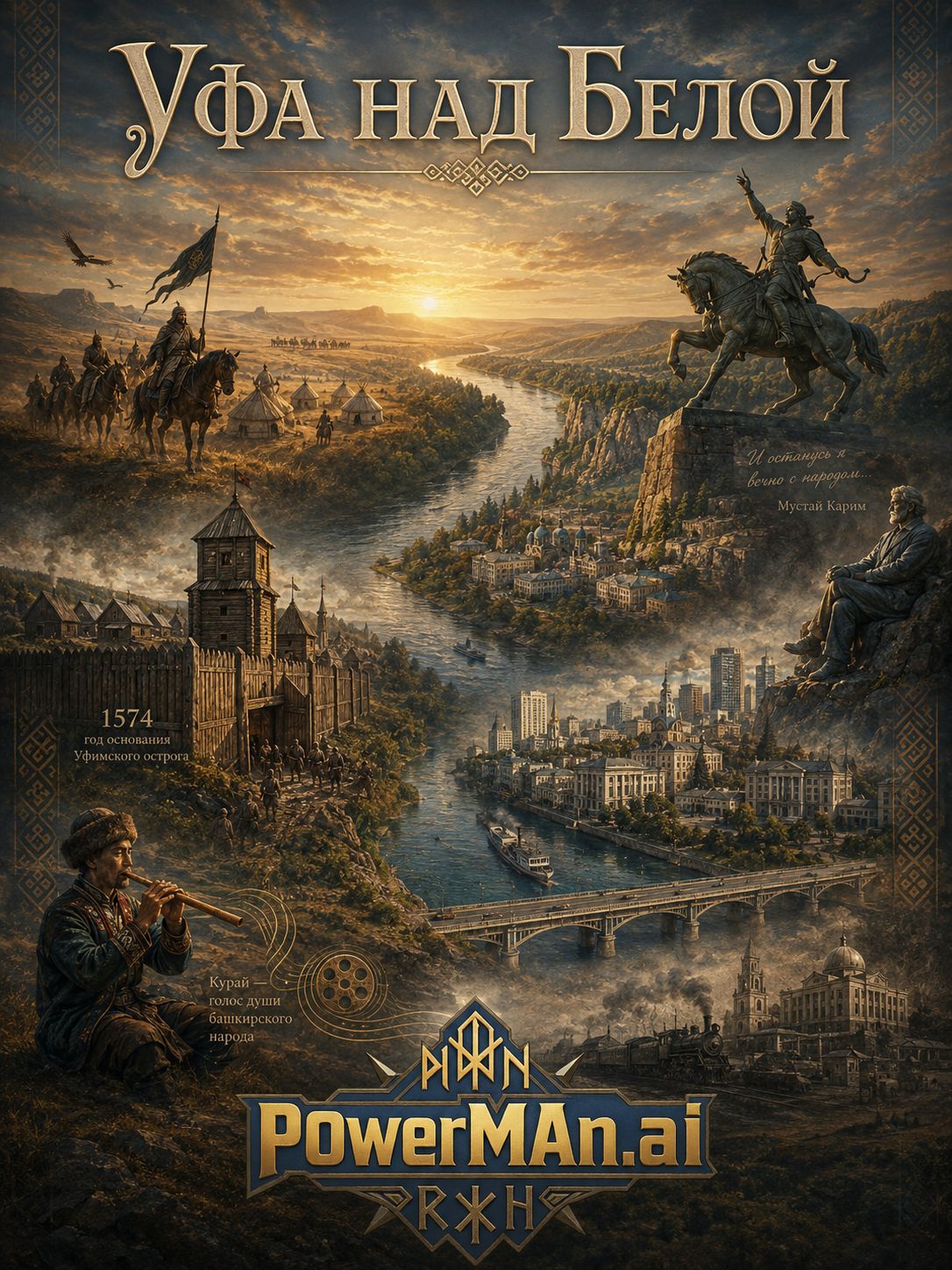
Уфа над Белой
v5.5
Historical Symphonic Metal track, duration 5–6 minutes, Powerful female lead vocal, dramatic and strong, with mixed choir accents, Lyrics in Russian and Bashkir, Theme: historical chronicle of Bashkir lands and Ufa, from ancient Bashkir tribes, nomadic clans, Volga Bulgaria and Horde period, Tura-Khan as a figure of historical memory and tradition, to the foundation of Ufa fortress in 1574, city status in 1586, uprisings, Salavat Yulaev, Bashkir autonomy in 1919, Ufa as capital, World War II rear industry, Mustai Karim and modern Bashkortostan, Use Bashkir ethnic instruments clearly: kurai leading melodic lines, kubyz jaw harp, dumbyra, kyl-kubyz, frame drums and ritual percussion, Heavy distorted guitars, double kick drums, deep bass, symphonic strings and brass, Serious historical atmosphere, no fantasy, no myths as facts, cinematic but strict chronicle feeling, Epic choruses, dark verses, triumphant final
6:43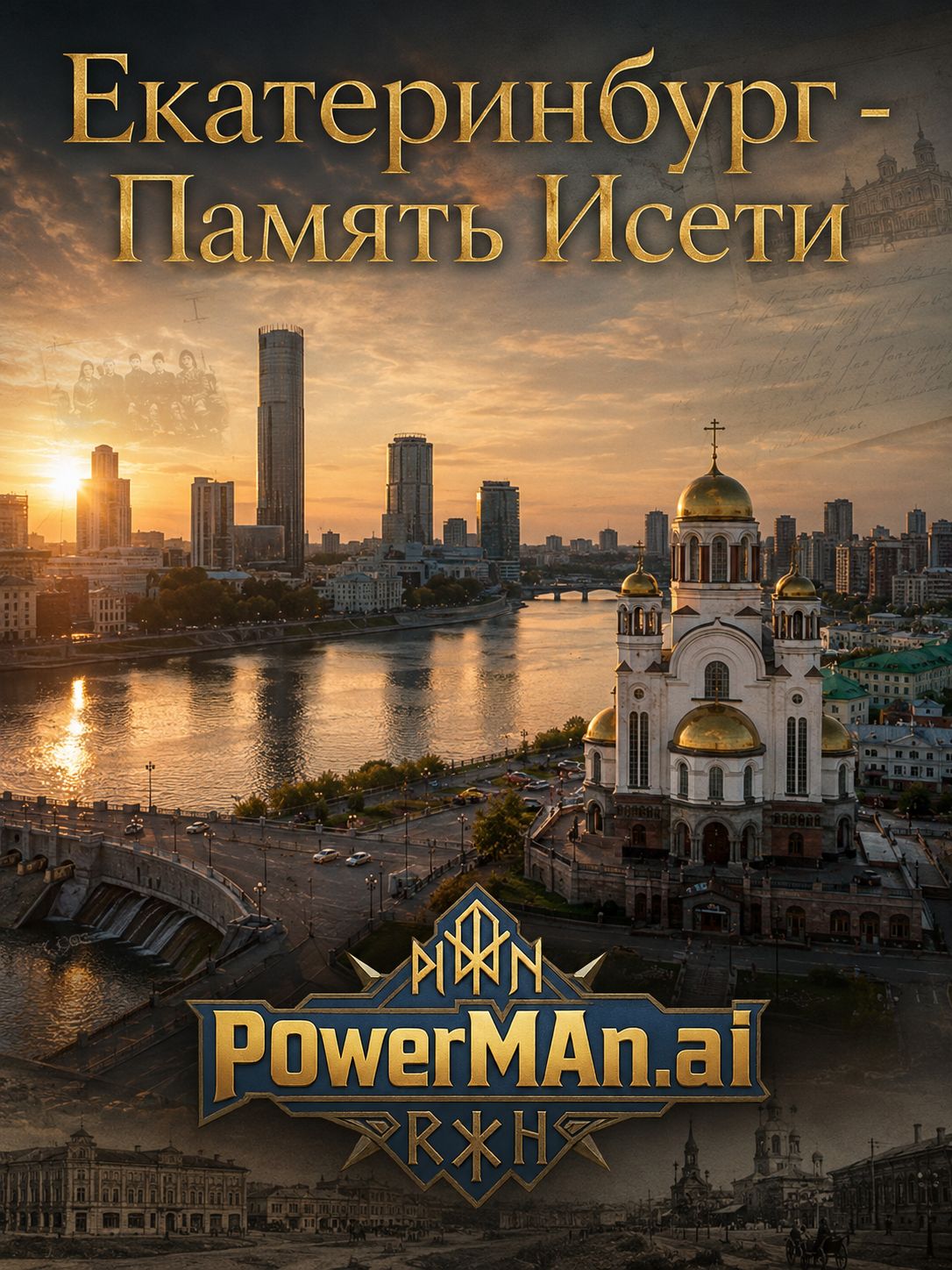
Historical symphonic metal ballad in Russian, up to 6 minutes, majestic Ural atmosphere with a dark tragic climax about Yekaterinburg: city-factory birth, Isset River, Siberian route, industrial rise, Romanov family tragedy in 1918, Soviet Uralmash era, wartime rear industry, closed defense city, and return of the historic name, Deep male lead vocal, solemn mixed choir for dramatic peaks, orchestral metal guitars, bass, powerful drums, timpani, low strings, cello, viola, violin, piano, harmonium, low brass, military snare accents, Early 20th-century Russian tragic mood in the Romanov section, then epic historical rise, Studio version, clear vocals, no crowd noise, no live ambience, cinematic build-up, grand final chorus, dark fade-out