2:12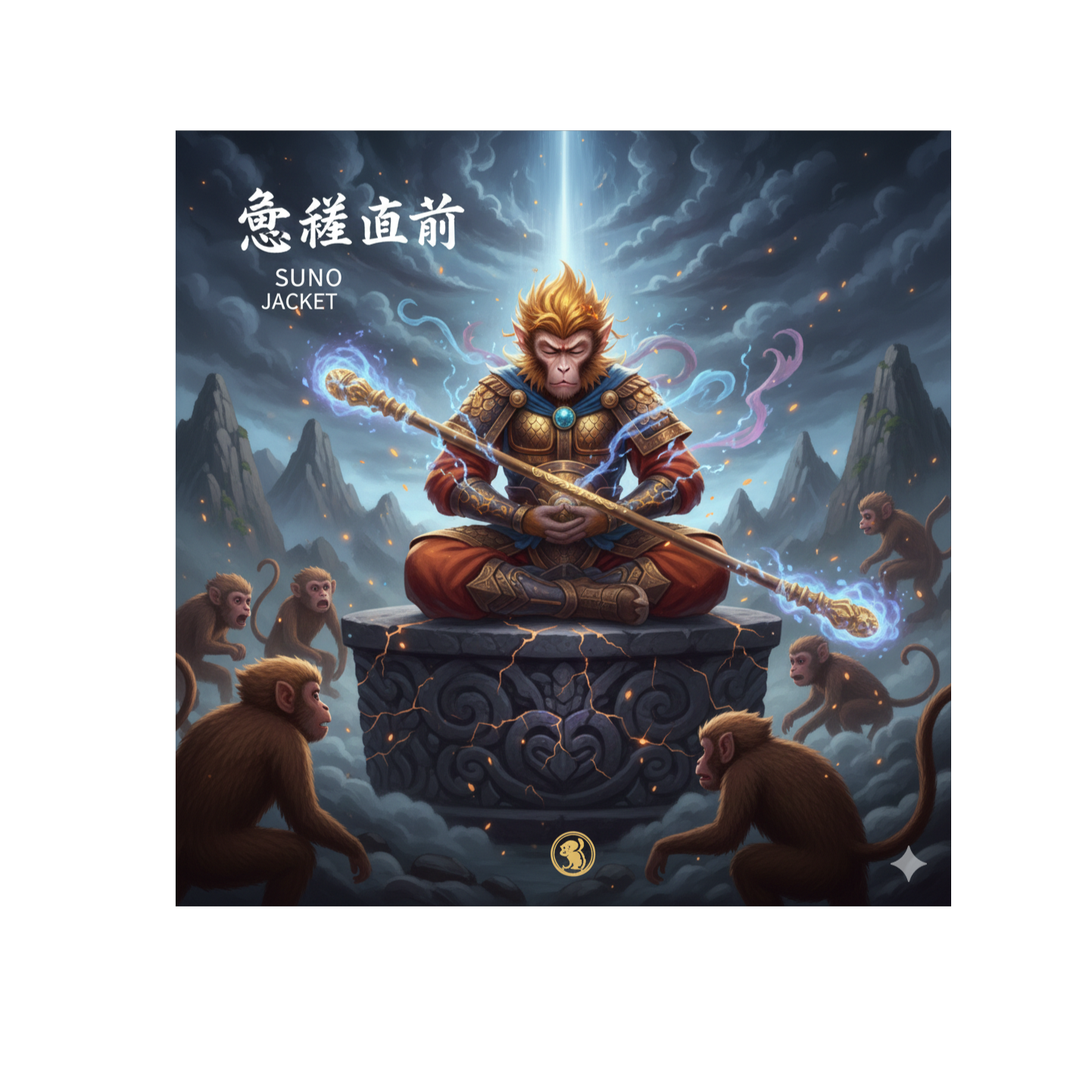
Create a tense buildup cue using low pulses, restrained brass fragments, and rising strings, The four-note motif appears incomplete and unresolved, Growing anticipation, but no release
2:52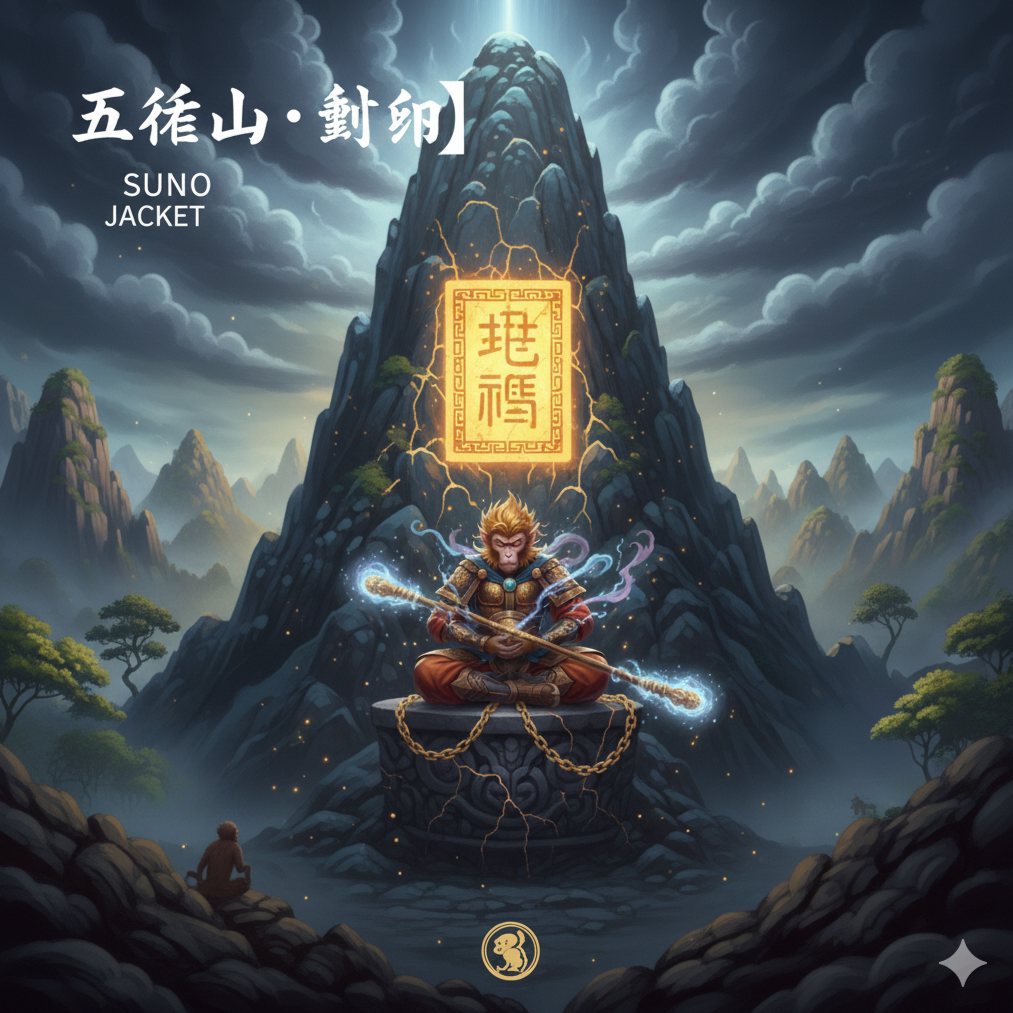
Create a slow, tragic orchestral cue, Low strings and brass stretched in time, extremely heavy, The four-note motif appears slowed and burdened, almost collapsing, Sense of punishment, stillness, and fate
1:19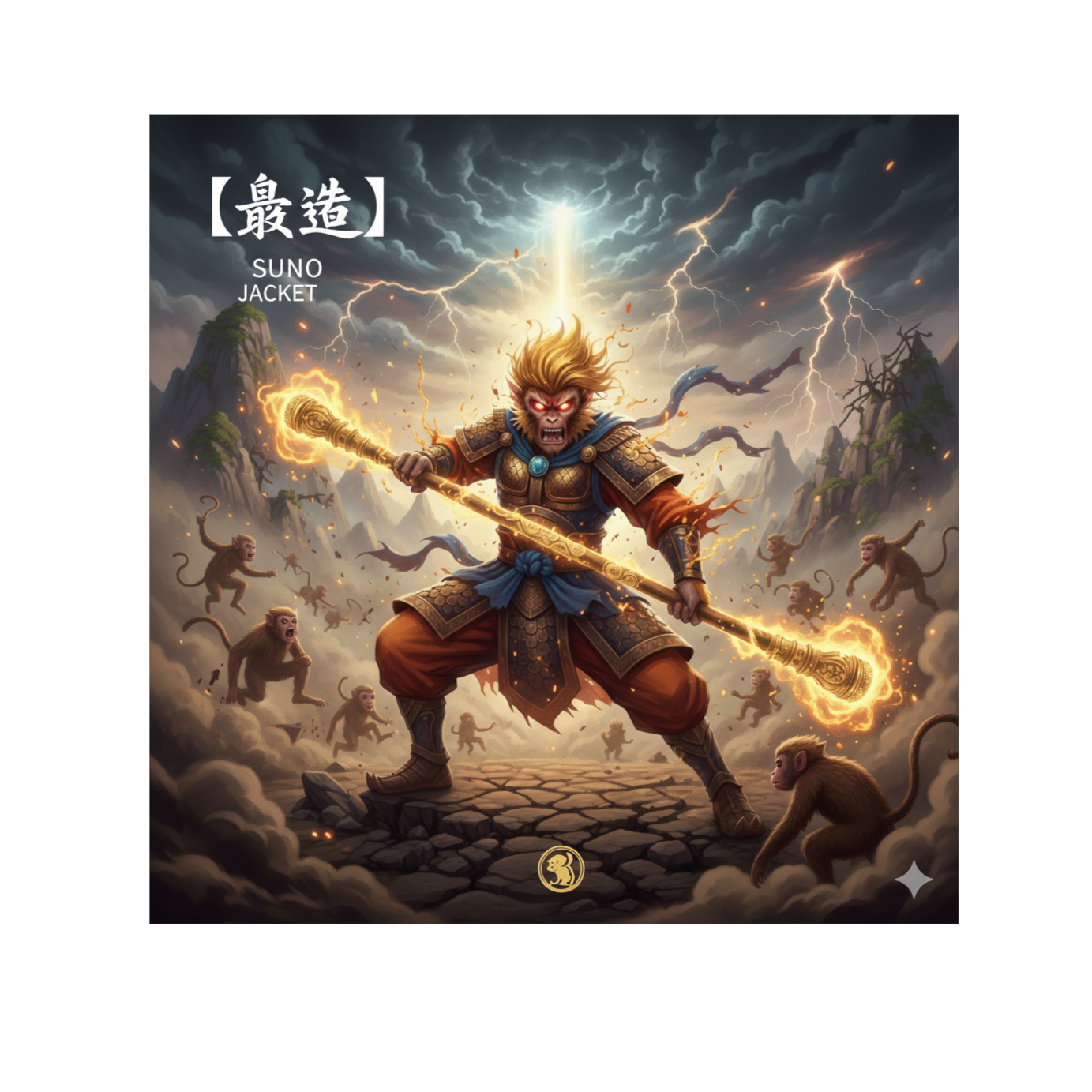
Create an aggressive hybrid action cue with distorted low brass, pounding percussion, and chaotic rhythms, The four-note motif is broken, shortened, and unstable, Dark, dangerous, and overwhelming energy, No heroic resolution
2:22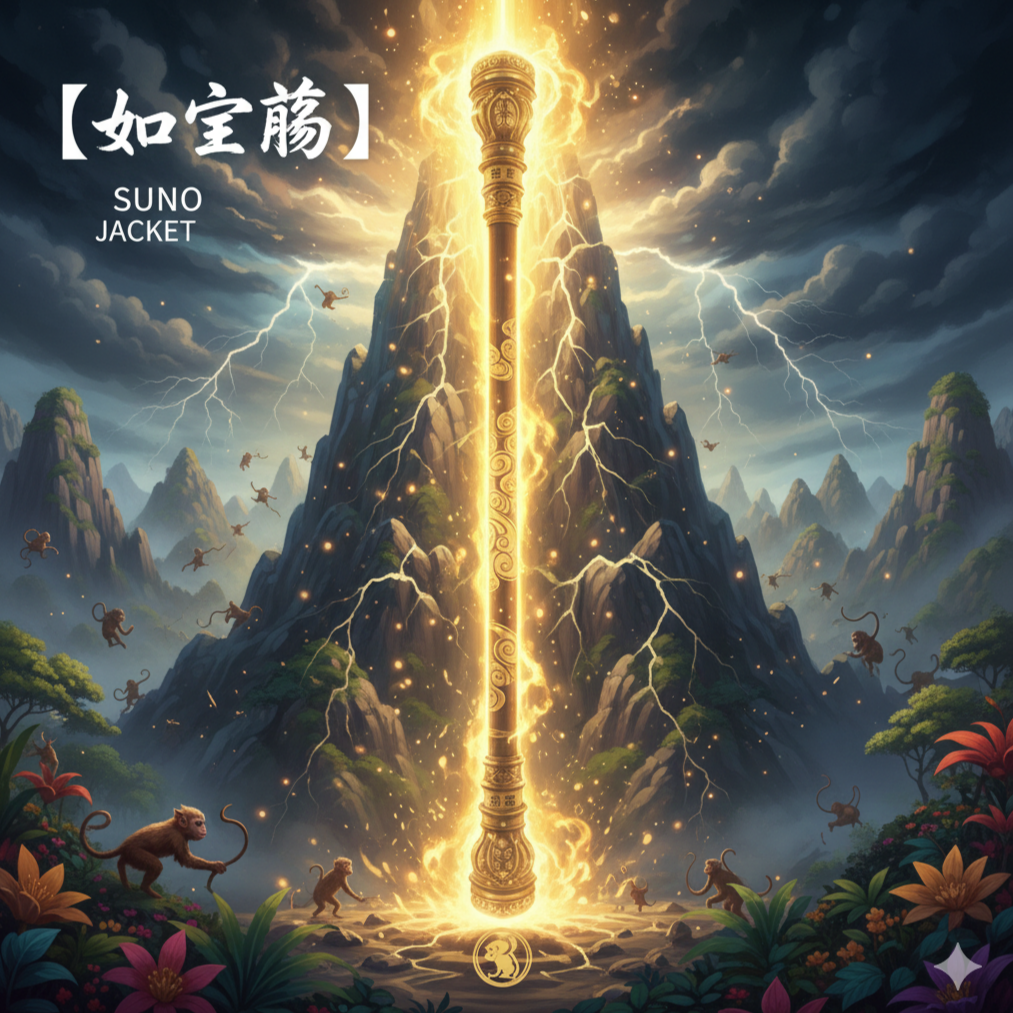
Create a powerful action score driven by brass and strings, The four-note motif appears in minor key, aggressive and forceful, Fast tempo, heavy drums, sharp accents, Emphasize physical power and unstoppable momentum
1:57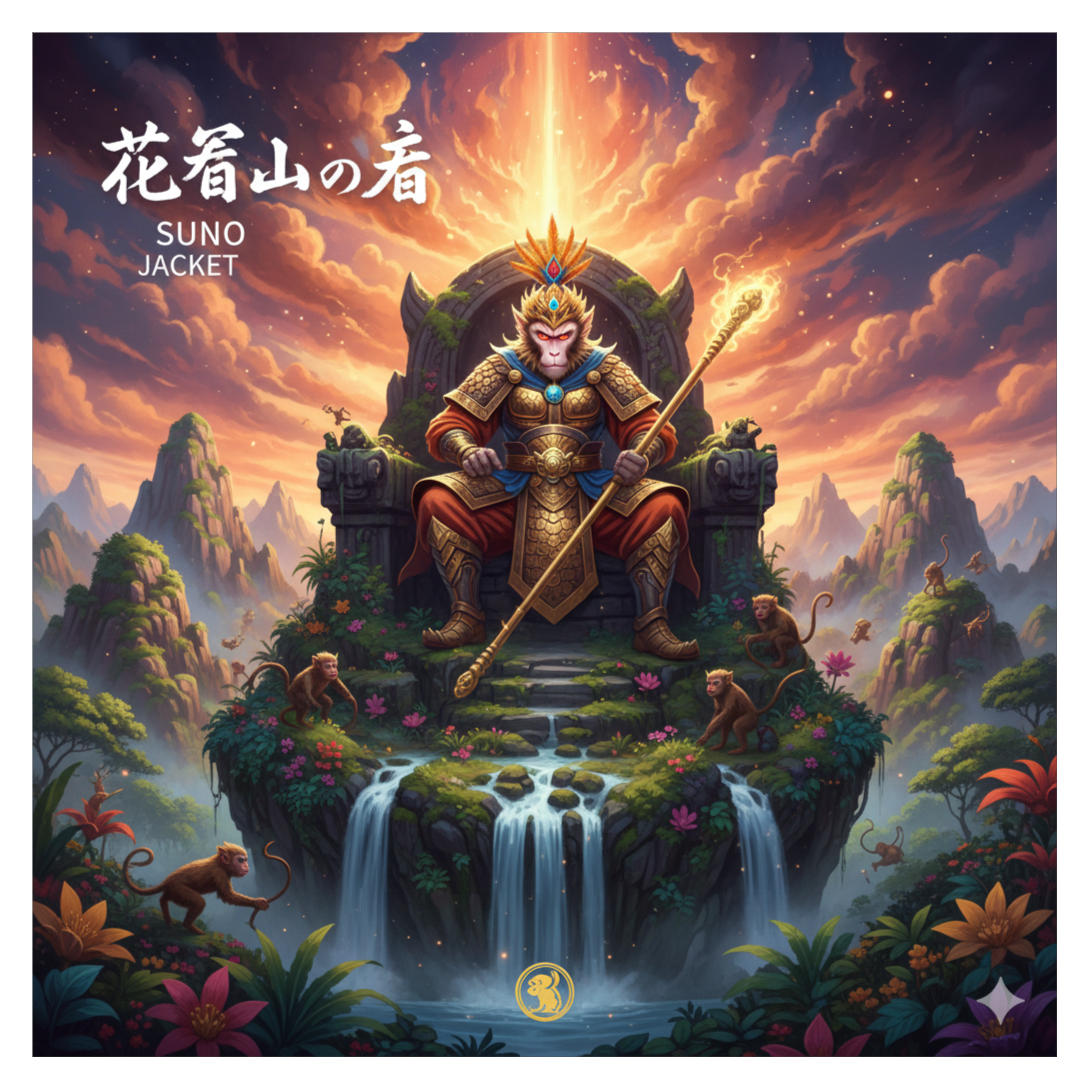
Create a heroic rhythmic orchestral cue led by bold brass and driving percussion, Clearly present the four-note brass motif as a confident statement, Energetic, primal, and rebellious, Medium-fast tempo, adventurous tone, suggesting untamed strength and rising leadership
2:24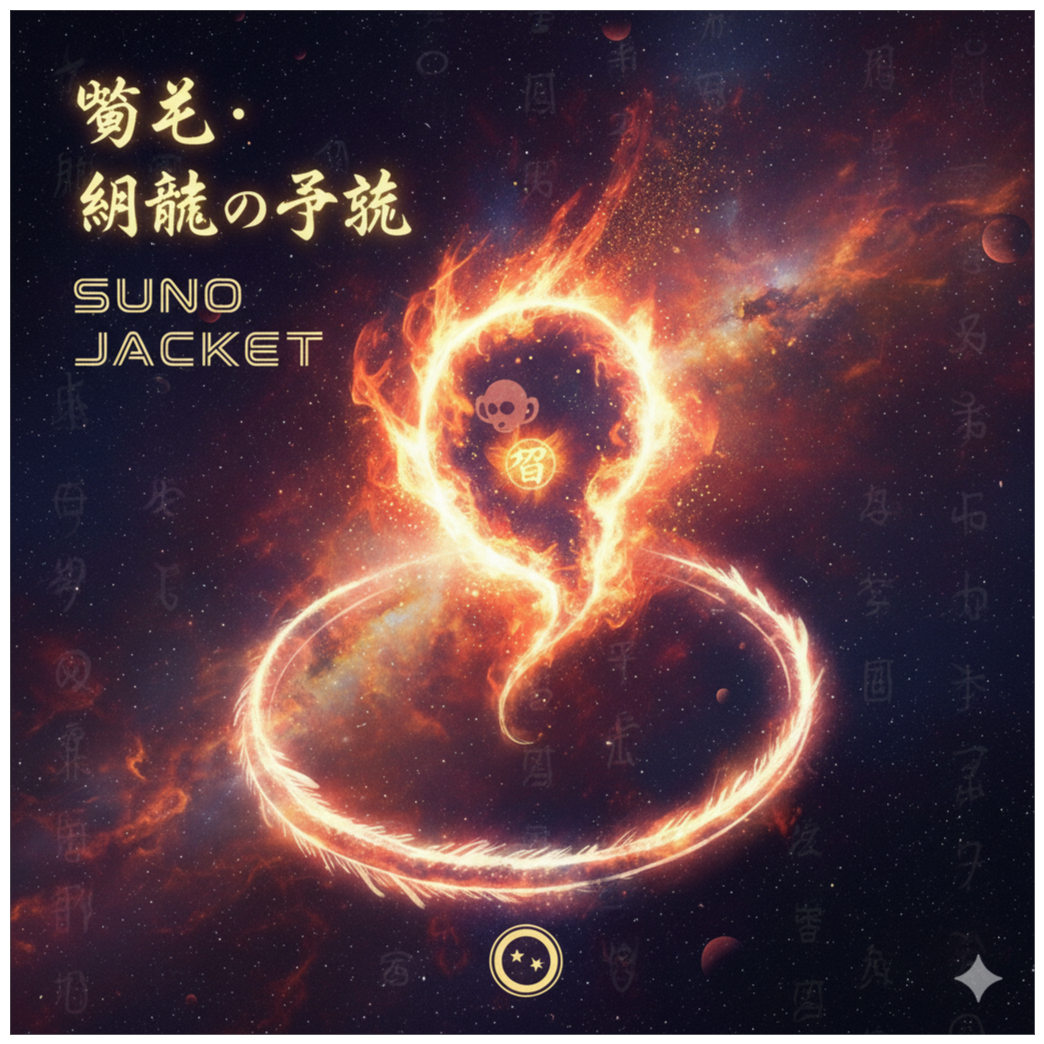
Create a dark cinematic underscore introducing the birth of a destined warrior, Use low brass drones, deep percussion pulses, and subtle hybrid textures, Hint at a fragmented four-note brass motif without fully revealing it, Tempo slow, heavy atmosphere, mythic and ominous, No clear melody, only tension and destiny forming beneath the surface
3:38

Create a 5–6 minute grand symphonic fantasy OST inspired by classic John Williams–style film scoring (original composition), Begin with noble choir and lyrical high strings, evoking destiny and faith, Present a clear, memorable four-note heroic brass motif led by French horns, Develop it through rich orchestration, strong string counter-melodies, and traditional percussion, Emotion should rise through melody and harmony, Conclude with a radiant C major climax featuring soaring brass, full orchestra, and choir, No lyrics, choir on vowels only, cinematic, majestic, and timeless
2:58
Create a 5–6 minute epic cinematic fantasy OST inspired by modern Hans Zimmer–style scoring (original composition), Begin with deep low-frequency drones, slow pulses, and distant choir, dark and inevitable, Introduce a restrained four-note brass motif in minor key, heavy and primal, Gradually add layered rhythms, taiko, and massive low brass, Build overwhelming intensity through texture and rhythm rather than melody, In the final section, release into a powerful major-key resolution with full orchestra and choir, No lyrics, choir on vowels only, dark to triumphant, IMAX scale
3:55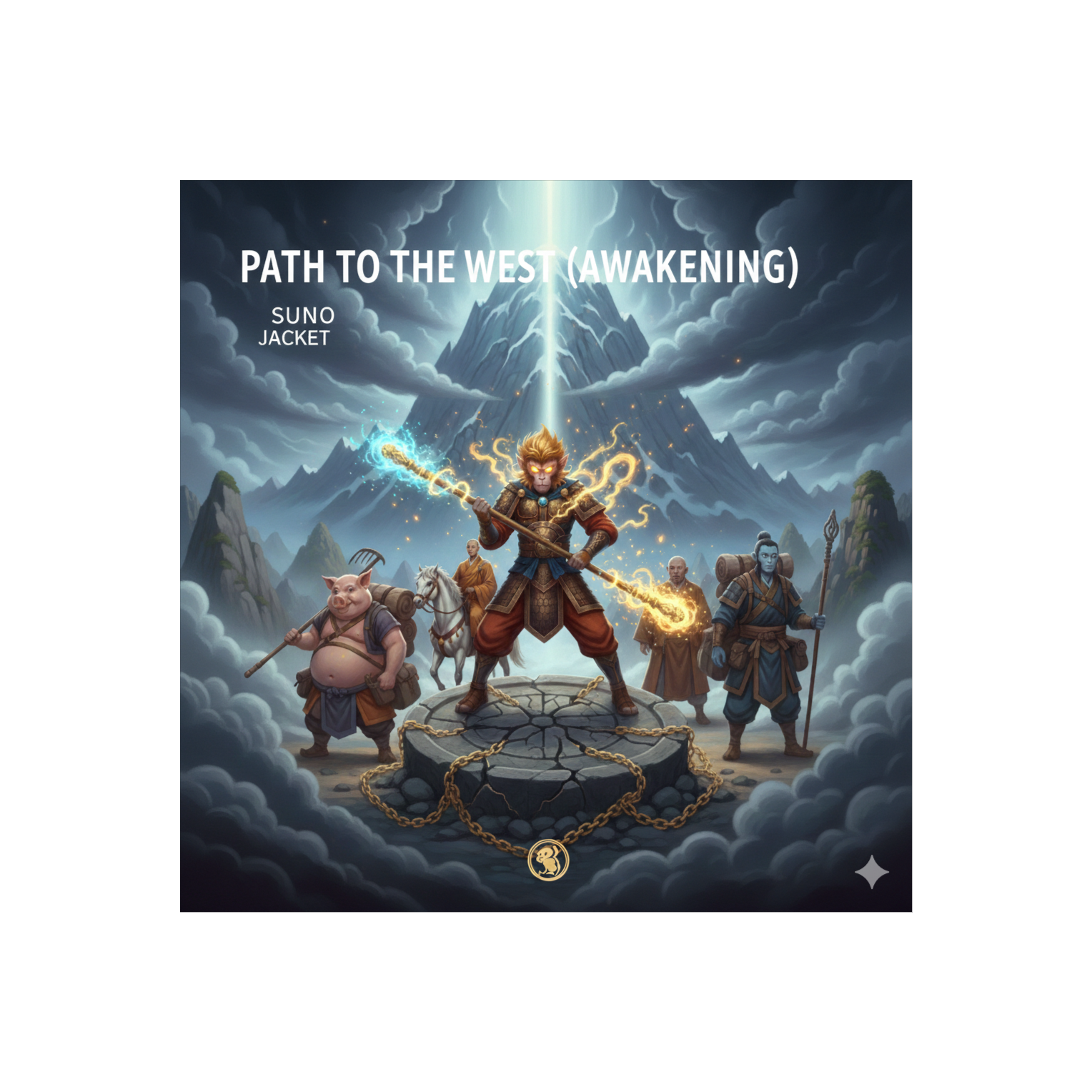
Create a 5–6 minute cinematic end-credits theme song that evolves from a dark Hans Zimmer–inspired atmosphere into a triumphant John Williams–inspired symphonic finale (original composition), Begin with deep drones, low pulses, and restrained percussion, Introduce a subtle four-note brass motif in minor key, Male lead vocal enters softly, emotional and restrained, Gradually expand into full orchestra, soaring strings, bold French horns, and mixed choir, Final chorus resolves in radiant C major, heroic and uplifting, Epic Hollywood fantasy, emotional catharsis, IMAX scale
4:05
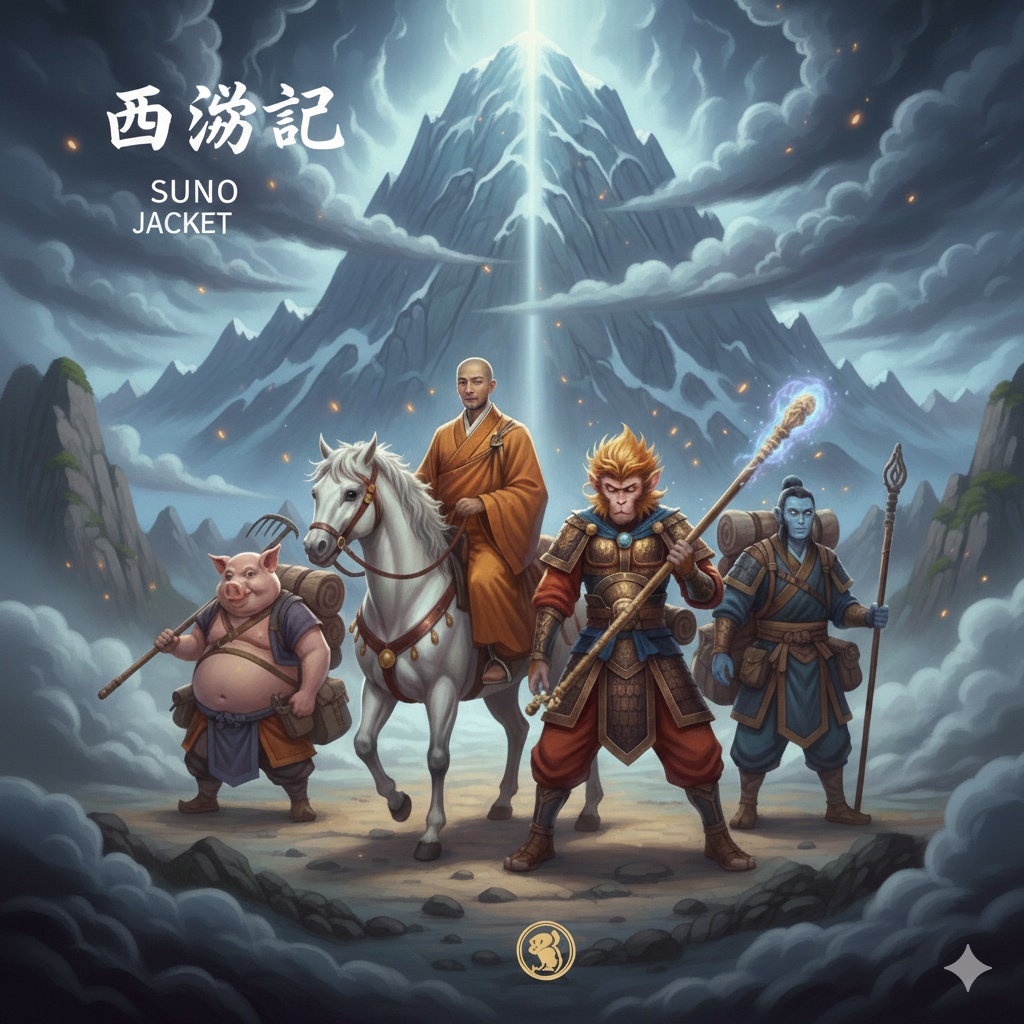
Epic Hollywood-style cinematic OST inspired by Journey to the West, centered on the Monkey King (Sun Wukong), Grand orchestral score with heavy brass, low strings, taiko percussion, and heroic choir, Tempo 84 BPM, 4/4, Key D minor, with dramatic final chorus modulation, Main motif: memorable 4-note brass motif representing Sun Wukong, in intro, chorus, and finale, Vocals: powerful male lead (baritone to tenor), wild yet heroic, Choir only in chorus, LYRICS LOCK: Japanese lyrics must be sung exactly as written, Do not translate, rewrite, shorten, rearrange, or add words, No ad-libs or extra vocals, Instrumentals allowed only in blank sections, Mood: heroic, rebellious, mythic, evolving from chaos to purpose, Feels like a main theme from a high-budget Hollywood epic
3:26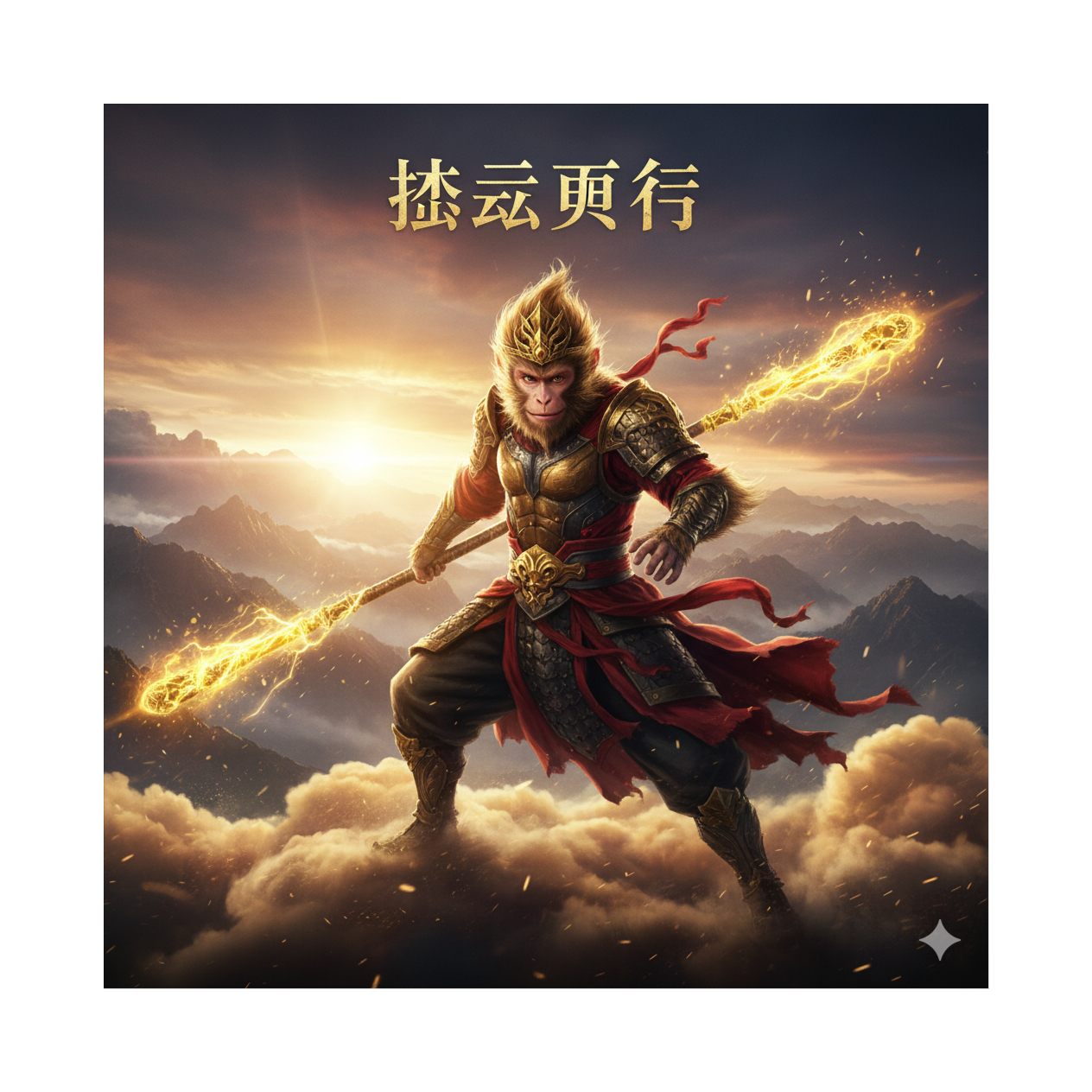
Create an epic Hollywood-style cinematic OST inspired by Journey to the West, centered on the Monkey King (Sun Wukong), Grand orchestral score with heavy brass, low strings, taiko percussion, and heroic choir, Tempo 84 BPM, 4/4, Key D minor, with dramatic modulation in the final chorus, Main motif: memorable 4-note brass motif representing Sun Wukong, in intro, chorus, and finale, Vocals: powerful male lead (baritone to tenor), wild yet heroic, Choir only in chorus, LYRICS LOCK: Chinese lyrics must be sung exactly as written, Do not translate, rewrite, shorten, rearrange, or add words, No ad-libs or extra vocals, Instrumentals allowed only in blank sections, Mood: heroic, rebellious, mythic, evolving from chaos to purpose, Feels like a main theme from a high-budget Hollywood epic