
4:03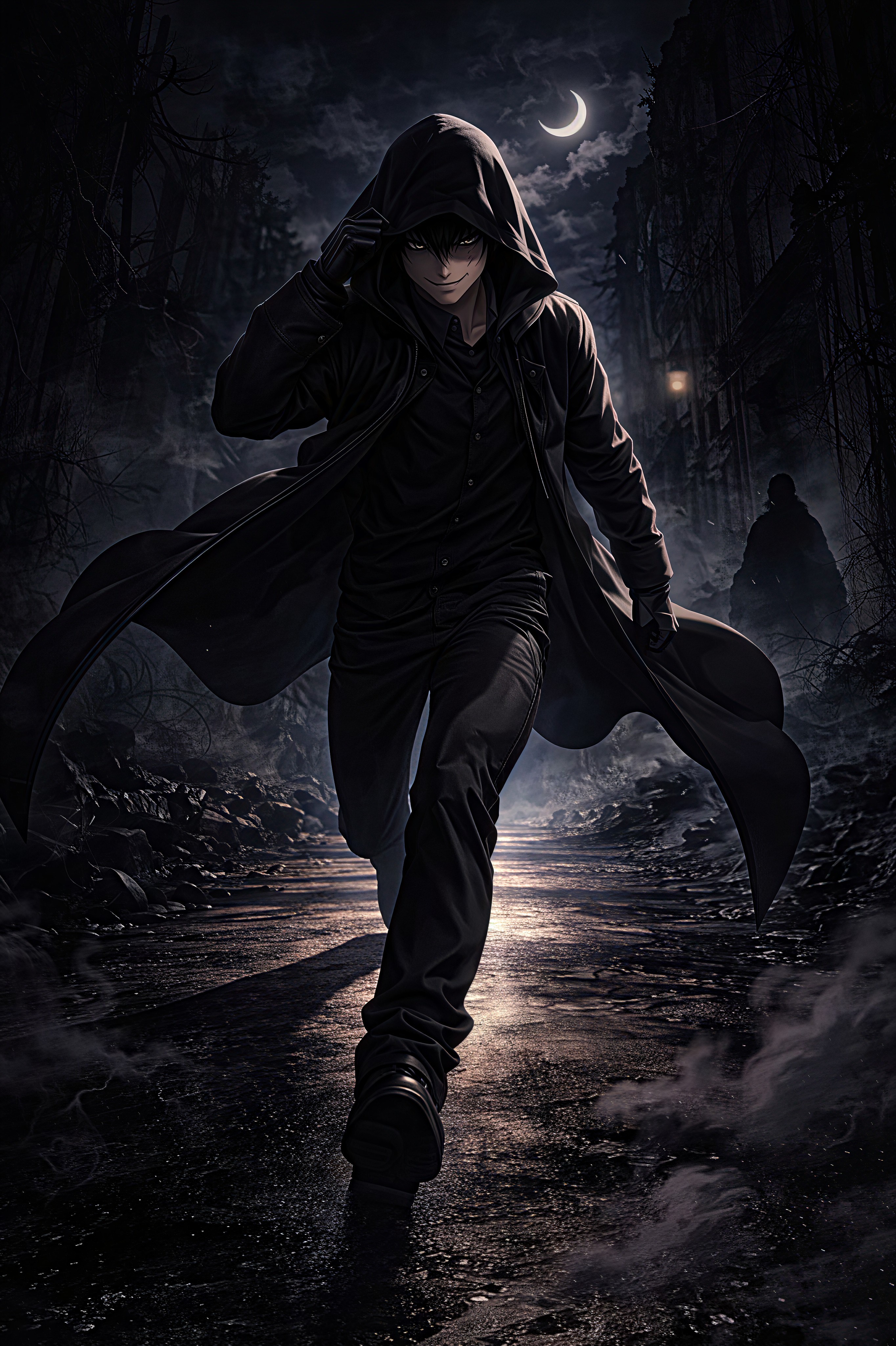
Style: Wagakki, aggressive and epic to fit an anime opening, Very Fast, relentless ritual intensity, Strike-driven forward motion with no breathing sections, Cyclical pressure loops without full release, Female vocal only, Japanese folk/ritual singing style, Grounded and embodied tone, firm onsets, clear consonants, No airy or breathy delivery, no operatic phrasing, no choir or vocal layering, An extended virtuoso shamizen solo in the middle, Taiko-driven percussion as primary force, Koto used percussively for rhythmic articulation, not harmonic padding, Traditional plucked-string attack behavior, No orchestral framing, no cinematic swelling, no ambient padding, no electronic synths, no Western groove logic, Intensity comes from repetition, rhythm, and strike density
3:02
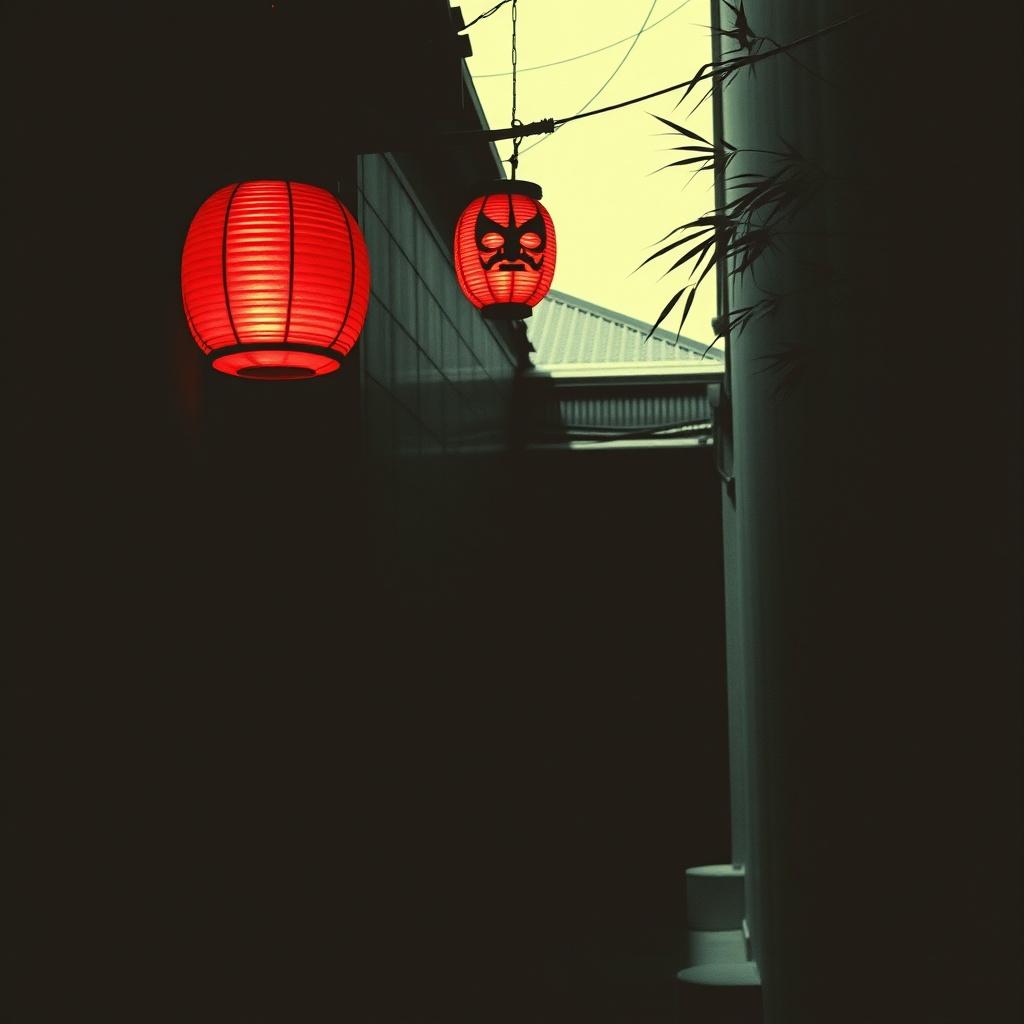
Style: Wagakki Battle Theme, Aggressive And Relentless, Very Fast Combat Energy, Taiko-Driven Percussion With Rolling War Rhythms And Sudden Accents, Shamisen Uses Rapid Strike Patterns And Aggressive String Attacks, Solo Female Vocal In Japanese Folk / Ritual Singing Style, Strong And Confrontational Delivery, Firm Onsets, Sharp Consonants, No Airy Or Breathy Tone, No Choir Or Vocal Layering, Music Feels Like A Pursuit And Battle Between Hunter And Shadow, Rhythmic Surges And Clash Moments, Tension Builds But Never Fully Resolves, Mid Section Features A Rapid Shamisen Duel Passage Over Intensifying Taiko Patterns, Koto Used Percussively For Rhythmic Articulation, Traditional Plucked String Attack Behavior, No Orchestral Framing, No Cinematic Swells, No Electronic Synths, No rap, No western groove logic, Pure Wagakki Energy, Ends Abruptly With Escape Energy Rather Than Resolution
3:38
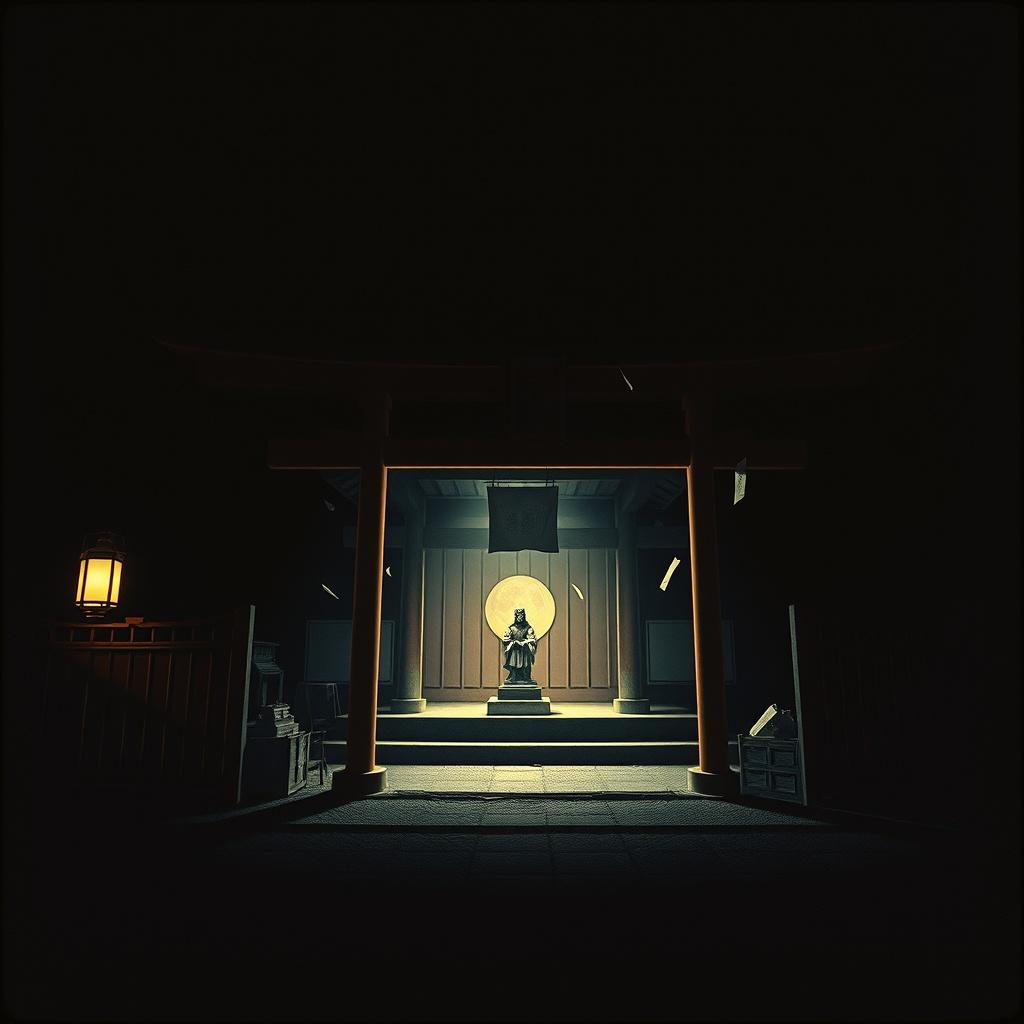
Style: Dark Wagakki Ritual Atmosphere, Slow, Tense And Eerie, Sparse Taiko Strikes With Long Echoing Spaces, Shakuhachi And Fue Carry Haunting Melodies, Solo male Vocal In Japanese Folk / Ritual Style, Quiet, Introspective Delivery With Firm Tone And Clear Consonants, No Choir Or Vocal Layering, Music Feels Like Entering An Abandoned Shrine At Night, Wind Through Broken Wood, Watchful Silence, A Place That Does Not Welcome Visitors, Shamisen Used Sparingly With Isolated String Plucks, Koto Produces Sparse Resonant Notes, No Orchestral Framing, No Cinematic Swells, No Electronic Synths, Pure Traditional Wagakki Atmosphere, Tension Slowly Builds As The Character Gathers Resolve In The Darkness
3:14
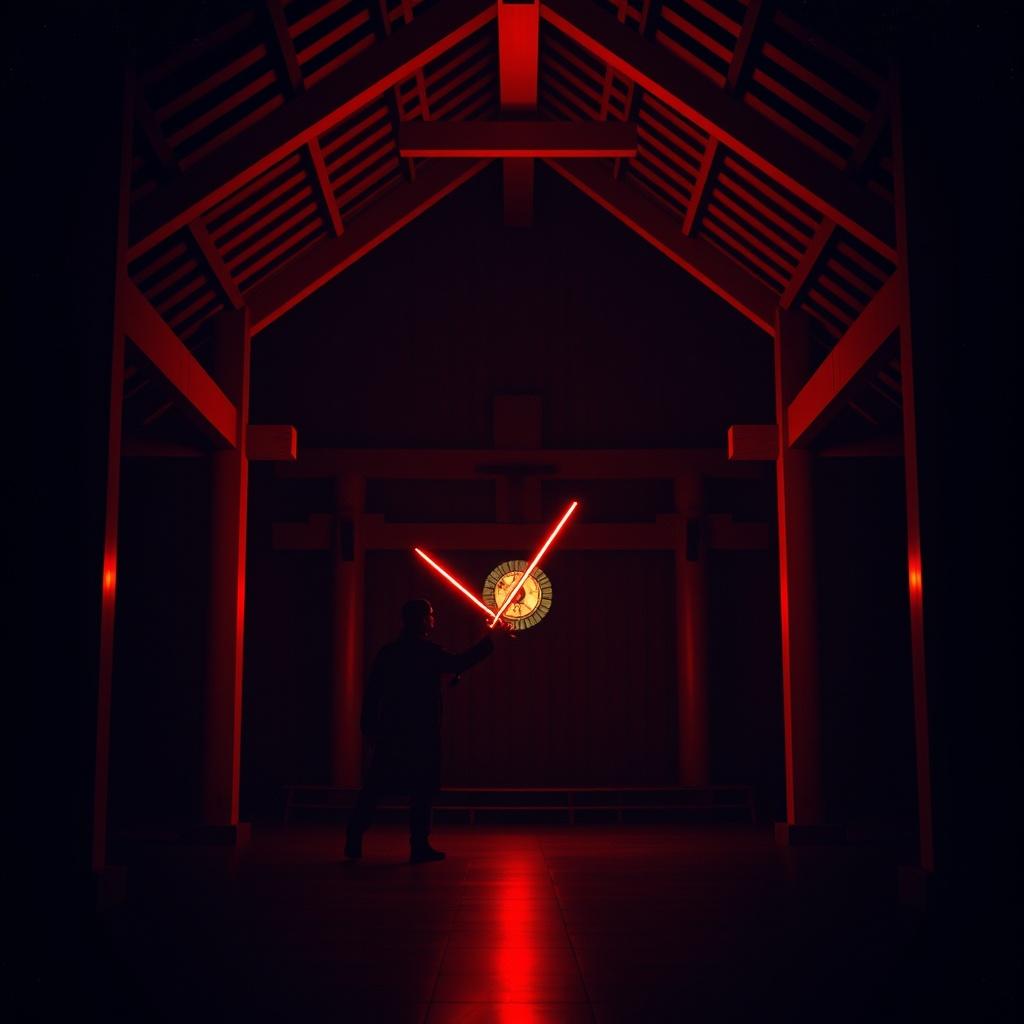
Style: Intense Wagakki Battle Duet, Fast Taiko Combat Rhythm With Sharp Strike Patterns, Shamisen And Naginata-Like String Attacks Create A Sense Of Close Combat Inside A Shrine Hall, Male And Female Vocal Duet In Japanese Folk / Ritual Singing Style, Strong Call-And-Response Phrasing Between Voices, No Choir Or Vocal Layering, Female Voice Represents The Shrine Maiden — Calm, Controlled, Ritual Authority, Male Voice Represents The Fugitive Warrior — Strained But Determined, Shamisen Uses Rapid Strike Patterns And Aggressive Runs, Koto Provides Percussive Accents, Shakuhachi Adds Sharp Wind Phrases Between Vocal Exchanges, Music Feels Like A Close Quarters Battle Inside A Wooden Shrine At Night, Footsteps, Strikes, And Taiko Echo Through The Hall, No Orchestral Framing, No Cinematic Swells, No Electronic Synths, Pure Wagakki Combat Energy, Ends With A Hard-Won Victory And Sudden Silence
3:48
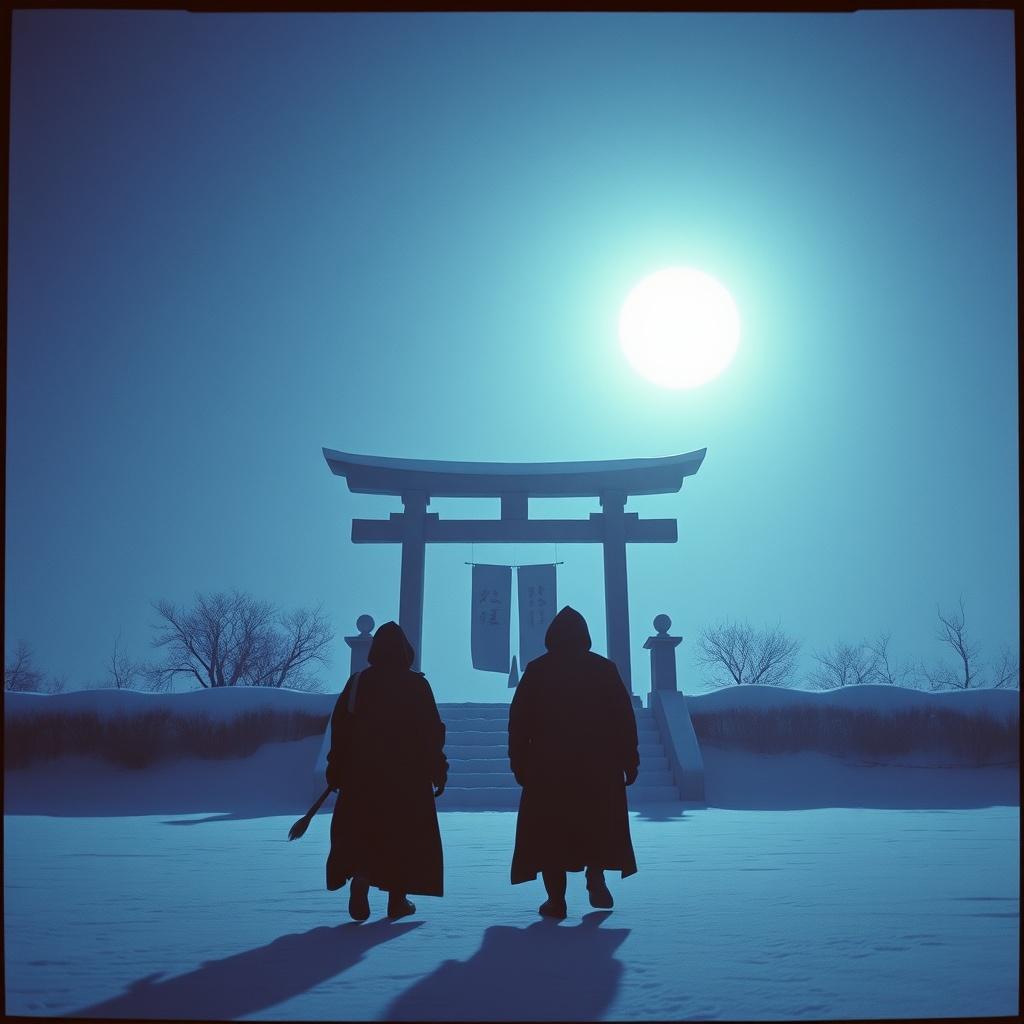
Style: Wagakki Narrative Duet, Begins Soft And Introspective With Sparse Koto And Shakuhachi, Slow Taiko Heartbeat Rhythm, Music Feels Quiet And Intimate Inside An Old Shrine After Battle, Male And Female Vocal Duet In Japanese Folk Style, Gentle Call-And-Response Dialogue Between Voices, Midway Through The Song The Music Gradually Builds As The Full Moon Rises, Taiko Rhythm Grows Stronger And Shamisen Introduces Determined Forward Motion, The Characters Realize Something Supernatural Has Been Stirred By The Moon, The Music Shifts From Quiet Reflection To Journey Energy, Shamisen Leads The Second Half With Determined Rhythmic Drive, No Orchestral Framing, No Electronic Synths, Pure Wagakki Instrumentation, Ends With A Sense Of Alliance And Departure Toward Another Shrine Known As The Frost Shrine
2:54
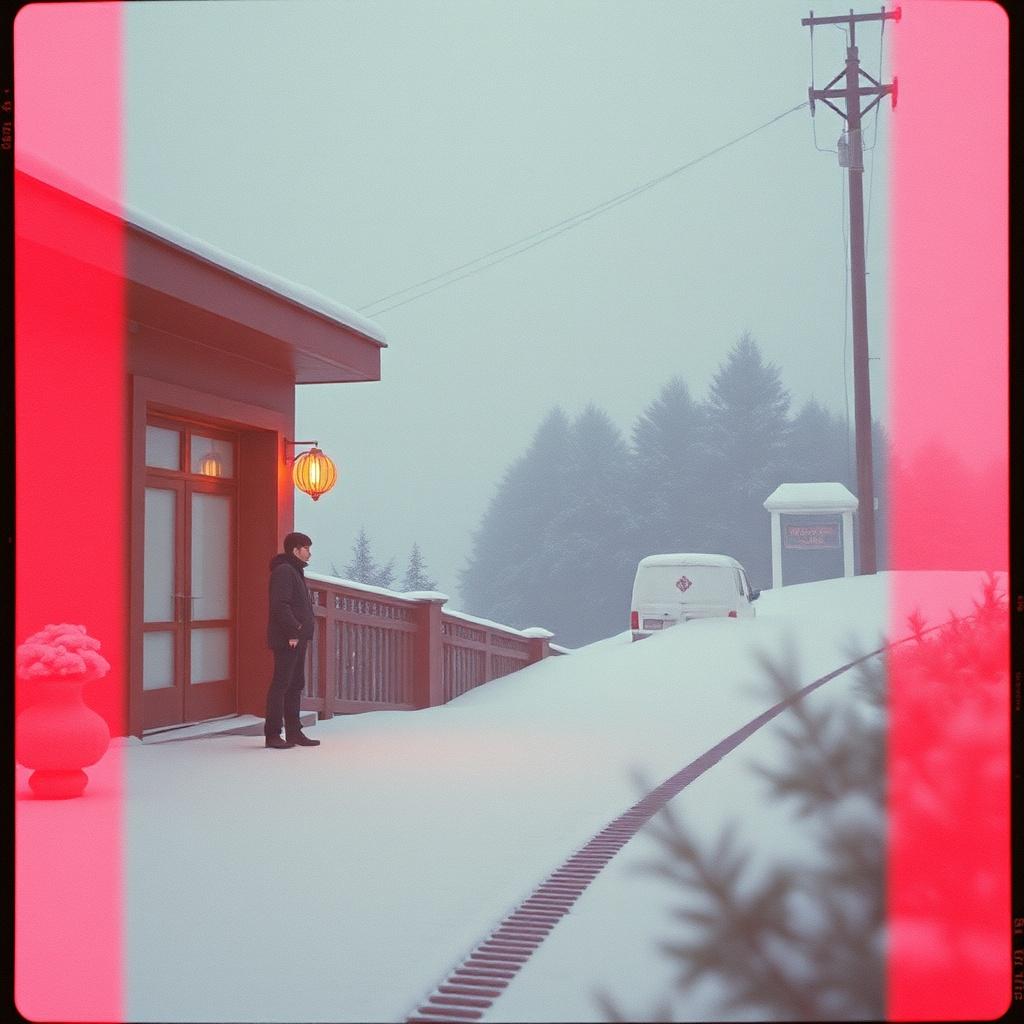
Style: Fast Wagakki Pursuit Theme, Very Fast Taiko-Driven Rhythm Representing A Night Chase Across Mountain Paths, Shamisen Uses Rapid Strike Patterns And Running Melodic Lines, Male And Female Vocal Duet In Japanese Folk Style With Urgent Delivery, Voices Alternate In Short Lines Like Breathless Calls During Flight, Music Contains Short Combat Bursts Representing Skirmishes During The Escape, Midway Through The Track The Storm Intensifies, Taiko Becomes Heavy And Chaotic, Shamisen and Koto Lines Grow Strained, Near The End The Music Suddenly Changes, A Cold Silence Falls, Instruments Drop To Sparse Shakuhachi And Low Taiko Heartbeats, Enemies Become Frozen Statues As The Characters Enter The Sacred Domain Of The Frost Shrine, Wind And Flute Motifs Suggest The Presence Of The Frost Maiden, Pure Wagakki Instrumentation, No Orchestral Framing, No Electronic Synths, No western groove logic, No Rap, No Hip Hop, Ends Quiet And Mysterious As The Wind Whispers: Winter Kagura Awaits
3:38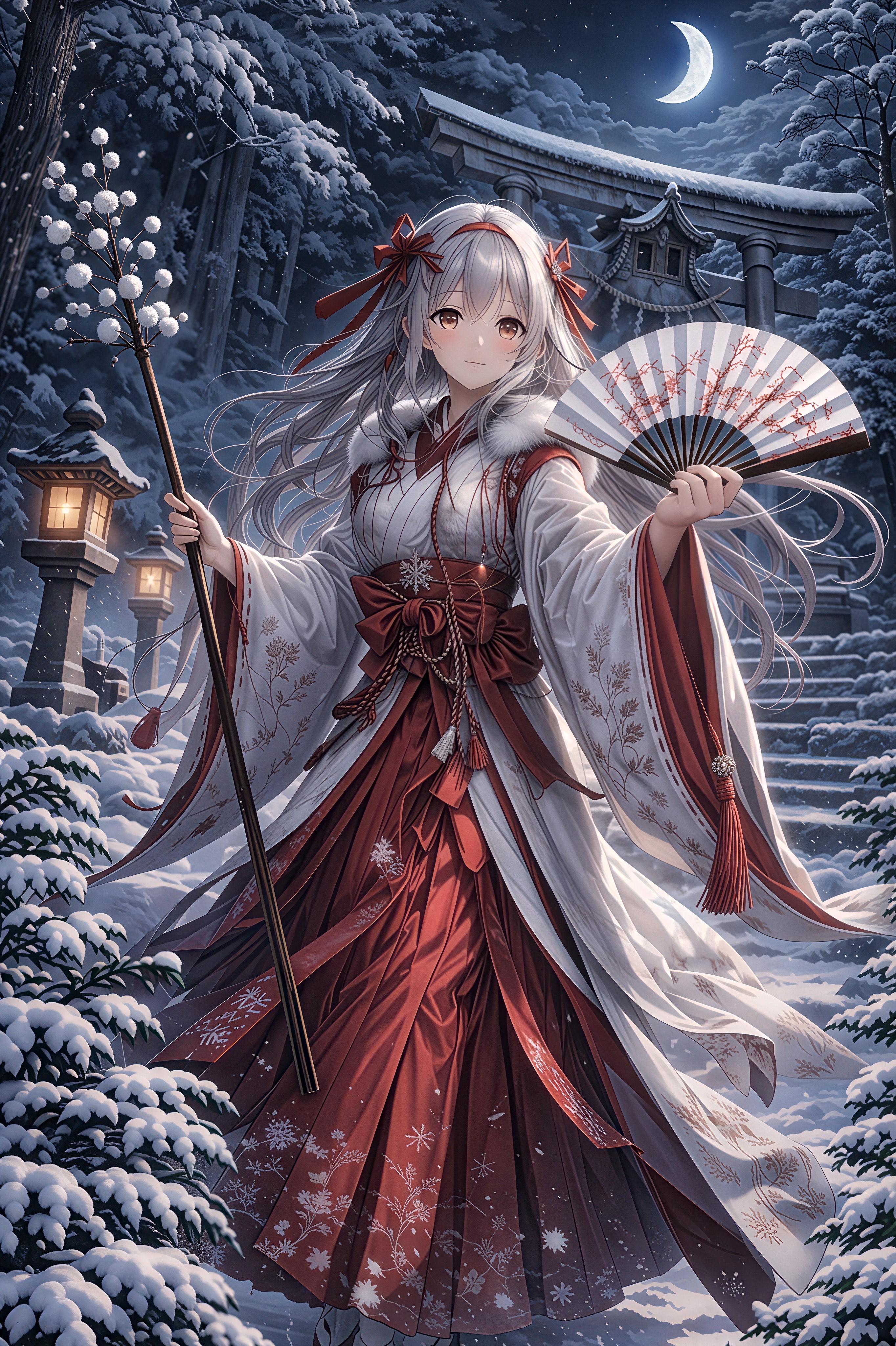
Style: Sacred Wagakki Ritual, Slow Ceremonial Taiko Rhythm Like A Kagura Dance, Shakuhachi And Fue Carry Cold Wind Melodies, Koto Resonates With Clear Frost-Like Notes, Female Vocal In Japanese Ritual Singing Style With Calm Authority, Voice Feels Ancient And Sacred Rather Than Emotional, Music Represents The Appearance Of The Frost Shrine Maiden Performing A Winter Kagura Under The Full Moon, The Atmosphere Is Cold, Still And Majestic, Snow And Frost Motifs In The Instrumentation, Shamisen Used Sparingly With Clean Resonant Notes, No Orchestral Framing, No Electronic Synths, Pure Sacred Wagakki Ritual, The Song Feels Like A Divine Presence Awakening
2:49
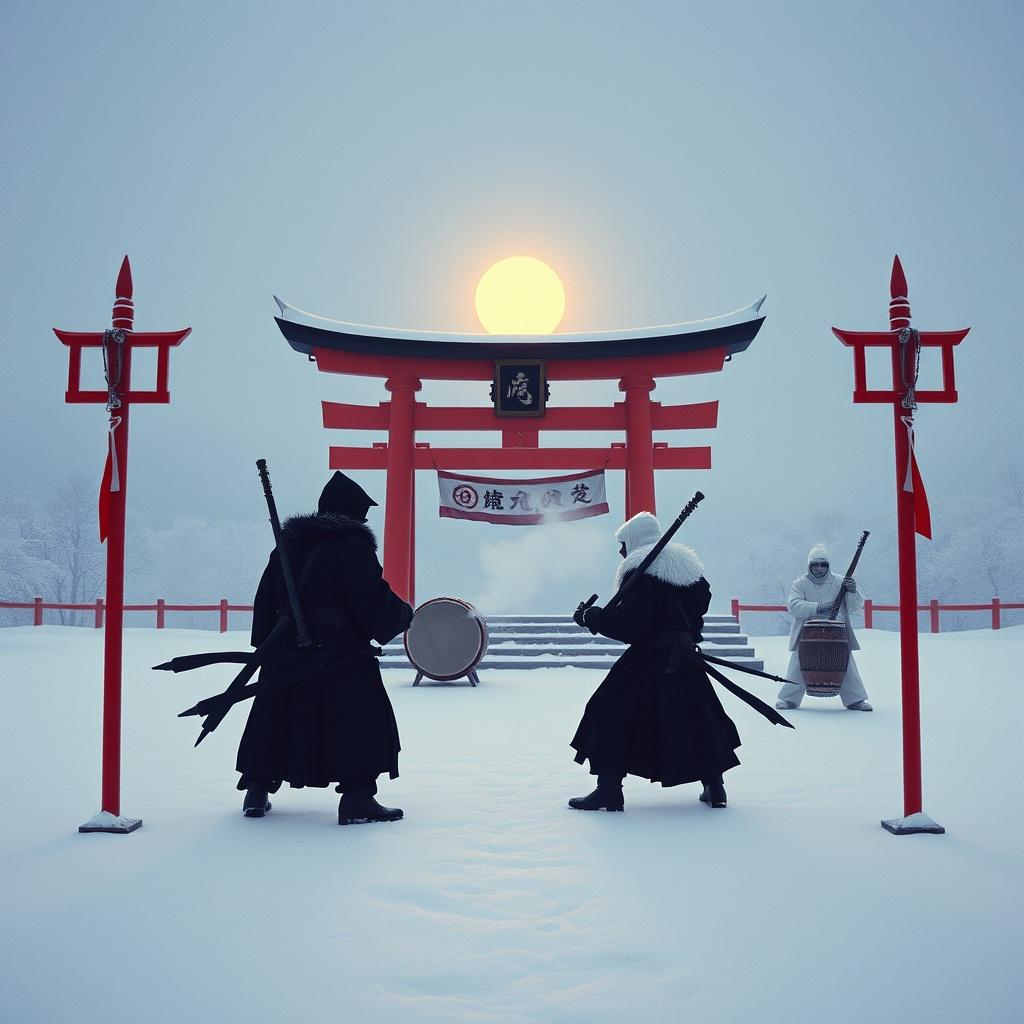
Style: Intense Wagakki Siege Battle, Fast Taiko War Rhythm Combined With Ceremonial Kagura Percussion, The Music Alternates Between Violent Combat Sections And Ritual Rhythms, Male And Female Vocal Duet Representing The Two Defenders Fighting To Protect The Shrine, A Calm Female Ritual Voice Continues In The Background Like A Kagura Chant That Never Stops, Shamisen Uses Aggressive Rapid Strike Patterns, Taiko Drums Represent Waves Of Attackers, The Music Feels Like A Desperate Last Stand Inside A Sacred Shrine Under The Full Moon, Frost Motifs Appear In The Instrumentation As The Shrine Domain Freezes Some Attackers, But More Continue To Charge, No Orchestral Framing, No Electronic Synths, Pure Wagakki Battle Energy, The Song Grows Increasingly Chaotic And Hopeless As The Attack Intensifies
3:39
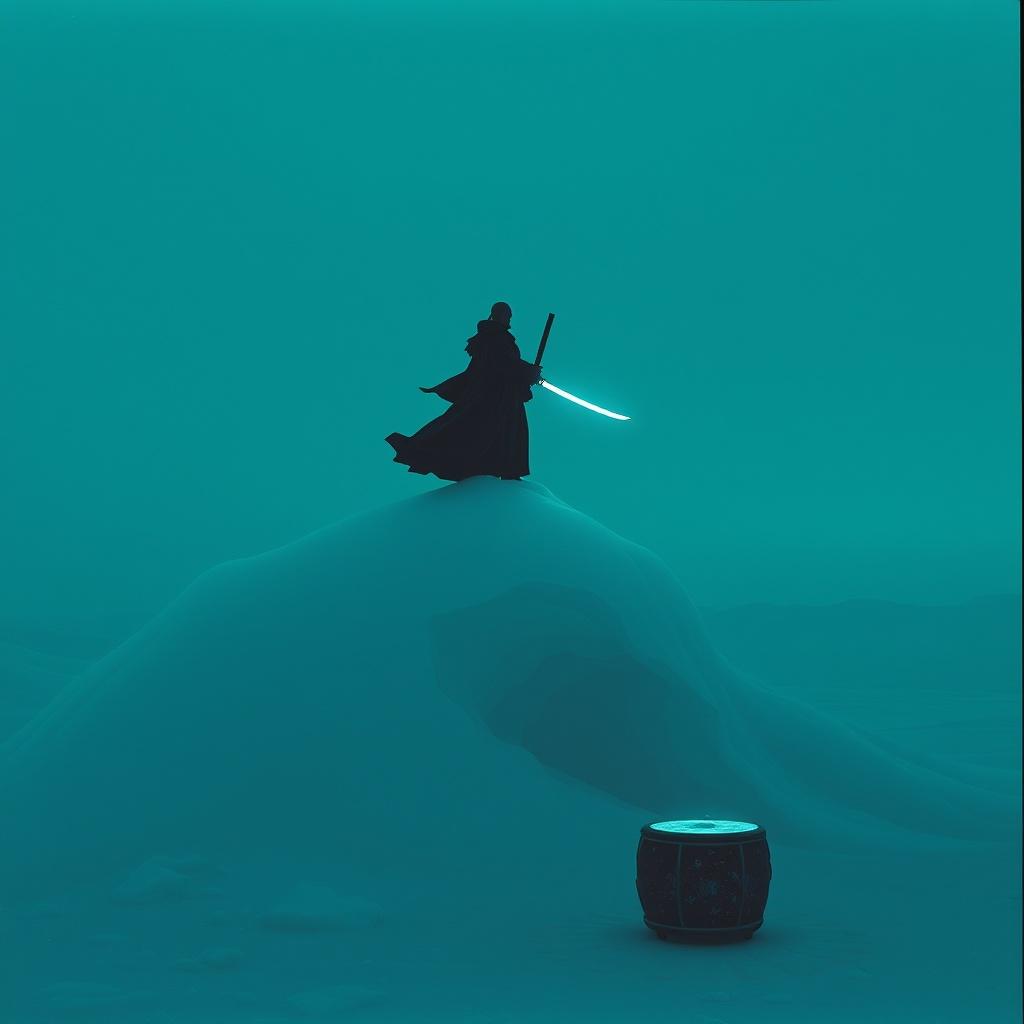
Style: Epic Wagakki War Hero Theme, Heavy Taiko War Rhythm With Slow Unstoppable Momentum, Shamisen Leads With Heroic Strike Patterns, Male And Female Vocal Duet Representing The Exhausted Defenders Regaining Strength, A Third Presence Is Suggested Through Instrumentation — A Mysterious Samurai Appears Like A War Deity On The Battlefield, Shamisen And Taiko Intensify As The Unknown Warrior Stabilizes The Battle Line, The Kagura Ritual Chant Continues In The Background As The Dance Nears Completion, The Music Gradually Shifts From Desperation To Heroic Determination, In The Final Section The Ritual Finishes And The Frost Domain Fully Restores, Freezing The Remaining Enemies, No Orchestral Framing, No Electronic Synths, Pure Wagakki War Energy
2:52
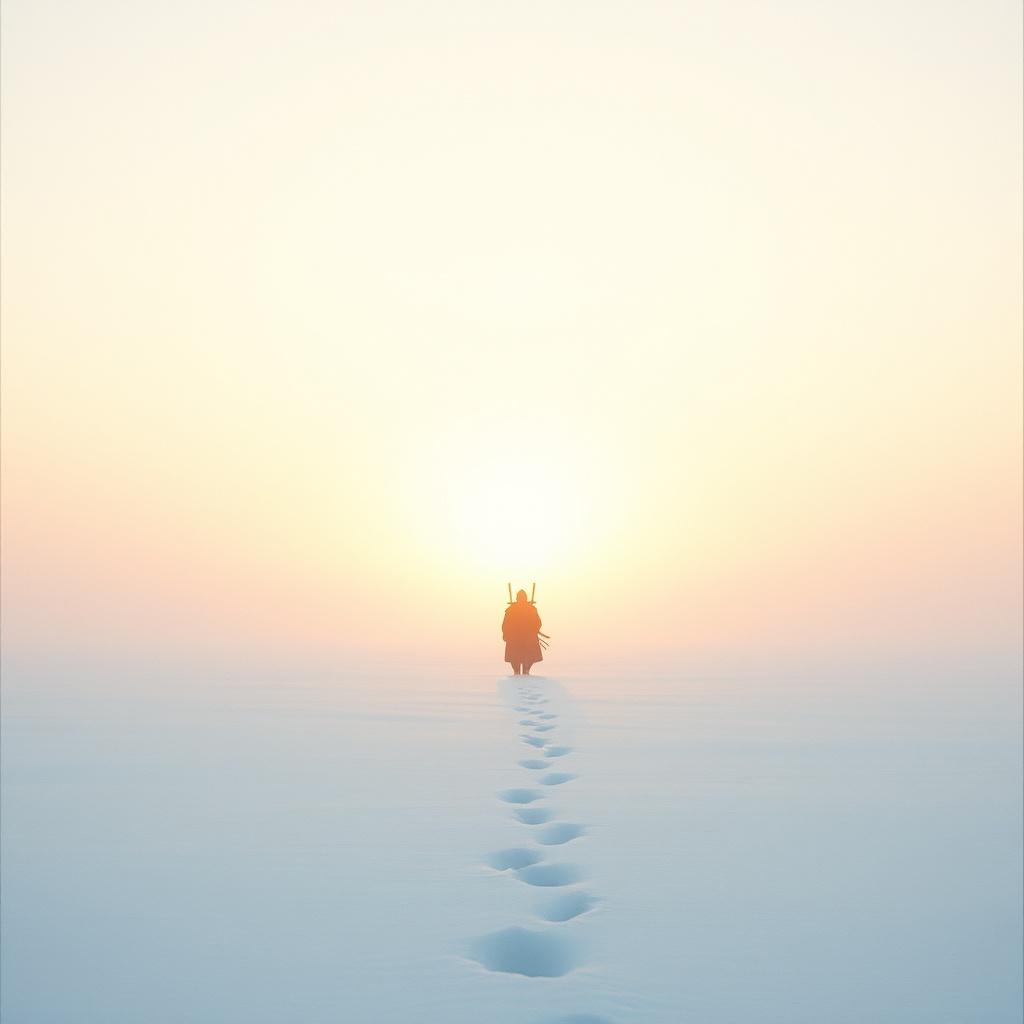
Style: Reflective Wagakki Epilogue, Slow And Gentle Composition With Soft Koto Arpeggios And Calm Shakuhachi Melodies, Taiko Used Sparingly Like A Distant Heartbeat, Male And Female Vocal Duet In Japanese Folk Style With Quiet, Emotional Delivery, The Music Represents Dawn Over A Battlefield Frozen In Ice, A Mysterious Samurai Turns Away And Walks Into The Snow, His Footsteps Fading As His Body Dissolves Into Light, The Tone Is Peaceful But Unresolved, Suggesting The Conflict Has Only Been Paused, No Orchestral Framing, No Electronic Synths, Pure Traditional Wagakki Atmosphere, The Song Ends With A Sense Of Quiet Departure And Future Reunion