
3:24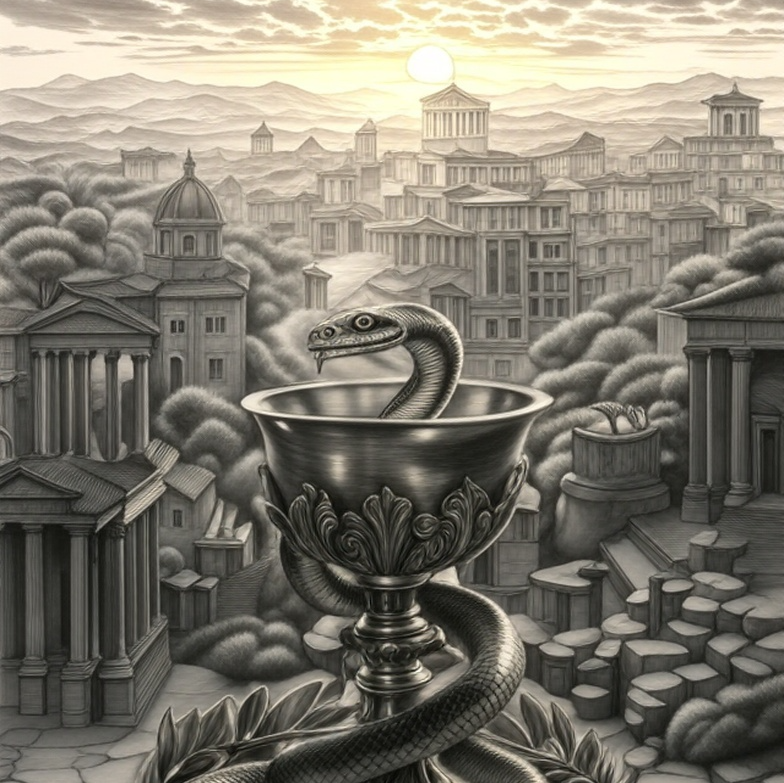
Prelude: Dawn Over Rome – Composition Notes
Tempo & Meter:
Largo or Andante (60–80 BPM) to evoke morning calm, 4/4 or 6/8 for a gentle flowing motion, reminiscent of Tiber river currents, Key & Harmony:
Key: D major or E major for warmth and light, Begin with consonant open intervals (perfect fifths, major thirds) to convey serenity, Introduce modal shifts (Mixolydian hints) for a subtly archaic Roman flavor, Orchestration:
Strings:
Soft tremolo in upper strings for sunlight shimmering over rooftops, Pizzicato in violas/cellos for footfalls, fountain droplets, and city life motifs, Woodwinds:
Flutes and oboes carry light melodic figures (birds, children playing), Bassoons in legato underpinning for slow, warm city heartbeat, Brass:
Muted horns in the distance hint at latent authority and grandeur, Harp:
Glissandi for reflective water, soft morning sparkle, Percussion:
Very light timpani rolls or suspended cymbal swells to punctuate architectural grandeur, Motivic E
20:10
E minor → C major, classical instrumental sonata 115 bpm, 80 bars, lightly inspired by Roman songs of victory, Triumphant brass and timpani drive an opening symphonic sonata, Strings surge in fifths, Woodwinds uplift the brass, Cymbals and kettle drums crash at climactic triumph
7:23
D major, largo 60 bpm, 32 bars, Gentle strings shimmer; harp arpeggios rise with dawn, Flute and horn call softly, Bassoon warmth, no percussion, A serene prelude — Rome reborn in golden light
12:29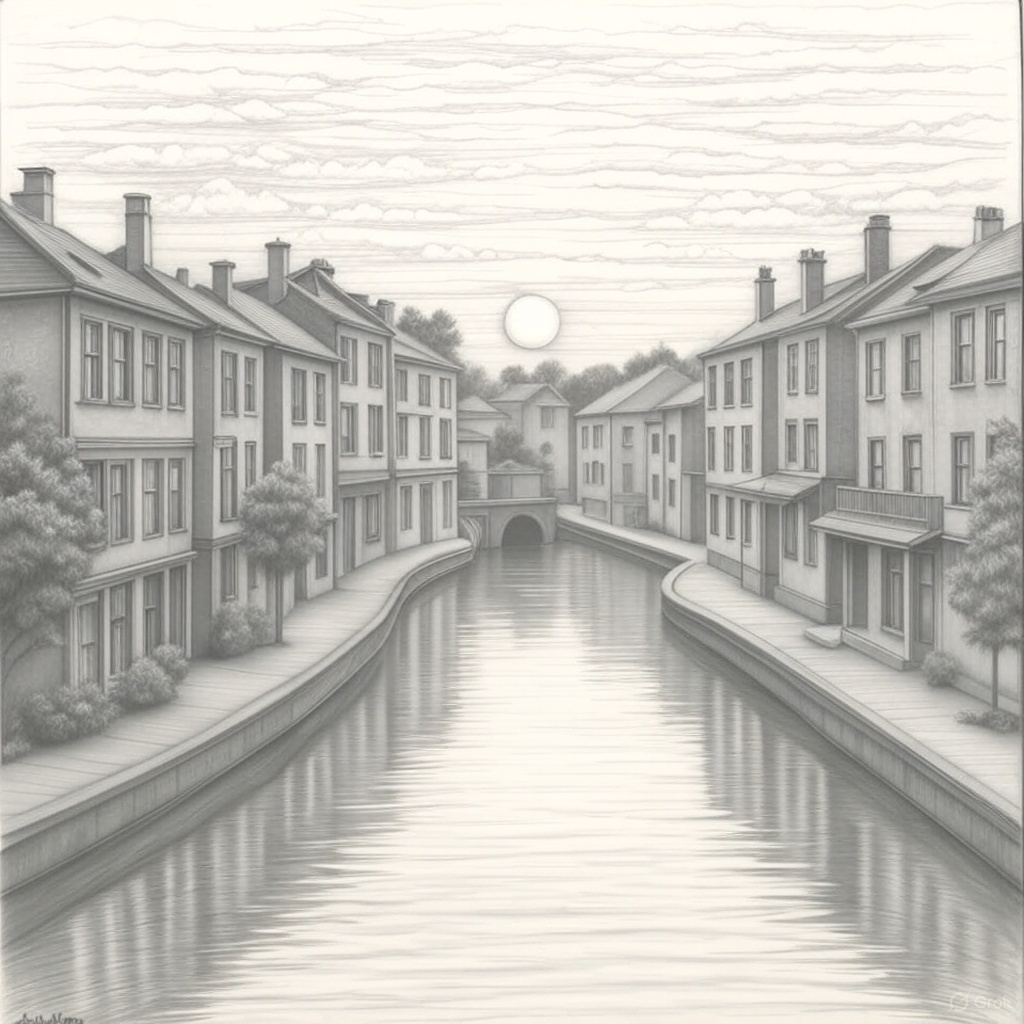
🌿 Movement III — “Pax et Gloria” (Peace and Prosperity)
G major, andante 80 bpm, 72 bars, Harp and celesta gleam, Flute and oboe trade pastoral motifs, Strings flow legato, Horns sustain noble chords, Trumpets and French horns prominent underneath representing the Emperor pullign the strings, Mixed choir hums serenity under glockenspiel sparkles — Augustan peace made eternal
10:22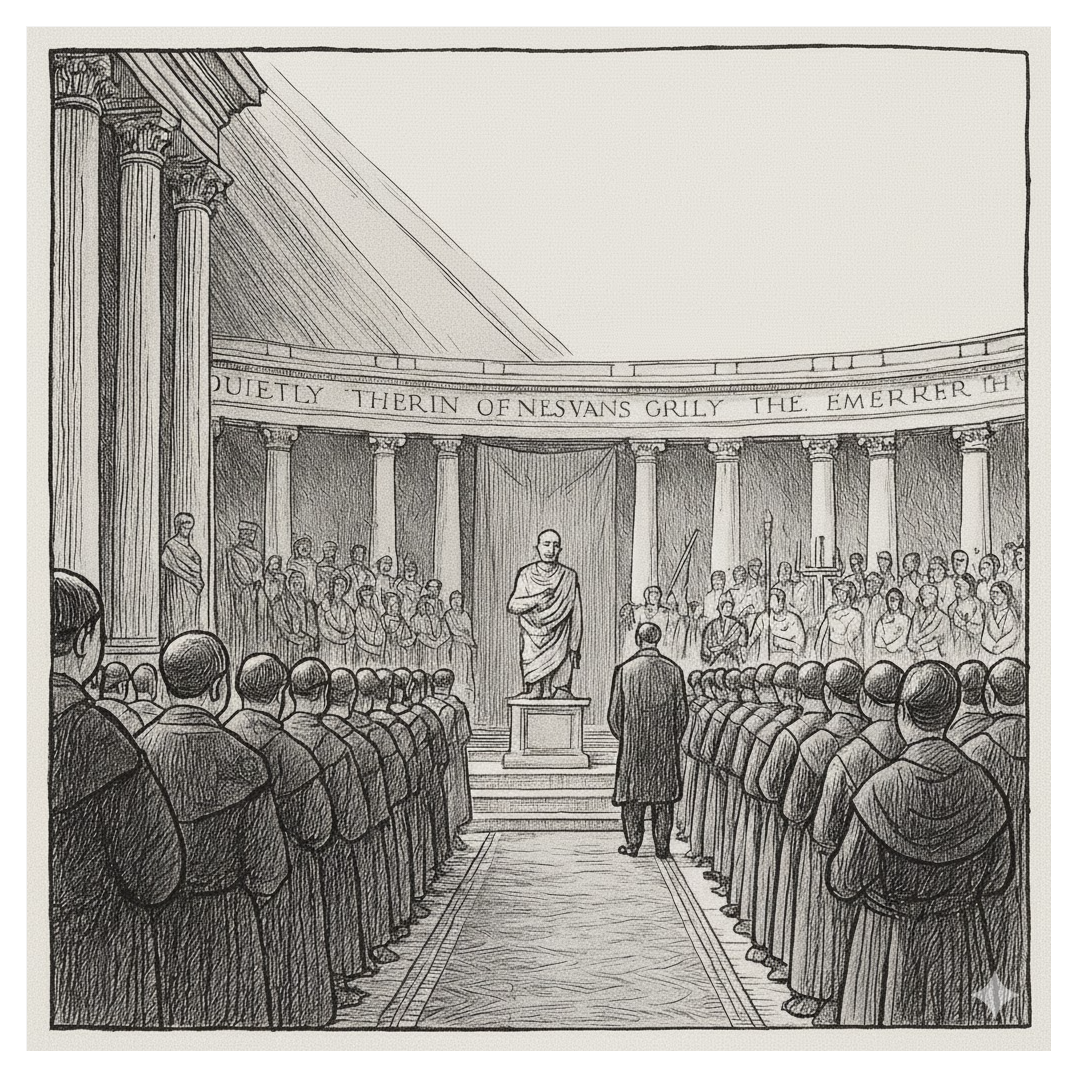
B minor → D minor, allegro sonata 110 bpm (76 bars), Strings + horns rise in tension, Brass fanfare at zenith, choir “Ave Caesar, ” Sudden tempo drop → largo, Cellos + oboe mourn, Final chord unresolved—empire trembles yet endures
7:52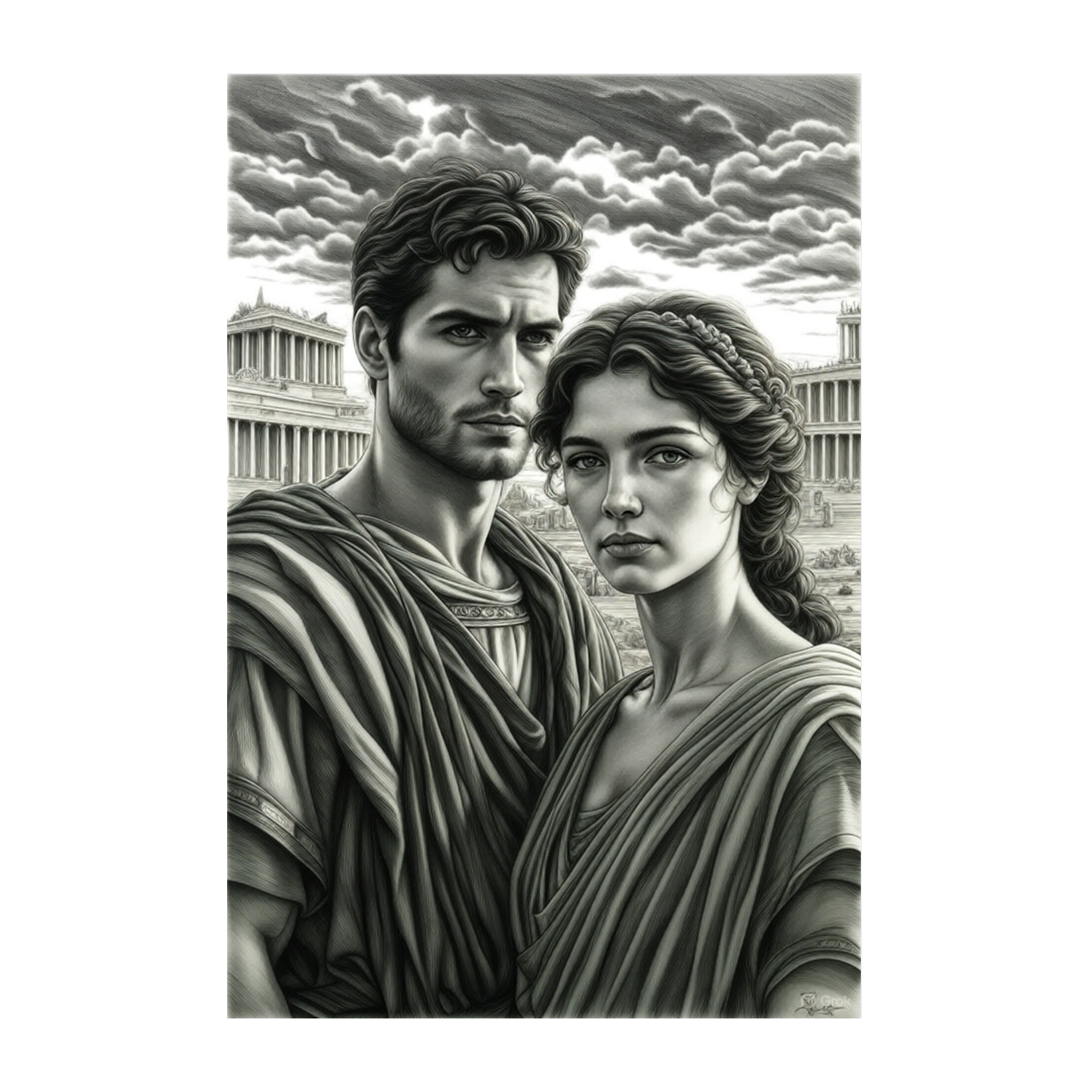
Classical Allegro movement 120 bpm, key F major, 64 bars, Full orchestra: strings (violins, violas) flowing warm melodies, flutes and oboes playful, light harp and pizzicato support, French horns noble, Cheerful, joyful motifs depicting young Tiberius with Vipsania, carefree optimism and romance, bright orchestral textures, flowing melodies, uplifting and lively
15:29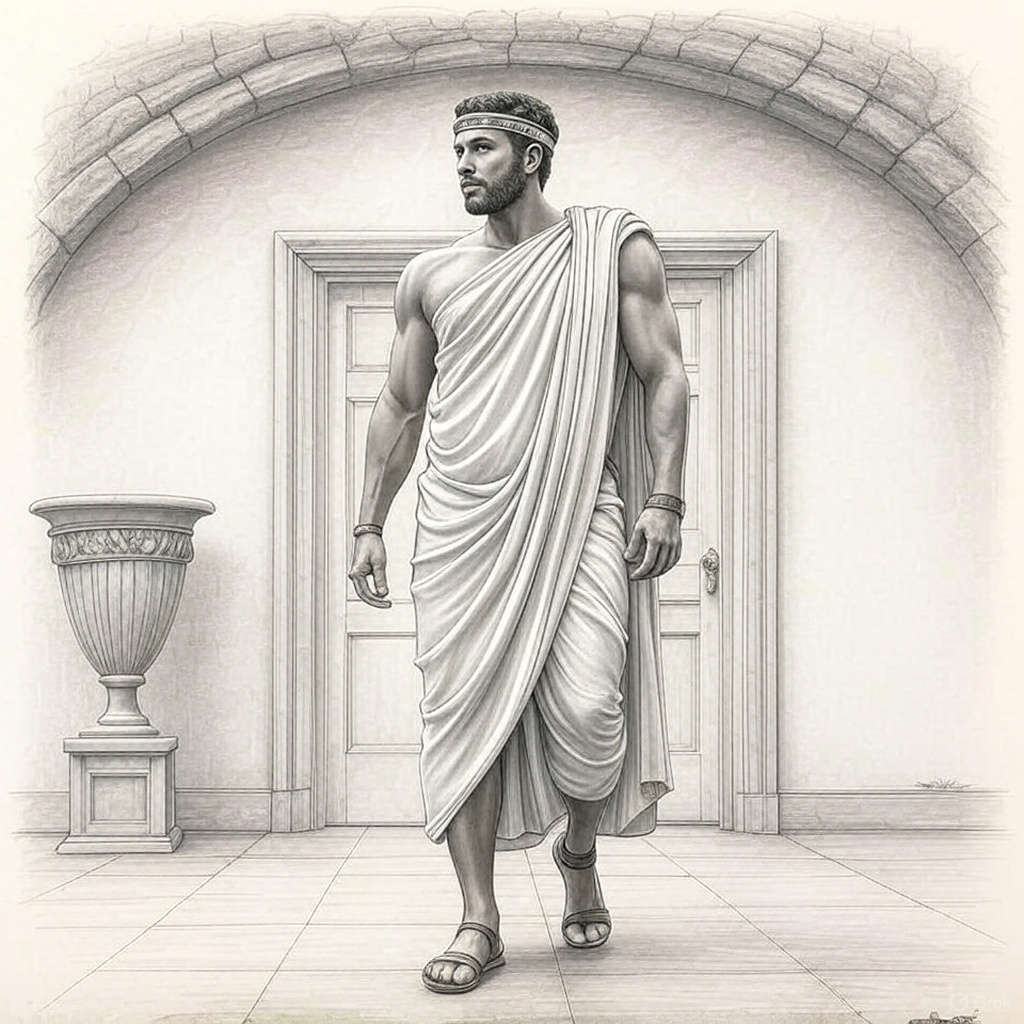
Classical symphonic andante 80 bpm, key A minor → C major, 120 bars, Full orchestra: lower strings and bassoons melancholy, solo oboe/clarinet lamenting, harp arpeggios reflective, light brass hints at political inevitability, Somber, emotional motifs depict Tiberius forced to divorce Vipsania for Julia, conflict between love and duty, sorrowful, introspective orchestral textures, slow descending lines, minor to major resolution, extended thematic development to emphasize inner conflict
11:36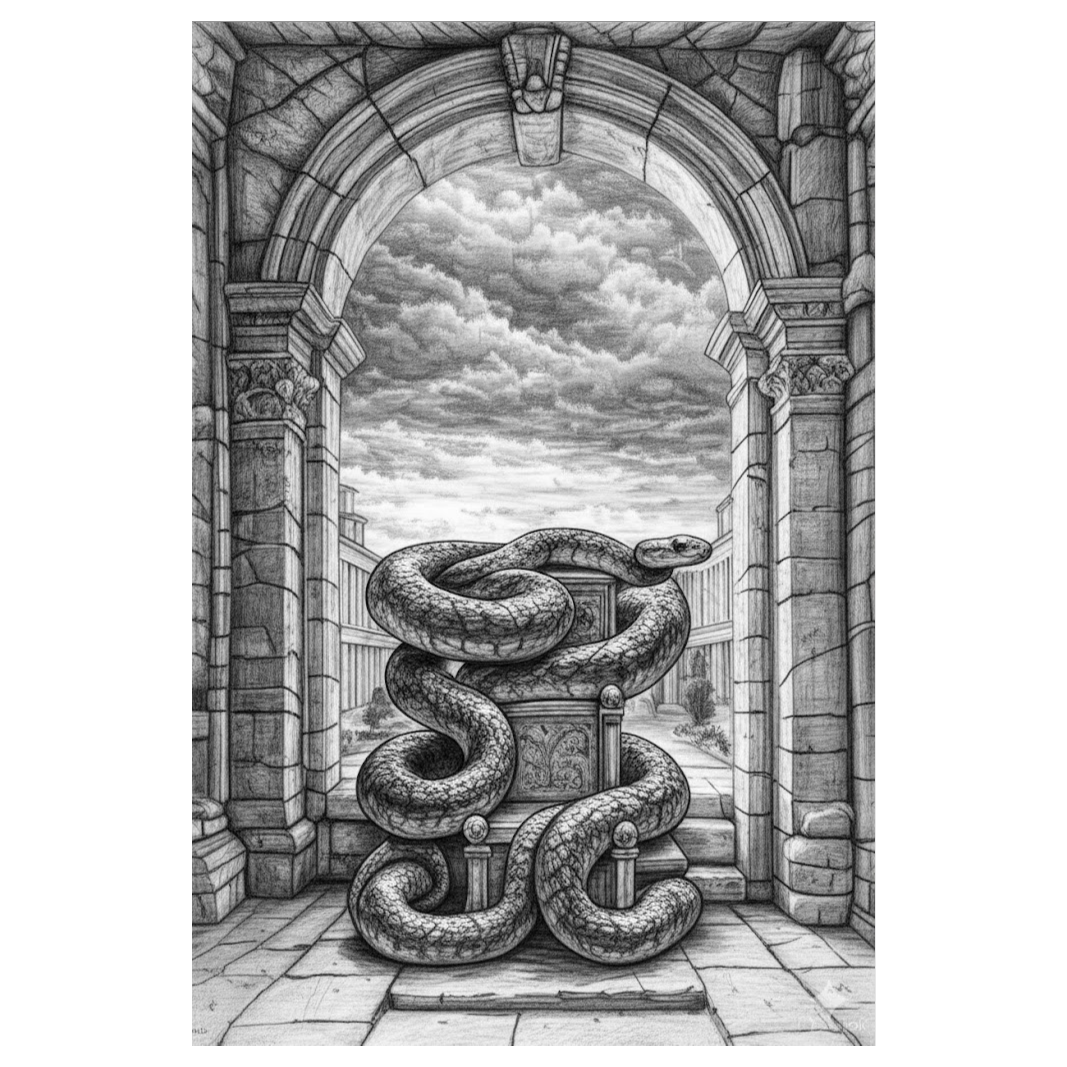
Suno Prompt – Movement III: “Struggles of Power” (Minuet)
Classical third movement Minuet 100 bpm, key D minor → F major, 128 bars, Orchestra: strings tense with short motifs, oboes and bassoons courtly intrigue, timpani punctuate unrest, horns signal authority, pizzicato violins suggest unease, Alternating dance-like rhythm with dissonances, depicting Tiberius’ early reign struggles, political maneuvering with Senate and military, subtle tension beneath ceremonial elegance, dramatic contrasts, elegant yet suspenseful, extended passages for repeated motifs and harmonic exploration
14:33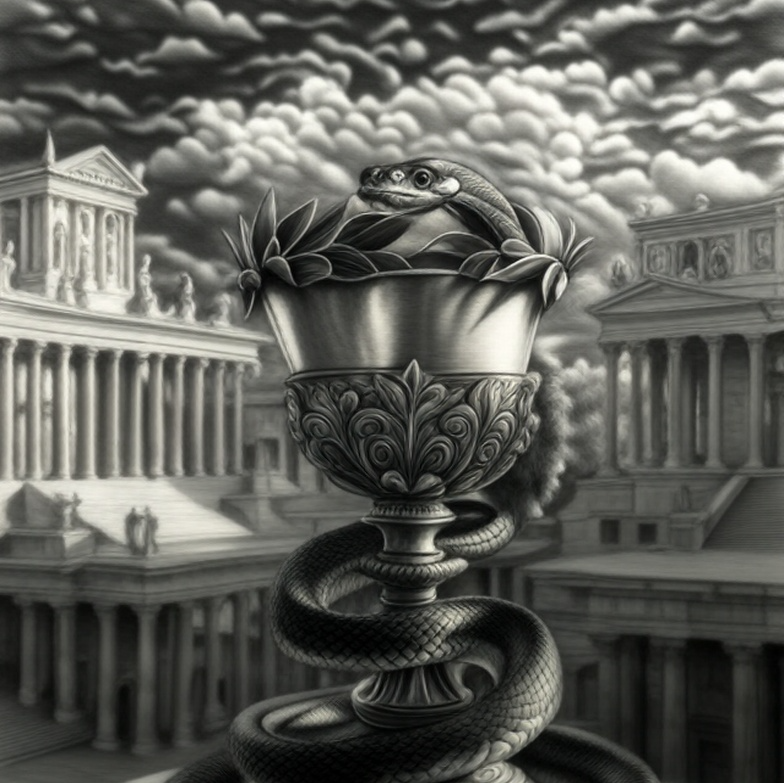
Clasical Allegro moderato → Largo, 90 → 60 bpm, key B minor → D minor, 96 bars, Full orchestra: low strings, bassoons, contrabassoons dark; trombones and tuba ominous; cymbals and timpani for crises; solo oboe/cor anglais lament; dark foreboding motifs, Rising tension, frantic fanfares for Germanicus and Drusus’ deaths, Sejanus’ manipulations, Tiberius’ isolation, slow mournful largo for final moments, unresolved final chord foreshadows death by Caligula, dark, dramatic, cinematic textures
4:09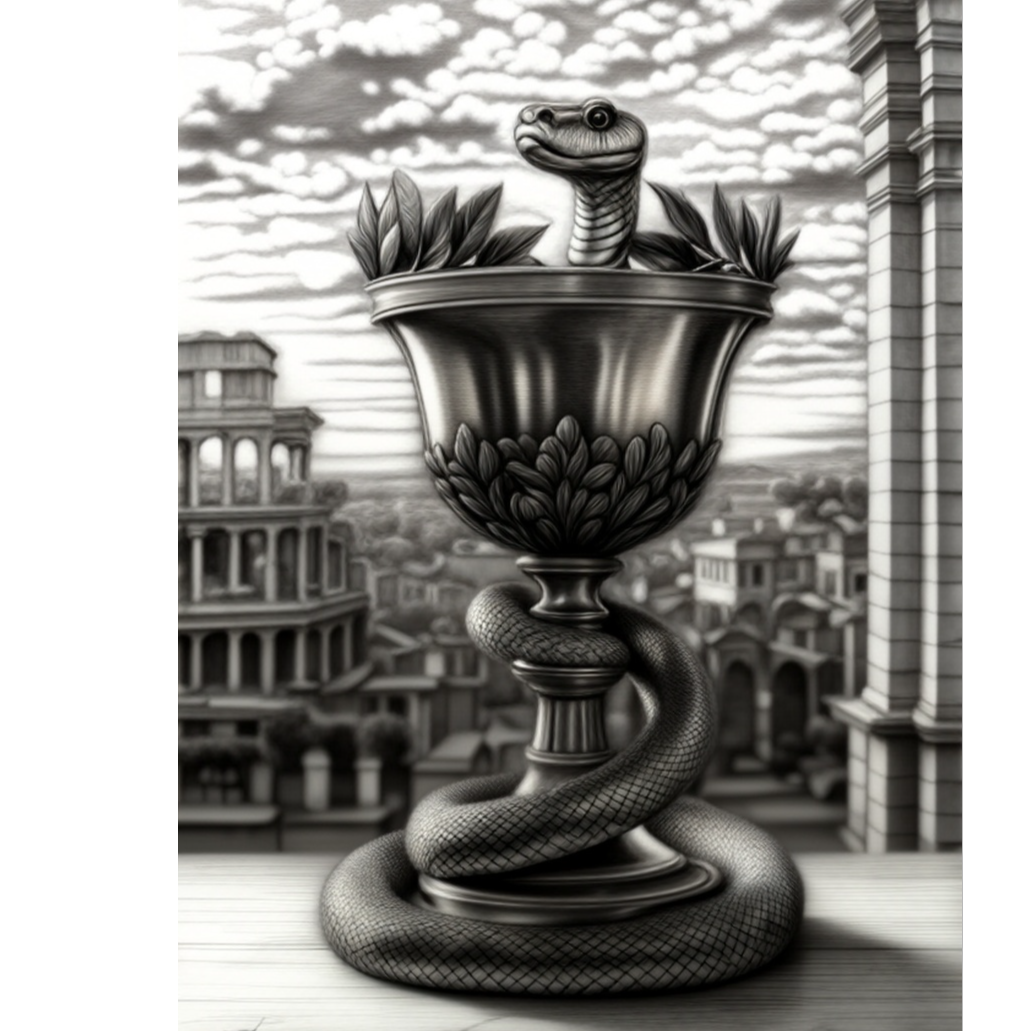
“Interlude – Roma Inter Reges (Rome Between Kings)”
(A cinematic orchestral interlude bridging the death of Tiberius and the rise of Caligula — the Empire mourns, waits, and trembles, )
Duration: ~3 minutes
Tempo progression: starts at 90 BPM, rises by 5 BPM every section, peaking at 105 BPM
Key: B minor → D Dorian → E Phrygian (ends unresolved)
Instrumentation: full orchestra (strings, brass, woodwinds, harp, timpani, snare rolls, cymbals), solo cello, solo horn, and deep basses, Use lush reverb and wide cinematic sound
15:54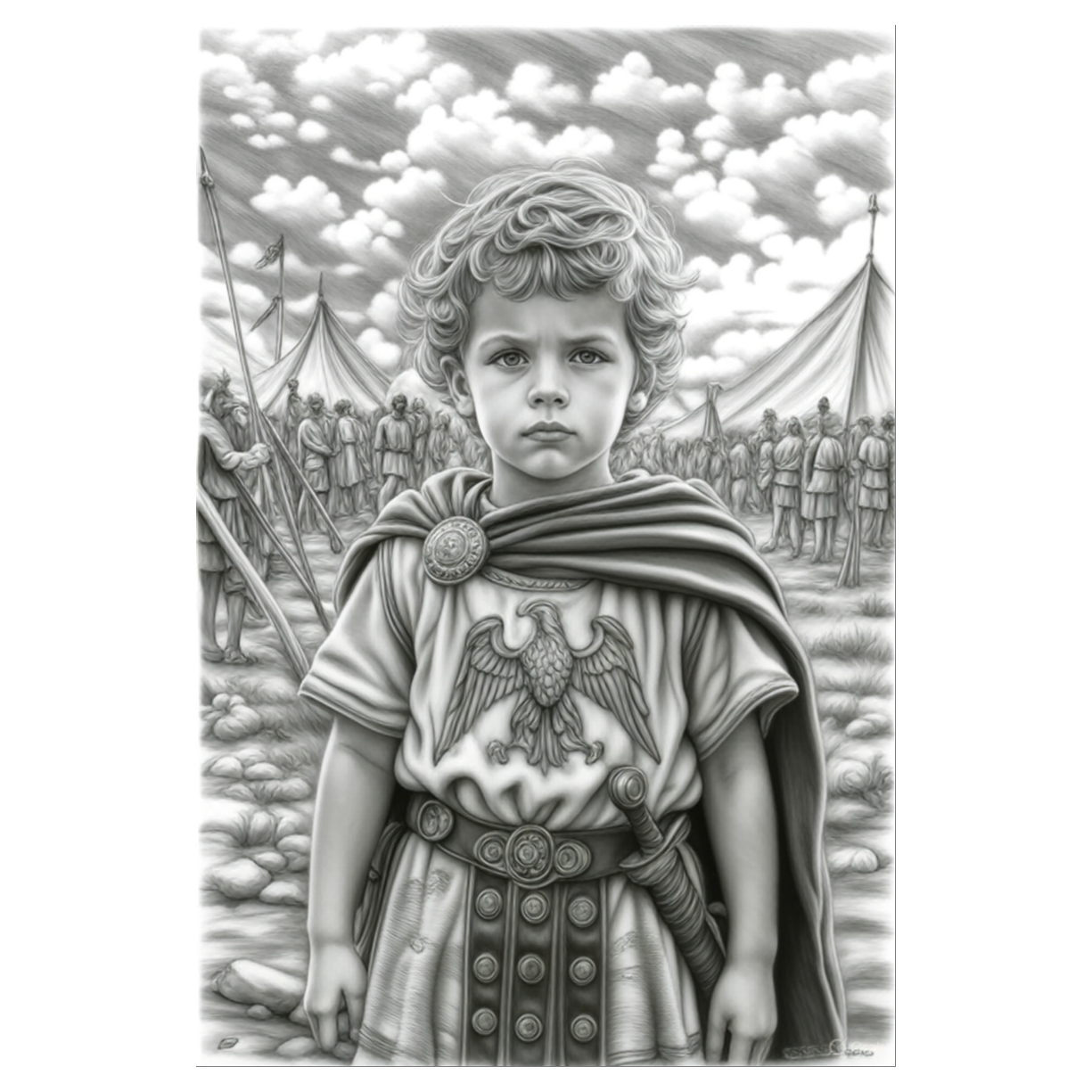
Classical allegro 120 bpm, G major, 80 bars, Bright symphonic march with flutes and brass, strings in rising motifs, harp glissandi for youthful energy, Depicts Caligula as “Little Boots, ” beloved child among soldiers, the legacy of Germanicus, playful yet tinged with imperial destiny, radiant and proud
10:32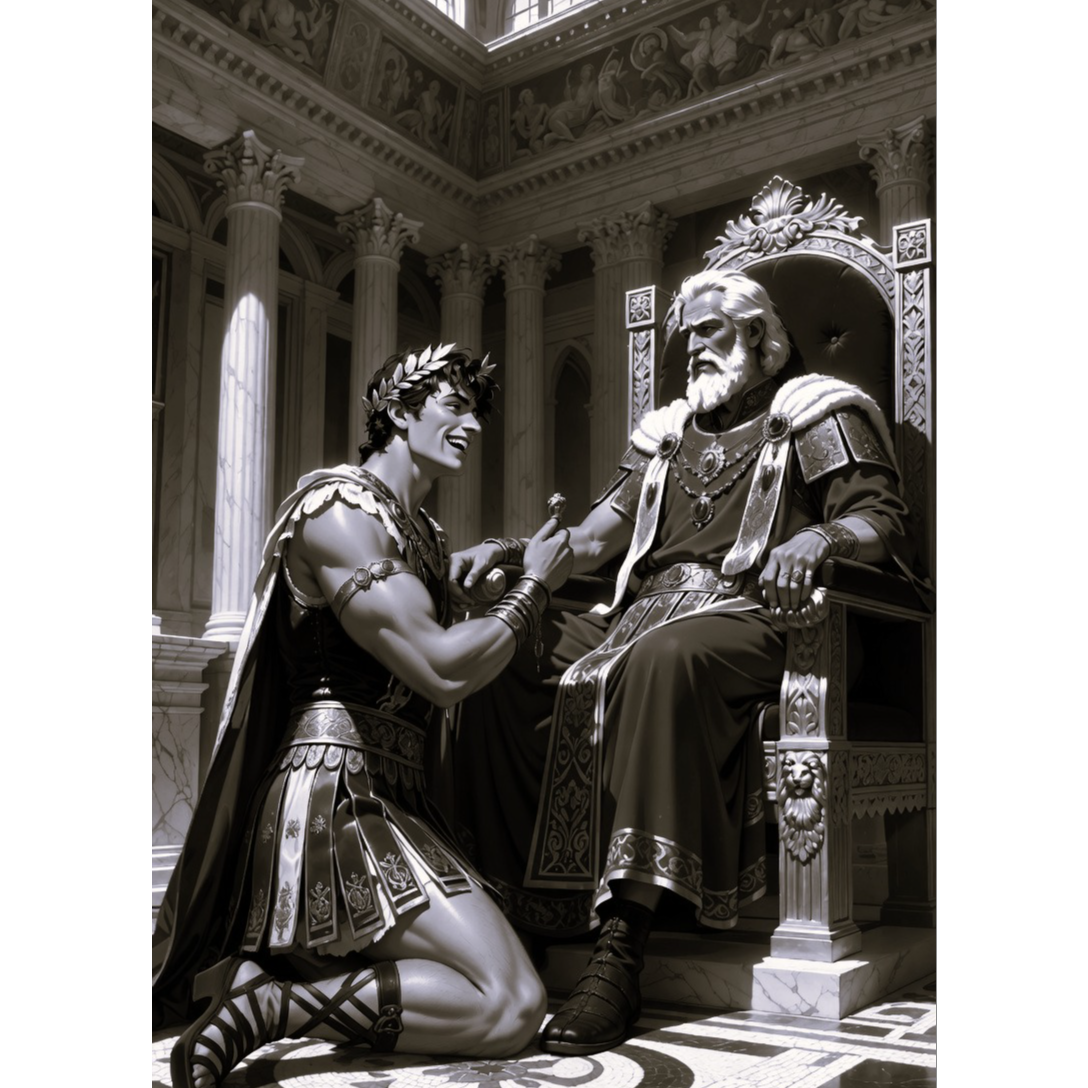
Classical instrumental Largo to Allegretto, 70–100 bpm, E minor to B minor, 96 bars, Dark orchestral tones with strings and bassoons, muted brass for suppressed tension, oboe solos for false gentleness, Depicts Caligula’s life under Tiberius, feigned obedience masking ambition, growing darkness and cunning beneath polished grace
7:19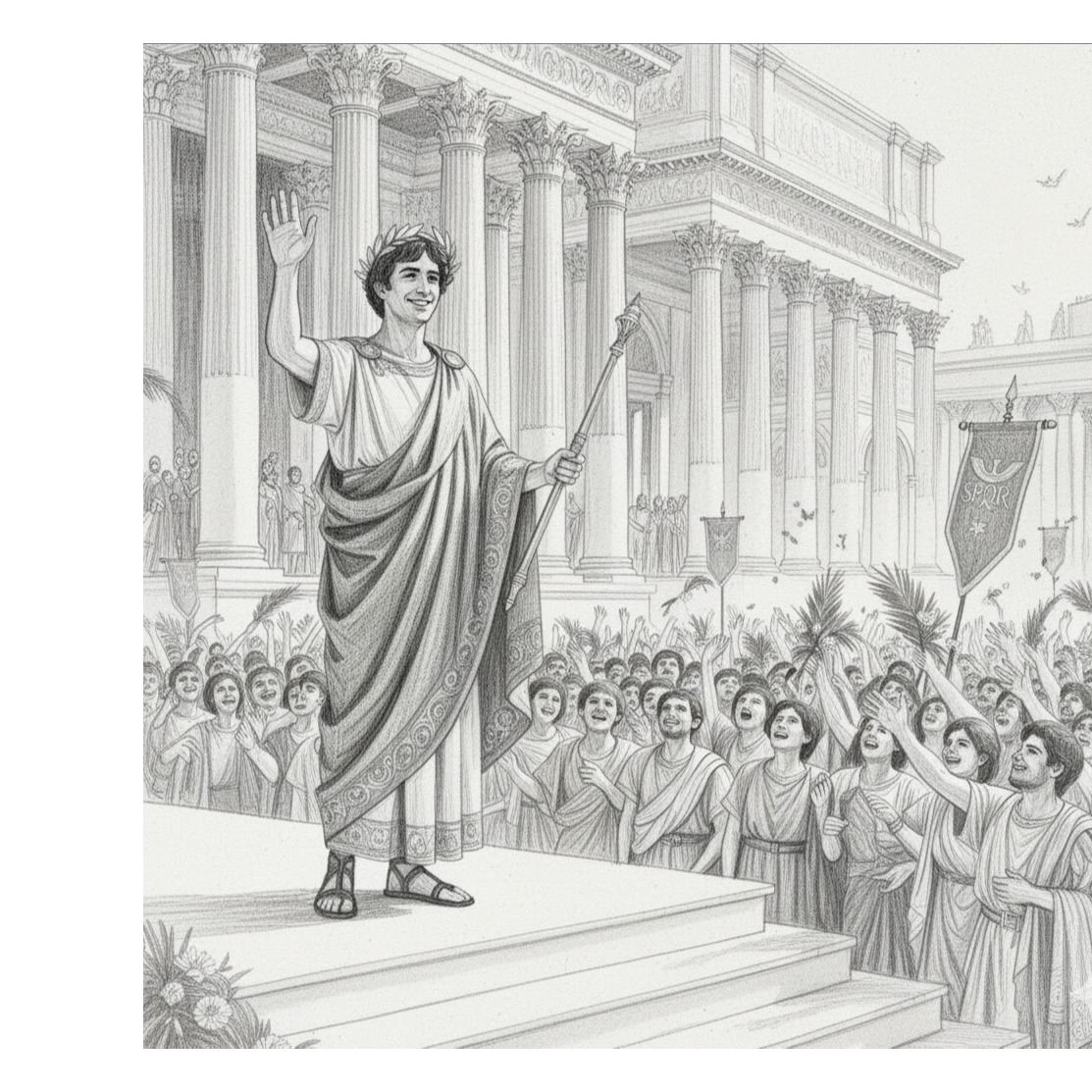
Movement III — “Golden Dawn” (Sonata)
Tempo: Allegro con brio, 115 bpm
Key: C major → A minor
Bars: 128
Narrative: After Tiberius’ death, Caligula becomes emperor, The people rejoice—triumphant themes of renewal, generosity, and celebration, The tone shifts as he falls ill, and the harmony decays into dissonance, foreshadowing madness, Instrumentation:
Full orchestra and chorus; triumphant brass, strings in open intervals, percussion for grandeur, At midpoint, transition to dark strings, diminished chords, and muted horns as sickness strikes, Suno Prompt:
Allegro con brio 115 bpm, C major to A minor, 128 bars, Full orchestral triumph—brass fanfares, choirs, and strings celebrating Caligula’s coronation, games, and popularity, Midway, harmony collapses into dissonance dimished chords, and minor tonality, illness strikes, themes distort and decay, optimism turns to unease
18:27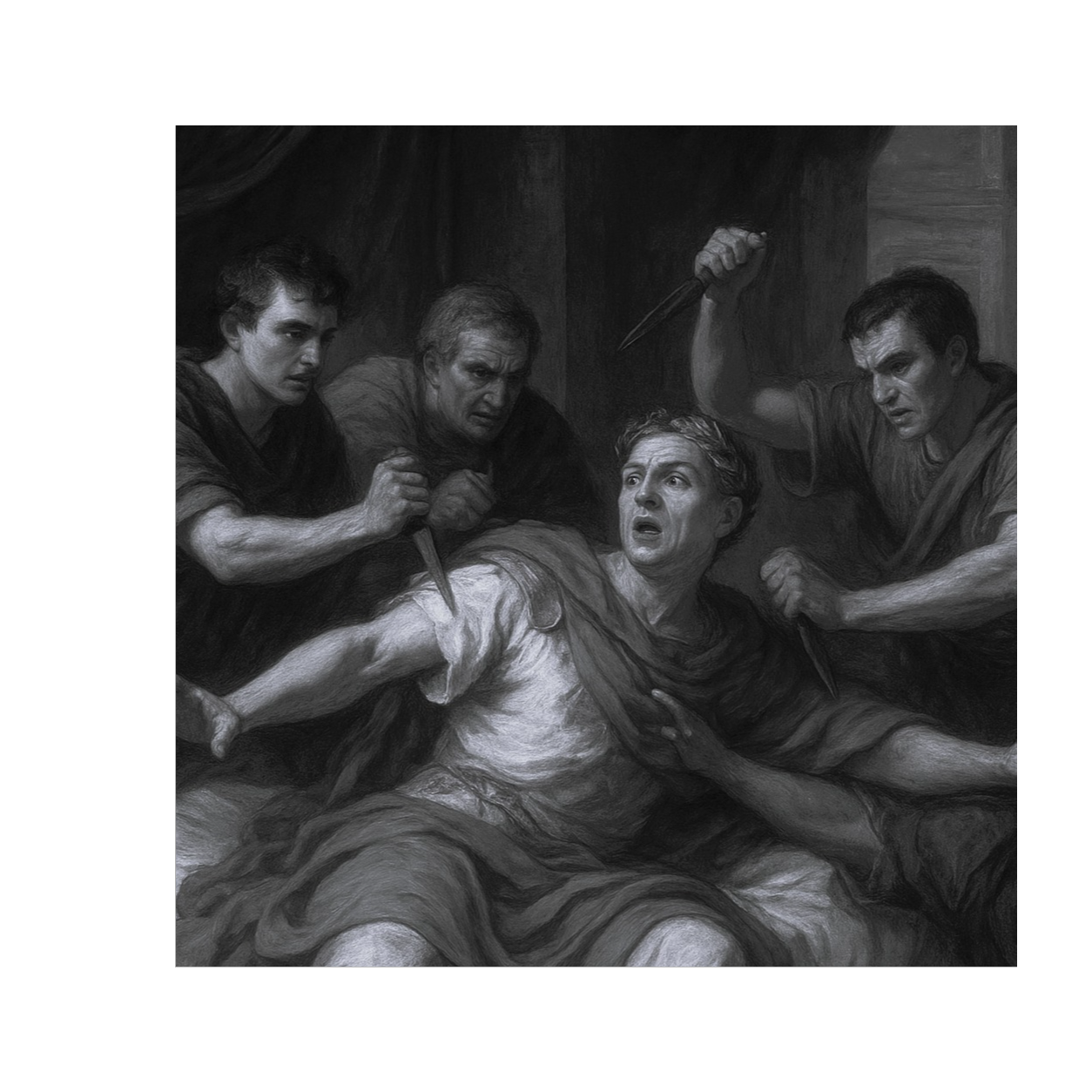
Movement IV — “Madness and Murder” (Andante Finale)
Instrumental classical: Andante → Grave, 80 → 60 bpm in Key of : D minor forBars: 144 Dark orchestral descent into chaos using low strings, choir, and timpani for dread; woodwinds for eerie calm; diminished chord and discordant melodies for chaos slowly building to brass and percussion explosion climax ending; a solo cello closes in mourning to silence
12:06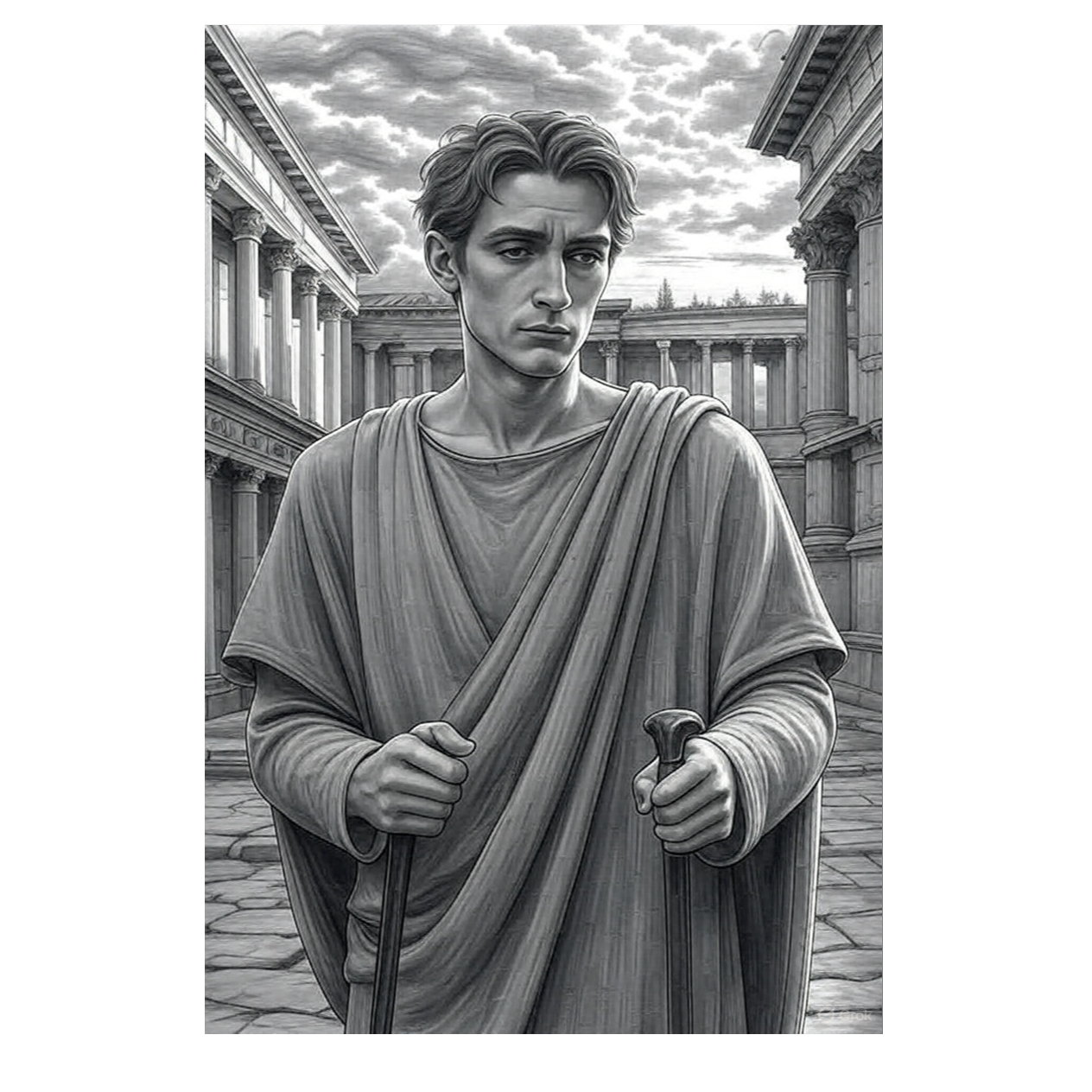
🎵 Movement I — “The Hidden Mind”
Key: D minor → D major
Tempo: 96 BPM (gradually accelerates to 108 BPM)
Instrumentation: Strings, clarinets, flutes, oboe, French horns, harp, light percussion, Prompt:
#cinematic #orchestral #classical #roman
“The Hidden Mind” — Symphonic movement in D minor to D major, Hesitant slightly uneven discordant solo woodwinds and uneven strings evoke Claudius’s stutter, frailty and being ignored, Gradually unfolds into bold brass and strings as his hidden brilliance emerges, Emotional, intelligent, triumphant tone
9:05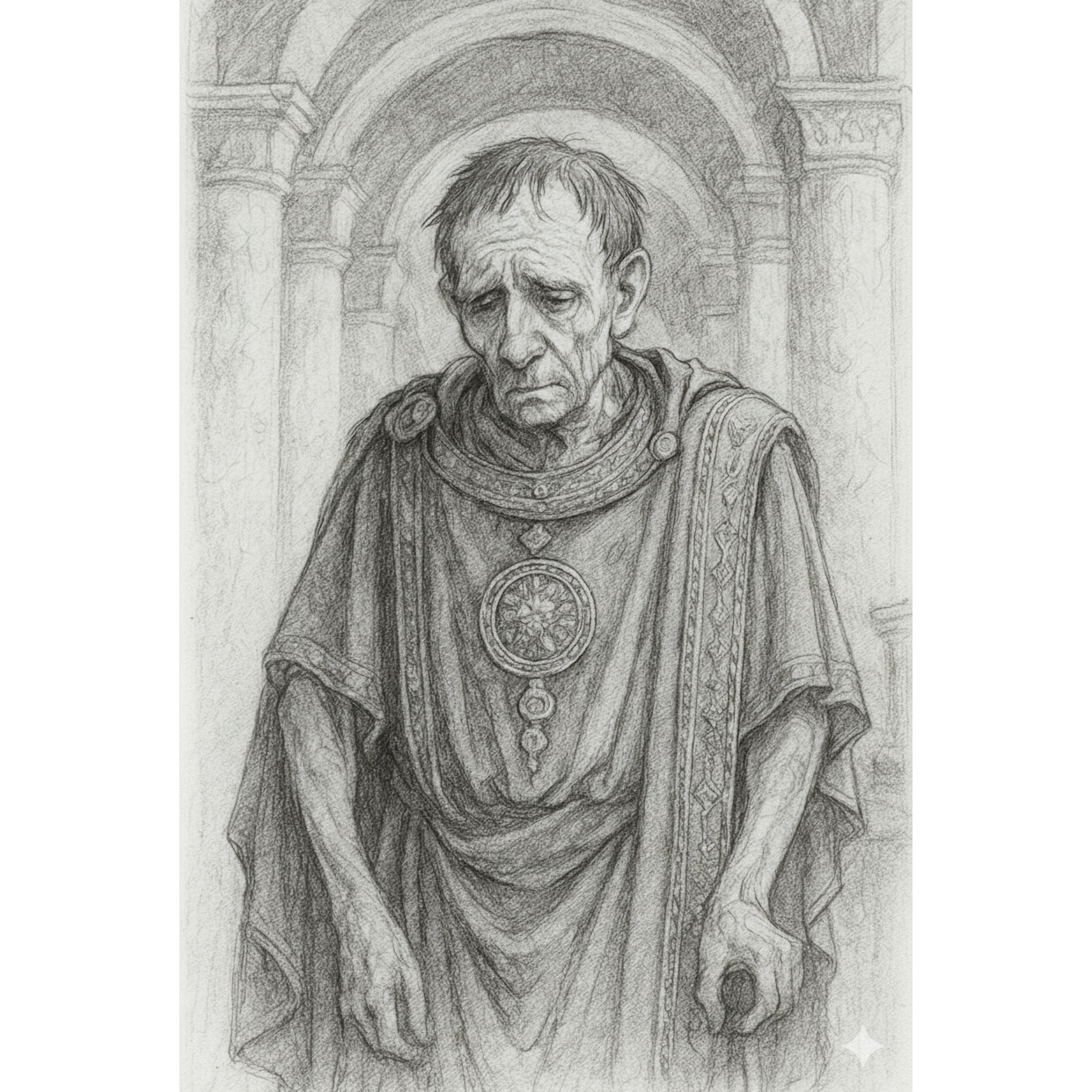
Key: G minor
Tempo: 72 BPM
Instrumentation: Low strings, bassoons, muted trumpets, timpani, celesta, Prompt: #dark #dramatic #cinematic #ancientrome
Slow, tense symphonic score in G minor, Heavy cellos, muted brass, and eerie percussion capture fear and cruelty, Hesitant, slightly discordant woodwinds and uneven strings motif survives amid chaos, Oppressive yet emotional, ending in uneasy calm
6:07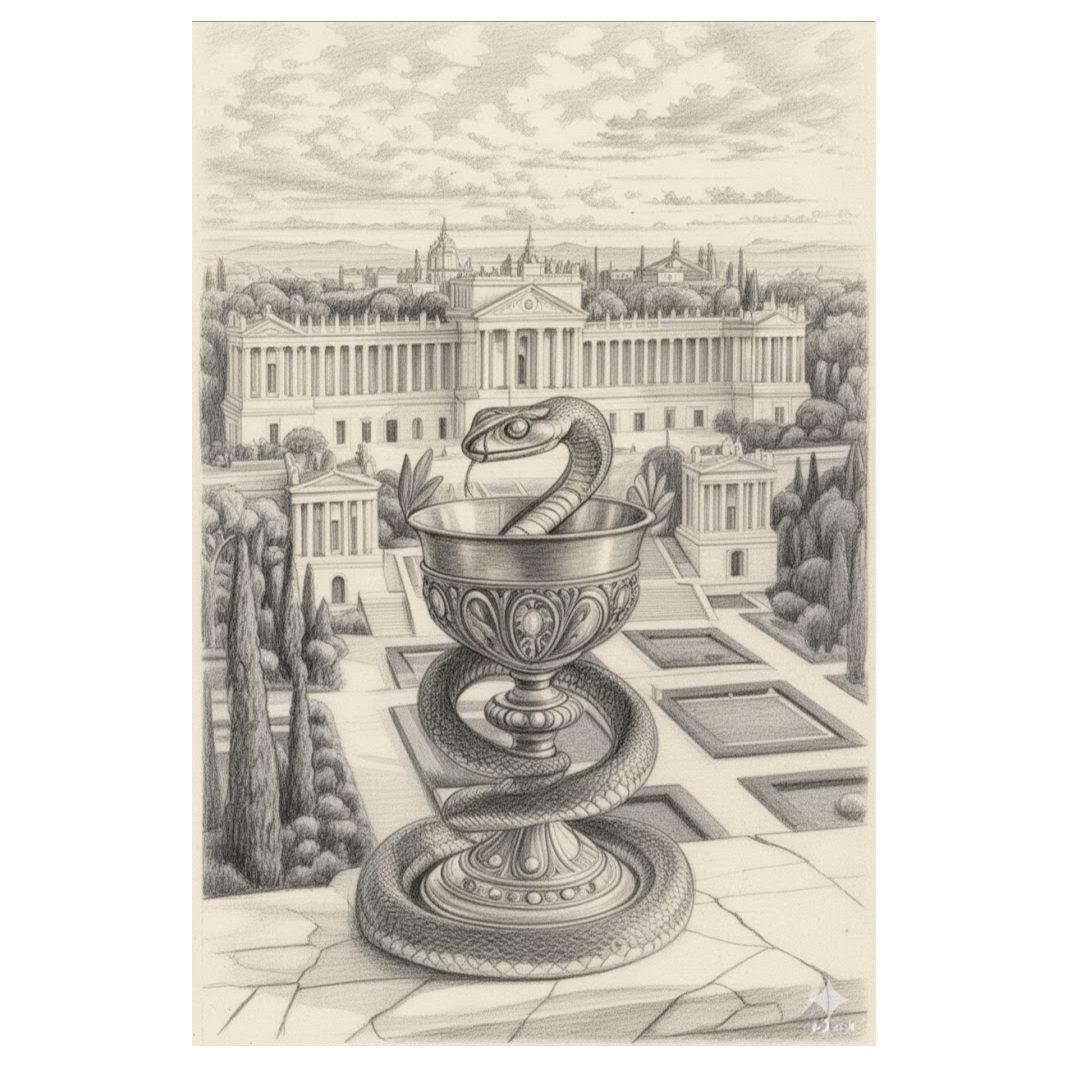
Key: C minor → C major
Tempo: Allegretto 100 BPM (opening), rising to 116 BPM during the triumphal section
Instrumentation: Full symphony orchestra — low strings, bass clarinet, timpani, solo horn, full brass, woodwinds, snare drums, and choir, Prompt:
#cinematic #orchestral #epic #roman #triumphant
“Imperium Restored” — Symphonic movement in C minor to C major, Opens in dim suspense: low strings tremble, hesitant discordant bass clarinet whispers as Claudius hides in the palace after Caligula’s murder, Sudden brass and snare bursts mark the Praetorian Guard discovering him and proclaiming him emperor, The music then transforms—tempo lifts, harmonies brighten—as Claudius proves a wise, capable ruler, Triumphant brass fanfares, steady rhythmic marches, and lyrical strings symbolize Rome’s restoration and order after chaos, Ends in a proud, majestic C major finale celebrating stability and reform
15:37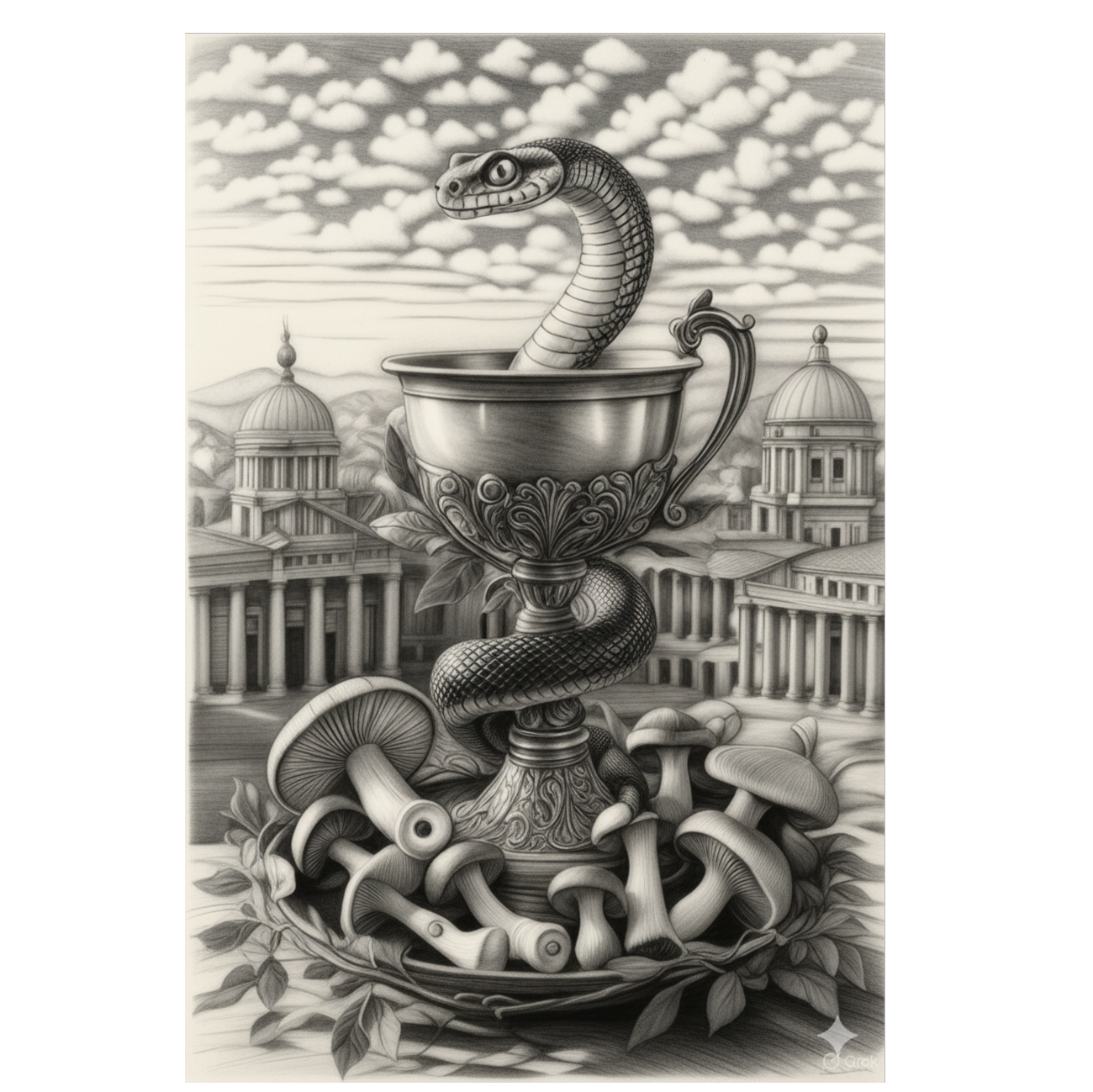
Classical climactic finale
Key: D Minor → D Major
Begin solemnly at 90 BPM, rise gradually to 125 BPM by the finale, Tone: reverent → noble → triumphant, Instrumentation: hesitant discordant oboe representing Claudius, strings --> add in brass, woodwinds, timpani --> add in percussion, kettle drum --> full orchestral instrumentation
3:16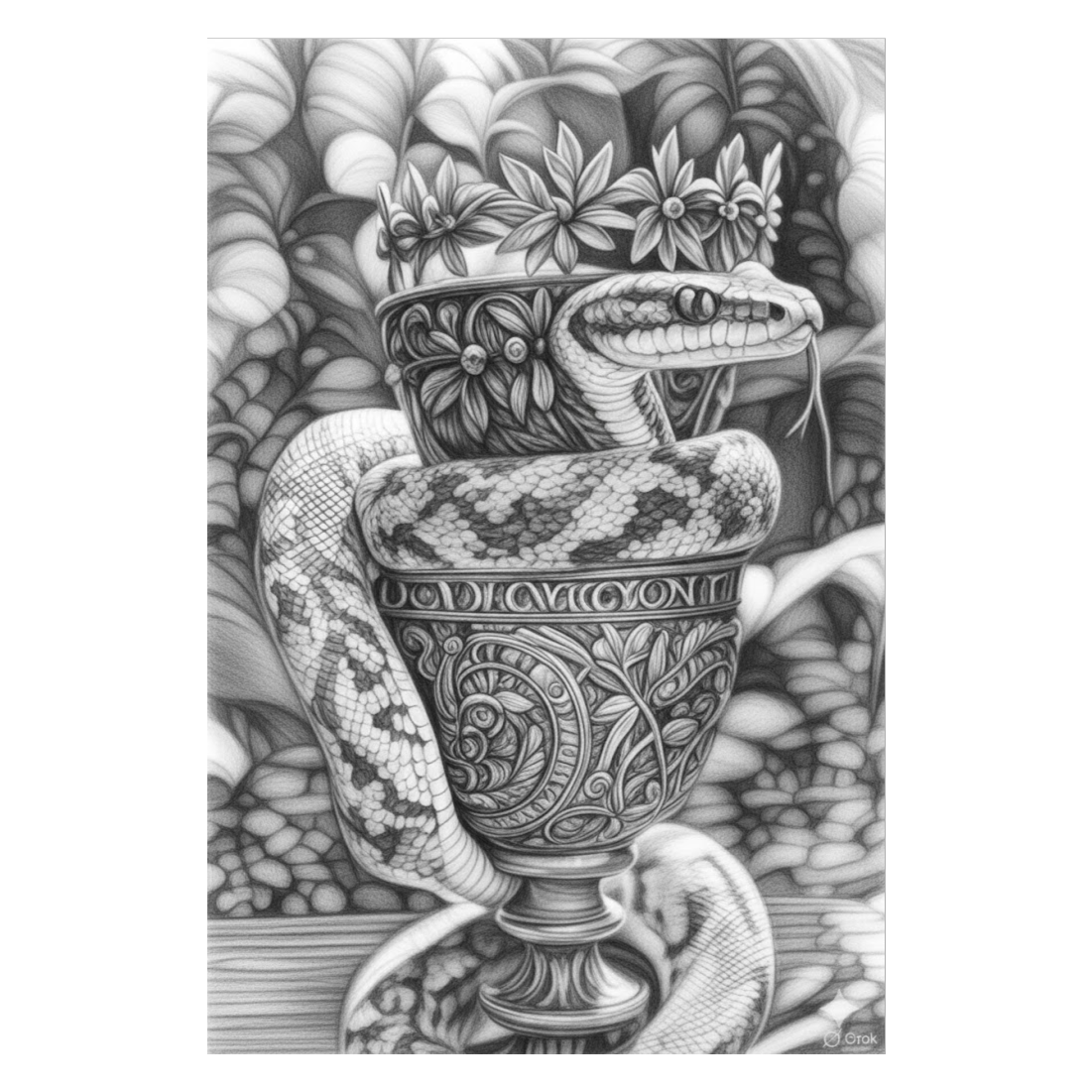
Tempo & Meter:
Largo or Andante (60–80 BPM) to evoke morning calm, 4/4 or 6/8 for a gentle flowing motion, reminiscent of Tiber river currents, Key & Harmony:
Key: D major or E major for warmth and light, Begin with consonant open intervals (perfect fifths, major thirds) to convey serenity, Introduce modal shifts (Mixolydian hints) for a subtly archaic Roman flavor, Orchestration:
Strings:
Soft tremolo in upper strings for sunlight shimmering over rooftops, Pizzicato in violas/cellos for footfalls, fountain droplets, and city life motifs, Woodwinds:
Flutes and oboes carry light melodic figures (birds, children playing), Bassoons in legato underpinning for slow, warm city heartbeat, Brass:
Muted horns in the distance hint at latent authority and grandeur, Harp:
Glissandi for reflective water, soft morning sparkle, Percussion:
Very light timpani rolls or suspended cymbal swells to punctuate architectural grandeur, Motivic E