
5:02
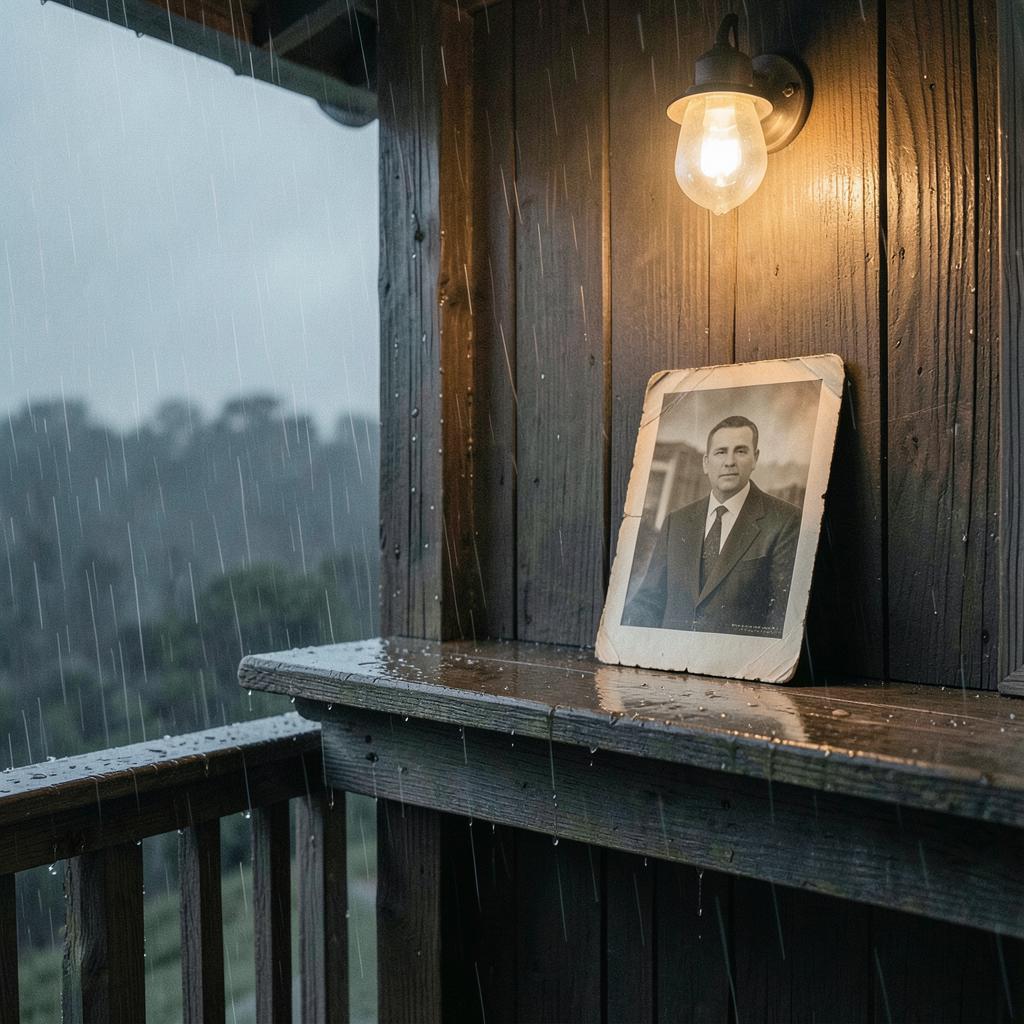
an intimate Chillbilly Soul opening track built around Appalachian storytelling, blues emotion, and gospel-rooted reflection, The song moves at a slow 84 BPM with a warm, organic pocket: fingerpicked acoustic guitar, upright bass, brushed drums, distant Hammond organ, and subtle fiddle create the feeling of a rainy night on an old front porch, The vocal approach is a weathered bari-tenor storyteller performance—close, honest, and reflective rather than overly dramatic, The arrangement blends rural acoustic traditions with the emotional depth of soul music, Minor-key harmony, blues phrasing, and gospel-inspired responses create a sense of memory, loss, and gratitude, Ambient details like rain, crickets, and a distant church atmosphere make the song feel like stepping into an old photograph, The track serves as the album’s invocation: honoring those who came before, carrying their lessons forward, and establishing the theme that love and legacy survive beyond loss
4:48

Mama's Hymns
v5.5
“Mama’s Hymns” is a Chillbilly Soul gospel-rooted ballad that blends Appalachian tradition with the warmth of classic soul storytelling, At 90 BPM, the track moves with a gentle porch swing groove built around mandolin, fingerpicked acoustic guitar, upright bass, fiddle, Hammond organ, and hand claps that evoke a small mountain church gathering, The vocal performance is intimate and soulful, carrying the weight of memory, family, and inherited wisdom, The arrangement balances rural roots with African American gospel influences through call-and-response moments, organ swells, and layered harmonies, The song’s E minor foundation gives it a reflective, nostalgic quality while the melody carries hope and resilience, Lyrically, it focuses on faith passed down through generations — not as a doctrine, but as something lived through hardship, love, and everyday moments, It serves as the second chapter of the album’s journey: honoring the voices and traditions that shaped who we become
3:53

Blues in My Blood” is a confident Chillbilly Soul anthem blending Appalachian roots with Memphis soul, blues storytelling, and modern neo-soul warmth, At 96 BPM, the track moves with a deeper groove than the album’s opening songs, introducing Rhodes piano, stronger bass movement, warmer drums, and resonator guitar while keeping the acoustic foundation intact, The male bari-tenor vocal carries a lived-in storyteller quality — proud, reflective, and grounded, The song transforms the blues from a symbol of sadness into a symbol of heritage, resilience, and identity, Soul harmonies, blues guitar phrasing, and Appalachian fiddle textures create a bridge between rural tradition and African American musical influence, This is the moment in Act I where the narrator stops looking backward and begins claiming who he is: shaped by family, place, struggle, and the stories written into the land
5:11

“Cracks in the Floorboards” is the emotional turning point of Act I, blending Appalachian blues, early soul, and gospel-influenced storytelling, At 102 BPM, the track introduces a darker, more driving groove with resonator guitar, Hammond organ, deeper bass movement, and stronger boom-bap drums, The male bari-tenor vocal carries a weathered, intimate quality — honest about pain without abandoning love, The song uses the image of an old house as a metaphor for family, memory, and inherited wounds, Blues guitar bends, soulful organ swells, and restrained gospel harmonies create a feeling of looking back with both gratitude and truth, This is where the album moves beyond nostalgia: the narrator recognizes that home can hold both comfort and hurt, The cracks become symbols not of failure, but of the places where healing and light can enter
4:03

“Stones in My Pocket” is the first full ignition point of the Chillbilly Soul album, combining hip-hop soul, Memphis funk, blues, and Appalachian storytelling, At 108 BPM, the track introduces a heavier rhythmic identity with deep electric bass, boom-bap drums, Rhodes piano, Hammond organ, resonator guitar, and soulful horn accents, The vocal approach becomes more rhythmic and conversational, blending half-sung melodies with spoken-word intensity, Built around the A Dorian mode, the song carries both darkness and movement — a feeling of walking through struggle without being defeated by it, The “stones” represent inherited pain, memories, and life experiences carried from the past, Instead of treating them only as burdens, the song transforms them into proof of survival, This marks the beginning of Act II: the narrator steps into the storm, confronts his history, and starts turning weight into strength
4:19

Devil in My Rearview” is a cinematic Chillbilly Soul track that blends Memphis soul, blues, soul jazz, and hip-hop storytelling, At 114 BPM, the song introduces a driving rhythm built around boom-bap drums, warm electric bass, Rhodes piano, Hammond organ, resonator guitar, and expressive horn responses, The groove feels like movement — a late-night drive through rain while confronting the parts of yourself you cannot escape, The C major/A minor mixture creates tension between hope and struggle, reflecting the song’s theme of chasing redemption while carrying the past, The vocal delivery shifts between soulful singing and rhythmic spoken storytelling, creating a confessional but powerful performance, This is the emotional chase sequence of Act II: the narrator realizes the enemy is not only behind him on the road, but within himself, Instead of running forever, he turns around and faces it
5:03

Smoke in my Soul
v5.5
Smoke in My Soul” is the emotional summit of the Chillbilly Soul album, combining funk, Memphis soul, blues rock, gospel influence, and hip-hop rhythm into a raw personal testimony, At 120 BPM, the track hits with the album’s strongest groove: heavy boom-bap drums, deep electric bass, Rhodes piano, Hammond organ, resonator guitar, soulful horns, and expressive blues guitar, The A minor to C major movement represents the journey from internal struggle toward acceptance, The spiritual feeling comes from the Hammond, vocal delivery, and human call-and-response moments rather than a constant choir pad, The performance is intimate, gritty, and explosive — a confession that becomes a release, This is not a song about defeating darkness; it is about finally admitting it exists and discovering that facing the fire can reveal who you truly are
4:19

River Washes Nothing is the album's Golden Fracture—the quiet turning point after the emotional explosion of Smoke in My Soul, Blending neo-soul, jazz harmony, blues, and Appalachian storytelling, it replaces intensity with space and reflection, A restrained boom-bap groove, warm Rhodes, melodic electric bass, sparse Hammond organ, and expressive blues guitar create an intimate atmosphere where every note has room to breathe, The E minor tonality reinforces the lingering weight of the journey, while the lyrics reject the illusion that changing places changes people, Instead of offering easy redemption, the song embraces honest self-examination, preparing the listener for the grace and renewal of the album's final act
4:13

Morning After the Rain marks the beginning of Act III, where struggle gives way to quiet hope, Blending neo-soul, gospel soul, Americana, and soul jazz, the song replaces the intensity of Act II with warmth and openness, Fingerpicked acoustic guitar returns alongside lush Rhodes, gentle Hammond organ, warm electric bass, brushed boom-bap drums, subtle horn swells, and restrained vocal harmonies, The performance is intimate and reflective, letting silence and space become part of the arrangement, In bright C major, the song doesn't celebrate a perfect ending—it celebrates the first peaceful breath after the storm, finding grace not by escaping the past, but by seeing it through new eyes
3:48
Halfway Home
v5.5
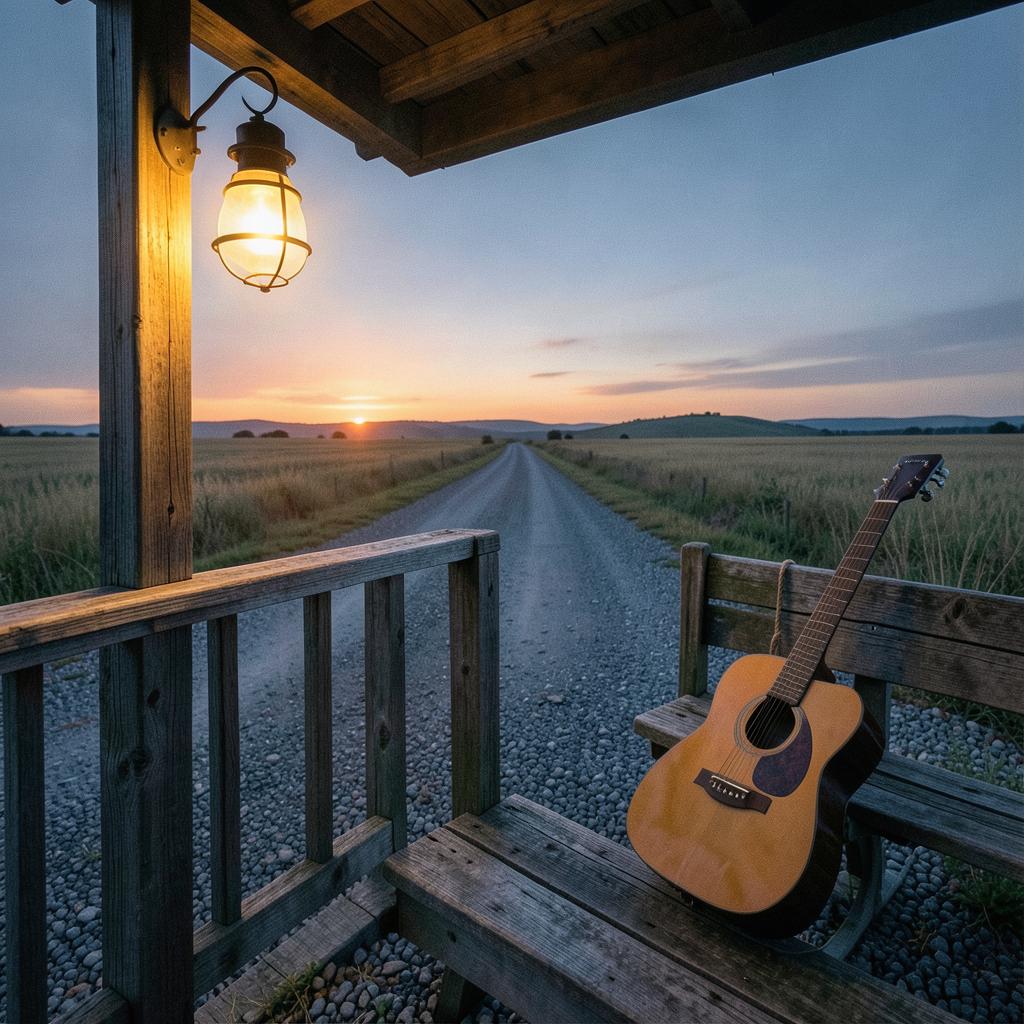
Halfway Home is the warm heart of Act III, blending soul folk, neo-soul, Americana, and gospel soul into a relaxed, hopeful groove, Fingerpicked acoustic guitar leads the arrangement, supported by warm Rhodes, melodic electric bass, brushed boom-bap drums, subtle Hammond organ, mandolin, harmonica, and rich harmony vocals, At 100 BPM in G major, the song feels like an evening drive down a familiar back road—steady, reflective, and full of quiet gratitude, Rather than celebrating the end of the journey, it embraces the peace found along the way, The recurring imagery of gravel roads, porch lights, and open skies ties the album together, while the final lyric reveals that the "porch light" introduced in Track 1 has become an inner light, symbolizing growth, acceptance, and the slow return home
4:11

I'm Right Here
v5.5
I'm Right Here is the emotional awakening of Act III, blending New Orleans gospel, soul revival, neo-soul, and Americana storytelling, At 92 BPM in C major, the song settles into a warm, communal groove built around Hammond organ, Rhodes piano, fingerpicked acoustic guitar, warm bass, hand claps, tasteful horns, and layered vocal harmonies, The arrangement feels like a front porch gathering where personal healing becomes a shared celebration, Rather than searching for something outside himself, the narrator discovers that the person he was trying to find had been there all along, The song transforms the album's central themes of home, memory, struggle, and grace into a simple realization: the longest journey is the walk back to yourself
4:38

Same Stars Over Home is the cinematic resolution of the Chillbilly Soul journey, intentionally mirroring Track 1 while revealing how much the narrator has changed, At 84 BPM in C major, the song blends Appalachian soul, Americana, neo-soul, blues, and gospel warmth, The arrangement uses the same rain ambience and acoustic guitar family from the opening track, but transforms the emotional language with open chords, Rhodes, Hammond organ, warm upright bass, brushed drums, fiddle, and gentle harmonies, The performance feels intimate and reflective, like a final conversation on the front porch after years away, The power comes from contrast: the world stayed the same, but the narrator finally learned to see it differently, This is not a story of escaping the past—it is a story of returning home with grace