
3:39
Dark pop and modern K-pop textures clash in “SHATTERLIGHT”—minimal, creeping synths and sub-bass underpin verses, with RHEA’s rapid-fire low vocals rapping in lockstep with sparse percussive pulses, Pre-chorus, ARIA’s rising melody climbs above ominous pads, building tension to a chorus that erupts into cinematic, layered synths, impactful drums, anthemic long-line vocals, rich stacked multi-part harmonies, and SOL’s cutting hooks in the upper register, A choreography-driven dance break drops melody for aggressive rhythm, syncopated bass, and filtered percussion, The bridge dissolves into atmospheric textures, leading to a final, key-shifted chorus—ARIA soars on climactic high notes as the arrangement swells for a victorious finish
2:28
The song has a nocturnal, intimate feel, with a distinct tension rather than a classic explosion, The tempo is slow, around 72–76 BPM, in 4/4 time, and the groove is slightly delayed and "dragging, " The beat is minimalist: a soft kick, a deep sub-bass, and irregular hi-hats reminiscent of breathing, The minor key (e, g, F minor or G# minor) builds darkness and sensuality, The melody in the verses is very narrow—2–3 notes, half-whispered, more spoken than sung, The pre-chorus gradually rises, with longer notes and more space appearing, The chorus isn't "explosive"—it relies on the hypnotic repetition of a single main note with delicate harmonies, The bridge has almost no beat, and the high, quiet vocals create a suspended effect, The overall sound is controlled, sensual, and draws you in slowly rather than in a rush
3:22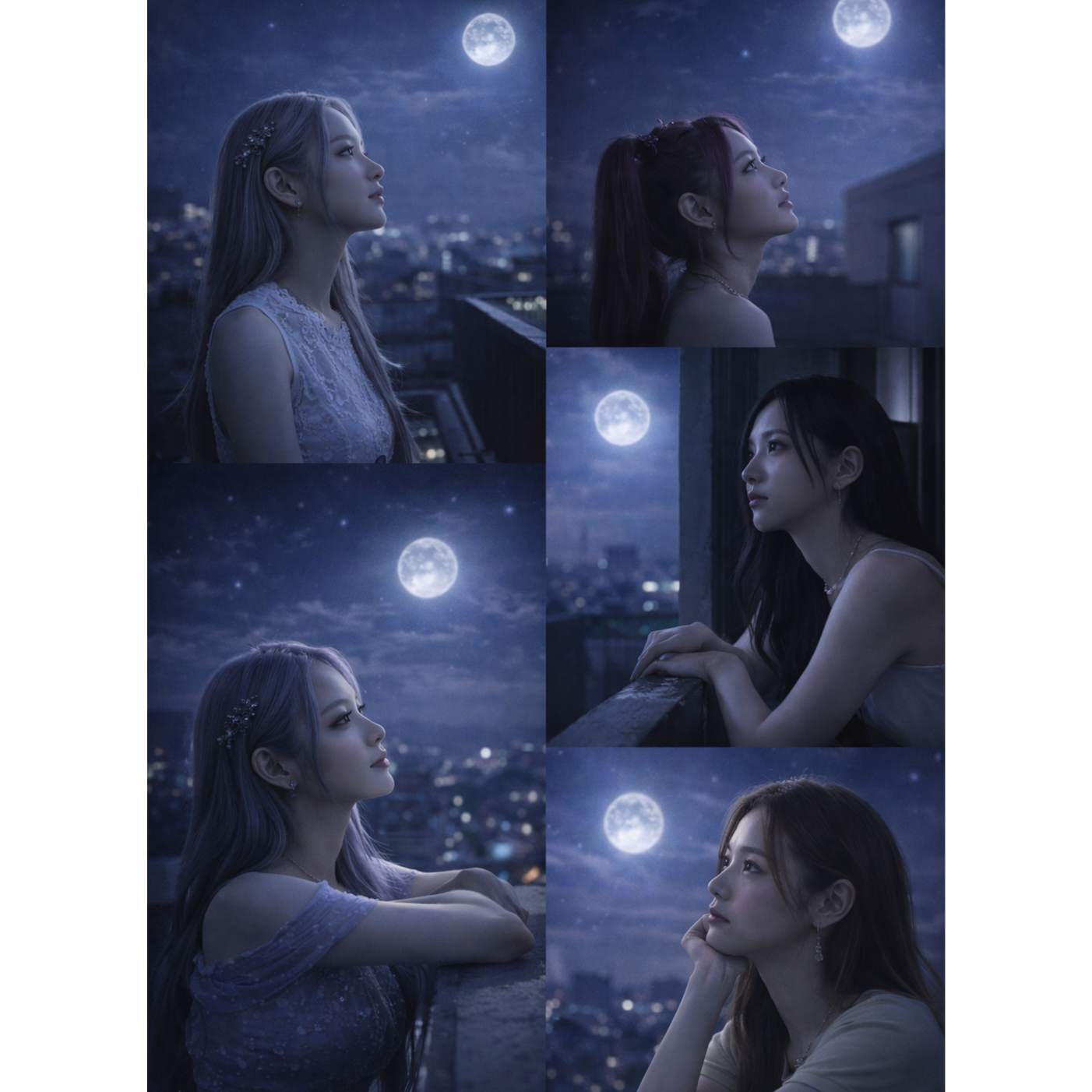
This is the most emotional track on the mini-album, The atmosphere is nocturnal, melancholic, yet warm—more reflection than drama, The song is based on a feeling of change and growth, like the slow transition between moon phases, The tempo is slow, around 64-68 BPM, in 4/4 time, The beat is very sparse: delicate piano, a soft pad, and a subtle pulse in the background, The drums only come in later, light, almost imperceptible, The key is minor (e, g, D minor or E minor), The melody is broad and flowing, with distinct melodic arcs, The verses are low and quiet, with plenty of air in the voice, The pre-chorus gradually rises, and the chorus is open and melodic, without aggression—the emotion is built through harmony, not volume, The bridge is minimalist, almost a cappella, with a single, long note leading to the finale, The whole thing sounds like a nocturnal confession—calm, sincere, and deeply personal
3:04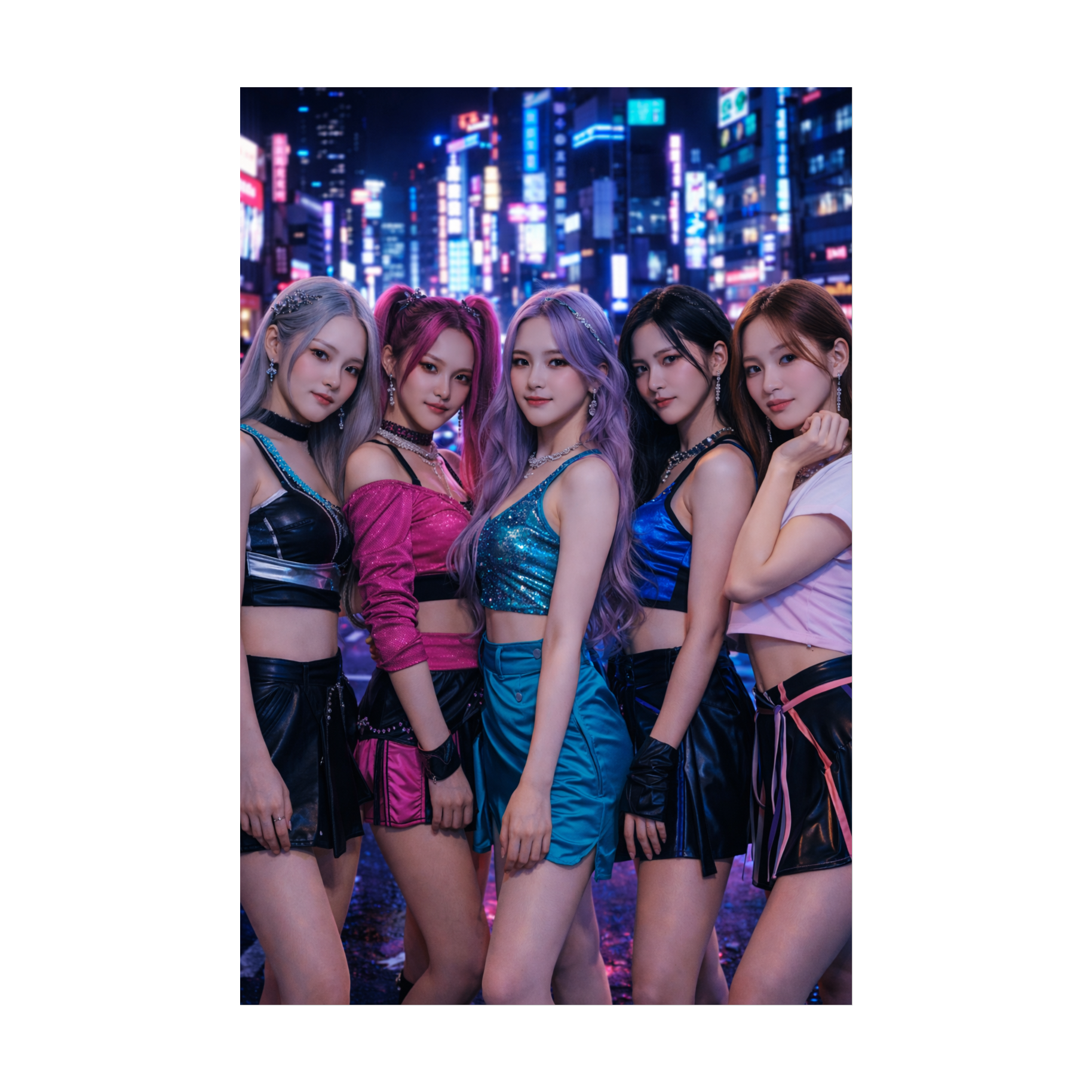
**NEON PULSE – Style and Melody (approx, 900 characters)**
The song has a clubby, nighttime feel inspired by city lights and the energy of movement, The tempo is fast, around 124–128 BPM, in 4/4 time, and has a distinct dance groove, The beat is based on a powerful kick, a bouncy bass, and syncopated hi-hats that create a sense of momentum, The minor key (e, g, F# minor or A minor), but with bright chords in the chorus, creates a feeling of euphoria rather than darkness, The verse melody is rhythmic and short, based on repeated phrases close to a single pitch, more performance than singing, The pre-chorus gradually raises the register and density of the sounds, building tension before the drop, The chorus is melodic, broad, and open, with a clear lead line and a simple, easy-to-sing hook, Dance break is an instrumental EDM drop with minimal melody and an emphasis on rhythm, The overall sound is bright, energetic, and conveys a sense of freedom and continuous movement
2:24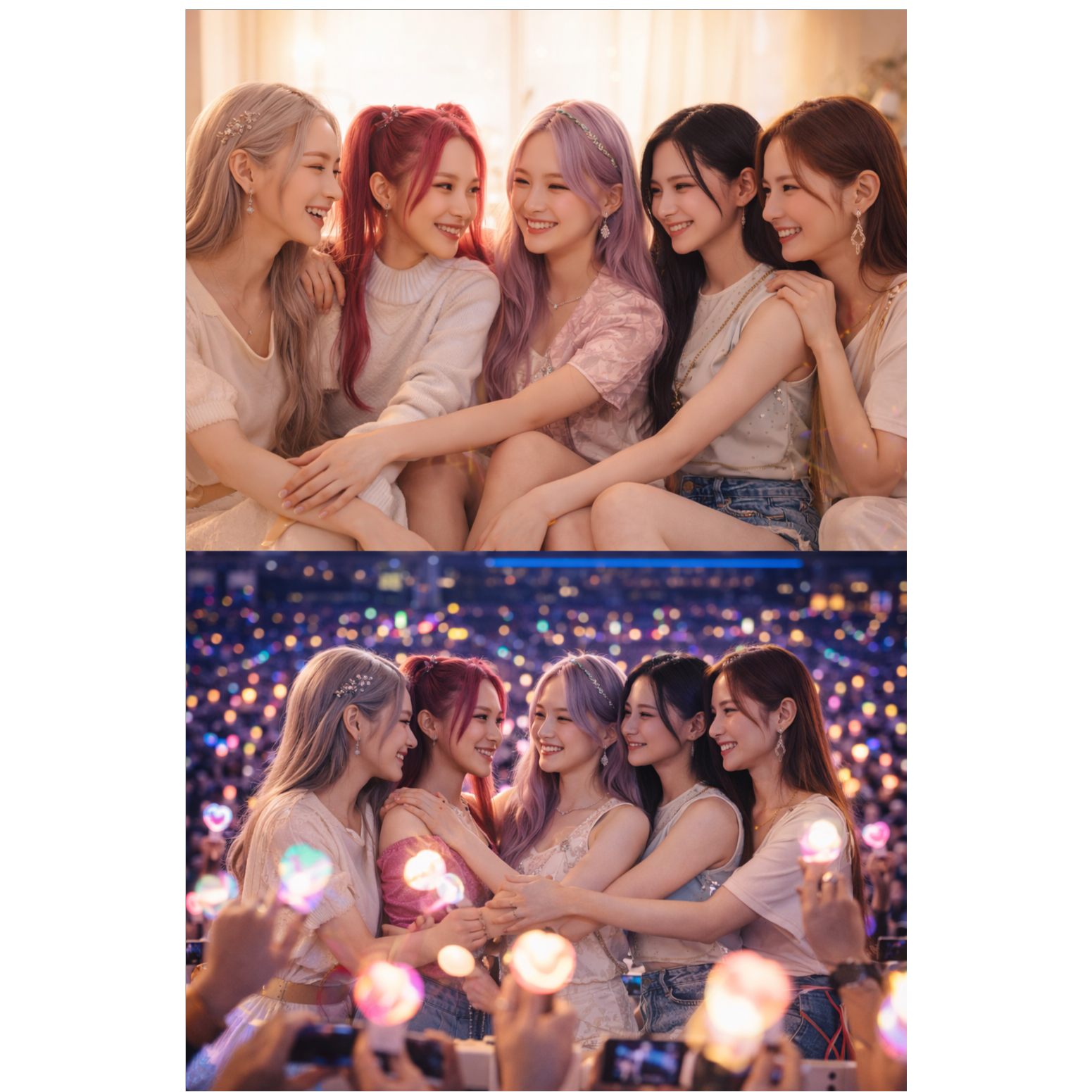
The song has a warm, bright character and is clearly geared towards connecting with fans, The tempo is medium, around 96–102 BPM, in 4/4 time, with a relaxed and swaying rhythm, The sound is based on an acoustic lead guitar, supported by soft synths and delicate percussion that doesn't overpower the vocals, The major key (e, g, G major or A major) builds a sense of hope and closeness, The verse melody is simple, natural, and conversational, in the middle register, allowing each member to sound comfortable, The pre-chorus rises slightly, preparing the emotional chorus, The chorus is very simple, based on repetitive notes and broad vowels, easy to sing along with, The a cappella outro begins with a single voice and gradually transitions into a polyphonic one, creating a sense of community and a graceful conclusion to the album