2:08
cinematic chamber pop, dark folk, chamber pop ballad, Instrument Stem, Sample, classical, solo violin, avant-garde, chamber music, minimalist
2:19
2:31
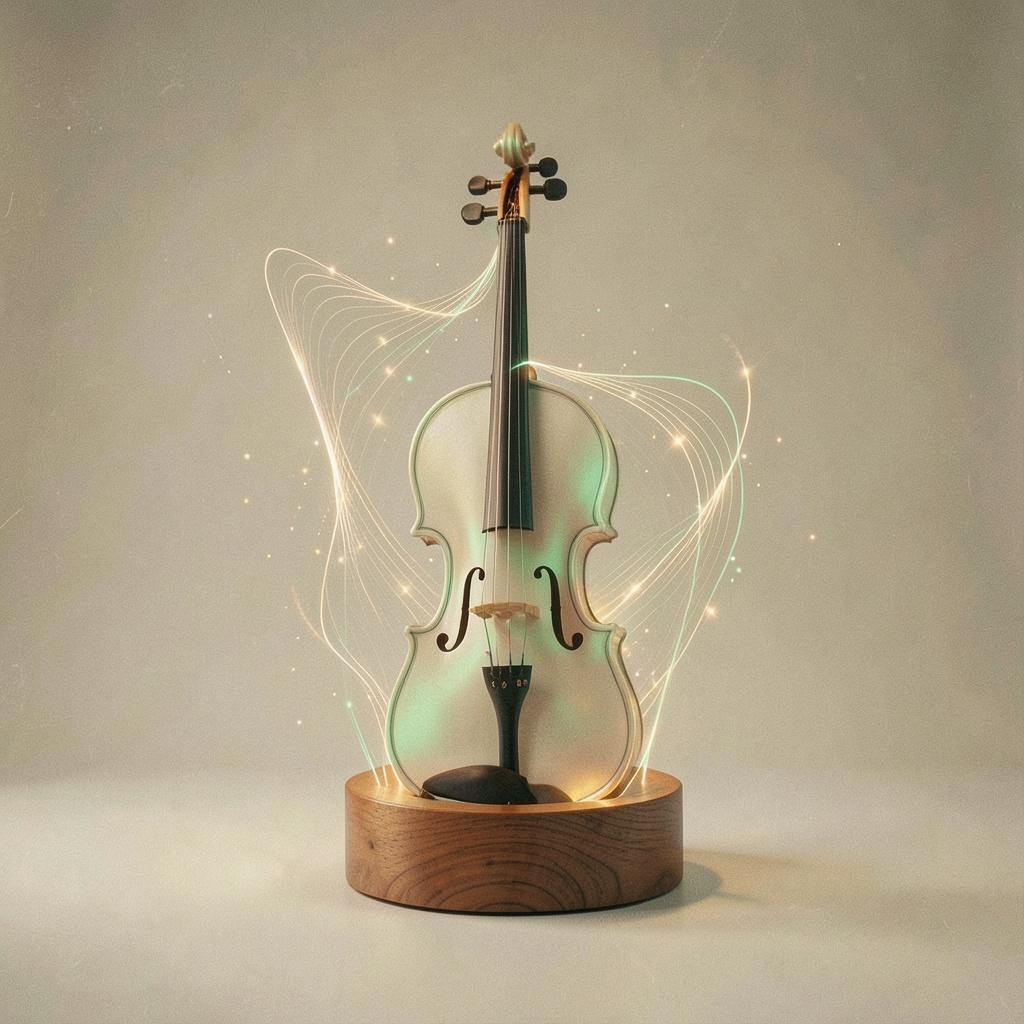
Original cello natural harmonics, not violin, BPM 69, 4/4, A Minor, Performed on cello using clear A harmonics in differing octaves, with a glassy, bell-like upper register while preserving the warm resonance of the wooden cello body The phrasing consists of long, drawn-out slides between pitches, creating a microtonal effect, The recording has a dry acoustic with minimal room reverb, The performance is rubato with no fixed tempo or rhythmic pulse, The dynamic range shifts from mezzo-piano to forte during the upward slides, The timbre is bright and resonant, characteristic of a close mic setup on a wooden string instrument
2:37
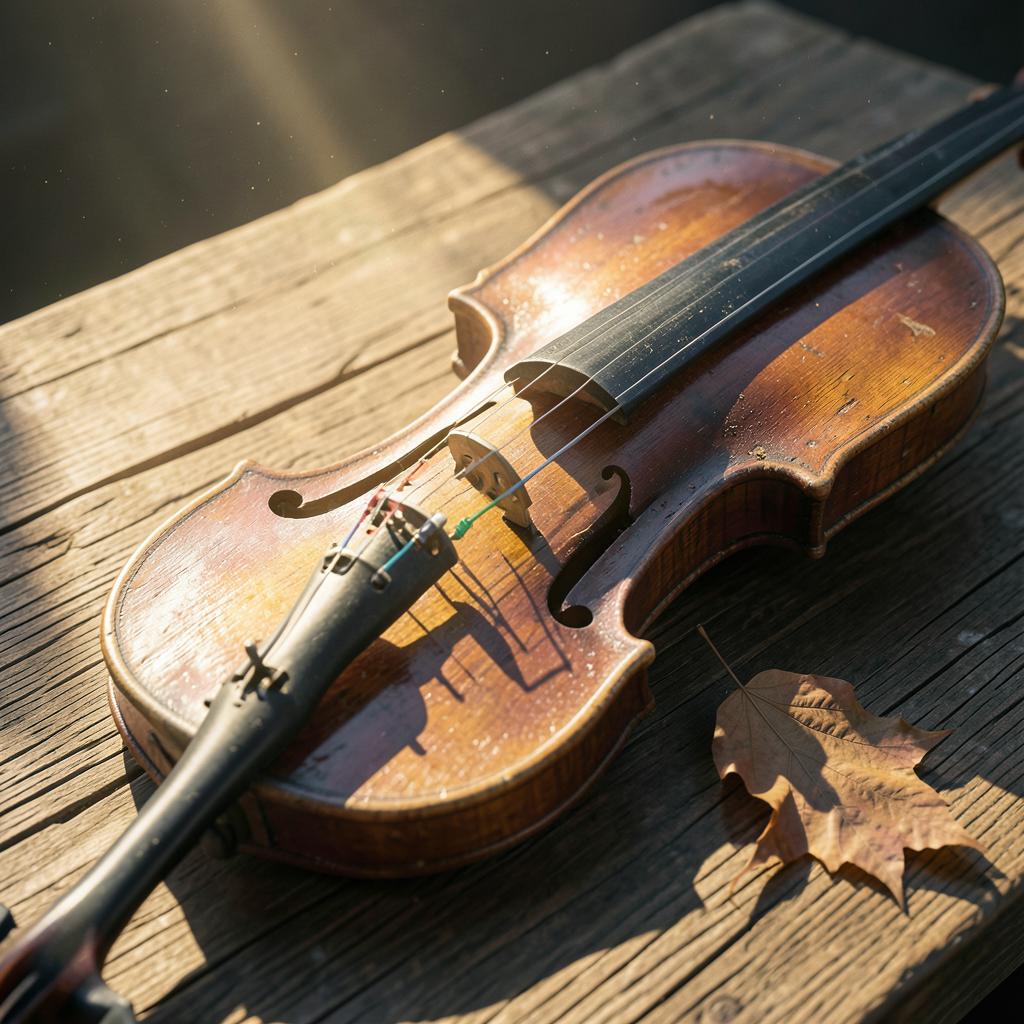
folk, emotional, dramatic, cohesive, warm, tone, dynamic, lyrical, natural, cello, acoustic
1:57
folk, emotional, dramatic, cohesive, warm, tone, dynamic, lyrical, natural, cello, acoustic
2:09
Solo cello instrumental based closely on the uploaded audio, Preserve the original melodic ideas, emotional character, phrasing, tempo, and natural cello gestures wherever they remain musically effective, Improvise around the existing motifs, gently developing and extending them into a cohesive short piece, Aim for a finished length of approximately 2–3 minutes, Allow the music enough time to develop naturally, but keep it concise and focused like a musical sketch rather than a full concert work, Warm, intimate acoustic cello tone; lyrical, expressive, and organic, Allow natural pauses, breath, rubato, subtle dynamic changes, tasteful ornaments, and occasional double-stops where they suit the music, Let the improvisation feel spontaneous and discovered rather than formally composed, Keep the cello clearly at the center, Avoid vocals, heavy percussion, dramatic orchestration, excessive cinematic swells, or changing the piece into a different genre, Do not overcomplicate the arrangement
1:24
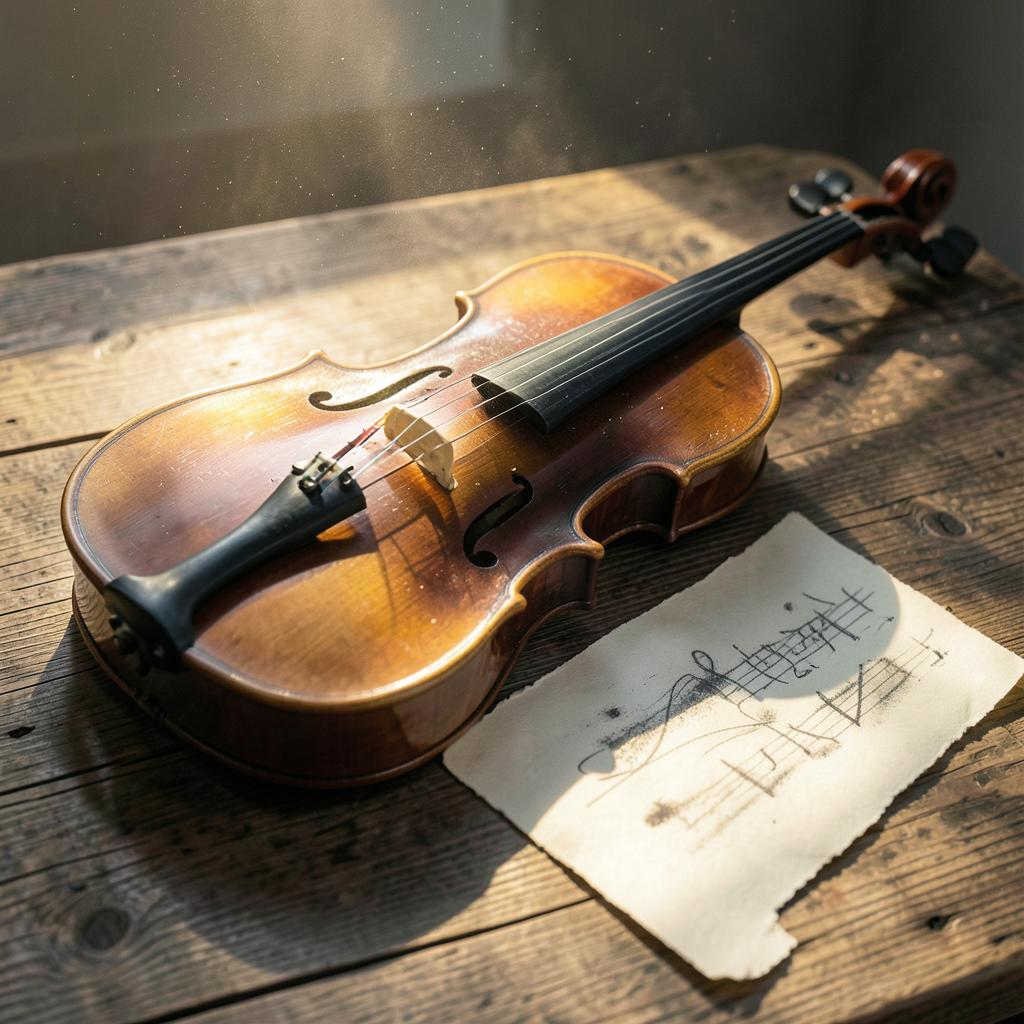
Solo cello instrumental based closely on the uploaded audio, Preserve the original melodic ideas, emotional character, phrasing, tempo, and natural cello gestures wherever they remain musically effective, Improvise around the existing motifs, gently developing and extending them into a cohesive short piece, Aim for a finished length of approximately 2–3 minutes, Allow the music enough time to develop naturally, but keep it concise and focused like a musical sketch rather than a full concert work, Warm, intimate acoustic cello tone; lyrical, expressive, and organic, Allow natural pauses, breath, rubato, subtle dynamic changes, tasteful ornaments, and occasional double-stops where they suit the music, Let the improvisation feel spontaneous and discovered rather than formally composed, Keep the cello clearly at the center, Avoid vocals, heavy percussion, dramatic orchestration, excessive cinematic swells, or changing the piece into a different genre, Do not overcomplicate the arrangement
1:58
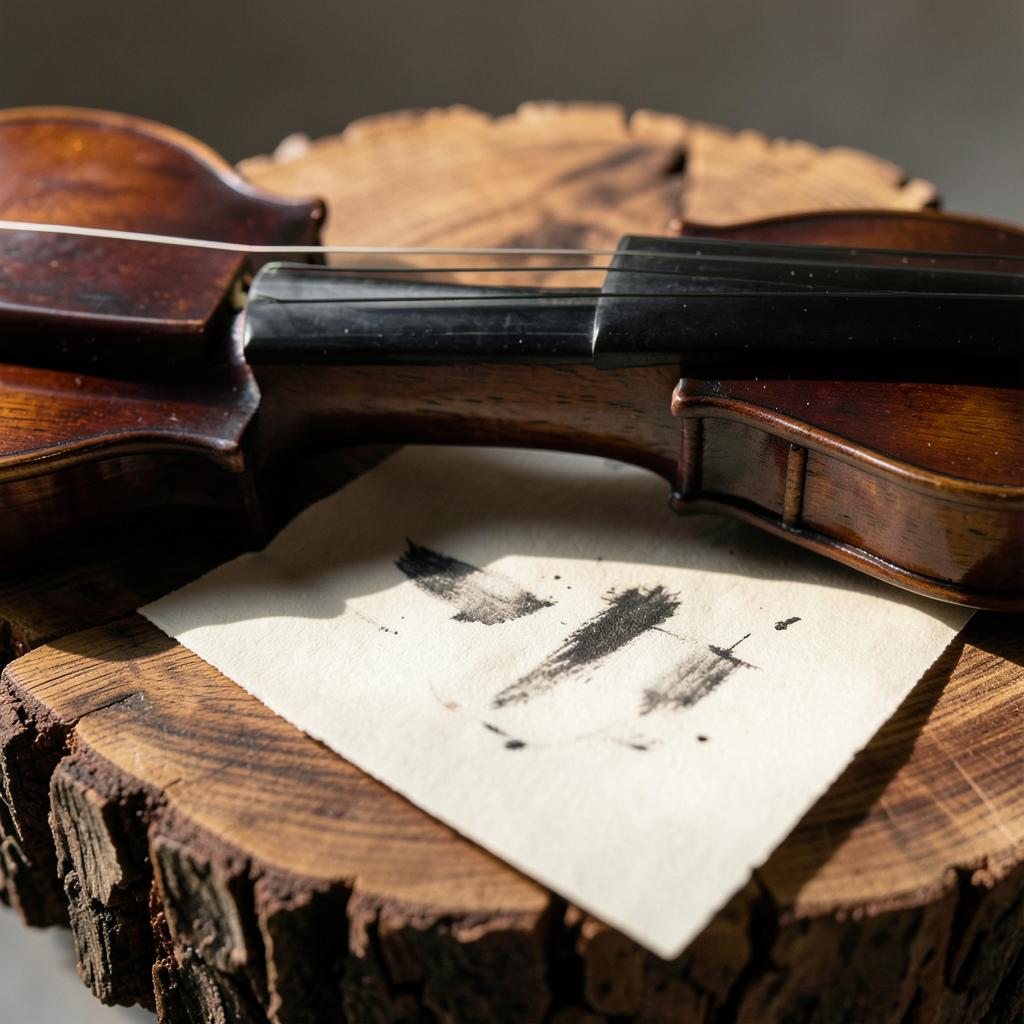
Solo cello instrumental based closely on the uploaded audio, Preserve the original melodic ideas, emotional character, phrasing, tempo, and natural cello gestures wherever they remain musically effective, Improvise around the existing motifs, gently developing and extending them into a cohesive short piece, Aim for a finished length of approximately 2–3 minutes, Allow the music enough time to develop naturally, but keep it concise and focused like a musical sketch rather than a full concert work, Warm, intimate acoustic cello tone; lyrical, expressive, and organic, Allow natural pauses, breath, rubato, subtle dynamic changes, tasteful ornaments, and occasional double-stops where they suit the music, Let the improvisation feel spontaneous and discovered rather than formally composed, Keep the cello clearly at the center, Avoid vocals, heavy percussion, dramatic orchestration, excessive cinematic swells, or changing the piece into a different genre, Do not overcomplicate the arrangement
2:14
Solo cello instrumental based closely on the uploaded audio, Preserve the original melodic ideas, emotional character, phrasing, tempo, and natural cello gestures wherever they remain musically effective, Improvise around the existing motifs, gently developing and extending them into a cohesive short piece, Aim for a finished length of approximately 2–3 minutes, Allow the music enough time to develop naturally, but keep it concise and focused like a musical sketch rather than a full concert work, Warm, intimate acoustic cello tone; lyrical, expressive, and organic, Allow natural pauses, breath, rubato, subtle dynamic changes, tasteful ornaments, and occasional double-stops where they suit the music, Let the improvisation feel spontaneous and discovered rather than formally composed, Keep the cello clearly at the center, Avoid vocals, heavy percussion, dramatic orchestration, excessive cinematic swells, or changing the piece into a different genre, Do not overcomplicate the arrangement