3:20
Frühlingsmelodie
v4.5-all
19th-century classical piece, with the grandeur and emotional depth of Romanticism with atonal glitch, but entirely performed on electronic instruments!! Imagine soaring, ethereal synths replacing classical instruments, deep, resonant digital bass replacing cellos, and shimmering electronic arpeggios instead of piano, The piece should have a extravagant female baritone voice, german
2:03
Ofen Katzen Film
v4.5-all
A bold, high-energy electro track with aggressive synth bass, punchy drum machine beats, and robotic spoken-word vocals, Blend distorted synth leads, hypnotic grooves, and a raw, rebellious vibe—mixing punk attitude with futuristic club energy, Add ironic, provocative vocal snippets and a DIY aesthetic, Tempo: 110–130 BPM, minor/dorian key, driving 4/4 rhythm, FEMALE VOICE
4:24
Early 1970s electronic music, vintage analog synthesizers, Moog modular synth, minimalist sequencer patterns, spoken word delivery, female monotone narrative vocal style, krautrock influence, experimental electronic, Berlin school style, tape echo effects, analog drum machines, robotic vocoder elements, repetitive hypnotic rhythms, proto-techno, space music aesthetics, clinical detached delivery, German electronic pioneers sound, retro futuristic, lo-fi analog warmth
3:13
Genre & Style: Dark electro, minimal synth, French house-inspired, experimental electronic
Tempo & Rhythm: Mid-tempo around 120 BPM, driving breakbeat drums with distortion, syncopated groove
Instrumentation: Distorted bass synth with punchy attack, vintage analog synths with dirty character, lo-fi drum machines, filtered vocal samples
Vocals: Elegant female vocals in German, deadpan delivery with minimal emotion, processed through filters, repetitive phrases creating hypnotic effect, spoken-sung style with theatrical quality
Mood & Atmosphere: Dark, dystopian, groovy yet unsettling, raw industrial aesthetic with intentionally “flat” production, provocative and slightly menacing
Structure: Minimal arrangement with stark breaks, build tension through repetition, drop at 1-minute mark with bass emphasis
3:07
Der geheimnisvolle Fremde
v4.5-all
[Prepared Piano Solo, Cinematic Contemporary Classical, Percussive Texture, Minimalist Film Score, Experimental Acoustic, 80-90 BPM]
[Intro]
Dampened piano strings resonate
Metal screws alter harmonic spectrum
Muted attack, shortened decay
[Verse]
Sparse melodic fragments emerge
Bolts and rubber change the voice
Detuned clusters, tactile sound
Each note uniquely prepared
[Interlude]
(Metallic resonance)
Internal string plucks
Wooden dampeners create rhythm
Bell-like overtones shift
[Verse 2]
Percussive piano keys strike
Altered timbre, controlled chaos
Minimalist gestures repeat
Cinematic tension builds
[Outro]
Resonance fades to silence
Prepared strings still vibrating
2:12
90 BPM, Glitch, Big Band Brass Sections, Xylophon Sections, Experimental Jazz Fusion, Stuttering Beats, Warm Vintage Texture, Syncopated, Punchy
2:06
Fast acid jazz fusion, heavy breakbeat drums, acid bassline, chaotic saxophone, Glitch, Big Band Brass Sections, Orchestral Horn Hits, Analog Moog Synthesis, Fat Moog Bass, Experimental Jazz Fusion, Stuttering Beats, Warm Vintage Texture, Syncopated, Punchy
3:29
romantic lied, 19th century art song, Schubertian, baritone voice, German romanticism, intimate piano accompaniment, lyrical classical, Fischer-Dieskau style, Romantic period, parlor song, salon music
4:06
Musique concrète instrumentale, radical avant-garde, atonal, orchestral noise, extended techniques, scraping strings, breathy woodwinds, metallic key clicks, microtonal, non-rhythmic, high-tension silence, friction-based textures, brittle, sharp transients, anti-melodic, Instrumental avant-garde chamber pop, Musique concrète instrumentale, A fusion of 1960s baroque pop orchestration and radical extended techniques, Features tack piano, harpsichord, and sleigh bells played alongside scratchy cello harmonics, breathy flute overtones, and percussive violin scrapes, Intricate rhythmic patterns, sudden shifts between lush melodic fragments and mechanical industrial noise, High-fidelity, eccentric percussion, microtonal woodwinds, cinematic yet experimental, Brian Wilson, Besch Boys, Helmut Lachemann, Musique concrete instrumentale
4:04
1970s Electronic Krautrock meets early 2000s Electroclash - analog synthesizers, motorik drumming, minimalist basslines, provocative deadpan female vocals, distorted electronic textures, glitch repetitive hypnotic grooves, raw stripped-down production, tempo 120-130 BPM, ‑Pop, ‑electro pop, ‑synth pop
3:23
1970s Electronic Krautrock meets early Electroclash - analog synthesizers, motorik drumming, minimalist basslines, provocative deadpan female vocals, distorted glitché electronic textures, repetitive
3:49
contemporary classical, atonal twelve-tone serialism, minimalist piano, no synthesizers, acoustic chamber ensemble, Philip Glass repetitive style, Webern-inspired pointillism, concert hall recording, serious avant-garde
4:08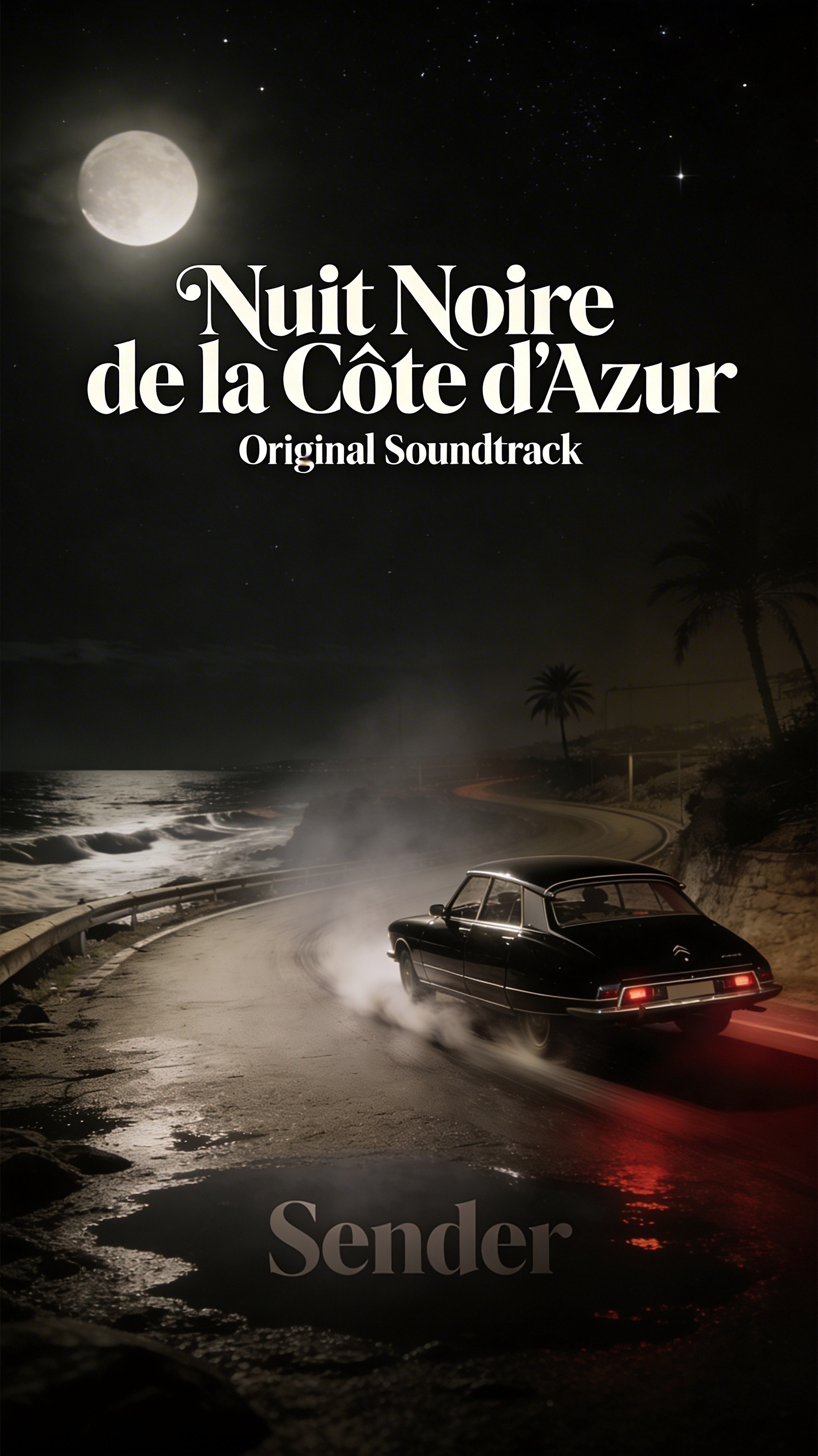
Slow mistyrious French cinematic score 1970s, François de Roubaix style, experimental electronic textures, vintage drum machines, folk influences, jazzy saxophone improvisations, atmospheric bass lines, playful percussion, analog synthesizers, underwater aquatic sounds, exotic world music elements, groovy lounge jazz, retro spy thriller vibes, orchestral pop fusion, quirky melodic themes, german Female Voice
4:49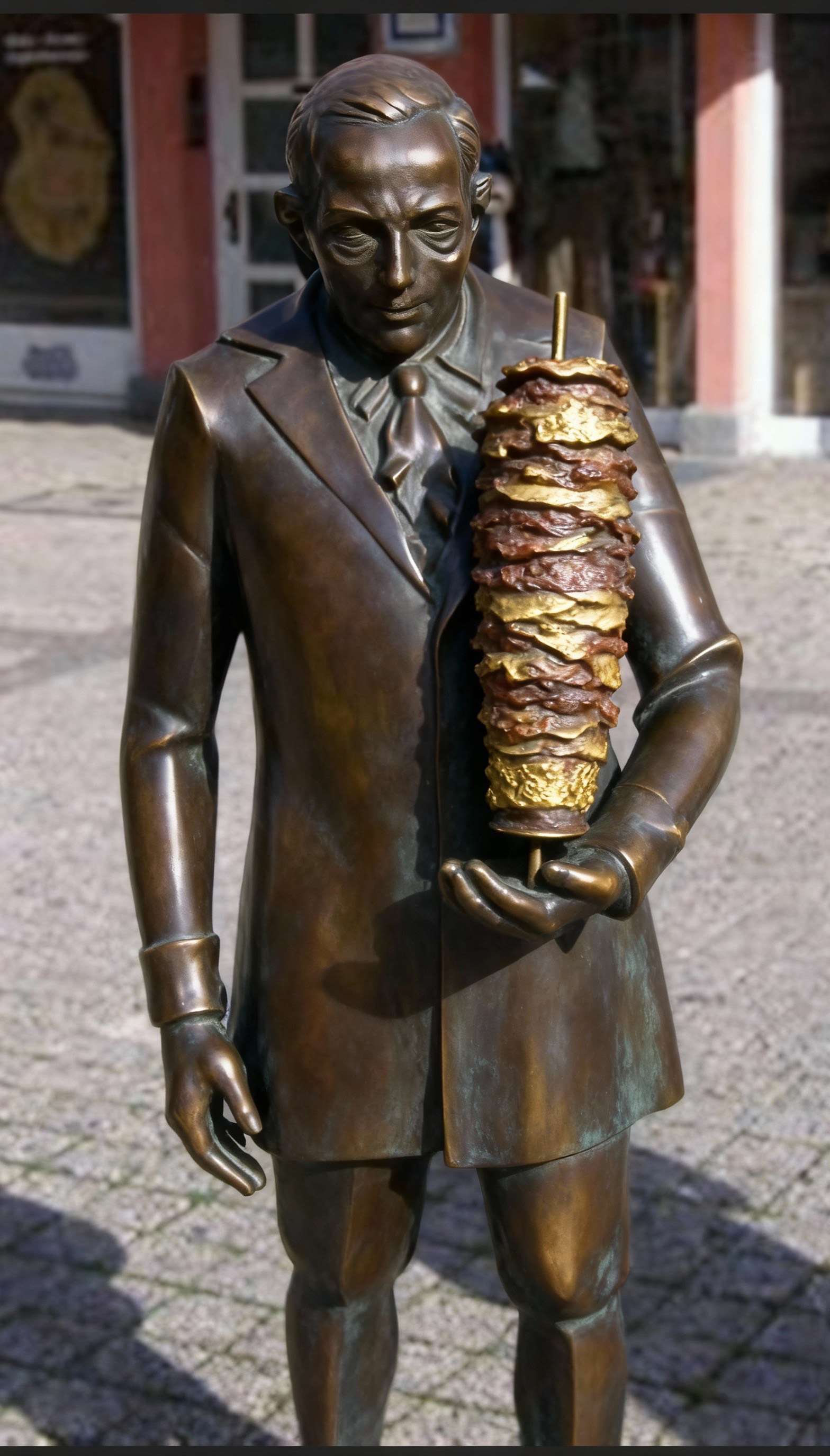
Acid synth stabs, syncopated minimal percussion, sliding Moog bass, filtered French house grooves, apathetic female synthpop vocals, glitched reverb vocal chops, punchy house basslines, electro-funk riffs, deep wobble bass, glitched breaks, vapor twitch, Goa trance spirals, ambient pads, indietronica piano hits, chopped samples, progressive synthwave textures, dynamic funk melodies, futuristic experimental soundscape
5:59
6 minutes long piece of Solo piano neoclassical, Chilly Gonzales style, minimalist composition, crystalline keys, romantic harmonies, jazz-influenced chords, precise fingerwork, dynamic range, subtle sustain pedal, wooden resonance, [Mature Male Voice], gravelly timbre, smoke-damaged vocals, rough edges, raspy character, coughing fits, hushed delivery, intimate proximity, studio quietness, authentic breathing, cracked notes, melancholic tone, confessional quality, medium-slow tempo
2:05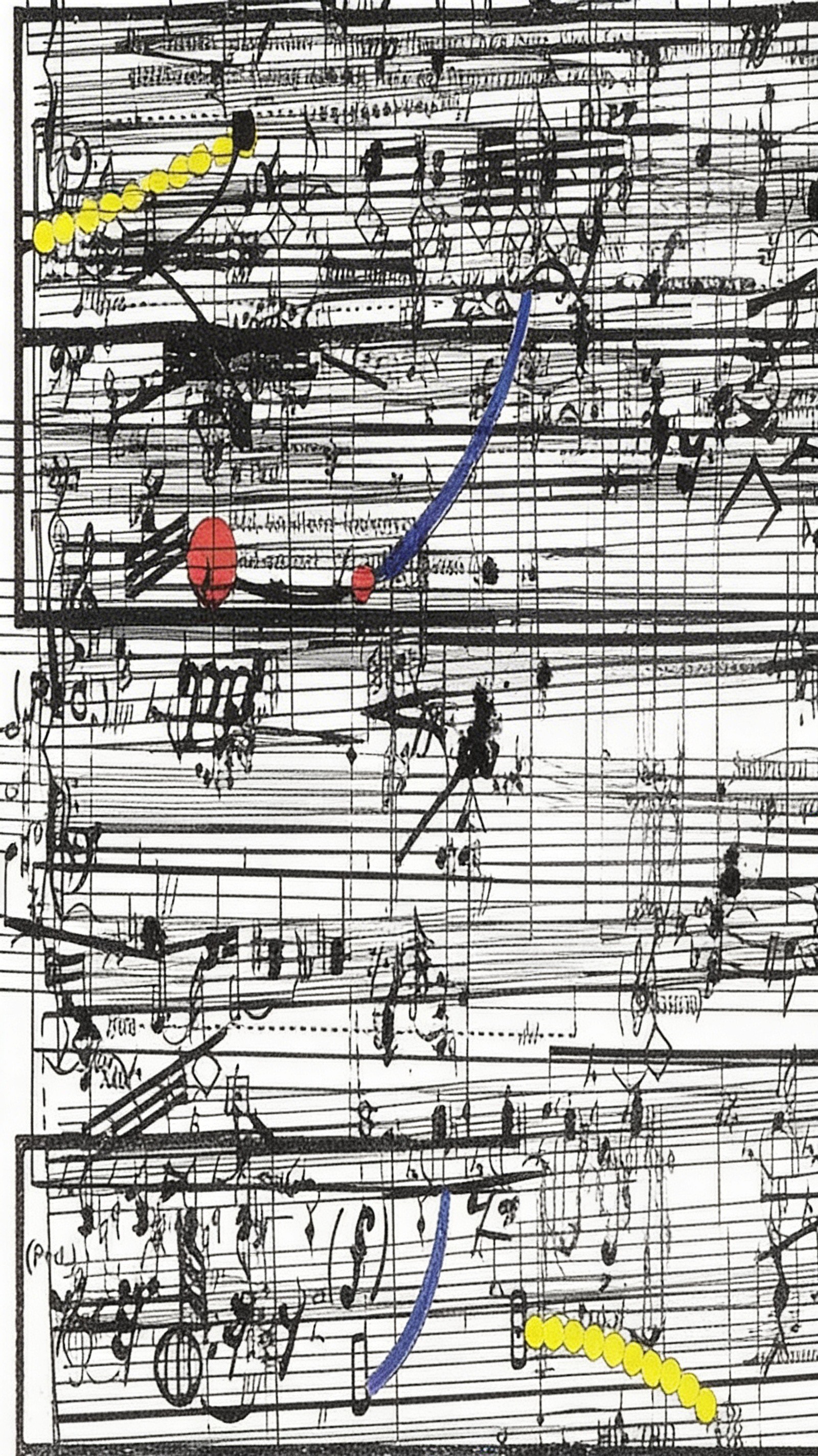
Musique concrète instrumentale, radical avant-garde, atonal, orchestral noise, extended techniques, scraping strings, breathy woodwinds, metallic key clicks, microtonal, non-rhythmic, high-tension silence, friction-based textures, brittle, sharp transients, anti-melodic
3:18
Tiramisu
v5
electroacoustic indie pop, chamber folk, indietronica, melancholic post-punk undertones, warm analog textures, sparse mallet percussion, brass and woodwinds, harmonium drones, cool baritone vocals, airy room acoustics, lo-fi live studio feel, meditative and pensive mood, Stereolab-influenced, Philip Glass minimalism, krautrock groove, bittersweet atmosphere
4:44
Der Bus
v5
German Indie-Schlager, Neo-Schlager, Hamburg School influences, melancholic indie pop, cool 80s undertones, jangly clean guitar, sparse arrangement, dry ironic male vocals (schmachtend, deadpan), cinematic mood, lo-fi warmth, Element of Crime style, Die Sterne influence, introspective, bittersweet, mid-tempo, Deutsche Texte, analog feel
1:24
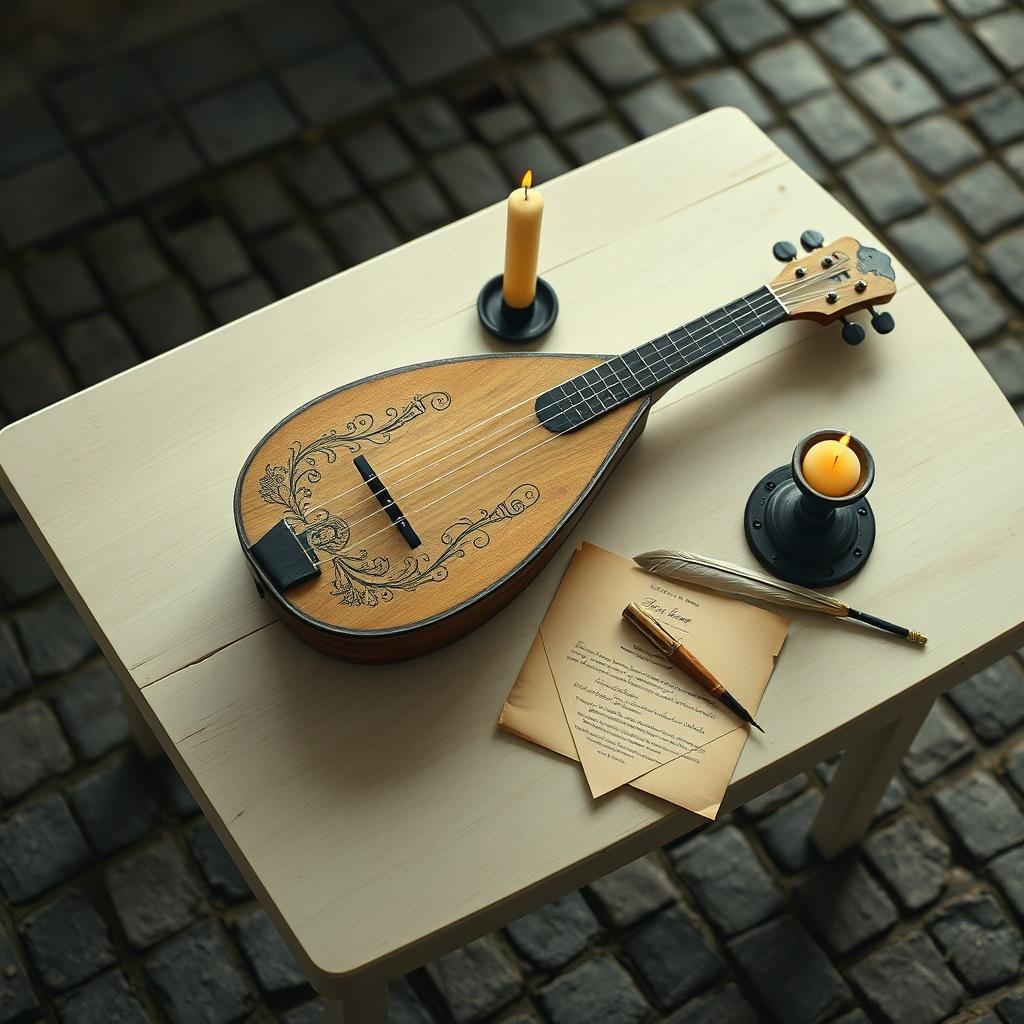
Renaissance lute, Elizabethan early music, galliard, triple meter, E major, 85 BPM, solo lute, polyphonic, contrapuntal, bittersweet, stately courtly dance, ornamental divisions, intimate chamber music, male soprano voice, pure head voice, Renaissance vocal style, no vibrato, early music authenticity, clear enunciation, melancholic yet elegant, flowing sixteenth note ornaments, Elizabethan consort, acoustic lute only, no modern production, no reverb, no drums, no bass, no electric instruments
2:03
cinematic french thriller score 1960s70s french noir
francois de roubaix style Film Score, Classical, Orchestral, Avant-Garde inspired
fusion of traditional acoustic instruments and analog electronics
haunting melodic theme on solo flute or oboe
sparse jazz percussion muted trumpet accents
eerie synthesizer undertones tonal ruptures
rhythmic tension buildup mysterious and melancholic atmosphere
orchestral strings swells harpsichord motif
lofi film score texture slow cinematic pace
suspense paranoia urban night setting
no vocals instrumental only sudden silence solo piano dissonant chord
2:39
2025
v5
Intimate solo church organ piece inspired by Chilly Gonzales’ “Solo Piano” albums: very clear, melodic manual lines with a strong singable main theme, and simple but expressive broken chords, arpeggios and sustained bass in the left hand or pedal, Harmony: French impressionist meets modern neo‑classical—bittersweet major and minor chords, added 7ths and 9ths, gentle modulations, no harsh dissonance, Focus on warmth and emotional clarity, not virtuoso show‑off or baroque counterpoint, Medium‑slow tempo (70–90 BPM) with dynamic nuance through registration: soft stops (flutes, strings) for introspective verses, richer registrations (principals or reeds) for middle sections, then a calm, unresolved ending on quiet stops, Use rubato and human timing, like a live performance in a small church, Mood: nostalgic, cinematic, reflective—hope, regret and calm, Structure: short “two‑minute organ pop song” with intro, main theme, variation and gentle outro, Sound: warm mid‑size church organ, natural
3:43
[german indie pop, post-punk influenced, cold wave, Neue Deutsche Welle, Male vocalist, cool detached delivery, slightly melancholic tone, no vibrato, understated emotion, clean arpeggiated electric guitar, minimal synth pads, tight dry drumming, no reverb excess, lo-fi studio warmth, anti-commercial sensibility, literary lyrics, introspective mood, bittersweet atmosphere, sparse arrangement, intellectual pop, Hamburg School influences, early 80s West German indie, restrained production, widescreen melancholy without kitsch]
4:04
CDU-Mann
v5
indie schlager, hamburger schule, diskurspop, deutschsprachiger indie rock, Female Voice, melancholic pop, jangly guitar, clean electric guitar, warm lo-fi production, ironic romanticism, 90s german indie, sophisticated songwriting, bittersweet mood, soprano female vocals, operatic soprano, breathy and expressive voice, soft dynamics with emotional peaks, 90 bpm, mid-tempo, minor key undertones, subtle bass groove, restrained drums, atmospheric reverb, chanson influences
5:33
Instrumental fusion of Sun Ra–style cosmic big-band jazz and early Kraftwerk–style minimalist electro: tight motorik 4/4 pulse with vintage analog drum machine, locked to a walking double bass that occasionally breaks into free-time surges; layered sax/trumpet/trombone stabs in disciplined, sudden collective improvisation with atonal glitché multiphonics and dissonant piano clusters; cold monophonic synth-bass doubles horn lines, arpeggiators and sequencers create geometric ostinatos; brief “space interludes” of Minimoog bleeps, tape echo, and swirling modal harmony; live-room rawness meets sterile, metronomic precision; long evolving form with ecstatic peaks, no saxophone!
2:06
Pizzaballa
v5.5
Style: avant-garde electronic, electro-acoustic, experimental noise, aleatoric music, BBC Radiophonic Workshop, musique concrète, DIY electronics, Scandinavian experimental
Mood: clinical, cold, satirical, unpredictable, unsettling yet curious, laboratory atmosphere
Texture: analog synthesizer drones, circuit noise, transistor radio static, household object percussion, random bleeps, magnetic tape hiss, sudden silences, spatial panning shifts, fragmented loops
Structure: no traditional structure, process-based, freely improvised, chance operations, micro-events, asymmetric phrases
References: John Cage, Arne Nordheim, early Stockhausen, BBC Radiophonic Workshop, Norwegian free improvisation
Energy: slow to medium, unpredictable bursts, tension without release, white noise layers, mechanical rhythms without groove
Voice: Hard Computer Female Voice Surrogate
4:28
Formula
v5.5
[Instrumental, no vocals]
Style: avant-garde electronic, electro-acoustic, experimental noise, aleatoric music, BBC Radiophonic Workshop, musique concrète, DIY electronics, Scandinavian experimental
Mood: clinical, cold, satirical, unpredictable, unsettling yet curious, laboratory atmosphere
Texture: analog synthesizer drones, circuit noise, transistor radio static, household object percussion, random bleeps, magnetic tape hiss, sudden silences, spatial panning shifts, fragmented loops
Structure: no traditional structure, process-based, freely improvised, chance operations, micro-events, asymmetric phrases
References: John Cage, Arne Nordheim, early Stockhausen, BBC Radiophonic Workshop, Norwegian free improvisation
Energy: slow to medium, unpredictable bursts, tension without release, white noise layers, mechanical rhythms without groove
4:42
Merz Leck Eier
v5.5
German indie post-punk, female vocalist, spoken-word delivery, dry and literary tone, deadpan and restrained performance, no vibrato, slight Berlin accent preferred, Distorted lo-fi guitars, minimal chord progressions, sparse arrangement, Hamburg School aesthetic inspired by Tocotronic and Blumfeld – political urgency without melodrama, intellectual punk energy, Rhythm section is stoic and repetitive, snare-driven, 90 BPM, straight four-on-the-floor kick with loose hi-hats, Bass is low-mixed but present, slightly overdriven, No polished production – raw room sound, slight tape hiss, Verses are near-spoken, chorus hits harder but still controlled, never anthemic, Solo section: single distorted guitar, no lead melody, more noise than solo, Outro fades on a single repeated guitar chord, voice drops to a whisper, Overall mood: cold anger, dry sarcasm, quiet defiance