
(2) Alma: Nehor's Trial
Alma's rise and first trial as Chief Judge -Edits needed
·

10 songs
4:07
revolutionary anthem with elements of folk ballad and dramatic narrative, Its structure, blending spoken word and sung sections, along with its themes of liberation, collective empowerment, and rejection of monarchy, aligns with anthems meant to inspire and unite
5:47

Cinematic Character Ballad — but with an oratorio flavor to match Mosiah’s anthem, Ballad → because it’s Alma’s private, emotional struggle, sung like a confession, Cinematic → because of the orchestral swells, dramatic rises, and choir support as his resolve grows, Oratorio Solo → because it belongs to a larger “epic stage oratorio” cycle, acting as Alma’s personal counterpart to Mosiah’s public proclamation
4:44

Rock Opera Villain’s Anthem” 🔥
Musical feel: Bold electric guitars, pounding drums, and an almost sermon-like vocal delivery—half-preacher, half-revolutionary frontman, Performance style: He commands the stage like a rock star, strutting with confidence, turning to the judge, then to the people, using call-and-response with the crowd, Tone: Fierce, charismatic, and larger-than-life—his “gospel” feels like a concert rally, designed to seduce the masses with energy and spectacle
4:33
Observer's Lament / Judicial Restraint Solo, Controlled intensity (suppressed emotion)
Sung through gritted teeth—wanting to shout but forcing calm
Lower register, serious tone
Occasional spoken interjections that break the melody (judicial pronouncements)
Never belting—all the power is in the restraint
Emotional Arc:
Alarm → Frustration → Anguish → Painful Resolution
The song doesn't give catharsis—intentionally unsatisfying ending
Tension unresolved (sets up Gideon to release it)
4:59
A Defiant Rock Anthem/Battle Hymn
More specifically:
Rock Protest Anthem - A warrior's final battle cry set to driving guitar and drums
Righteous Fury Song - Intense, raw confrontation with religious conviction expressed through rock opera style
Hero's Last Stand - Rock musical theater where the protagonist makes their final defiant declaration before death
Musical characteristics for this rock version:
Heavy guitar riffs during the chorus
Driving drums with a martial beat (Gideon was a warrior)
Gritty, belted vocals - rock tenor/baritone (A2-A4 with some grit)
Power chord progressions
Call-and-response structure between Gideon and the crowd
Build from acoustic guitar (intimate) to full rock band (defiant)
The energy should feel like:
A confrontation in a rock opera
A protest anthem that builds to explosive intensity
A testimony delivered with electric guitar power rather than gentle conviction
An old warrior finding his voice one last time with raw, unpolished fury
4:59
Villain’s Breakdown Aria / Guilty Justification Ballad — it mixes Broadway villain song (think “Confrontation” from Les Mis or “Javert’s Suicide”) with an almost Shakespearean soliloquy, The style is tragic, unhinged, and deeply human: a false teacher rationalizing murder while guilt gnaws at his soul
6:04
Scottish Rock Courtroom Lament - a dramatic judgment ballad with Celtic rock influences, Heavy with regret and sorrow over what could have been
The judge mourning the necessity of his own ruling
Musical theater style: "I Want" song (inverted)
Instead of "I want to give you mercy, " it's "I wanted to give you mercy"
The "want" is in past tense—opportunity lost
Subgenre: Execution Ballad
Historical tradition of songs sung/spoken at sentencing
The judge explaining his ruling (like a formal "sentencing statement")
5:19

Internal Conflict Ballad / Spiritual Crisis Solo, Characteristics:
Introspective, personal
Builds from quiet uncertainty to emotional climax
Questions posed to self/God rather than to another character
Resolves with a decision (even if painful)
Allows performer to show vulnerability and internal struggle
Tempo/Feel:
Begins slowly, contemplatively (rubato intro)
Moderate ballad tempo through verses
Choruses build in intensity without rushing
Bridge strips back down to vulnerable near-whisper
Final chorus swells to full emotional release
6:12

Rock Confession Ballad / Execution Cell Aria
Style: Slow-building rock-orchestral piece; starts as a stripped-down, almost a cappella lament, then grows into a darkly anthemic confession with electric guitars and low strings underneath, Vocal approach: Starts hollow and trembling (spoken), moves into soft singing, cracks under the weight of guilt, then ends as a whispered prayer, Mood: A mixture of dread, regret, and the faintest flicker of hope — a last chance to show the human being behind the villain, Inspiration: Judas’ “Damned for All Time”/“Judas’ Death” (Jesus Christ Superstar), Jean Valjean’s soliloquy (Les Misérables), and “Gethsemane” (also Superstar), Effect: The audience feels Nehor’s collapse from grand teacher to condemned man; the dawn becomes a metaphorical spotlight on his soul
4:29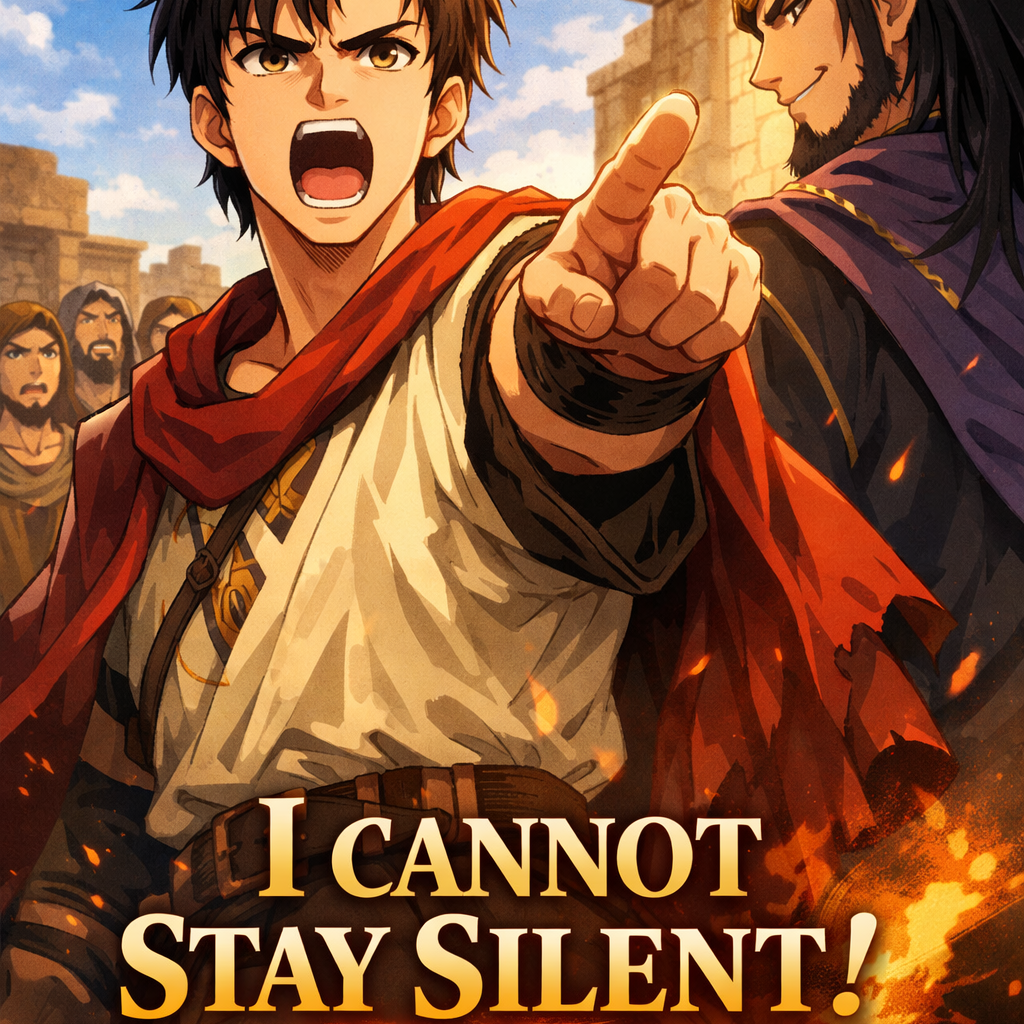
A Defiant Rock Anthem/Battle Hymn
More specifically:
Rock Protest Anthem - A warrior's final battle cry set to driving guitar and drums
Righteous Fury Song - Intense, raw confrontation with religious conviction expressed through rock opera style
Hero's Last Stand - Rock musical theater where the protagonist makes their final defiant declaration before death
Musical characteristics for this rock version:
Heavy guitar riffs during the chorus
Driving drums with a martial beat (Gideon was a warrior)
Gritty, belted vocals - rock tenor/baritone (A2-A4 with some grit)
Power chord progressions
Call-and-response structure between Gideon and the crowd
Build from acoustic guitar (intimate) to full rock band (defiant)
The energy should feel like:
A confrontation in a rock opera
A protest anthem that builds to explosive intensity
A testimony delivered with electric guitar power rather than gentle conviction
An old warrior finding his voice one last time with raw, unpolished fury