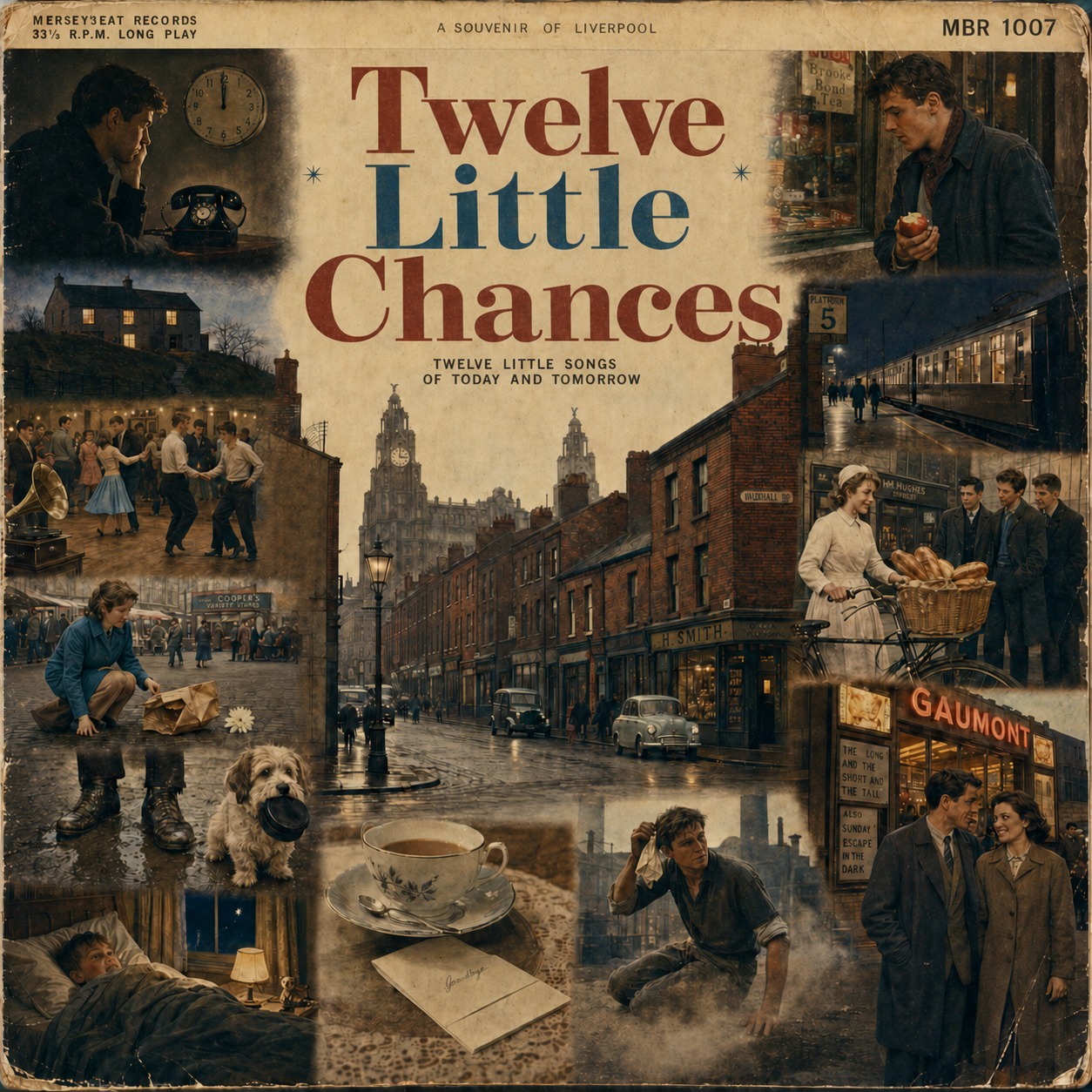
Twelve Little Chances
Twelve small tales of love, luck, pride, parting, and hope, dressed in warm early-1960s beat-pop charm with worn-paper heart and honest everyday melody.
·

12 songs
3:39
A short early-1960s-style pop rock single recorded like a small live studio take, not a modern remaster, Use a tight mono or very narrow mono image, warm tape saturation, tube-like vocal warmth, slight room bleed, soft high-end roll-off, modest low end, and natural band imperfections, The guitars should feel bright but not glossy, the bass round and simple, the drums dry and lightly compressed, and the handclaps like real people in the room, Keep the lead vocal close, young, nervous, and human, with small group harmonies that feel energetic but not polished, Avoid modern stereo width, clean digital sparkle, heavy sub bass, perfect timing, glossy reverb tails, or any 2020s mastering sheen
3:57
Early-1960s small-band pop-rock recording with a bright, simple, youthful feel and a warm old tape character, Keep it like a period room recording, not a modern remaster: dry mono center, narrow band, light tape hiss, small room bleed, mild tape compression, gentle pitch drift, and modest volume, Use only era-fitting instruments: clean electric rhythm guitar, simple lead guitar, warm bass guitar, basic drum kit, piano accents, tambourine, and handclaps, The vocal should be close, natural, slightly imperfect, with clean two-part harmony in the choruses, Avoid modern stereo width, hard tuning, sub-bass, heavy digital compression, glossy high end, large reverb, synths, loops, or electronic drums
3:35
An upbeat early-1960s-style pop-rock single with a scrappy, cheerful street-corner feel, Keep the recording deliberately period-correct: tight mono image, narrow frequency range, light tape hiss, mild tube saturation, dry room sound, and no modern stereo width, digital polish, synths, sub bass, gated drums, or remaster sheen, Use only instruments available in that era: clean electric rhythm guitar, simple bass, small drum kit, handclaps, tambourine, and short piano chords, The vocal should feel young, bright, slightly cheeky, and close to the microphone, with simple harmony doubles in the chorus, The whole track should sound like a lively 45 rpm single cut quickly in a small studio, charmingly raw rather than perfect
3:29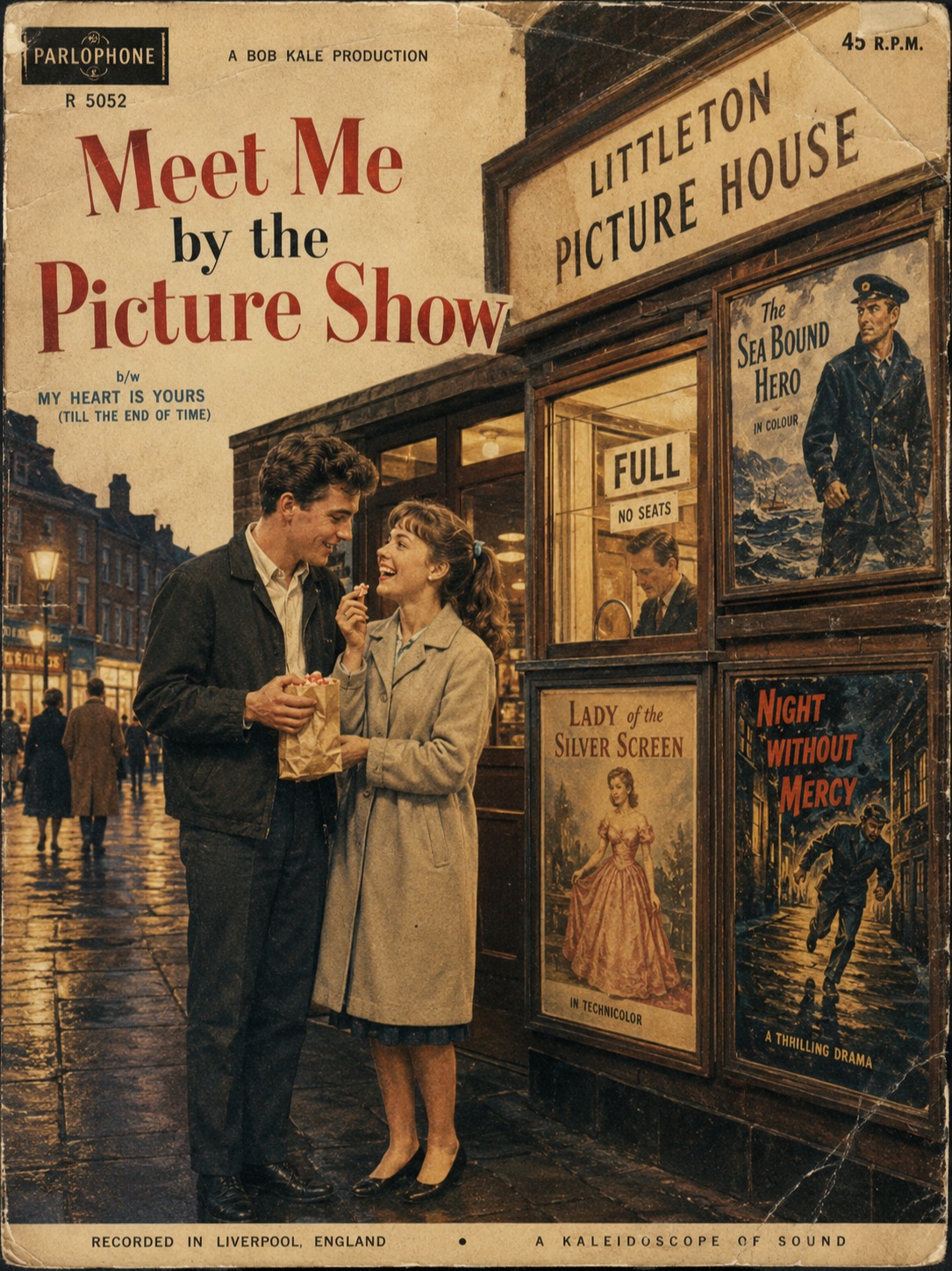
A bright early-1960s-style pop/rock recording with a lively mono feel, dry small-room ambience, clean electric rhythm guitar, simple walking bass, upright piano taps, handclaps, and a compact drum kit, The track should sound like a real period studio take, not a modern remaster: narrow image, light tape warmth, natural vocal blend, modest room slap, no glossy polish, no heavy compression, no modern synths, no digital drums, and no oversized low end, The lead vocal stays close, young, clear, and charming, with tight group harmonies answering the hook, The arrangement is simple, fast, and cheerful, letting the story and singalong chorus carry the song
2:51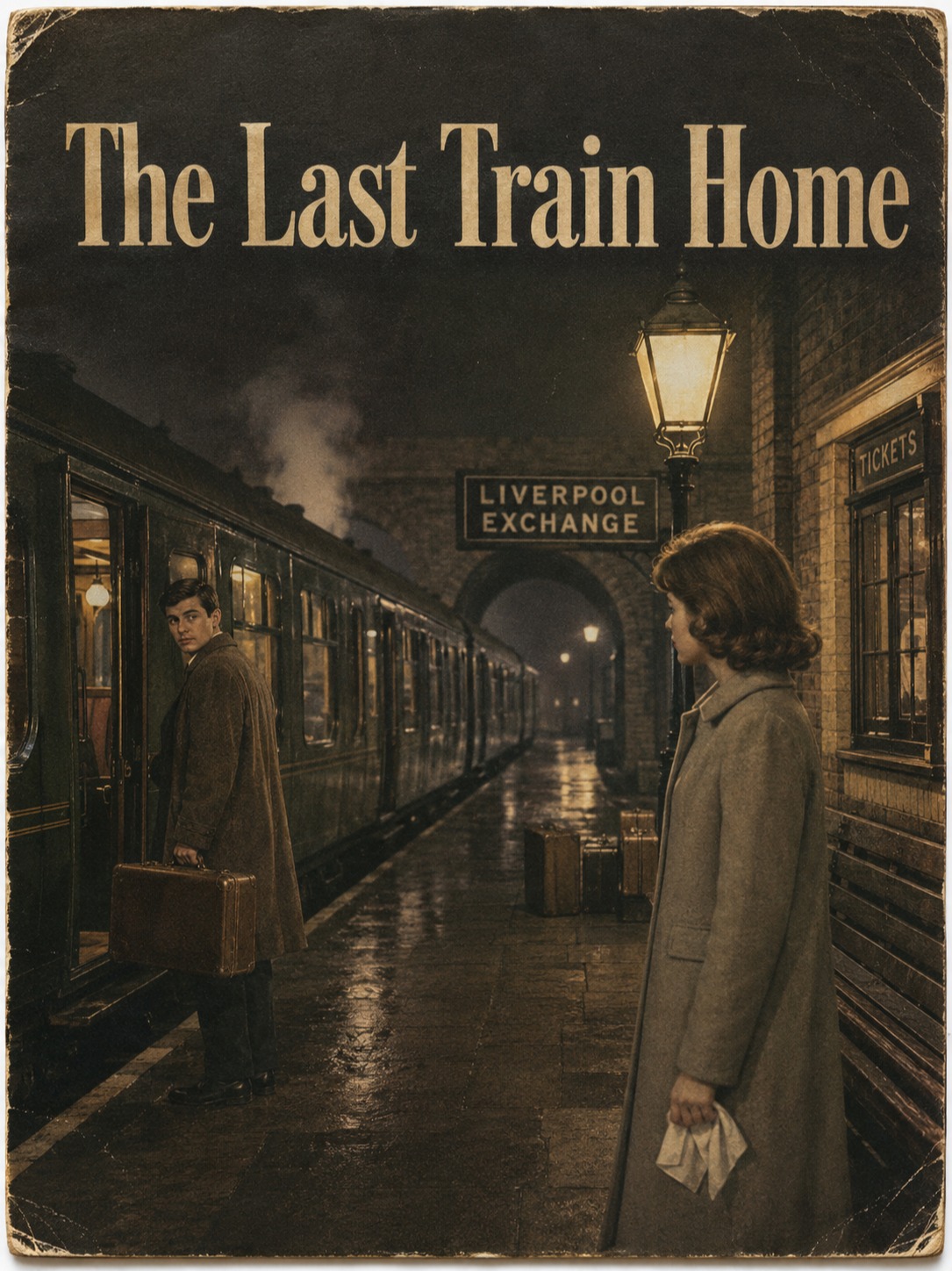
Early 1960s beat-pop ballad with a small railway-platform farewell mood, recorded as if captured on a modest mono tape machine rather than polished later, Keep the sound narrow, warm, slightly boxy, and human, with gentle tape hiss, soft saturation, restrained room reverb, and no modern remaster shine, Use only period-appropriate instruments: clean electric rhythm guitar, simple lead guitar answers, upright bass, brushed drum kit, light tambourine, handclaps only if needed, and a small harmonica line for the returning motif, The vocal should feel close, young, sincere, and plainspoken, with simple two-part harmony in the refrains, The arrangement must stay short, clear, and uncluttered, letting the last-train scene carry the emotion
2:43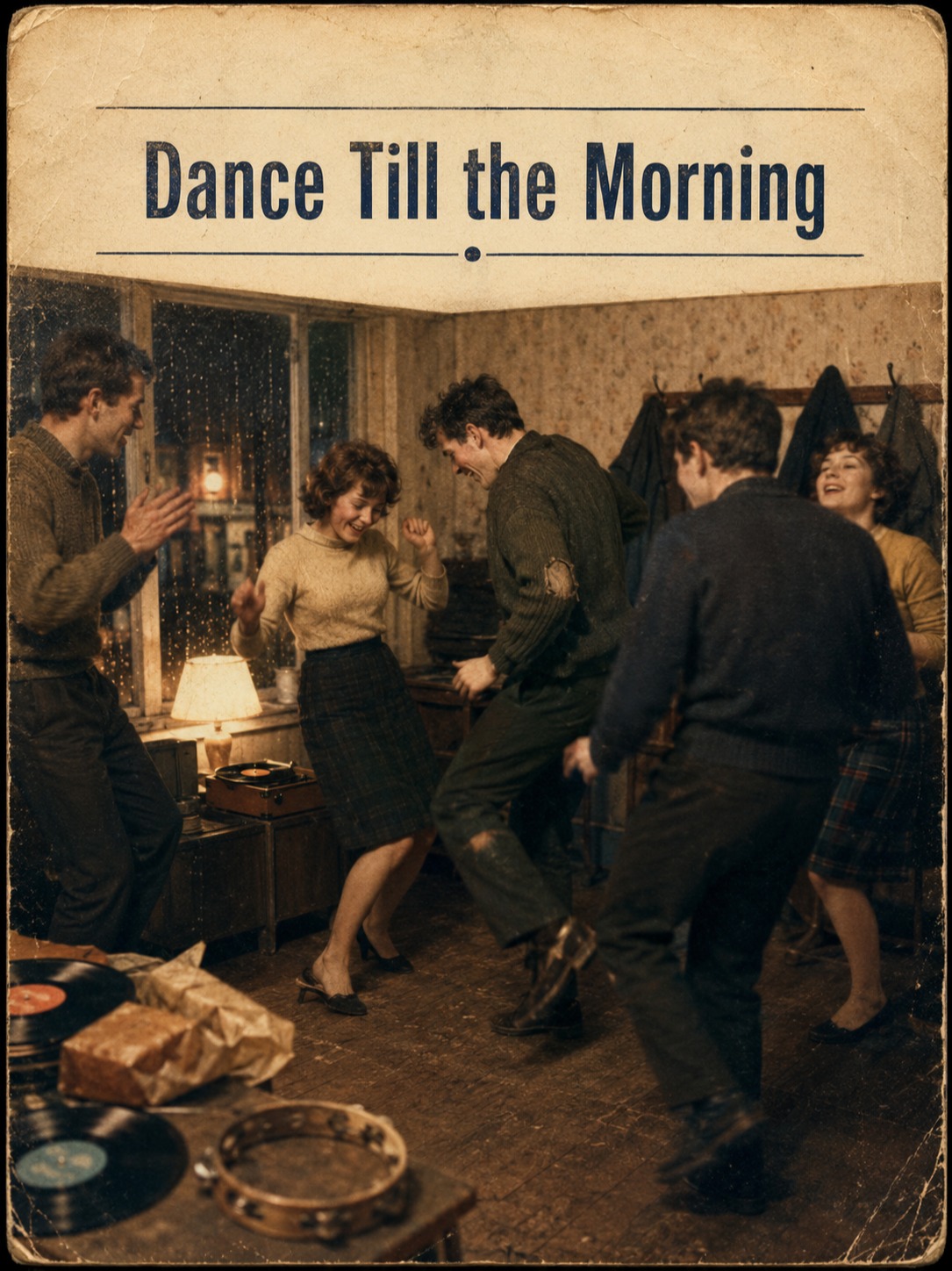
Early 1960–1963 beat-pop and rock-and-roll energy with a simple dance-room story, recorded as if captured in one lively mono tape take rather than a modern remaster, Use only period-fitting sounds: clean electric rhythm guitar, simple bass guitar, small dry drum kit, tambourine, handclaps, and light upright piano stabs in the middle eight, Keep the mix narrow, warm, slightly boxy, with room bleed, gentle tape hiss, natural tape wobble, rolled-off high end, modest low end, and no modern polish, The vocal should feel close, young, human, and excited, with small group shout-backs and rough handclaps driving the hook
3:24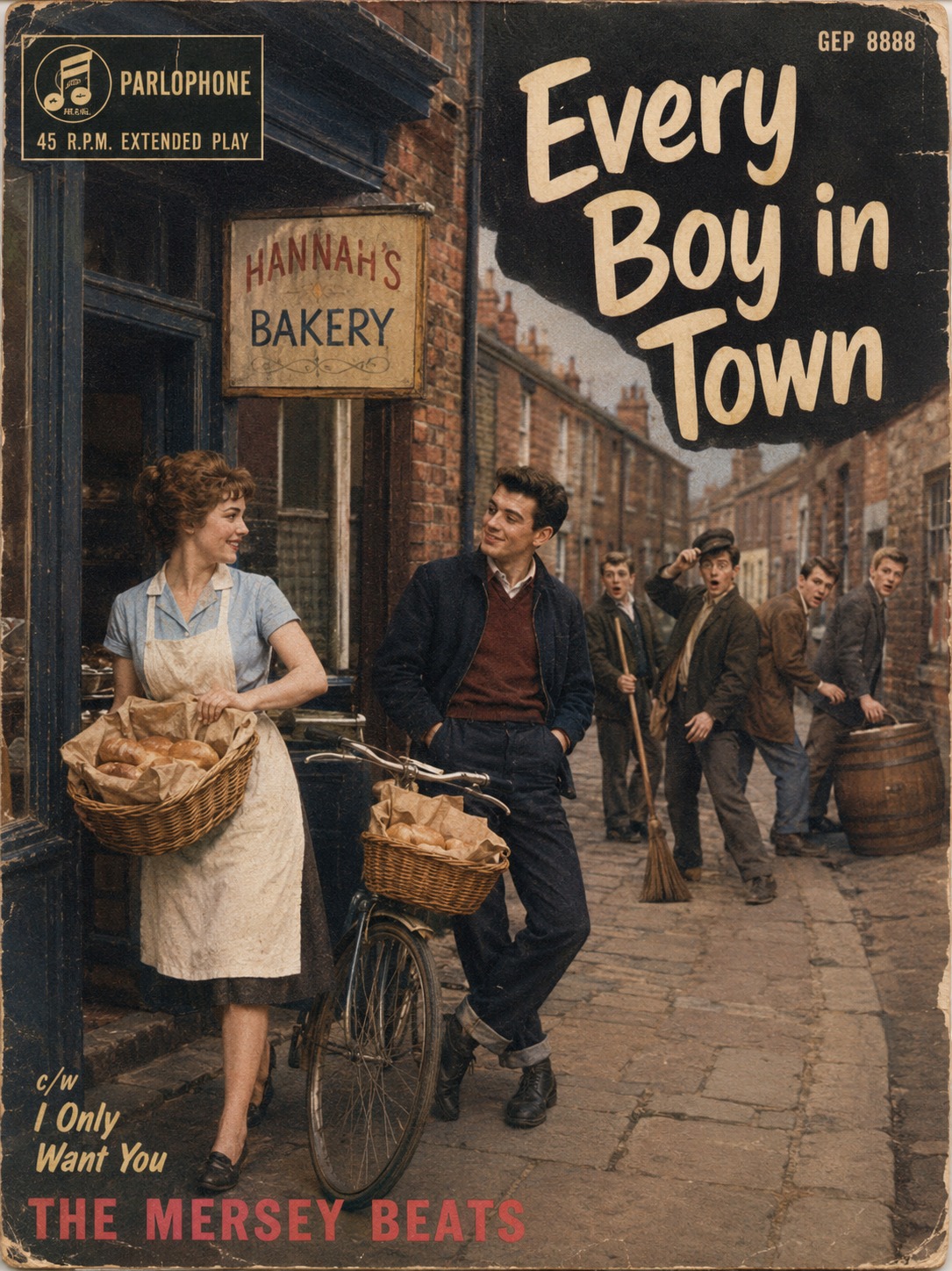
A bright early-1960s beat-pop recording with a fast shuffle-rock feel, simple harmony, short melodic hooks, and a playful young lead vocal supported by tight group answers, Keep the sound like a real small-room session from the early 60s: clean electric rhythm guitar, simple lead guitar replies, warm bass, dry drums, tambourine, handclaps, and a little upright piano in the bridge, The mix should be narrow and slightly boxy, with natural tape warmth, light room reverb, modest vocal compression, and no modern remaster shine, The chorus should feel catchy, cheeky, and easy to sing after one listen
2:52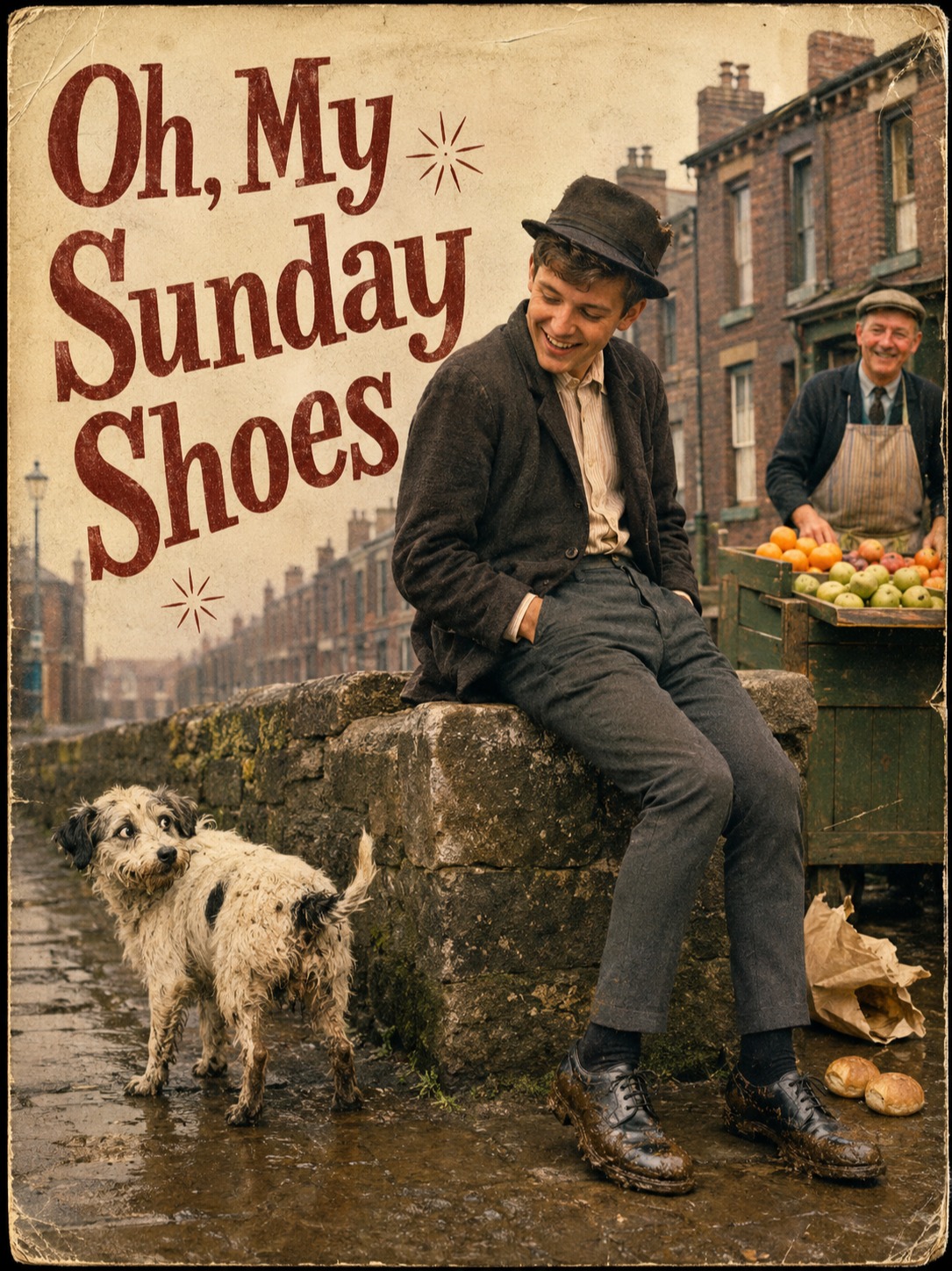
A bright early-1960s-style pop-rock tune with a playful comic story, recorded as if on a small mono tape machine rather than a modern clean system, The arrangement should use only period-appropriate instruments: clean electric rhythm guitar, upright piano, simple bass, small drum kit, tambourine and handclaps, Keep the performance lively, short and human, with close lead vocal, simple group harmonies, mild tape warmth, light room bleed, limited high-end shine and no polished modern remaster feel, The groove should bounce, not pound, and the humor should stay charming instead of silly
3:03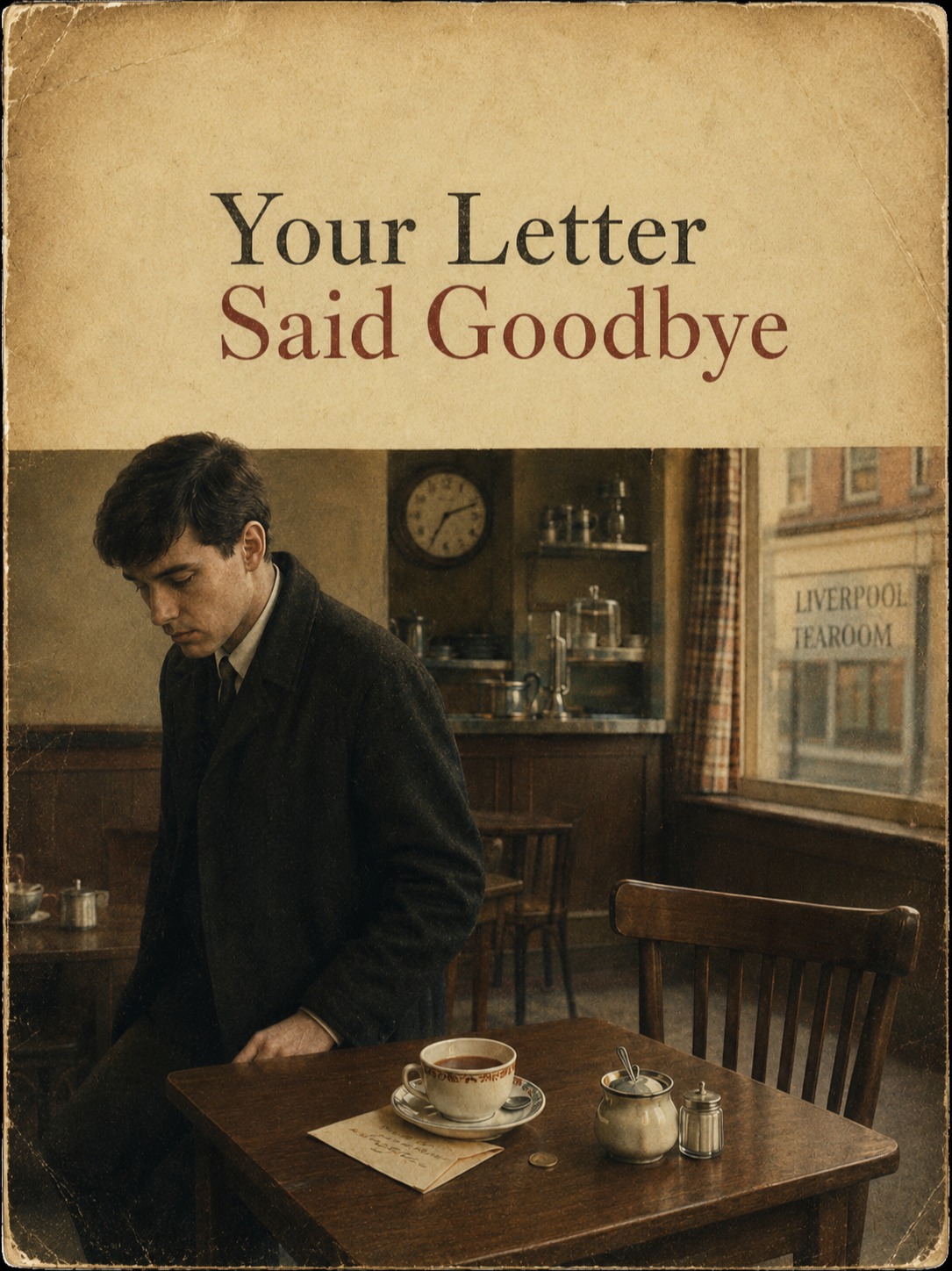
This song should sound like an untouched early-1960s pop-rock studio recording, not a modern remaster, Keep the arrangement simple and human: clean electric rhythm guitar, light acoustic support, warm upright-style bass or early electric bass, small drum kit with soft snare and kick, and a few plain piano notes in the bridge, The lead vocal should be close, young, sincere, and slightly restrained, with tight two-voice harmony in the chorus, Use a narrow mono image, mild tape hiss, gentle room bleed, natural compression, and modest plate reverb, Avoid bright modern polish, wide stereo spread, heavy low end, perfect tuning, digital sheen, and oversized drums
3:35
A bright early-1960s beat-group pop-rock recording with a raw live-room feel, short tape space, dry drums, tight bass, clean electric rhythm guitar, small lead guitar hook, light piano support, handclaps, tambourine, and simple group harmony replies, The performance should sound like a fresh mono studio take from the early 1960s, with natural room bleed, slight tape roughness, modest vocal polish, and no modern loudness, no wide stereo gloss, no digital sheen, and no remastered clarity, Keep the arrangement lively, compact, and human, with the guitar leitmotif returning as the song’s small badge of pride
2:46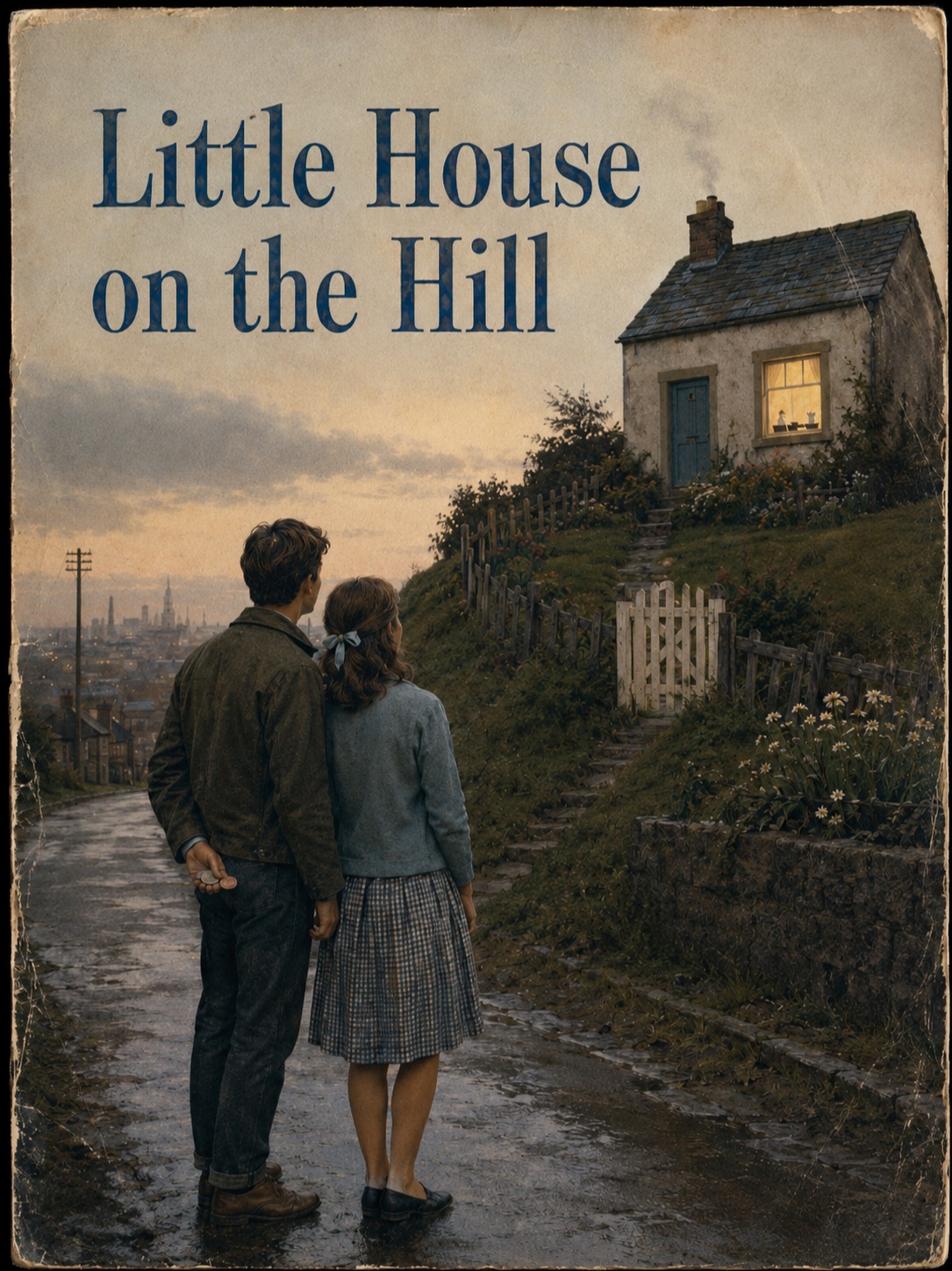
A simple early-1960s pop recording with a warm, unpolished small-room sound, meant to feel like a period single rather than a modern restoration, Use clean electric guitar, light acoustic strums if needed, upright bass or early electric bass, small drum kit with soft snare, brushes, light tambourine, handclaps, and simple piano chords, Keep the vocals close, youthful, and honest, with tight two-part harmony on the choruses and no heavy studio polish, The mix should be narrow mono, slightly boxy, gently saturated, with audible tape hiss, mild room bleed, restrained top end, and no modern sub bass, no glossy stereo width, no digital shine, and no contemporary effects
3:13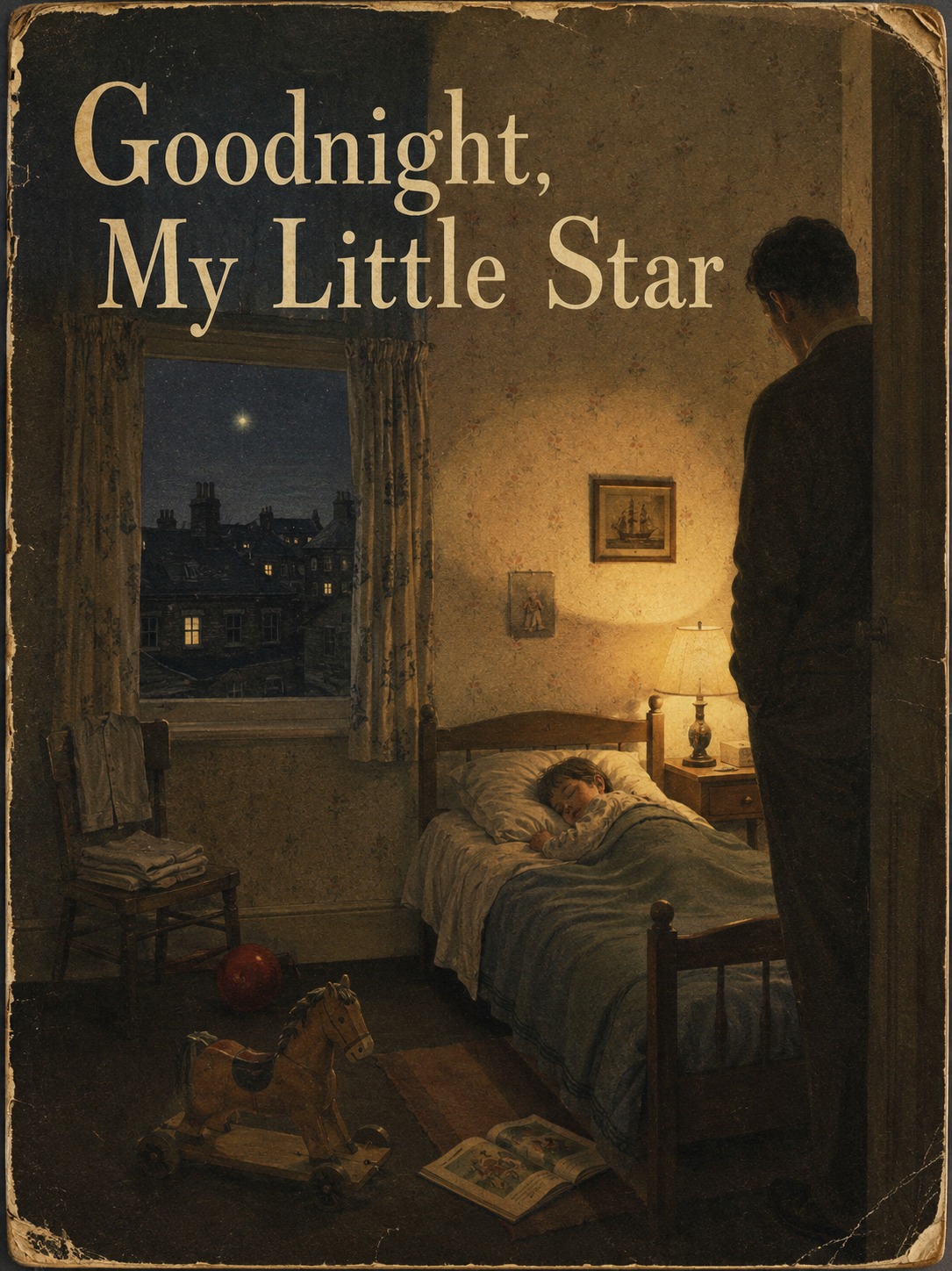
A gentle early-1960s lullaby pop ballad with a true period feel, recorded as if captured on a small mono tape machine rather than restored in a modern studio, The arrangement stays intimate and simple: soft piano leads the harmony, celeste carries the small C-E-G-A-G-E motif, fingerpicked guitar adds warmth, upright bass gives a slow heartbeat, and light brushed snare appears only in the lifted sections, Vocals should sound close, human, and slightly breath-warm, with plain harmonies and no glossy modern polish, Keep the room small, the tape lightly worn, the top end soft, and the ending gentle but clean