
6:08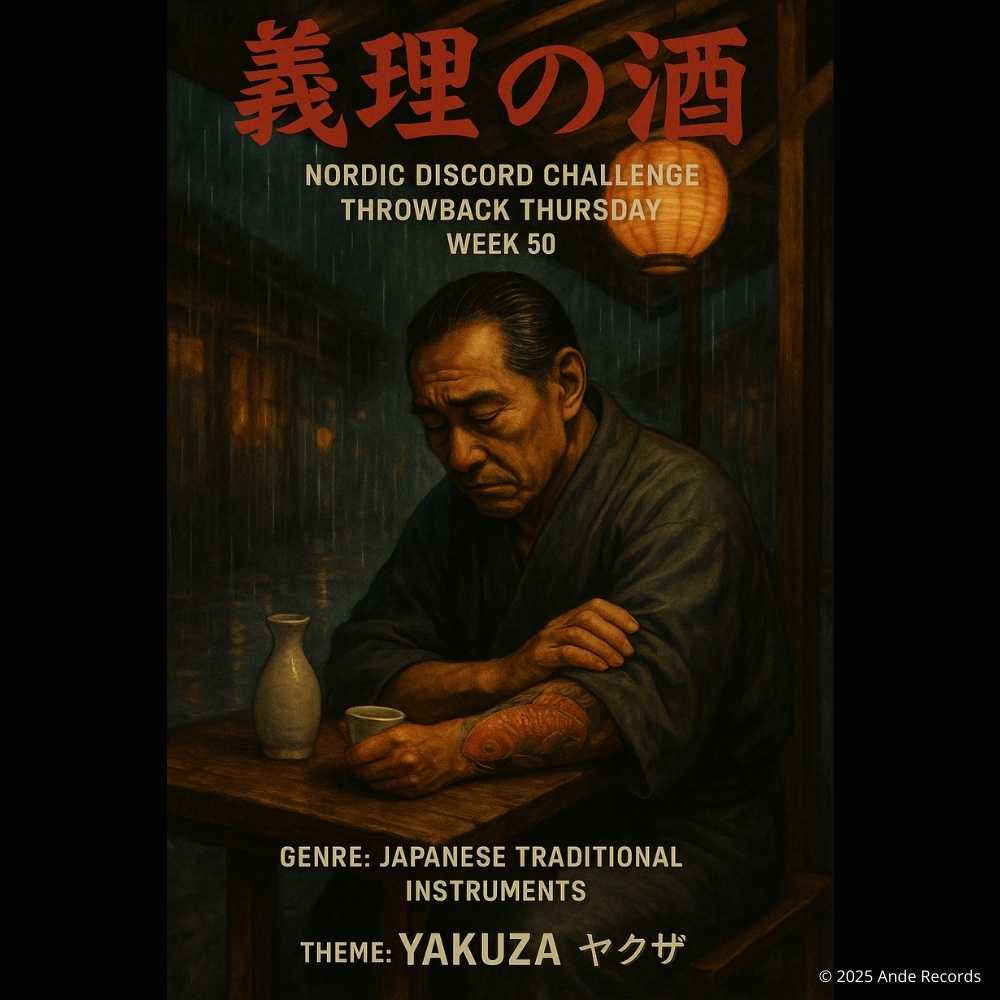
ENKA, Japanese Traditional Ballad, Yakuza Drama, Melancholic Duty
Tempo: 70 BPM (slow, mournful), Key: A minor (sorrowful traditional)
Vocal style: Male enka singer with heavy vibrato and kobushi ornamentation, emotional and dramatic delivery, Japanese language throughout, melancholic and world-weary tone
Instrumentation: Shamisen as lead melodic instrument, shakuhachi flute for haunting atmosphere, taiko drums for dramatic accents, subtle koto texture, traditional Japanese arrangement
Production: Warm analog recording quality, intimate vocal presence, traditional enka production aesthetic, space for instrumental expression, emotional authenticity over technical perfection
Yakuza themes: Giri versus ninjo conflict, duty to execute betraying friend, sake-drinking reflection, brotherly bond broken by betrayal, honor code demands action, tragic acceptance of duty's price
5:29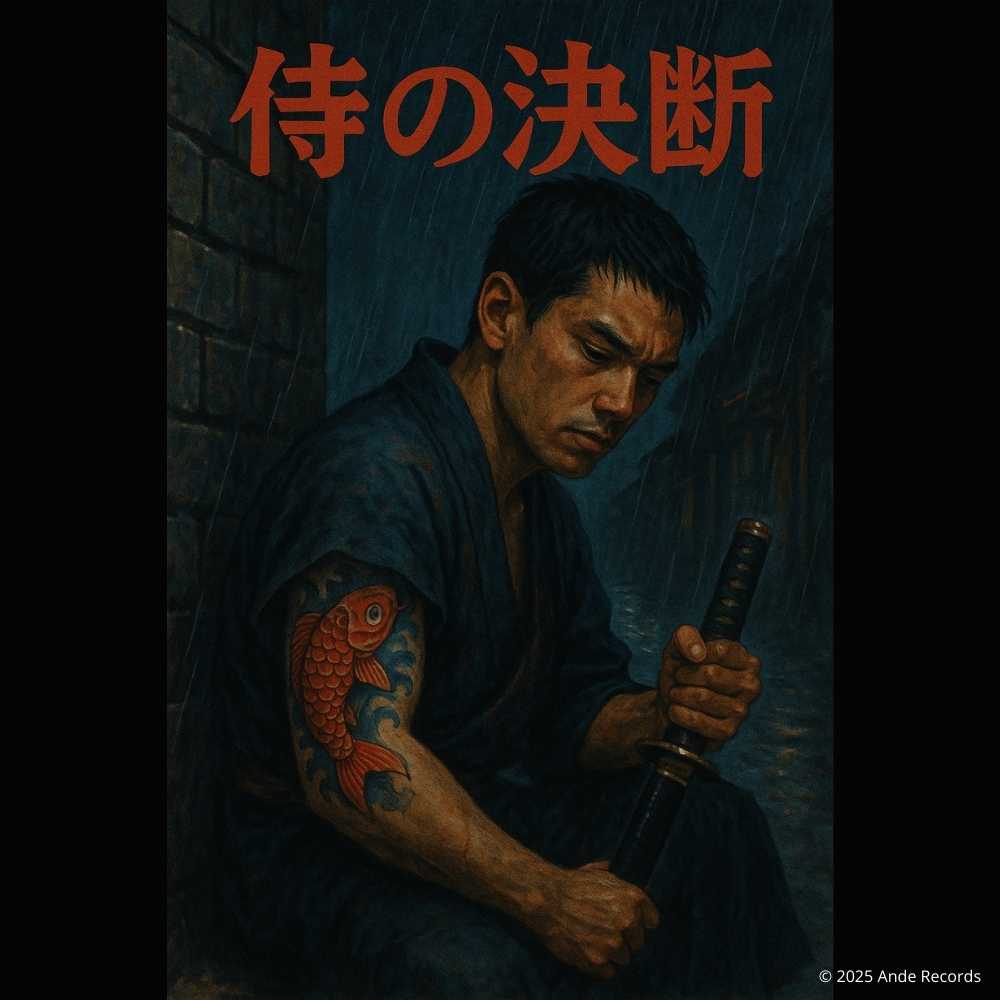
ENKA, Japanese Traditional Instruments, Yakuza Drama, Melancholic Duty
Tempo: 100BPM, mournful, sorrowful traditional
Vocal style: Male enka singer with heavy vibrato and kobushi ornamentation, emotional and dramatic delivery, Japanese language throughout, melancholic and world-weary tone
Instrumentation: Shamisen as lead melodic instrument, shakuhachi flute for haunting atmosphere, taiko drums for dramatic accents, subtle koto texture, electric guitar for subtle aggression, traditional Japanese arrangement
Production: Warm analog recording quality, intimate vocal presence, traditional enka production, space for instrumental expression, emotional authenticity
Yakuza themes: Surviving assassination attempt by best friend, understanding friend was forced by boss, samurai code choosing justice over blind obedience, killing the boss to free them both, becoming assassin for hire while hunted by former clan, tragic freedom, ONLY taiko drums, ‑drum kit, ‑snare drum, ‑hi-hat, ‑cymbals, ‑rock drums, ‑trap drums, ‑kick drum
6:02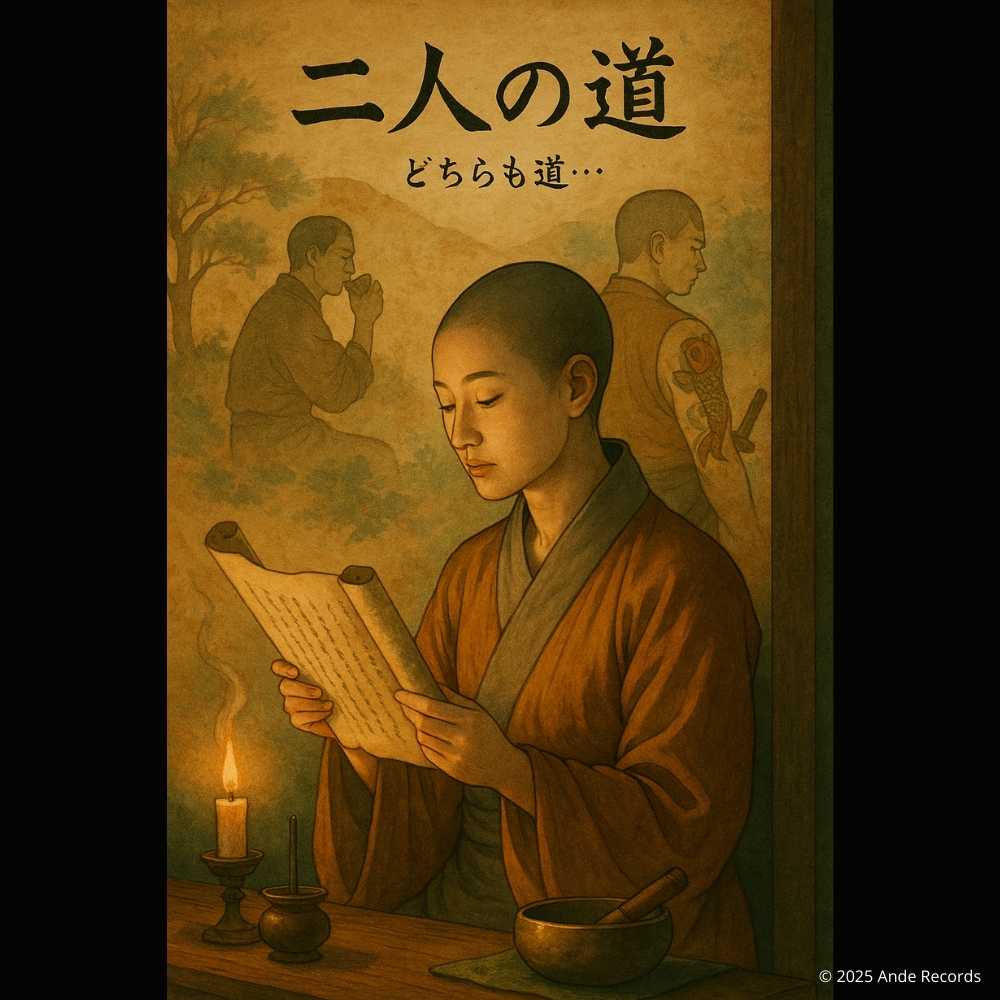
A meditative Japanese traditional storytelling piece unfolds at 70 BPM in pentatonic scale, Shakuhachi weaves expressive phrases, while koto gently underpins the mood, Bells and singing bowls accentuate important moments, with sparse hand percussion subtly guiding flow, The narration—measured, poetic, contemplative—floats above the serene, naturally reverberant temple soundscape, Silence and instrumental pauses shape deep breaths between story segments, fostering profound stillness and reflection