5:29
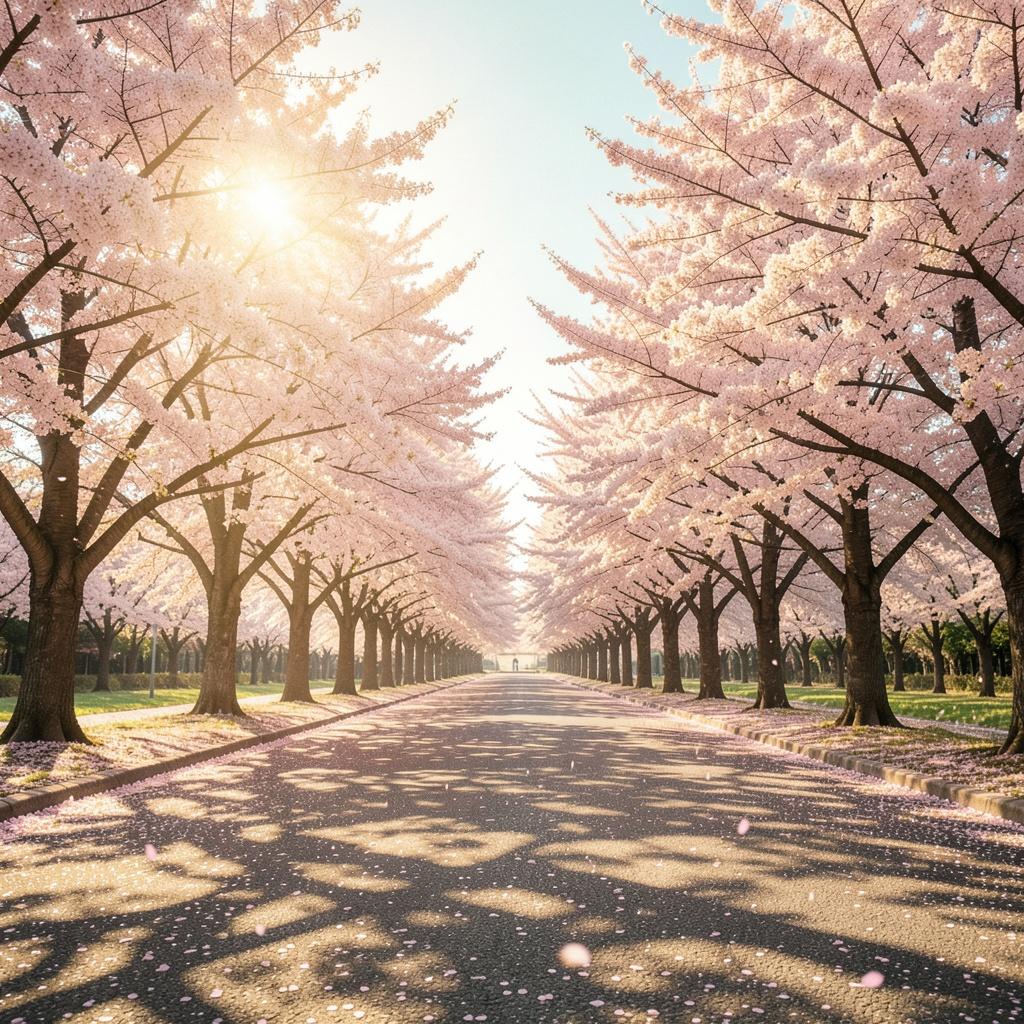
A graceful and majestic cinematic instrumental over 4 minutes, inspired by John Williams, The image is a magnificent avenue of fully blooming cherry blossoms glowing under warm spring sunlight, elegant and radiant, Combine traditional Japanese instruments such as koto, shamisen, and shakuhachi with a rich full orchestra (lush strings, noble brass, woodwinds, harp, timpani, subtle orchestral percussion) to create depth, clarity, and brilliance, Tempo is slow and calm, with a steady, flowing pace, No drums or electric bass, Keep traditional instruments refined and restrained, without folk or enka-style vibrato or ornament, Use Japanese tonal color blended with bright, classical cinematic harmony, Begin with a clear and noble main theme, then gradually develop with rich orchestration and dynamic swells, Focus on strong melodic identity, emotional lift, and elegant phrasing, The mood is noble, luminous, and uplifting, End with a grand, shimmering, and memorable resolution
5:19
A cinematic trance instrumental (4–5 minutes, must end by 5 minutes) expressing a powerful sakura blizzard with the harsh spirit of Tsugaru, Use a steady trance kick and bass, but avoid monotony, Vary intensity, texture, and dynamics to create clear progression, Feature Tsugaru shamisen as the main lead—raw, sharp, and emotional, evoking cold wind, struggle, and strength, Add shakuhachi and biwa as sparse supporting voices, Include subtle Japanese percussion accents, Use evolving synth pads and arpeggios to support the trance base, Structure:
Intro (0–1) build tension
Development (1–3) add rhythm and layers
Climax (3–4) peak intensity
Final (4–5) resolve and release
Mood blends sorrow, endurance, and beauty, like enduring a storm and scattering with dignity, Avoid repetition and loops, Clear ending, no continuation
5:13
A deep ambient instrumental over 4 minutes expressing an overwhelming sakura blizzard—fragile beauty with raw intensity, The mood is heavy, immersive, and emotional, Use layered analog-style synths: thick pads, evolving textures, and deep continuous low drones to create strong pressure and weight, Acoustic piano is the main lead, slow and expressive, Add Tsugaru shamisen as a secondary lead—raw, slightly aggressive, and percussive, used sparsely but with impact, Include shakuhachi as a breathy, haunting voice, No drums, Extremely slow, floating tempo, Focus on long sustained tones, gradual change, and wide reverb, Melancholic yet fierce, like petals swirling violently in silence, Build intensity without rhythm, End with a wide fade, leaving a lingering sense of falling blossoms
3:28
Minimal cinematic ambient music inspired by early spring in Japan and blooming cherry blossoms, The air still feels slightly cold but gentle warmth begins to appear while quietly admiring sakura, Slow, spacious and emotional atmosphere similar to delicate modern Japanese film music, Strictly beatless, No drums, no percussion, no rhythm section, Traditional Japanese instruments remain prominent and in the foreground: koto, shamisen, shakuhachi, biwa and shinobue, These instruments lead the arrangement with delicate phrases and sustained tones, Lead vocal: a female wordless chorus singing the main melody with long smooth “ah” and “oo” tones, The voice is clear, elegant and glossy, expressive and floating above the instruments, Melodies inspired by traditional Japanese pentatonic scales, Atmosphere minimal, nostalgic and slightly melancholic like cherry blossom petals drifting in a quiet spring breeze, Length over 4 minutes
5:42
A cinematic instrumental (4–5 minutes, must end by 5 minutes) expressing a sakura blizzard through piano—petals swirling rapidly with delicate beauty and motion, The piano is the central focus, clearly leading the entire piece, It plays continuous flowing patterns that evoke the movement of falling and swirling petals, with expressive melodic phrases, Use muted Tsugaru shamisen only as a very subtle supporting layer, with soft, controlled plucking, It must never lead or dominate, Include shakuhachi as a light, breathy texture, gently blending into the background like wind, Use only piano and traditional Japanese instruments, No percussion or drums, No beat, Free tempo, floating and expressive, Keep the sound minimal, refined, and spacious, Avoid repetition, Clear progression and a soft, resolved ending
4:12
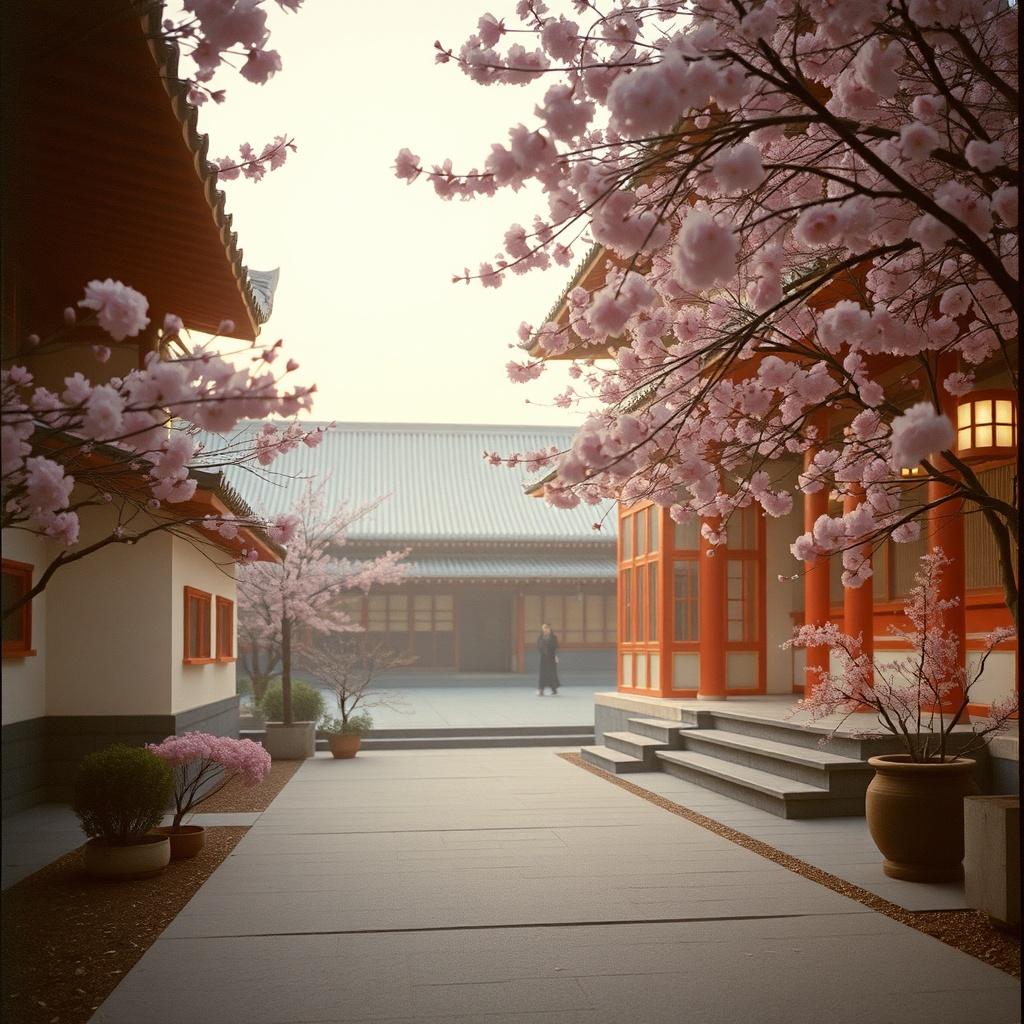
Cinematic Japanese music inspired by gagaku court music and early spring cherry blossoms, Atmosphere of quietly admiring sakura as winter fades and gentle warmth begins to return, Slow, spacious and emotional cinematic style, Instrumentation: traditional gagaku instruments — hichiriki as the main melodic voice, sho creating sustained harmonic clusters, and ryuteki playing airy flowing lines, Supporting textures from koto and deep Japanese taiko style low percussion, The hichiriki performs expressive nasal melodic phrases typical of ancient Japanese court music, Sho creates wide floating chords like drifting clouds, while ryuteki adds wind-like melodic lines above the ensemble, Melodies inspired by traditional Japanese court scales, Atmosphere majestic, nostalgic and slightly melancholic like cherry blossom petals drifting in a calm spring breeze, Cinematic and epic Japanese sound, Length over 4 minutes
6:01
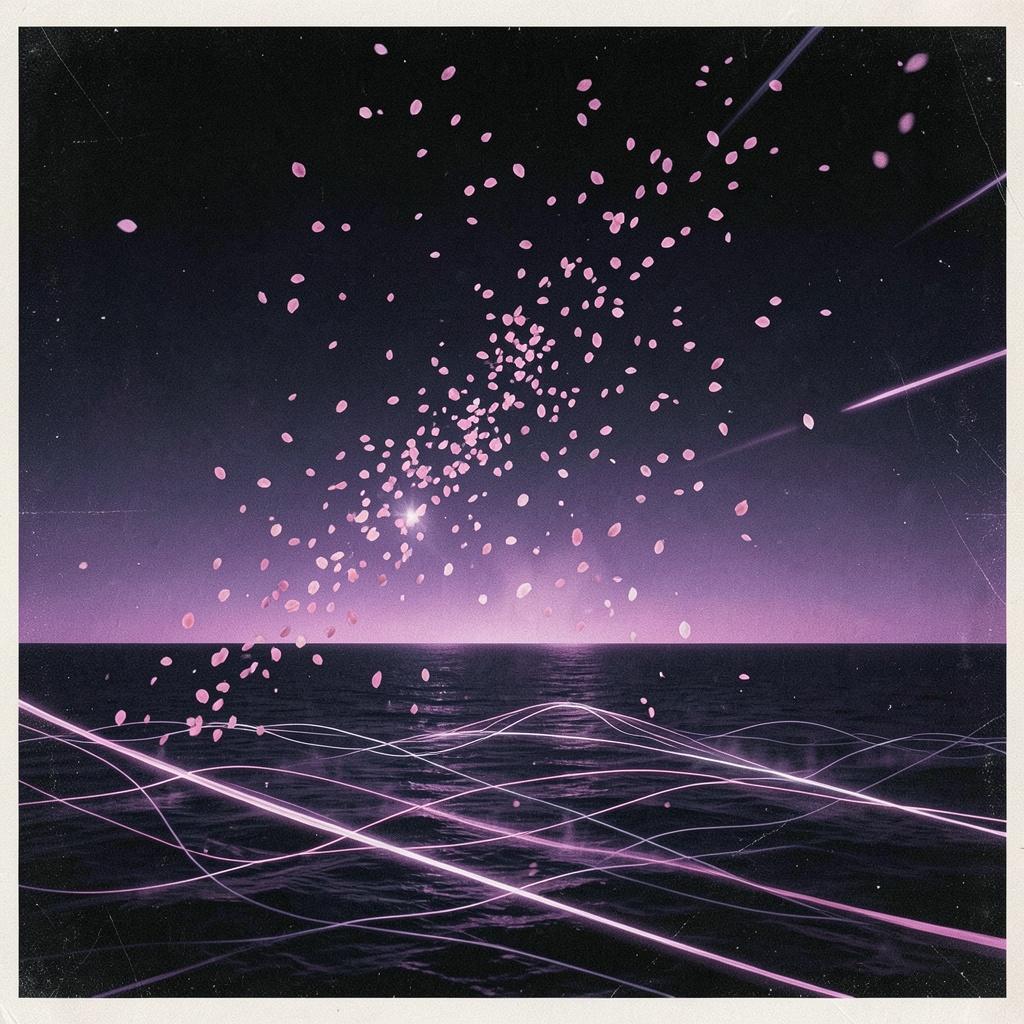
A deep ambient instrumental (4–6 minutes, do not exceed 6 minutes) expressing an overwhelming sakura blizzard—fragile beauty and raw intensity, The mood is heavy, melancholic, and fierce, Use string synths as the core: layered textures and continuous low drones creating strong pressure, Background is entirely synthetic with evolving pads, Interweave acoustic piano throughout with slow, emotional phrases, Add Tsugaru shamisen as a sharp, raw, slightly aggressive voice, used sparsely, Include shakuhachi as a breathy, haunting layer, No drums, Extremely slow, floating tempo, Focus on long sustained tones, gradual evolution, and wide reverb, Express contrast between delicate petals and violent swirling motion, Build intensity without rhythm, End with a natural fade around 5 minutes, avoiding abrupt cuts
3:37
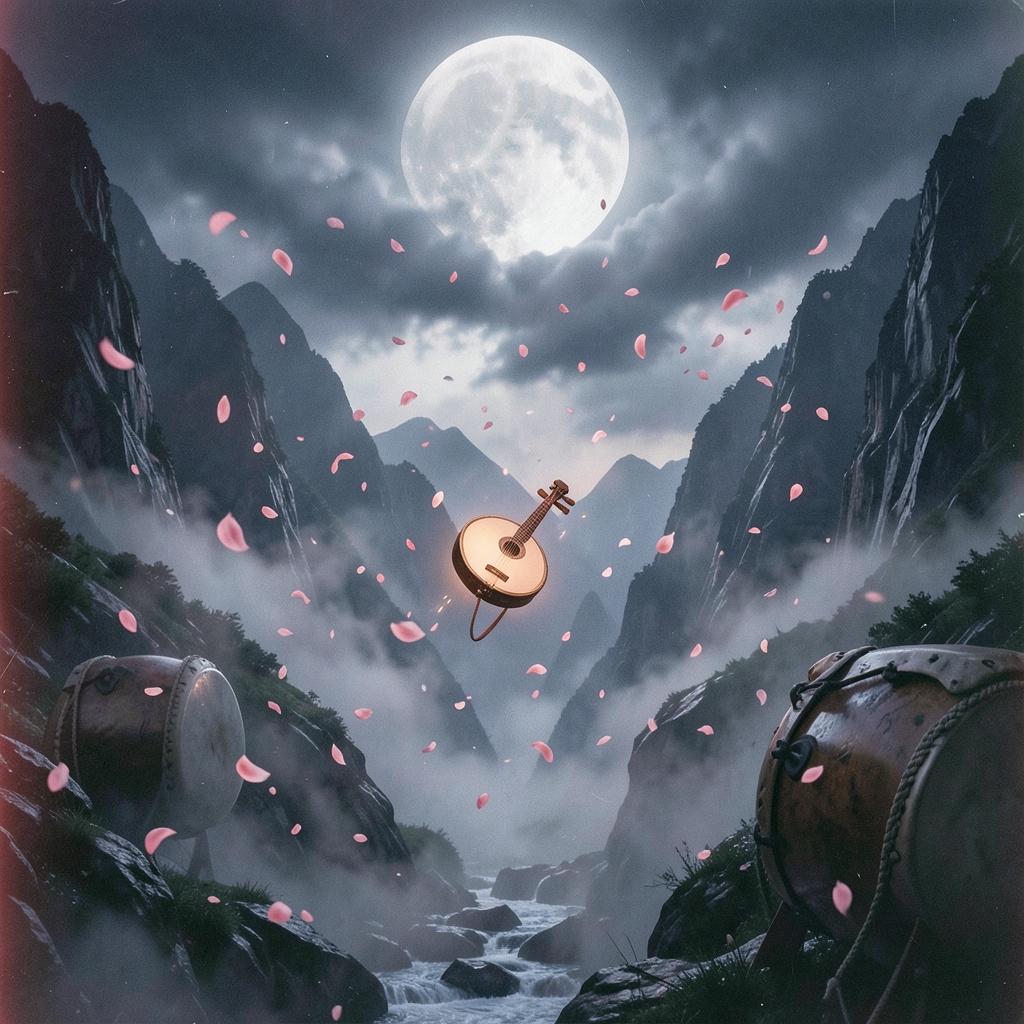
A cinematic slow trance instrumental (4–5 minutes, must end by 5 minutes) expressing a powerful sakura blizzard with the harsh spirit of Tsugaru, Use a slow trance pulse (95–105 BPM) with rich, evolving synth layers as the main foundation, Feature wide pads, deep sub bass, pulsing sequences, and atmospheric textures creating constant motion and pressure, Rhythm is driven by traditional-style percussion, not a modern drum kit, Feature Tsugaru shamisen as a cutting lead—raw, sharp, and emotional, Add shakuhachi and biwa as sparse, haunting accents, Use deep taiko-like hits, sharp wooden clacks (hyoshigi style), metallic bell-like strikes (kane style), and tight hand drum accents (tsuzumi-like), Ensure synths remain dominant, with continuous evolution and variation, Structure:
Intro (0–1) atmospheric
Development (1–3) layering and motion
Climax (3–4) peak intensity
Final (4–5) resolution
Mood blends sorrow, endurance, and beauty, Avoid loops, Clear ending, no continuation
6:28
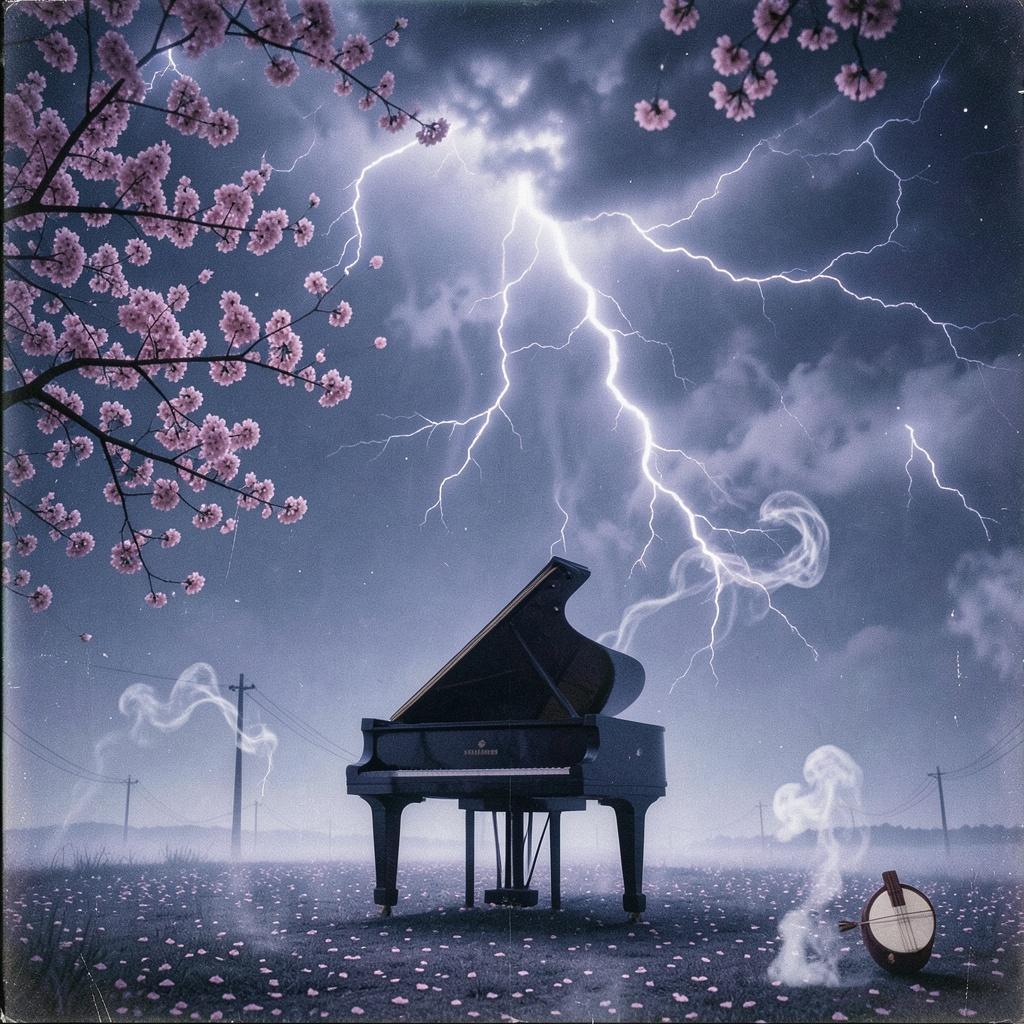
A deep ambient cinematic cue (4–5 minutes, must end completely by 5 minutes) expressing a powerful sakura blizzard—fragile beauty and raw intensity, The composition is built around the piano, Piano is the main lead instrument and must remain clearly audible throughout the entire piece, The piece begins with solo piano, fully exposed, before other elements gradually enter, Use string synths and deep drones as supporting layers, not overpowering the piano, Add Tsugaru shamisen as a sparse, raw accent and shakuhachi as a breathy layer, No drums, Slow tempo, Structured progression with a clear climax and final resolution, End with a resolved piano-based final chord and complete silence
3:27
A deep ambient cinematic cue expressing a powerful sakura blizzard—fragile beauty and raw intensity, Structured composition with a clear beginning, development, climax, and final resolution, Use string synths and deep drones as the core, Interweave piano, Tsugaru shamisen, and shakuhachi, No drums, Slow tempo, Build toward a defined climax, then transition into a clear, resolved ending, The piece must conclude naturally within 5 minutes, with a final chord and silence
4:33
A cinematic instrumental over 4 minutes in the style of John Williams, expressing a powerful sakura blizzard—beautiful, tragic, and overwhelming, The scene feels grand and emotional, capturing falling cherry blossom petals in a vast, awe-inspiring scale, Piano is the main lead, expressive and melodic, Support with full orchestra: rich strings, strong brass, deep low strings, and cinematic percussion (timpani, bass drum, cymbal swells), Blend traditional Japanese instruments such as koto and shakuhachi subtly within the orchestration, Use a bright Japanese In scale to create emotional lift with a touch of melancholy, Tempo 80–90 BPM, Start with soft piano, gradually build layers, then rise into a powerful, dramatic climax representing the intensity of the sakura storm, No vocals, Maintain forward motion and emotional energy throughout, End with a wide, radiant finale—both heartbreaking and triumphant, like endless petals filling the sky