
7:19
is a quintessential heavy metal song, featured on their 1982 album The Number of the Beast, It is widely recognized for its progressive, epic, and dramatic structure, blending fast-paced, complex instrumentation with intense vocals, The song is a live staple for the band, Often considered a prime example of New Wave of British Heavy Metal (NWOBHM) and progressive metal influences, The song is known for its slow, atmospheric intro that builds into a fast-paced, twin-guitar harmony section, complex time changes, and thematic focus on a prisoner's final thoughts before execution, Frequently cited as one of the greatest heavy metal songs of all time
7:47
A crisp house and blues EDM fusion starts with deep four-on-the-floor kicks, syncopated hi-hats, and a staccato bassline, Bluesy electric guitar licks interplay with soulful organ stabs and layered synths, building intensity into energetic drops, The bridge features a dynamic guitar solo, leading into a euphoric finale blending blues leads over driving EDM textures
7:59
is primarily classified as Progressive House and Electronic/Dance (EDM), featuring vocals by church preacher, the track blends melodic, anthemic house elements with pop, featuring bright synths and a soaring, emotional, and uplifting, organic sound
2:59
is primarily classified under the Dance/Electronic genre, specifically within the Russian Dance or "Gangster Music" subgenres, It is a popular, modern electronic remix of a traditional Balkan/Russian folk song characterized by a heavy bassline, Key details regarding the genre include:
Genre: Dance/Electronic, Russian Dance, Subgenre: Often associated with "Gangster Music" or Slow Remix styles, Style: Modern, melodic house with a strong, deep, and rhythmic bassline, The track is frequently featured in playlists for driving or high-energy, modern electronic beats
2:37
is primarily classified as blues rock, Released in 1990, this track and its album marked a significant shift for Moore, moving away from hard rock/heavy metal toward a more melodic, electric blues style, It is recognized as a staple of modern blues rock
1:50

A gentle, atmospheric intro with sparse keys and subtle electronic textures leads into a melodic verse supported by warm bass, delicate guitar plucks, and a chilled downtempo groove, The chorus swells with layered synths and dynamic percussion, before returning to intimate simplicity
2:04

A gentle, atmospheric intro with sparse keys and subtle electronic textures leads into a melodic verse supported by warm bass, delicate guitar plucks, and a chilled downtempo groove, The chorus swells with layered synths and dynamic percussion, before returning to intimate simplicity
3:59

2020/2021 dance-electronic
song primarily classified as
Slap House and Progressive House, It features a distinctive melancholic, synth-heavy, and futuristic sound, sampling "Siberiade Theme", Genre: Primarily Slap House and Progressive House, with influences of Electro House, vocals are smooth and deep voice of a lady
Release: Released in December 2020, The melody is sampled from Style: Known for its driving, heavy bassline (slap house) combined with melodic, emotional electronic elements 2001 Trance and Progressive Trance track, It is widely recognized for its electronic, space-themed, melodic sound, Released on Perfecto Records, it became a major hit in the electronic dance music (EDM) genre, often described as "Russian Trance" or Euro-trance
2:59
A gentle, atmospheric introduction with evolving textures sets the tone, leading into verses layered with subtle keys and syncopated percussion, The chorus lifts with lush harmonies and a driving bassline, while dynamic builds and breaks maintain intrigue through a modern, immersive arrangement
1:49

3:19
Alt-pop ballad that slowly swells into anthemic indie rock; start with hushed male vocals and sparse electric piano, then add warm bass, tight drums, and reverb-washed guitars by the first chorus, Midway, introduce airy synth pads and stacked harmonies; final chorus hits with gang-style backing vocals and a lifted key feel, Long dynamic arc tailored to a ~6-minute performance, with room for instrumental swells and emotional rubato
2:24
Electro House: The most common classification for the 2008 remix, noted for its "bouncy" and aggressive electronic beats, Tech House: Frequently cited as the primary "style" on music databases for this specific release, Electronic Dance Music (EDM): Broadly used to describe the track's resurgence and mainstream club appeal in the late
2:40
is primarily classified under the Dance/Electronic genre, specifically within the Russian Dance or "Gangster Music" subgenres, It is a popular, modern electronic remix of a traditional Balkan/Russian folk song characterized by a heavy bassline, Key details regarding the genre include:
Genre: Dance/Electronic, Russian Dance, Subgenre: Often associated with "Gangster Music" or Slow Remix styles, Style: Modern, melodic house with a strong, deep, and rhythmic bassline, The track is frequently featured in playlists for driving or high-energy, modern electronic beats
2:44

is a seminal reggae song, specifically falling under the roots reggae subgenre, Released in 1973 on the Burnin' album, it is known for its signature off-beat guitar, driving bassline, and lyrical themes of justice and resistance against systemic oppression
2:37
(1954) is a iconic blend of traditional pop, jazz, and Latin-influenced mambo, The track is defined by its, smooth, relaxed vocal delivery, mambo rhythm, and melodic marimba, often classified as cool jazz, It is a quintessential, slow-tempo Latin-jazz love
song
6:42
is a quintessential heavy metal song, featured on their 1982 album The Number of the Beast, It is widely recognized for its progressive, epic, and dramatic structure, blending fast-paced, complex instrumentation with intense vocals, The song is a live staple for the band, Often considered a prime example of New Wave of British Heavy Metal (NWOBHM) and progressive metal influences, The song is known for its slow, atmospheric intro that builds into a fast-paced, twin-guitar harmony section, complex time changes, and thematic focus on a prisoner's final thoughts before execution, Frequently cited as one of the greatest heavy metal songs of all time
1:42

EDM dreamy inspiring cool-air heavenly Romanian chants opera
2:19

is a 1973 soft rock and pop-rock song, often described as folk-rock or country-rock, the track is a satirical take on the music industry, famous for its catchy, swinging rhythm
3:18
is primarily classified as Electro House, Melodic House, and Progressive House, Released in 2015, the track is defined by its melancholic, slow-tempo style (roughly
–
BPM), often categorized as EDM, electropop, or even "Norwegian House", Key details about the genre and style
Core Genres: Electro house, Progressive house, Melodic house, Sub-genres/Styles: Downtempo, electropop, and Norwegian house, Characteristics: Melancholic piano melody, slow tempo, and distinctive synth-driven production, l, is often noted for being slower than typical house music, which usually ranges from 120-130 bpm
BPM, making it a distinct, slower, and more emotional style of EDM
2:19
is a quintessential 2000s French house and Nu-disco track, known for its sampled guitar riff, soulful vocals, and warm, upbeat groove, Released in 2000, it is a hallmark of the filter house subgenre that heavily influenced dance music, Key characteristics and details:
Primary Genres: French House, Nu-Disco, Funky House, Key Features: Uses a distinct sample from Chic's "Soup for One", Vibe: Upbeat, dance-pop, and soulful, Chart Performance: Topped charts in the UK, Switzerland, Italy, and the US Billboard Hot Dance Club Songs
2:23
is a quintessential 2000s French house and Nu-disco track, known for its sampled guitar riff, soulful vocals, and warm, upbeat groove, Released in 2000, it is a hallmark of the filter house subgenre that heavily influenced dance music, Key characteristics and details:
Primary Genres: French House, Nu-Disco, Funky House, Key Features: Uses a distinct sample from Chic's "Soup for One", Vibe: Upbeat, dance-pop, and soulful, Chart Performance: Topped charts in the UK, Switzerland, Italy, and the US Billboard Hot Dance Club Songs
2:43
Key Genre Details:
Primary Genres: Pop, Trip Hop, Ballad, Subgenres/Style: Sadcore, Alternative Pop, Indie Pop, Remix Genre: The popular Cedric Gervais remix is classified as House/Dance, Key Characteristics: Melancholy, nostalgic, cinematic, and emotional, Alternative pop, trip-hop, sadcore ballad, cinematic, melancholic, nostalgic, slow-burn, deep female contralto vocals, breathy, drowsy drawl, moody, intimate, haunting, dreamy pop, The vocals are described as a "river of emotion, " often evoking a sense of "dusky", "intimate, " and, "haunting" nostalgia
4:46
blues, soul, hip-hop, rnb, edm, house
4:36

"In the Summertime" is primarily classified as skiffle pop and jug band music, Its distinctive sound is built on a mix of several genres:
Skiffle & Jug Band: The song is a hallmark of the 1970s skiffle revival, featuring non-traditional instruments like a glass bottle used as a "jug" and percussive foot-stamping on wood, Folk & Blues: It is often categorized as folk-blues or swamp rock, drawing on the "good-time blues" tradition, Pop Rock: Due to its massive commercial success—reaching #1 in nearly 20 countries—it is also broadly defined as a classic pop rock anthem, Ragtime & Jazz: The song incorporates rhythmic elements of early jazz and ragtime, particularly in its "boogie-woogie" piano style, Note on Version: The 1995 cover shifted the song's genre entirely into reggae and dancehall
5:04
hypnotic synths, hard voice, soulful melody, afrobeat, backing vocal
3:40
hypnotic synths, hard voice, soulful melody, afrobeat, backing vocal
2:42
is primarily classified under the Dance/Electronic genre, specifically within the Russian Dance or "Gangster Music" subgenres, It is a popular, modern electronic remix of a traditional Balkan/Russian folk song characterized by a heavy bassline, Key details regarding the genre include:
Genre: Dance/Electronic, Russian Dance, Subgenre: Often associated with "Gangster Music" or Slow Remix styles, Style: Modern, melodic house with a strong, deep, and rhythmic bassline, The track is frequently featured in playlists for driving or high-energy, modern electronic beats
2:52
primarily classified under hip hop, specifically falling into the subgenres of hardcore hip hop and chopper (a style characterized by fast-paced, rhythmic rapping), The 2013 track is also recognized for its technical, rapid-fire lyrical delivery and self-referential lyrics, Key details regarding the genre of "Rap God":
Core Genres: Hip hop, Hardcore Hip Hop, Style:Chopper, which is a subgenre of hip hop focused on high-speed, technical rapping, Elements: The song features electronic elements, rapid-fire, "supersonic" verses, and boastful, satirical lyrical content, Context: It is often described as a, technical showcase of lyrical mastery, track is noted for setting a record for the highest number of words in a single, with over 97 words in 15 seconds, voice is characterized by a high-pitched, nasal tone, utilizing intense vocal compression (squeezing muscles), and projecting from the hard palate/nose, He uses a rapid-fire, staccato delivery with heavy, deliberate, often nasal accents
4:39
The track launches with pulsing synth arpeggios and sparse electronic drums, then deep bass and airy pads expand the soundscape, Percussion intensifies into a dynamic chorus with syncopated house rhythms and rich EDM synthesizer leads, A minimalist breakdown highlights ambient effects, setting up a final, driving hook

2:16
is primarily classified as Latin, Bolero, and Easy Listening/Traditional Pop, Released on his 1962 album Dino Latino and later on Reprise Records in 1965, the track features a romantic, mid-tempo style often associated with the Mexican bolero tradition, a smooth, romantic baritone performance from his 1962 Dino Latino album, His voice is characterized by a relaxed, intimate, and warm, crooning style that fits the song's Latin, bossa nova, and nostalgic mood, Key Aspects of the Performance:
Album/Release: Featured on the 1962 album Dino Latino
Vocal Style: Characterized as a "smooth baritone", Mood: Often described as a "cozy, " "romantic, " and "nostalgic" interpretation, Context: It is part of his collection of Italian/Latin-influenced songs, distinct from his faster, uptempo hits
4:47
Opens with powerhouse drum stomps and handclaps, raw unfiltered chanting echoing in call-and-response bursts, Verse vocals are bold and extended, complemented by gritty guitar riffs, The chorus swells—it’s an electrifying anthem, massive harmonies, all instruments erupting together
5:31
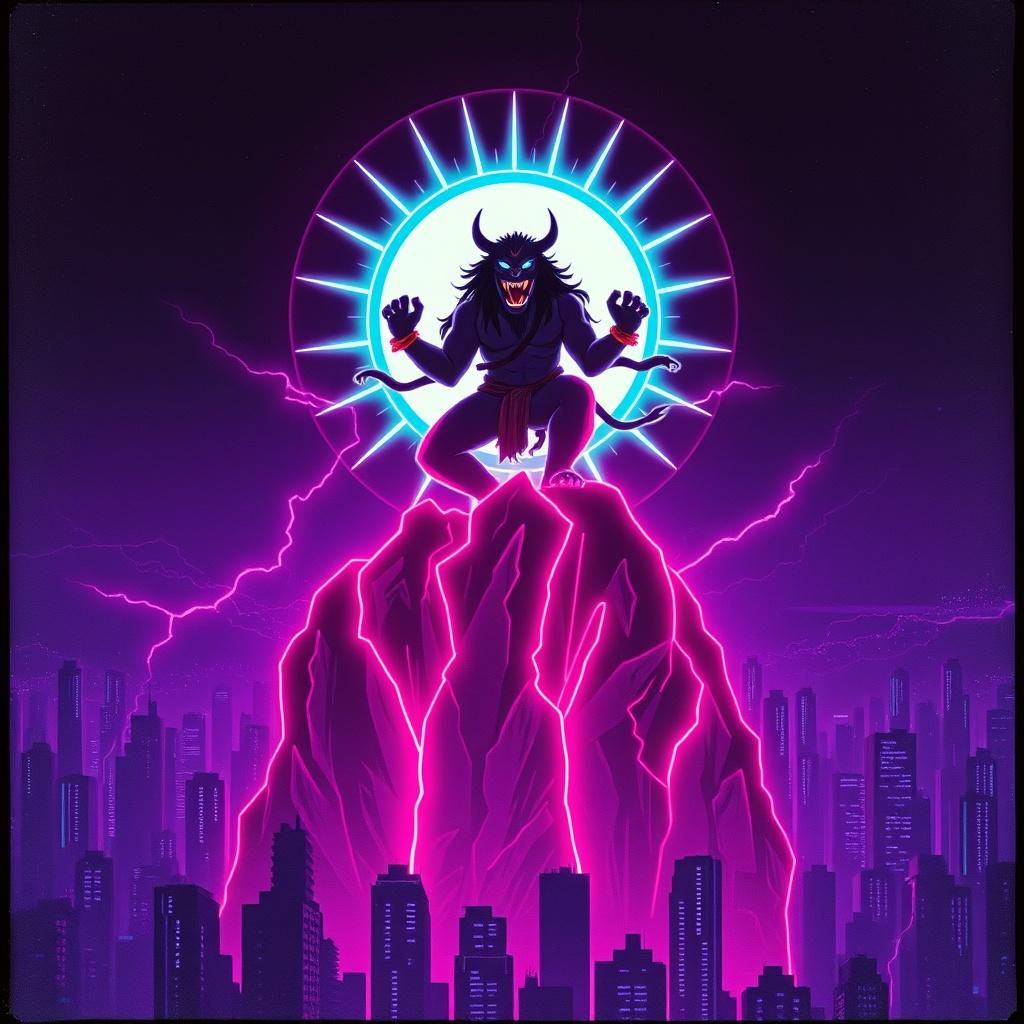
A driving EDM-house fusion kicks off with pulsing synths and punchy electronic percussion, Verses layer in distorted electric guitar riffs, blending hard rock aggression with electronic textures, The chorus erupts with soaring leads, deep bass, and anthemic drum fills, while atmospheric pads provide smooth, seamless transitions and support the dynamic contrasts throughout
5:14
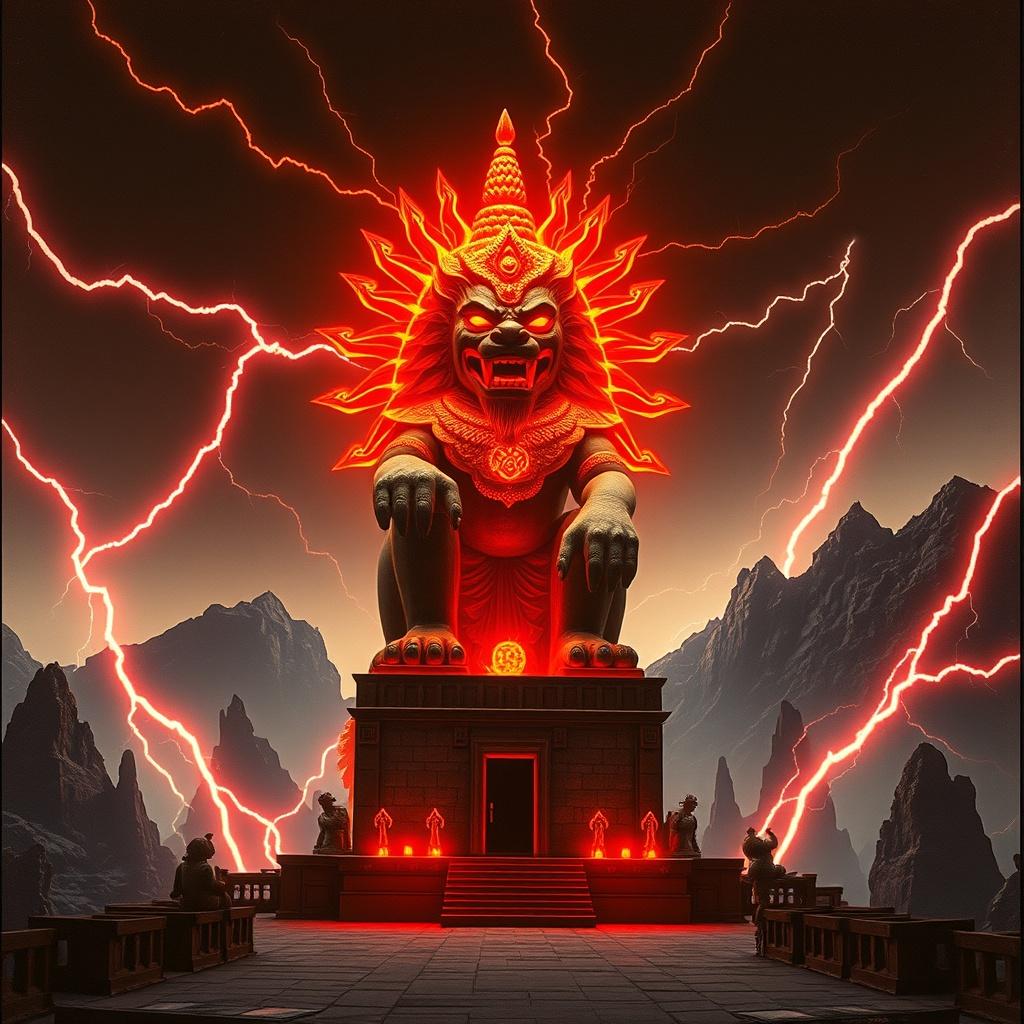
A heavy metal track launches with a chugging, palm-muted guitar riff and pounding kick drum, building tension, Drums and bass thunder in, joined by aggressive, overdriven guitar layers, The verses feature tightly locked rhythms while the explosive chorus hits with layered harmonies, Dramatic breaks, dynamic solos, and abrupt stops heighten intensity before a hard-hitting outro
5:58
An epic, atmospheric rock piece opens with haunting organ and distant choir, building tension with dramatic toms and layered guitars, The verses feature brooding low-end bass and echoing drums, swelling to grand, heavy guitar choruses, Instrumental bridges unleash soaring solos and powerful orchestration
5:31
4
The 1994 live version of "Hotel California", featured on the Hell Freezes Over album/video, is a celebrated acoustic-driven rearrangement performed for their MTV special, This performance is famous for its extended percussion intro, intricate guitar work, and revamped, mellowed-out, yet complex sound compared to the 1977 original, Musical Style: The performance is part of an acoustic set (often referred to as "Unplugged"), featuring prominent acoustic guitars and new, slower percussion, creating a more intimate, "Latin-flavored" feel, Significance: The 1994 version is often cited by fans and audio engineers as a superior live recording, valued for its high-fidelity sound, technical precision, and unique arrangement The song itself, as he stated, explores the journey from innocence to experience and is a critique of the hedonistic, materialistic lifestyle in Los Angeles
5:03
4
The 1994 live version of "Hotel California", featured on the Hell Freezes Over album/video, is a celebrated acoustic-driven rearrangement performed for their MTV special, This performance is famous for its extended percussion intro, intricate guitar work, and revamped, mellowed-out, yet complex sound compared to the 1977 original, Musical Style: The performance is part of an acoustic set (often referred to as "Unplugged"), featuring prominent acoustic guitars and new, slower percussion, creating a more intimate, "Latin-flavored" feel, Significance: The 1994 version is often cited by fans and audio engineers as a superior live recording, valued for its high-fidelity sound, technical precision, and unique arrangement The song itself, as he stated, explores the journey from innocence to experience and is a critique of the hedonistic, materialistic lifestyle in Los Angeles
3:56
The track opens with glitchy industrial samples and a crushing electronic bassline, joined by syncopated, down-tuned guitars, The verses fuse distorted synth stabs with aggressive, percussive rap vocals, Energetic drum patterns drive the explosive chorus, which layers soaring, processed screams and melodic hooks atop dense guitar textures, A chaotic bridge features unpredictable tempo shifts, modular synth interludes, and warped turntable scratches, before the final chorus erupts in maximalist s
3:56
The track opens with glitchy industrial samples and a crushing electronic bassline, joined by syncopated, down-tuned guitars, The verses fuse distorted synth stabs with aggressive, percussive rap vocals, Energetic drum patterns drive the explosive chorus, which layers soaring, processed screams and melodic hooks atop dense guitar textures, A chaotic bridge features unpredictable tempo shifts, modular synth interludes, and warped turntable scratches, before the final chorus erupts in maximalist s
7:19

is primarily categorized as Psy-Trance (specifically Progressive Psytrance), While the original 2004 track is a classic of Vocal Trance, 2018/2019 reimagining incorporates several sub-genres and characteristics:
Psy-Trance / Progressive Psytrance: The remix features the signature "rolling" basslines and psychedelic soundscapes typical of this genre, Progressive Trance: It maintains the melodic, evolving structures of progressive trance while updating the sound for modern festival floors, Vocal Trance: It retains the iconic vocals from the original version, blending them with more aggressive electronic production, Technical Details
BPM: 138
Key: B Major
4:46
Style:
American hard rock blended with southern rock and modern country rock, Expansive, emotional, cinematic anthem, Strong melodic male vocals, warm tone, expressive and controlled, Instrumentation:
Acoustic guitar, clean and overdriven electric guitars, slide guitar, bass, live drums, ambient textures, subtle pads, Structure:
Atmospheric intro → verse → pre-chorus → big anthem chorus → verse → chorus → extended instrumental solo → cinematic bridge → final chorus → ambient outro, Tempo & Mood:
Mid-tempo (80–95 BPM), uplifting, reflective, expansive, night-sky atmosphere, Focus:
Memorable chorus, emotional storytelling, wide guitar solos, cinematic build
2:18
EDM EDM EDM EDM EDM EDM EDM EDM EDM EDM EDM EDM EDM EDM EDM EDM EDM EDM EDM EDM EDM EDM EDM EDM EDM EDM EDM EDM EDM EDM
5:02
devotional house, 92 BPM, veena ostinato, tanpura drone, brushed hand percussion, sub bass pulse, spring reverb, tape saturation, mono close-mic mix, sidechain compression, temple hall ambience, forest night mood, meditative groove, prayerful release, swung kick pattern, filter house lift, analog delay, spacious low mids
5:25
Dark vibe, dholak, rhythmic mantra, goosebumps
4:31

Ritual Shiva, Mantra, Tribal, Remix Rave, Nordic, Viking