
3:32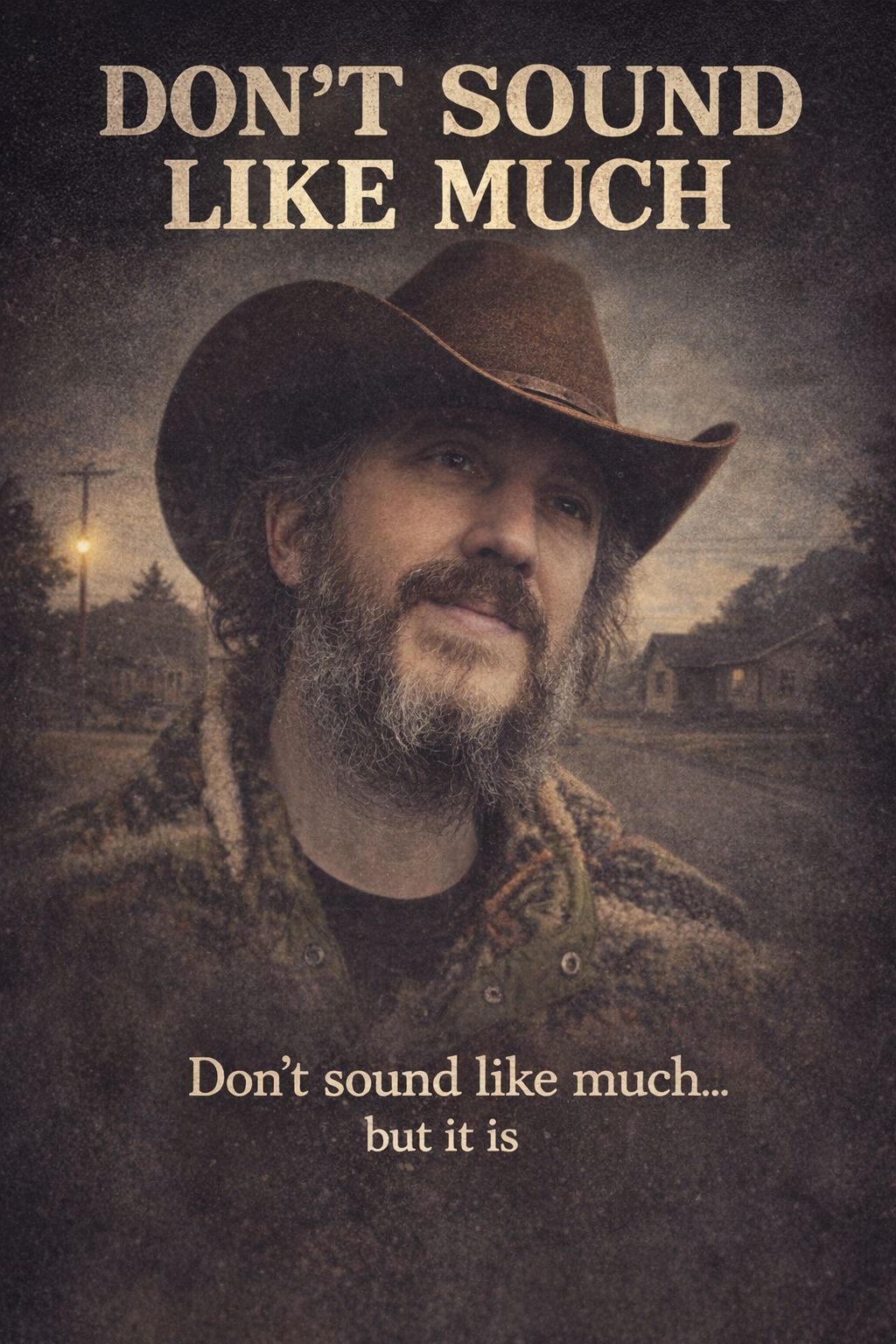
A minimalist country-soul ballad built on restraint, space, and emotional honesty, The arrangement centers on soft fingerpicked baritone ukulele with no percussion for most of the track, allowing silence and phrasing to carry rhythm, Vocals are close, breath-led, and slightly behind the beat, creating an intimate, lived-in feel, Short lines and natural pauses give each lyric weight, letting meaning land without over-explaining, The hook is simple and memorable, anchored by the idea of quiet consistency over recognition, A stripped bridge isolates the emotional core before a subtle lift in the final chorus, The overall sound is warm, human, and unpolished in a deliberate way, prioritizing connection and clarity over complexity—ideal for immediate impact in a single listen
4:32

“Trouble Knows Where to Find Me” is a restrained Southern Gothic soul track built around a slow 82 BPM groove in D minor, blending fingerpicked electric guitar, Rhodes, upright-style bass, and minimal percussion, The production stays intentionally sparse and midrange-focused to preserve intimacy and clarity, Vocals are delivered in a low, breathy baritone with conversational phrasing, allowing small imperfections to carry emotional weight, The rap bridge remains grounded and introspective, avoiding bravado in favor of self-awareness, The song explores recurring personal patterns with quiet honesty rather than dramatic resolution, creating a lived-in, human feel that prioritizes truth over polish
3:13

Intimate Piedmont-style acoustic blues on baritone ukulele with a steady alternating bass (thumb-driven) and lightly syncopated melody, Tempo is relaxed with natural push/pull, not quantized, Tone is warm, woody, and close-mic’d—fingers, string noise, and room presence are part of the sound, Vocals are low baritone, breathy and conversational, often entering slightly behind the beat to feel like internal dialogue, No heavy percussion—rhythm comes from the picking hand, Dynamics build subtly: sparse verses, slightly fuller choruses, brief emotional lift in bridge, then return to restraint, Avoid brightness or polish; keep it human, imperfect, and emotionally grounded
4:24

“Didn’t Land Right” marks the beginning of Act II, focusing on miscommunication rather than conflict, Set in C minor, the song tightens the album’s emotional frame, keeping the swing feel but removing comfort, Acoustic guitar and upright bass anchor a cautious groove, while mandolin, fiddle, muted trumpet, and harmonica appear sparingly as emotional undercurrents rather than decoration, The vocal delivery is low, careful, and reflective—capturing the moment of realizing a sentence carried unintended weight, Lyrically, the song avoids apology or accusation, instead observing how words change once spoken and how meaning fractures between intent and reception, It is a song about timing, fatigue, and the quiet damage done when something true is said the wrong way
3:24

Held Too Tight
v5.5
Pulse-driven minimal soul with electronic low-end influence, Maintain constant forward motion at ~100 BPM—no dragging sections, Use rhythmic fingerpicked baritone ukulele as the primary driver, supported by a steady sub-bass pulse that acts like a heartbeat, Keep percussion tight and minimal (kick, muted taps), avoiding clutter, Vocals should be close-mic’d, breathy, and emotionally restrained in verses, building pressure into a controlled, strained chorus rather than a loud one, Subtle bass movement and light distortion can add tension in choruses, Overall feel should be urgent and addictive, blending acoustic intimacy with modern electronic depth
3:54

That Ain’t Me
v5.5
Southern Gothic minimalism at 80 BPM in A minor with a darker industrial edge, Baritone ukulele provides a muted pulse while a glitchy, off-grid tick creates subtle instability, Sub bass adds a low, slightly distorted heartbeat, with darker pads and sparse dobro textures enhancing unease, Vocals are close-mic’d and restrained, sitting behind the beat in verses and expanding into a controlled mixed voice in choruses, with moments of light saturation and emotional fracture, Whisper doubles and layered textures add psychological depth, The arrangement remains minimal but tense, allowing repetition and subtle sonic shifts to build pressure as the song explores identity disorientation and the unsettling realization of becoming something unfamiliar
3:50
Don’t Feel Right
v5.5
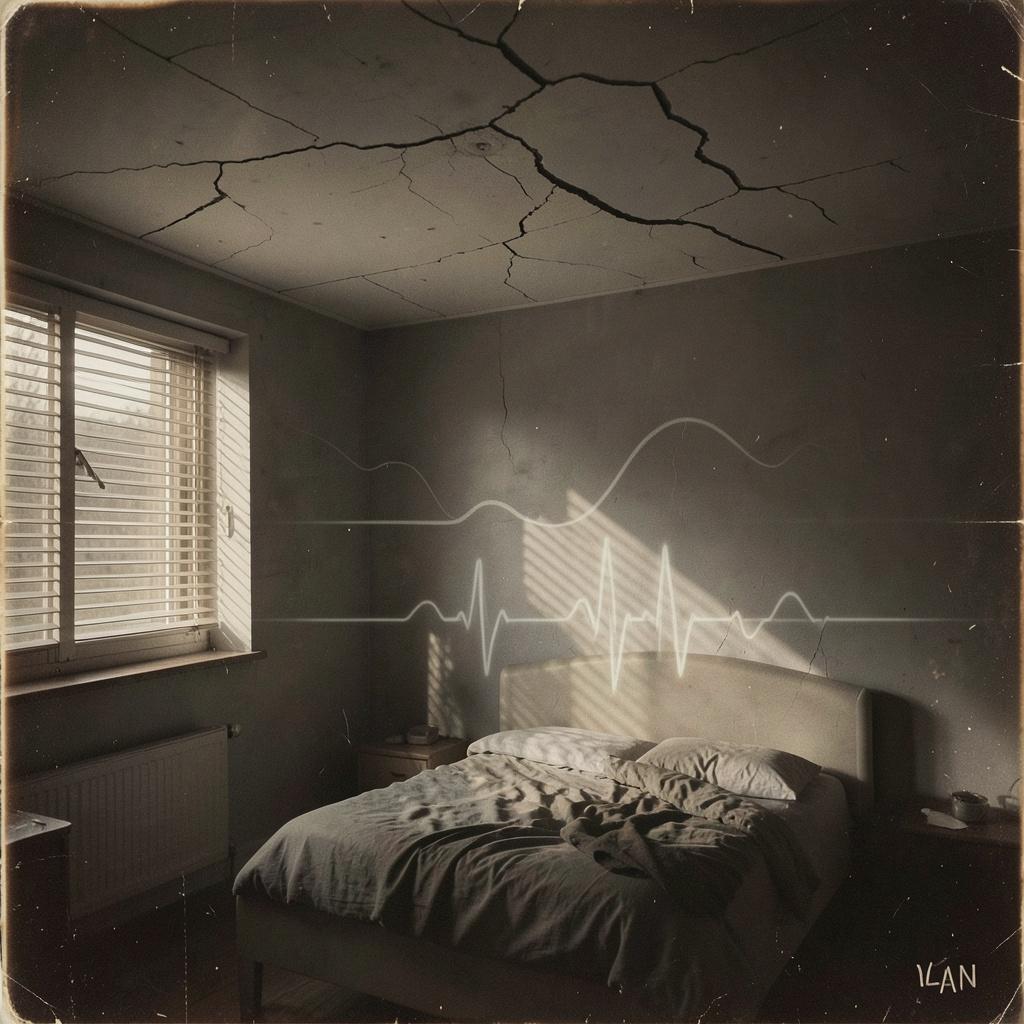
Southern Gothic minimalism at 84 BPM in A minor fused with subtle industrial tension, Baritone ukulele drives a muted, steady pulse while mandolin adds percussive lift, A glitchy, off-grid tick replaces traditional banjo feel, acting as an unstable timekeeper, Sub bass pulses like a distorted heartbeat beneath filtered static and reversed textures, creating constant unease, Dobro provides sparse, haunting melodic responses, Vocals are close-mic’d and conversational, sitting slightly behind the beat in verses, expanding into a controlled mixed voice in choruses with light saturation, Whisper doubles and detuned layers emerge in later sections, adding psychological depth, The arrangement remains restrained, letting repetition and texture build pressure as the song moves from subtle discomfort to intrusive, inescapable internal noise
4:02
Just One More
v5.5
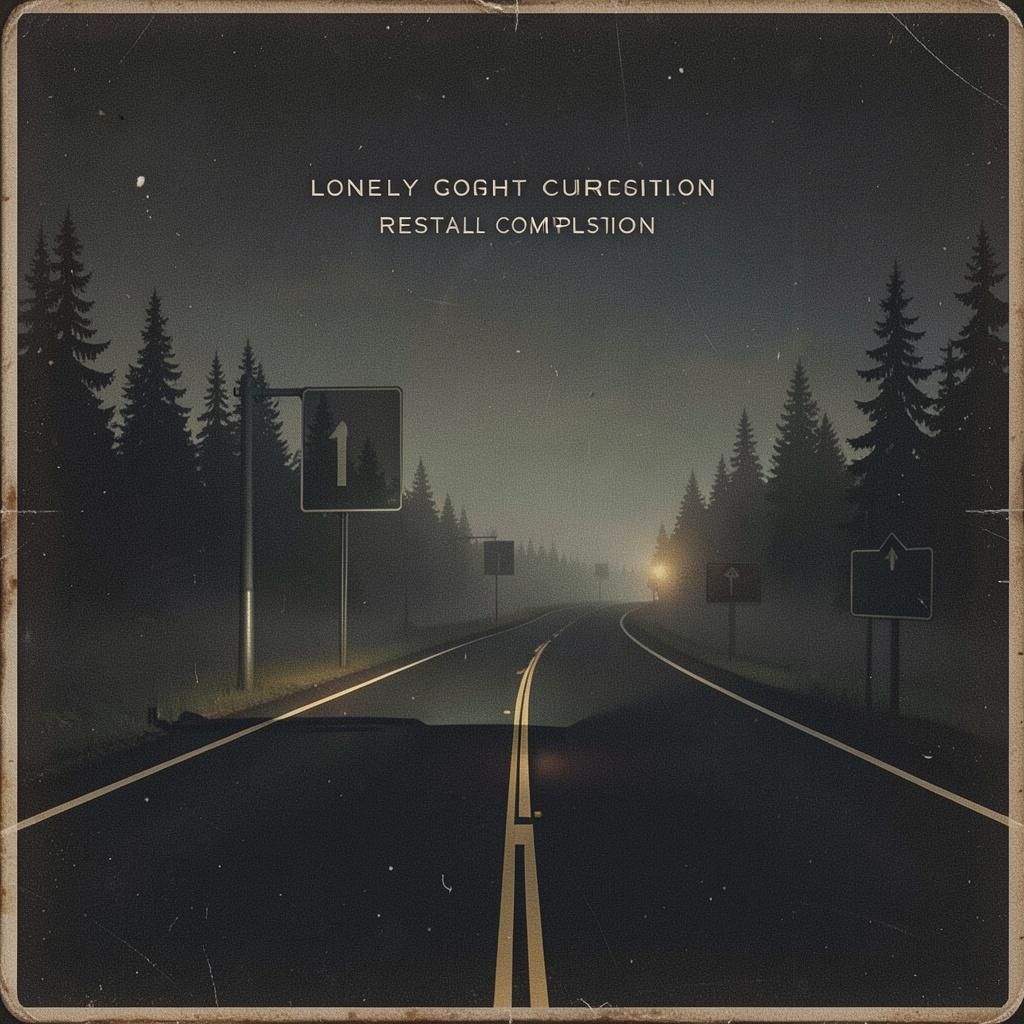
Southern Gothic minimalism at 86 BPM in A minor, blending Appalachian textures with a restrained electronic undercurrent, Baritone ukulele provides a muted, steady pulse while mandolin adds percussive lift and banjo functions as a ticking clock of tension, Sub bass and filtered pads create a low, breathing atmosphere that subtly intensifies, Dobro acts as the emotional voice, sparse and expressive, with reversed swells in the bridge adding an eerie, psychological edge, Vocals are close-mic’d and conversational in the verses, sitting slightly behind the beat, expanding into a controlled mixed voice in the choruses with light grit, Harmony stacking and whisper doubles appear late to heighten unease, The arc moves from casual rationalization to loss of control, culminating in a haunting internal dialogue that blurs the line between choice and compulsion
3:37

Dirt on My Hands
v5.5
A gritty fusion of Appalachian string band interplay and boom bap rhythm, driven by mandolin chop and banjo roll locked against a steady hip hop drum pocket, Fiddle carries the emotional weight, swelling between phrases while a low-gain electric guitar adds subtle grunge tension, The groove stays tight and forward, avoiding swing in favor of urgency, Vocals sit on top of the beat with a strained, southern-tinged delivery—controlled in verses, pushed and cracking in choruses, The production favors space, texture, and imperfection: light tape grit, room tone, and minimal layering, Emotion builds from grounded realism to raw confession, maintaining restraint rather than explosive release
4:03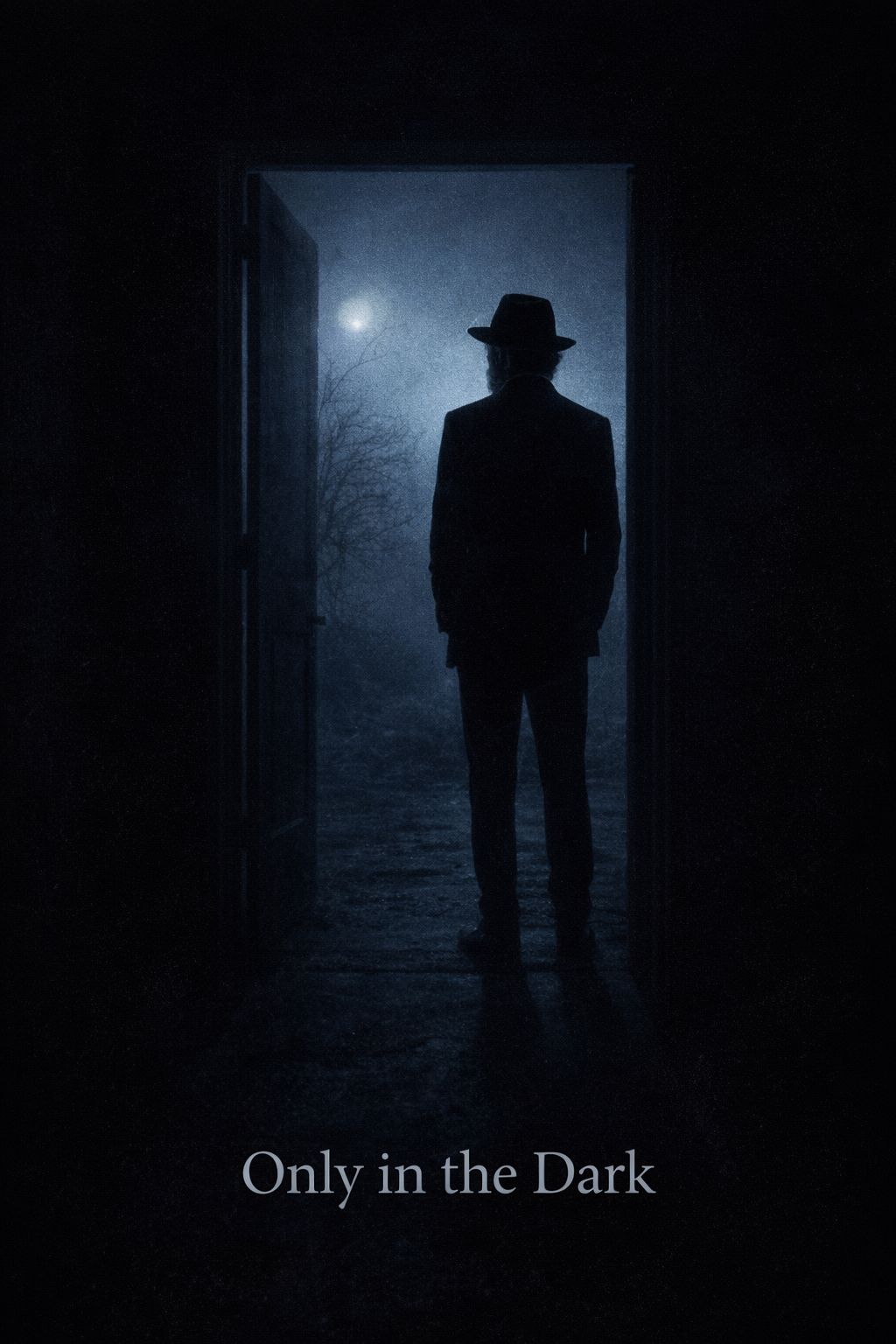
Only in the Dark
v5.5
This track leans fully into hypnotic minimalism, prioritizing mood over narrative, A reverb-soaked electric guitar creates a wide, empty space, with long sustains and sparse phrasing, The arrangement is intentionally restrained—no full drum kit, only subtle pulse if needed—allowing silence and decay to carry emotional weight, Vocals are slow, breathy, and slightly distant, with extended notes and minimal lyrical density to enhance the haunting feel, The song avoids resolution, instead looping emotional tension through repetition, The result is intimate yet detached, like a late-night confession that disappears by morning—moody, cinematic, and deeply atmospheric
4:03
Southern Gothic Appalachian gospel fusion at 86 BPM in A minor, Sparse, intimate production with subtle electronic undercurrent, Mandolin provides tight percussive rhythm, opening in choruses; banjo acts as a faint ticking texture, Dobro carries a repeating motif as the emotional voice, Sub bass is warm and restrained with slight saturation in final sections, EDM elements remain minimal—filtered pads, soft swells, and gentle sidechain pulse, Vocals are bari-tenor, close-mic, moving from restrained mid-range verses to mixed-voice choruses with controlled grit and emotional lift, Add whisper doubles under hooks and light harmony stacking in later choruses, Arc builds from numb restraint to pleading release
3:56

Lay It Down
v5.5
"Lay It Down” marks the emotional turning point of Act II, where misplaced guilt is finally set aside in favor of honest boundaries, Set in E minor, the song introduces firmer footing and forward motion while maintaining the album’s restrained Appalachian swing-blues aesthetic, Acoustic guitar and upright bass provide a steady, grounded foundation, with mandolin, banjo, and fiddle appearing sparingly to support clarity rather than tension, The vocal delivery is calm and resolute, rejecting self-erasure without slipping into blame or anger, Lyrically, the song distinguishes accountability from over-ownership, framing love as something that requires truth to survive, “Lay It Down” is not an ending, but the first moment of standing upright—allowing what follows to be real rather than merely endured
3:22

A grounded folk-blues track marking the beginning of emotional reorientation, Set in G minor at 74 BPM, “Still Standing Here” introduces gentle forward motion through soft fingerpicked baritone ukulele, warm low-end support, and understated percussion, Vocals are delivered in a low baritone with calmer breath and reduced strain, signaling stability rather than victory, The arrangement stays warm and restrained, avoiding dramatic lift or resolution, Lyrically and sonically, the song reflects quiet resilience—the realization that standing one’s ground is enough to continue, This track opens Act III by shifting the album from collapse into steady, self-directed movement