AtlasIKA 4
Musical Atlas continues its journey across the world, exploring not only countries but also the unique regions, cultures, and musical traditions that live within them.
·

39 songs
3:29
4:27
Traditional Malian Mandé music, 88 BPM, deeply rooted in griot traditions, Featuring kora as main instrument with intricate patterns, supported by ngoni and calabash percussion, Organic acoustic arrangement, hypnotic and flowing, no modern pop production, Structure designed for ~5 minutes: intro, extended verses, repeated choruses, instrumental kora section, bridge, and outro, Female vocal: expressive West African female voice, warm and deep tone, natural vibrato, fluid phrasing, emotional storytelling delivery, Atmosphere: river, sunset, ancestral, spiritual, calm and immersive, deeply human and timeless
4:12
Traditional Micronesian island music fused with cinematic ambient world music, Expressive female lead vocals with a warm, natural, emotional tone, supported by mixed-gender community harmonies and call-and-response chanting, Rhythmic wooden stick percussion, hand drums, body percussion, bamboo flutes, conch shell calls, acoustic guitar, and soft marimba create an organic island groove, Ocean-inspired soundscapes evoke ancestral navigation, tropical lagoons, starlit voyages, and Pacific cultural heritage, The arrangement grows from intimate storytelling into powerful communal choruses, Spiritual, uplifting, immersive, authentic, deeply connected to Micronesian traditions, family, community, and the enduring memory of the sea
5:14
Traditional Burmese Mahagita classical music, very slow tempo (60–75 BPM), female lead vocal, soft, airy, emotional, delicate vibrato, no modern pop influence, Authentic Myanmar instruments: saung gauk (Burmese harp) lead, bamboo flute (hne), very light traditional percussion, subtle bells, Spacious arrangement with long instrumental sections, extended intro and outro to reach 5+ minutes, Gradual build, minimal at start, more depth over time, Vocal style: pure, expressive, intimate, gentle phrasing, natural traditional ornamentation, no belting, light reverb, temple-like acoustic space, Structure: intro, verse, instrumental, verse, chorus, long instrumental, verse, chorus, bridge, extended solo, final chorus, long outro, Mood: serene, nostalgic, melancholic, timeless, deeply cultural, Avoid modern drums, electronic elements, autotune, fast tempo
3:07
traditional Namibian tribal music, 78 BPM, female lead vocal, call-response choir, hand drums, djembe percussion, wooden percussion, clapping rhythms, subtle rattles, layered polyrhythms, deep tribal groove, hypnotic repetition, gradual build, extended drum break, long outro fade, tape saturation, room reverb, distant chant intro, ancestral ritual, spiritual communal
3:42
Traditional Micronesian (Nauru-inspired) island music, slow tempo (65–85 BPM), female lead vocal with soft communal choir, Oceanic, fluid, spiritual atmosphere, no modern pop influence, Minimal instrumentation: gentle hand percussion, wooden hits, soft rhythmic clapping, subtle shell or water-like sounds, Focus on vocal harmonies and wave-like phrasing, Repetitive melodic patterns to extend duration beyond 5 minutes, Light, airy textures, natural acoustic feel, Structure: intro chant, verse, chorus, vocal layering, instrumental break, verse, chorus, bridge, extended vocal harmonies, final chorus, long fading outro, Mood: peaceful, oceanic, spiritual, communal, ancestral, flowing, Avoid electronic elements, heavy drums, synths, autotune, western pop structure
4:41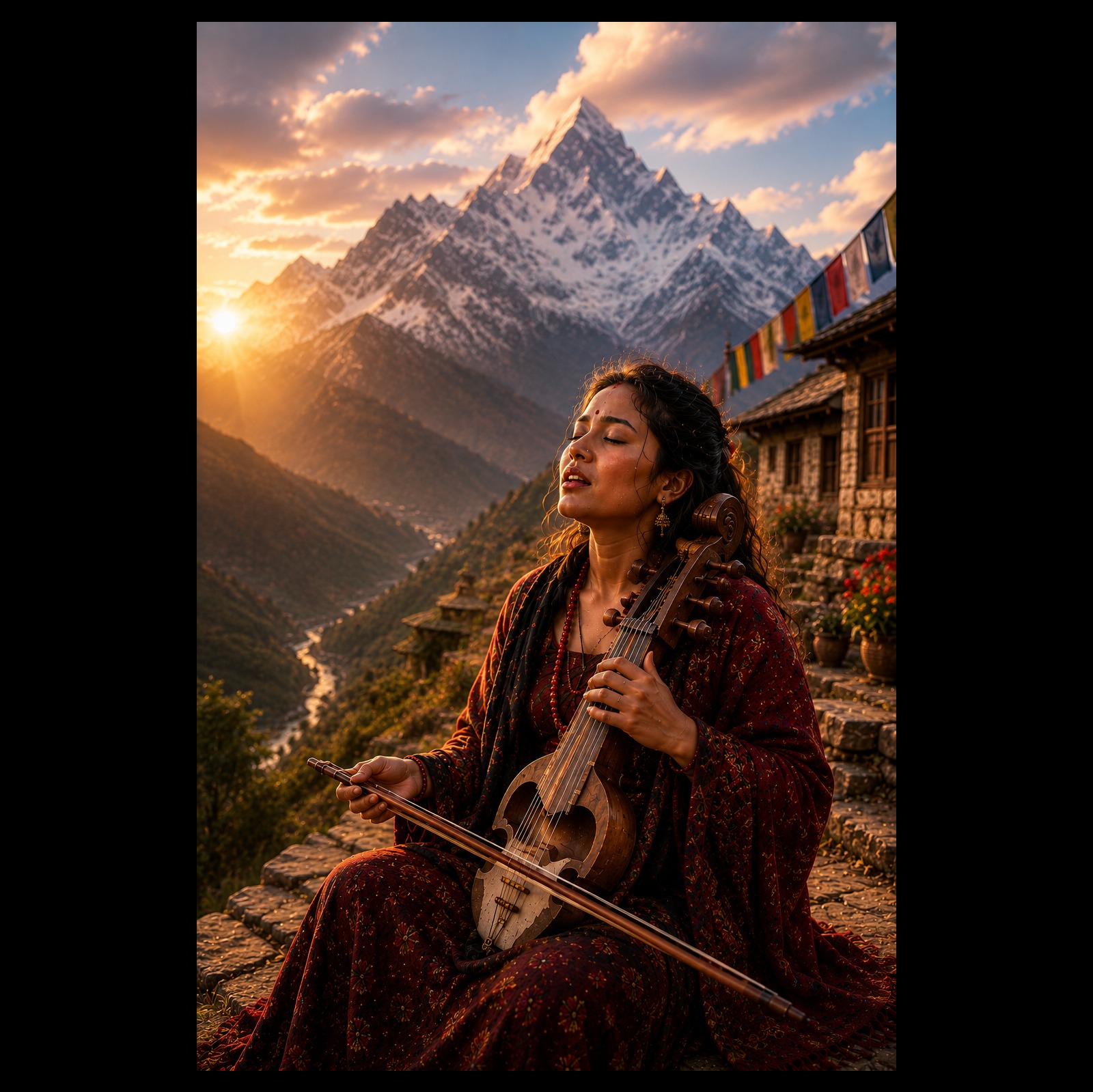
Traditional Nepali folk music, slow to mid tempo (70–90 BPM), female lead vocal, soft, emotional, expressive with gentle vibrato, Authentic Himalayan instruments: sarangi (lead), bansuri flute, madal drum, light acoustic strings, Warm, organic sound, no modern pop influence, Melodic and flowing, gradual build with instrumental passages to reach 5+ minutes, Emphasis on emotional storytelling and natural acoustic space, Structure: intro, verse, chorus, instrumental, verse, chorus, bridge, instrumental solo, final chorus, outro, Mood: nostalgic, romantic, peaceful, mountainous, spiritual, Avoid electronic sounds, heavy bass, autotune, western pop structure
3:46
Traditional Nicaraguan folk ballad, authentic Nicaraguan female folk singer, warm expressive female vocals, gentle emotional delivery, natural human voice, marimba de arco, acoustic guitar, soft maracas, subtle traditional percussion, warm natural vibrato, rural Nicaragua atmosphere, heartfelt storytelling, organic acoustic recording, traditional Son Nica influences, rich cultural authenticity, intimate village ambiance, live folk ensemble, human imperfections, no commercial pop sound, no modern production
Authentic Nicaraguan female folk singer, mature female voice, natural pronunciation, traditional folk singing style
3:19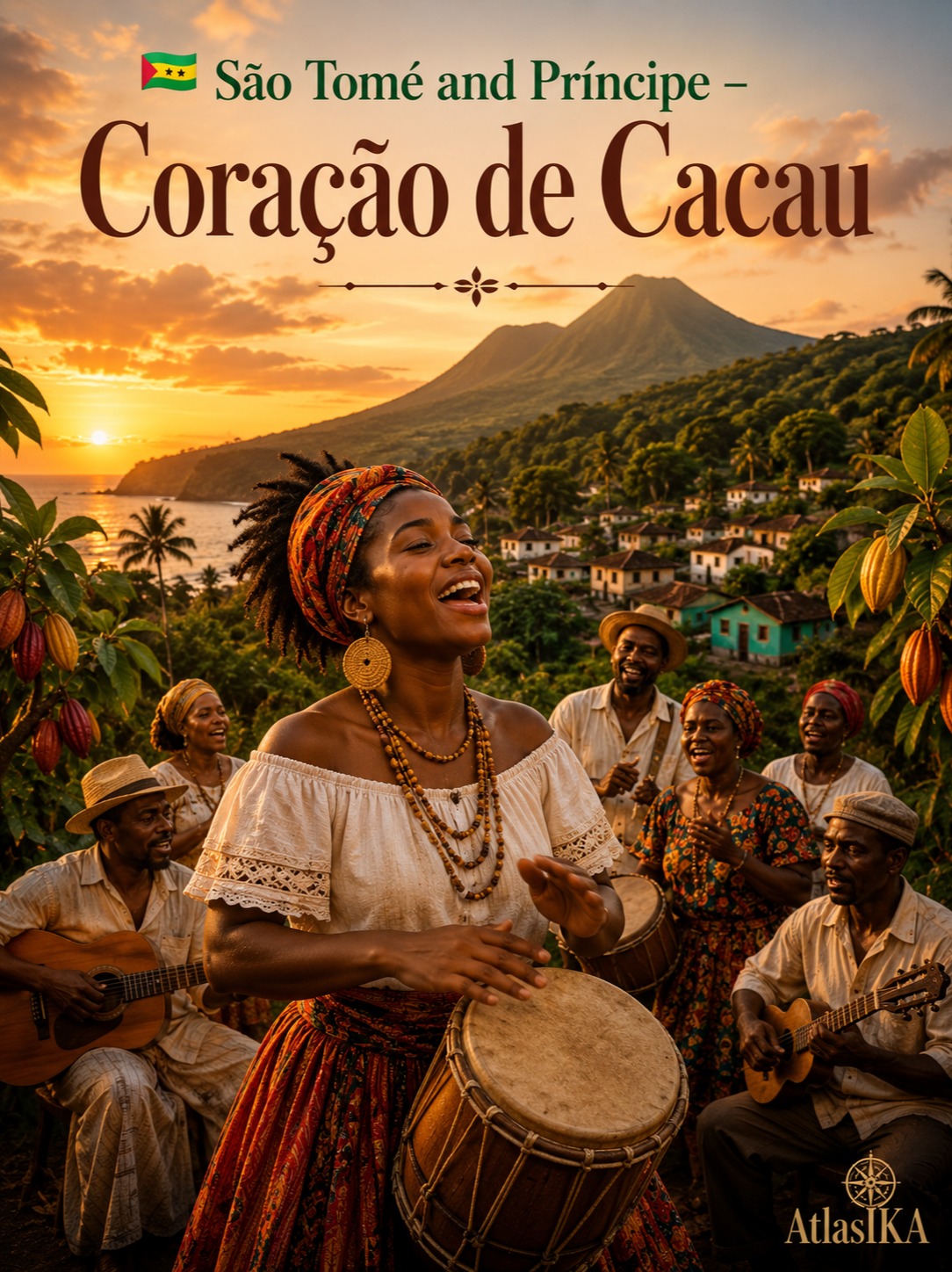
Traditional São Toméan Ússua and Socopé folk music, warm female lead vocal with community response choir, authentic Lusophone African folk style, expressive female singer, acoustic guitars, traditional drums, hand percussion, shakers, rich rhythmic groove, cocoa plantation atmosphere, volcanic island landscapes, tropical African heritage, joyful and nostalgic mood, communal singing, organic live ensemble, cultural storytelling, warm island spirit, extended instrumental sections, natural human voice, no modern pop, no EDM, no trap, no autotune, no electronic production
3:14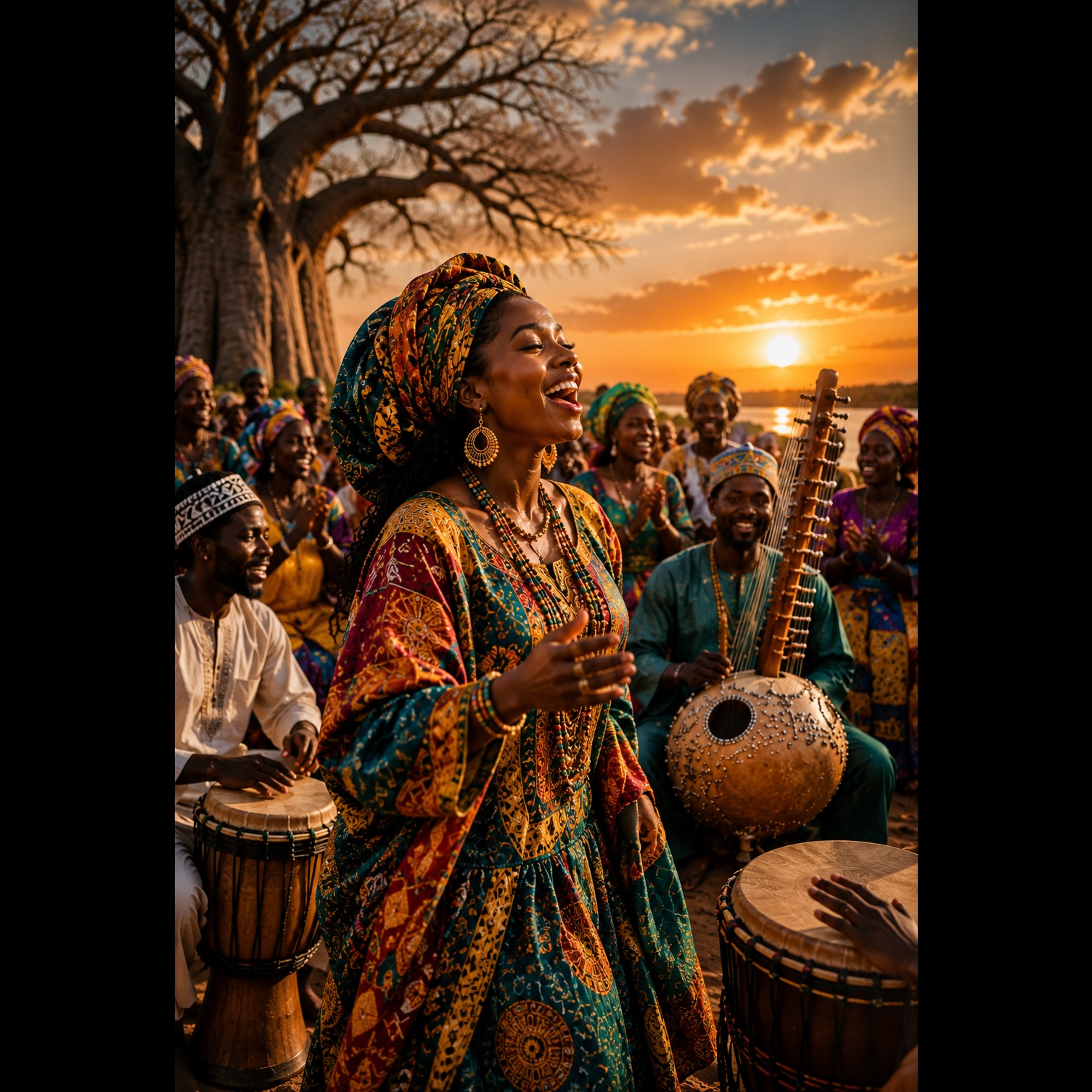
Traditional Senegalese mbalax style, mid tempo (95–115 BPM), female lead vocal with call and response chorus, Energetic, rhythmic, cultural, no modern pop, Authentic instruments: sabar drums, kora, percussion, clapping, Complex rhythmic patterns, lively groove, Gradual build with extended percussion and instrumental sections to reach 5+ minutes, Strong rhythmic drive, Vocal style: expressive, bright, energetic, communal feel, Structure: intro, verse, chorus, instrumental, verse, chorus, bridge, extended rhythm, final chorus, outro, Mood: vibrant, joyful, spiritual, cultural, powerful, Avoid electronic sounds, autotune, heavy bass, modern club production
3:19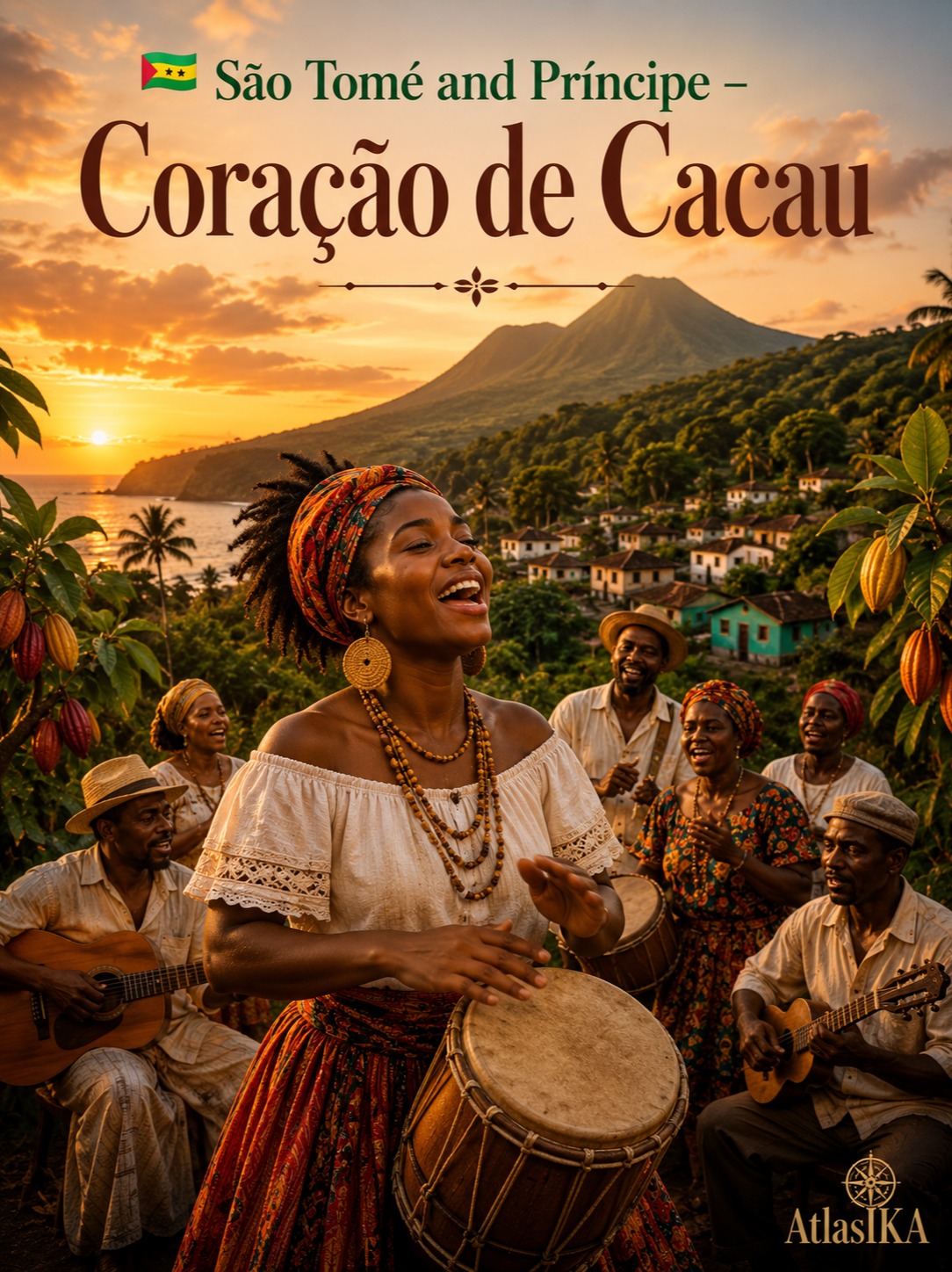
Traditional São Toméan Ússua and Socopé folk music, warm female lead vocal with community response choir, authentic Lusophone African folk style, expressive female singer, acoustic guitars, traditional drums, hand percussion, shakers, rich rhythmic groove, cocoa plantation atmosphere, volcanic island landscapes, tropical African heritage, joyful and nostalgic mood, communal singing, organic live ensemble, cultural storytelling, warm island spirit, extended instrumental sections, natural human voice, no modern pop, no EDM, no trap, no autotune, no electronic production
4:52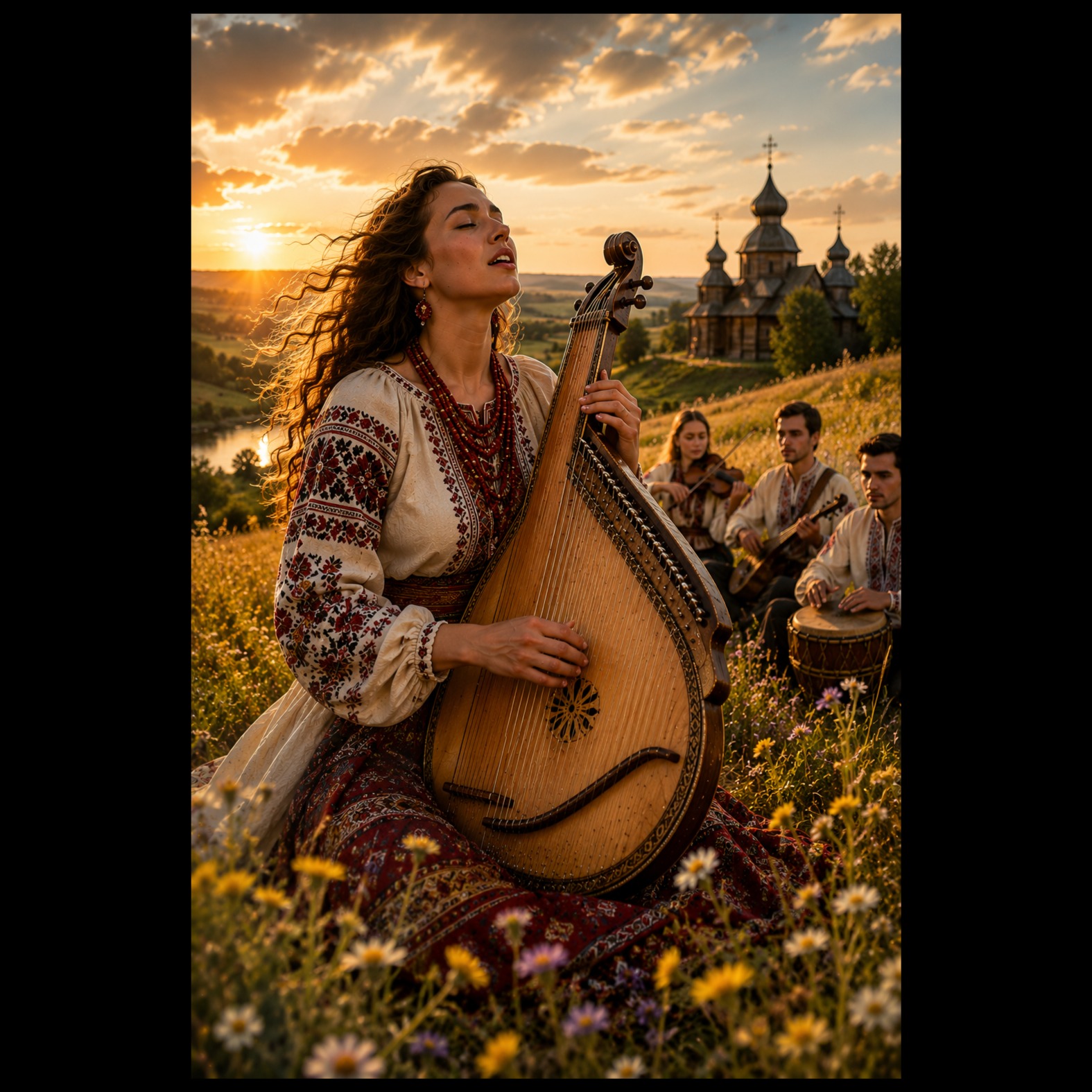
Traditional Ukrainian folk music, 84 BPM, inspired by lyrical dumy and village singing traditions, Featuring bandura as main instrument, supported by violin and soft drone textures, Organic acoustic arrangement, emotional and melodic, no modern pop production, Structure designed for ~5 minutes: intro, extended verses, repeated choruses, instrumental section, bridge, and outro, Female vocal: expressive Ukrainian female voice, clear and slightly bright tone, controlled vibrato, strong projection, emotional and lyrical delivery, Atmosphere: open fields, wind, nostalgia, poetic and heartfelt, slightly epic but intimate
3:28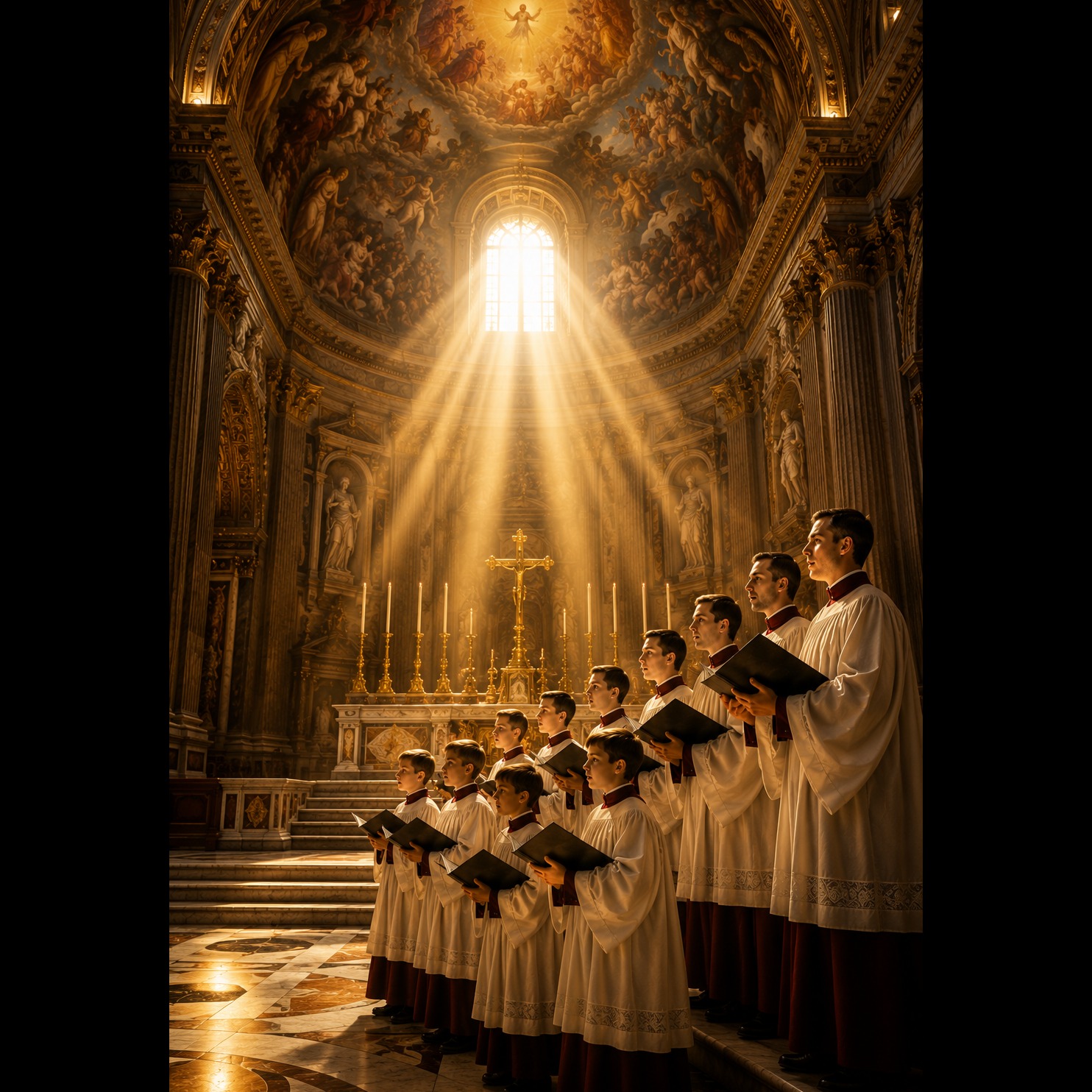
Traditional Gregorian chant, Vatican sacred music, Sistine Chapel inspired acoustics, Cappella Musicale Pontificia style, male choir and boys choir, all male voices, Latin liturgical chant, unaccompanied a cappella singing, pure ecclesiastical vocal blend, solemn and prayerful atmosphere, long natural cathedral reverberation, Renaissance sacred ambiance, flowing chant phrasing, highly reverent and spiritual, monophonic Gregorian foundations with subtle sacred harmonization, crystal clear Latin diction, majestic yet humble, contemplative and transcendent, dynamic growth from intimate prayer to full choir, extended reverberant pauses, authentic church acoustics, sacred Catholic worship tradition, no instruments, no percussion, no orchestra, no cinematic scoring, no modern harmony, no electronic sounds, no pop elements, no drums, no synthesizers, no contemporary production
4:07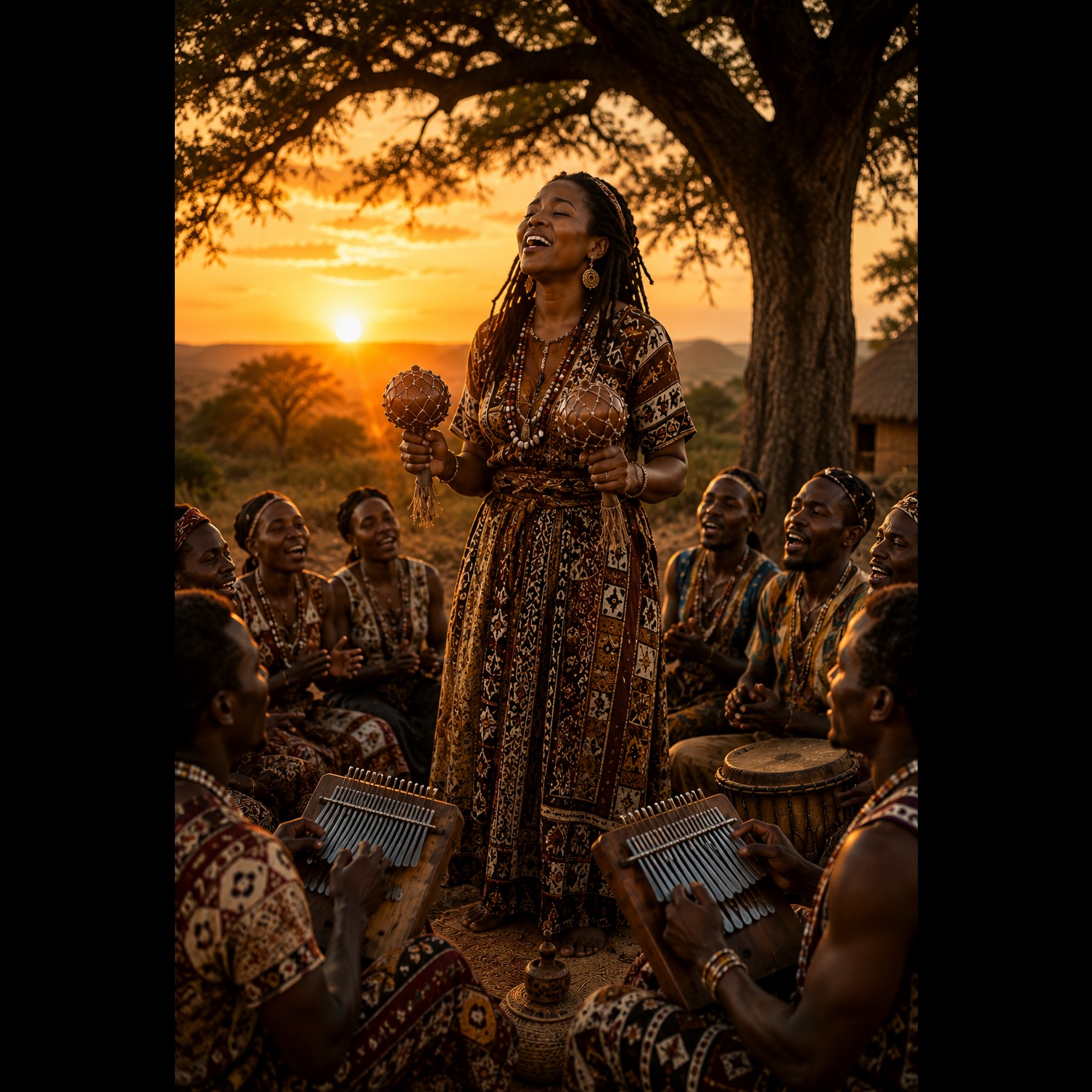
Traditional Zimbabwean Shona mbira music, mid tempo (85–105 BPM), female lead vocal with call and response chorus, Hypnotic, spiritual, no modern pop, Authentic instruments: mbira (thumb piano), hosho rattles, light percussion, clapping, Repetitive cyclical patterns, Gradual build with layered rhythms and extended instrumental sections to reach 5+ minutes, Trance-like feel, Vocal style: expressive, natural, slightly airy, communal harmonies, Structure: intro, verse, chorus, instrumental, verse, chorus, bridge, extended mbira layering, final chorus, outro, Mood: spiritual, hypnotic, ancestral, warm, immersive, Avoid electronic sounds, autotune, heavy bass, modern pop production
5:12
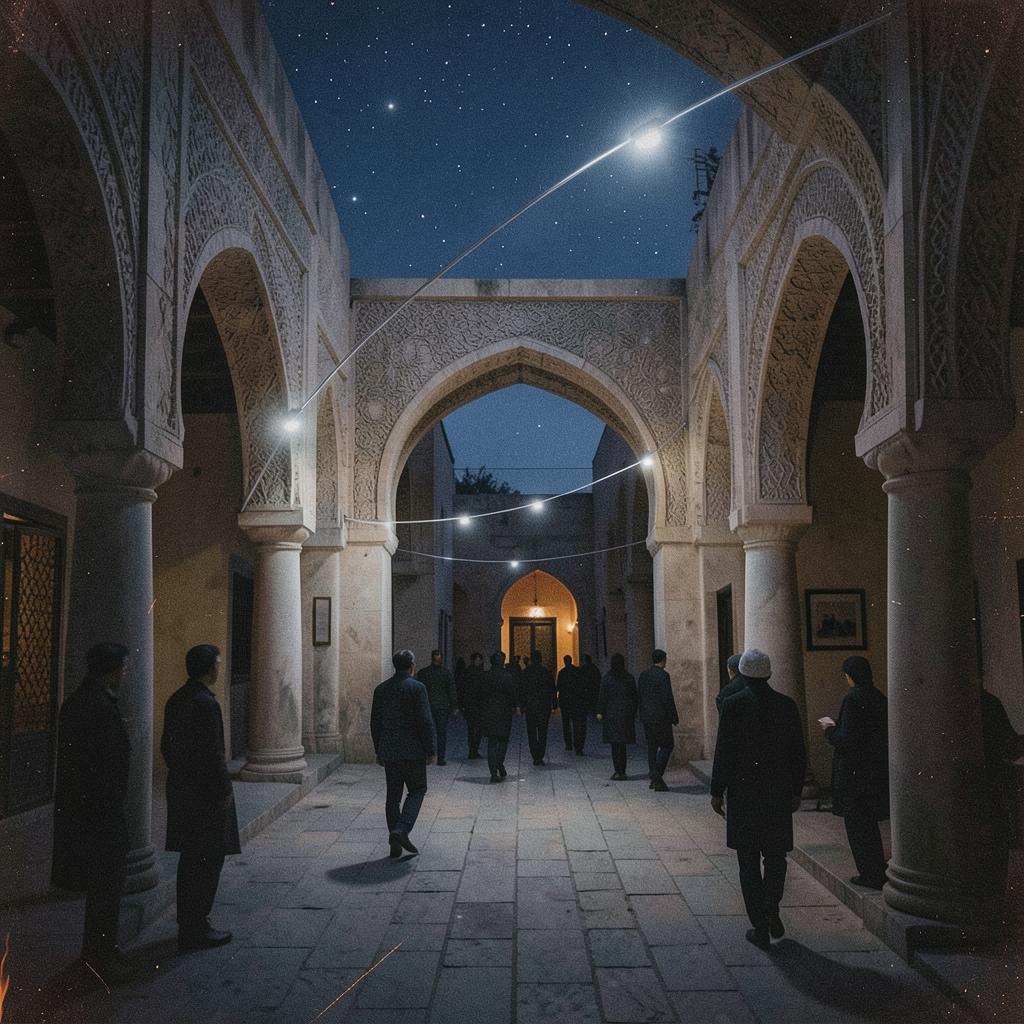
Traditional Yemeni Ṣanʿānī folk song from Sana'a urban heritage, moderate cyclical tempo with a steady hypnotic pulse, authentic instrumentation only: qanbūs as the central melodic anchor, light frame drum entering gradually, occasional restrained hand claps, female lead vocal with intimate, poised delivery and subtle ornamentation, expressive but controlled tone conveying patience and quiet perseverance, repetition-based structure with gradual variation, extended instrumental passages, live acoustic room feel with natural resonance and human timing, long-form structure around six minutes, no modern elements, no fusion, no cinematic treatment, ‑EDM, ‑pop, ‑cinematic, ‑electronic, ‑club soca, ‑modern carnival, ‑orchestral pads
5:53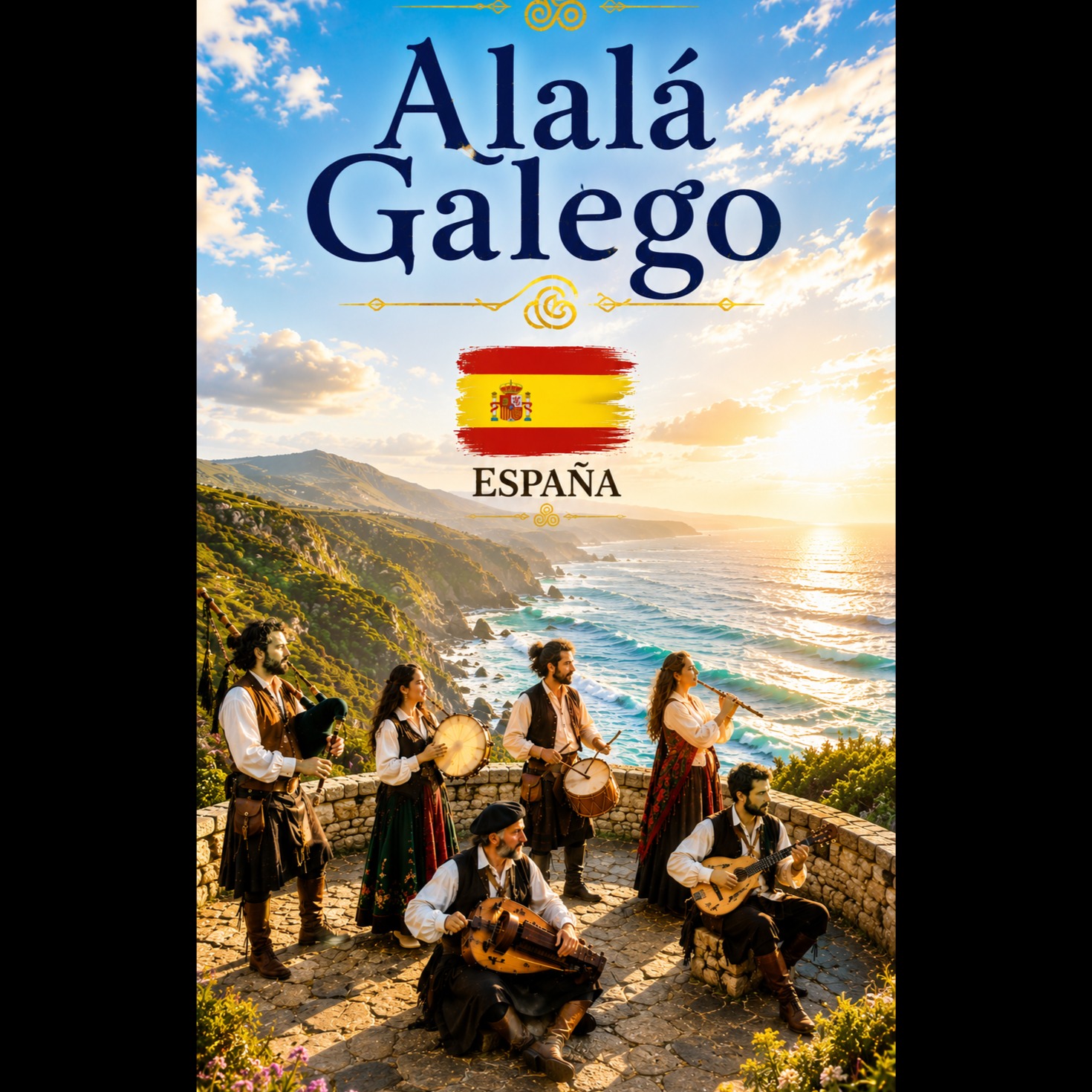
Traditional Galician alalá rooted in ancient Celtic Galicia, performed at a slow free-flowing tempo around 60 BPM with flexible phrasing and no rigid rhythm, Leading gaita galega carries the main melodies throughout the song with expressive ornamentation and sustained drones, Heartfelt Galician male vocals in warm baritone register, mature timbre, natural vibrato, intimate storytelling delivery, and authentic rural singing style filled with saudade, Organic acoustic production featuring soft pandeireta, gentle tamboril, deep bombo galego, subtle requinta flute responses, and continuous zanfona drones, Natural reverberation inspired by stone churches and Atlantic landscapes, Gradual emotional crescendos from intimate verses to communal choruses, Raw human performance, no modern processing, preserving ancestral Galician spirit, ocean winds, misty mountains, and memories of migration and homeland, ‑EDM, ‑trap, ‑pop, ‑autotune, ‑electronic beats, ‑synthesizer leads, ‑heavy drums, ‑electric guitar solos, ‑cinematic trailer music, ‑orchestral soundtrack, ‑reggaeton, ‑hip hop, ‑modern dance production
4:51
Traditional Georgian folk music, 74 BPM, inspired by polyphonic vocal traditions, Featuring panduri (three-string lute) and soft drone textures, with layered backing female voices creating gentle polyphony, Organic acoustic arrangement, minimal and vocal-driven, no modern pop production, Structure designed for ~5 minutes: intro, extended verses, repeated choruses, vocal polyphonic section, bridge, and outro, Female vocal: expressive Georgian female lead voice, clear and emotional tone, controlled vibrato, supported by soft layered harmonies, spiritual and immersive delivery, Atmosphere: mountains, ancient churches, mist, sacred and emotional, deeply atmospheric and timeless
5:07
Traditional Russian folk-inspired music, 76 BPM, rooted in Slavic melodies and minor scales, Featuring balalaika as main instrument, supported by accordion, soft strings, and subtle low percussion, Organic acoustic arrangement, deep and emotional, no modern pop production, Structure designed for ~5 minutes: intro, extended verses, repeated choruses, instrumental balalaika/accordion section, bridge, and outro, Female vocal: expressive Russian female voice, rich and slightly dark tone, controlled vibrato, strong emotional delivery, with occasional layered harmonies for a subtle choral feel, Atmosphere: cold winter night, vast landscapes, nostalgic, melancholic, introspective, slow emotional build with depth and gravity
4:45
Traditional Tatar folk music from Kazan, 90 BPM, influenced by Turkic melodies and pentatonic phrasing, Featuring kubyz (jaw harp) and dombra-style lute as main instruments, supported by kurai flute and light frame drum percussion, Organic acoustic arrangement, rhythmic yet flowing, no modern pop production, Structure designed for ~5 minutes: intro, extended verses, repeated choruses, instrumental kubyz/kurai section, bridge, and outro, Female vocal: expressive Tatar female voice, clear and slightly nasal tone, agile melodic ornamentation, subtle vibrato, emotional but controlled delivery, Atmosphere: steppe wind, open landscapes, cultural depth, nostalgic yet alive, warm and flowing with a subtle hypnotic feel
4:18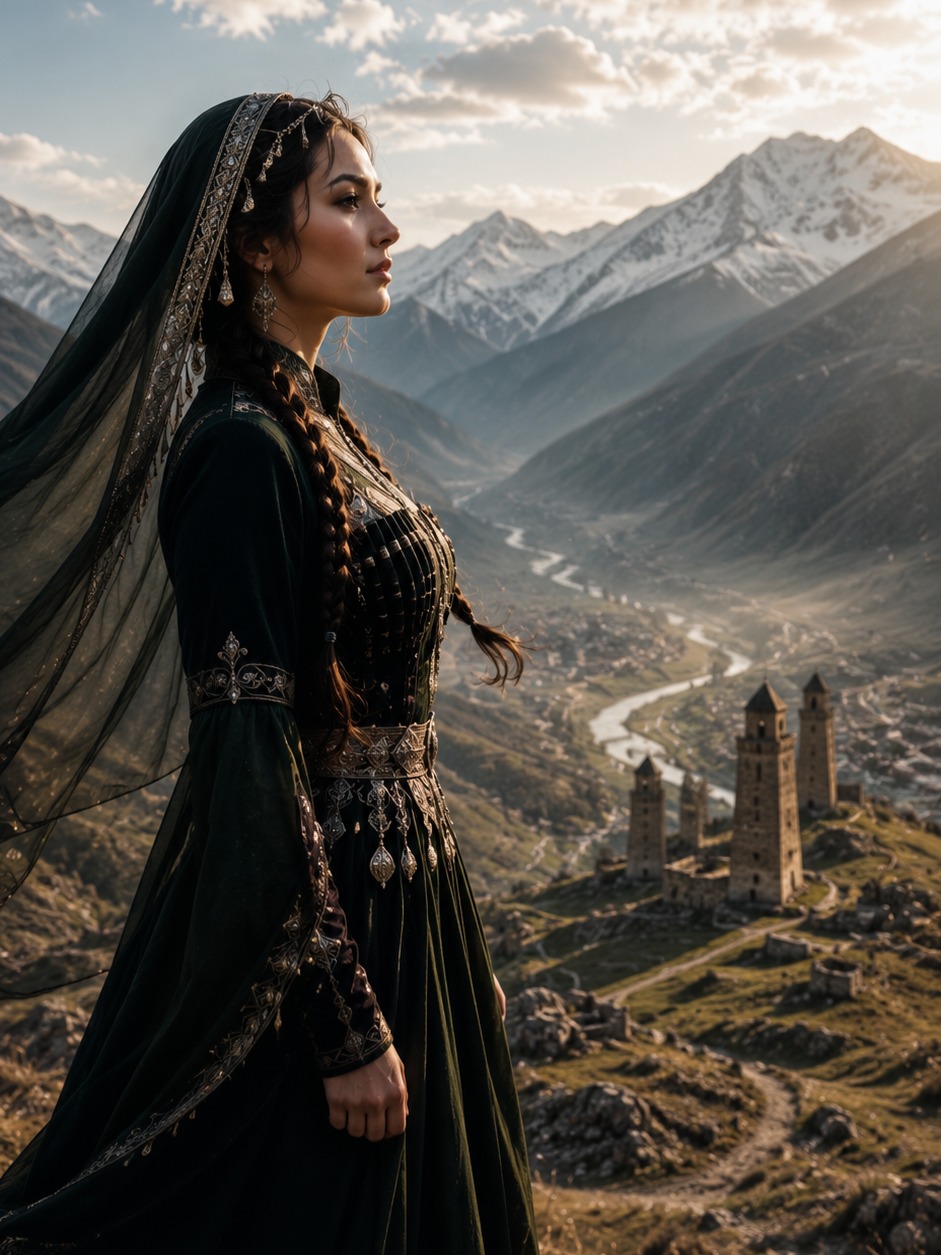
Traditional Chechen folk-inspired music, 104 BPM, influenced by Caucasian dance rhythms (lezginka feel), Featuring accordion and zurna-style wind melodies, supported by strong frame drum and hand percussion patterns, Organic acoustic arrangement, rhythmic and intense but controlled, no modern pop production, Structure designed for ~5 minutes: intro, extended verses, repeated choruses, instrumental dance section, bridge, and outro, Female vocal: strong Chechen female voice, clear and powerful tone, precise phrasing, minimal vibrato, emotional but dignified delivery, Atmosphere: mountain landscape, cultural pride, strength and memory, energetic yet grounded, dramatic and powerful
4:55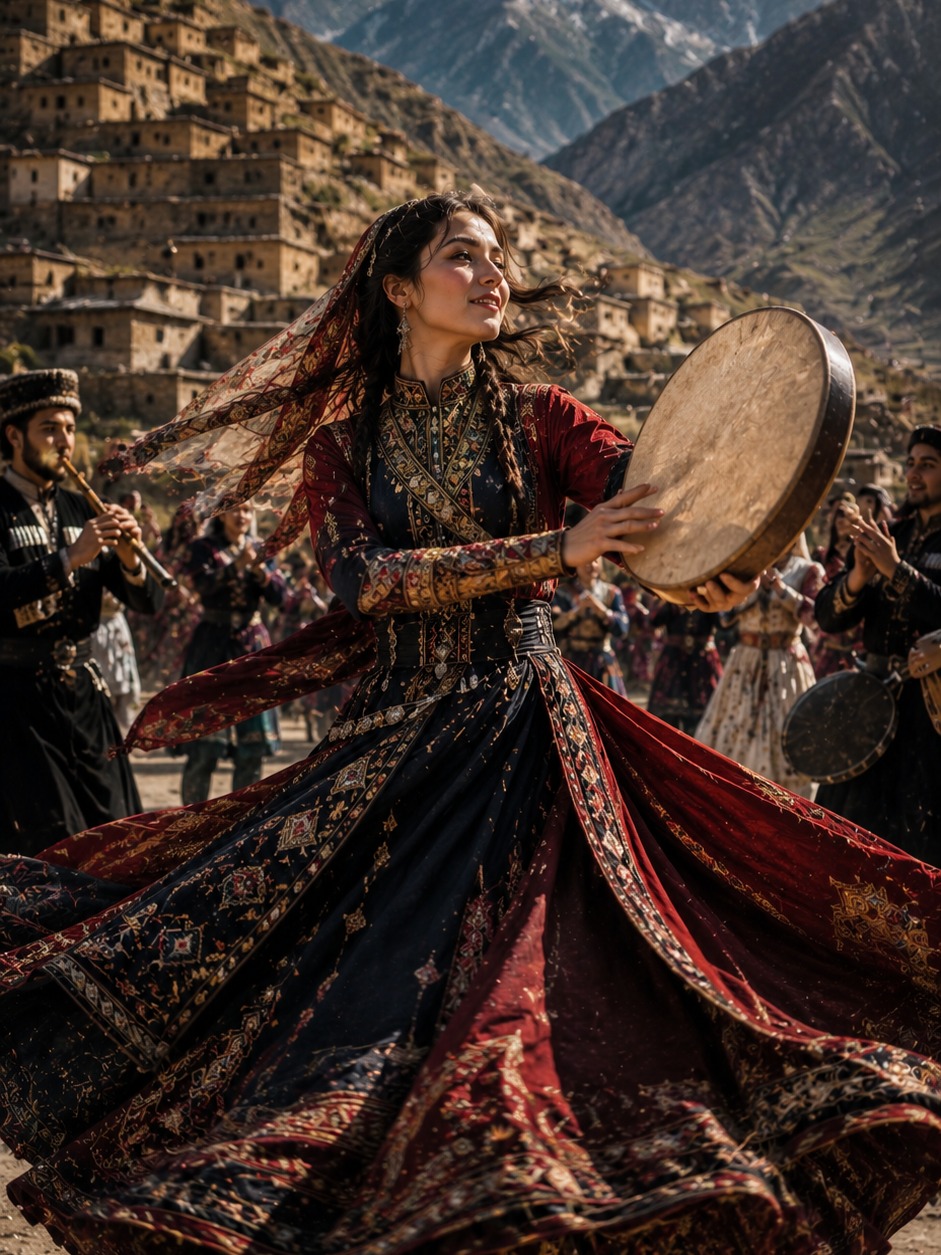
Traditional Dagestani folk music, 108 BPM, inspired by Caucasian lezginka rhythms, Featuring zurna-style wind melodies and accordion as main instruments, supported by strong frame drum and hand percussion patterns, Organic acoustic arrangement, energetic and rhythmic, no modern pop production, Structure designed for ~5 minutes: intro, extended verses, repeated choruses, instrumental dance section, bridge, and outro, Female vocal: strong Caucasian female voice, clear and powerful tone, precise articulation, minimal vibrato, emotional but dignified delivery, Atmosphere: mountain energy, cultural pride, fast rhythm, powerful and grounded, dramatic but controlled intensity
4:57
Traditional Tuvan folk music, 82 BPM, inspired by Central Asian nomadic traditions and pentatonic melodies, Featuring igil (two-string bowed instrument) and doshpuluur (lute) as main instruments, supported by frame drum and subtle drone textures, Organic acoustic arrangement, spacious and hypnotic, no modern pop production, Structure designed for ~5 minutes: intro, extended verses, repeated choruses, instrumental igil section, bridge, and outro, Female vocal: soft but grounded Tuvan female voice, clear tone, slightly airy, minimal vibrato, smooth melodic phrasing, spiritual and introspective delivery (no throat singing), Atmosphere: vast steppe, wind, open sky, meditative, ancient, deep and timeless
5:04
Traditional Sakha (Yakut) folk music, 70 BPM, inspired by Siberian Arctic traditions and pentatonic melodies, Featuring khomus (jaw harp) and soft string instruments as main elements, supported by subtle frame drum and drone textures, Organic acoustic arrangement, minimalistic and spacious, no modern pop production, Structure designed for ~5 minutes: intro, extended verses, repeated choruses, instrumental khomus section, bridge, and outro, Female vocal: soft Sakha female voice, airy and delicate tone, minimal vibrato, slow phrasing, introspective and almost whisper-like delivery, Atmosphere: frozen landscape, silence, wind, vast snowy fields, mystical, calm, introspective, deeply atmospheric
3:14
Traditional Kalmyk folk music, 78 BPM, ancient Mongolic and Tibetan Buddhist ritual traditions, authentic acoustic arrangement, Featuring emotional morin khuur bowed strings, traditional ikil lute, soft slow frame drum, ceremonial bell textures, and a steady meditative drone, No modern production, no electronic instruments, Slow, hypnotic, circular, and highly meditative structure, Female vocal: soft, calm, steady Kalmyk female voice, minimal vibrato, smooth phrasing, spiritual and introspective delivery, Atmosphere: ancient steppe temple environment, wind whispers, prayer-like, mystical, calm, reflective, timeless
4:13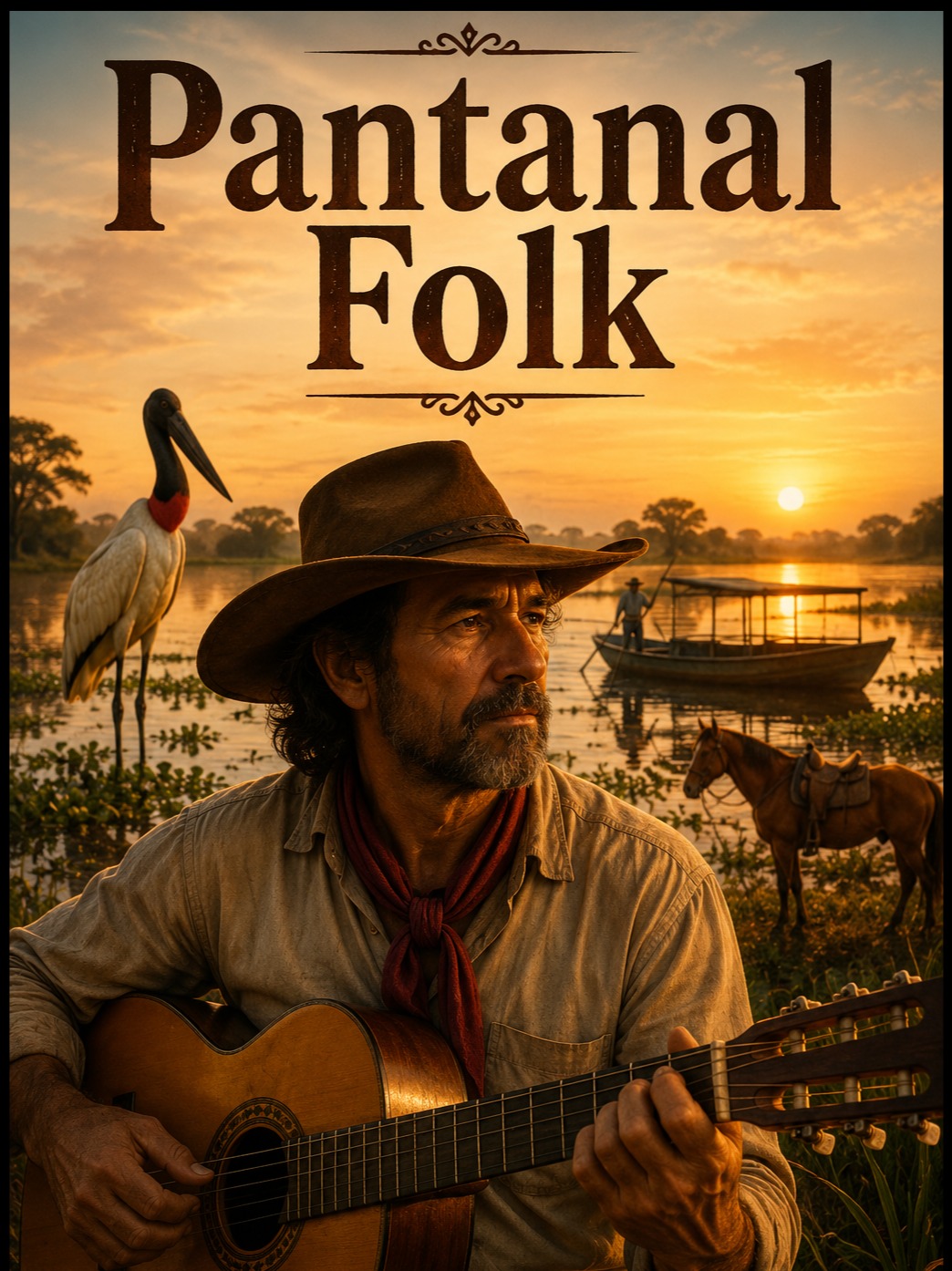
Traditional Pantanal folk, warm male baritone, viola caipira, accordion, guarania, serene wetlands
3:54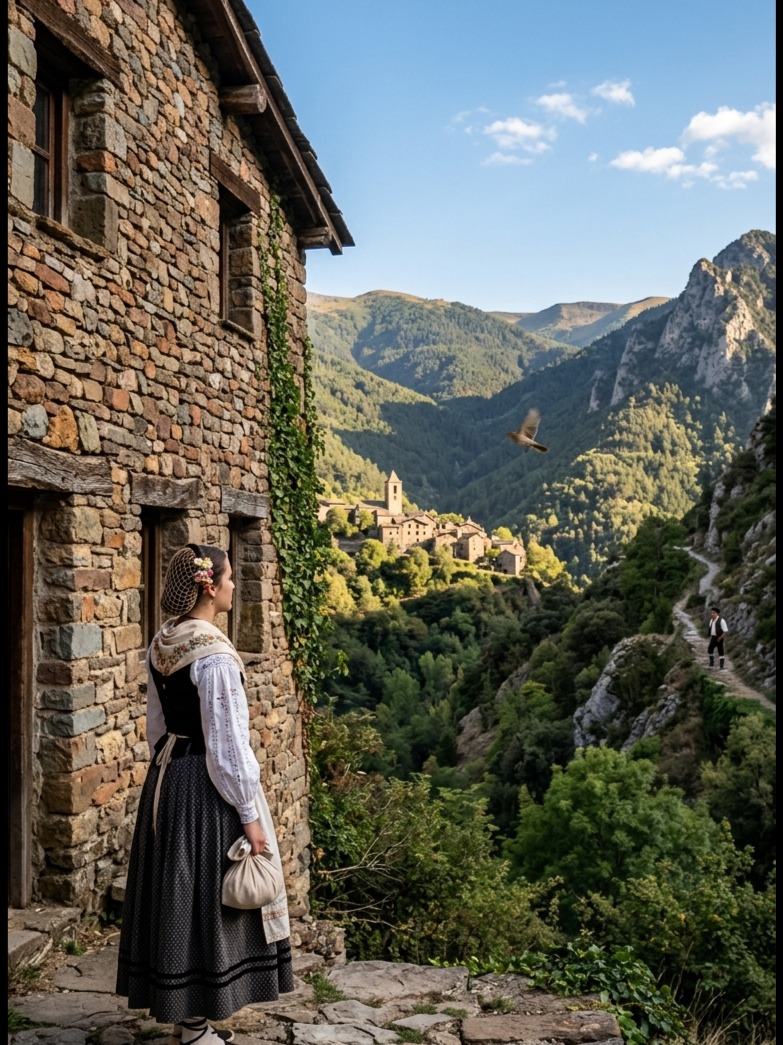
5:12
Authentic Asturian tonada from northern Spain with strong Celtic heritage
5:02
Traditional Azerbaijani music, 88 BPM, influenced by mugham modal system, Featuring tar and kamancha as main instruments, supported by daf frame drum and subtle drone, Organic acoustic arrangement, refined and expressive, no modern pop production, Structure designed for ~5 minutes: intro, extended verses, repeated choruses, instrumental mugham improvisation section, bridge, and outro, Female vocal: expressive Azerbaijani female voice, rich and ornamented tone, controlled vibrato, intricate melismatic phrasing, emotional and elegant delivery, Atmosphere: night, ancient city, intimate, poetic, refined, deep emotional intensity with subtle tension and release
5:22
Traditional Armenian folk music, 76 BPM, influenced by duduk-based melodies and modal scales, Featuring duduk as main instrument with deep emotional tone, supported by kanun, soft percussion, and subtle drone, Organic acoustic arrangement, slow and expressive, no modern pop production, Structure designed for ~5 minutes: intro, extended verses, repeated choruses, instrumental duduk section, bridge, and outro, Female vocal: expressive Armenian female voice, warm and emotional tone, controlled vibrato, ornamented phrasing, deeply melancholic and intimate delivery, Atmosphere: mountains, memory, nostalgia, emotional depth, ancient and heartfelt
5:24
Traditional Karelian folk music, 72 BPM, inspired by runo singing and Nordic-Baltic traditions, Featuring kantele (Finnic zither) as main instrument, supported by soft strings and subtle drone textures, Organic acoustic arrangement, minimal and atmospheric, no modern pop production, Structure designed for ~5 minutes: intro, extended verses, repeated choruses, instrumental kantele section, bridge, and outro, Female vocal: soft Karelian female voice, clear and pure tone, slightly airy, minimal vibrato, gentle phrasing, mystical and introspective delivery, Atmosphere: northern forest, lakes, mist, calm and melancholic, spiritual, slow emotional build, quiet and immersive
4:07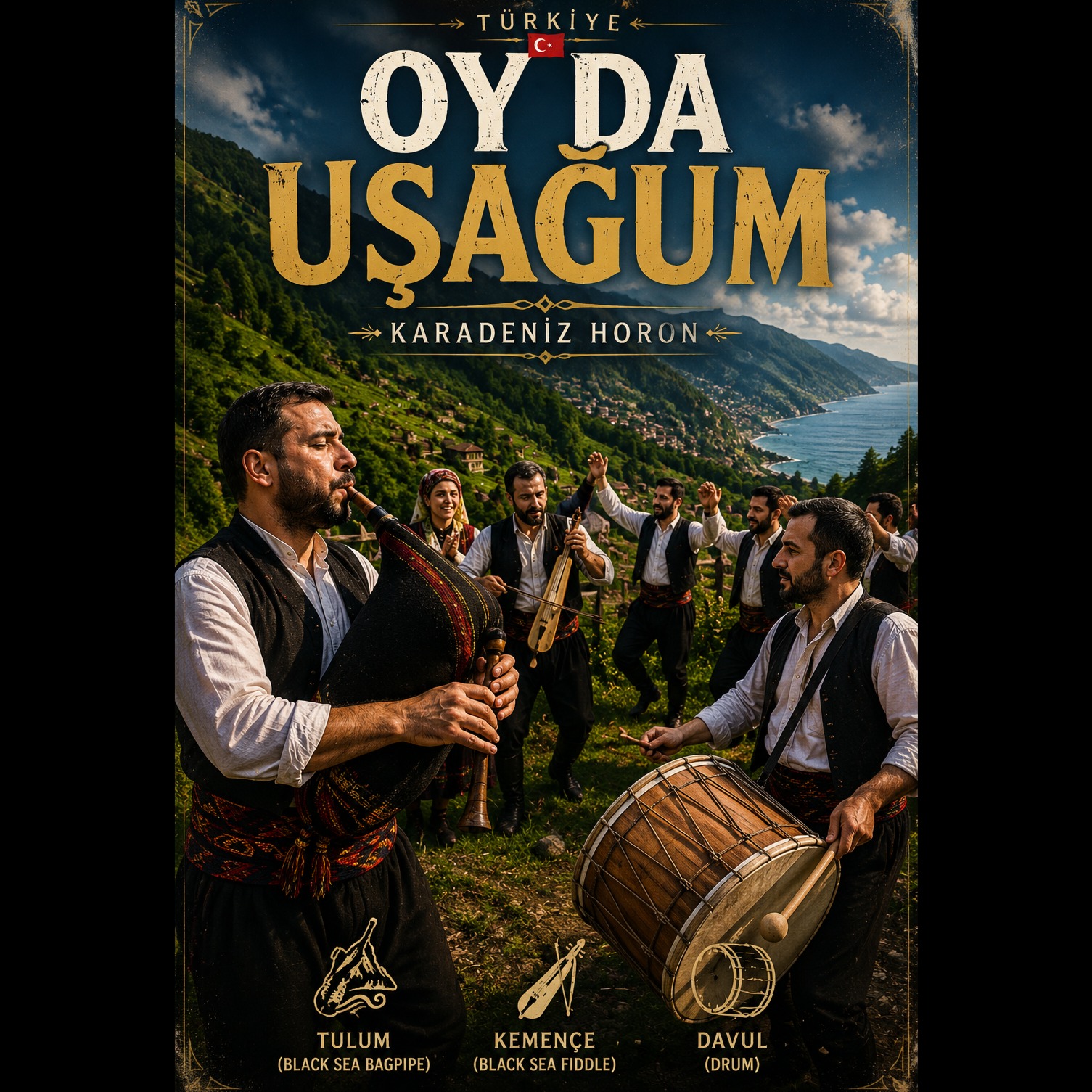
LEADING Tulum (Turkish Black Sea bagpipe) as the dominant melodic instrument throughout the entire song, louder than kemençe and vocals during instrumental sections, ‑EDM, ‑trap, ‑hip hop, ‑pop, ‑reggaeton, ‑techno, ‑house, ‑synthesizers, ‑electric guitar, ‑piano, ‑orchestra, ‑cinematic soundtrack, ‑arabesk, ‑autotune, ‑vocal processing, ‑electronic drums, ‑modern production, ‑bass drops, ‑zurna
5:18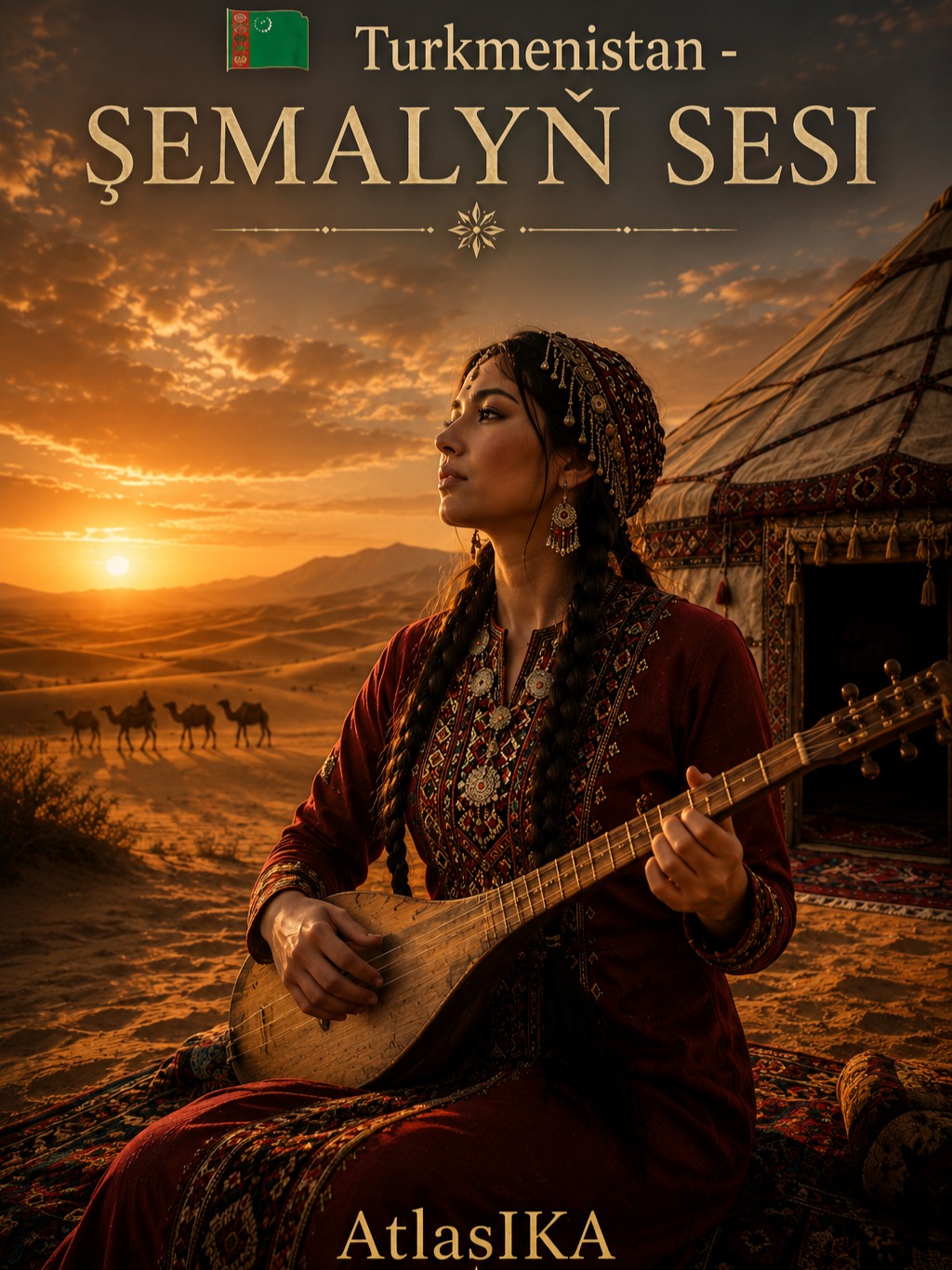
Traditional Turkmen folk music, 86 BPM, inspired by desert nomadic traditions and pentatonic melodies, Featuring dutar as main instrument with repetitive hypnotic patterns, supported by gyjak (bowed instrument), light frame drum, and subtle drone textures, Organic acoustic arrangement, hypnotic and flowing, no modern pop production, Structure designed for ~5 minutes: intro, extended verses, repeated choruses, instrumental dutar section, bridge, and outro, Female vocal: expressive Turkmen female voice, warm and slightly deep tone, minimal vibrato, steady phrasing, emotional and introspective delivery, Atmosphere: desert landscape, dunes, wind, solitude, mystical, warm and meditative, slow emotional build
5:18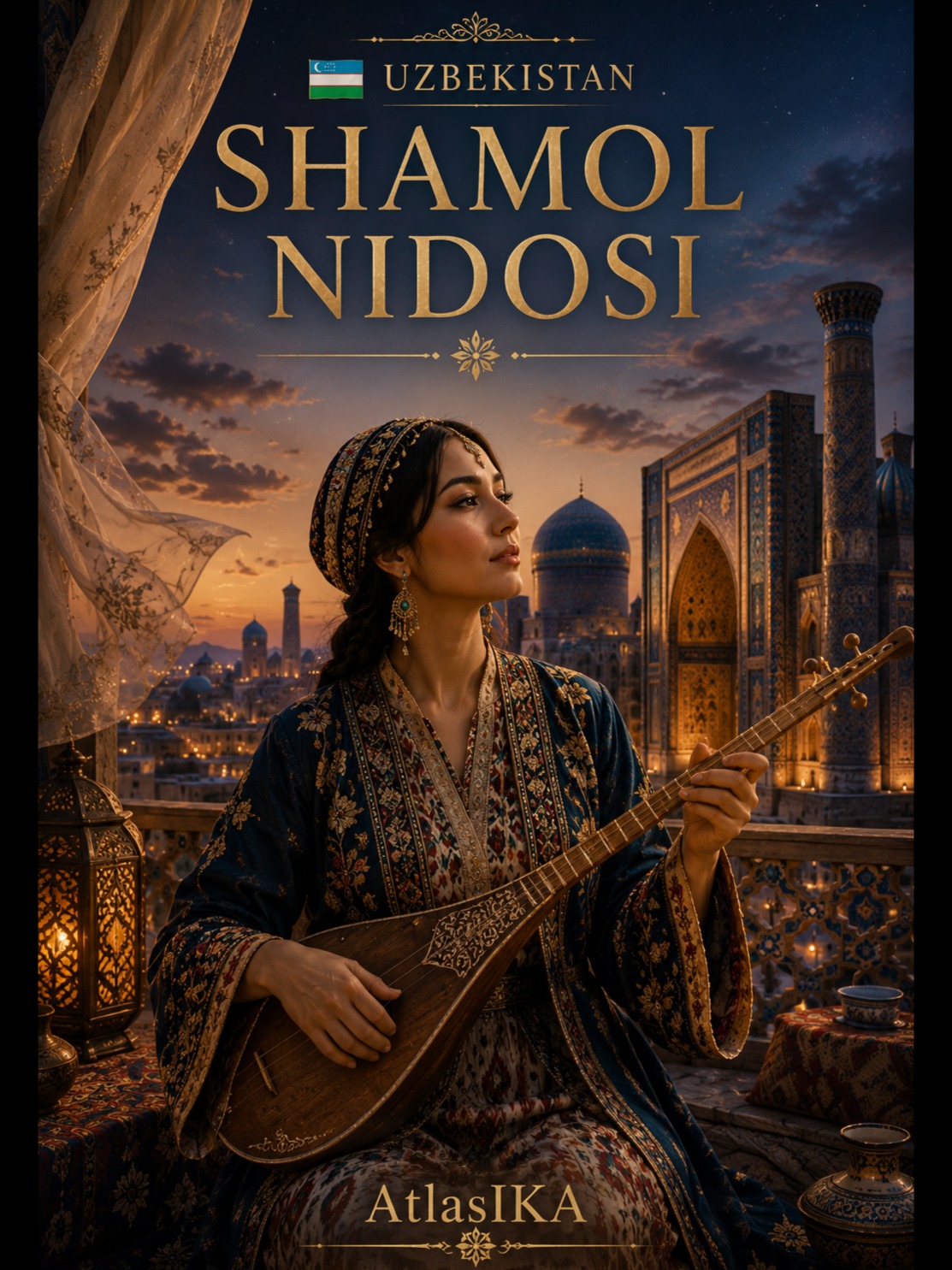
Traditional Uzbek music, 90 BPM, influenced by Shashmaqam and Central Asian maqam traditions, Featuring dutar and tanbur as main instruments with intricate melodic ornamentation, supported by doira frame drum and subtle strings, Organic acoustic arrangement, refined and expressive, no modern pop production, Structure designed for ~5 minutes: intro, extended verses, repeated choruses, instrumental section, bridge, and outro, Female vocal: expressive Uzbek female voice, clear and elegant tone, controlled vibrato, rich ornamentation, fluid phrasing, emotional and graceful delivery, Atmosphere: Silk Road cities, evening ambiance, poetic, refined, slightly melancholic, warm and sophisticated
4:51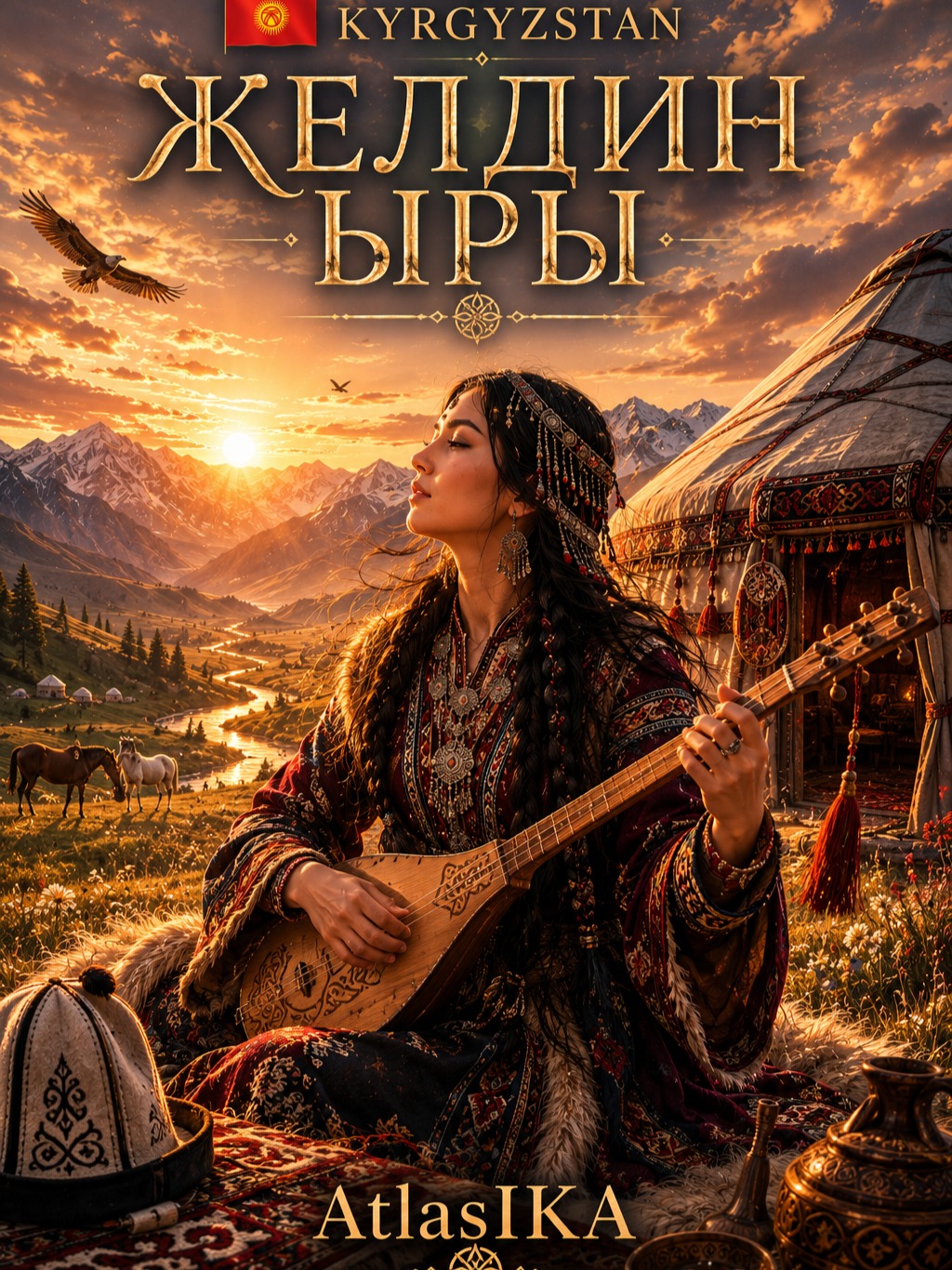
Traditional Kyrgyz folk music, 88 BPM, inspired by mountain nomadic traditions and pentatonic melodies, Featuring komuz (three-string lute) as main instrument with rhythmic plucking patterns, supported by kyl kyyak (bowed instrument), light percussion, and subtle drone, Organic acoustic arrangement, warm and flowing, no modern pop production, Structure designed for ~5 minutes: intro, extended verses, repeated choruses, instrumental komuz section, bridge, and outro, Female vocal: expressive Kyrgyz female voice, warm and slightly earthy tone, controlled vibrato, fluid phrasing, emotional but grounded delivery, Atmosphere: mountain valleys, yurts, wind, intimate and natural, nostalgic yet alive, gentle emotional build
4:11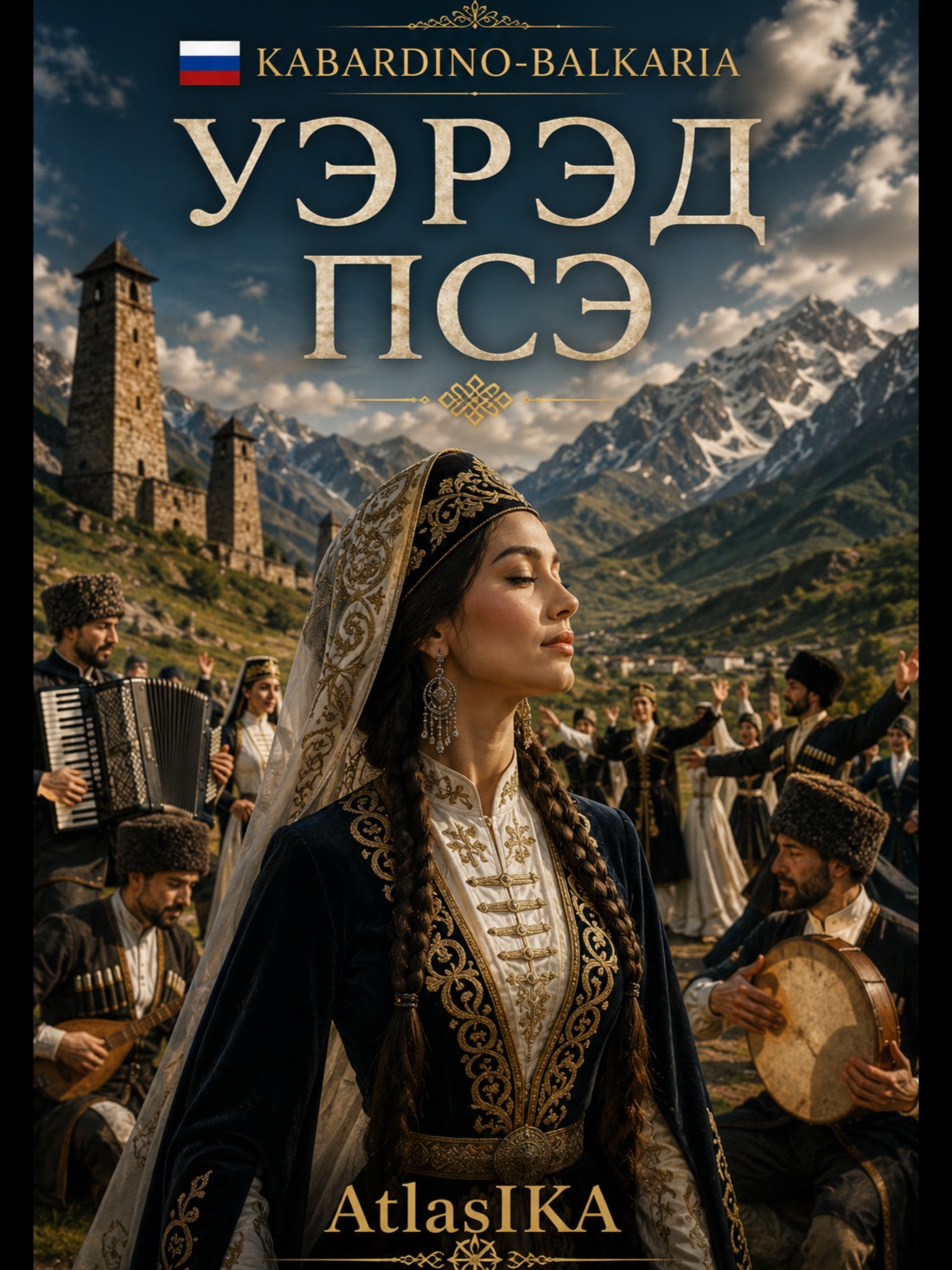
Traditional Kabardino-Balkarian folk music, 102 BPM, inspired by Circassian dance traditions, Featuring accordion and traditional plucked strings as main instruments, supported by frame drum and rhythmic hand percussion, Organic acoustic arrangement, elegant and rhythmic, no modern pop production, Structure designed for ~5 minutes: intro, extended verses, repeated choruses, instrumental dance section, bridge, and outro, Female vocal: expressive Caucasian female voice, clear and controlled tone, light vibrato, precise articulation, graceful and emotional delivery, Atmosphere: mountain celebration, noble energy, refined movement, cultural pride, rhythmic yet elegant flow
4:52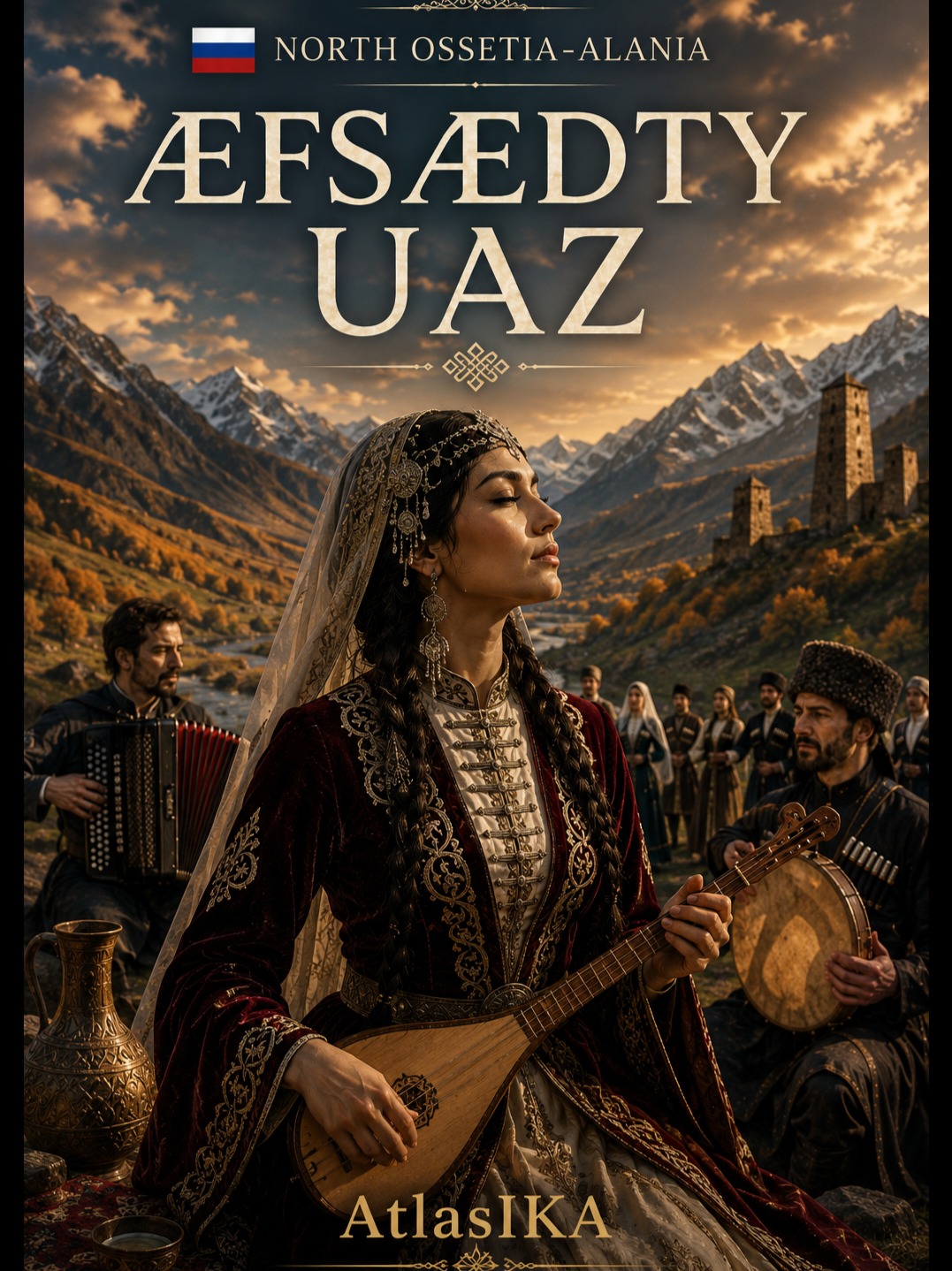
Traditional Ossetian folk music, 96 BPM, inspired by Caucasian epic traditions, Featuring accordion and plucked strings as main instruments, supported by frame drum and subtle choral backing textures, Organic acoustic arrangement, strong and emotional, no modern pop production, Structure designed for ~5 minutes: intro, extended verses, repeated choruses, instrumental section, bridge, and outro, Female vocal: powerful Ossetian female voice, clear and strong tone, controlled vibrato, expressive phrasing, dignified and emotional delivery, Atmosphere: mountain valleys, ancestral pride, epic and emotional, grounded but expansive, strong melodic identity
3:19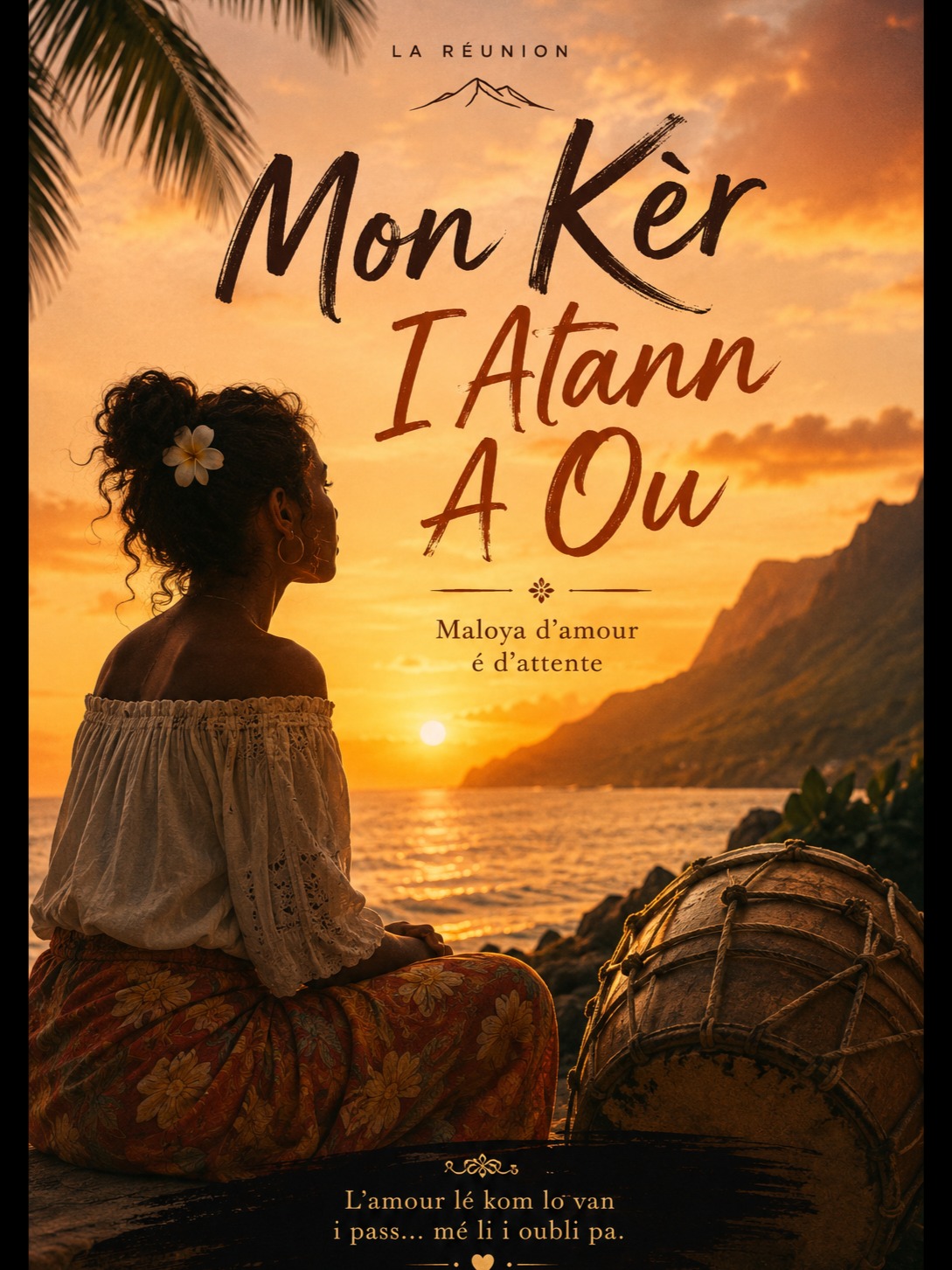
Authentic traditional Réunion Island maloya, 92 BPM, female alto lead vocal, genuine Réunion Creole pronunciation, warm mature voice with subtle natural grain, expressive but restrained delivery, traditional storytelling style, kayamb driving the rhythm, roulèr drum, pikèr percussion, subtle sati textures, acoustic ensemble, Indian Ocean atmosphere, organic live performance, emotional romantic theme, longing and faithful love, intimate verses, uplifting choruses, occasional traditional backing vocals, realistic human timing, culturally authentic maloya, ‑modern pop, ‑electro pop, ‑EDM, ‑trap, ‑drill, ‑reggaeton, ‑dancehall, ‑house, ‑techno, ‑dubstep, ‑synthwave, ‑future bass, ‑commercial radio pop, ‑K-pop, ‑hyperpop, ‑autotune vocals, ‑vocal chops, ‑cinematic orchestra, ‑epic trailer music, ‑Hollywood soundtrack, ‑symphonic metal, ‑rock drums, ‑electric guitar solos, ‑heavy bass drops, ‑synthetic percussion, ‑drum machines, ‑trap hi hats, ‑electronic arpeggios, ‑orchestral stabs, ‑gospel choir, ‑opera vocals, ‑rap vocals, ‑spoken word, ‑French chanson style, ‑contemporary folk pop, ‑country music, ‑jazz fusion, ‑lo-fi beats, ‑ambient electronic textures
4:26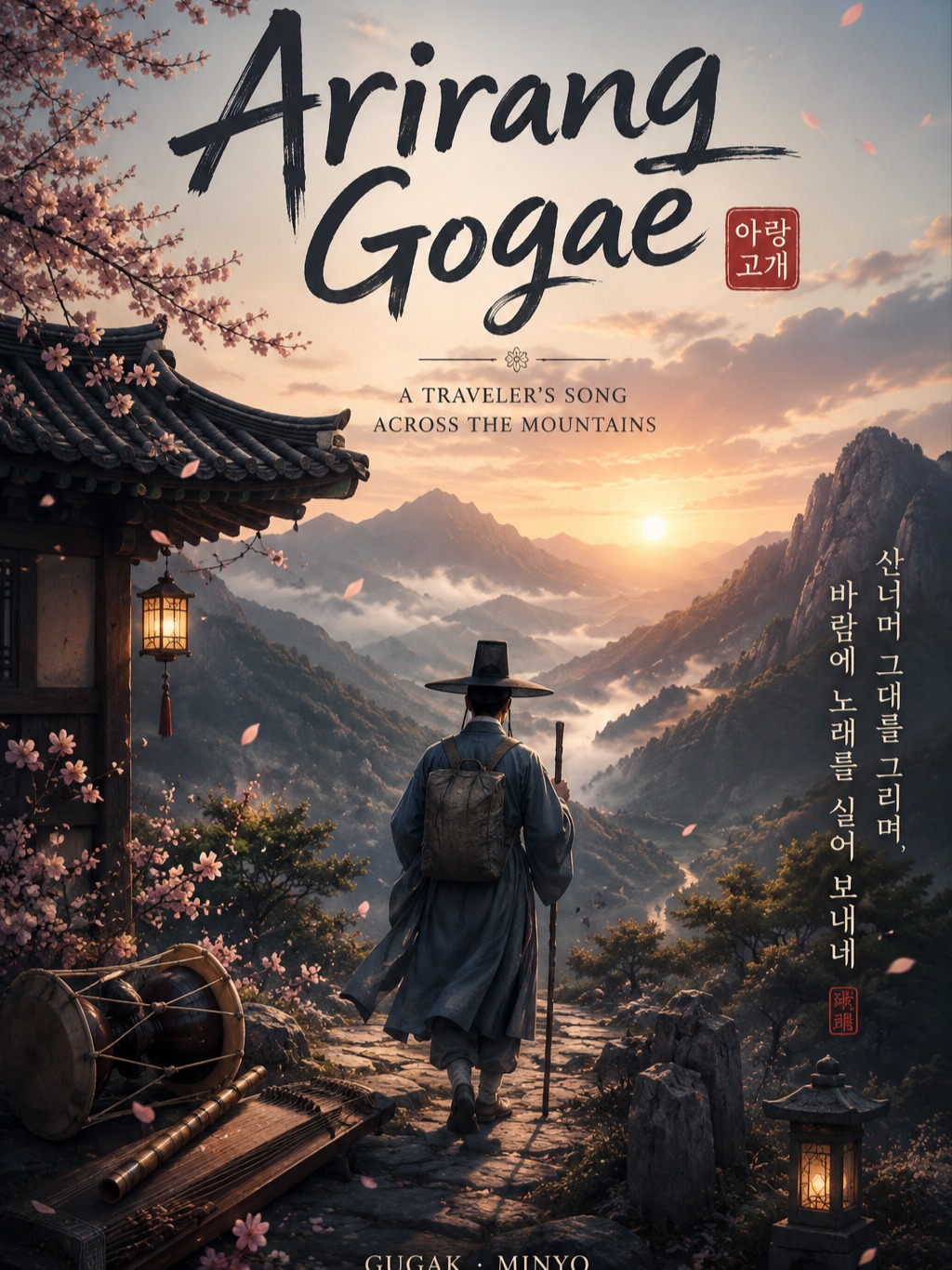
Authentic Korean traditional folk music (Gugak), inspired by Korean Minyo traditions, featuring gayageum, haegeum, daegeum bamboo flute, piri, geomungo, janggu and buk drums, organic acoustic arrangement, expressive Korean female vocals with authentic traditional ornamentation and vibrato, pentatonic melodies, emotional and nostalgic atmosphere, traditional Korean village celebration atmosphere, elegant call-and-response patterns, rich cultural authenticity, no modern pop production, no electronic elements, no K-pop influences, warm natural acoustic recording, deeply rooted in Korean folk heritage
4:56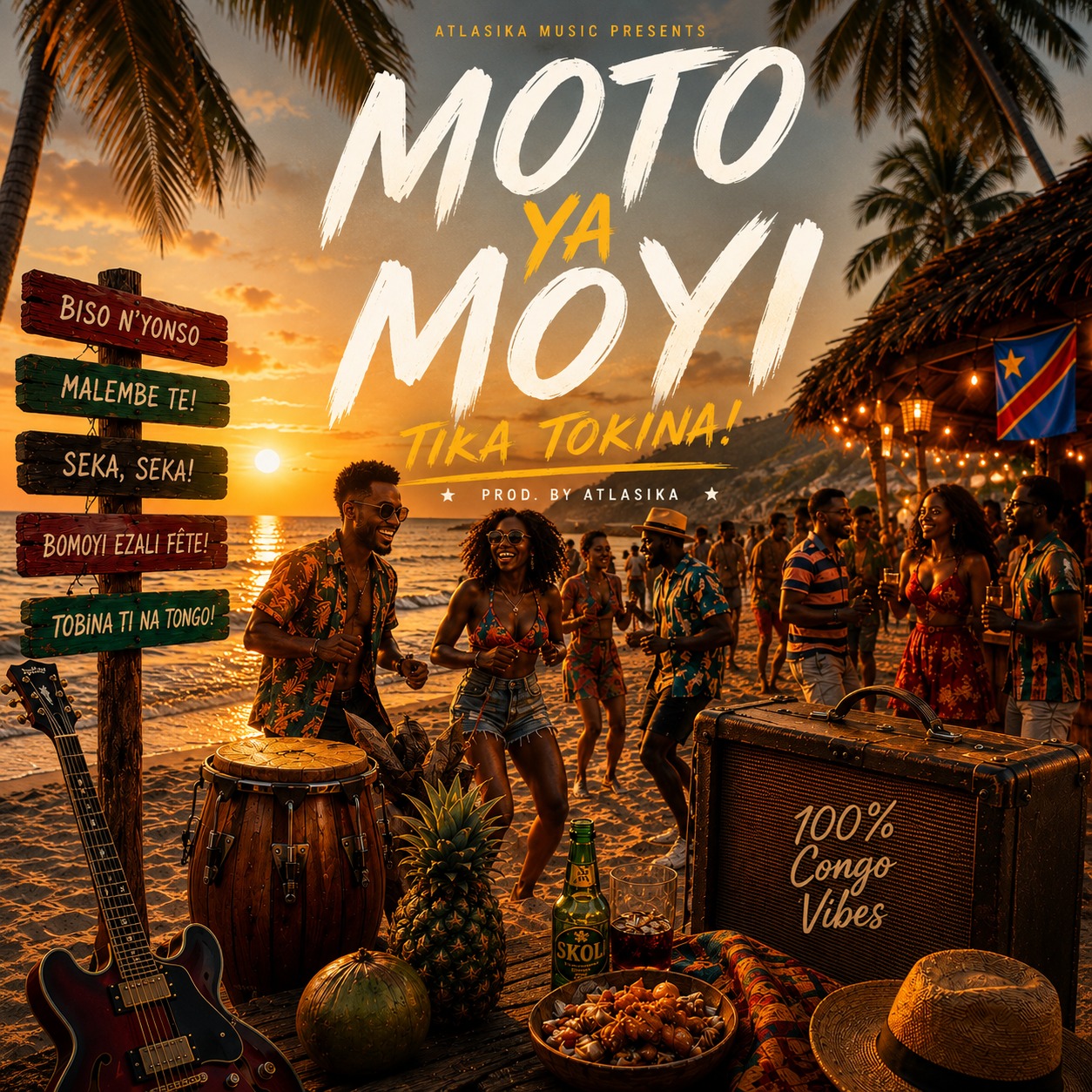
Contemporary Congolese Afro-pop, joyful soukous groove, bright cascading lead guitars, lively seben guitar solos, infectious dance rhythm, warm live bass, rich African percussion, congas, djembe, shakers, hand claps, subtle amapiano-inspired log drums, vibrant brass accents, uplifting energetic male lead vocals in Lingala with powerful mixed choir responses, catchy call-and-response hooks, beach party atmosphere, tropical summer celebration, organic live-band production, crystal-clear mix, radio-ready, feel-good, sunny, vibrant, 108 BPM, irresistible chorus, authentic Central African dance music