Mid Beatles Style🍏
Inspired by the groundbreaking and experimental spirit of the Beatles’ Revolver album.
·
14 songs
2:52
Beatles style, British rock, psychedelic rock
Reference song: Come Together
Irregular time signature
slow-tempo
Approx, 2:40–3:00
Same sonic world as previous album mature and unified
Overall feel: Serious
Late era Beatles / (1968–1970), Tone is dark, thick, dry, and mid-heavy with reduced treble
Late 1960s British psychedelic rock with strong Beatles influence
double-tracked vocals shine in the choruses, John Lennon's lead vocal, Gritty and textured, A distinctive, slightly nasal resonance, et the mid-range has an unusually strong presence, British accent, 1960S ABBEY ROAD STUDIO Sound Quality
rhythm guitar (Epiphone Casino-type)
bass (Höfner 500-1type)
Beatles-style backing vocals
Very melodic bass with darker contour
Ringo-style drums are tight, dry, straight 4/4 with minimal fills
Confident band statement opener
Paul-style high harmony, George-style mid harmony, harmony built mainly on thirds and sixths
chromatic, unstable harmonies
No Hand Clapping
3:03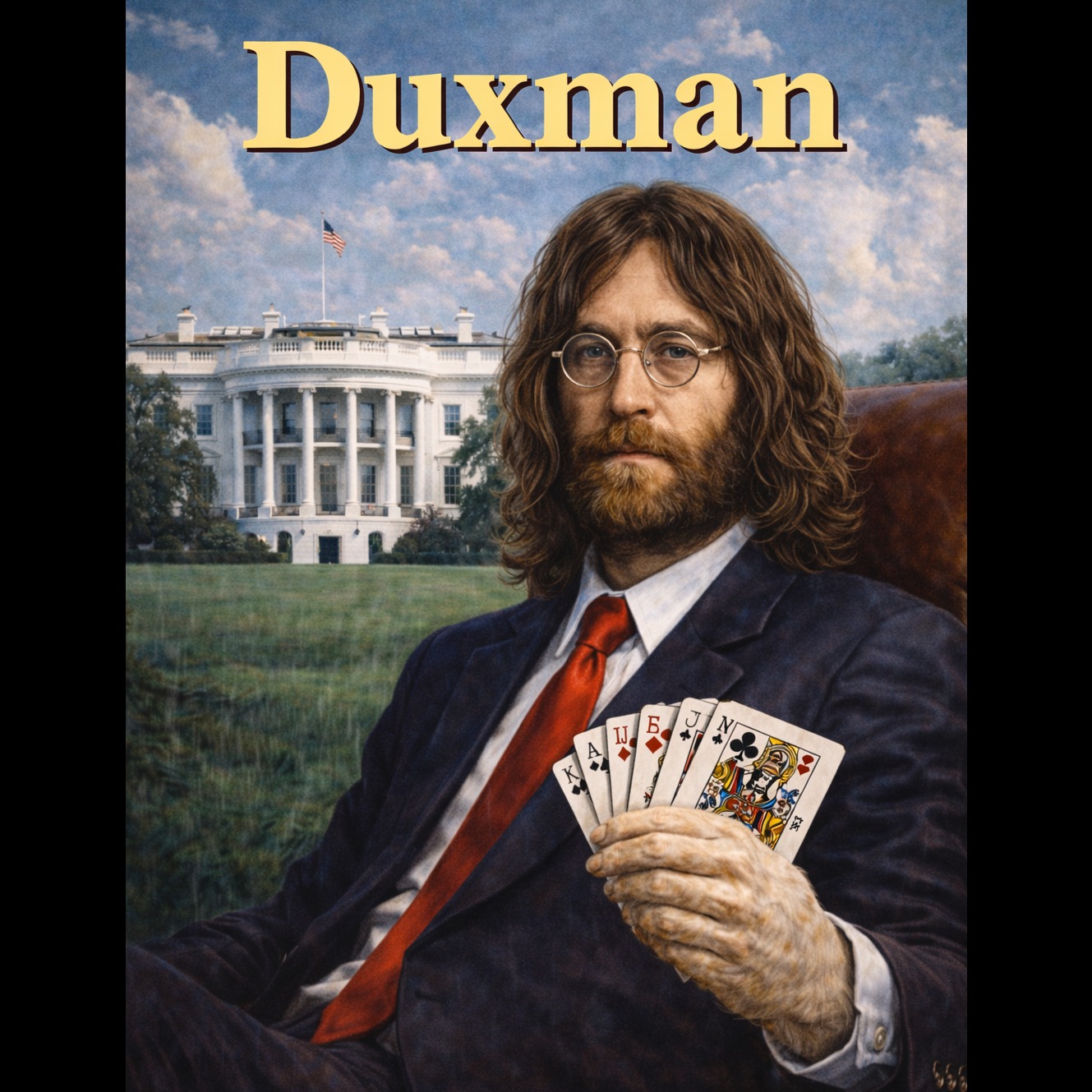
Beatles style, British rock, Reference song: TAXMAN
Irregular time signature
Approx, 2:40–3:00
Late 1960s British rock with strong Beatles influence
Song built around defined band roles
Classic British pop-rock progressions
lo-fi, Rhythm guitar plays nearly the entire song
Late 1960s British psychedelic rock with strong Beatles influence
double-tracked vocals shine in the choruses, John Lennon's lead vocal, Gritty and textured, A distinctive, nasal resonance, et the mid-range has an unusually strong presence, British accent, Paul-style high harmony, George-style mid harmony, Beatles-style backing vocals used sparingly
Lead guitar (Gretsch Country Gentleman–type)
rhythm guitar (Epiphone Casino-type)
Very melodic bass supporting harmonic movement
No folk, No country, No blues, No harmonica, No modern effects
Ringo-style drums are tight, dry, straight 4/4 with minimal fills
featured in instrumental break, and extended in the outro
3:26
Love Will Stay🎸
v4.5+
Pop band of Sixties, British rock, pop, drum, running bass, lead and rhythm electric guitar, male voice, vocal harmonies, chorus(Verse2), modulation, impressive guitar riff, only middle range, no shout, Beatles style×10, falsetto, modulation, calm, chromatic scale, syncopation, line cliché, psychedelic rock
4:05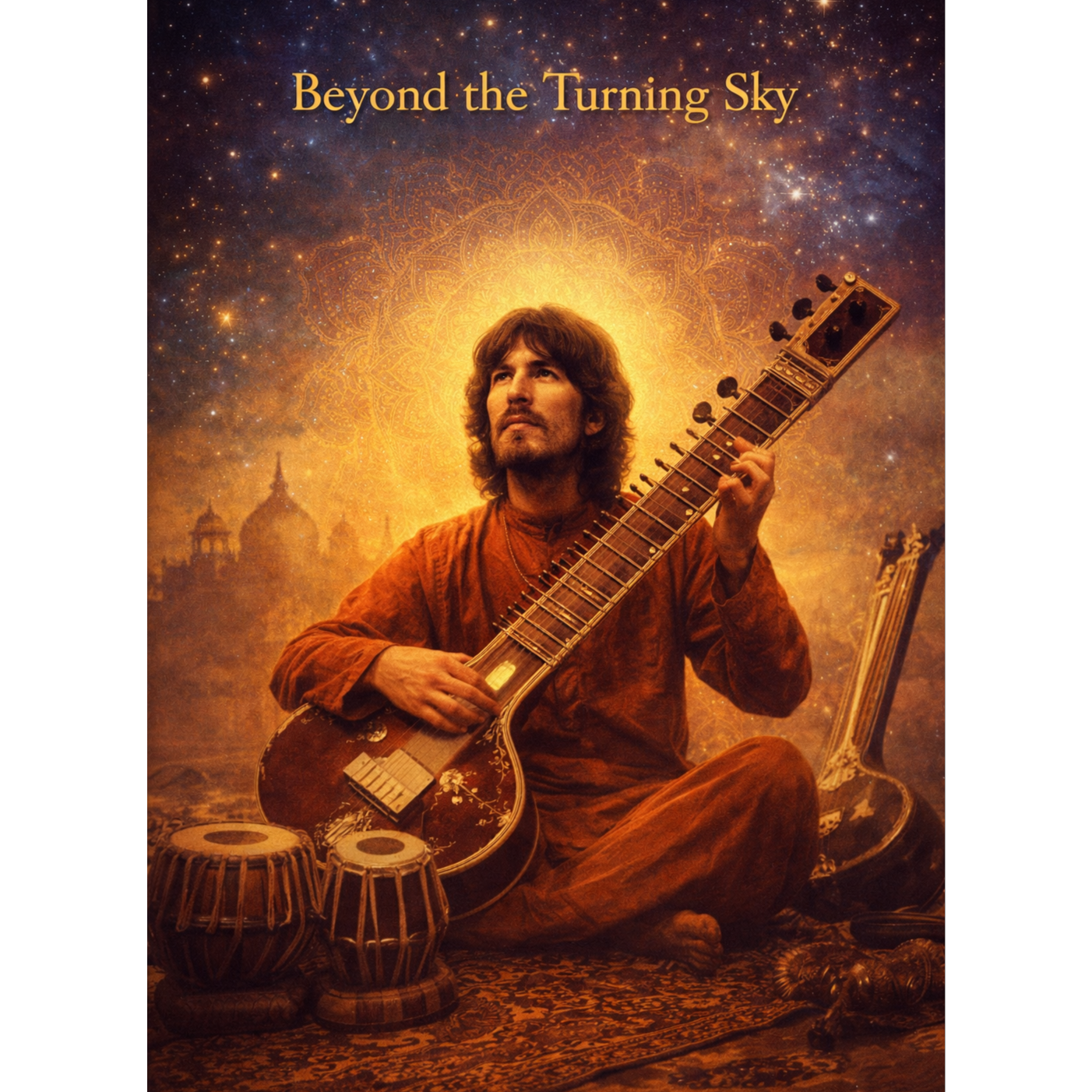
The song opens in lilting 6/8 with sitar and melodic slide guitar weaving hypnotic lines over warm organ, melodic bass, and steady drums, all elevated by lush three-part harmonies, Verses lighten with airy arpeggiated guitar, rich organ pads, and agile, drone-following bass, The middle 8 brings fresh vocal harmonies, transitioning to an expressive slide guitar-led instrumental, The outro layers sitar, reversed guitar textures, tambura drone whispers, and distant vocal fragments, all gradually dissolving into a fading sitar riff and subtle reverse tape effects, sustaining a meditative, introspective late-period Beatles-inspired Indian psychedelic rock mood
3:04
This tense baroque pop piece opens with a bold, staccato D minor string quartet attack, launching right into a double-tracked, close-harmony chorus, Dry, British vocal leads glide above pizzicato verses, sharply contrasting the explosive, cinematic choruses, Cathedral-like reverb on strings imbues grandeur, The bridge swells as legato cello and breathy “ahh” accompaniments emerge, offering emotional lift, In the final chorus, harmonies tighten and dynamics peak before resolving to a single, fading cello note, No drums; strings and voice carry all drama
2:08
2:01
60s, British invasion, A Beatles-style song in the spirit of John Lennon’s mid-period writing (Help! to Revolver era), Key: D major with modal mixture and minor color tones, Melancholic yet driving atmosphere, The verse features a descending bass line (D–D/C#–G/B–A) with Lennon-style acoustic rhythm on a Gibson J-160E, tight dry sound, and a vocal melody that speaks then jumps by a third before falling chromatically, Add a touch of Mixolydian flavor (♭VII chord) and suspended tones (sus2/add9) for unresolved feeling, The chorus expands with D–C–G–D and a sudden Bb–A–D shift to create dramatic contrast, Use steady foot-tapping rhythm, minimal cymbals, punchy snare on 2 and 4, and melodic McCartney-like bass counterlines moving opposite to the vocal, Tempo around 96 BPM, 4/4 time, Double-tracked Lennon-style vocal: sharp consonants, dry tone, emotional but not vibrato-heavy, Add simple harmony in the bridge (unison and minor third), Include short tape echo on vocal
2:27
Beatles style, Irregular time signature
Distinct melodic lead guitar phrases introduced early and repeated
pushes harmony
lo-fi, melodic delivery
mid era Beatles / Studio sound (1966–1967), Smooth modulation
Penultimate album track built on a circular harmonic progression, Calm, curious, and melodic
1967 British studio rock band in Magical Mystery Tour / Sgt, Pepper style
double-tracked vocals shine in the choruses, Paul McCartny's lead vocal, Clear and transparent, A voice where boyish innocence and adult warmth coexist, feel soft, Paul-style high harmony, John-style mid harmony, Georgel-style mid harmony, John-style mid harmony, 3rd harmony chorus
Harmony: Uses extended circle-of-fifths progression, Secondary dominants (A7, E7) are prominent, No looped modern progressions, Harmony carries the song, Beatles-style backing vocals used sparingly
3:13

Beatles style, British rock, psychedelic rock
Reference song: Come Together
Irregular time signature
slow-tempo
Approx, 2:40–3:00
Same sonic world as previous album mature and unified
Overall feel: Serious
Late era Beatles / (1968–1970), Tone is dark, thick, dry, and mid-heavy with reduced treble
Late 1960s British psychedelic rock with strong Beatles influence
double-tracked vocals shine in the choruses, John Lennon's lead vocal, Gritty and textured, A distinctive, slightly nasal resonance, et the mid-range has an unusually strong presence, British accent, 1960S ABBEY ROAD STUDIO Sound Quality
rhythm guitar (Epiphone Casino-type)
bass (Höfner 500-1type)
Beatles-style backing vocals
Very melodic bass with darker contour
Ringo-style drums are tight, dry, straight 4/4 with minimal fills
Confident band statement opener
Paul-style high harmony, George-style mid harmony, harmony built mainly on thirds and sixths
chromatic, unstable harmonies
No Hand Clapping
2:24
60s British invasion, rock, pop, rhythm change, Beatles Style
2:39
Pop band of Sixties, pop, drum, running bass, lead and rhythm electric guitar, male voices, vocal harmonies, chorus(Verse2), modulation, impressive guitar riff, only middle range, no shout, Beatles style, falsetto, modulation, calm, chromatic scale, Style: Beatles mid-period 1965–1966 acoustic pop ballad, inspired by “In My Life, ” “Girl, ” and “Here, There and Everywhere, ”
Tempo: 92 BPM, Key: E major, Instrumentation: fingerpicked J-160E acoustic guitar, melodic Hofner bass, brushed drums, light tambourine, celesta or glockenspiel touches, and soft vocal harmonies, Vocals: warm John Lennon-style lead vocal, with Paul McCartney harmony on the chorus, Mood: reflective, intimate, nostalgic, hopeful, Structure: Verse 1 / Chorus / Verse 2 / Bridge / Chorus / Outro, Add subtle reverb and stereo width, like Abbey Road Studio 2 acoustics, Dynamic range: start minimal (vocal + guitar), build gently with bass and harmony, Theme: remembering love at dawn, peace after reflection
2:25
Style: The Beattles “Doctor Robert” style, mid-1966 Revolver-era British rock, Tempo: 150 BPM, bright and tight 8-beat groove, Key: A major, Chord progression: identical to Doctor Robert — Verse/Chorus uses A–D–A–D–A–D–E7, Bridge uses C#m7–F#m–C#m7–F#m–Bm7–E7–Bm7–E7, Structure: Intro – Verse1 – Chorus – Verse2 – Chorus – Bridge – Chorus – Outro (same riff), Instruments: jangly Rickenbacker rhythm guitars, Hofner bass (melodic and percussive), Vox AC30 amp tone, dry snare, tambourine on off-beats, and short organ stabs in the bridge, Vocals: male lead vocal in Lennon-style tone (slightly nasal and dry), double-tracked, Add McCartney/Harrison-style backing harmonies on chorus lines and outro “Ahh – Mr, Monday!”, Mood: witty, upbeat, a little ironic — about a man who “fixes everything” but maybe just talks too much, Arrangement notes: bright guitars panned left/right, mono-style drum mix, tight rhythm stops between vocal phrases, Production: use 1966 Abbey Road vibe —
2:32