
4:18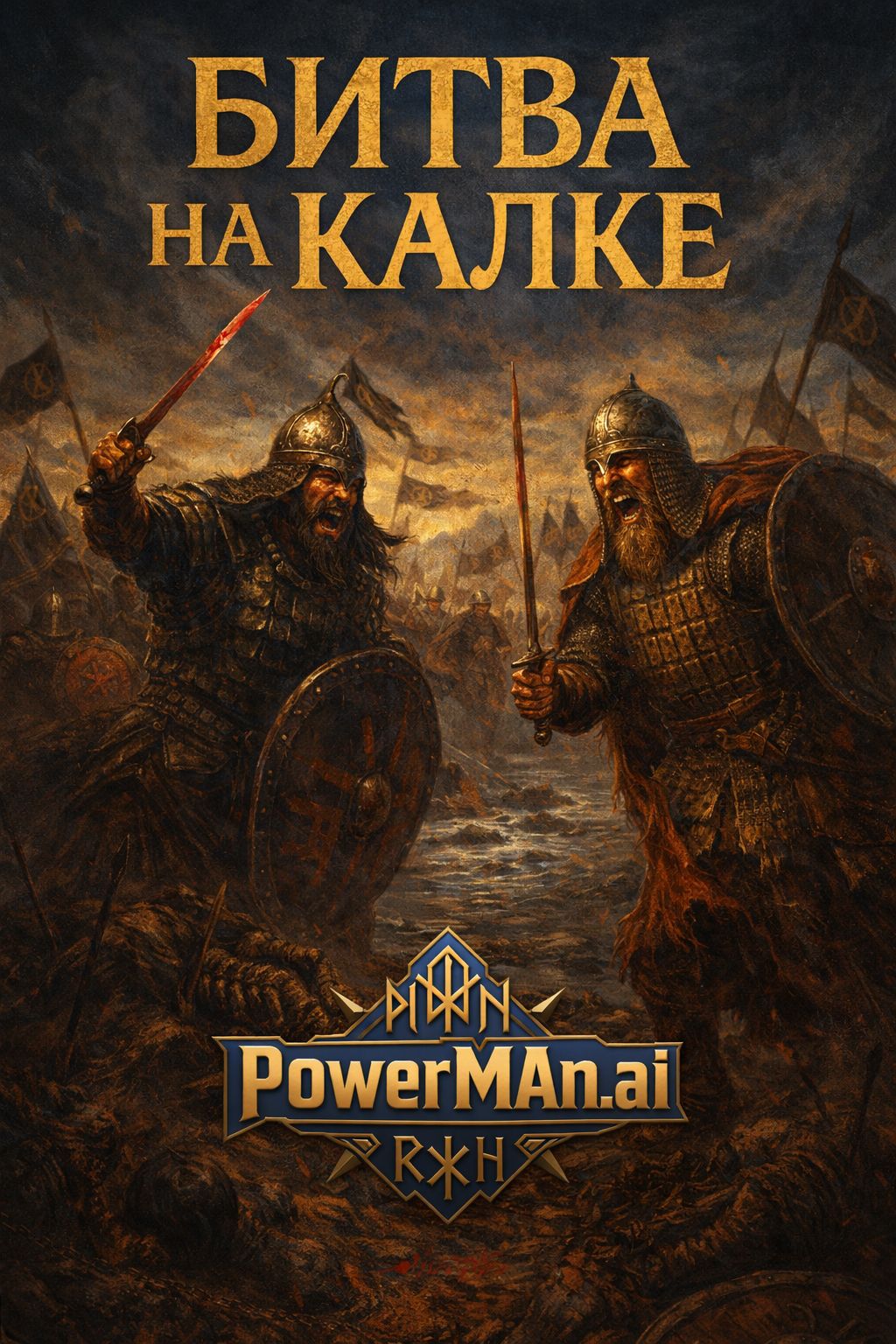
Битва на Калке
v5.5
Symphonic metal epic about the Battle of the Kalka River, year 1223, Dark, dramatic, historical atmosphere, Male vocal duet:
– Russian male vocalist (powerful, epic, emotional)
– Mongolian male vocalist with deep throat singing (khöömei, ritual, war-like)
Structure clearly follows song sections, Languages: Russian and Mongolian, Tempo: mid-to-fast, marching and crushing, Mood: tragic, ominous, inevitable fate, No modern elements, No electronics, Choirs, orchestral layers, heavy guitars, deep drums, Battle, steppe, destiny, clash of civilizations
4:32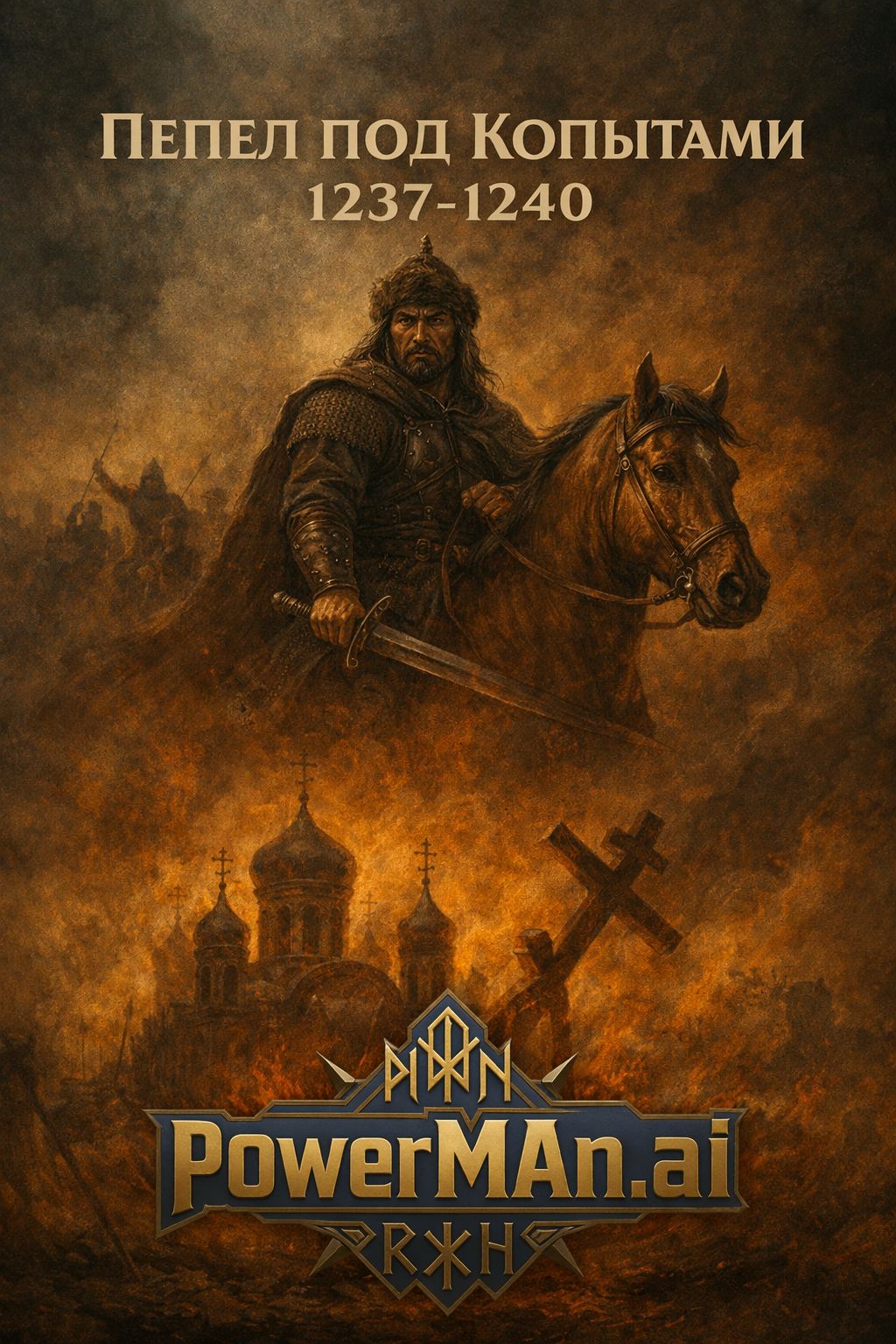
Epic symphonic metal ballad with multilingual vocals: Russian, Kazakh, and Nogai, Dark, monumental historical atmosphere, Slow to mid-tempo, minor key, Deep male lead vocals, large tragic choir, orchestral layers, heavy guitars, Include subtle throat singing textures in steppe-language parts, Lyrics depict Batu Khan’s invasion of Rus (1237–1240): fall of Ryazan, Vladimir and Kiev, fire, destruction, fate, and the establishment of Horde domination, Russian parts express tragedy and resistance, Kazakh and Nogai parts express steppe force, inevitability, and destiny, Chronicle-like tone, no modern slang, no fantasy
5:42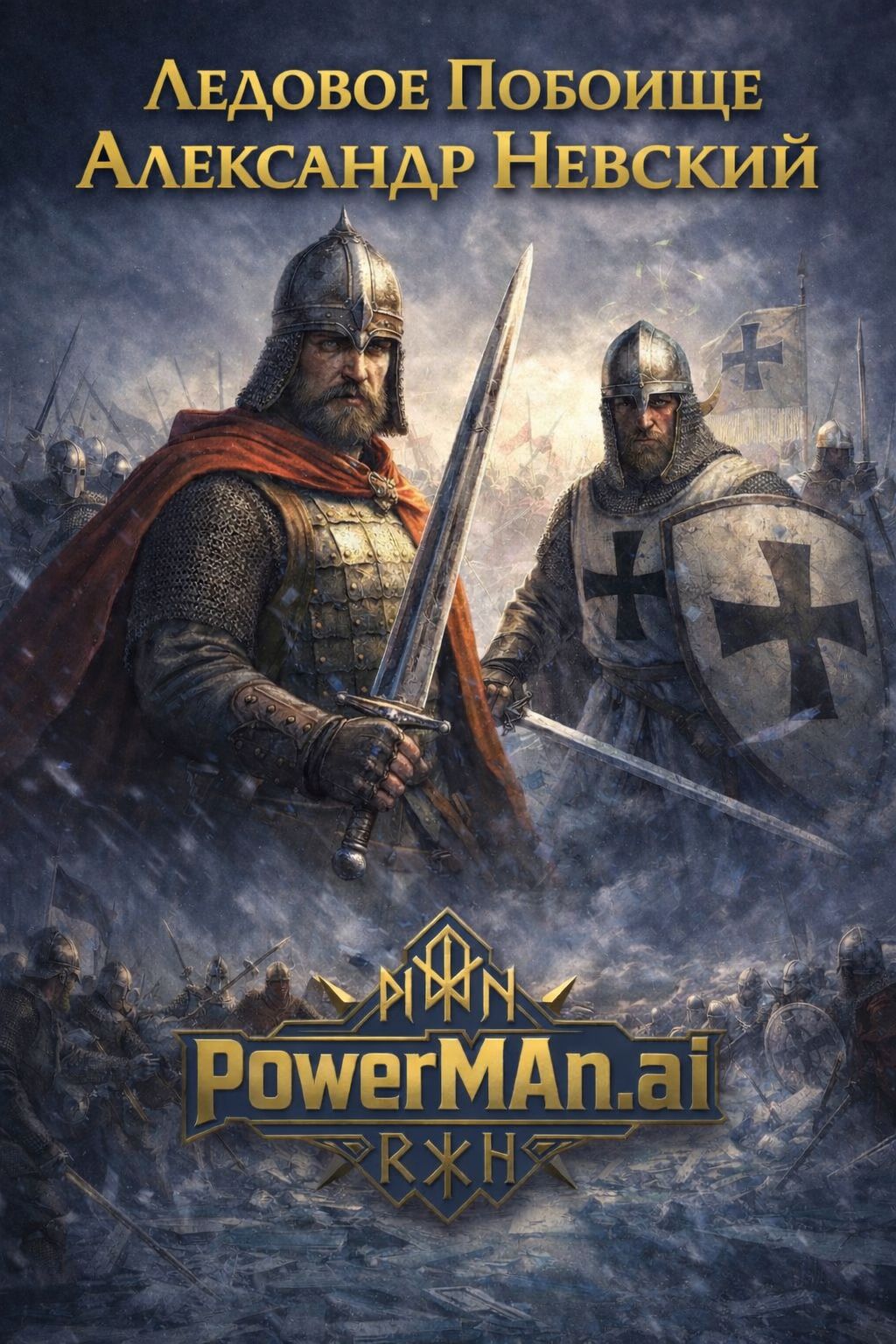
Epic symphonic metal battle opera about the Battle on the Ice (1242) and Prince Alexander Nevsky, Massive cinematic symphonic metal with powerful orchestra and huge male choir, Heavy distorted guitars, deep bass, thunderous drums, epic strings, brass, battle percussion and cathedral bells, Cold northern atmosphere, tension rising like an approaching war, Two opposing choirs: Rus army versus crusader order, singing in dialogue and confrontation, Languages in lyrics: Russian, Belarusian, Ukrainian for Nevsky’s side; German, Danish, Latvian, Estonian for the opposing army, Dramatic build-up from dark atmospheric intro to explosive symphonic metal choruses, Strong hook chorus repeated with massive choir, Battle shouts and choral chants for intensity, Mood heroic, monumental, historical, cold northern battlefield, Long cinematic development suitable for about 7 minutes with orchestral breaks and an overwhelming victorious choir finale, No pop sound, strictly epic symphonic metal
7:12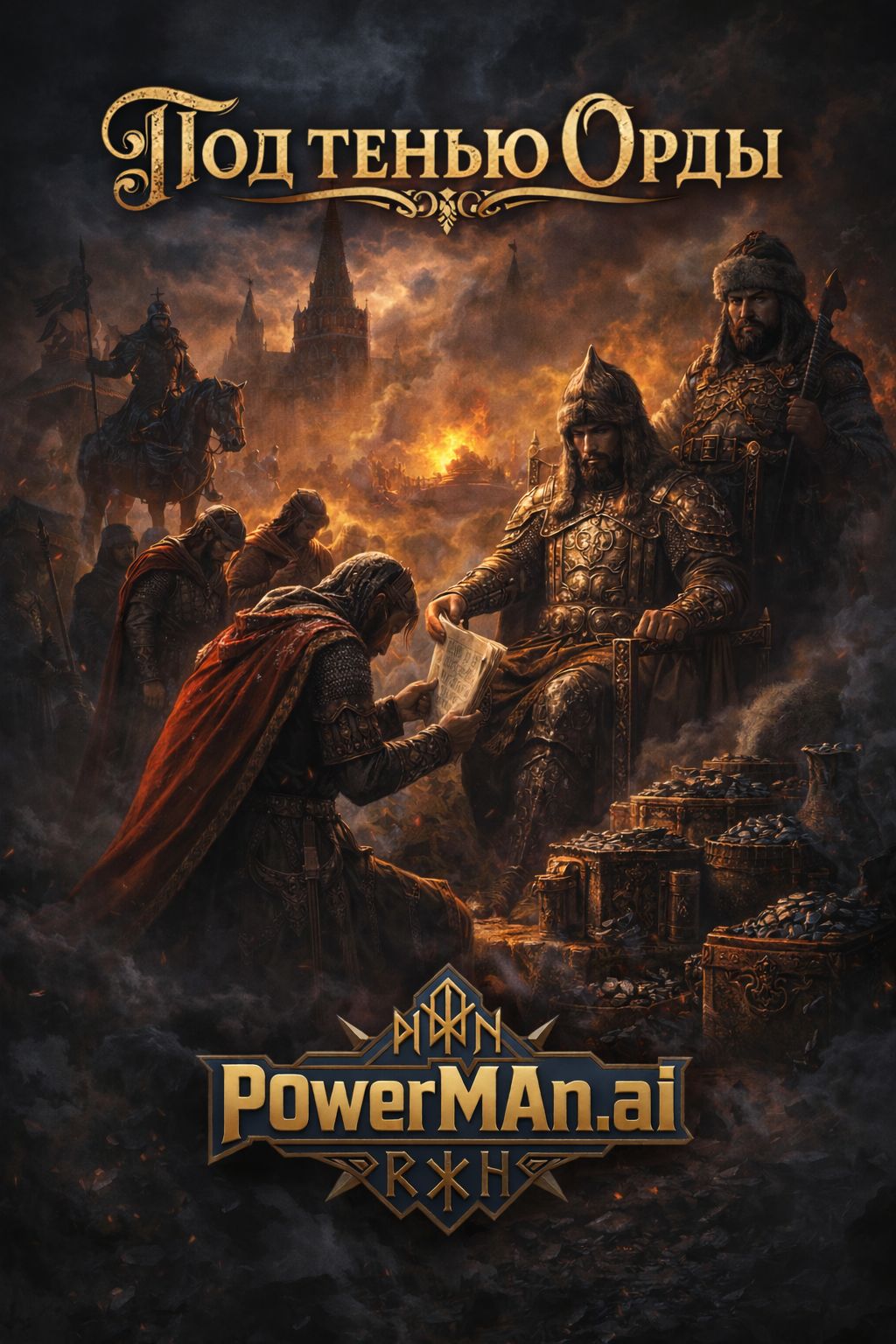
Под тенью Орды
v5.5
Tragic lyrical symphonic metal ballad with a dark medieval Russian atmosphere, sorrowful male lead vocals, emotional female backing choir, slow dramatic build, orchestral strings, piano, church bells, low brass, thunderous drums, expressive distorted guitars, mournful guitar solos, cinematic symphonic layers, deep tragic intensity, historical feeling of the XIII–XV century dependence on the Horde, Themes: tribute payments, baskaks controlling towns and villages, princes traveling to the Horde for the yarlyk to rule, and Moscow rising as the center of tribute collection, The song should feel mournful, majestic, heavy, and emotionally devastating, with a grand final chorus and a sense of bitter historical destiny
4:37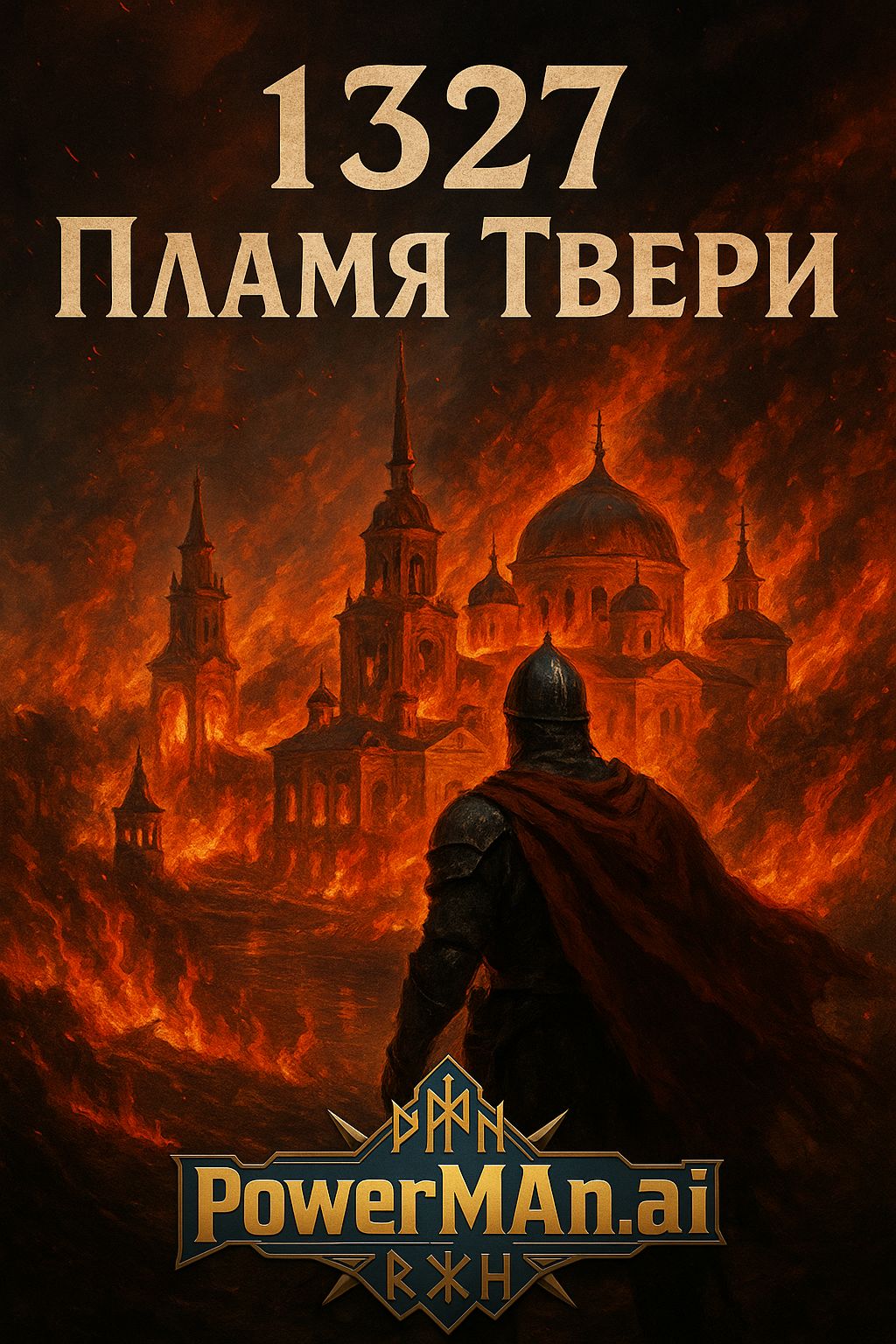
Epic symphonic metal ballad about the Tver Uprising of 1327, Mood: dark, historical, dramatic, inevitable, Tempo: slow to mid, building intensity, Male lead vocal, powerful and restrained, with deep choir in chorus, Lyrics language: Russian, Themes: uprising against the Horde, fire and rebellion, political choice, rise of Moscow, historical destiny, Atmosphere: medieval Rus, bells, fire, ash, cold resolve instead of rage, Structure: intro → verse → chorus → verse → bridge → chorus → outro, No modern elements, No fantasy, Historical realism and solemn epic tone
4:27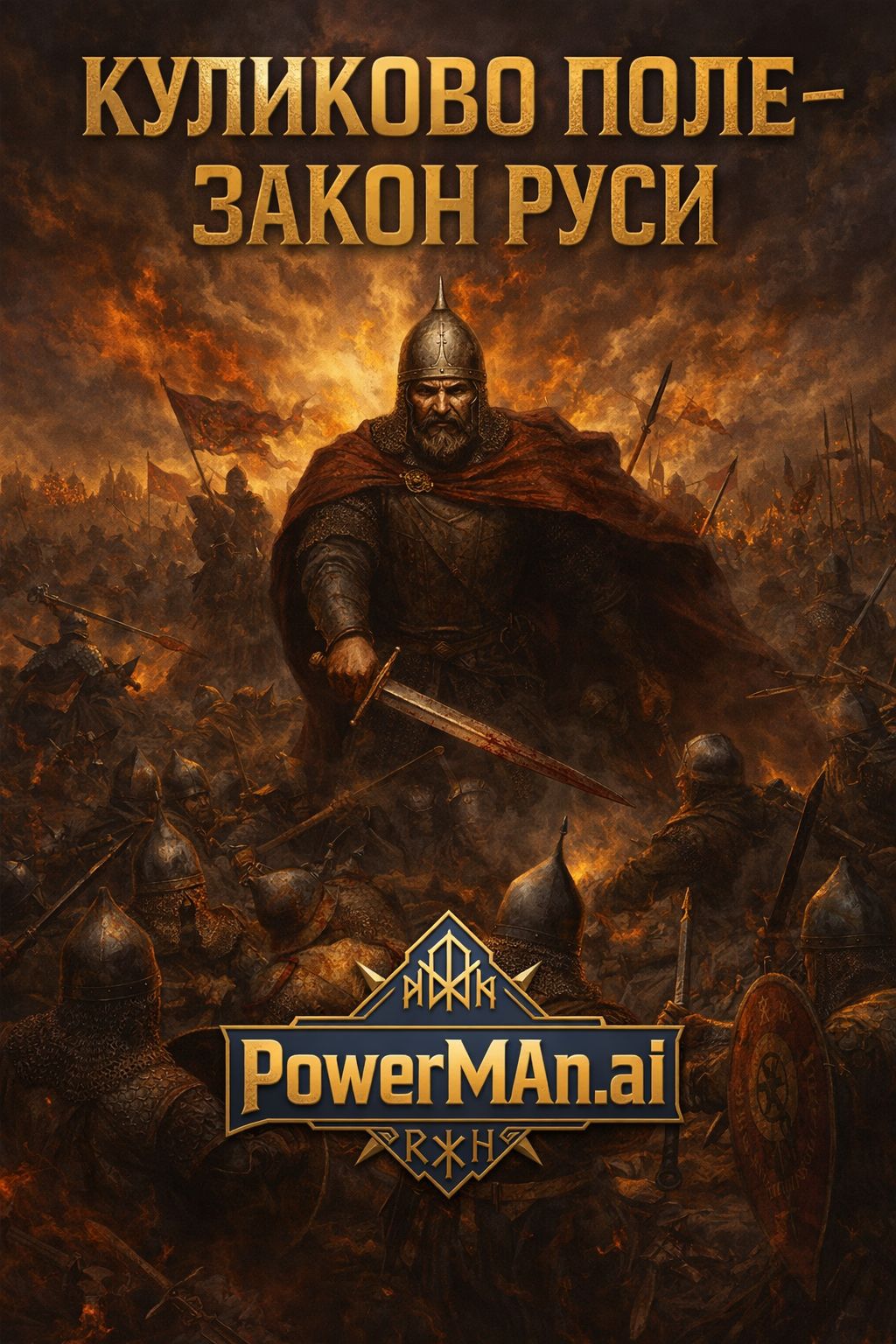
Epic symphonic metal war anthem about the Battle of Kulikovo (1380), Prince Dmitry Donskoy leading united Rus into decisive battle, Mood: dark, aggressive, monumental, apocalyptic yet triumphant, Tempo: slow ominous intro → fast brutal battle → massive slow choral finale, Heavy distorted guitars, thunderous war drums, deep percussion, full orchestra (strings, brass), massive choir, medieval textures (bells, horns), Structure: atmospheric intro → explosive drop → alternating battle verses → huge choir chorus → dark ritual breakdown → second heavier wave → final climax, Vocals: deep male lead, multi-layer choir, battle chants, call-response, Languages: Russian (main), Lithuanian, Crimean Tatar, Ruthenian, Themes: total war, unity of Rus, Mamai’s army collapsing, cavalry clashes, shields breaking, earth shaking, fate decided in battle, Energy: relentless, crushing, overwhelming, Duration: ~7 min, epic final удар
7:46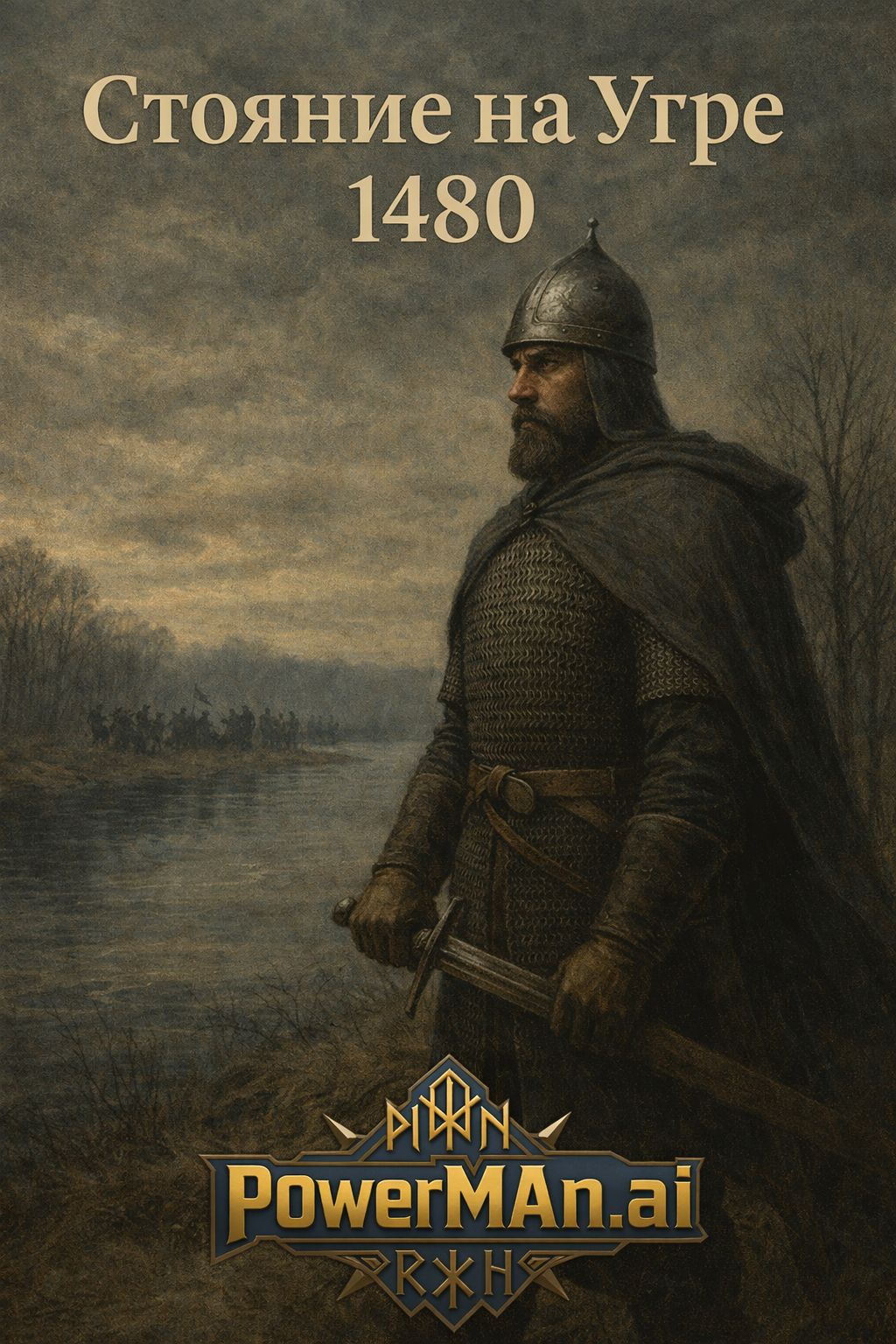
Style: Symphonic Metal Ballad
Length: 7–8 minutes
Mood: Epic, solemn, monumental, historic
Tempo: Slow → mid, gradual powerful build
Vocals:
– Male lead (deep, dramatic, restrained emotion)
– Large mixed choir (dominant in choruses, wordless layers in instrumentals)
Description:
Long-form epic symphonic metal ballad about the Standoff on the Ugra River in 1480 and the end of Mongol-Orda dependence, Slow cinematic orchestral intro, gradual build over multiple verses, Heavy guitars enter after first chorus, Extended instrumental breaks with orchestra, choir, and guitar solos, Atmosphere of tension, dignity, inner strength, historical inevitability, No fantasy elements, No modern references, Victory through endurance and willpower, not battle, Final chorus is massive and triumphant, outro calm and reverent