

2:09
2:14

4:00

2:30
Tribal Fusion, Didgeridoo, Berimbau, Atabaque drum, sound effects, clapping, answering choir
1:58
4:00
2:09
Osteria #8
v4.5
Bossa Nova and MPB (Música Popular Brasileira), While deeply rooted in Samba, the music also incorporates elements of Latin jazz, international music, and even choro, and flamenco, warm male voice with Brazilian accent
3:07

2:50
Female Vocal, Accordion, Guitar, Romance, Romantic, Farsi, Persian, Iran, Slow tempo, fiddle, castanets, drums, guitar, harmonica, steel guitar, Vintage, Nostalgic, Waltz, Tango, male choir
2:04
Soviet stile anthemic orchestral compelling intro theme, then baritone male soloist introduces the theme, answered by Red Army Choir, building up with orchestral crescendo, and choir with more robust polyphony, answering the soloist in a, triumphant, heroic mode to the final climax
2:51
4:15
3:16
2:10
2:18
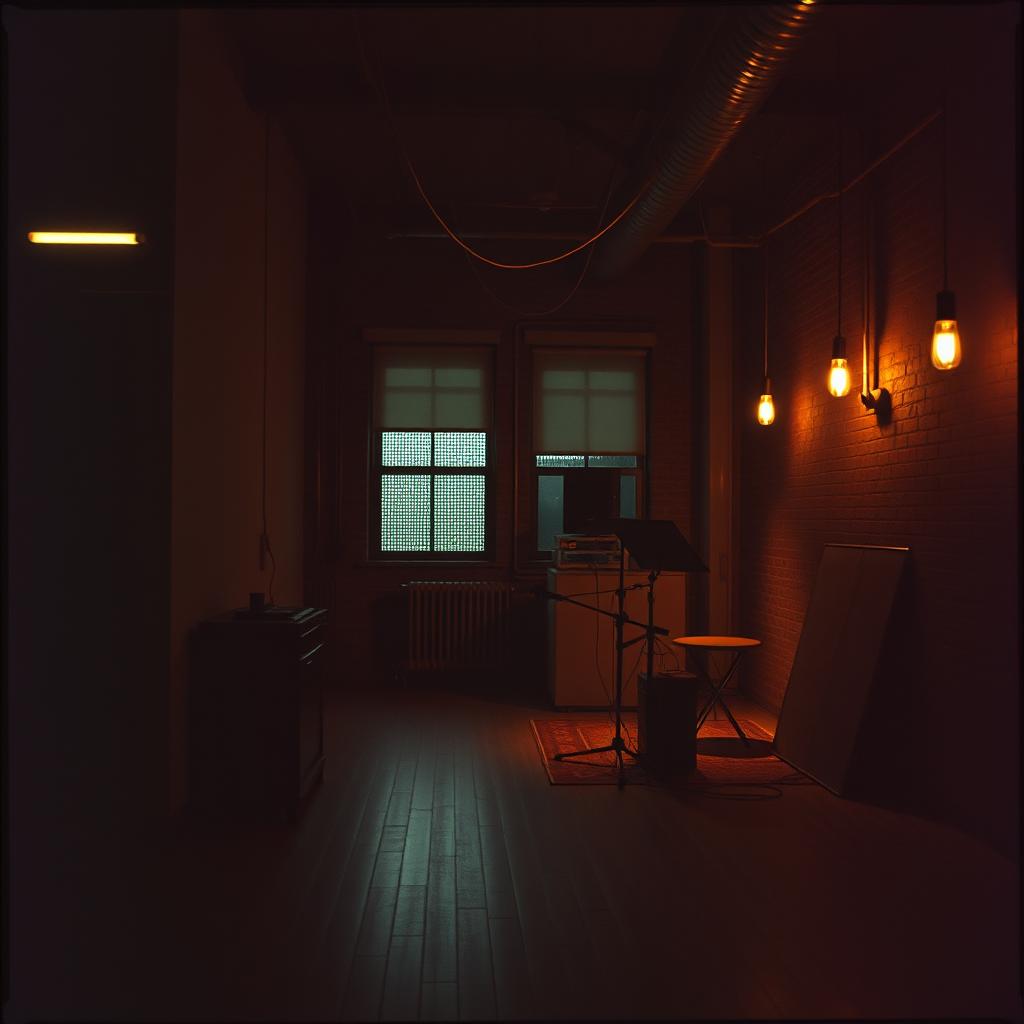
Style: advanced vocal jazz, modern vocalese, post-bop harmony
Mood: intellectual, cool, intricate, urban-night
Tempo: medium, subtly shifting
Vocals: mixed vocal quartet, tight close harmonies, complex voicings, frequent dissonances, counterpoint between voices
Harmony: extended jazz chords, chromatic movement, unexpected modulations
Rhythm: light swing with metric ambiguity, brushed drums, walking bass implied more than stated
Arrangement: voices as instruments, interlocking lines, minimal lead dominance
Lyrics: abstract, urban imagery, jazz meta-language, non-narrative
Production: clean but intimate, small studio feel, no pop sheen
Avoid: pop chorus, sentimental balladry, Broadway vibe
Intent: vocal ensemble as a thinking organism, cerebral jazz conversation
Era feel: late 1970s, NYC loft session
Style add-on: experimental vocal jazz, minimal scat, spoken syllables
Additional direction: voices enter independently, overlapping phrases, whispered consonants, abrupt silences, unresolved
2:32

1:46

Latin American nueva canción in the style of Inti-Illimani: collective choir vocals sung in unison, dignified and resolute tone, marching rhythm, charango, quena, pan flutes, bombo drum, acoustic guitars, structure with gradual build, simple repetitive melody for mass singing, political protest energy, sense of unity, resistance, and collective hope, Organic acoustic production, voices leading the music
1:21

0:57
1:56
1:48
3:30
2:11
0:45
1:52
Late-Romantic opera in the spirit of Puccini, baritone and contralto, dramatic duet with climax
3:54

2:14

2:44
Tribal Fusion, World Music, Didgeridoo, Berimbau, Atabaque drum, and Pandeiro, sound effects
1:47
Tribal Fusion, World Music, Didgeridoo, Berimbau, Atabaque drum, sound effects, clapping, answering choir
2:49

Tribal Fusion, World Music, Didgeridoo, Berimbau, Atabaque drum, sound effects, clapping, answering choir


1:07

1:31
3:14

tin pan alley, p funk, electric blues, hammond organ, sound effects
3:02
3:06

2:04
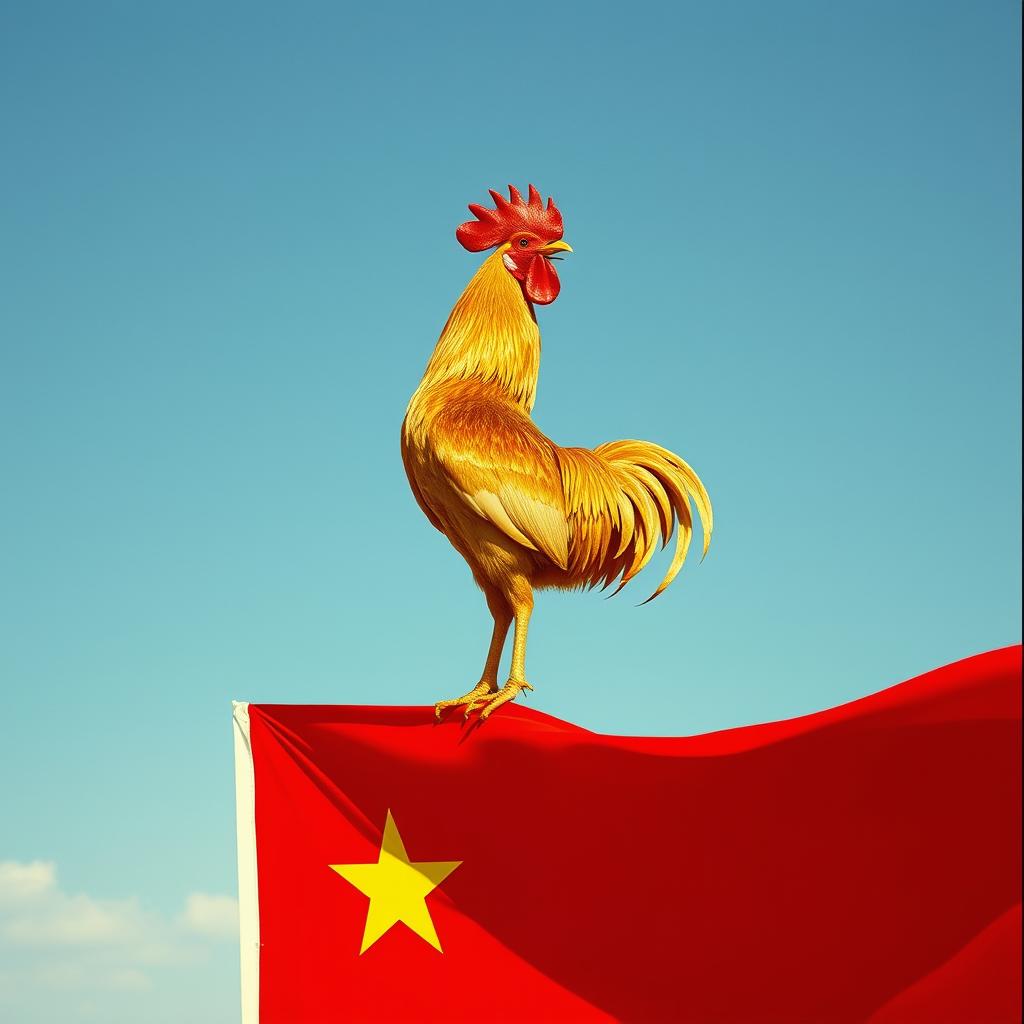
# 80
v4.5
Soviet stile anthemic orchestral compelling intro theme, then baritone male soloist introduces the theme, answered by Red Army Choir, building up with orchestral crescendo, and choir with more robust polyphony, answering the soloist in a, triumphant, heroic mode to the final climax, ‑cinematic
2:47
Hypnotic, progressive, thrash metal ballade, storytelling, psychedelic, lysergic

1:12
#30
v5
Italian alpine folk in the style of the Coro degli Alpini: strong male choir singing in close harmony, firm chest voices, no operatic vibrato, collective unison and simple four-part harmonies, Mostly a cappella, slow measured tempo, hymn-like phrasing, long sustained notes, natural acoustic reverb, Solemn, dignified, humble and emotional, evoking mountains, brotherhood, memory and silence