3:04

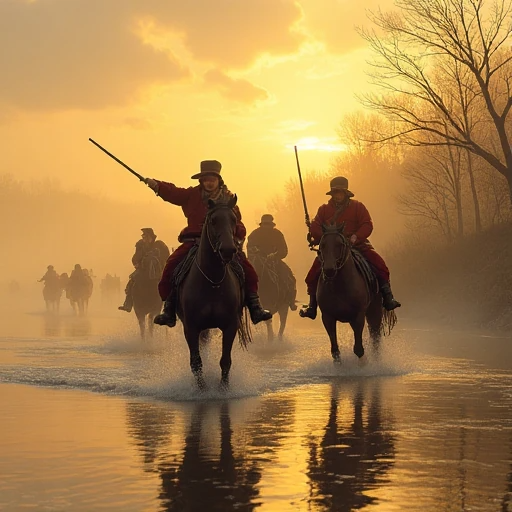
Melancholic folk ballad with light cavalry flavor in 6/8 rhythm, Soft baritone and flugelhorn over fingerpicked acoustic guitar, warm clarinet phrases and rustic accordion swells, Rhythmic but restrained snare drum and muted brass echo distant parades, Inspired by Austro-Hungarian border marches and American Civil War songs, Earthy, nostalgic, and lyrical – a farewell song for riders crossing the river at dawn
4:14

Wistful and humorous Civil War Folk Ballad (Union Side, mid-1860s style), The tempo is slow and marching (Andante, ca, 85 BPM), suitable for singing around a campfire, Dominant instrumentation is a simple, rhythmic Banjo or Acoustic Guitar (flatpicked, slightly out-of-tune sound for authenticity), A simple military snare drum (lightly brushed) keeps the marching rhythm, A melancholy fiddle or harmonica plays short, sighing melodic fills between vocal lines, Vocals: Male voice, clear but with a strong, exaggerated 'German' accent (as written in the text), delivered with dramatic, self-pitying emphasis on the 'broken heart' and 'hard pread' lines, The Chorus must be sung with exaggerated, theatrical sadness (almost a lament), Mood: Humorous, self-deprecating, deeply melancholic, and slightly nostalgic for home, capturing the hardship of the common soldier
3:49

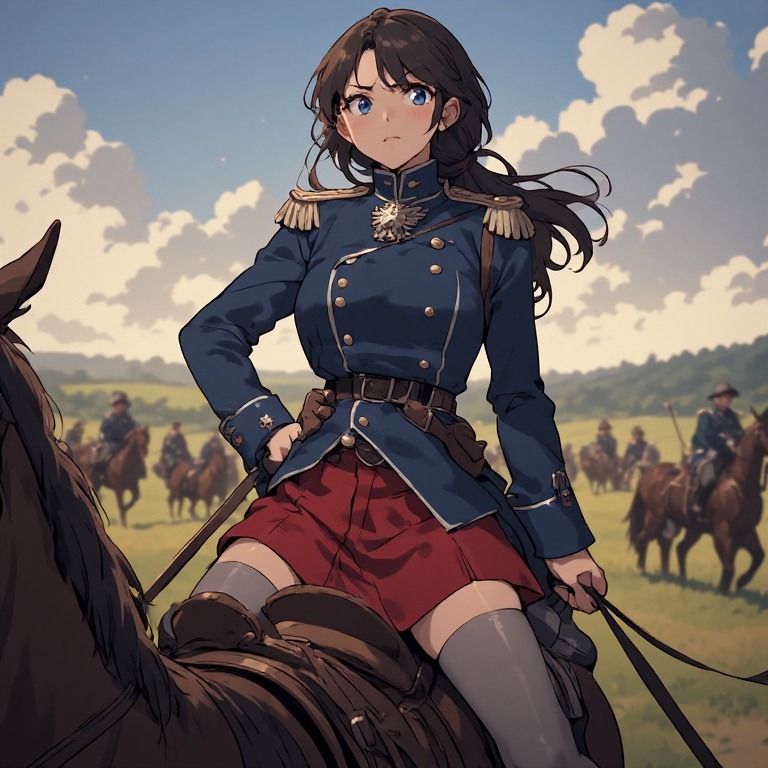
Dramatic, archaic military folk march with dark ceremonial energy and the sound of iron and fate, Fast cavalry tempo (Allegro 124 BPM), driven by dry field snare and deep bass drum, punctuated by metallic sword-on-steel accents, Brass ensemble of cornet, flugelhorn, euphonium, trombone, and baritone horn plays close and breathy, shadowed by bass clarinet and baritone sax for growling undertones, Natural reverb from a stone hall gives ritual presence without grandeur, A bright piccolo or fife cuts through like a ghost of parade calls, Male baritone vocal with clear diction and restrained emotion; small male chorus joins in the refrains with open, chant-like harmonies, No sweetness, no ornament — only brass, drum, and breath, Mood: tragic heroism, fatal devotion, and the quiet, burning resolve of men bound by steel and oath
3:18

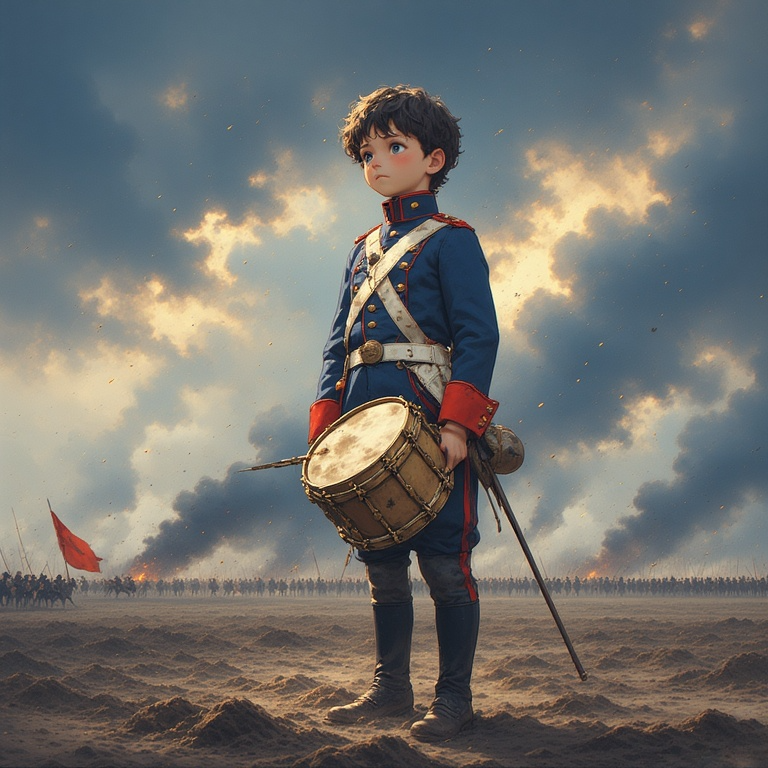
Dramatic, melancholic Military Lament in a Neo-Victorian Folk style played by a traditional 9-piece Bohemian brass band (Egerländer style), recorded in a warm early 20th century acoustic space, with clarinets, flugelhorn, trumpet, tenor horn, trombone, baritone, tuba, and light snare drum, Rustic phrasing, pastoral tempo, gentle polyphony, The tempo is a solemn Funeral March (Adagio, 90 BPM), The entire piece is dominated by a slow, deep-sounding military drum rhythm that carries through the verses, A delicate, mournful clarinet provides high-register accents, Vocals: Male lead vocal (Baritone or Tenor), delivered with clear, highly emotional, and narrative projection, The final verse should transition into an atmospheric, choral lament with wide reverb, fading out slowly to the final, lingering drum beat, Mood: Deeply sorrowful, ceremonial, and tragically heroic, focusing on sacrifice and the inevitable march of fate
3:19

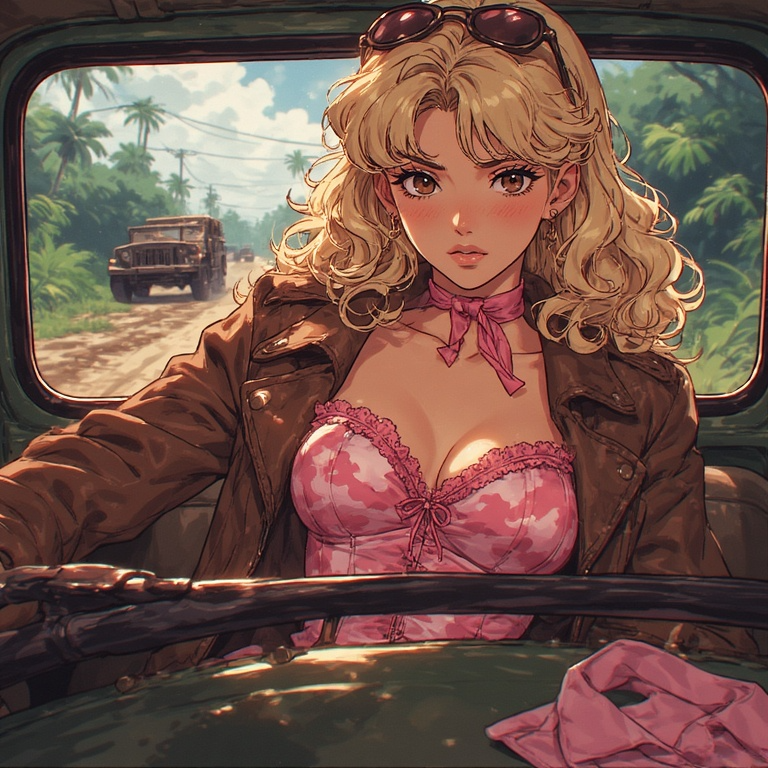
Raw Garage Rock, Proto-Punk with country undertones, bursting with sweaty basement energy yet drifting into nocturnal, mystic overtones, Fast, loose, rebellious DIY vibe even when the lights go out, Key: D Dorian, Tempo: 140 BPM, Overdriven hollowbody guitars, pounding bass and drums, handclaps, screaming amplified harmonica through fuzzed tube amp – chaotic and harsh, like a broken siren cutting through the mix, soft mid-range female vocals, Tape saturation, garage reverb, bursts of feedback, Intro with feedback swell and lead guitar response, Verses driven by raw guitar riff and vocals, Choruses explode with harmonica hook, call-and-response with vocals, Bridge breaks down into fuzzy guitar solo and stripped drum groove, Outro collapses into noise