
3:04
Baroque sacred orchestral setting in the style of Handel: solemn D minor opening with continuo, violins in slow suspensions over a walking bass, Soloist introduces themes in a declamatory style, then SATB choir enters in imitative counterpoint that blossoms into full homophonic cadences, Dynamic swells on key liturgical phrases, with brief chromatic sighs and suspensions to heighten the plea for eternal rest
3:27
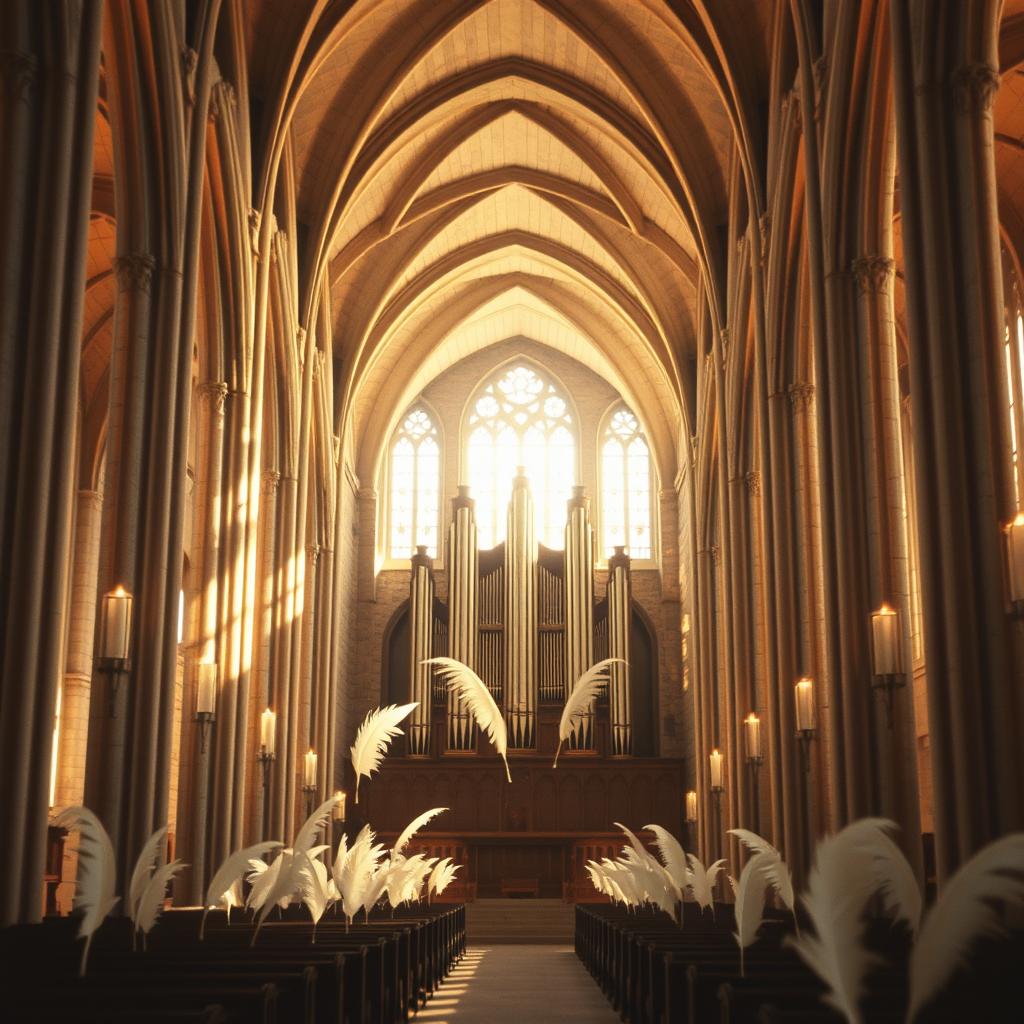
Baroque sacred choral, Bach-inspired Requiem
Andante tranquillo, steady breathing pulse
Serene, reverent, hopeful, contemplative
SATB mixed choir, blended voices, no soloists
Latin liturgical text, sacred pronunciation
Imitative counterpoint, gentle fugal entries
Clear tonal harmony with expressive suspensions
Minor key opening resolving into relative major
Pipe organ continuo, warm string ensemble
No brass, no percussion, no modern instruments
Natural cathedral acoustics, reverberant space
Restrained dynamics, no dramatic climaxes
Extended repetitions and overlapping choral lines
Meditative, pilgrimage-like spiritual journey
Avoid cinematic, romantic, or modern styles
2:12
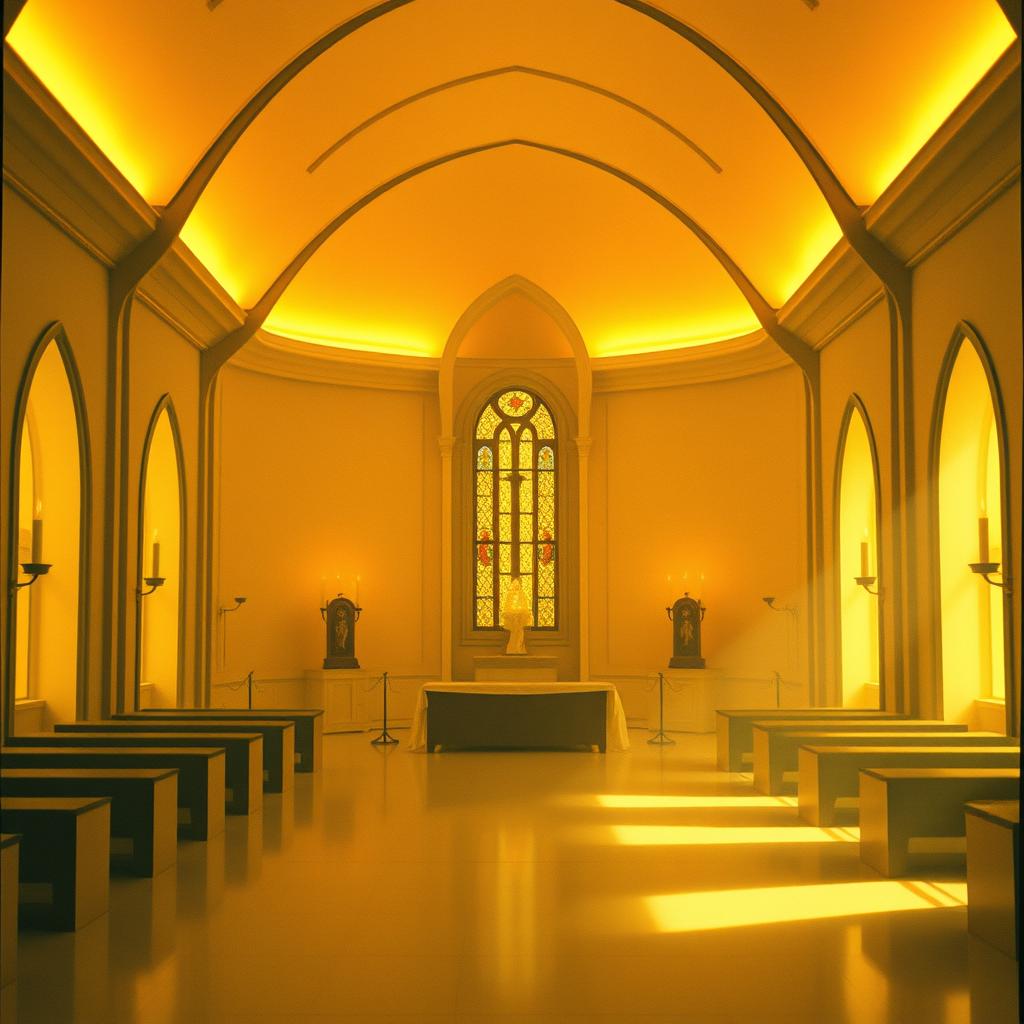
Kyrie
v5
Renaissance sacred choral in the style of Thomas Tallis, homophonic texture, slow and reverent pacing, sustained harmonies, gentle dynamics, clear text delivery, no counterpoint complexity, chapel acoustics
2:50
Sanctus
v5
“Allow long rests, sustained chords, and floating harmonic repetitions; do not rush phrases or conclude early, ”
Romantic sacred choral in the style of Gabriel Fauré
Andante moderato, gently flowing, never rushed
Ethereal, serene, consoling, luminous, peaceful
SATB mixed choir, blended and warm, no soloists
Smooth legato phrasing with sustained vocal lines
Primarily homophonic texture with subtle inner motion
Soft modal harmony with gentle chromatic color
Major key atmosphere with tender harmonic shifts
Organ and warm string ensemble, harp-like textures
No brass, no percussion, no dramatic accents
Floating dynamics, mostly piano to mezzo-piano
Natural cathedral acoustics with long reverberation
Paradise-focused Requiem, light without triumphalism
Extended repetitions, slow harmonic rhythm
Long pauses, sustained chords, and lingering cadences
Avoid operatic drama, cinematic scoring, or modern styles
Allow slow unfolding over approximately five to six minutes
4:26

Romantic-era sacred choral music, inspired by Johannes Brahms, slow to moderate tempo, deeply expressive and reverent, warm SATB choir with rich inner voices, lush Romantic harmonies, gentle suspensions and resolutions, orchestral accompaniment with strings and soft woodwinds, legato phrasing, broad melodic arcs, solemn yet comforting atmosphere, meditative and expansive structure, multiple full restatements of the text, extended cadences and harmonic breathing space, sacred Latin liturgical setting, intimate, consoling, and spiritually reflective, concert Requiem style rather than strict church chant
long-form movement, unhurried pacing, allow phrases to fully unfold, treat the Benedictus as a contemplative meditation
3:58

Sacred vocal quartet (SATB) with chamber orchestra, inspired by Johann Sebastian Bach, four distinct solo voices, not a full choir, clear independent vocal lines with gentle counterpoint, moderate, flowing tempo with steady rhythmic motion, Baroque-style harmonic language with expressive suspensions, light continuo feel (organ or harpsichord style), strings providing rhythmic clarity and forward momentum, transparent texture and precise articulation, reverent and devotional character, structured phrasing and balanced form, lively inner motion without theatrical drama
2:51
Classical-era sacred choral style, elegant and flowing Agnus Dei setting, moderate, gently forward-moving tempo, clear, singable melodic lines, balanced classical harmony with warm lyricism, SATB choral texture with even voice distribution, light orchestral accompaniment with strings and soft winds, smooth legato phrasing and natural cadences, serene and reverent atmosphere, sense of calm trust rather than sorrow, restrained dynamics and graceful motion, Alleluia treated quietly and respectfully, not triumphant, avoid dramatic heaviness or dense counterpoint
allow gentle instrumental introductions and interludes, let phrases unfold naturally without rushing, use repeated cadences to create calm forward motion
3:34
contemporary sacred choral style, warm, human, and contemplative tone, Latin liturgical text, opening solo tenor a cappella with intimate authority, speech-like phrasing with gentle lyricism, unforced and natural vocal production, expanded male choral texture, twelve-part male choir with independent inner lines, rich harmonic clusters that resolve slowly, deep bass and baritone foundation with audible resonance, tenors blended into the harmonic fabric, gradual harmonic shifts and sustained sonorities, meditative pacing with long breaths and pauses, focus on text expression and internal reflection, emotionally transparent rather than dramatic, no operatic gestures or overt virtuosity, progressive unification of voices, voices gradually align rhythmically and harmonically, final section sung in full unison, simple, luminous Alleluia with sustained tone, sense of communal unity and quiet spiritual affirmation, gentle, reverent ending with resonance allowed to decay
2:51
Baroque-influenced sacred piece; strings and continuo with gentle organ foundation, male or mixed choir, Handel-style grandeur in the harmonic pacing and suspensions, with clear melodic arcs that bloom on key words, Begin with a transparent a cappella entrance, then strings join to support long choral lines; final cadence broad and radiant, with a brief soprano descant on the last “Jerusalem, ”