0:44
Duration: 30-40 seconds, • Opening (0-15s): Solo violin, slow and lyrical, in D minor, Add soft string ensemble (violins, cellos) and faint harpsichord for 18th-century texture, • Build (15-25s): Strings intensify, tempo increases slightly, with operatic male voice delivering poetic lyrics, • Climax (25-35s): Full orchestra with timpani accents, dramatic and bold, Voice peaks with rebellious tone, • Transition (35-40s): Orchestra fades to a single cello drone, setting up the Ozzy tribute’s opening riffs, • Lyrics (brief): “O Muse, thy flame lights shadows deep, / A rebel’s heart where angels weep, ”
• Style: Mozart-inspired classical, operatic, with a dark, dramatic edge to bridge into Ozzy’s vibe
4:58
Genre: Heavy Metal/Classical Fusion
Mood: Gritty, defiant
Tempo: 85 BPM
Key: E minor
Vocals: Raw Ozzy-style male, British accent, operatic chorus
Instrumentation: Sabbath guitar riffs, drums, with Mozart-style harpsichord, strings, pipe organ, Harmonica for Birmingham grit, Structure: Guitar/harmonica intro, metal verses, orchestral-metal chorus, organ-led bridge, string/guitar outro, Lyrics: Young Ozzy in Aston—poor, bullied, dyslexic, class clown, Brummie slang, dreams big, Use Aston Lad lyrics, Production: Raw metal with crisp classical, Add faint factory sounds, References: “Paranoid” (Sabbath), Mozart’s Requiem
4:22
Length: Cut down to ~100 words from ~200, keeping key details: Ozzy’s dropout, jobs, prison, Sabbath formation, and emotional arc, • Musical Fusion: Still specifies Mozart’s strings/harpsichord and Sabbath’s doomy riffs/bass/drums, with clear tempo and vocal style for Suno, • Narrative: Retains all requested elements (jobs, prison, band formation) in a concise way, ensuring the story and tone shine through
5:57
Genre: Classical Metal Fusion (Mozart orchestral meets Sabbath heavy metal) Mood: Haunting, remorseful, epic
Tempo: 80-90 BPM, slow build, Key: D Minor, Instrumentation: - Classical: Strings (violins, cellos), pipe organ, harpsichord, choral harmonies (Mozart Requiem-style), - Metal: Distorted guitar riffs (Iommi-inspired), pounding drums, eerie lead guitar solo (Randy Rhoads-style), - Vocals: Raw, Ozzy-like male lead with wailing delivery, backed by operatic choral vocals, Lyrics Theme: Ozzy’s guilt and lost love for Thelma Riley, with gothic imagery like “shadows of my sin, ” “tears stain my soul, ” and “ghosts of yesterday, ” Structure: - Intro: Pipe organ and strings, into heavy guitar riff, - Verse: Harpsichord/strings with chugging guitars, confessional vocals, - Chorus: Choral harmonies over power chords, blending Mozart drama and Sabbath intensity, - Bridge: Cello solo, choral chants, into chaotic guitar solo, - Outro: Organ, strings, fading vocal wail, Production: Cathedra
2:44
Duration: ~2:30, Tempo: 132 BPM, Key: E minor, Genre/Style: Classical-Metal Fusion (Mozart meets Ozzy)Instruments: Electric guitar, bass, drums, string quartet (violins, viola, cello), harpsichord, oboe, synth pads
Mood: Starts dark and heavy, shifts to hopeful and triumphant Structure & Description, Intro (0:00-0:15):Harpsichord plays a moody E minor arpeggio, Mozart-style, Cellos drone low, guitar feedback hums, Dark, reflecting Ozzy’s despair, Verse 1 (0:15-0:45):- Drums kick in with a galloping beat like “Steal Away, ” - Guitar rips a gritty E minor riff, Randy Rhoads vibe, - Violins add quick, classical runs, Restless and heavy, - Chorus (0:45-1:15):- Guitar shifts to a melodic, upbeat riff, - Strings soar with a G major Mozart melody, oboe doubles it, - Synth pads add warmth, Bright, hopeful (Sharon’s love), - Verse 2 (1:15-1:45):- Like Verse 1, but guitar adds bends, strings get more intricate, - Harpsichord stabs for classical edge, Growing confidence, - Bridge (1:45-2:00):- Slo
4:07
Title: "Sharon’s Flame"
Duration: 3:30
Tempo: 120 BPM
Key: E minor
Genre/Style: Classical-Metal Fusion (Mozart 1700s meets Ozzy “So Tired” rock)
Instruments: Harpsichord, string quartet (violins, viola, cello), electric guitar, heavy bass, slow pounding drums, subtle synth pads
Mood: Starts melancholic and weary (reflecting Ozzy’s despair), builds to passionate and triumphant (symbolizing love and renewal)
Lyrics: [Insert the "Sharon’s Flame" lyrics from the previous response]
Tags: Classical, Heavy Metal, Orchestral, 1980s Rock, Ballad
Mood Tags: Melancholic, Passionate, Triumphant
4:31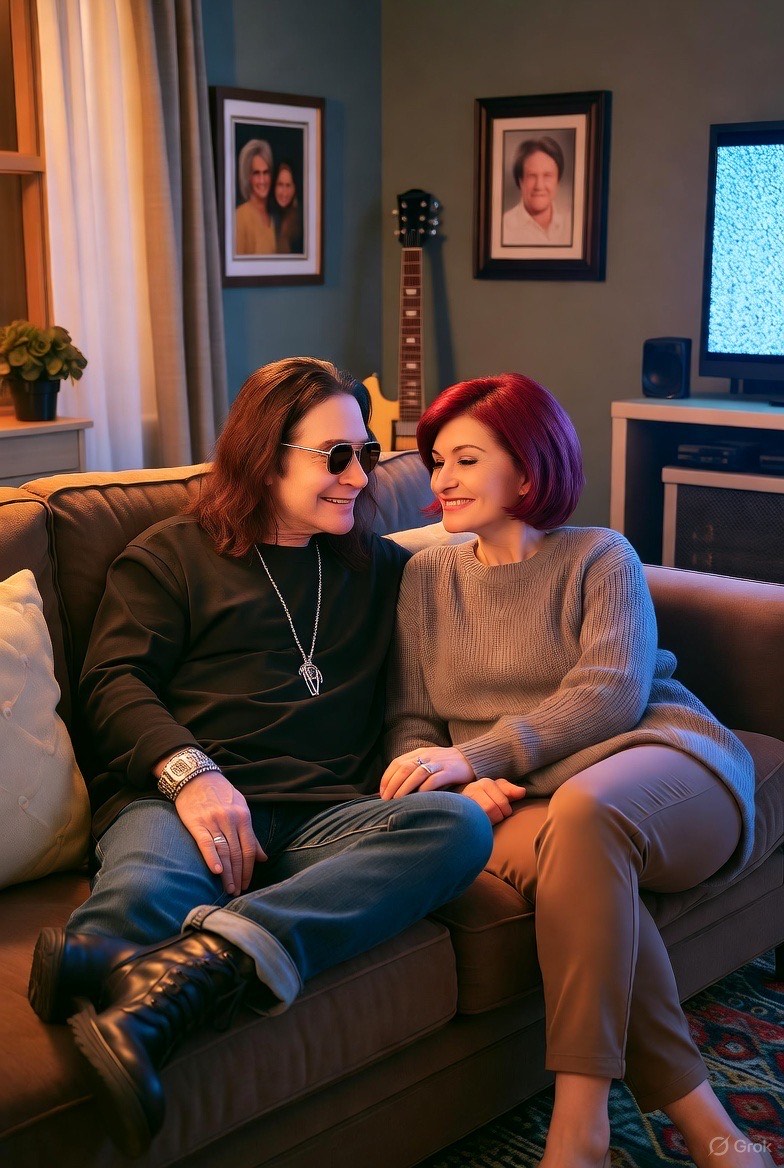
Duration: 3:30
Tempo: 85 BPM
Key: E minor
Genre/Style: Heavy Metal Ballad (Ozzy “So Tired” vibe)
Instruments: Electric guitar (gritty riffs), heavy bass, slow pounding drums, subtle synth pads, occasional harpsichord for texture
Mood: Frustrated, weary, with a hopeful release
Lyrics: [Insert the above lyrics]
Description: Create a heavy metal ballad with a slow, brooding tempo, starting with a gritty electric guitar riff and pounding drums, reflecting Ozzy’s exhaustion from the MTV cameras, Add subtle harpsichord flourishes for a classical edge, building to a powerful chorus with soaring guitar leads, The mood shifts from dark frustration to a triumphant release in the bridge and outro, symbolizing freedom from the show, Incorporate 2000s rock atmosphere with synth pads, Tags: Heavy Metal, Ballad, 2000s Rock
Mood Tags: Frustrated, Hopeful, Dramatic
1:42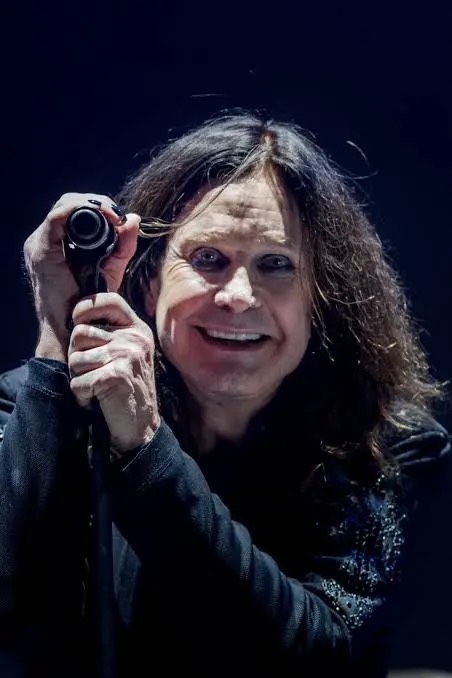
2:49
Genre: Heavy Metal / Classical Fusion
Duration: 8:00
Tempo: Variable (80 BPM for heavy sections, 120 BPM for classical sections, with transitions)
Mood: Dark, dramatic, intense, yet elegant and structured
Instrumentation: Electric guitar (distorted, Sabbath-style riffs), bass guitar (deep, groovy), drums (hard-hitting, double-kick), pipe organ (for Mozartian grandeur), harpsichord (for classical texture), string section (violins, violas, cellos), choir (for epic, haunting atmosphere), and subtle synth pads (for a modern, eerie Ozzy vibe)
5:08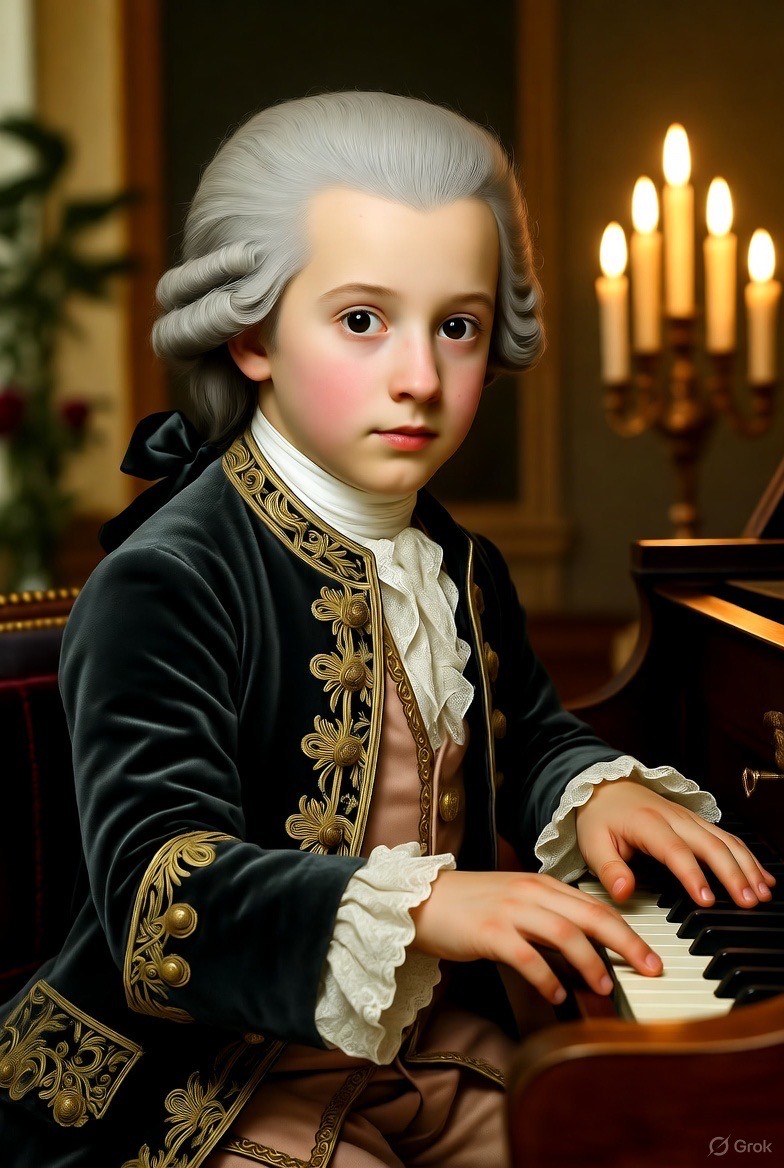
Song Title: A Song from the Heart of Young Wolfgang
Genre: Classical, 18th-century minuet
Style: Instrumental and vocal, inspired by the early keyboard minuets of Mozart (circa 1761–1762, e, g, Minuet in G major, K, 1/1e), The music should evoke the simplicity, elegance, and charm of a 5-year-old prodigy’s composition, with a delicate and graceful structure suitable for harpsichord or fortepiano, Mood: Thoughtful, introspective, yet hopeful and youthful, balancing wonder at musical talent with the weight of a child’s extraordinary life, Tempo: Moderate, typical of a classical minuet (around 120–140 BPM)
4:02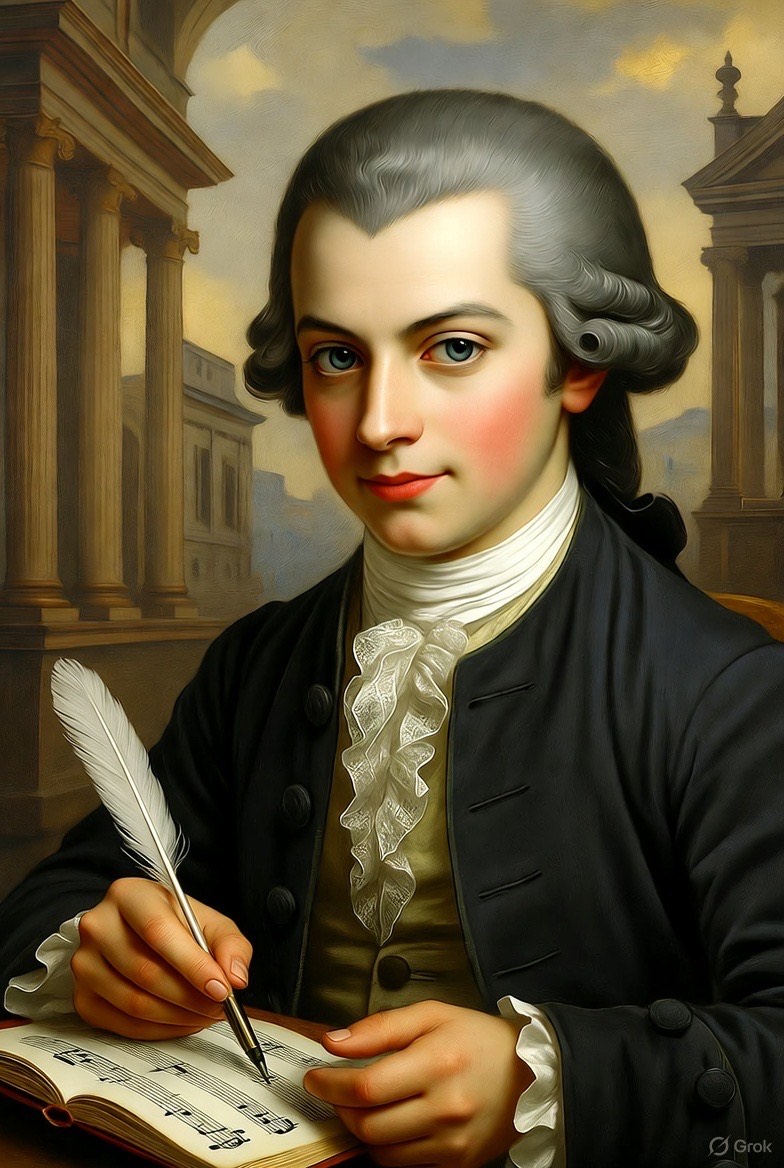
Compose a lyrical, 18th-century classical aria in the style of a teenage Mozart, circa 1770, The song is from Mozart’s perspective, capturing his youthful fire, prodigious talent, and longing for freedom, It should evoke his Italian tours and operatic triumphs, with vivid imagery of quills, strings, and starry nights, The mood is passionate yet wistful, blending confidence with the restlessness of youth, Use a bright, melodic fortepiano or harpsichord accompaniment, with soaring strings in the chorus to mimic Mozart’s early operas like Mitridate, Keep the tempo lively but expressive, with dynamic shifts to reflect his emotional intensity, Lyrics should feel poetic, formal yet heartfelt, with a structure of two verses, a chorus, and a brief bridge, under 3 minutes, "
2:54
Create a classical orchestral song in the style of Mozart’s Symphony No, 41 (‘Jupiter’), capturing the grandeur, elegance, and complexity of late 18th-century classical music, The song should evoke a four-movement symphonic structure, condensed into a single track with distinct sections:
1, Allegro Vivace (0:00–1:30): Bright, energetic, in C major, with bold string fanfares, playful woodwinds, and driving rhythms, conveying ambition and freedom, 2, Andante Cantabile (1:30–2:30): Lyrical, tender, in F major, with muted strings and warm woodwind melodies, expressing love and loss, 3, Menuetto (2:30–3:30): Stately yet playful, in triple meter, with elegant string-wind interplay and subtle dissonances, reflecting success and struggle, 4, Molto Allegro (3:30–end): A triumphant, contrapuntal finale in C major, with interwoven themes, galloping strings, and bold brass, evoking defiance and legacy
4:02
Song Title: Serenade for a Vienna Muse
Genre: Classical (Mozartian Style)
Mood: Romantic, tender, nostalgic, with moments of joyful exuberance
Tempo: Moderate, flowing (80-90 BPM), with slight variations to reflect emotional shifts
Instrumentation: Piano, string quartet (violins, viola, cello), harpsichord, flute, oboe, and subtle horn accents, Incorporate a classical chamber ensemble feel, with delicate interplay between instruments to mimic Mozart’s elegant and expressive style, Description: An instrumental piece inspired by Mozart’s meeting with Constanze Weber in 1777 Mannheim and their blossoming romance in 1781 Vienna, The music narrates their story: a fleeting encounter, a rekindled connection, and a triumphant love defying obstacles, The piece should feel like a Mozart serenade or divertimento—light, lyrical, and intricate, with a balance of tender intimacy and theatrical flourish, Structure the composition to reflect four movements:
5:12
Genre: Classical/Operatic Pop
Mood: Romantic, nostalgic, tender, with moments of triumphant joy
Tempo: Moderate, with a flowing, lyrical pace (around 80-90 BPM)
Instrumentation: Piano, strings (violin, cello), harpsichord accents, light woodwinds (flute, oboe), and subtle choral harmonies to evoke Mozart’s era, Add a touch of modern pop orchestration for accessibility, Vocal Style: Male lead vocal (tenor, inspired by Mozart’s expressive and emotive style), with warm, heartfelt delivery, Optional female backing vocals for the chorus to echo Constanze’s presence, Description: A song fromMozart’s perspective, recounting his first meeting with Constanze Weber in 1777 Mannheim and their deepening love in 1781 Vienna, The tone is romantic and reflective, blending the grandeur of classical music with the intimacy of a personal love story, The song should feel like a Mozart composition—elegant, melodic, and theatrical—while remaining accessible to modern listeners
5:12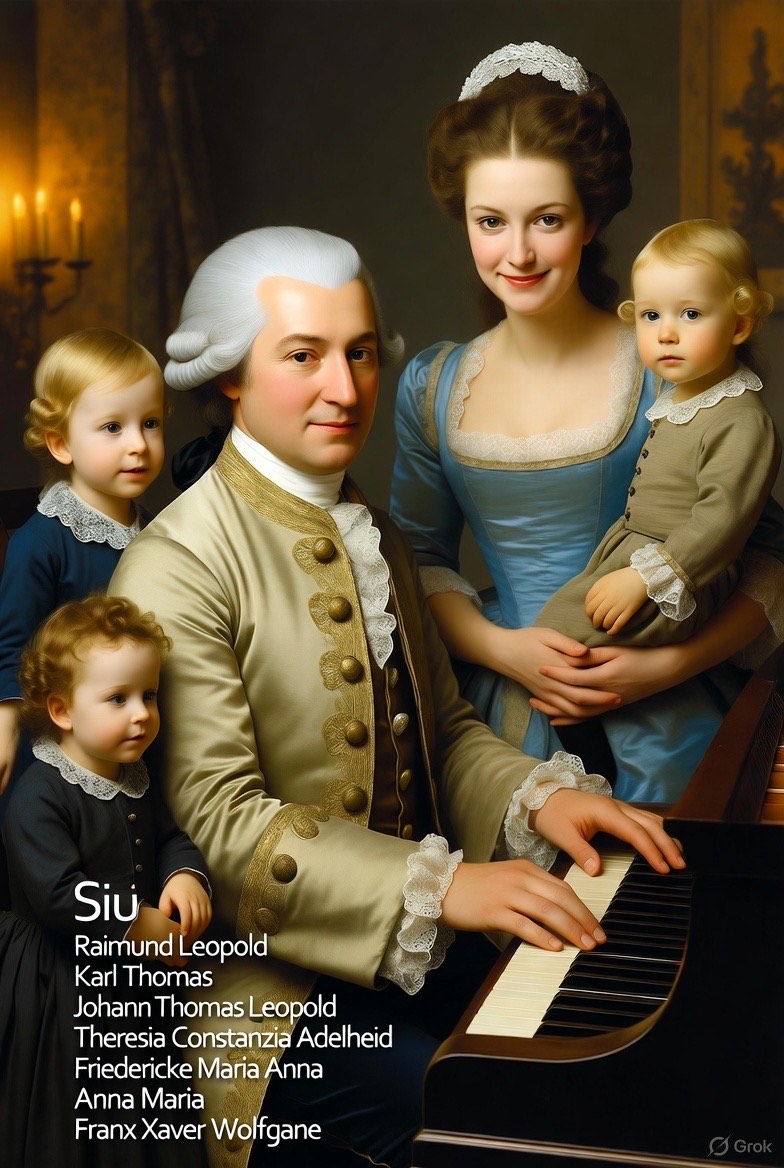
Genre: Classical, Mozartian Opera
Style: Late 18th-century classical, inspired by Mozart’s operatic arias (e, g, The Marriage of Figaro, Don Giovanni)
Mood: Emotional, dramatic, tender yet anguished
Tempo: Andante (moderate, allowing for expressive phrasing)
Key: C Major (for warmth and hope) with shifts to A Minor (for sorrow and drama)
Instrumentation: Classical ensemble—strings (violins, viola, cello), fortepiano, solo oboe, and flute for melodic flourishes
Vocals: Expressive solo tenor or soprano (to evoke Mozart’s voice), with occasional choral backing for dramatic emphasis
Lyrical Theme: A father’s love and grief for his six children, four lost to early death and two surviving, woven with musical metaphors
Structure: Verse-Chorus-Verse-Chorus-Verse-Coda, with dynamic contrasts (soft for tender moments, forte for dramatic peaks)
1:57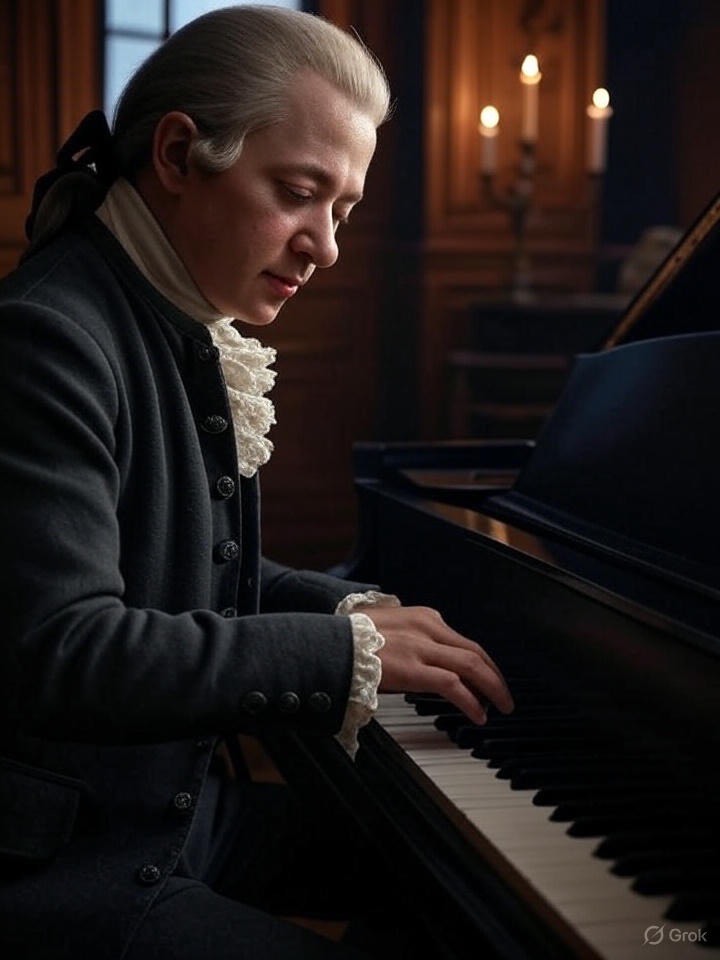
Wolfgang
v5
Style: Classical orchestra in the style of Mozart’s Symphony No, 4 in D major (K, 19), Bright, youthful, elegant, and playful, Use strings, oboes, horns, and light harpsichord continuo, Keep phrasing short, lively, and joyful, Choral voices singing in a celebratory, classical style, Energetic and triumphant finale, Lyrics:
Child of wonder, born to play, Notes of joy in bright array!
From the heart your music flows, Light eternal that still grows, Wolfgang, shining ever true, Songs of heaven flow through you!
Youthful fire, genius bold, Stories sung in tones of gold!
Though the years were all too few, The world forever sings of you…
Glory, Mozart! Hear the sound, Everlasting, all around!
Joy resounding, pure delight, Wolfgang’s star will burn so bright!
3:32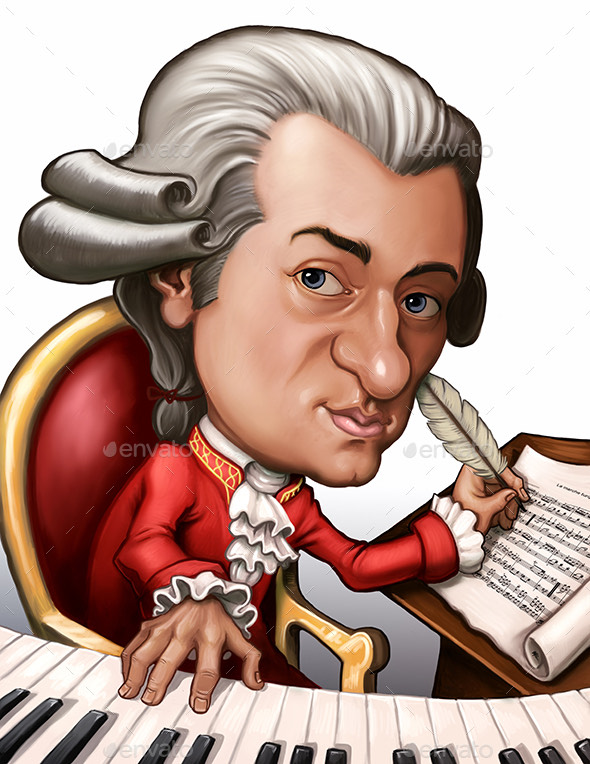
Amadeus
v5
Style: Classical Orchestra in the Style of Mozart’s Symphony No, 4 in D Major (K, 19), Bright, youthful, elegant, and playful, evoking the exuberance of early Mozart, Instrumentation: Lively strings (violins, violas, cellos, double basses), two oboes, two horns, and a delicate harpsichord continuo providing subtle harmonic support, Structure: Three movements—fast (allegro) in D major with a spirited, galloping theme; slow (andante) in A major with graceful, lyrical melodies; and a brisk, triumphant finale (presto) in D major, Keep phrasing short, crisp, and joyful, with clear, balanced interplay between strings and winds, Include a small choral ensemble (SATB) singing wordless “ah” syllables in the first and third movements, doubling the melodic lines in a celebratory, classical style, inspired by Mozart’s sacred choral works, Emphasize energetic string runs, buoyant oboe flourishes, and bold horn calls, especially in the finale, which builds to a jubilant, triumphant close with layere
3:24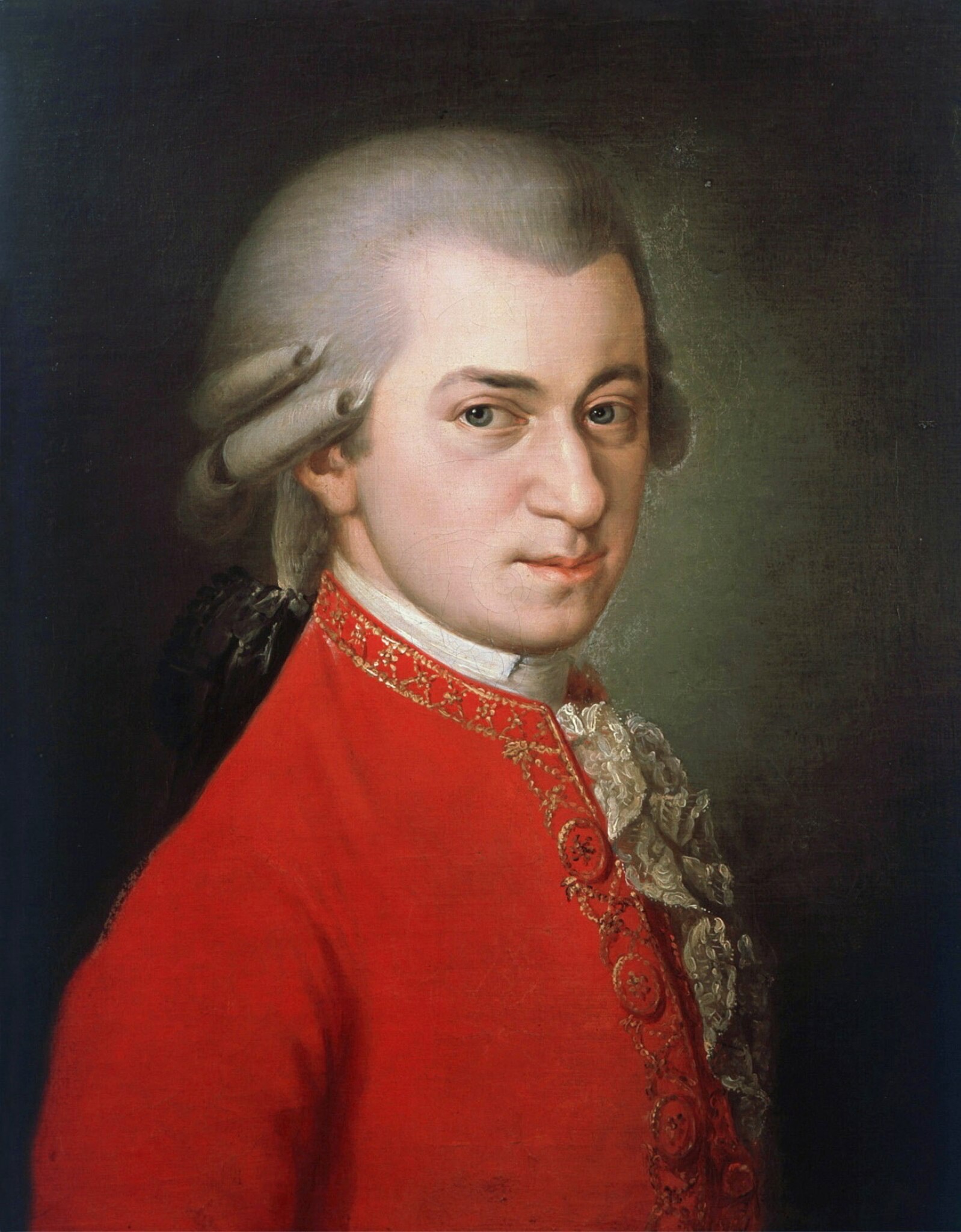
Mozart
v5
Create a classical piece in the style of Mozart, set in the 18th-century Viennese tradition, The composition should feature a lively orchestral arrangement with harpsichord, strings (violins, violas, cellos), woodwinds (flutes, oboes, bassoons), and light brass (horns), The tempo alternates between Allegro for upbeat verses, Maestoso for grand choruses, Andante for a mock-serious tone, and Presto for a comedic bridge, The mood is playful yet grandiose, with intricate melodies and sparkling ornamentation, evoking Mozart’s operatic flair, The lyrics are a witty, satirical roast of Mozart himself, poking fun at his ego, wigs, and lavish lifestyle, delivered by a solo soprano or tenor with a theatrical, almost comedic tone, accompanied by a full classical orchestra, Think of the elegance of The Marriage of Figaro mixed with the cheeky humor of The Magic Flute, ”
3:29
Style Prompt: Use the suggested prompt: “A Mozart-inspired classical song with operatic vocals, featuring a lyrical soprano or tenor lead and choral harmonies, Orchestral accompaniment with strings, flutes, horns, and timpani in a bright C major tonality, Elegant, balanced melodies with a triumphant, uplifting feel, evoking the drama of the American Revolutionary War, Tempo: 120 BPM, Include instrumental interludes and a grand finale, ”
3, Settings: Select “Custom” mode if available, and choose “Vocal” with a preference for classical or operatic style, If Suno offers duration controls, aim for 3-4 minutes initially, 4, Extending Duration: Since Suno’s output may be shorter than 7 minutes, generate the song and use audio editing software (e, g, Audacity) to loop the chorus or extend the instrumental outro, Alternatively, generate two versions (e, g, Verses 1-2 + Chorus, then Bridge + Verses 3-4 + Chorus) and stitch them together, 5, Instrumental Sections: Request an instrumental intro
2:47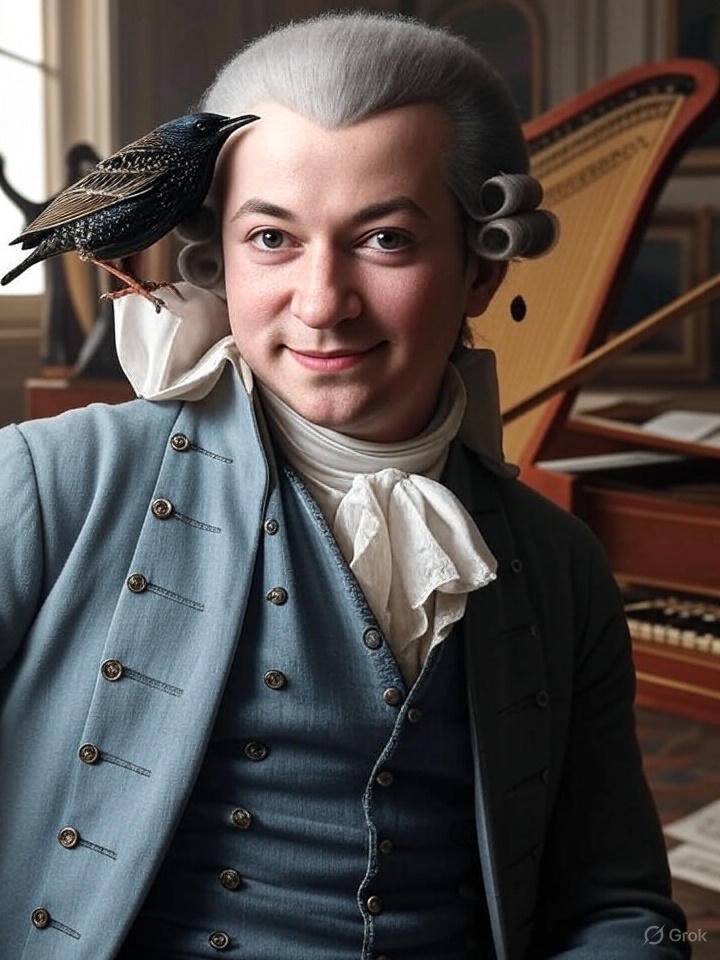
Create a classical vocal piece in the style of Mozart, titled "Ode to the Wingèd Muse, " as a tribute to Mozart’s pet starling, The song should be a short aria in G Major, with a moderato tempo (100–110 BPM), using a lyrical and ornate melody with bird-like trills and grace notes to evoke a starling’s song, The structure is ABA form (verse-chorus-verse-chorus-bridge-chorus), with balanced 4–8 bar phrases and occasional chromatic touches for emotional depth, The harmony should be diatonic with gentle modulations to D Major or E Minor in the bridge, featuring secondary dominants and suspensions, The accompaniment should include a light classical orchestra with strings (violins, violas, cello), fortepiano or harpsichord for continuo, and a flute for bird-call flourishes, using Alberti bass and delicate arpeggios, The mood is playful yet poignant, blending whimsy with tender elegy, Use a clear, operatic vocal style (soprano or tenor) to deliver the lyrics, Ensure the piece feels authentic t
5:55
The Hofdemel Theory
v4.5+
Create a furious piano instrumental seething with rage over a loved one’s brazen daylight murder before thousands, including their family, Use a sharp minor key (e, g, B minor) to channel raw anger, • Piano: Drive with aggressive, staccato chords and a relentless, pounding melody, Let dissonant notes scream frustration, • Violin: Add shrill, jagged screeches and rapid, fiery runs to mirror uncontrollable fury, clashing with the piano’s rage, • Bass: Drop heavy, pulsing bass notes like fists slamming, amplifying the intensity in key moments, • Cymbals: Use sharp, crashing cymbals to evoke the violent shock of the murder, with rapid hi-hat hits for boiling tension, Start with a volatile piano riff, layer in screeching violin and pulsing bass, build to a chaotic climax with cymbal crashes, then end abruptly, unresolved, like lingering rage, Keep tempo fast (~120 BPM), Picture a crowded street, the family’s screams, and fury burning uncontrollably
2:39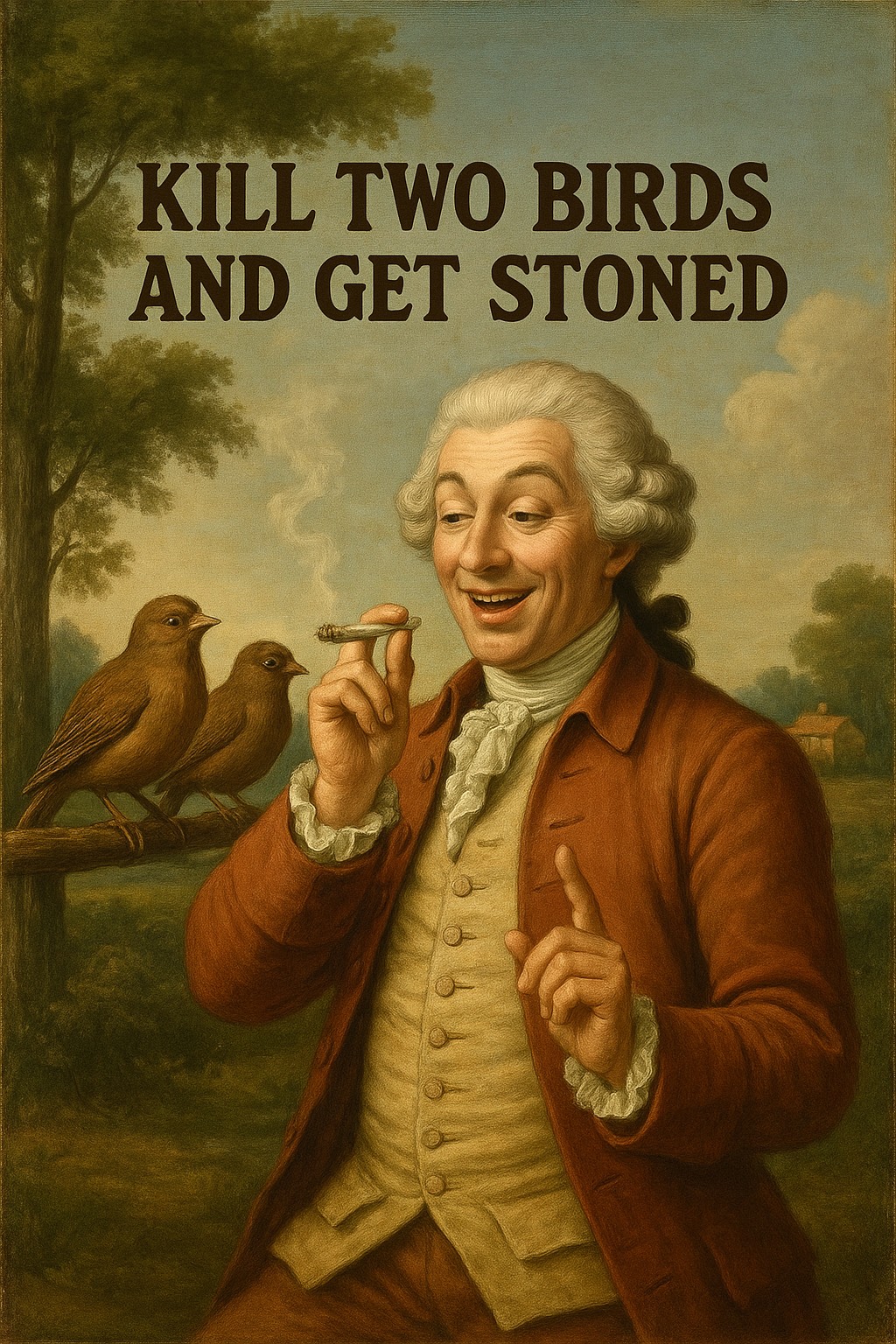
Compose a witty and whimsical song based on the theme ‘Kill Two Birds and Get Stoned, ’ styled after Mozart, The arrangement should feature lively strings, playfully energetic woodwinds, and bold classical dynamics, channeling the elegant spirit of Mozart’s symphonies and operatic arias, Verses should have a light, humorous tone with melodic motifs that capture the confusion and absurdity of the lyrics, Incorporate a graceful minuet or playful rondo in the interlude, and ensure the orchestration is rich, with clear melodic lines and the sparkle of a Viennese court
1:32
Genre: Classical, Mozartian
Style: 18th-century Viennese classical, upbeat, humorous, with a touch of cheeky irreverence
Tempo: Allegro non troppo (lively but not overly fast, ~120 BPM)
Key: C Major (bright and jovial, perfect for Mozart’s playful mood)
Mood: Whimsical, mischievous, comedic, with a sense of tavern revelry and aristocratic wit
Instrumentation:
- Strings: Violins (bright, skipping melodies), violas, cellos (providing a bouncy bassline)
- Woodwinds: Flute and oboe (for cheeky trills and flourishes), bassoon (for humorous low-end “toots”)
- Harpsichord or fortepiano: For crisp, rhythmic accompaniment and playful chords
- Optional percussion: Light tambourine or triangle to add a festive, tongue-in-cheek sparkle
2:39
*Create a haunting melody* that captures the essence of a forgotten library, where dusty tomes hold secrets of the past, Incorporate eerie whispers, creaking doors, and the faint scent of old parchment, *Instruments:*
- Piano or keyboard for the main melody
- Ambient pads or synthesizers for atmosphere
- Optional: eerie sound effects (whispers, creaks) or soft percussion
*Mood:* Mysterious, nostalgic, and slightly unsettling, *Tempo:* Moderate, around 90-110 BPM, *Style:* Ambient, instrumental, with a touch of cinematic flair
2:46
Ambient instrumental, haunting library vibe, piano, pads, whispers, creaks, A minor, 100 BPM, shifting to Mozart-era classical with harpsichord, strings, flute, Mysterious, nostalgic, elegant, slightly eerie
2:19
Genre: Classical-Electronic Fusion / Hip-Hop / Freestyle
Mood: Playful, elegant, energetic, futuristic
Tempo: 105 BPM
Key: C Major
Description:
A lively instrumental blending Mozart’s elegant strings and piano melodies with modern trap beats and freestyle flair, Start with a harpsichord-like piano arpeggio, layered with subtle 808 kicks and a synth pad, Add a bright string quartet playing a catchy, Mozart-inspired melody, backed by rolling hi-hats and a deep bass synth, Drop into a club-ready beat with EDM synths and a freestyle violin riff improvising over the theme, Build to a dramatic bridge with piano and vocal hums, then hit a triumphant finale with soaring strings, choir harmonies, and a dubstep wobble bass, Keep it dynamic, cool, and spontaneous, like Mozart jamming in a 2025 club, Instruments:
• Classical: String quartet, piano, harpsichord
• Modern: 808 bass, trap hi-hats, EDM synths, vocal chops
• Freestyle: Violin, turntable scratches
Structure:
• Intro: Piano + 808 puls
7:09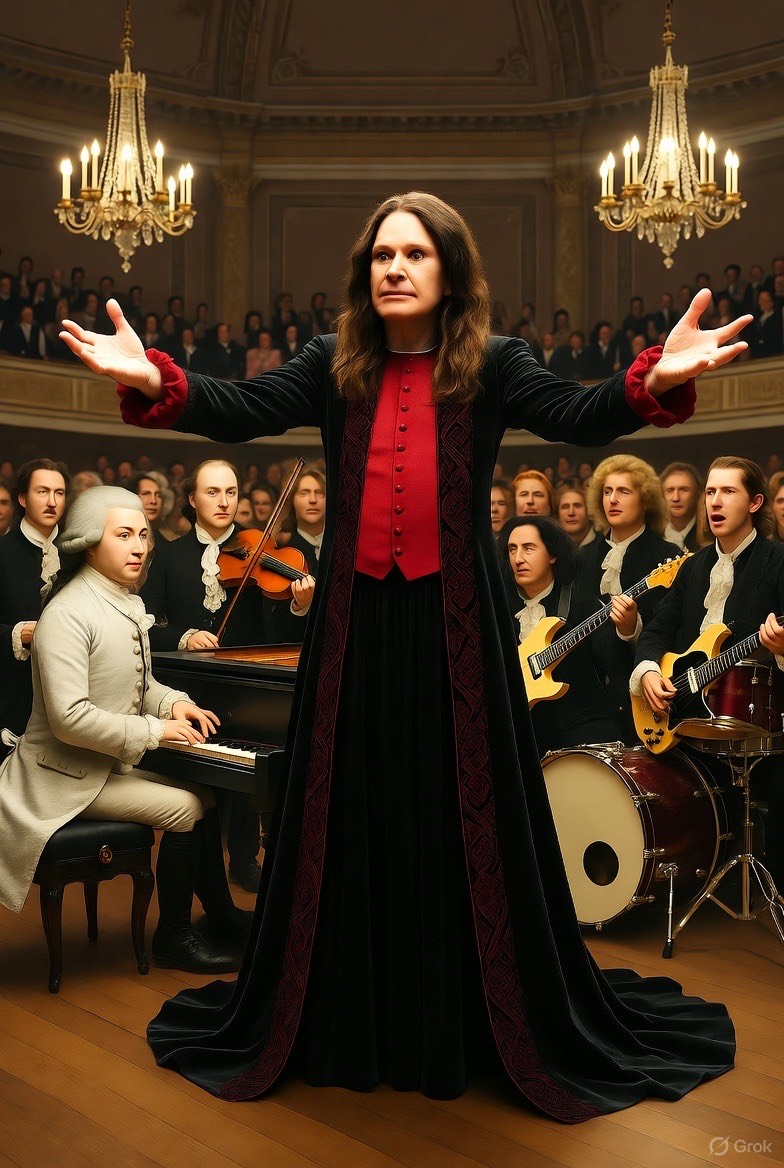
genre-blending masterpiece performed in an 18th-century Viennese concert hall, fusing Mozart’s classical orchestration with Ozzy’s heavy metal, Black Label’s heavy blues riffs, and nu-metal’s syncopated grooves, The song features two distinct male vocalists: Mozart, with an elegant, operatic tenor, and Ozzy, with a gritty, nasal baritone, The lyrics tell of Mozart and Ozzy traveling through time, with Mozart disgusted by the future’s materialism and speed, returning to his era to debut “Metal” and urge Vienna’s people to slow down, reject hollow progress, and live passionately in the present, Genre: Classical/Heavy Metal/Nu-Metal Fusion Mood: Epic, rebellious, passionate, urgent, Tempo: Dynamic, shifting from slow and majestic (80 BPM) to fast and heavy (140 BPM) Duration: ~4 minutes Vocal Styles: - Mozart: Operatic tenor, melodic, precise, with classical vibrato, His voice is poetic, elegant, yet urgent, reflecting his disdain for the future and love for music, Used in Verse 1
3:08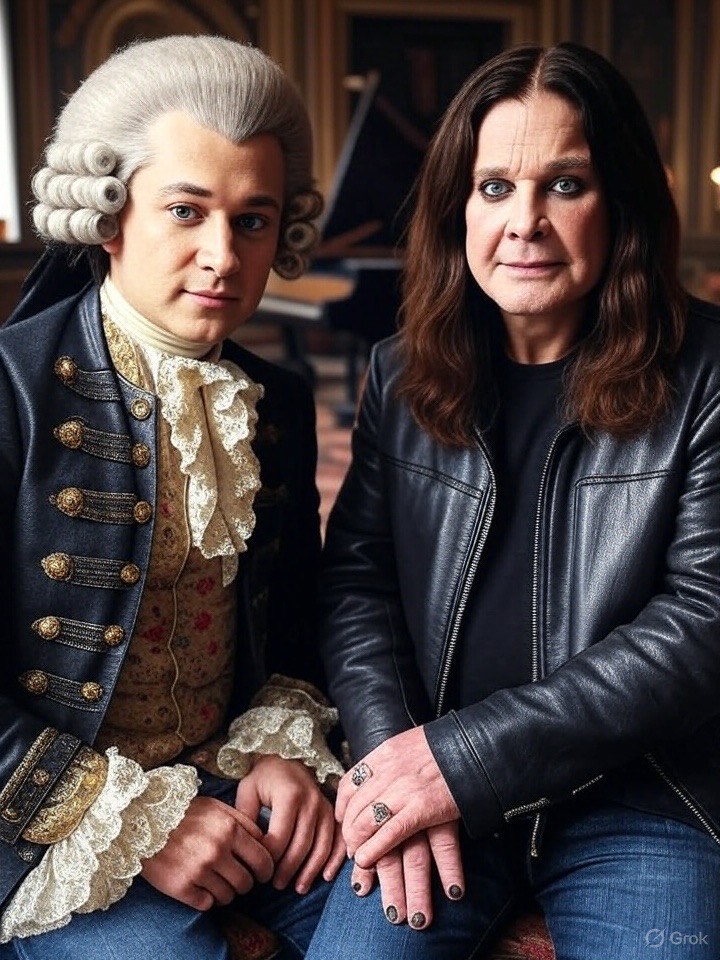
[Genre: Mozart Classical-Orchestral fused with Heavy Metal (Sabbath riffs), Nu-Metal (corn grooves), and Depressive Rap (M&M flow)] Epic 4-min track: Ethereal start (70 BPM waltz) builds to chaotic triumph (140 BPM breakdowns), Mood: Haunting yet uplifting tribute to Mozart x Ozzy—peace, love, happiness in madness, [Instrumentation: Symphony orchestra (strings, harpsichord, choir) + distorted guitars, double-kick drums, nu-metal bass drops, vinyl scratches, Bridge: Violin-guitar freakout, ]
[Vocals: Operatic tenor (Mozart whisper) + Ozzy growl duet; depressive rap verses in raw monotone, ]
[Structure: Intro (swell), V1 (whisper/rap), Pre-Chorus (tension), Chorus (explosion), V2 (rap), Bridge (instrumental), Outro (fade), ]
3:04
Create a song titled Eine Funky Nachtmusik in the style of Mozart’s classical compositions, with vibrant string quartets, harpsichord melodies, and dramatic orchestral flourishes, but infused with a funky hip-hop groove, Blend crisp 18th-century classical structures (think Eine Kleine Nachtmusik or Symphony No, 40) with a modern funk bassline, tight hip-hop drum beats, and subtle turntable scratches, The tempo should be upbeat, around 110 BPM, with a swaggering rhythm that feels danceable yet regal
4:42
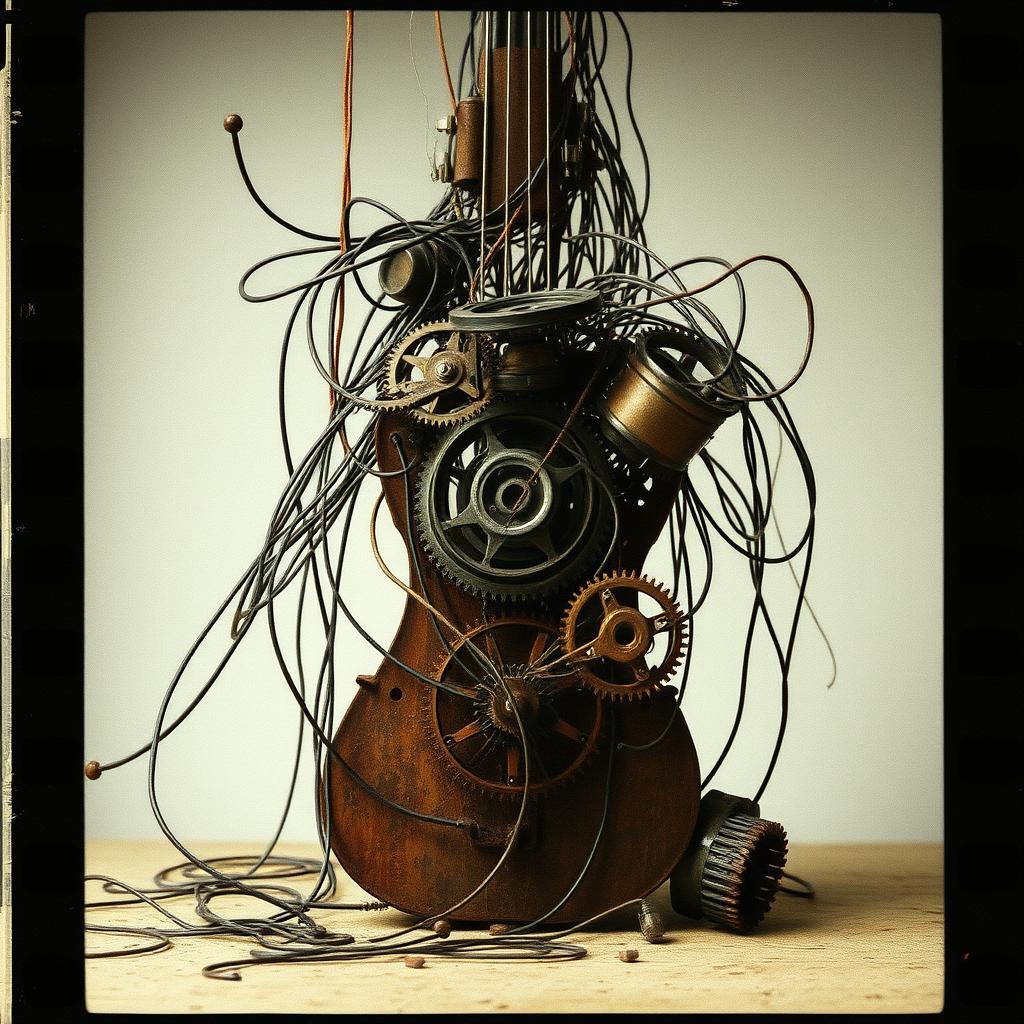
Create a musical track that fuses the classical elegance of Mozart’s compositions—think intricate piano arpeggios, sweeping string orchestras, and dramatic operatic builds from works like Symphony No, 40 or Requiem—with the aggressive intensity of death metal, including guttural growls, blast beats on double bass drums, down-tuned guitars with heavy distortion, and brutal breakdowns, The overall structure should start with a classical intro that transitions into metal verses, a symphonic-metal chorus with layered violins over thrash riffs, and end in a chaotic fusion of orchestral swells and mosh-pit energy, Aim for a tempo around 180 BPM in the metal sections, dropping to 120 BPM for classical bridges, evoking a time-traveling Mozart unleashing rage on the modern world
5:27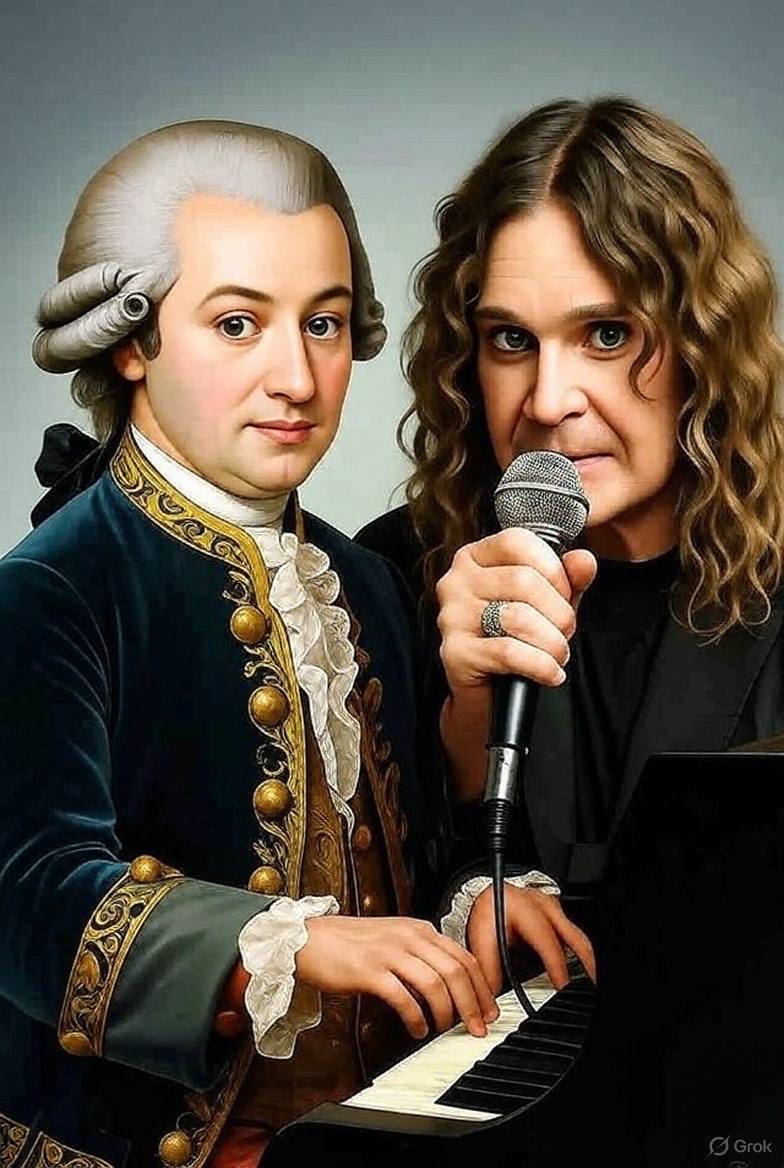
Genre: Symphonic Nu-Metal
Style Description: A fusion of Mozart’s orchestral, classical style (lush strings, harpsichord, operatic melodies) with Ozzy’s theatrical heavy metal (dark, gritty vocals, heavy guitar riffs), Black Labels groove-heavy, southern-tinged metal riffs, and nu-metal’s aggressive, downtuned syncopation (think corn or Linkin), The song features two distinct vocalists: one with a soaring, operatic tenor (Mozart-inspired, poetic, and elegant) and one with a raw, snarling heavy metal growl (Ozzy-inspired, intense, and rebellious), The mood is epic, theatrical, and cinematic, balancing classical grandeur with modern metal chaos
2:02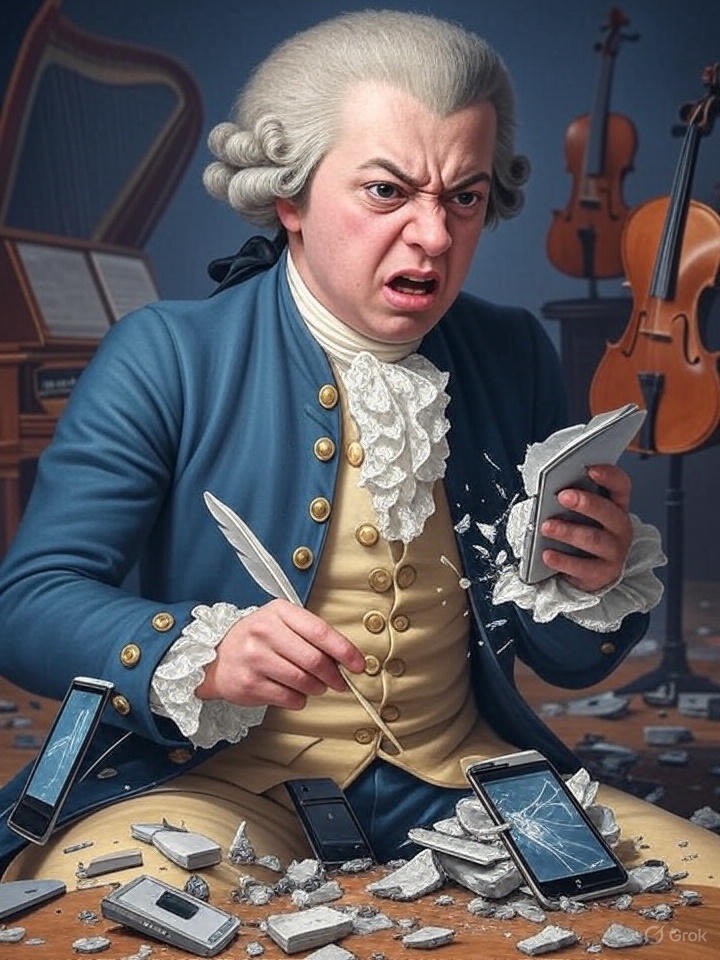
[Classical Mozart symphony fused with 90s old-school rap beats and aggressive nu-metal riffs, orchestral strings and harpsichord layered over heavy guitars, turntables scratching, deep bass drops, male vocals alternating between operatic tenor, gritty rap flow like Notorious B, I, G, and screamed choruses like Chester]
5:37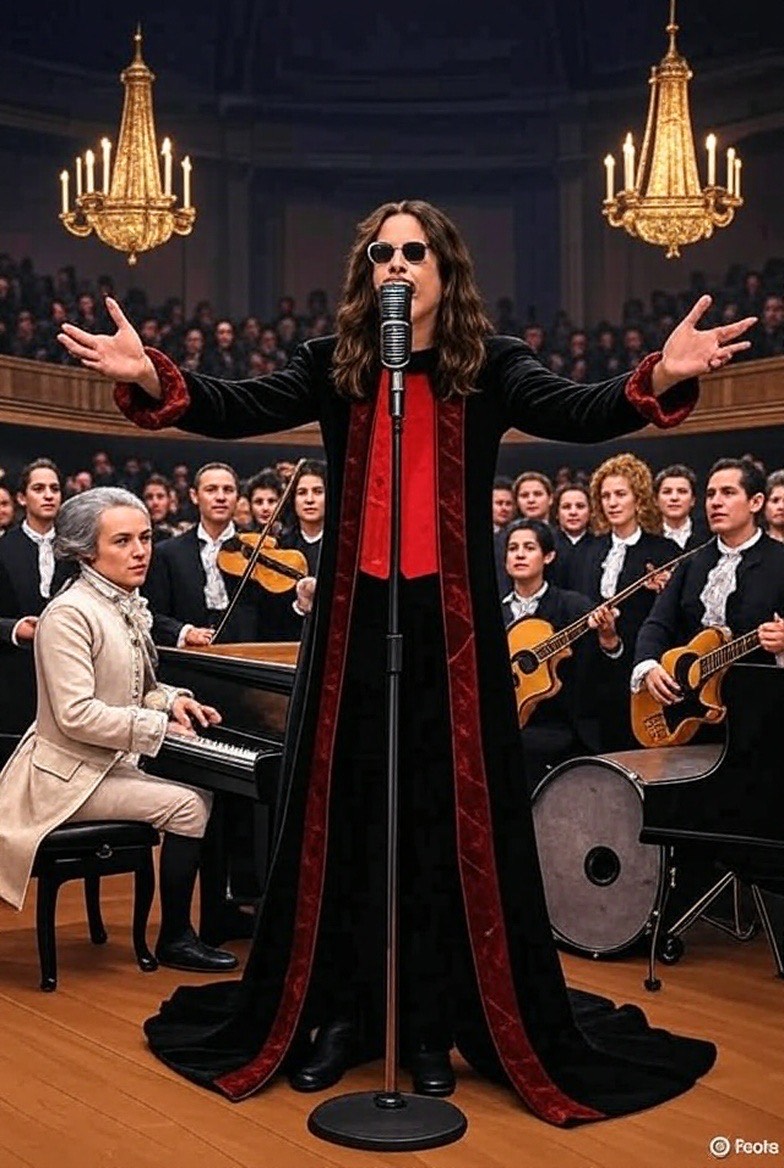
Create "Filth of the Future, " blending Mozart’s classical style with Ozzy’s heavy metal, Verse 1: male operatic tenor (Mozart style), Chorus: male operatic tenor and male gritty rock voice, Verse 2: male gritty rock voice (Ozzy style), Chorus: male operatic tenor and male gritty rock voice, Bridge: male operatic tenor (Mozart style), Verse 3: male operatic tenor and male gritty rock voice alternating, Chorus: male operatic tenor and male gritty rock voice, Outro: male gritty rock voice (Ozzy style), Lyrics condemn corrupt political parties for lying, blaming each other, and fixing nothing, Use harpsichord, heavy guitars, and orchestral swells, Keep it dramatic and rebellious
3:22
Create an instrumental piece titled Sinfonia di Notte e Resistenza, blending Mozart’s late 18th-century Classical music with a nu-metal/death metal edge, for a hybrid ensemble (strings, flute, oboe, distorted electric guitars, heavy drums, and harpsichord with industrial effects), Capture the nightingale’s intricate, trilling song—sung to attract mates and defy rivals with up to 250 melodic phrases—as a lyrical, aggressive melody in flute with electric guitar overlays, evolving into guttural riffs and chaotic crescendos, set against a stormy, moonlit forest backdrop, Reflect the themes of The Nightingale by Kristin Hannah: resilience and sacrifice in WWII France, with intense, hopeful major-key passages for courage (featuring rapid string arpeggios) shifting to brutal, minor-key breakdowns for loss and rage (with pounding double-bass drums), Use a mix of balanced Classical harmonies and dissonant, downtuned metal chords, with dynamic contrasts from soft piano to crushing fortissimo sec
2:24
Mozartian Elements: The verses are written as mini-arias with lyrical, flowing melodies, evoking Mozart’s operatic style (e, g, Là ci darem la mano from Don Giovanni), The orchestral accompaniment includes strings, oboe, and harpsichord for a classical texture, with dynamic swells to heighten the drama, 2, Depressive Rap Elements: The chorus shifts to a spoken-sung rap style with a minimalist beat (think lo-fi hip-hop or emo rap like Juice), maintaining a melancholic tone, The rhythm is steady but subdued to blend with the classical vibe, avoiding heavy modern trap elements to preserve Mozart’s aesthetic, 3, Suno Compatibility: The lyrics are concise, with a clear verse-chorus structure, fitting Suno’s ~2, 5-minute song limit, The emotional arc (despair to resignation) suits Suno’s AI-generated vocal and instrumental capabilities, which can handle classical-rap fusions, 4, Performance Notes: The piece is for a solo vocalist who can switch between operatic singing (verses) and rh
2:32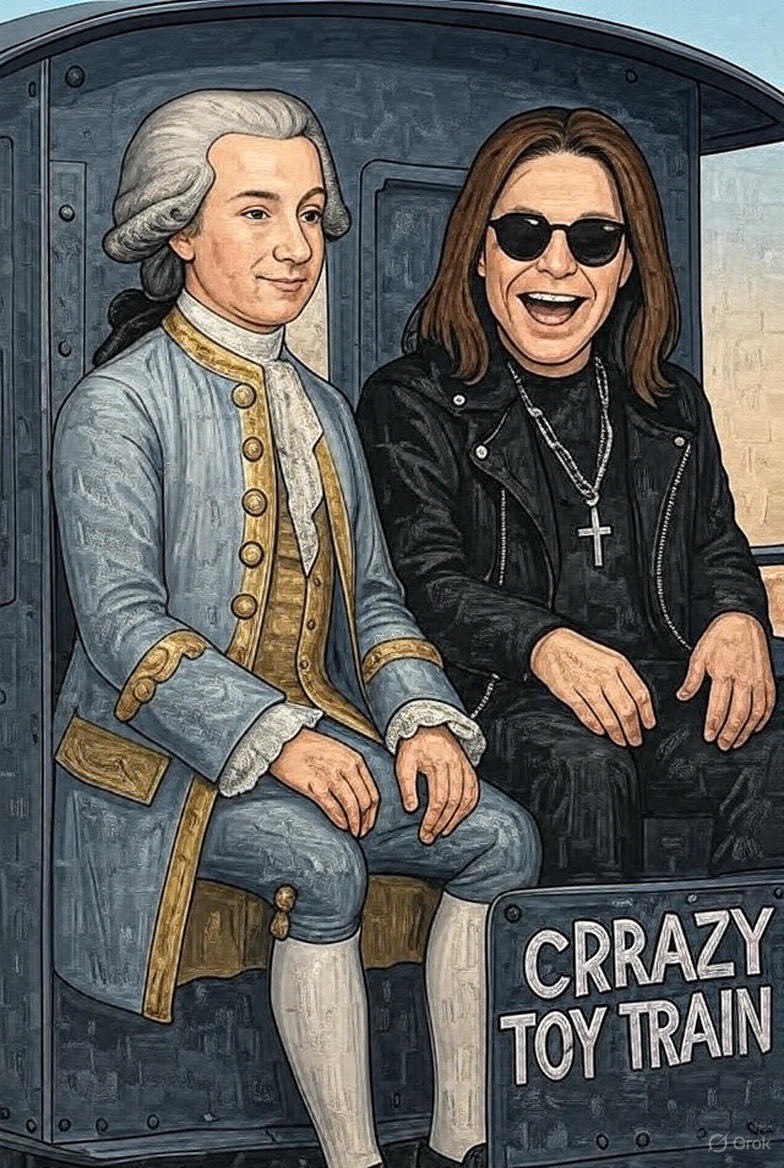
Here’s a ready-to-paste prompt for Suno, ai to generate your wild mash-up, Copy-paste it directly into their custom mode for best results—it specifies structure, style fusion, instrumentation, and lyrics to nail the “Crazy Train” energy in Mozart’s classical flair:
Prompt for Suno:
“Create a high-energy symphonic metal track fusing Mozart’s classical style with Ozzy’s ‘Crazy Train’ vibe, Title: ‘Crazy Harpsichord Train’, Blend 18th-century galant orchestration (harpsichord, strings, woodwinds, toy percussion like triangles and whistles from Mozart’s Toy Symphony) with heavy Sabbath riffs—distorted guitars, pounding double-kick drums, and Ozzy’s growling vocals, Tempo: Fast 140-160 BPM, chaotic and virtuosic like a runaway Viennese carriage, Structure: Intro with harpsichord arpeggios warping into screeching guitar solo; Verse-Chorus-Verse-Chorus-Bridge-Solo-Outro, Make choruses anthemic and mosh-pit ready, with orchestral swells and toy instrument chaos, Male voices only!
3:54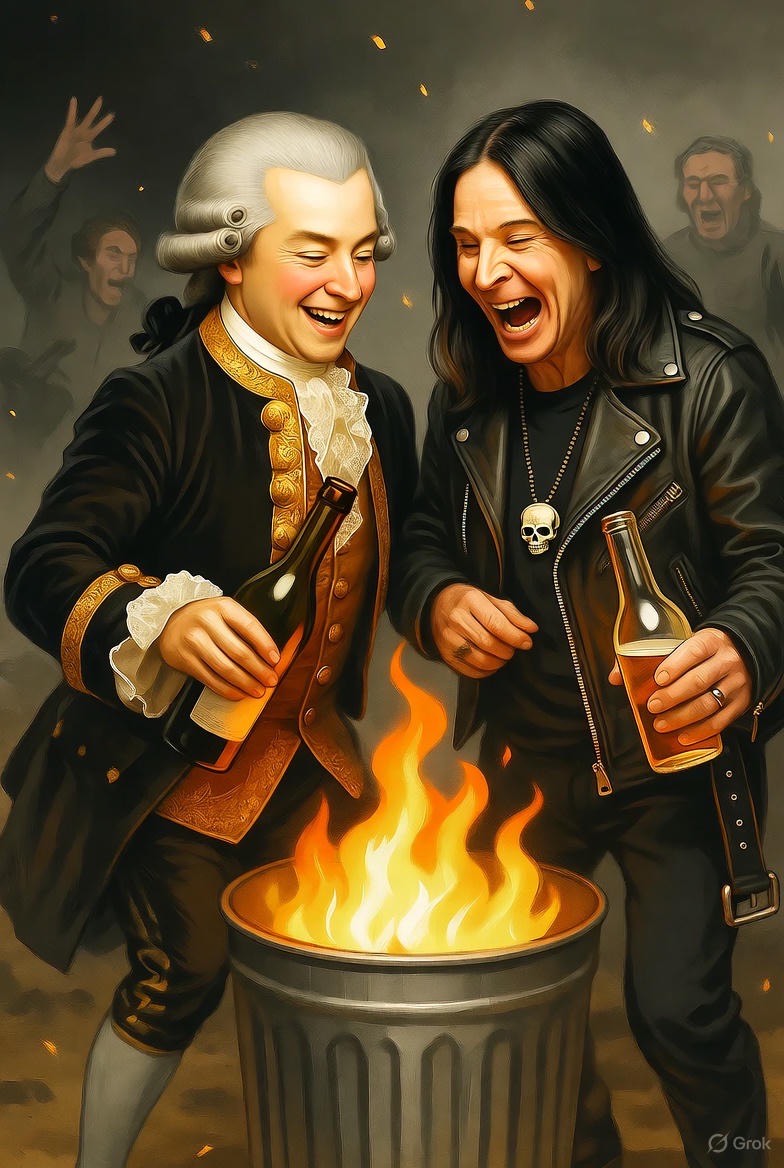
Craft a cataclysmic, genre-fusing metal opera titled “The Sins of Yesterday (Mozart & Ozzy Edition), ” plunging listeners into a morbid, time-warping vortex of aristocratic debauchery and rock ‘n’ roll apocalypse, Portray Mozart and Ozzyas twin harbingers of chaos—eternal sinners unbound by eras—whose “sins” manifest as reckless genius-fueled excesses: Mozart’s gambling-fueled symphonies amid Viennese orgies of debt and scandal, Ozzy’s bat-biting, drug-ravaged rampages shattering stages and sanity, They repeat their horrors cyclically, amnesia cloaking consequences across centuries, lessons unlearned in a void of powdered wigs stained with blood and leather reeking of infernal smoke, No repercussions haunt them; history’s pages flip blank, inviting the madness anew in a dark symphony of forgotten depravity, Blend musical styles into a heavy, oppressive soundscape: verse1: Male voice, chorus: two male voices, verse2: male voice, bridge: male voice, outro: male voice
1:41
Create a song in the style of Mozart’s classical compositions, featuring intricate orchestral arrangements, harpsichord, and soaring choral melodies, blended seamlessly with aggressive death metal elements like guttural vocals, heavy distorted guitars, and blast beats, and infused with dubstep’s wobbling basslines and electronic drops, The mood should be intense yet hopeful, balancing spiritual reverence with modern energy, centered on a prayer for a brighter future and a warning against mankind’s overreliance on technology
4:12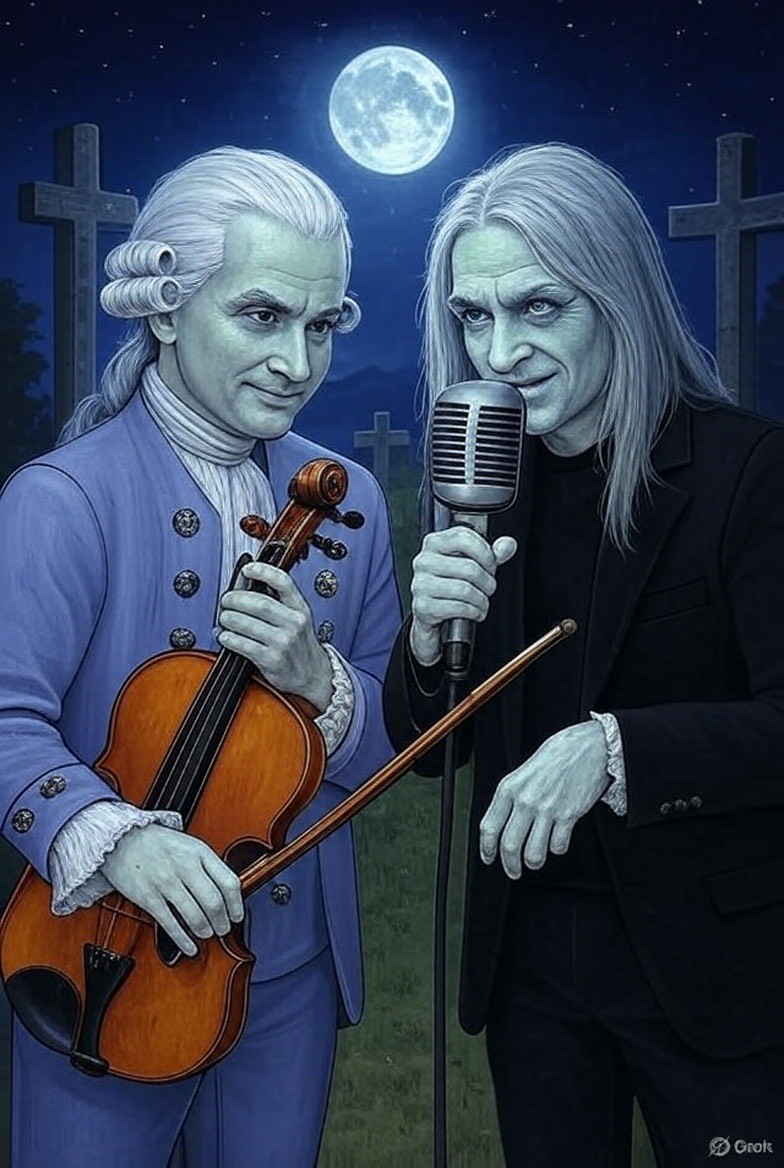
Create a poignant, emotional ballad that fuses the raw, heartfelt intensity of Ozzy’s heavy metal ballad See You on the Other Side with the lyrical, elegant melancholy of Mozart’s operatic aria Dove sono from The Marriage of Figaro, The song should balance modern rock energy with classical orchestral sophistication, evoking themes of loss, longing, and hope for a reunion beyond life, The mood is deeply emotional, blending raw grief with poetic yearning, set in a slow, deliberate tempo (around 60 BPM) in A minor to capture both artists’ melancholic tones, Musical Elements: Key: A minor, to reflect the dark, emotional tone of Ozzy’s ballads and Mozart’s expressive harmonies, Tempo: Slow and deliberate (60 BPM), allowing for emotional weight and lyrical delivery, Instrumentation: Rock Elements (Ozzy-inspired): Electric guitar with soulful, melodic riffs (similar to Zakk’s style in See You on the Other Side), a warm bassline, and subtle drums with a steady, heartbeat-like pulse, Classical Ele
2:15
• Duration: 2 minutes, • Opening (0-20s): Solo violin, slow and tender in G major, lyrical and serene, Subtle harpsichord chords enter at 10 seconds for period authenticity, • First Verse (20-50s): Operatic male voice sings poetic lyrics, joined by a soft string ensemble (violins, violas, cellos), Harmony is warm and flowing, keeping a calm, reflective mood, • Development (50s-1:10): Violin leads a gentle swell, with slightly richer strings and a faint timpani pulse, evoking Mozart’s introspective style, Music stays soothing, avoiding intensity, • Second Verse (1:10-1:30): Voice returns, repeating or varying the lyrics with deeper emotion, Strings maintain a delicate, supportive texture, • Fade-Out (1:30-2:00): Orchestra gradually thins; violin slows, joined by a single cello note, By 1:50, only sparse violin notes and a cello hum linger, fading to silence, • Lyrics (full): “O Muse, thy flame now gently glows, / Through shadows deep, a rebel knows / In quiet dreams, the heart ta