
3:39
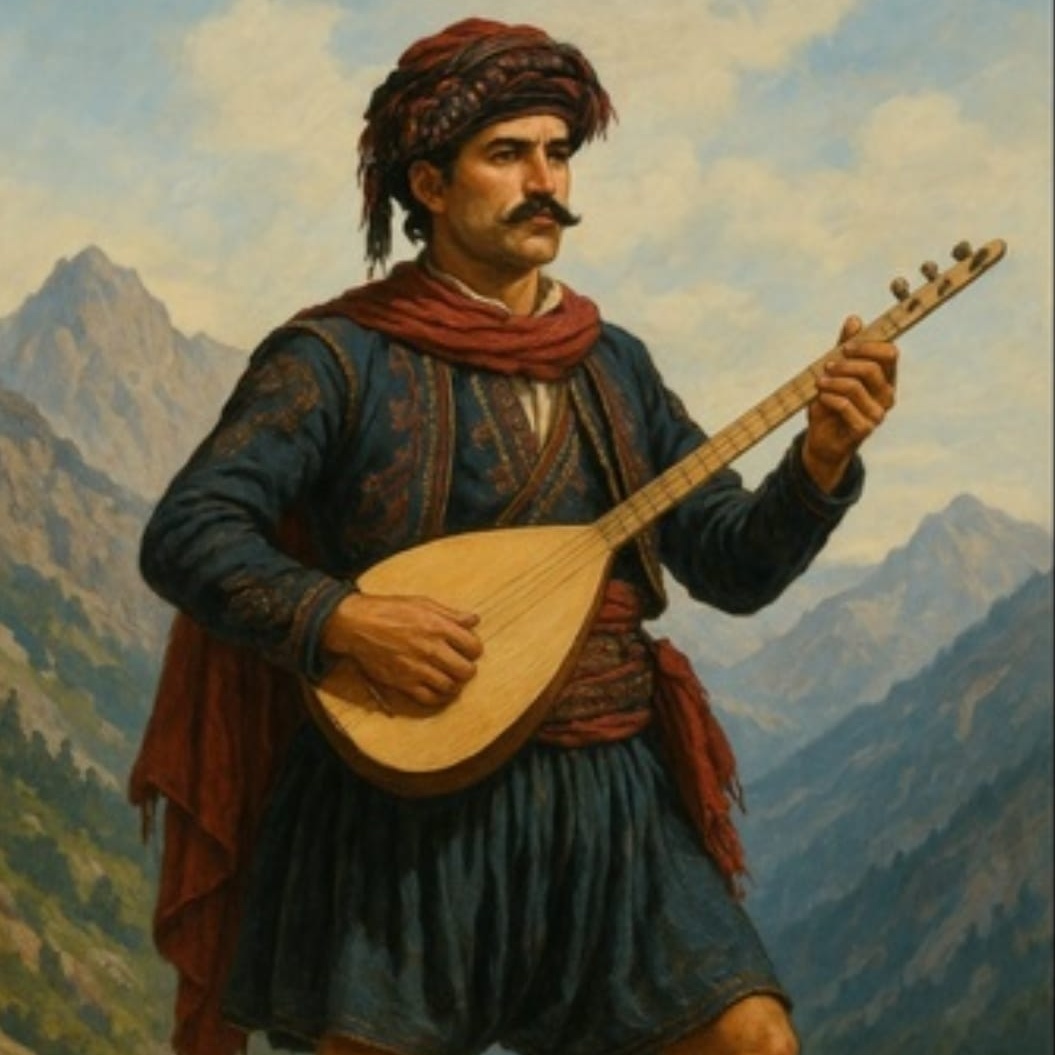
Create a modern Turkish pop ballad in the style of yeni türkü, blending contemporary folk sensibilities with emotional pop production, The song should feel melancholic yet hopeful, conveying deep longing and romantic devotion, The lead male vocals are expressive, warm, and slightly raspy, carrying emotion through soft, intimate verses and soaring, powerful choruses, Instrumentation includes melodic electric guitar riffs with clean tone and reverb, subtle acoustic guitar fingerpicking, warm melodic bass, atmospheric piano or synth pads, gentle pop drums with soft snares and light electronic percussion, and optional strings (violin, cello) in choruses to heighten emotion, The production balances traditional Turkish melodic phrasing with modern pop aesthetics, allowing space for vocals while creating emotional crescendos, Imagine nostalgic Istanbul streets, sunset rooftops, soft rain, and spiritual undertones, Tempo around 72–80 BPM in a minor key (A minor or D minor) with dynamic, heartf
3:22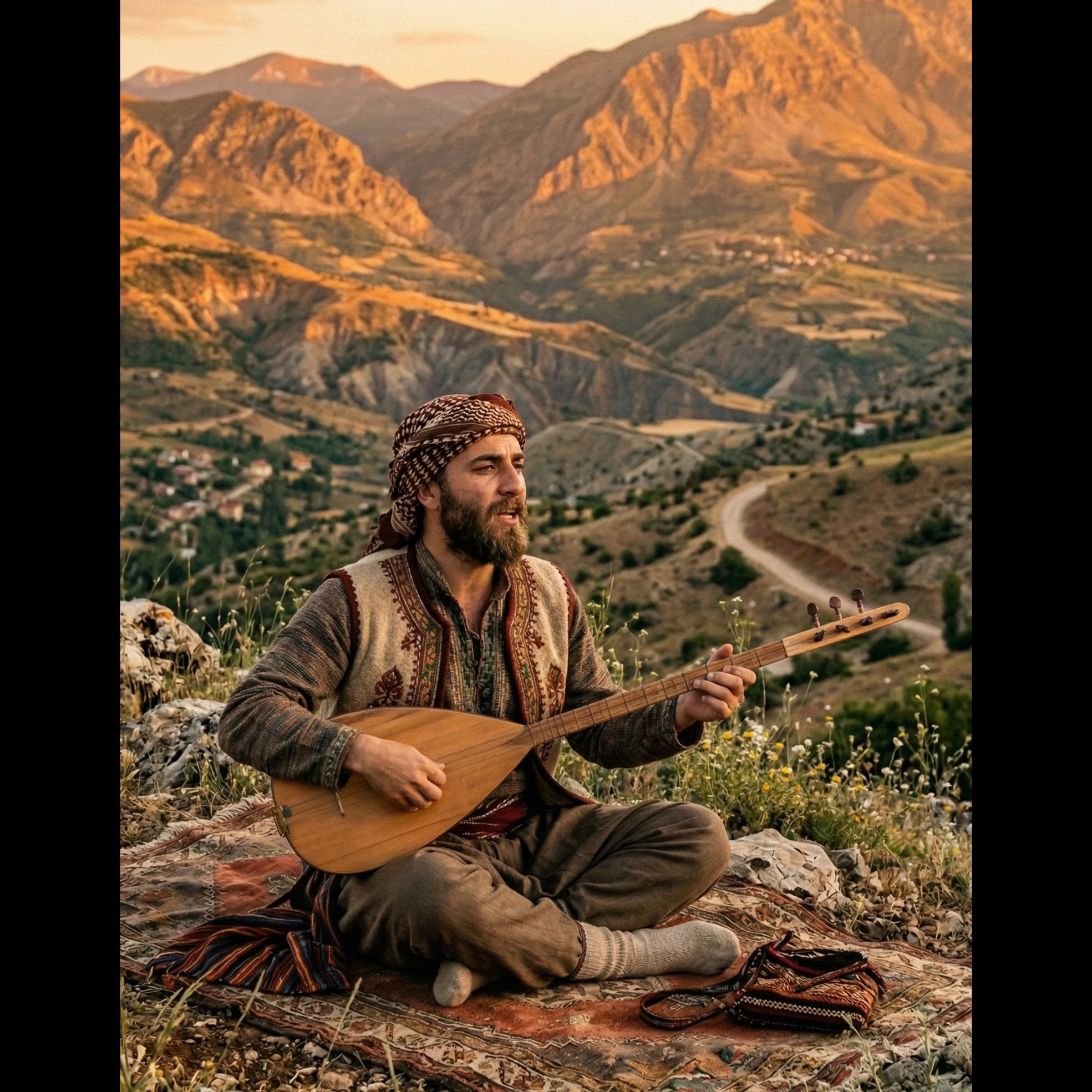
A heartfelt acoustic folk reinterpretation with a moderate 6/8 pulse, opening on a free, reverb-laden bağlama or guitar intro, Warm male vocal leads expressive verses over intricate guitar arpeggios, soft brush drums, upright bass, and ambient synth pads, Spacious mix, emotive chorus repetition, and a cinematic bridge enriched by nature-inspired textures bridge Anatolian tradition and global modernity
2:43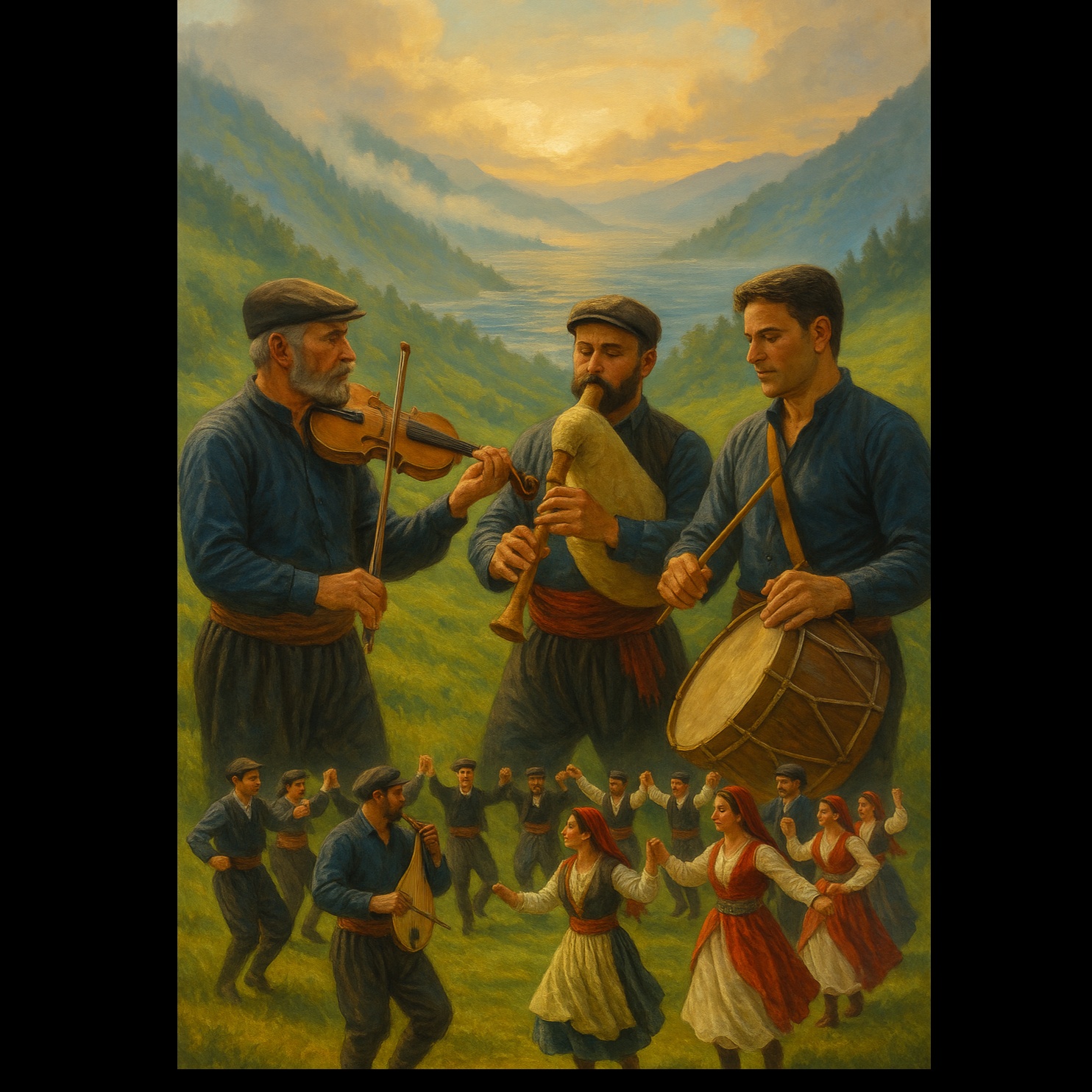
Bright kemençe leads with agile, ornamented melodies over a driving 6/8 horon rhythm, joined by spirited tulum and animated davul-tef patterns, Nasal male vocal, Black Sea accent, rides above; acoustic guitar colors the background, The bridge soars with group shouts and dynamic folk interplay, keeping the communal, energetic Karadeniz spirit alive through every chorus
2:42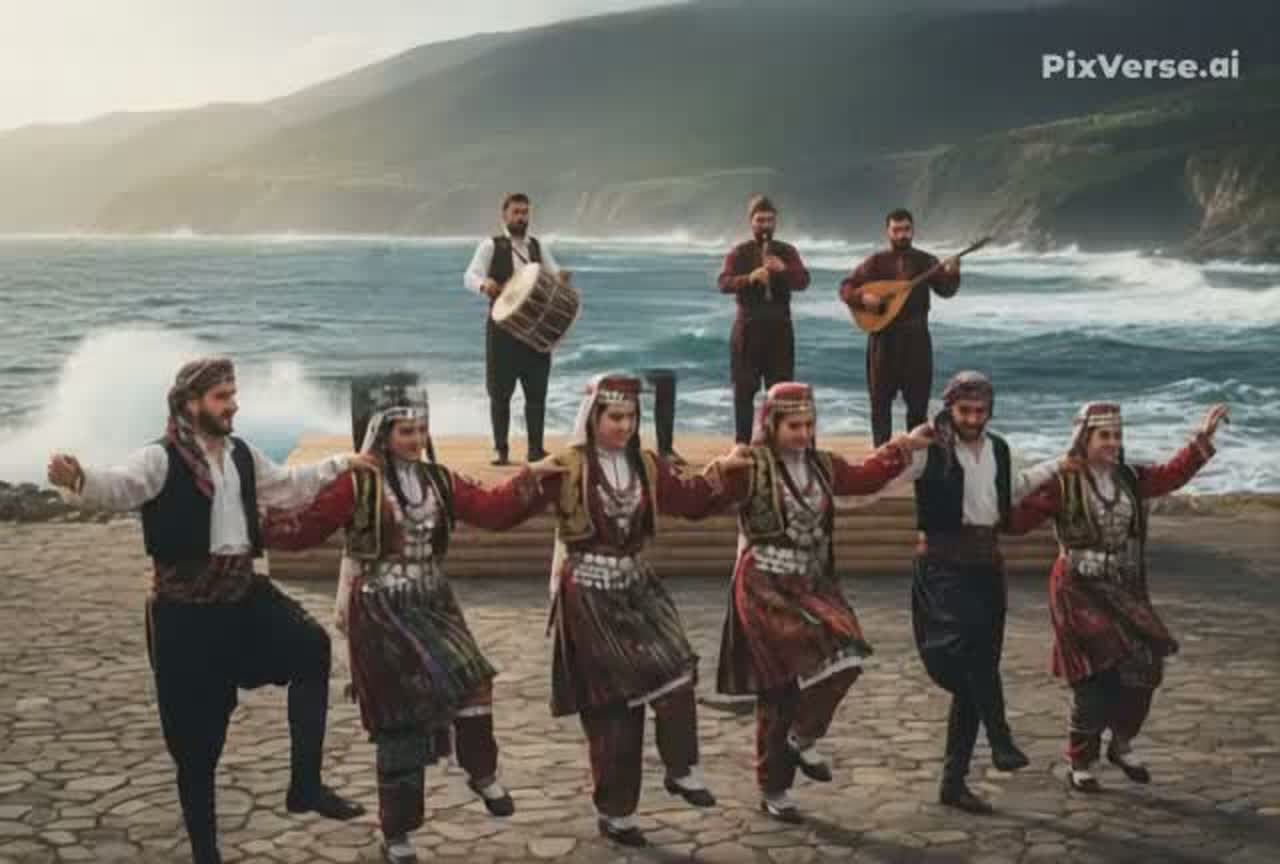
This modern horon pulses with a driving 7/8 Karadeniz groove, led by davul, handclaps, and deep electric bass, Kemençe, tulum, and zurna trade energetic melodies atop bright acoustic bağlama, Raw, organic production with strategic reverb gives a coastal lift, Male vocals feature dynamic Turkish phrasing, communal oy! shouts, crowd backing, and festive interplay, Instrumental breaks spotlight virtuosic kemençe and punchy transitions, blending traditional folk lines with vibrant world-beat dance momentum
3:28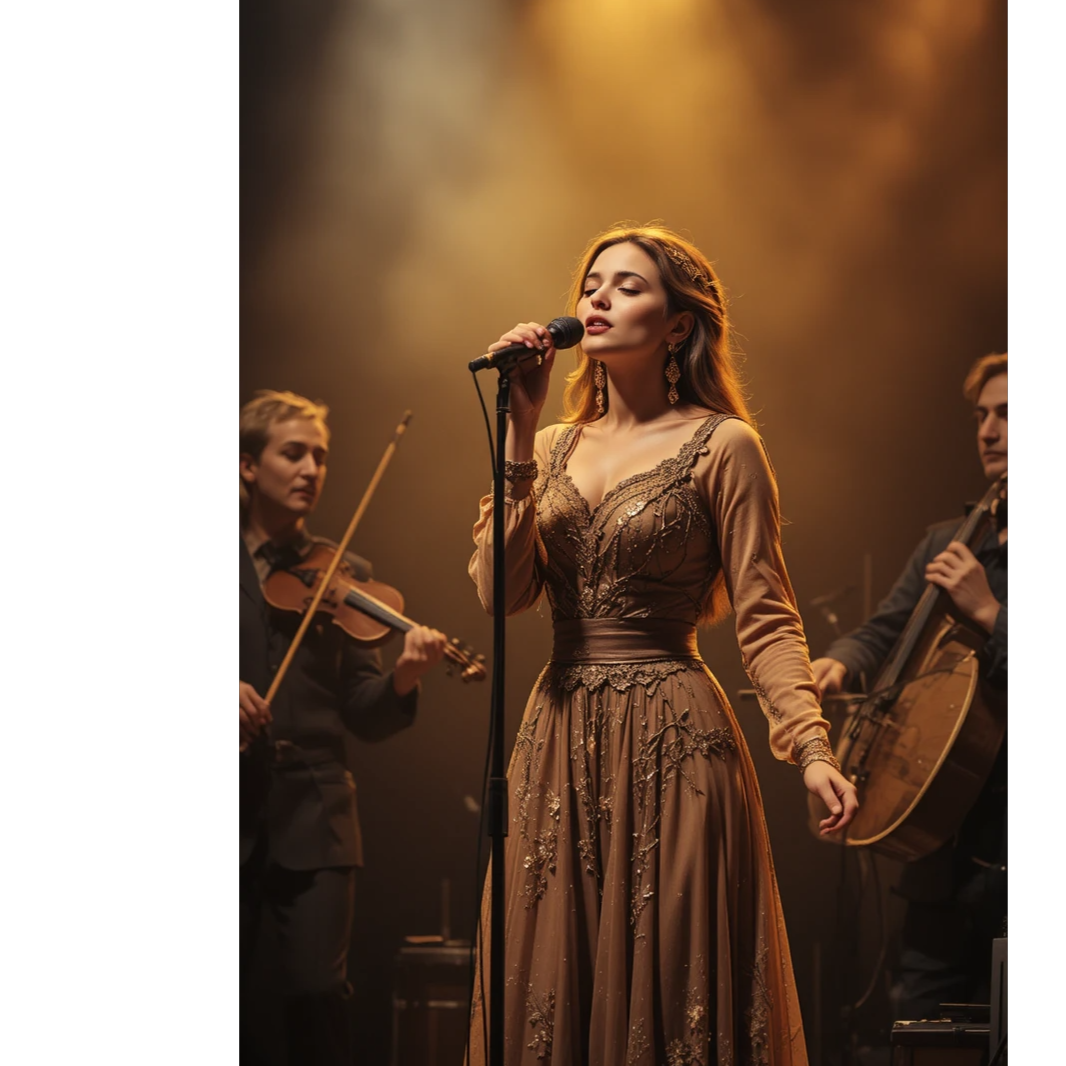
A slow, dramatic Turkish arabesque ballad unfolds with expressive violins and mournful bağlama lines over a gentle darbuka pulse, Lush Anatolian-inspired strings swell beneath a passionate female vocal, trembling and breaking with raw sincerity, Haunting melodies evoke deep heartbreak, backed by oud flourishes and enveloped in gentle reverb and analog warmth, creating a cinematic midnight atmosphere with nostalgic intensity
2:53
Opening with a solo oud introduction, the Türk Sanat Müziği love ballad unfolds in Kürdilihicazkâr makam with sumptuous strings and qanun weaving lyrical, ornamented melodies, Subtle reed flute accents and delicate traditional percussion in Düyek usul underpin a measured, emotionally refined female vocal—tastefully vibrated, dynamically rich, and artfully phrased—evoking nostalgia and grand, mid-century elegance throughout
3:32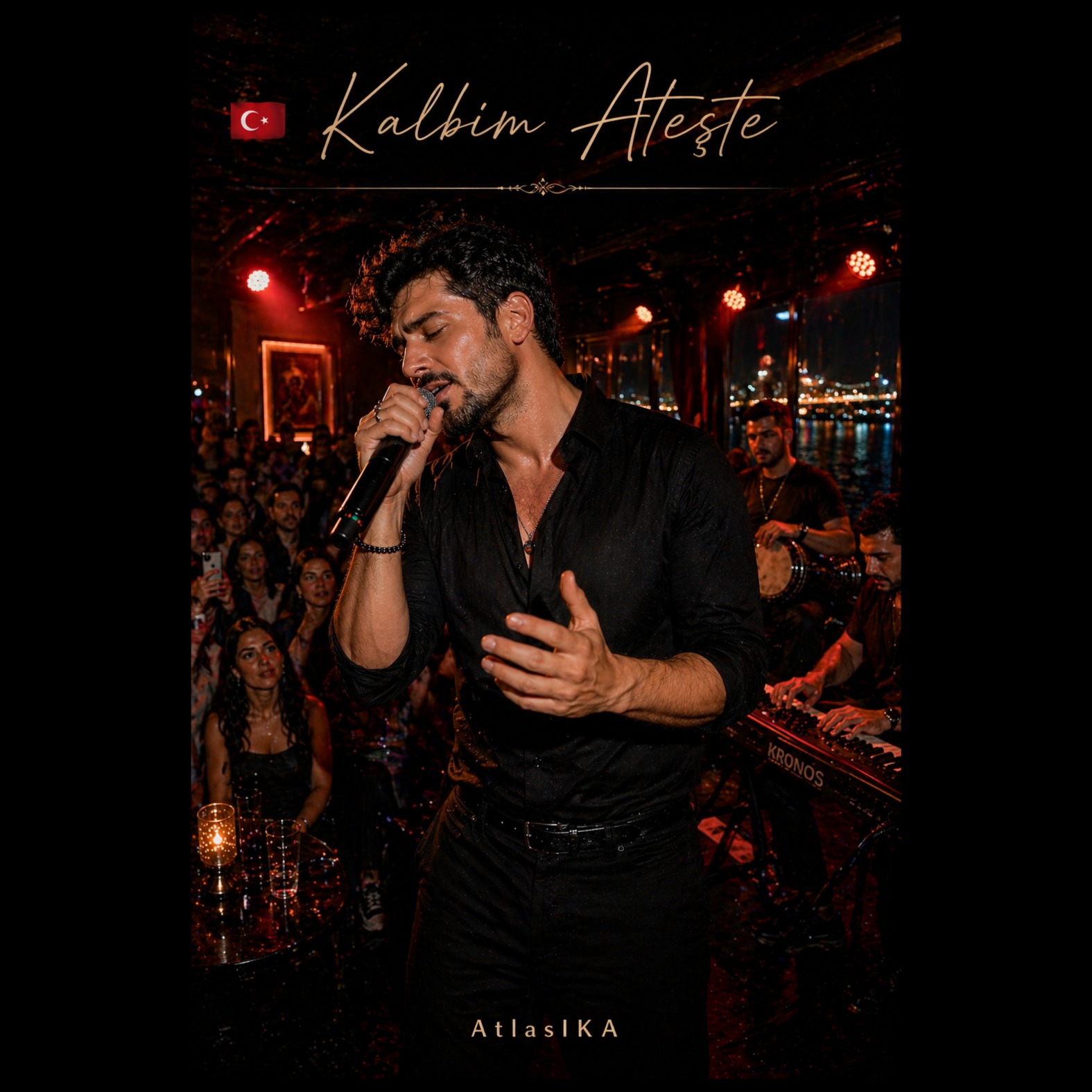
Kalbim Ateşte
v4.5+
Emotional yet danceable Turkish pop track with a passionate and romantic mood, Smooth male vocal, expressive and heartfelt, carrying romantic Turkish lyrics with a touch of longing, The verses should feel intimate and tender with acoustic guitar arpeggios and soft electronic textures, The pre-chorus builds tension with lush strings and subtle percussion, The chorus explodes into an energetic, catchy hook driven by pulsating bass, darbuka rhythms, and modern pop beats, creating a perfect balance between emotional depth and dancefloor energy, Overall mood: dramatic, passionate, vulnerable yet uplifting, A song equally suited for late-night listening and dancing, "
4:04
Atmosfer: Hafif rüzgâr, kuş sesleri, doğa ambiyansı
Enstrümanlar: Tek bağlama tınısı + arka planda ince yaylılar (çok yumuşak)
Tempo: Yavaş (60–70 BPM)
Duygu: Özlem, huzur
3:22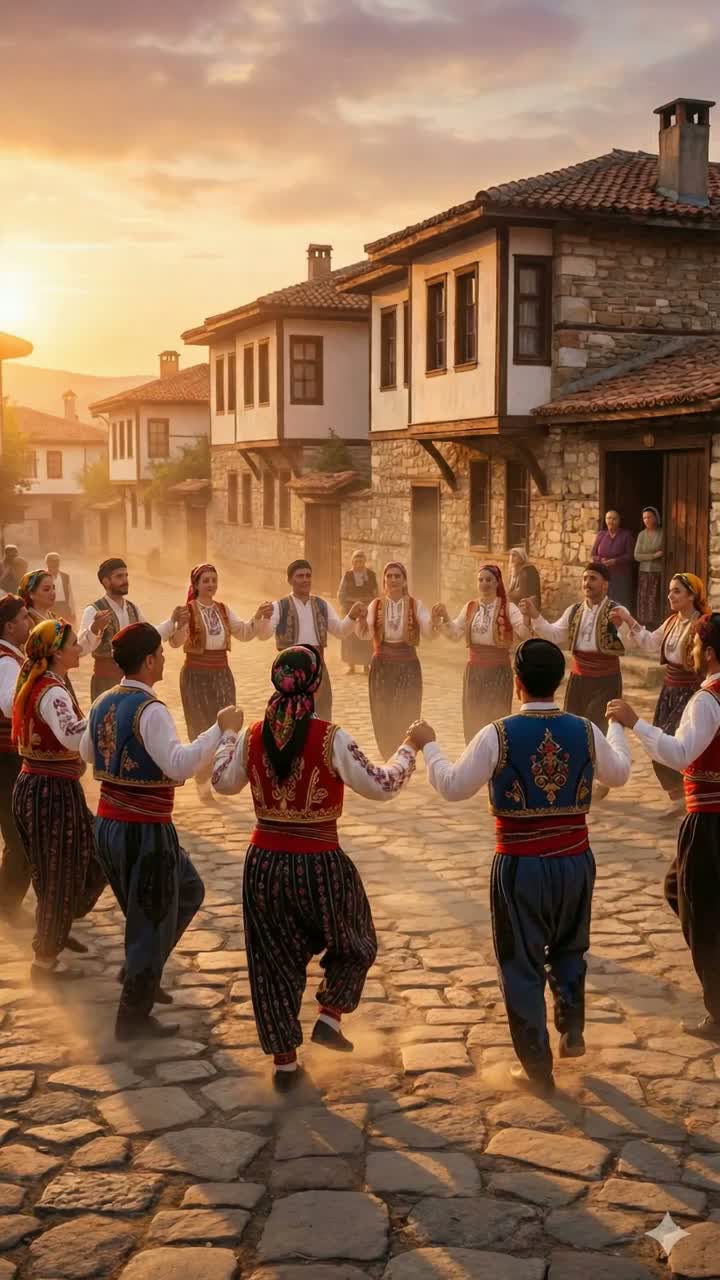
A heartfelt Bulgarian folk song in Turkish featuring a female lead vocal with rich, emotional timbre, expressing love, longing, and devotion, Traditional Balkan instruments create the authentic atmosphere: gaida (bagpipe) weaving haunting melodies, kaval (flute) adding airy, soulful lines, gadulka (bowed string) providing warm harmonic support, and tupan (drum) driving the asymmetrical 7/8 rhythm that makes the song danceable yet introspective, The music evokes the rolling hills, rivers, and rustic villages of Bulgaria, immersing the listener in a world of passion and nostalgia, Lyrically, the song reflects themes of love, separation, and yearning, with a chorus that is both melodic and memorable, Ideal for traditional folk music enthusiasts, cultural storytelling, or cinematic moments that require raw emotional expression, Perfect for folk fusion arrangements, acoustic performances, and cinematic folk soundscapes
4:51
Create a Greek-pop song with a nostalgic and emotional feel, sung in Turkish, Female vocals should be expressive, warm, and slightly melancholic, conveying a sense of longing and hope, Tempo: 120 BPM, key: A minor, Instrumentation: prominent bouzouki, acoustic guitar, soft percussion, and subtle electronic elements to add depth, Structure: intro, 4 verses, repeated chorus after each verse, and a reflective outro, The mood should alternate between wistful and uplifting, suitable for dancing while preserving emotional depth
4:49
Etme
v4.5+
A spiritual and emotional Sufi-inspired song in Spanish, featuring traditional Middle Eastern instruments like ney (reed flute), oud (Arabic lute), daf and bendir (frame drums), Soft, meditative tempo with deep mystical atmosphere, The vocals are warm and expressive, with subtle melismas, Repetitive trance-like rhythms evoke a sense of divine longing and inner peace, Include a final zikr section with “Hu” chant and ethereal instrumental outro, Very poetic and introspective tone, suitable for a spiritual ceremony or meditation
5:07
A spiritual Sufi-inspired song in Turkish begins with a gentle ney melody entwined with delicate oud arpeggios, Daf and bendir frame drums weave hypnotic, cyclical rhythms at a slow, meditative pace, Warm, expressive female vocals use subtle melismas, blending into the trance-like groove, The arrangement remains understated, gradually layering quiet drone textures, The song concludes with an ethereal instrumental outro, as ney and oud fade into deep silence, fostering a mystical, introspective aura
4:19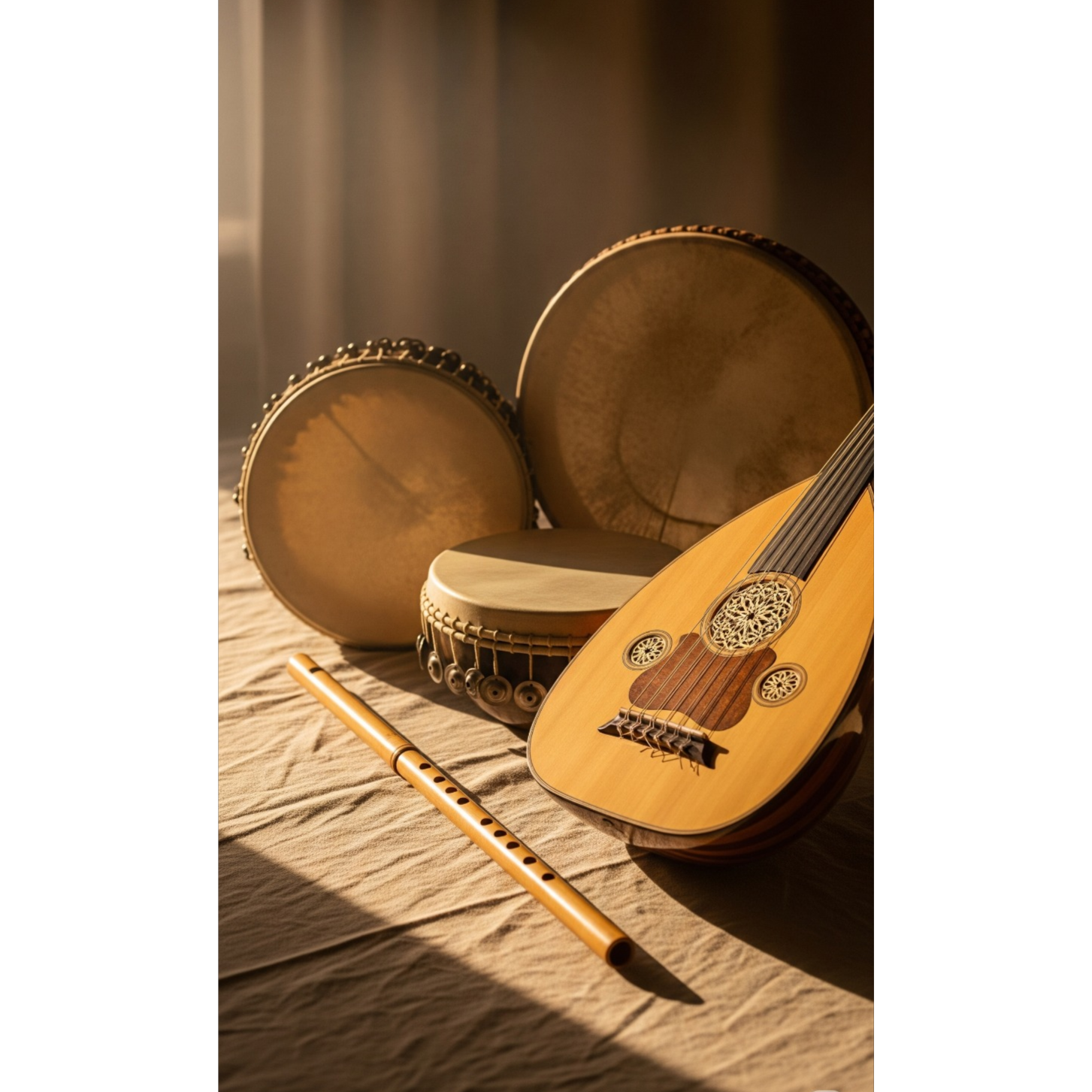
A spiritual and emotional Sufi-inspired song in Turkish, featuring traditional Middle Eastern instruments like ney (reed flute), oud (Arabic lute), daf and bendir (frame drums), Soft, meditative tempo with deep mystical atmosphere, The vocals are warm and expressive, with subtle melismas, Repetitive trance-like rhythms evoke a sense of inner peace and contemplation, Include ethereal instrumental intros, interludes, and outro with flowing ney solos, Very poetic and introspective tone, suitable for meditation or a reflective listening experience
5:03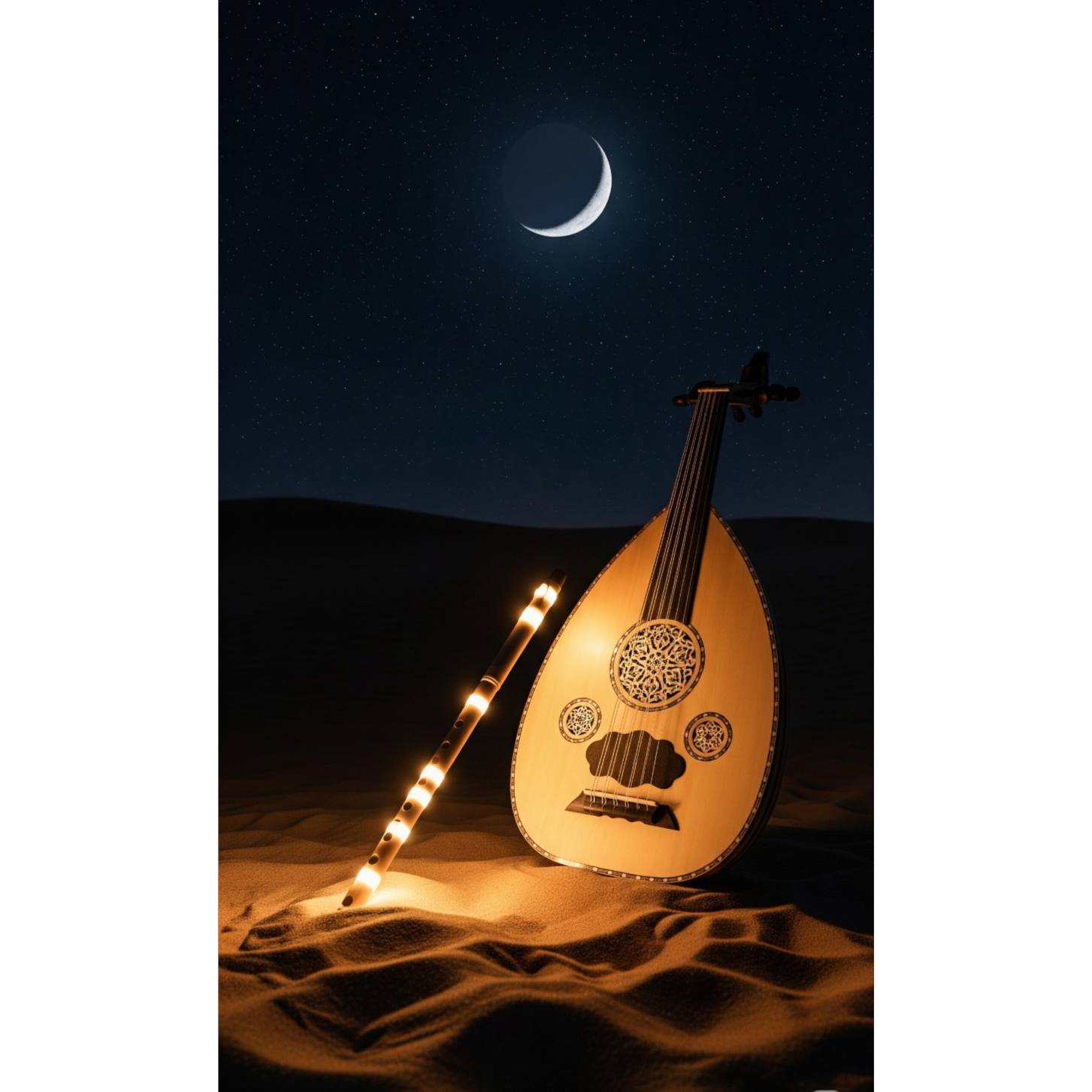
A spiritual and emotional Sufi-inspired song in Turkish, featuring traditional Middle Eastern instruments like ney (reed flute), oud (Arabic lute), daf and bendir (frame drums), Soft, meditative tempo with deep mystical atmosphere, The vocals are warm and expressive, with subtle melismas, Repetitive trance-like rhythms evoke a sense of inner peace and contemplation, Include ethereal instrumental intros, interludes, and outro with flowing ney solos, Very poetic and introspective tone, suitable for meditation or a reflective listening experience
4:58
Gurbet Elde
v4.5+
Male Turkish folk voice with a deep, emotional tone, similar to rural laments, The style is slow and melancholic, rooted in Anatolian tradition, with elements of Hüseyni or Kürdi mode, Starts with a solo bağlama (saz) playing a mournful intro with soft vibrato, Voice enters gently, almost spoken, repeating lines with “anam” to evoke intimacy and sorrow, Sparse bendir or light davul joins in the second verse, enhancing the sense of longing, Occasional instrumental breaks echo the melody with subtle ornamentation, The arrangement stays minimal to let the voice carry the emotion, In the final verse, the voice softens further, fading into a solo bağlama outro, as if whispering a last farewell
4:47
A slow romantic Turkish ballad in 10/8 Aksak semai, opening with expressive ney and kanun over moody ud, hinting at Anatolian roots, Tender female vocals float above sparse darbuka, bendir, and nuanced kemençe layers, ornamenting melodies with glides and phrasing, Dynamics swell softly, reaching an emotional peak before settling into a delicate ney outro, maintaining intimacy, rich texture, and classic Turkish tonal colors
3:48
Deeply emotional Turkish arabesk ballad in the style of Ferdi Tayfur, Male solo vocal, warm, sorrowful, full of vibrato and raw passion, carrying pain and longing in every phrase, Singing is heartfelt, dramatic, and nostalgic, with clear Turkish arabesk pronunciation and ornamented phrasing, Instrumentation: bağlama (saz) arpeggios and tremolos, Turkish strings ensemble (violins, violas, cellos) playing melancholic lines, clarinet for soulful ornamentation, kanun and oud for texture, darbuka and soft frame drum for subtle rhythm, Tempo slow–moderate (70–80 BPM), in minor/Hicaz mode, with dramatic dynamic swells, Arrangement cinematic but intimate, evoking 1980s–1990s classic arabesk sound, with emotional instrumental interludes and long vocal sustain, Mood: sorrowful, hopeless, nostalgic, yet poetic
4:19
A deeply intimate Turkish folk song in halk ozanı / aşık style, led by a solo male voice with warm, weathered tone and expressive vibrato, A single acoustic bağlama provides all accompaniment, weaving modal melodies and subtle harmonies with nuanced tezene picking, occasional şelpe fingerwork, and percussive strikes for rhythm, The pace is unhurried (70–78 BPM), allowing natural resonance and breaths of silence for authentic, timeless presence
4:12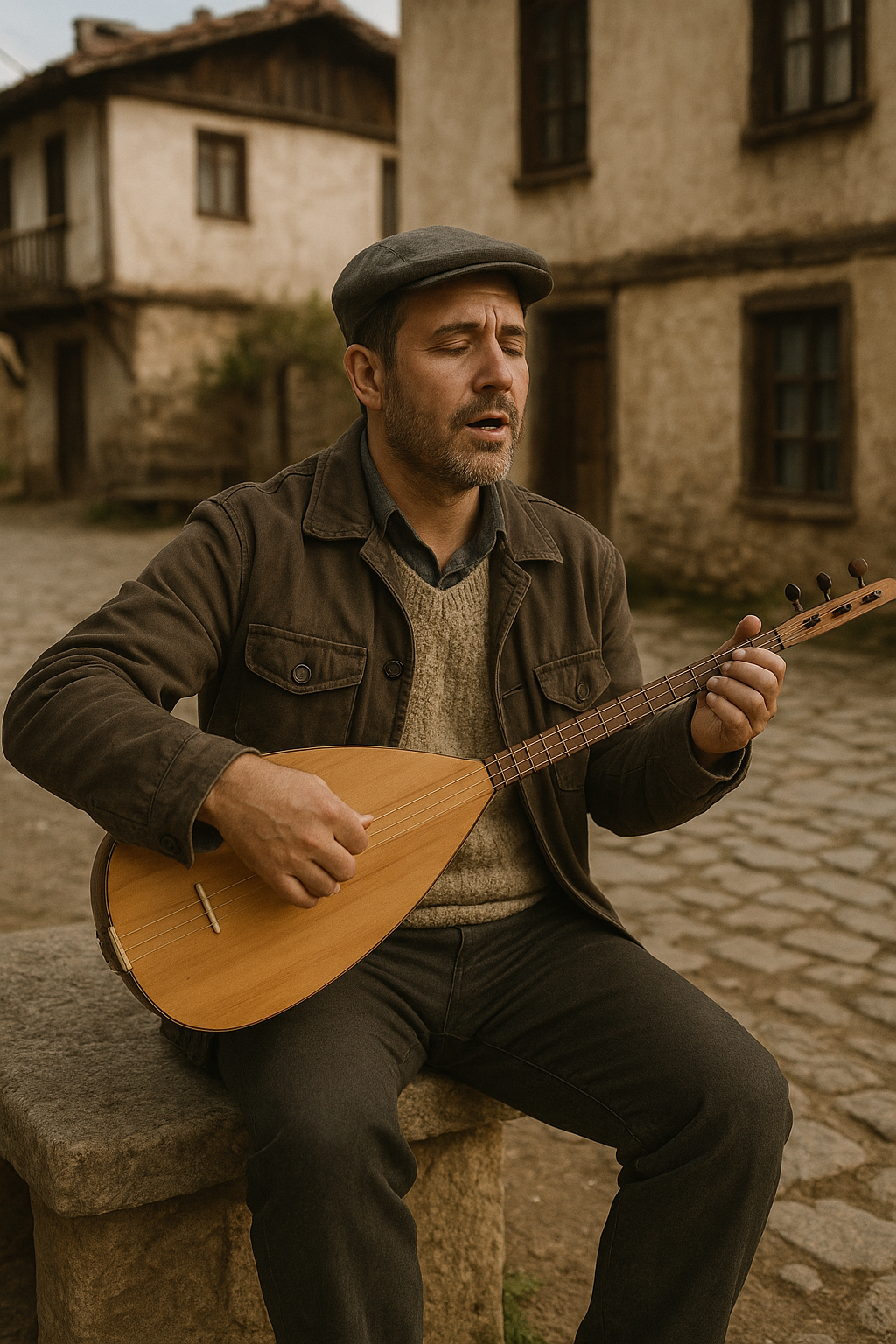
A deeply intimate Turkish folk song in halk ozanı / aşık style, led by a solo male voice with warm, weathered tone and expressive vibrato, A single acoustic bağlama provides all accompaniment, weaving modal melodies and subtle harmonies with nuanced tezene picking, occasional şelpe fingerwork, and percussive strikes for rhythm, The pace is unhurried (70–78 BPM), allowing natural resonance and breaths of silence for authentic, timeless presence
2:48
Opening with a solo oud introduction, the Türk Sanat Müziği love ballad unfolds in Kürdilihicazkâr makam with sumptuous strings and qanun weaving lyrical, ornamented melodies, Subtle reed flute accents and delicate traditional percussion in Düyek usul underpin a measured, emotionally refined female vocal—tastefully vibrated, dynamically rich, and artfully phrased—evoking nostalgia and grand, mid-century elegance throughout
5:09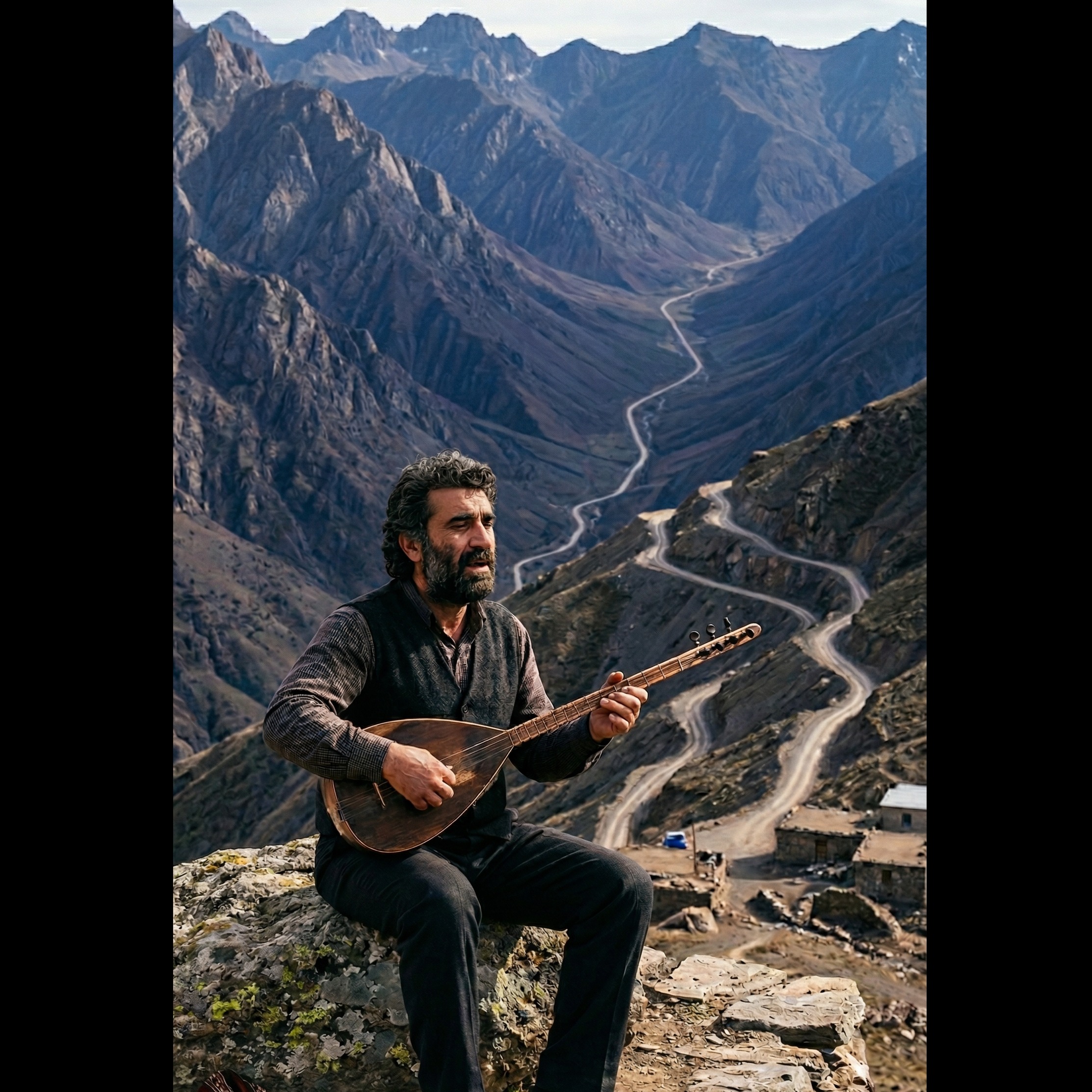
vocal, solo bağlama, slow tempo, deep male vocals, traditional anatolian türkü vibe with slight reverb, heartfelt, tone, slow, emotional, raw, deep, folk, melancholic
3:20
A Turkish soft pop ballad opens with delicate fingerpicked acoustic guitar and sparse piano voicings, Gentle, warm vocals glide over minimal textures, Mellow pads and subtle strings enrich the harmonies in the chorus, while restrained percussion offers just a hint of pulse, Each section flows naturally into the next, maintaining a peaceful, introspective atmosphere, The outro fades with soft piano and lingering acoustic chords, wrapping warmth around the minimal arrangement
3:58
A slow 6/8 pulse anchors this deep Turkish folk ballad, The lead bağlama offers poignant, delicate motifs, joined by soft keman lines and restrained clarinet phrases that weave through each verse, The male vocal, expressive and slightly raspy, sits front and center, Deep bass percussion provides a steady, unobtrusive heartbeat, while ney textures float in optional passages, enriching the song’s melancholic, introspective mood, Dynamic swells rise gently toward instrumental breaks, each section carefully textured to evoke poetic nostalgia
3:59
Style: Epic Turkish folk ballad with a steady, march-like rhythm in the style of Hasan Mutlucan, Proud, deep male voice with clear, rhythmic delivery, Tempo: Moderate-slow (72–80 BPM), in 4/4, Use traditional Turkish instruments only: bağlama (lead melody), davul (steady rhythm), kaval (optional), and subtle strings, No electronic sounds, The tone should be heroic and grounded, like a folk warrior's anthem echoing through the mountains, Language: Turkish
3:42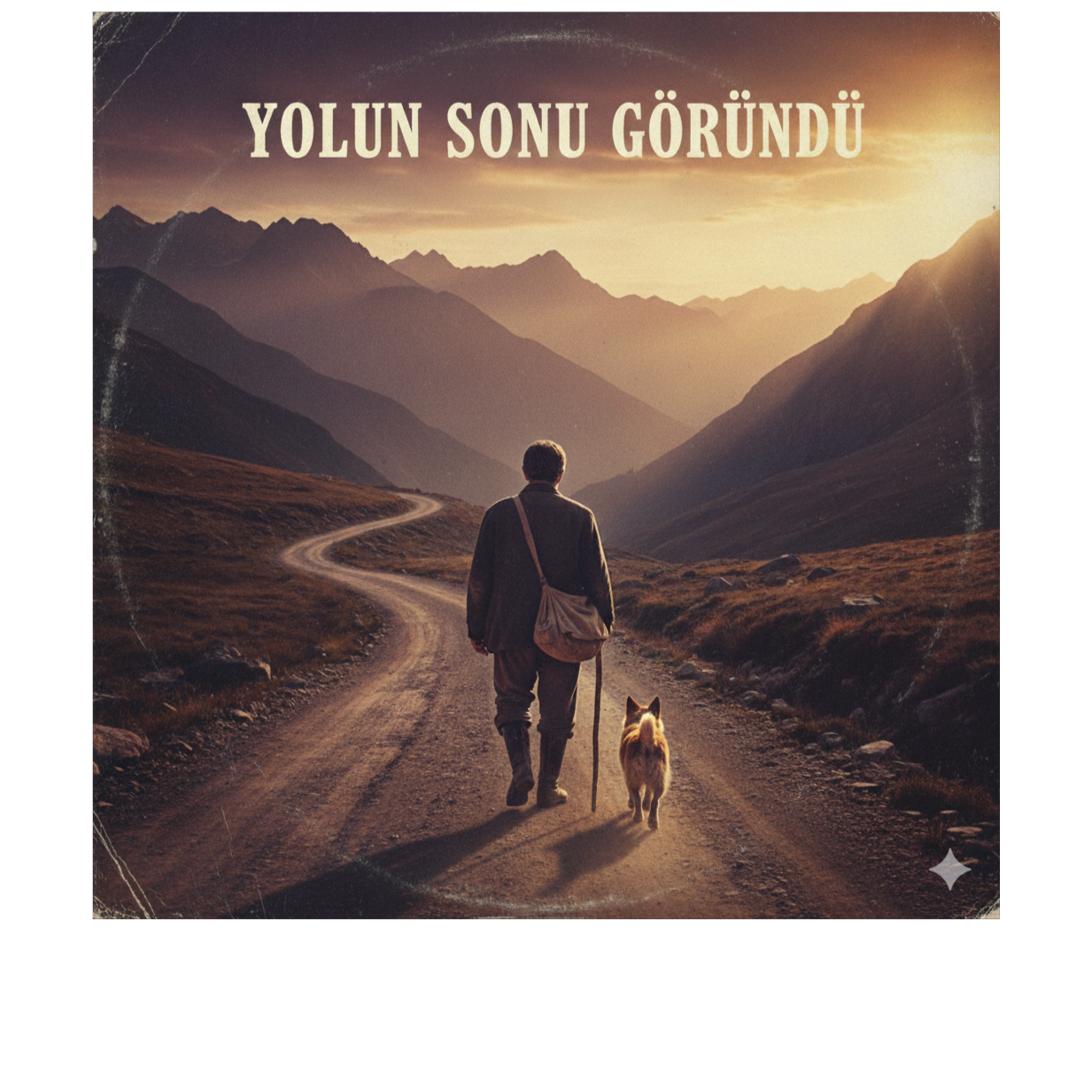
A slow and emotional Turkish folk song (türkü) performed with solo bağlama only, Deep, expressive male vocals in the style of Ruhi Su, Lyrics reflect philosophical sorrow, longing, and the passing of life, No background instruments, just bağlama, Each verse should have a minimal instrumental interlude, The tempo is slow and meditative, Ideal for storytelling and reflection
3:54
A slow, meditative Turkish folk song (türkü) featuring only solo bağlama, with deep, expressive male vocals in a classic style, Each verse is followed by a brief, minimal bağlama interlude, The sparse instrumentation and lingering tempo create a reflective and immersive sonic landscape
3:49
3:44
A deeply intimate Turkish folk song in halk ozanı / aşık style, led by a solo male voice with warm, weathered tone and expressive vibrato, A single acoustic bağlama provides all accompaniment, weaving modal melodies and subtle harmonies with nuanced tezene picking, occasional şelpe fingerwork, and percussive strikes for rhythm, The pace is unhurried (70–78 BPM), allowing natural resonance and breaths of silence for authentic, timeless presence, ‑rock, ‑orchestre, ‑pop
3:44
Ey Halk!
v5
Turkish protest rock deeply rooted in Anatolian rock tradition of the 1970s, Mid-tempo (76–82 BPM), minor tonal center with makam-influenced melodic movement (Hüseyni / Uşşak feel) rather than Western pop harmony, Music is melody-driven, built around tonic gravity and drone thinking, Vocal lines are long, declarative, and grounded, shaped like a public call rather than a song hook, Vocal style: powerful masculine male voice, clean and solid, full chest voice, no rasp, no breathiness, no growl; authority comes from weight and resonance, not aggression, Electric guitar follows the vocal melody instead of dominating it, using restrained distortion and sustained tones, Bass is repetitive and grounding, drums are steady and marching, organ supports the drone, Overall feel is Anatolian, heavy, inevitable, and collective, carrying dignity, resistance, and moral clarity, ‑Pop, ‑EDM, ‑Dance, ‑House, ‑Techno, ‑Trap, ‑Hip Hop, ‑Reggaeton, ‑Latin Pop, ‑Commercial Pop, ‑Synth Pop, ‑Disco, ‑Funk, ‑Auto-Tuned Vocals, ‑Happy Folk, ‑Upbeat Pop
5:16
A slow, meditative Sufi-inspired Turkish piece opens with airy ney phrases and soft oud arpeggios, Bendir, daf, and kudüm provide a quietly pulsing, cyclical rhythm, Warm, contemplative vocals float atop, with expressive melismas, The final zikr section features layered chanting of “Hu” over restrained percussion, leading into a gentle instrumental fade
3:24
Ey Halk!
v5
Turkish protest rock performed as a live concert recording, inspired by Anatolian folk-rock tradition, Strong female vocal, deep, clear, authoritative, emotionally charged, not raspy, Voice leads the crowd with conviction and dignity, Mid-tempo (90–105 BPM), Electric guitars with folk-rock character, clean to mildly overdriven, rhythmic and chant-friendly, Prominent bass, warm and steady, Live acoustic drums with a march-like groove, minimal fills, strong downbeats, Subtle bağlama spirit translated through guitar phrasing, Natural crowd ambience, light stage reverb, occasional audience response and clapping, Vocals front and center, spoken-sung intensity in verses, powerful unified choruses, No autotune, no studio polish, Raw, collective, timeless protest energy
2:47
A fast, driving Karadeniz horon at 138 BPM, led by biting kemençe with rapid bow flourishes and bold, melodic ornaments, Tulum drones and riffs lock tightly with raw davul and hand percussion, sustaining a relentless, asymmetric folk groove, Arrangement is circular and repetitive, with vigorous call-and-response: a lead vocal in playful, regional tones, alternates half-sung, half-chanted lines with group shouts, animated by cries and spontaneous interjections, Accented phrasing amplifies dance energy for the horon circle, All elements recorded live with present room reverb, capturing festive mountain-sea spirit, earthy, celebratory, and entirely traditional
4:52
This traditional Central Anatolia Turkish folk song is fiercely rhythm-driven: wooden spoons maintain a nonstop, crisp pulse over a deep, unvaried davul, creating relentless drive, Acoustic bağlama adds punchy strums and percussive accents, Female lead delivers direct, rhythm-synced phrases, with short call-and-response exchanges echoing a communal wedding dance, Structure is repetition-heavy with looped instrumental cycles and fixed tempo for sustained collective movement, Sound remains dry and raw, with every detail aimed at amplifying the dance floor energy—joyfully live, tightly woven, and always in motion, ‑EDM, ‑pop, ‑cinematic, ‑electronic, ‑club soca, ‑modern carnival, ‑orchestral pads
3:48
This traditional Anatolian Türkü opens with a free-rhythm, non-metric solo bağlama/saz introduction, supporting a female lead vocal—pure and unaccompanied, with organic microtonal inflections and rural storytelling phrasing, Alternating, measured folk sections emerge, still sparse, with bağlama front and no harmony vocals, minimal to no percussion, intimate live ambience, natural pauses, and long, expressive notes throughout, The texture remains bare, fully traditional, ‑EDM, ‑pop, ‑cinematic, ‑electronic, ‑club soca, ‑modern carnival, ‑orchestral pads
5:07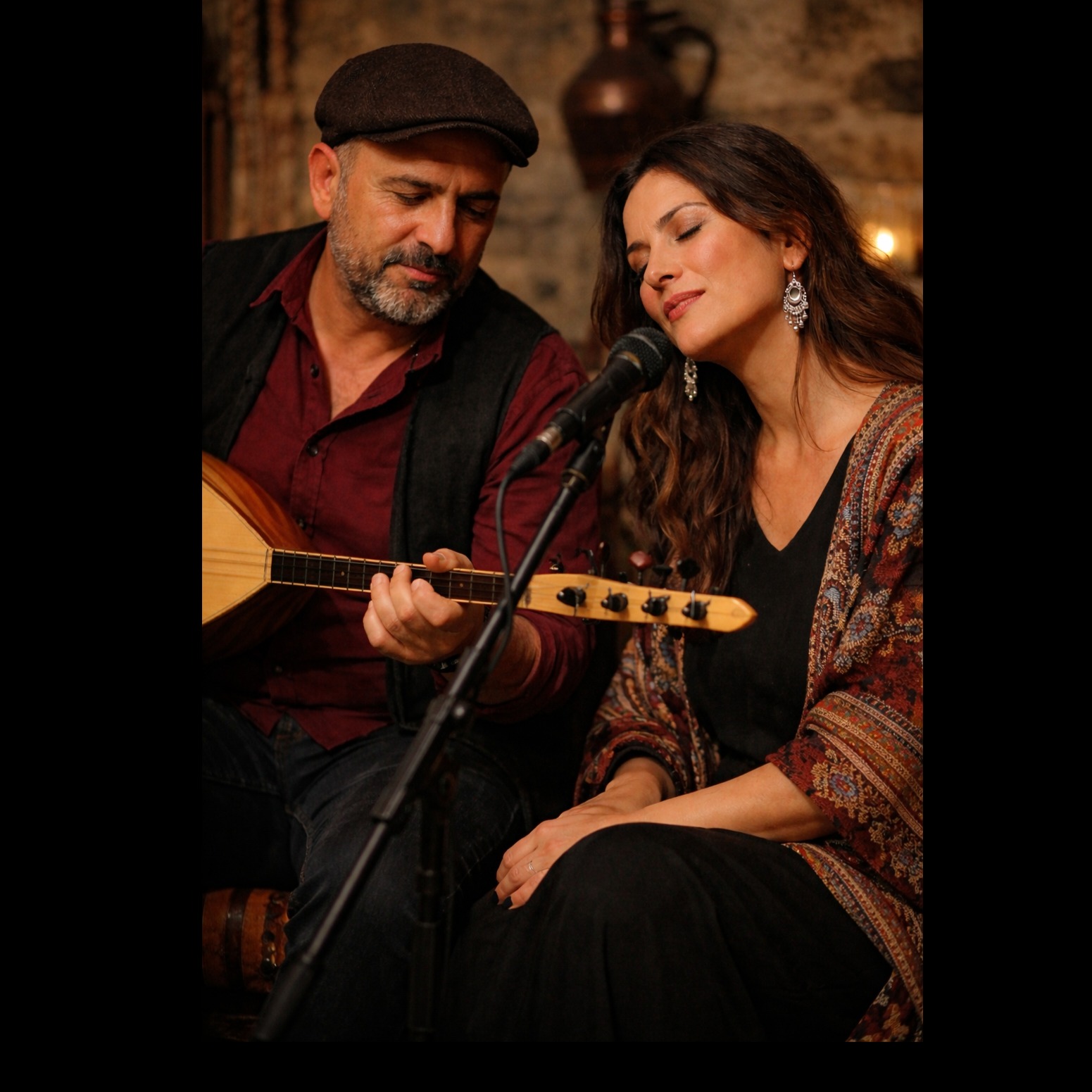
An upbeat Turkish folk-pop fusion track featuring a blend of traditional Anatolian instruments and modern acoustic arrangements, The instrumentation is led by a prominent, plucked bağlama (saz) providing rhythmic and melodic hooks, supported by a strummed acoustic guitar and a steady, driving percussion section utilizing traditional drums like the darbuka or bendir, The song follows a standard verse-chorus structure with a moderate, rhythmic tempo in a minor key, The vocals are performed by a male trio, characterized by rich, harmonized textures and traditional Anatolian vocal ornaments, The production is clean and organic, with a slight reverb on the vocals to create a sense of space, and a balanced mix that highlights the interplay between the string instruments, The bridge features a melodic bağlama solo that transitions into a final, high-energy chorus with clapping and vocal ad-libs
3:53
A melancholic Turkish folk-pop ballad featuring a prominent, expressive solo bağlama (saz) and emotive male vocals, The song is set in a minor key with a slow, reflective tempo, It begins with an intricate, improvisational bağlama introduction characterized by rapid trills, slides, and a resonant, acoustic timbre, The vocal performance is soulful and yearning, utilizing traditional Anatolian vocal ornaments and a wide dynamic range, The arrangement is minimalist, focusing on the interplay between the plucked string instrument and the voice, with subtle reverb adding depth to the mix, The structure follows a traditional verse-chorus format, punctuated by virtuosic instrumental interludes that mirror the vocal melody, The production is clean and organic, emphasizing the natural textures of the acoustic instrument and the raw emotion of the singer
4:42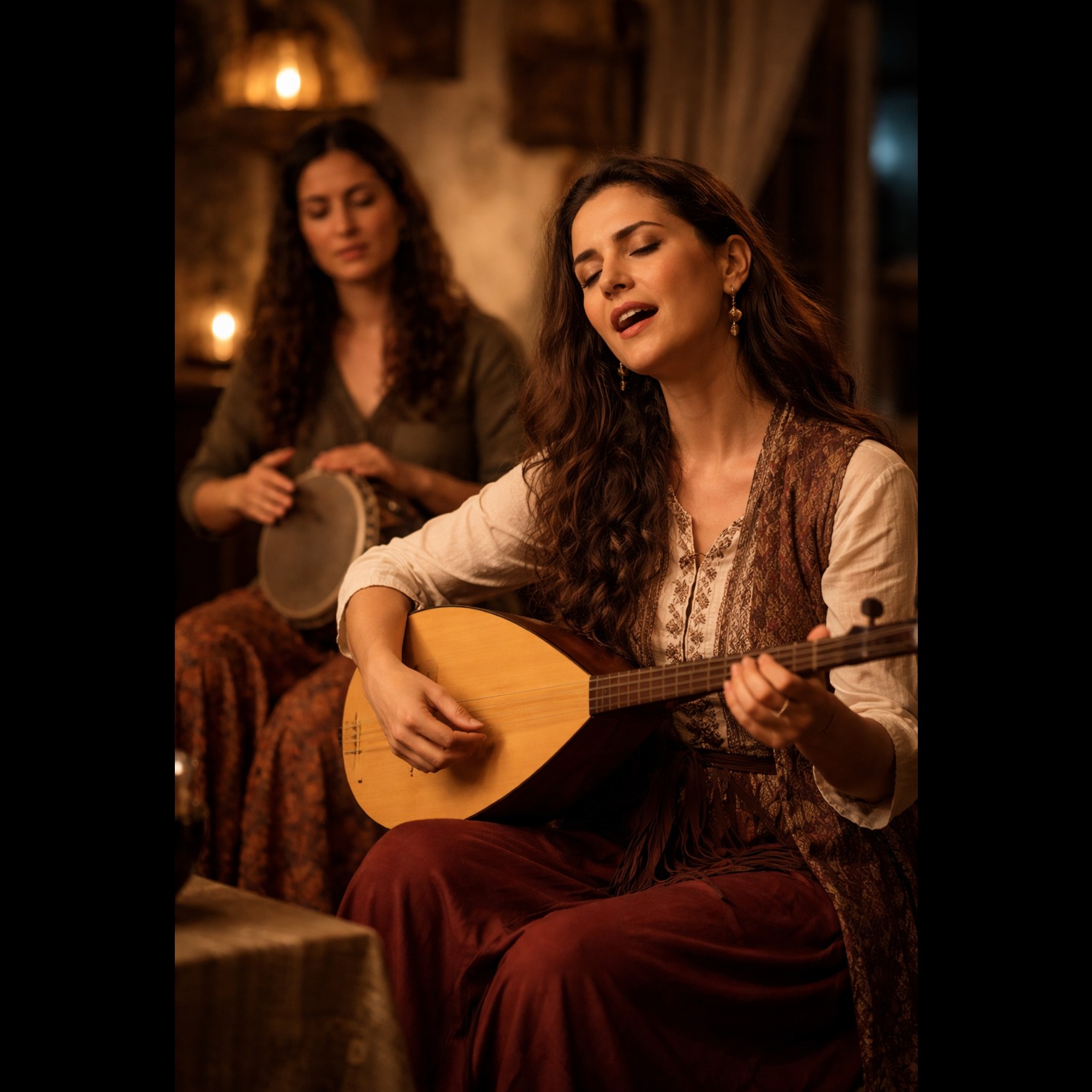
A melancholic and soulful Turkish folk-pop ballad featuring a prominent acoustic guitar and a warm, emotive male baritone vocal, The song begins with a complex, fingerstyle acoustic guitar intro in a minor key, utilizing a 4/4 time signature with a steady, rhythmic pulse, The arrangement is minimalist, focusing on the interplay between the crisp, natural-sounding acoustic guitar and the singer's expressive delivery, which includes subtle vibrato and traditional Turkish vocal ornaments, As the song progresses, a soft, rhythmic percussion and a subtle bass line provide a gentle foundation, The structure follows a traditional verse-chorus-verse-chorus-bridge-chorus pattern, The production is clean and intimate, with a light reverb on the vocals to create a sense of space while maintaining a close, personal feel, The tempo is moderate, around 90 BPM, maintaining a reflective and somber mood throughout
3:18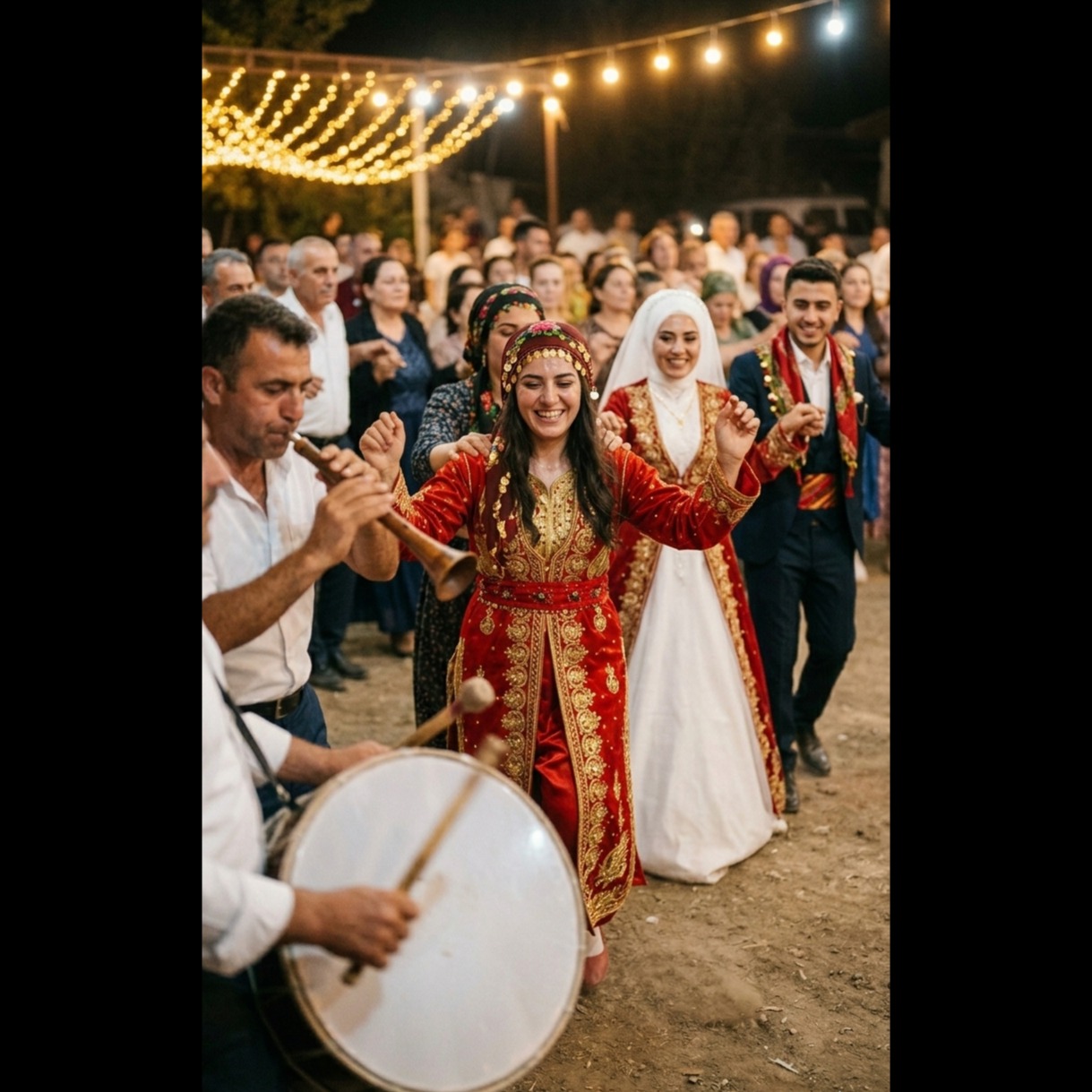
High-energy Turkish folk-pop fusion characterized by a driving 9/8 rhythmic pattern and prominent traditional instrumentation, The track features a piercing, melodic zurna and a deep, resonant davul drum providing the percussive foundation, A male vocal lead delivers a spirited performance with traditional Turkish vocal ornaments, supported by a large, enthusiastic group chorus, The arrangement includes rhythmic handclaps and synthesized bass elements that modernize the sound, The structure follows a call-and-response pattern between the soloist and the ensemble, building intensity through rapid melodic runs on the zurna and synchronized vocal shouts, The tempo is fast and dance-oriented, maintaining a festive and celebratory atmosphere throughout
3:50
A high-energy Turkish Anatolian rock track blending traditional folk melodies with modern hard rock production, The arrangement features a prominent electric baglama (saz) playing intricate, distorted lead lines alongside a heavy rhythm section consisting of overdriven electric guitars, a punchy bass guitar, and a driving drum kit with crisp snare hits and active cymbal work, The song is set in a minor key with a moderate to fast tempo, characterized by a 4/4 time signature and a structure that alternates between riff-heavy verses and soaring, anthemic choruses, The male vocals are powerful and emotive, utilizing a wide dynamic range from gritty, baritone verses to high-pitched, belted melodic peaks in the chorus, Production is polished with modern compression, subtle reverb on the vocals, and a clear stereo field that balances the traditional stringed instruments with the rock ensemble
3:09
Yarım Hayat
v5.5
Old school Turkish rap, hardcore boom bap, strong 90s hip hop influence, gritty urban sound, dusty vinyl texture, raw drum breaks, heavy kick and snare, minimal melodic elements, dark melancholic piano loop, subtle oriental/turkish samples, deep bassline, aggressive and rhythmic male rap vocal, clear articulation, fast and steady flow, internal rhymes, storytelling focused, no singing, no autotune, underground vibe, street atmosphere, emotional but strong delivery, cinematic and realistic
3:03
Soğuk Duvarlar
v5.5
Dark Turkish cartel rap, hardcore boom bap/trap hybrid, slow tempo (~75-85 BPM), deep heavy bass, hard punchy drums, minimal dark piano or string elements, cinematic tension, underground street atmosphere, aggressive male vocal (deep, dominant, controlled), confident delivery, no singing, no autotune, raw and gritty texture, mafia/cartel energy, themes of power, survival, identity, cold and serious tone, dramatic pauses, echo effects on key words, night urban vibe
3:37
rock, Gritty hard rock band, male vocals with raspy country-rock tone; verses ride on crunchy guitars and steady mid-tempo groove, chorus opens wide with soaring octave-doubled lead and gang shouts, drums hit big on downbeats, bass glues everything; bridge strips to lightly overdriven guitar and vocal before exploding back with full-band, sustained feedback tail, male vocals, hard rock
4:08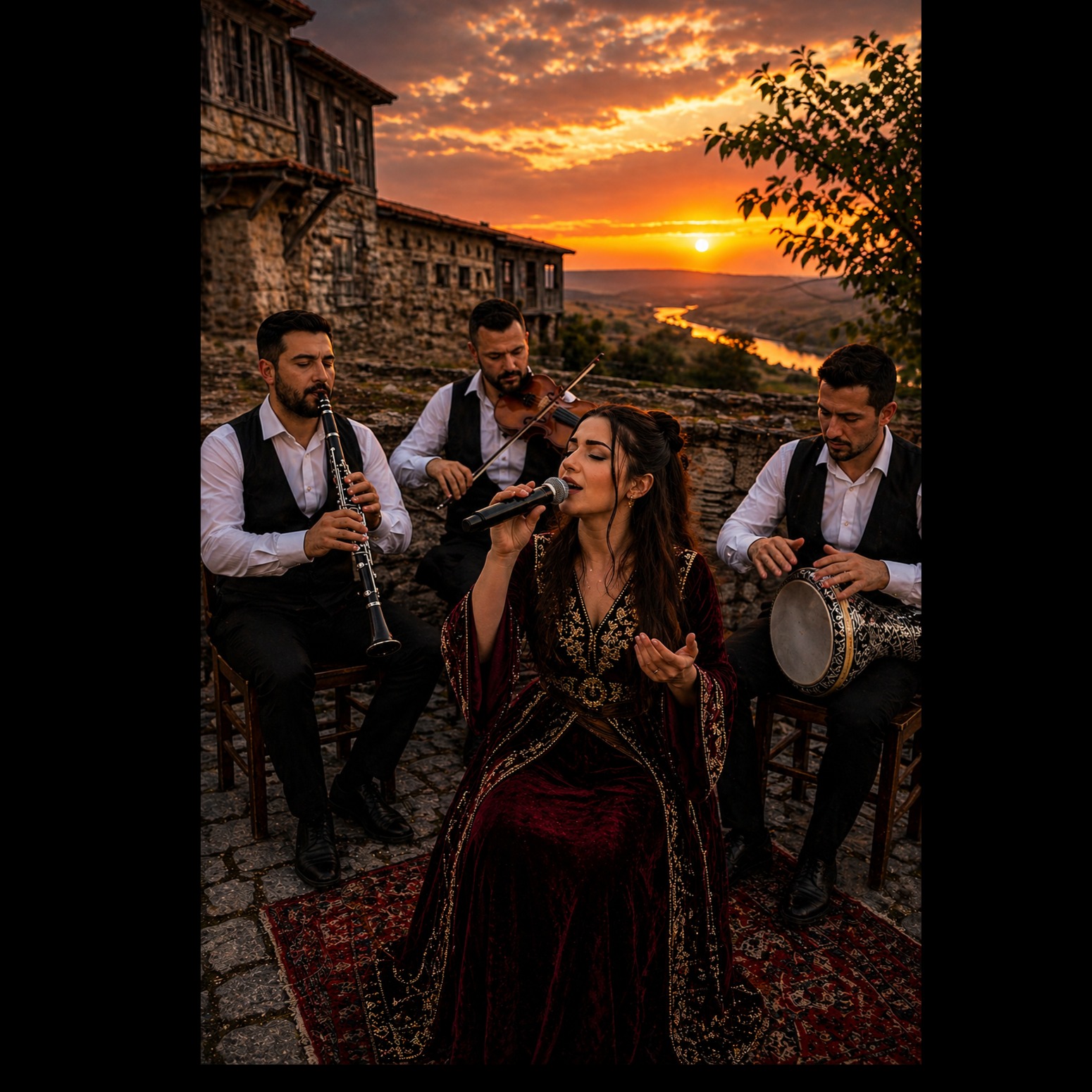
Turkish Thrace Folk (Trakya) / Balkan Folk Fusion, 110–130 BPM with tempo shifts, Passionate, Nostalgic, Dramatic, Danceable, Balkan Clarinet Lead, Violin, Accordion, Darbuka, Tapan, Acoustic Ensemble, Strong 9/8 Karsilama Groove, Dynamic Build, Female Vocals, Emotional, Expressive, Slight Nasal Ornamentation, Traditional Singing, ‑Pop, ‑Electronic, ‑EDM, ‑Synths
4:57
Deeply emotional and melancholic female vocals with traditional Balkan ornamentation, expressive vibrato and haunting tone
4:12

Dağlara Sor Beni
v4.5
Style: Turkish Folk / Psychedelic
Mood: Melancholic, Protest
Tempo: Slow (~70 BPM)
Language: Turkish
5:24
🇹🇷 Kervan Geçmez
v5.5
Neo-Anatolian Rock, Cinematic Post-Rock, 9/8 Rhythms, Epic, Melancholic, Mystical, Introspective, Emotional Crescendos, Traditional Bağlama, Heavily Reverbed Electric Guitar, Analog Synth Pads, Live Acoustic Drums, Long Instrumental Passages, Ambient Sound Design, Dynamic Layering, Raw Analog Production, Earthy, Dusty Sonic Texture, Wide Stereo Space, Deep Male Vocals, Powerful, Studio Clean, No Crowd Noise, No Live FX, Dry Audience-Free Mix, Authentic Live Instrumentation, ‑Pop, ‑Trap, ‑EDM
4:47
Yarime Ağıt
v5.5
Traditional Eastern Anatolian ağıt and türkü, deeply emotional and mournful atmosphere, slow free tempo with expressive rubato, raw male vocal full of pain and sorrow, authentic Turkish folk singing style, dominant bağlama and divan saz, subtle duduk and kaval textures, sparse hand percussion used very minimally, dark acoustic ambience, ancient village feeling, heartfelt storytelling, melodic phrases inspired by eastern Turkey folk traditions, dramatic emotional crescendos, organic live instrumentation, no modern pop, no electronic sounds, no trap, no autotune, no synths, no cinematic trailer music, intimate and human performance, earthy and dusty sonic character, emotional lament carried by voice and saz, traditional funeral lament mood, deeply melancholic Anatolian folk music
4:07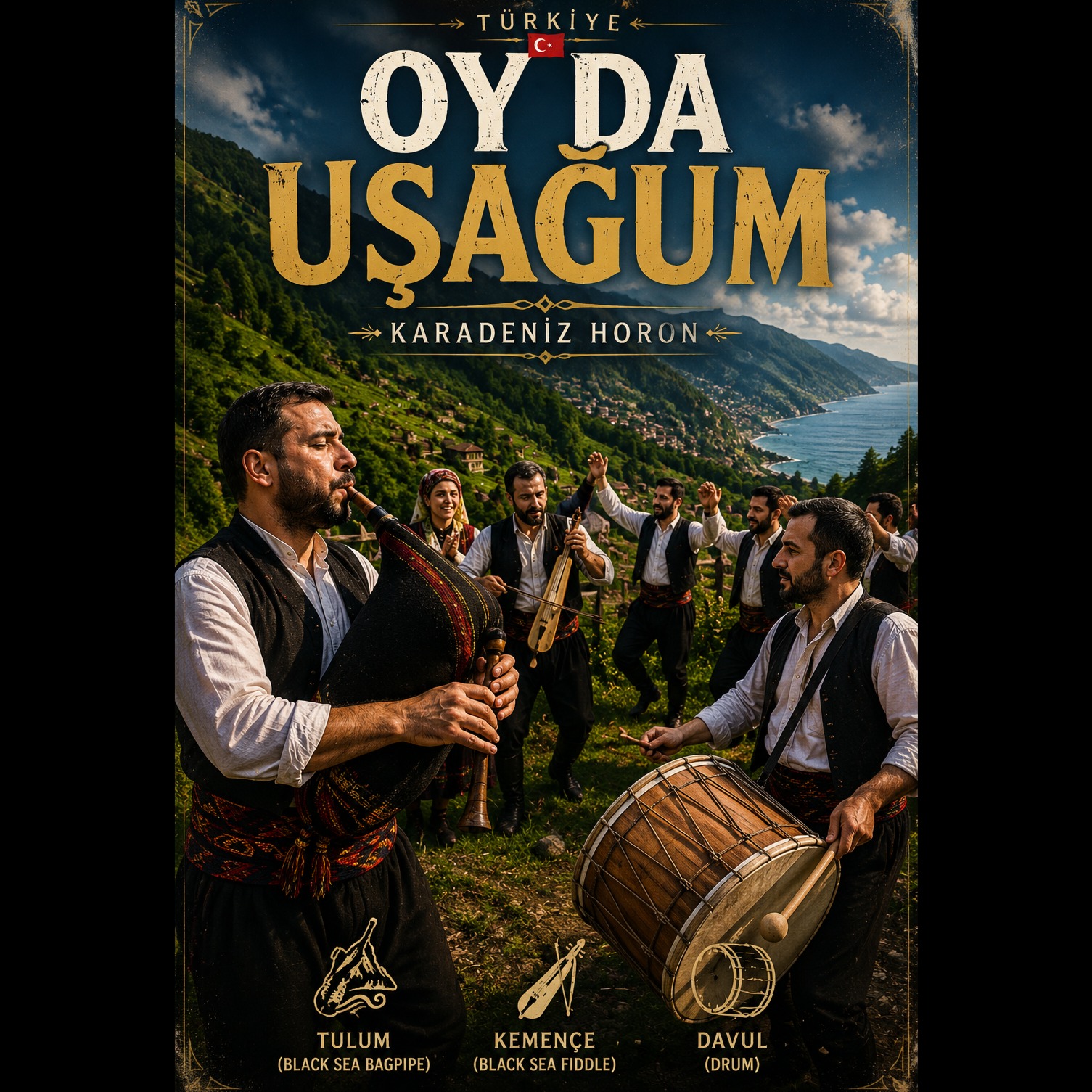
LEADING Tulum (Turkish Black Sea bagpipe) as the dominant melodic instrument throughout the entire song, louder than kemençe and vocals during instrumental sections, ‑EDM, ‑trap, ‑hip hop, ‑pop, ‑reggaeton, ‑techno, ‑house, ‑synthesizers, ‑electric guitar, ‑piano, ‑orchestra, ‑cinematic soundtrack, ‑arabesk, ‑autotune, ‑vocal processing, ‑electronic drums, ‑modern production, ‑bass drops, ‑zurna
5:48
3:59
Traditional Anatolian folk, bozlak, uzun hava, soulful bağlama