6:09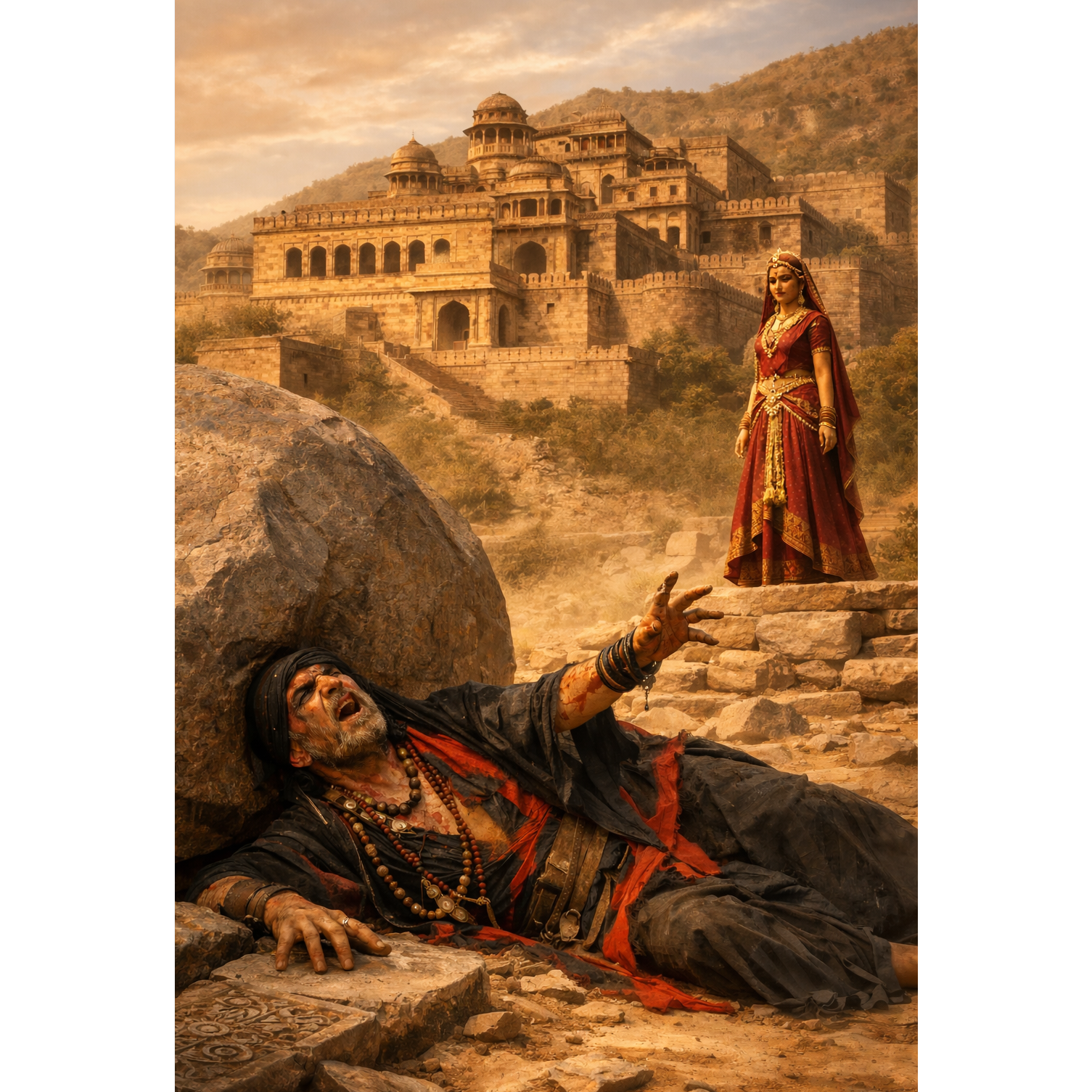
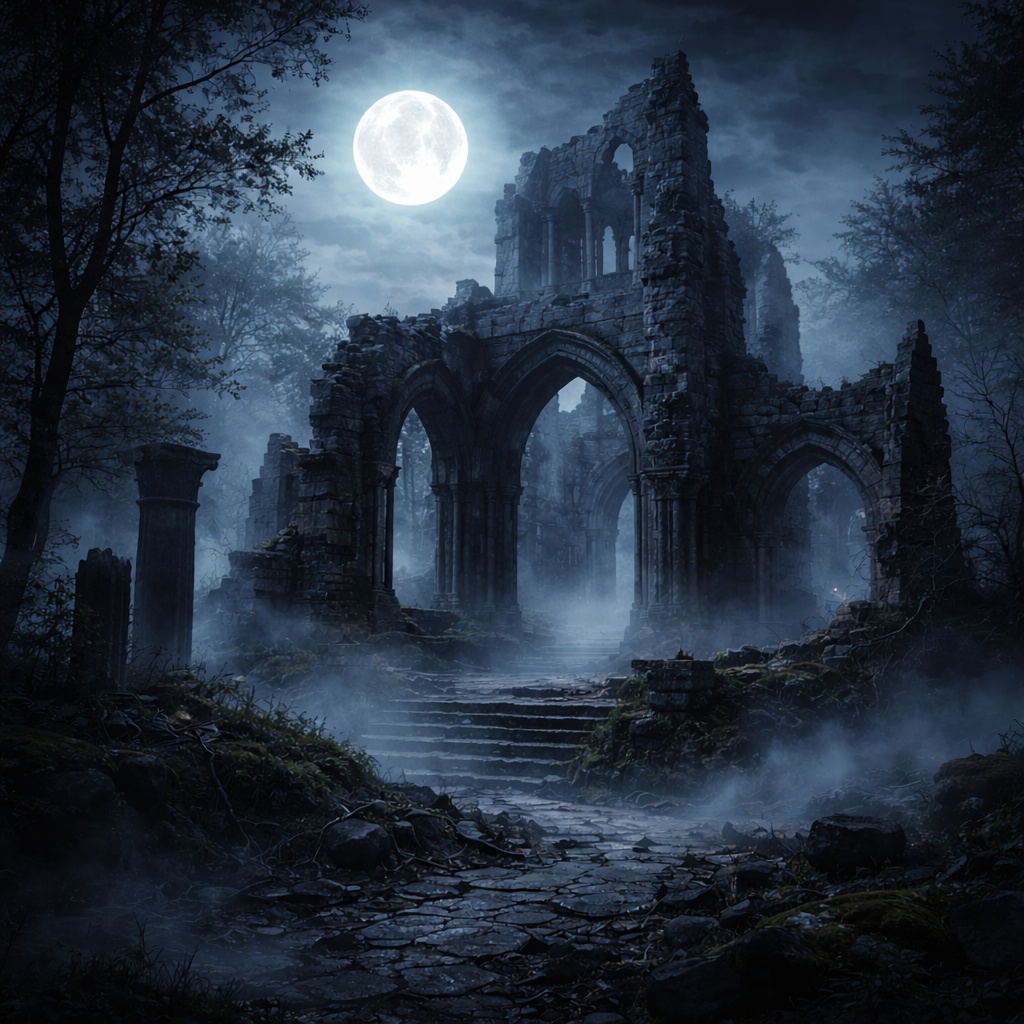
atmospheric symphonic metal, opera, choir, dark and mystic, mysterious, Gothic Rock, epic, cinematic, dark, epic mood and a medium to fast tempo, Down-tuned electric guitars deliver heavy, melodic minor-key riffs inspired by North Indian scales, creating an exotic tension, The drums combine powerful metal grooves with polyrhythmic accents influenced by traditional Indian tala structures, A sarangi and sitar theme opens the song and returns between verses and chorus as a haunting leitmotif, Additional tabla and dhol blend with the metal percussion, giving the rhythm a ritualistic, driving pulse, The vocals are clean and powerful, shifting between dark, storytelling verses and a grand, anthemic chorus, Atmospheric drones, temple bells, and subtle choir layers add a mystical texture, Intro: mysterious sitar and sarangi sound
6:55
Dark Gothic-Folk piece that tells the legend of Loftus Hall in an atmospheric way, Acoustic guitars and soft piano form the harmonic base, while deep strings, cello, and subtle Bodhrán rhythms enhance the haunting mood, A Tin Whistle or Irish flute occasionally adds melancholic, folkloric melodies that evoke the rugged Irish coastline, Gentle percussion and wind or rain samples create the stormy coastal atmosphere, A clear, expressive vocal carries the story of Anne and the mysterious stranger, while layered harmonies and multi-part vocals enrich the chorus, heightening the dramatic tension, Altogether, the instrumentation blends into a melancholic, eerie soundscape that brings the legend to life
7:09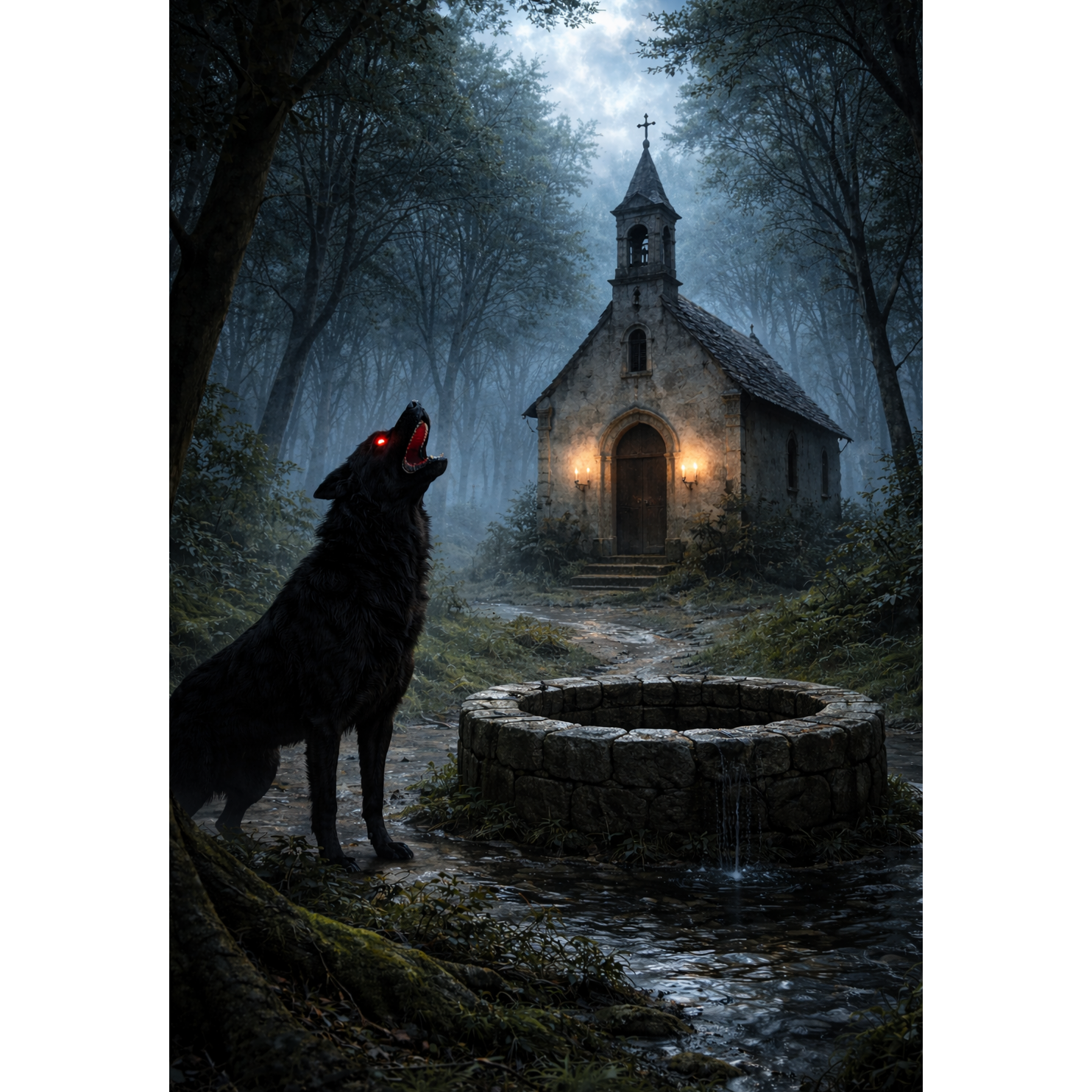
A dark folk rock style with subtle medieval influences fits this song best, as it supports storytelling and creates an eerie, atmospheric mood, The tempo should be slow to mid-paced, Acoustic guitar or hurdy-gurdy can form the foundation, with a muted violin adding tension and melancholy, A deep, steady bass line or frame drum can mirror the heavy, watchful presence of the black dog, In the chorus, restrained backing vocals or choral layers can give the impression of voices rising from the forest, Minor keys and symphonic arrangements help keep the mood serious and believable, while a low, calm, narrative vocal delivery makes the story feel like an old legend being passed down, Cinematic
5:19
Symphonic, opera, Nordic Folk, spooky, choir, chants, mysterious, dark, Gothic, cinematic, orchestral, epic, Wooden flute or tin whistle adds cold, northern melodic colors, In the chorus, layered vocal harmonies create a ghostly, almost ecclesiastical atmosphere
6:44
6:53
dark American folk ballad with a subtle Gothic touch, The tempo is slow to moderate, following the style of traditional storytelling songs, Fingerpicked acoustic guitar forms the foundation, complemented by banjo or dulcimer to give an authentic Americana character, A fiddle carries mournful melodic lines, especially in the chorus and instrumental interludes, Upright bass or a restrained bass guitar provides earthy depth without weighing the song down, The vocals are narrative, close to the microphone, and emotionally controlled, typical of folk traditions, Subtle sound textures, like wind, creaking wood, or distant footsteps, enhance the legendary and haunting atmosphere
8:09
The song begins with haunting Mexican folk elements, creating an eerie, ghostly atmosphere, Vihuela and guitarrón pluck soft minor chords, while a flute drifts with mournful notes, Acoustic guitar arpeggios add depth, and light cajón hits mimic heartbeats, building tension, Dark, rumbling electric guitar riffs then enter with fast double-bass drums, Folk instruments layer short, melancholic melodies over heavy riffs, while acoustic strums add an intimate, haunting touch, Verses feature deep guttural vocals conveying inner torment and the Devil’s pact, The chorus opens with epic melodies and choral harmonies, echoing ghostly warnings, while acoustic flourishes highlight themes, Interludes mix cajón, folk rhythms, and metal breakdowns, with alternating guitar and flute solos enhancing tension and mysticism, The result is a dark, dramatic soundscape, blending metal aggression, acoustic warmth, and Mexican folklore, atmospheric symphonic black metal, symphonic metal
5:47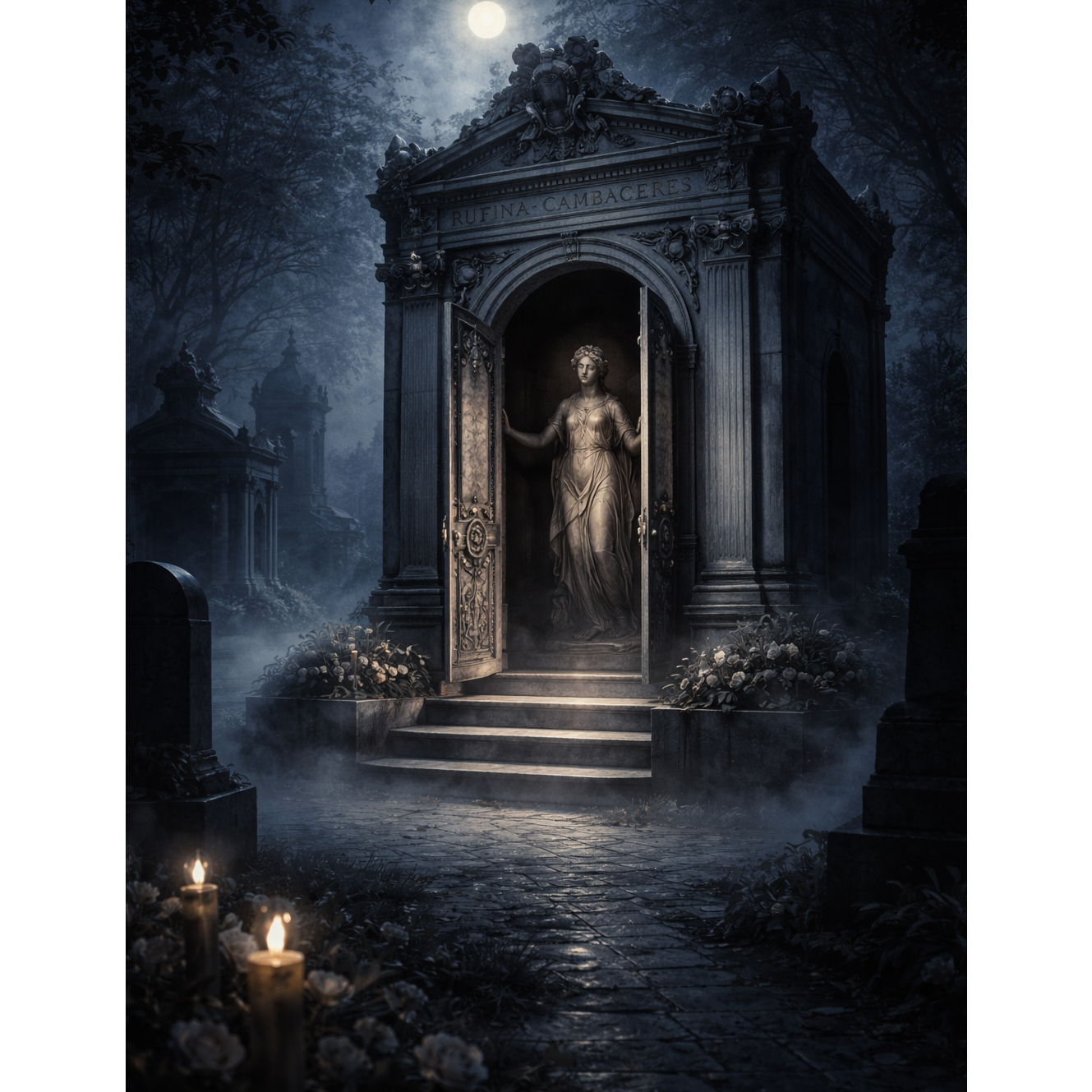
The dark folk ballad opens with a slow bandoneón motif in a minor key, its breathing tone immediately anchoring the song in Argentina, A muted acoustic guitar follows, drawing subtly from a slowed-down milonga rhythm while maintaining a somber, restrained pulse, A low cello weaves in beneath the melody, mirroring the bandoneón at moments and deepening the mournful atmosphere, The vocal delivery remains intimate and narrative, stretching long phrases across harmonies rooted in Argentine musical tradition, In the chorus, upright bass and a softly struck bombo legüero enter, giving the song an earthy South American foundation without overpowering its darkness, Brief instrumental passages allow the bandoneón to stand alone, as if carrying the legend forward in sound, The piece fades out on a final, lingering breath of the bandoneón, leaving the listener firmly grounded in the landscape of Argentina
6:19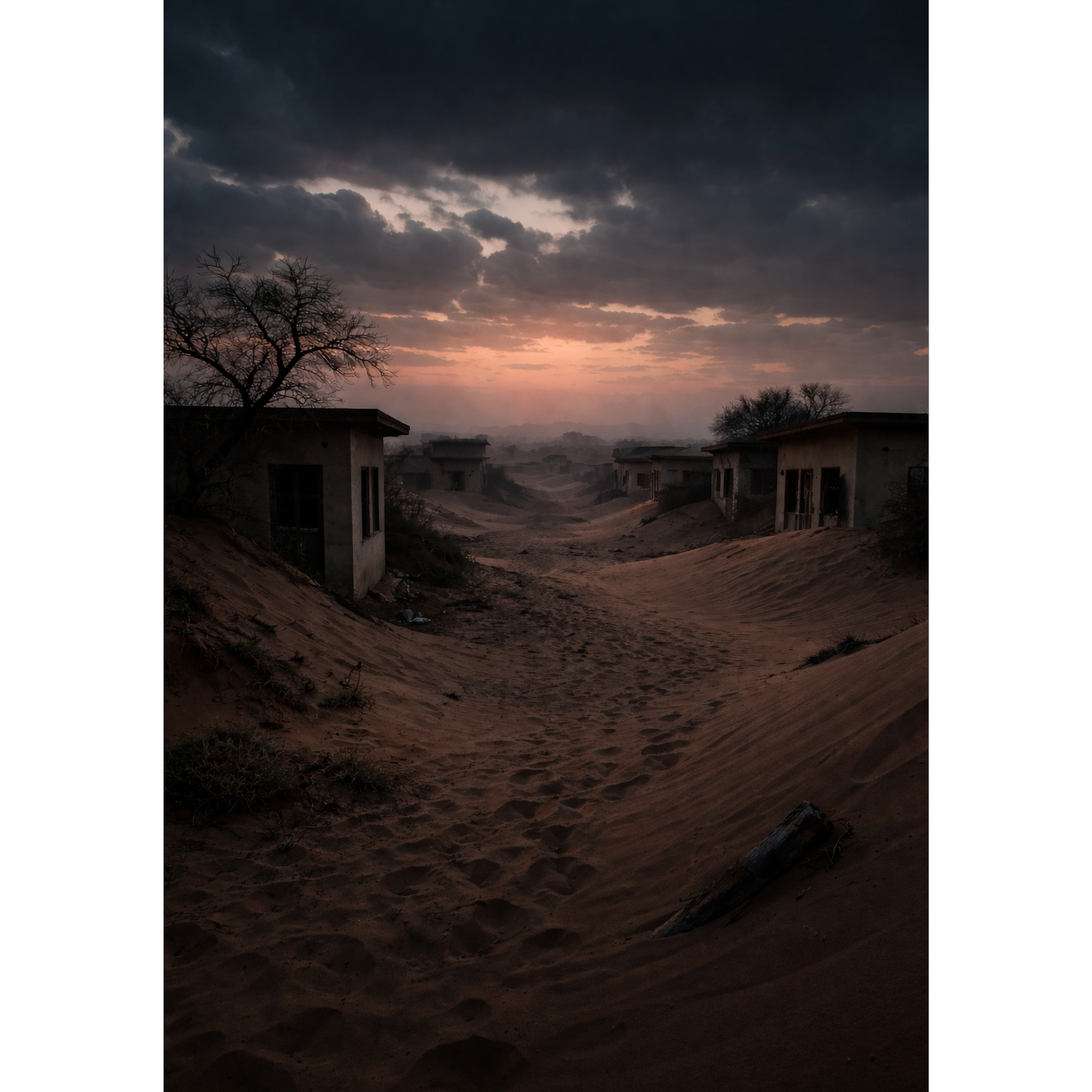
The song opens with an intro featuring subtle oriental instruments, such as oud and ney, accompanied by soft string pads, creating a mystical desert-like atmosphere, Multi-layered choral voices enter gradually, adding a haunting and ethereal quality that sets a suspenseful, cinematic tone, The orchestration flows gently, with solo piano and warm strings carrying the main melody, giving the piece a ballad-like, reflective character, Occasional woodwind motifs and delicate harp lines accentuate the mysterious, otherworldly mood without overpowering the vocals or melody, The harmony is rich and layered, with the choir providing ghostly echoes, enhancing the feeling of secrecy and the supernatural, In the outro, the oriental instruments return, blending with soft strings and distant choir, leaving a lingering, enigmatic impression, Overall, the track combines ballad-style storytelling, cinematic suspense, ethereal choral textures, creating a deeply mysterious and dark musical journey
5:52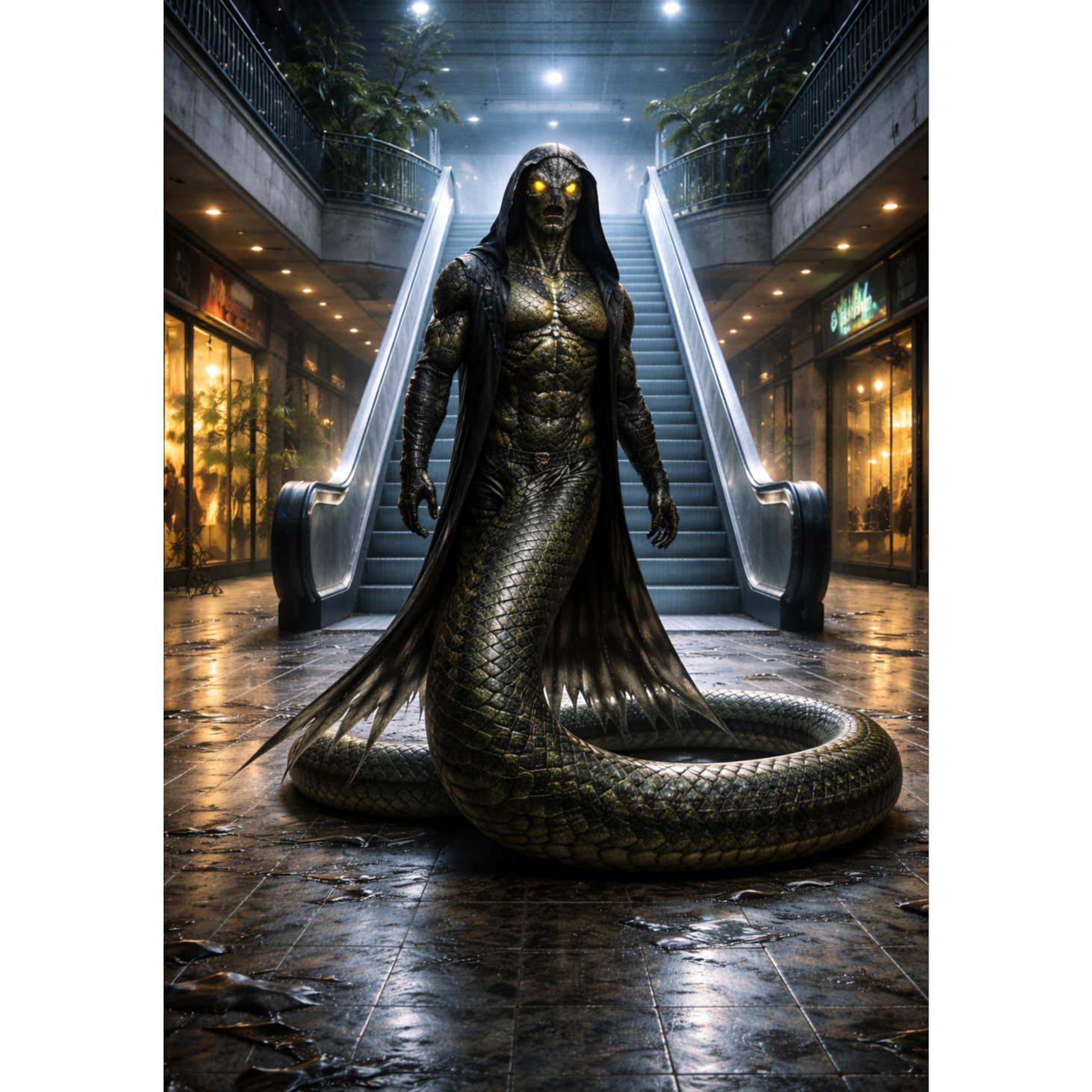
Eerie, and intense music, blending atmospheric symphonic black metal with blast beats, tremolo-picked riffs, and sweeping orchestral layers, Synthwave basslines and dark synth-pop textures add a cold, neon-lit undercurrent that contrasts with the raw metal aggression, Filipino elements like kulintang-inspired percussion, bamboo flute motifs, and harana-style melodic echoes anchor the legend in its cultural origin, The verses are tense and mystical, driven by pulsating synths and spoken-sung vocals that unfold the story of the Snake-Man, The chorus erupts into epic, multi-part choral voices, soaring melodies, and layered synths, making the hook “Snake-Man…” feel both ancient and futuristic, Dramatic scenes, such as the trapdoors, intensify through orchestral swells, reverb-heavy synths, and black metal fury, In the end, choirs, synth pads, and traditional echoes fade together, leaving an unholy, haunted atmosphere behind
5:24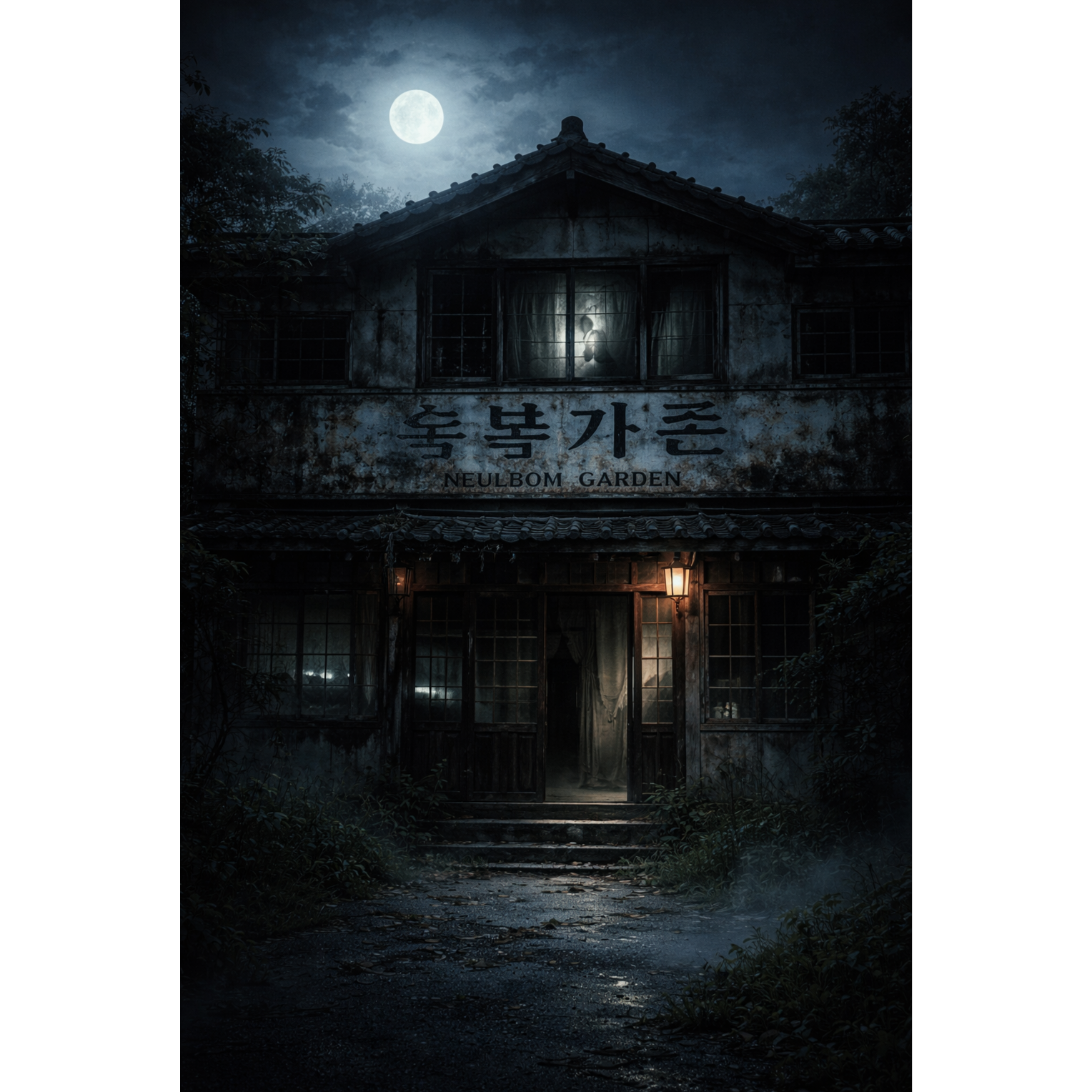
The song blends haunting melodies with Korean traditional instruments like the gayageum and daegeum, creating an eerie, atmospheric soundscape, Pansori-style vocals weave through the verses, telling the tragic story of Neulbom Garden, Orchestral strings, choirs, and symphonic layers add grand, dark textures, reminiscent of black metal’s epic intensity, Aggressive guitar riffs and blast-beat drums surge in the choruses, merging with ethereal harmonies for a cinematic contrast, Multi-layered choral voices in chorus, Sudden shifts between calm, reflective passages and violent, chaotic eruptions reflect sorrow and supernatural activity, Ghostly whispers and dissonant wind effects heighten tension, evoking spirits lingering in the abandoned restaurant, Overall, it’s a fusion of Korean traditional music, symphonic black metal, and cinematic storytelling, capturing grief, mystery, and the haunting presence of the past
5:19
epic cinematic piece, capturing the vastness and mystery of the Gobi Steppe, The intro features Morin Khuur, high flute, and subtle wind and sand sounds, creating an eerie, tense atmosphere, The verses narrate the legend with dramatic, tension-filled instrumentation—acoustic guitar, deep drones, soft percussion, and hints of symphonic metal for power and intensity, The chorus soars with a multi-layered, dramatic choir, reinforced by strings, percussion, and subtle metallic elements, emphasizing the terror of the Mongolian Death Worm, An optional bridge adds Mongolian throat singing (Khoomei) for an otherworldly, haunting effect, The outro revisits Mongolian instruments, letting the melody fade slowly, leaving the sense that the legend still lurks in the dunes, The song is narrative, cinematic, eerie, and dramatic, perfectly evoking the harsh and mysterious desert landscape with a hint of epic metal grandeur
8:26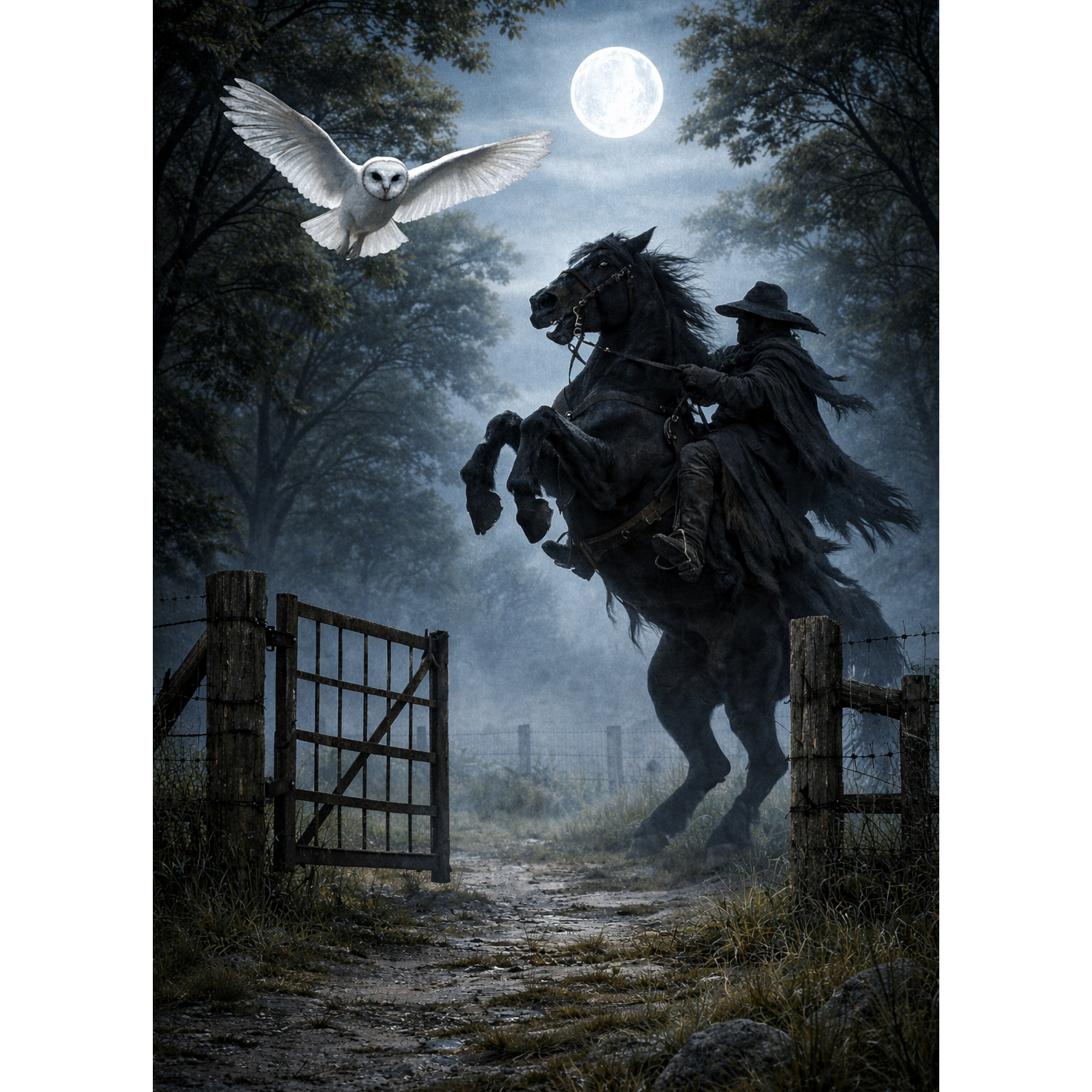
an atmospheric, haunting folk piece inspired by Australian legends, It blends unsettling cinematic textures with traditional folk elements, creating mystery and suspense, Acoustic guitar provides a resonant folk foundation, while subtle didgeridoo drones and soft percussion evoke the Australian landscape and the eerie atmosphere, Ambient sounds, like rustling leaves or distant night birds, and low strings enhance the ghostly tension, The intimate vocals guide the listener through the story of Goomburra Gate, making it feel as if you are walking a lonely, haunted road in rural Australia