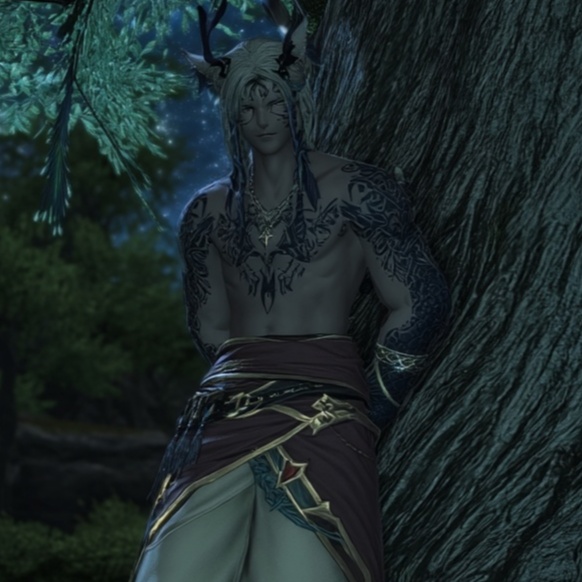
Boughs and Starpaths: Songs from the Twelveswood and Beyond
From the boughs of the Twelveswood to the farthest starpaths, these songs gather rites, wanderings, and quiet encounters—instrumental and sung—carried by a bard shaped by aether, travel, and memory.
·

9 songs
3:23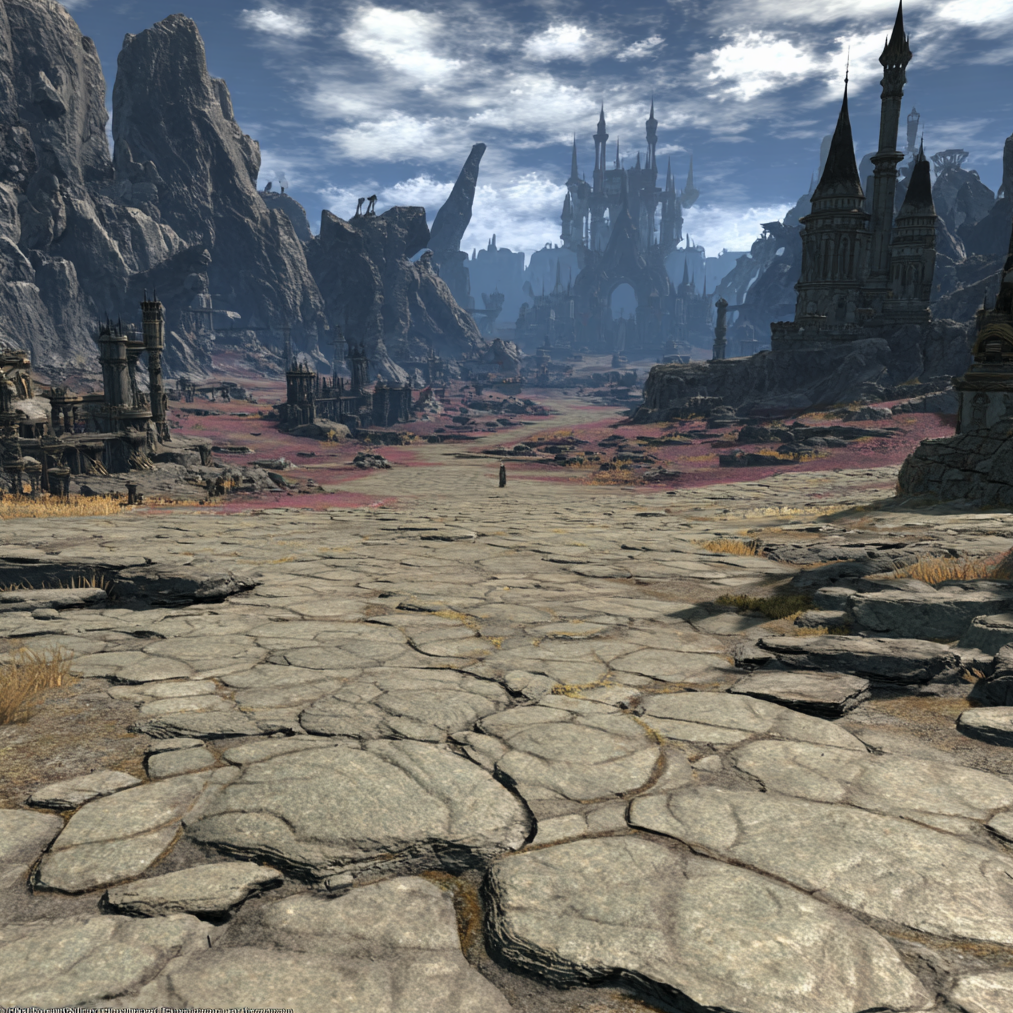
Solo male vocal ONLY, Ezra sings alone throughout, NO female vocals, no background vocals, no choir, no harmonies, no whispered or wordless voices, Any added voices are a generation failure, Style prompt must not be sung, Ezra Parzival is overtaken by aetheric memory embedded in Etheirys—Silvertear Lake and Carteneau Flats, Male tenor-baritone voice, restrained and strained, reacting rather than performing, as if trapped in an Echo vision where the land screams through him, Key: D minor or E minor, Tempo: ~80 BPM, unsteady and breath-led, STRUCTURE: Extended flute-led introduction, Vocal cycles repeat and evolve with instrumental passages between them, Sacred wooden flute is the primary vessel, dragging the voice forward, Only distant, irregular drums beneath, following breath not time, No strings, no cinematic texture, Long-form piece intended to unfold over 4–5 minutes, Avoid Middle Eastern or raga-like scales; phrasing should feel wind-worn, ‑female vocals, ‑background vocals, ‑choir, ‑choral, ‑harmony vocals, ‑ethereal vocals, ‑cinematic, ‑epic, ‑orchestral, ‑film score, ‑trailer music, ‑ambient, ‑new age, ‑meditation, ‑chanting, ‑religious, ‑hymn, ‑prayer, ‑gospel, ‑arabic, ‑indian, ‑middle eastern, ‑raga, ‑pop, ‑ballad, ‑lullaby, ‑synth pads, ‑vocal pads, ‑folk storytelling, ‑bard song, ‑narrative ballad
2:24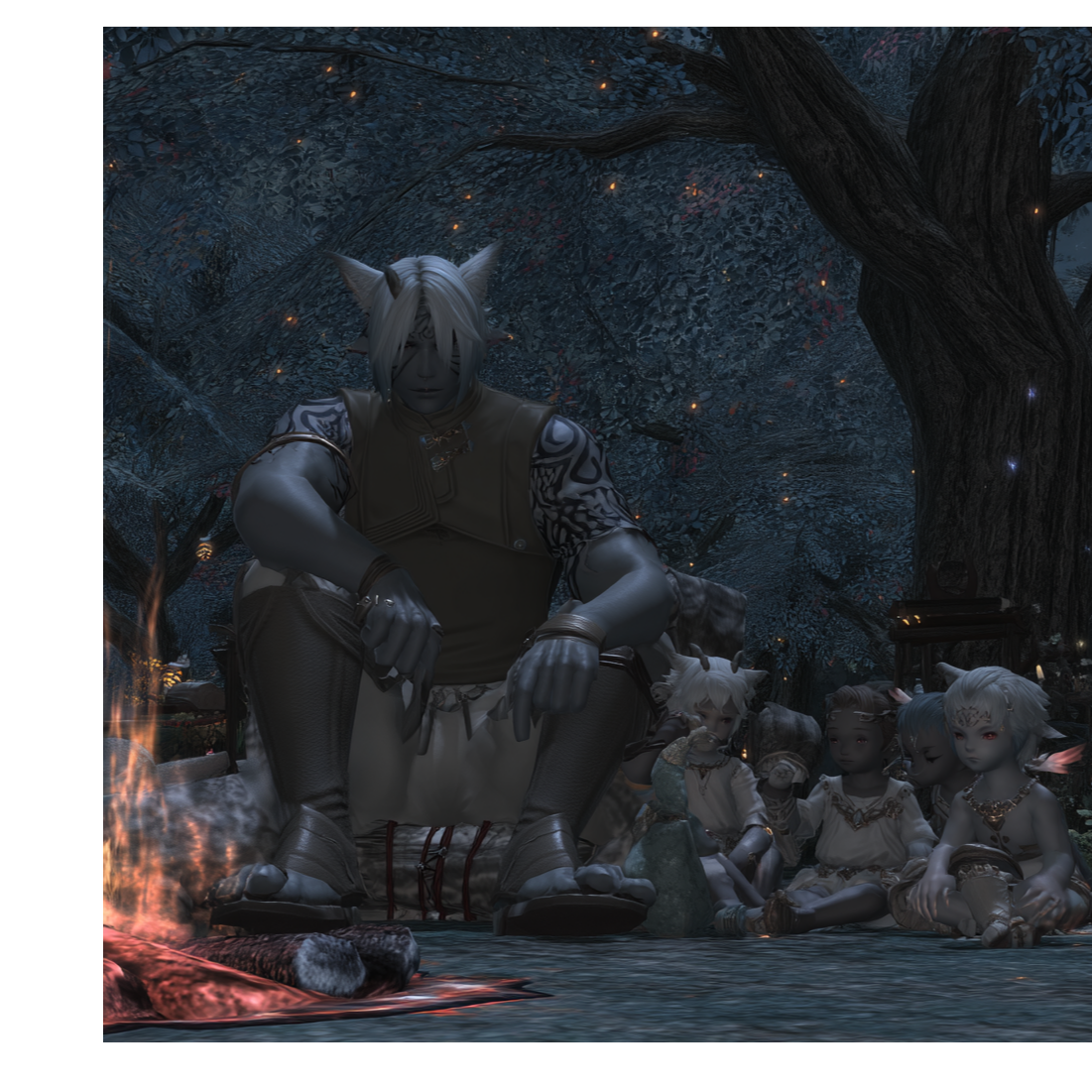
Ezra Parzival sings a sacred Twelveswood lullaby as a tribal keeper of hearth and kin, Male tenor-baritone solo vocalist, warm, intimate, and reassuring, with no projection or performance energy—his voice invites closeness rather than attention, Key: D minor or E minor, using simple folk-like phrasing rather than exotic scales, Tempo: 58–68 BPM, unhurried and gently flowing, Ezra sings alone throughout—one voice only, no harmonies, no doubling, His sacred wooden flute leads each verse, breathy and earthy in a woodland folk style, rising and falling like a guiding wisp beneath the forest canopy, No drums or percussive movement, Only soft plucked strings or gentle sustained tones, subtle and grounding, like night air moving through leaves, The atmosphere feels woven from forest breath, moonlight, and kinship—sung beneath the stars of the Twelveswood beside a child’s resting head, This is not spectacle or trance, but quiet presence and sanctuary
3:56

Male tenor-baritone solo vocalist, youthful (~14), warm breath-worn tone just after voice shift, Steady, reverent, chant-like bardic delivery with subtle Celtic-inspired phrasing, Ezra sings alone for the entire piece—one uninterrupted ritual voice, no harmonies, no backing or spectral vocals of any kind, Key: D minor, Tempo: 82–86 BPM, steady and ritualistic, Breath-driven wooden end-blown flute and low hand drum open the track and continue softly beneath the vocal throughout, Flute is earth-toned, meditative, shaped by breath and silence; drum is restrained and ceremonial, No additional instruments, no orchestral swells, no modern production, Performed during the Moonwake Festival by the Threadbearer, Ezra’s first invocation as the Loom’s chosen voice, Intimate, sacred, forest-born fantasy folk ritual, invoking memory, aether, and harmony, Natural reverb only, as if sung in a forest grove
4:49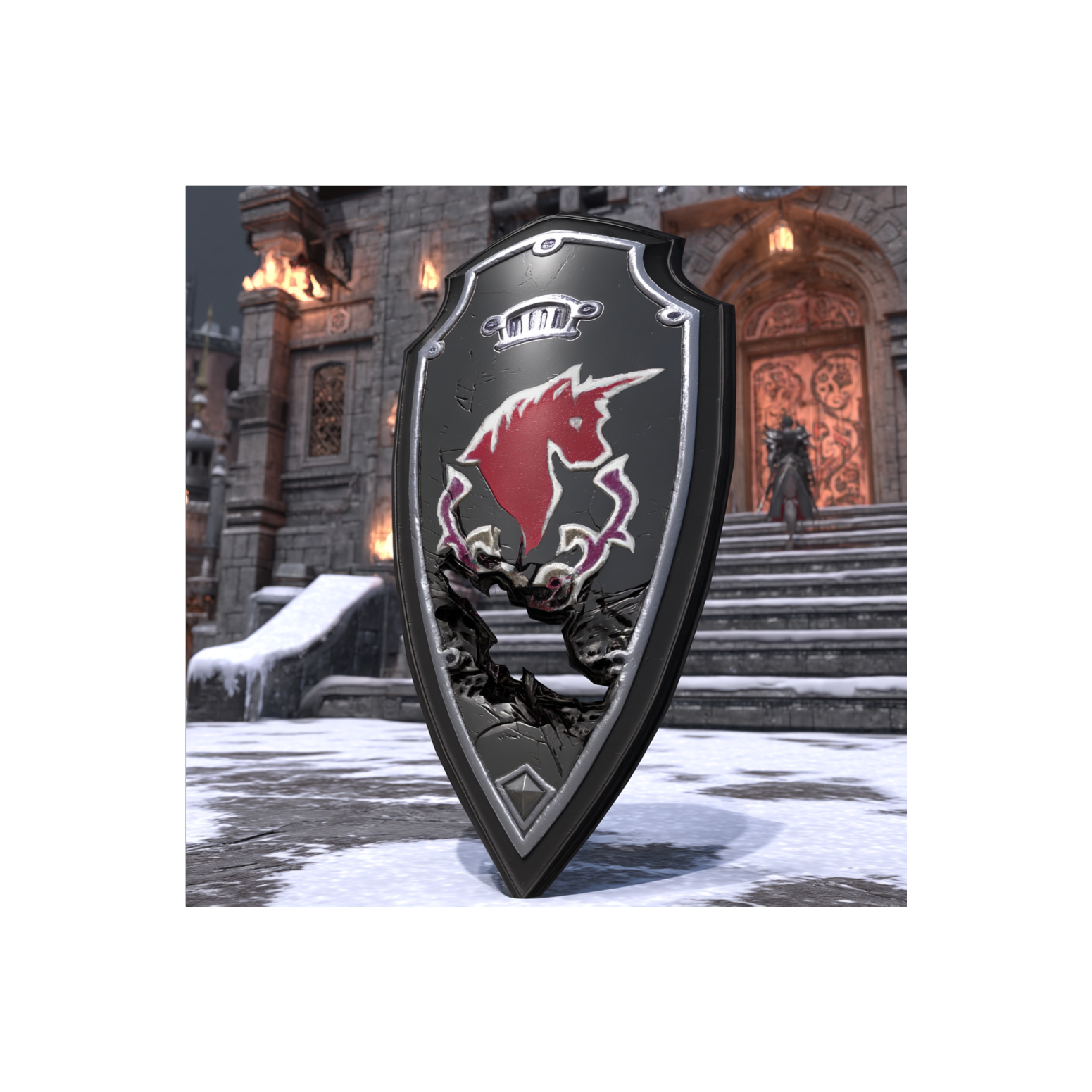
Male tenor-baritone solo vocalist with a steady Gaelic cadence, sung as an honor-song among warriors, The voice is warm, resolute, and carrying, meant to echo through stone halls rather than whisper in grief, Key: D or E minor, Tempo: 64–72 BPM, unwavering and deliberate, Ezra sings alone throughout—one voice, no harmonies or secondary vocals, Baritone lute leads with broad, measured chords that ring like shields struck in remembrance, Low bowed strings and distant drums provide weight and depth, restrained but present, Bone flute appears sparingly, breath-like, as a passing memory, This is not a lament, but a vow and a toast of honor—sung where warriors gather to remember the shield that held, the smile that did not falter, and the fire that endures beyond death
4:26

Male tenor-baritone solo vocalist with a gentle Gaelic cadence, singing as an aether-touched bard at the threshold between the living and the divine, Ezra’s voice remains singular, steady, and reverent, yet carries an ethereal resonance as if lifted and sustained by the aether of the star itself, Key: D minor, Tempo: 60–68 BPM, Ezra sings alone throughout—one voice only, never doubled, Subtle harmonic shimmer and tonal bloom arise as environmental resonance, as though the air and aether are vibrating in response to the vow, not as additional voices, Baritone lute and low strings anchor the mortal plane, while faint aetheric textures and distant, bell-like overtones suggest divine presence without articulation, Bone flute appears sparingly, breath-like and spectral, This is not a lament, but a vow that crosses realms—where sacrifice is carried upward, woven into the aether, and remembered by the star and the gods who bear witness
5:19
Male tenor-baritone solo vocalist with a restrained Gaelic cadence, voice shaped by cold air and stone halls, Warm but weathered tone, steady and reverent, Key: D or E minor, Tempo: 60–72 BPM, Ezra sings alone throughout—one voice, no harmonies, Baritone lute leads with slow, deliberate chords, supported by low bowed strings and distant drums that echo like memory beneath stone, Bone flute appears sparingly, breath-like and solemn, This is not a lament but a vow, sung in frostbound halls to honor a knight’s sacrifice and the quiet fire that endures within the cold
4:29
Male tenor-baritone solo vocalist with a steady Gaelic cadence, singing an honor-song among warriors, The voice is warm, resonant, and carrying, meant to echo through stone halls, Key: E minor, Tempo: 64–72 BPM, deliberate and forward-moving, Ezra sings alone throughout—one voice, no harmonies, Baritone lute strikes broader, rhythmic chords like measured steps through snow, Low strings and drums provide weight and resolve, Bone flute appears briefly as a passing memory, This is not a lament, but a vow and a toast of honor—spoken where shields are stacked and names are remembered
5:26
Male tenor-baritone solo vocalist with a clear Gaelic cadence, singing with unwavering restraint, The voice is steady, unadorned, and resolute, Key: D minor, Tempo: 60–68 BPM, Ezra sings alone throughout—one voice, no harmonies or embellishment, Baritone lute and low strings provide minimal, deliberate support, No swelling textures, no ornamentation, Bone flute is absent or nearly imperceptible, This is not a lament but a vow spoken plainly—honoring sacrifice through truth, clarity, and the strength to endure without flourish
4:54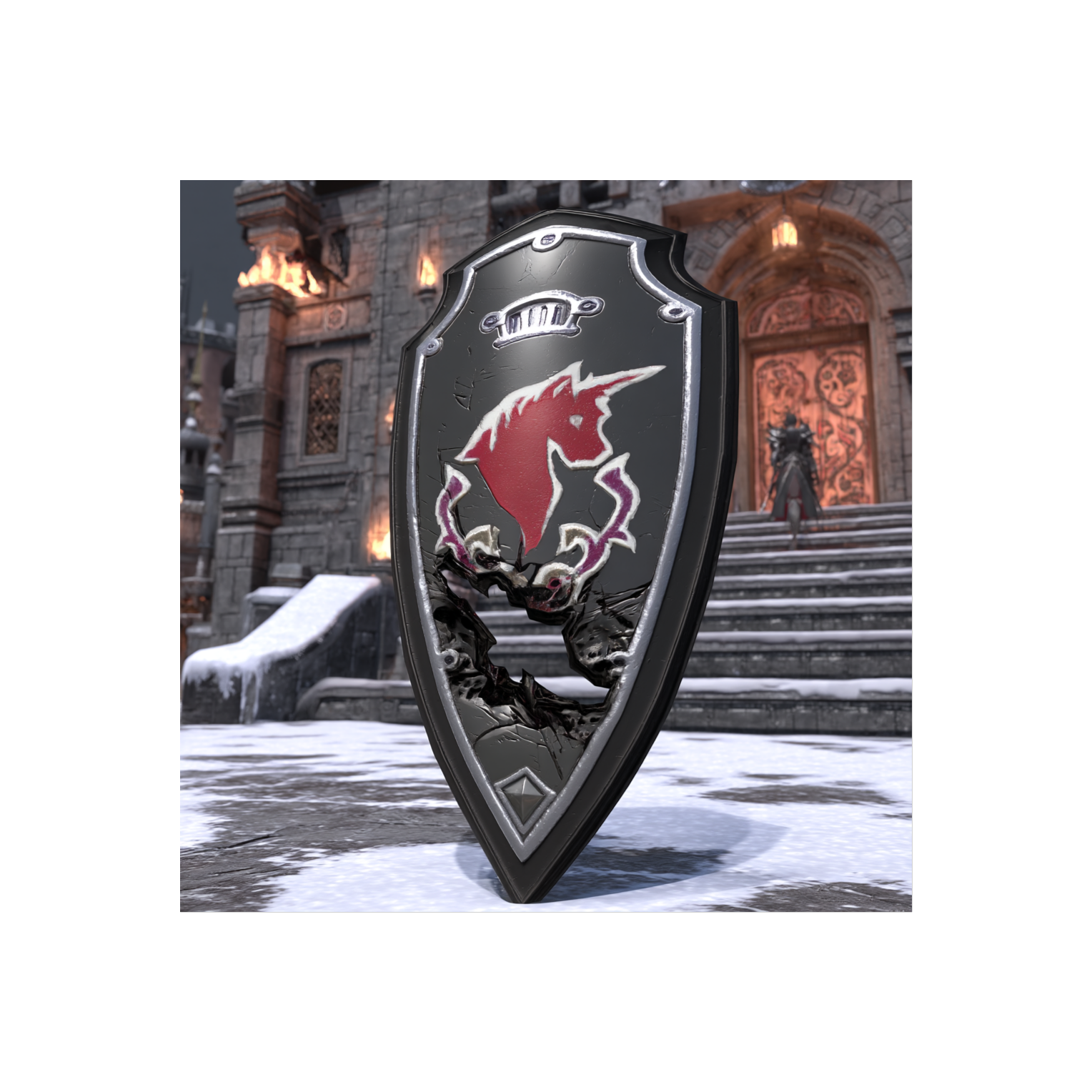
Male tenor-baritone solo vocalist with a soft Gaelic cadence, singing as if from the edge of waking memory, The voice is gentle, distant, and inward, Key: D minor, Tempo: 58–64 BPM, Ezra sings alone throughout, his voice lightly diffused by ambient space and soft harmonic reflections that feel like memory rather than accompaniment, Lute and strings are minimal and blurred, with faint atmospheric textures, Bone flute appears as a drifting breath, This is not a lament but a quiet return—where grief dissolves into remembrance and the soul settles back into the star