Humor in Song
Playful Dutch cabaret-style songs filled with irony, absurd humor, and theatrical twists. Light-hearted stories sung with a wink and a smile.
·

23 songs
1:59
Mijn vrind Jan
v4.5
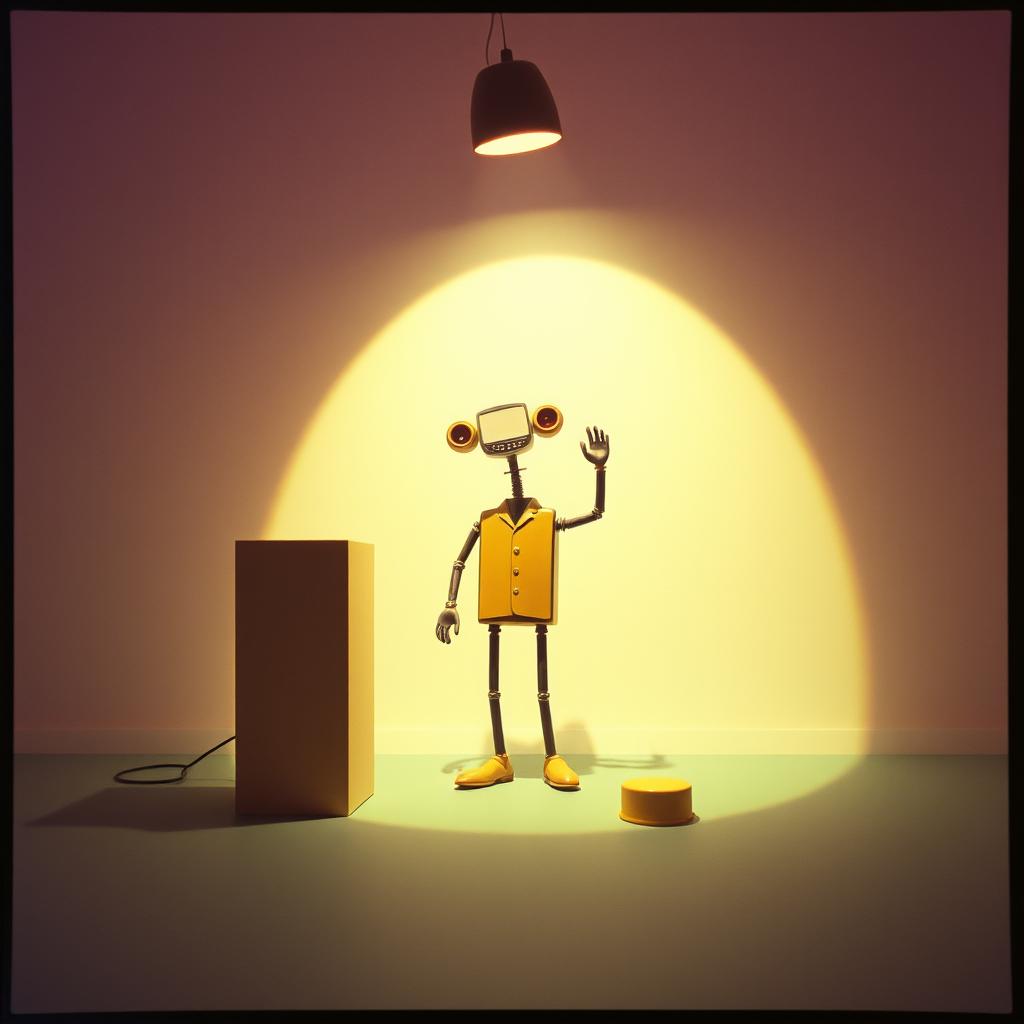
A playful, cabaret-style song in Dutch, performed by a male singer with a storytelling voice and a cheeky attitude, in the style of a modern stand-up comedian with guitar, The lyrics tell a humorous coming-of-age story about a boy and his lifelong "friend" named Jan — not a real person, but a metaphor for his own body, The song stays suggestive but never explicit, full of double meanings and innuendos, The music is acoustic, lighthearted, with jazzy guitar strums and subtle percussion, The tone is witty, charming, slightly absurd, and perfect for a live performance vibe, Think intimate setting, spotlight, and laughter from the audience, End with a tongue-in-cheek punchline about how Jan is always there… ready to play, even if only for fifteen minutes
2:23
Create a Dutch-language comedic cabaret-style song, in the style of Tol Hansse (e, g, "Big City"), with playful instrumentation including accordion, upright bass, piano, light brushed drums, and maybe clarinet or kazoo for comic effect, The vocals should be expressive and storytelling-like, almost theatrical, with background echo voices in repeated lines, The style should feel like a cheerful Sunday morning on a café terrace, with a small man telling a bizarre but funny story, Tempo: mid-tempo swing (around 90–110 BPM), Genre: comedic Dutch chanson / jazz cabaret, Vocal delivery: playful, sometimes half-spoken, with a wink, Not too polished — it's about character and fun, Maintain all line breaks and repeats to help the musical phrasing, Echo lines (in parentheses) should sound like background vocals or funny commentary
4:37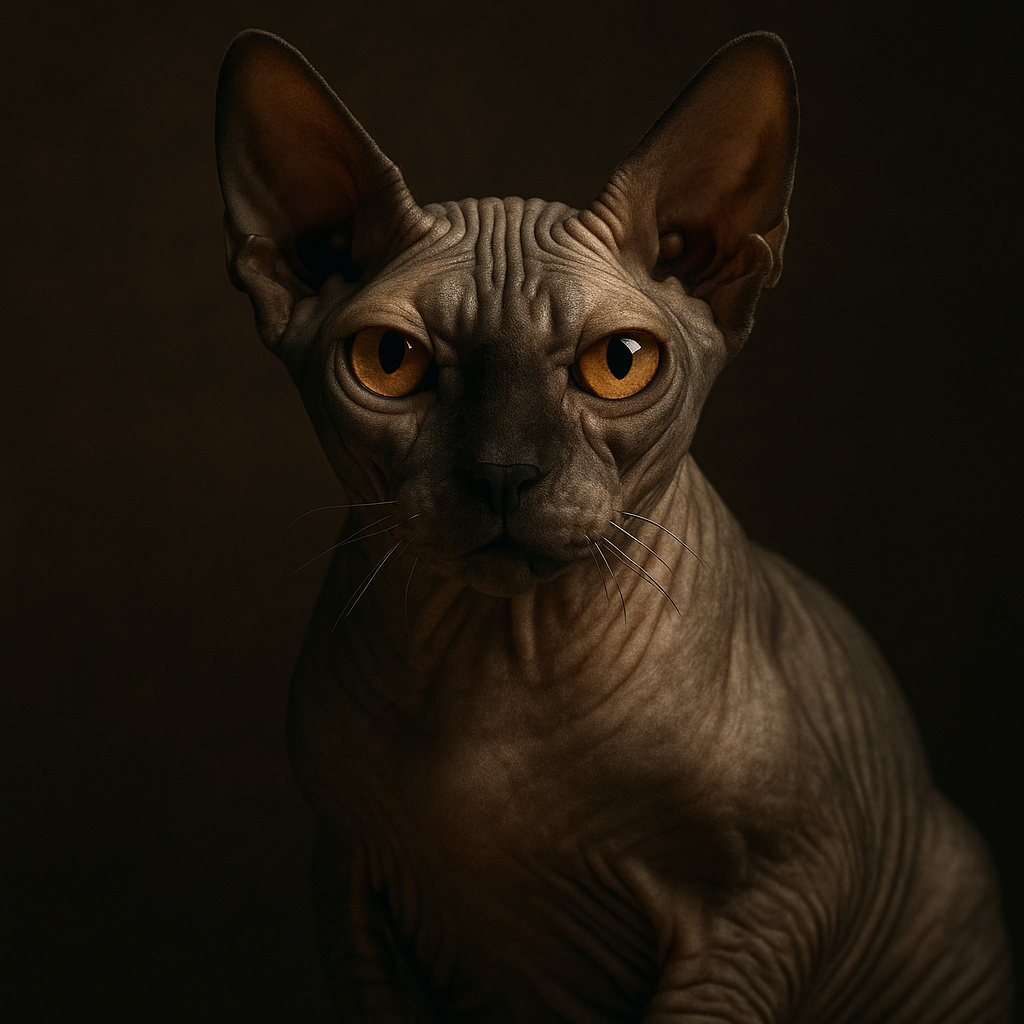
Dutch female voice in the style of Jenny Arean — expressive and theatrical with emotional nuance, Cabaret-style delivery with subtle rubato phrasing, playful timing shifts, and ironic undertones, Rich midrange voice, slightly husky, with bittersweet elegance, Musical arrangement in light jazz-chanson style: piano-led, with upright bass, brushed drums, and occasional acoustic guitar, Start with a slow, teasing intro — just music — followed by a whispered or softly spoken line: “Niet schrikken hoor… Maar ik heb een wilde poes, ” Let the voice take its time, caress certain words, and deliver the punchlines with restrained drama, Studio quality recording, intimate and natural room ambiance, The vocal delivery should feel like a monologue set to music — personal, ironic, and emotionally layered
4:55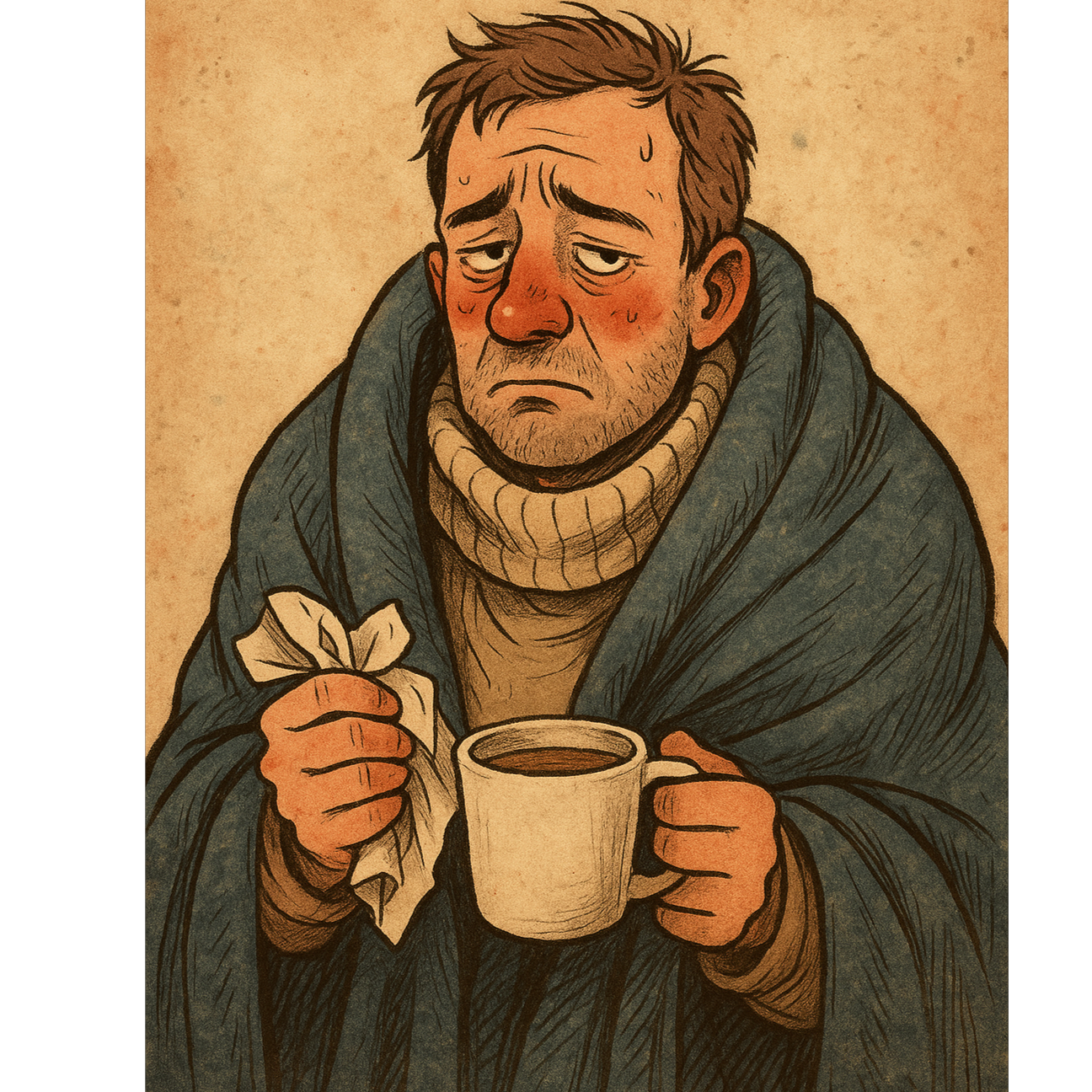
Mannengriep!
v4.5+
Dutch male voice, theatrical and expressive with humorous exaggeration, Folk-pop with light cabaret influence, Acoustic guitar, upright bass, light percussion (brushed snare and soft kick), with optional accordion and flute for comic color, Medium tempo (around 105 BPM), Clear vocal phrasing with room for dramatic pauses and over-the-top delivery, Instrumental interludes at tag points: cheerful intro, short melancholic break after verse 1, hopeful buildup after bridge, and soft whimsical outro, Keep vocals solo throughout — no backing vocals, Tone: dramatic self-pity with comedic flair
3:33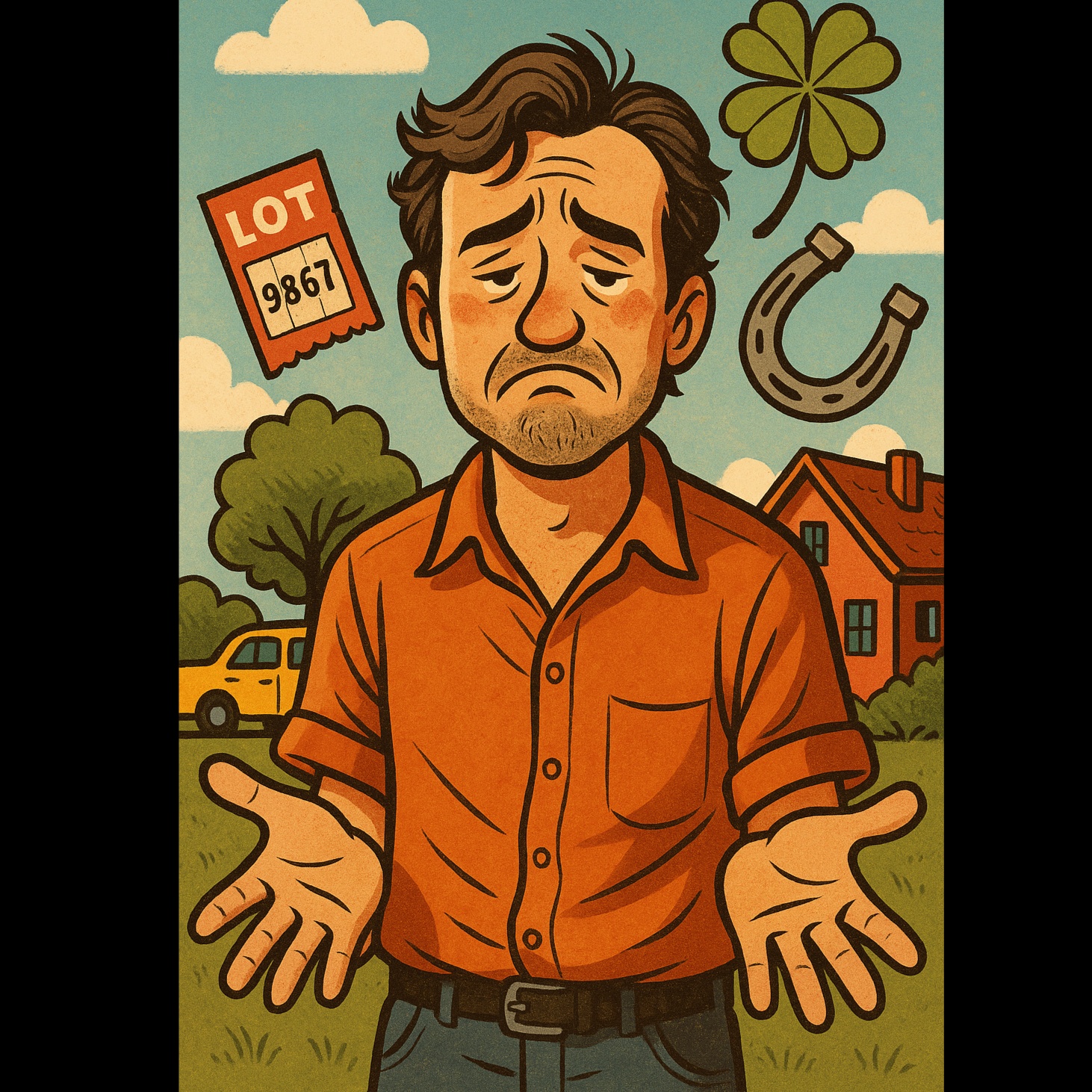
Jammer dan!
v4.5
Dutch pop song with a playful, retro feel and moderate tempo (90–100 BPM), Male lead vocals in the style of a young Guus Meeuwis: expressive, light, and natural, Acoustic band setup with rhythmic strumming guitar and a second guitar playing fast melodic picking (like mandolin-style), Includes real handclaps on beats 2 and 4, especially in the intro and choruses, The intro features a call-and-response-style clap rhythm with nonsensical syllables (“La la la”) and claps clearly audible (“KLAP!” sound), e, g, : La la la [CLAP] la la la [CLAP], Verses describe missed opportunities with humorous regret, each ending in “Maar ach… jammer dan!” or “Dat was dom, ” The final chorus is extended with multiple “Jammer dan!” lines for audience participation, Bright mix, upbeat mood, and meezing-energy throughout
6:30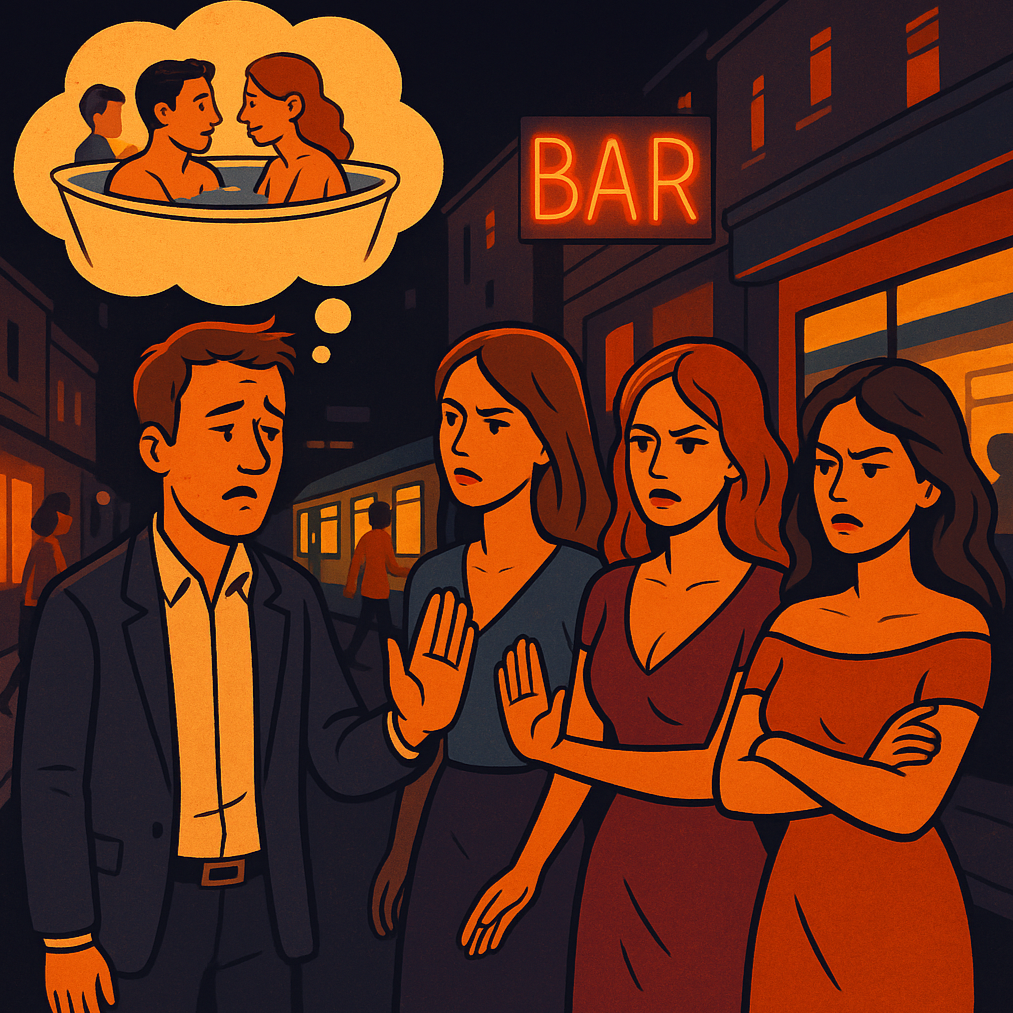
Ik val op griet!
v4.5+
male vocals, emotionele rock ballad, Gitaar, mondharmonica, droevig, opgetogen
6:19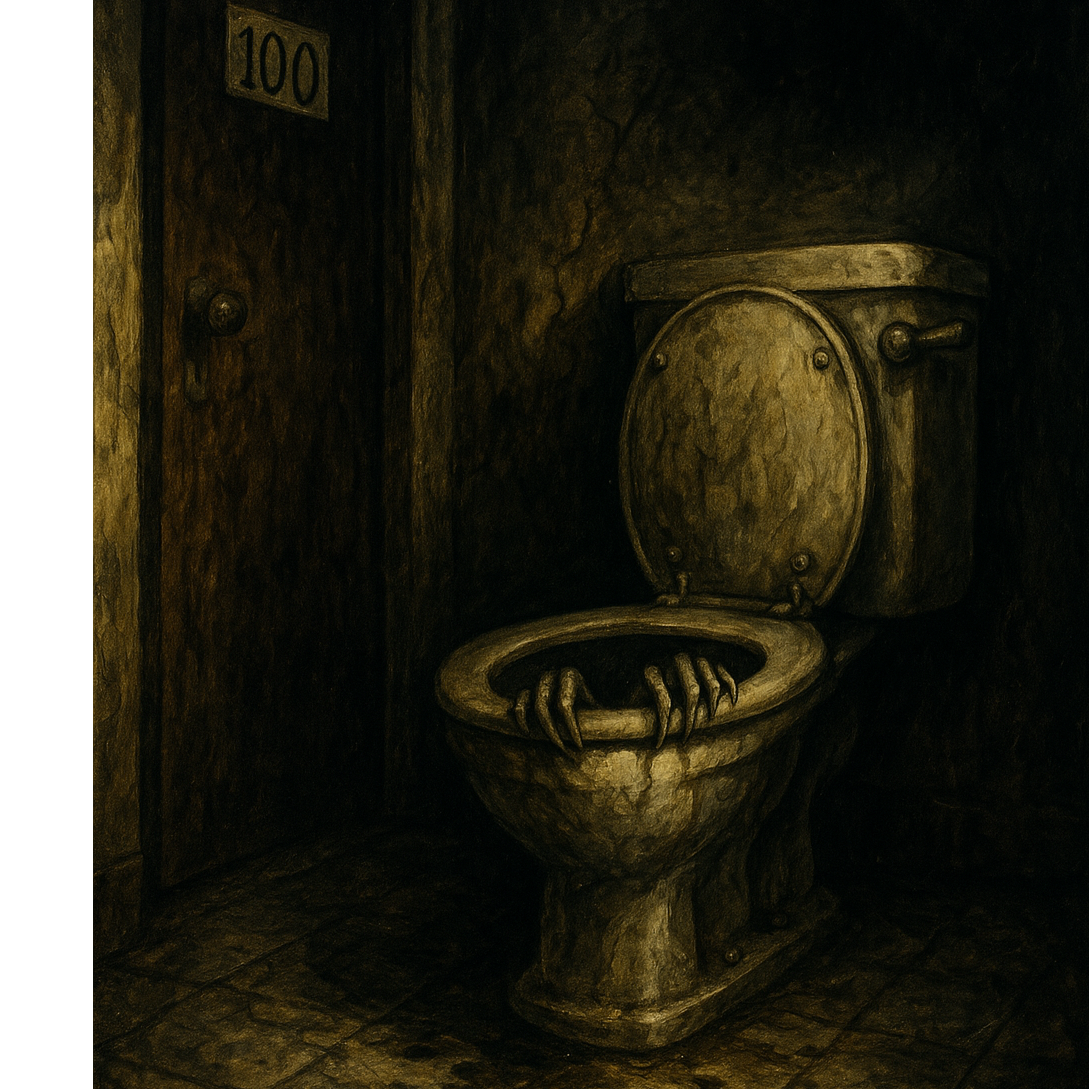
A suspenseful and dramatic orchestral piece with a slow tempo, The primary instruments are strings, including violins, violas, and cellos, playing sustained, ominous chords, There is a prominent, low-pitched brass instrument, possibly a tuba or trombone, providing a deep, resonant drone, Percussion is minimal, featuring a single, deep, resonant gong hit that punctuates the piece, The overall dynamic is soft to medium, creating a sense of tension and anticipation, The harmony is dissonant, contributing to the unsettling atmosphere, There are no discernible melodies or chord progressions in a traditional sense, but rather sustained, evolving textures, The production emphasizes a wide stereo field with a clear, spacious mix
4:32
An uptempo track with trance and techno influences: a driving beat, pulsating synths, playful arpeggios, and a deep bassline, Rich instrumental layers, bright melodies, and energetic percussion, Joyful male choir vocals, powerful backing harmonies, and multiple rhythmic 'ha ha HA HA' chants woven throughout the arrangement for an extra festive vibe, Match the flow of Verses 1-2 to the later verses (4-5) with a bouncy, infectious rhythm
3:32
Playful Dutch cabaret-style song with exclusively male vocals, except for one emotional bridge sung by a female voice, Use cheeky tone, humorous delivery, rhythmic variation, and include spoken word, rap verse, and choir finale, Add ukulele and upright bass for bounce, Sung in Dutch, Use phonetic spelling where needed: “ge-fé-lie-sie-teerd”, No children’s voices
5:00
Uplifting Mexican folk-inspired song with playful male lead vocals and warm backing harmonies, Traditional instrumentation including nylon-string guitar, guitarrón, vihuela, accordion, marimba, hand percussion (claves, cajón, bongos), and occasional trumpet flourishes, Energetic rhythmic strumming with danceable feel, Inspired by the spirit and sound of Disney Pixar's Coco (2017), with touches of whimsy and emotional charm, Includes call-and-response sections, handclaps, and moments of soft spoken and whispered lines for theatrical effect, Tempo medium-fast, Vocal delivery should be expressive, clear, and engaging, ideal for musical storytelling, Language: Dutch & Spanish
3:53
Dutch party song about mosquitoes ruining your summer nights, Funny, fast-paced and highly energetic, Male lead vocals with optional male backing vocals for “zoem zoem zoem” and “la la la” parts — no female voices, Add buzzing mosquito sound effects, rhythmic clapping (PATS!), and a strong singalong chorus, Style: après-ski, Snollebollekes, Dutch carnival-pop, Intro: Begin with a calm mosquito rhythm (“Zzzzoem zoem zoem”) — then shift to faster tempo with staccato “LA-LA-LA-LA-LA!” patterns, Build up festive energy, At Verse 5: music stops for a dry a capella line, This part should be performed a capella, dry and dramatic (like Annie M, G, Schmidt), Then immediately return to full festive instrumentation in the next section, After the intro, insert a short instrumental techno-style break (about 10–15 seconds, no vocals)Then abruptly cut back to the main rhythm and continue with the verses, The mood here should be over-the-top celebratory — full brass, drums, and shouting
3:53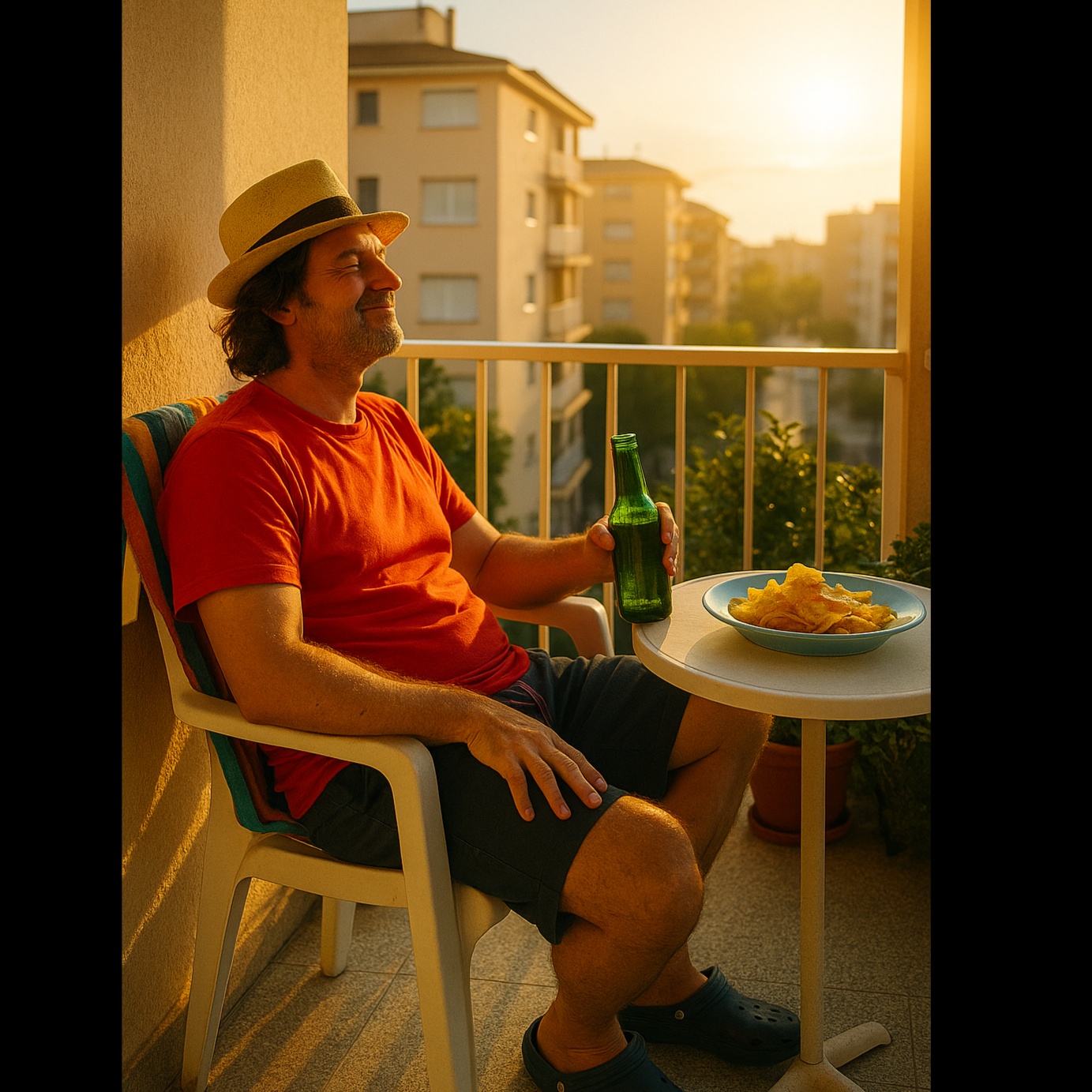
Upbeat Dutch reggae-pop track with summery, light-hearted mood, Male and female vocals alternating in verses, occasionally singing in duet, Cheerful and expressive vocal delivery, Add catchy call-and-response elements in choruses, Instrumentation should blend acoustic guitar, bass, off-beat reggae piano, Latin percussion, tambourine, trumpet, and playful accordion flourishes, Use a laid-back groove but keep a steady danceable tempo, Background sounds may include subtle balcony ambience (distant city, birds, clinking glasses), Vocals in Dutch, Reflect the humor and down-to-earth vibe of a stay-at-home summer, Track is based on custom instrumental (uploaded mp3), Follow provided song structure closely, No intro vocals — vocals start from Verse 1, Highlight the final chorus as a peak moment, End with a final instrumental chorus section, no vocals, to allow the melody to linger and imprint
3:42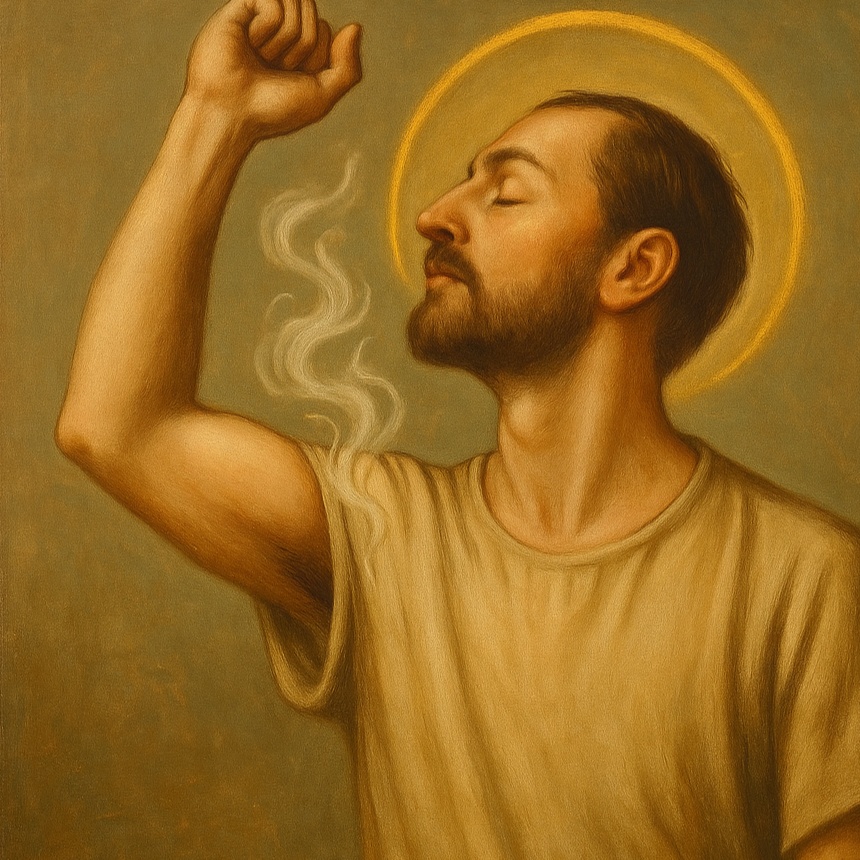
Dutch comedic funk-gospel song with spoken outro, Verses have a light and playful 70s funk groove, with dry humor in the lyrics, Pre-choruses add subtle gospel or soul harmonies, The choruses are full and uplifting, featuring a soulful gospel choir with Hammond organ, The bridge is theatrical and gospel-like, as if preached from a pulpit, followed by an instrumental interlude where a choir sings “Hallelujah, je oksel is niet dood, ”
After the final chorus (sung twice: solo, then with choir), there's a breakdown: all instruments drop out, and the outro is delivered as spoken word, soft and deadpan, over a faint organ pad, The tone is humorous, soulful, and just a bit absurd — think vintage cabaret meets church service meets sweaty truth, Lyrics are in Dutch
4:18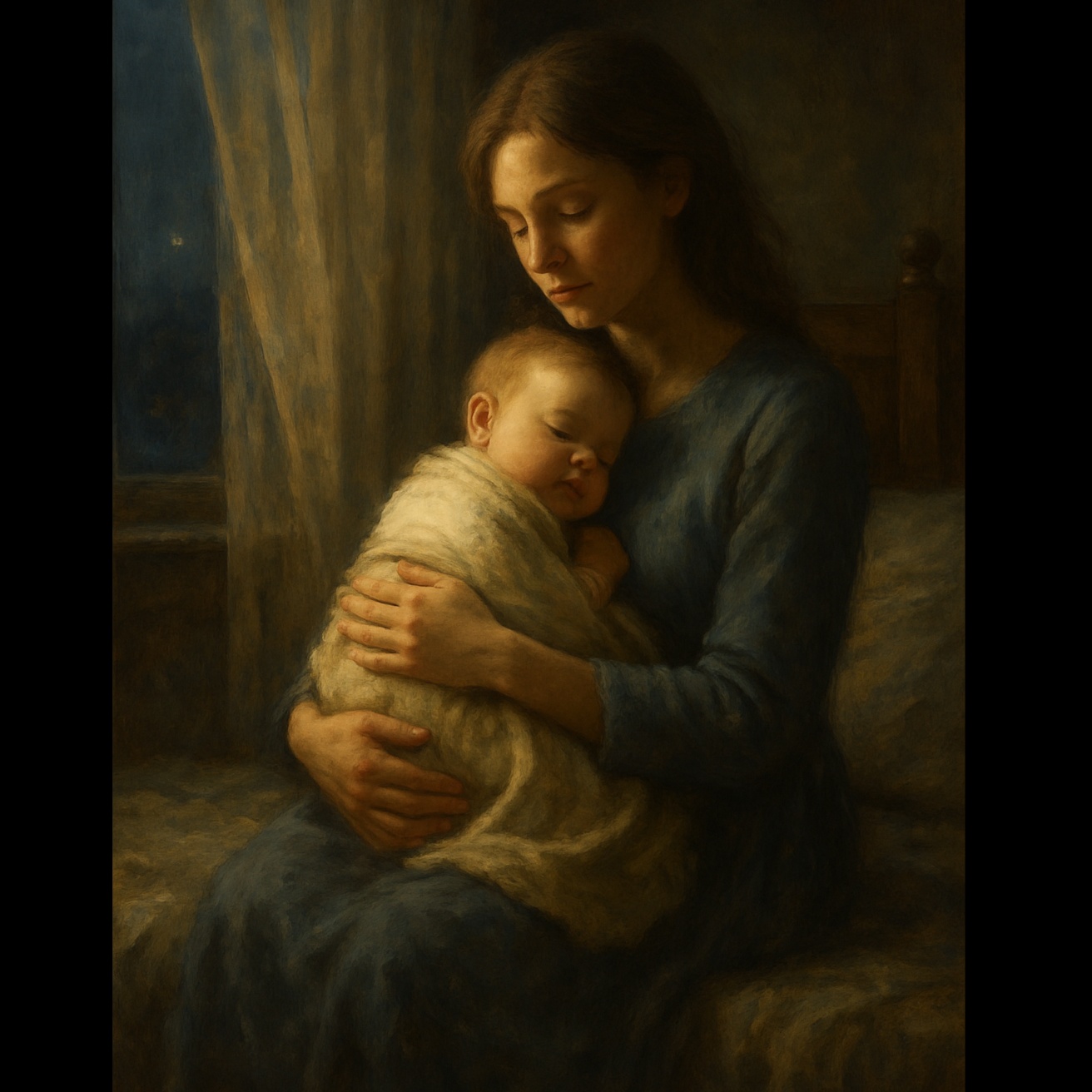
Dutch lullaby at 60 BPM, Soft acoustic piano, warm ambient textures, and gentle pan flute, Use only one soft female voice for all humming and melodic syllables like “mmm” and “la”, A single warm male voice speaks the lines in [Verse 2], Do not switch voices or sing lyrics, The mood is dreamy, tender and comforting, Keep transitions gentle, Let the Outro slowly fade out
4:15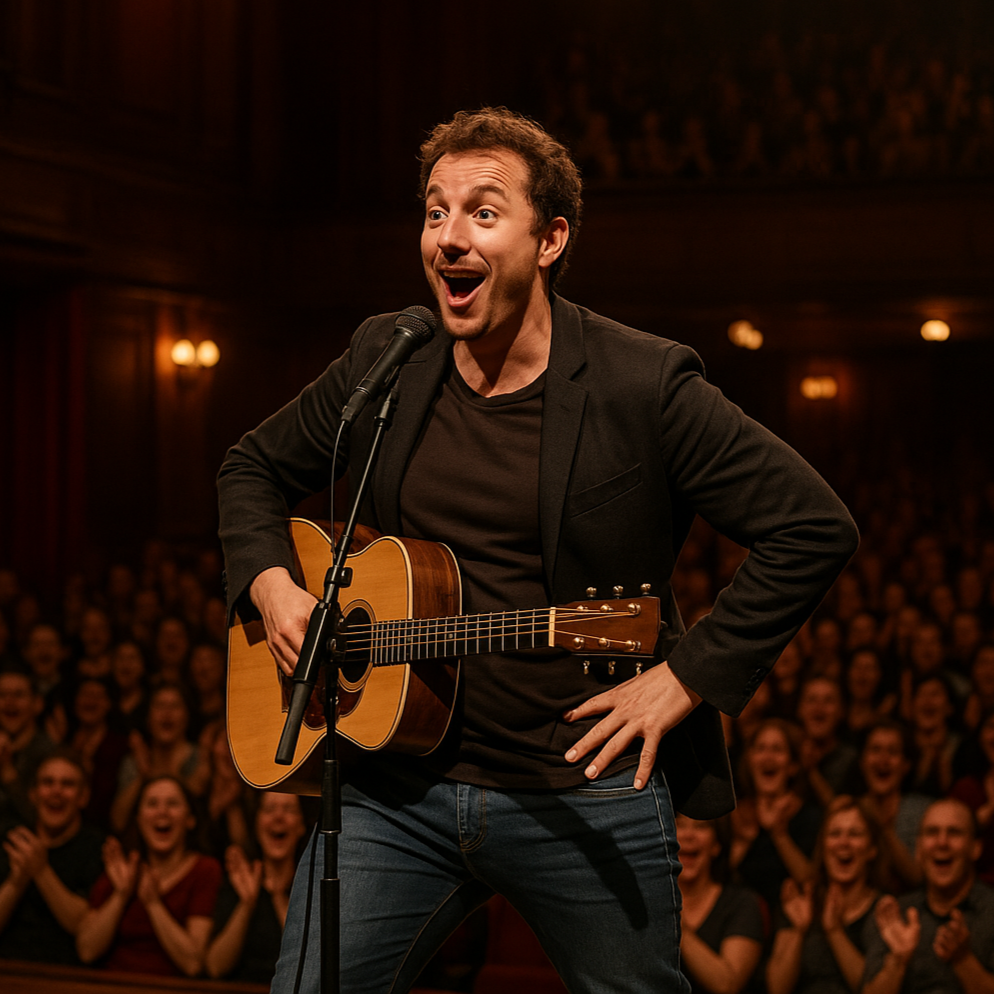
Dutch male voice, deep and warm, chanson / cabaret style, expressive and raw but tender, similar to Bram Vermeulen, Clear articulation with emotional weight in every line, Playful humor with depth, theatrical delivery, Piano and upright bass foundation, light brushed drums, comic trumpet accents (solo break and fade-out pwaaap), Theatrical pauses included, Crowd chant call & response in fade-out, playful comic groove, Atmosphere like a small theater performance, humorous but with warmth, Weirdness 6, 5 / Style Influence 7, 5
5:05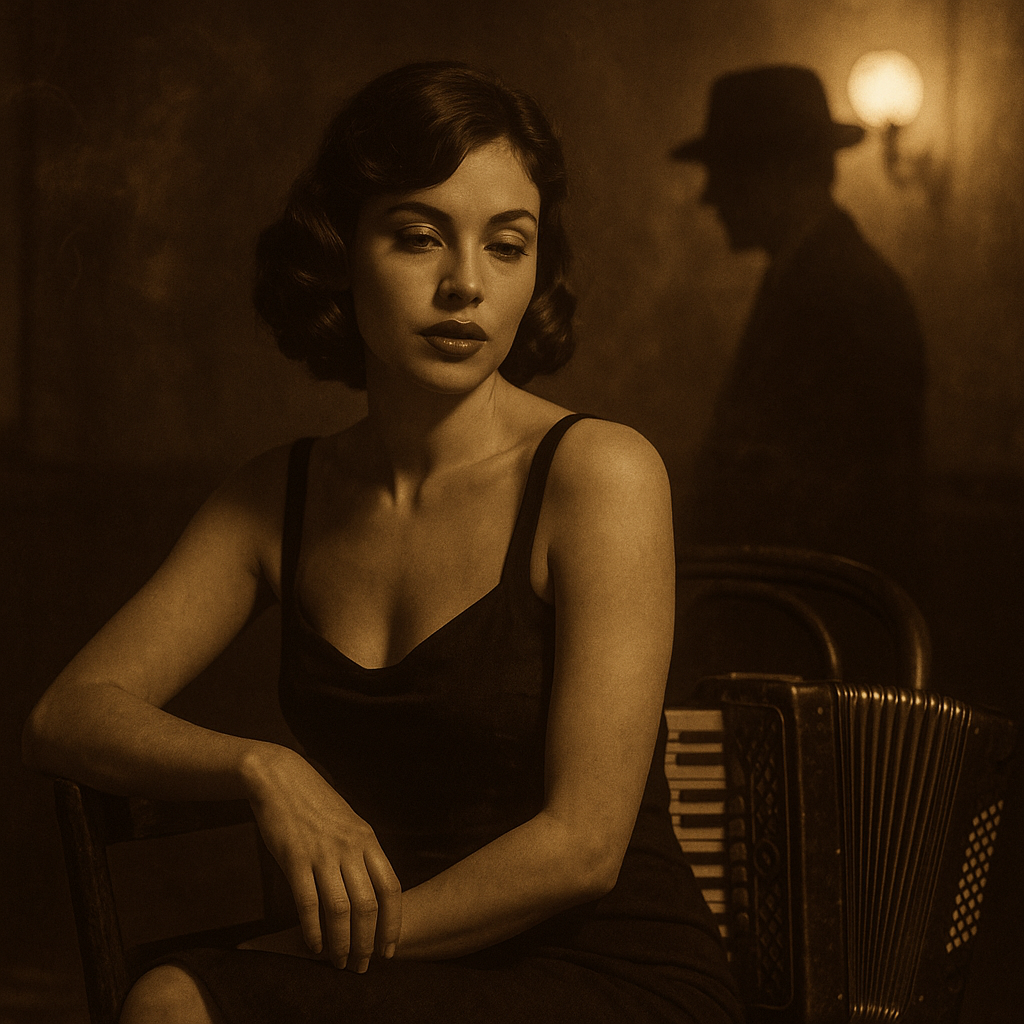
french chanson, noir cabaret, Warm male voice, intimate but articulate, slight rasp and light breathiness, Spoken-sung phrasing in Dutch and French, alternating between [spoken softly], [clear voice] and [breathy tone] moments, Articulate diction with emotional nuance — not whispery but expressive, Instrumentation: accordion, acoustic guitar, upright bass, muted trumpet, light brushed drums, occasional chromatic harmonica, Tempo medium-slow with natural rubato; 3/4 waltz swing feel, Features recurring instrumental motif “Le petit souffle” between verses (Paris café atmosphere), Bridge 2 sung in French with dreamy tone (“Tu es là, dans ta splendeur…”), Outro reprises the Dutch theme in slowed tempo with trumpet ad-lib, followed by an instrumental finale “La dernière bouffée” — harmonica and accordion duet fading like the last breath of a Paris night, Overall tone: poetic, sensual, slightly ironic, cinematic and melancholic, Rich acoustic ambience with subtle room reverb and soft dynamics
4:32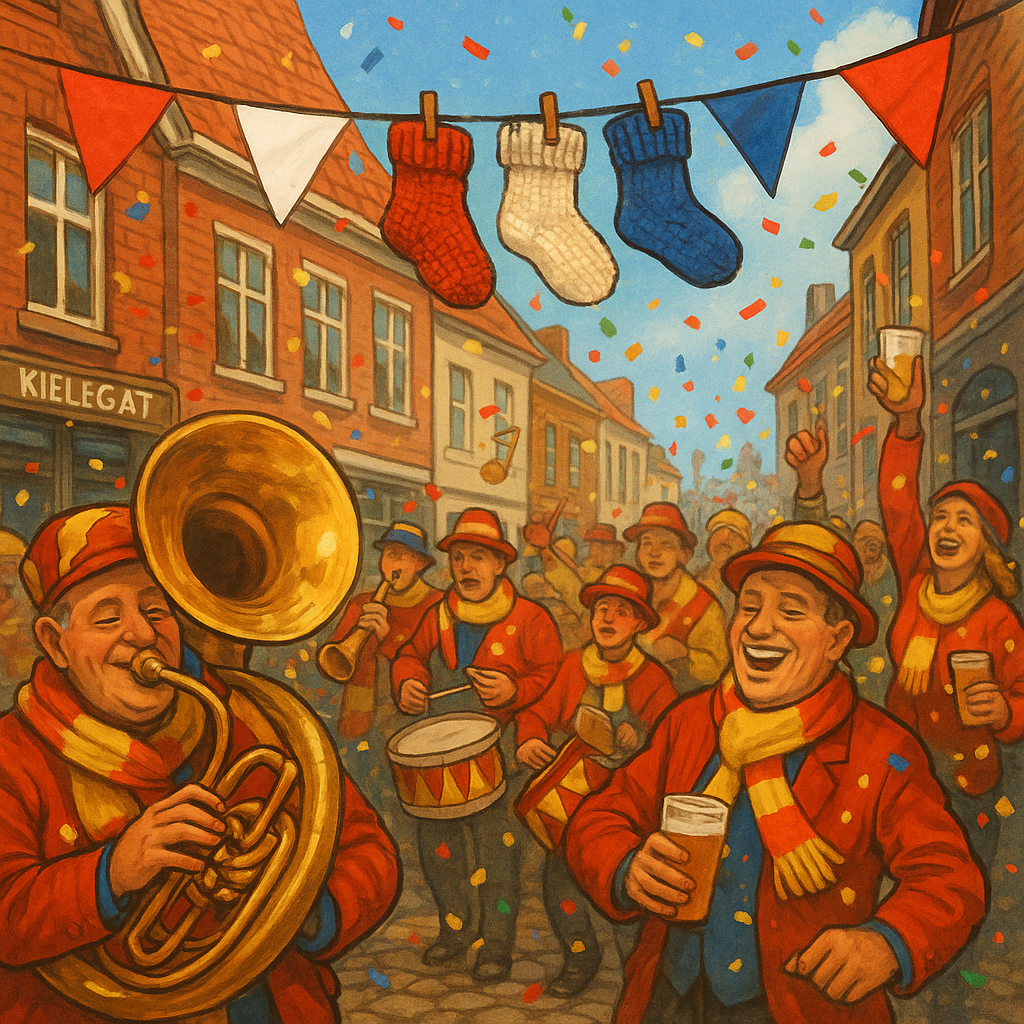
Dutch male vocal with cheerful Brabant accent, festive hoempapa carnival song in 2/4 rhythm (~125 BPM), Energetic brass band with trumpets, trombones, tuba, accordion, snare drums, and crowd shouting “olé!”, “houdoe!”, and “Alaaf!”, Add pub ambience, laughter, crowd chants, and a big brass finale, Include a slower crowd chant bridge (“D’n piep! D’n piep!…”) before the final chorus, Style: cheerful, cheeky, parade-like, full of regional color, perfect for a Dutch carnival hit
5:17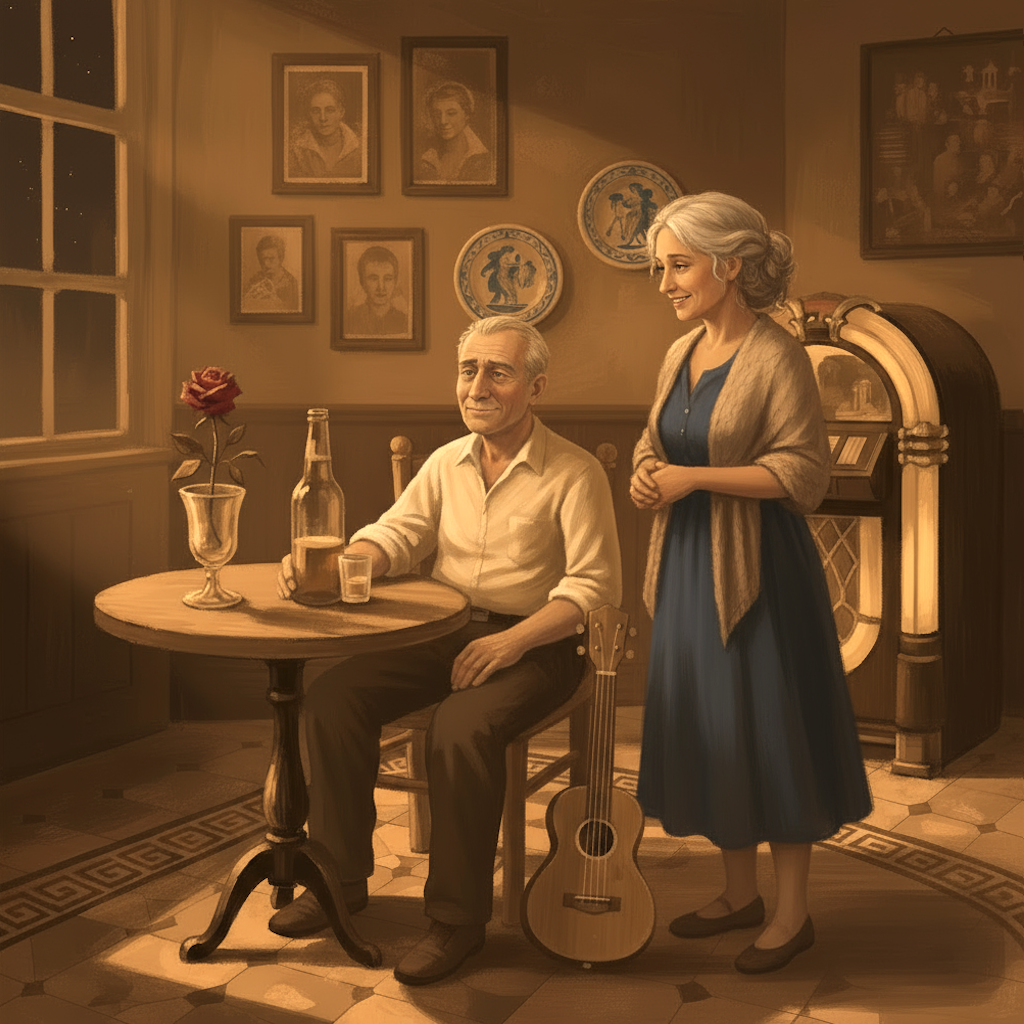
A melodramatic slow-tempo composition where a mournful piano and slow violin take the lead, Ukulele adds soft chords, pan flute weaves melancholic Greek melodic lines through the music, Kazoo surprisingly fills the interludes, typical of the Greek 'sorba', with a lightly sorrowful accent
3:41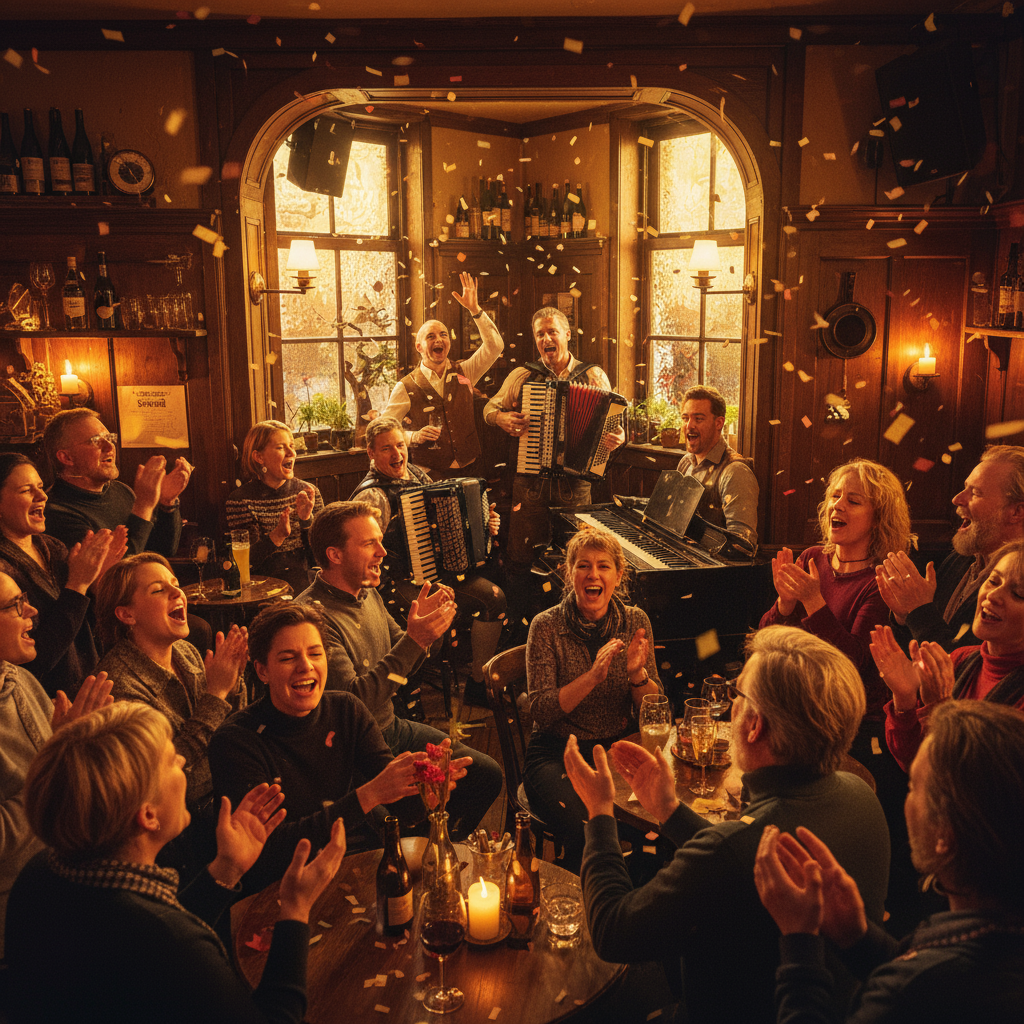
Dutch male vocal, upbeat festive pub sing-along at 118 BPM, The song opens with authentic pub ambience — crowd chatter, laughter, clinking glasses — followed by a loose live-band intro: Boogie Woogie piano riffing freely with accordion, upright bass, acoustic guitar and swinging drums, It should feel like a real café band warming up before the first verse, slightly raw and spontaneous, After about 8 seconds the groove locks in and the lead vocal enters clearly on the first line, Add bright brass interjections and a strong rhythmic drive through choruses, The final chorus should burst with energy — crowd singing, clapping, and a brighter vocal tone, End with a natural jam-style fade, accordion and piano trading short licks while pub ambience returns, Style reference: André Hazes Sr, early De Dijk, live Dutch bar performances with vintage Boogie Woogie swing
4:26
Genre: Reggae, Punk Rap, Symphonic Anthem, Ambient
Stemming: Passionate, Whimsical, Reflective, Anthemic, Heartfelt
Tempo: Variërend (Begint steady, wordt sneller, eindigt kalm)
4:09
Boogie Woogie, Rockabilly, uptempo swing shuffle groove, energetic slap bass, honky-tonk barrelhouse piano, male comedic vocal, farmyard storytelling, 1950s tape saturation, crowd shouts and handclaps, rhythmic staccato phrasing, bluesy piano breaks, live party jam energy, chaotic joyful mood
4:34
Dutch-language cabaret-style song with humorous male vocals, mid-tempo and theatrical delivery, All verses and choruses are sung by a male vocalist with a warm, mid-range voice, Only the bridge is performed by a female singer, in a clear, slightly amused tone, Keep chorus lines rhythmic and steady, but maintain natural Dutch pronunciation, Do not overly split long words like 'gelukkig' or 'kwartier', Instrumentation includes accordion, upright bass, acoustic drums and subtle brass, No choirs or clapping in this part, Keep pronunciation natural and the vocal delivery playful but intelligible, Verses 5 and 6 are spoken in a rhythmic rap style by the male vocalist, The flow is playful and clear, with emphasis on rhyme and timing, Avoid female vocals except for the bridge
4:04
Upbeat Dutch summer pop anthem, 96 BPM, catchy singalong chorus, male vocal, warm acoustic guitar + funky rhythm guitar, groovy bass, light drums with handclaps, subtle brass accents, feel-good vibe, radio-friendly, energetic but relaxed, crowd-friendly outro