STORYTELLERZ 1️⃣9️⃣4️⃣6️⃣
STTZ Event taking place in New York, 1946. Songs tell stories about each one's own characters of this time. 1940s style music, no modern sounds. 🎷🎶
·

65 songs
5:38
4:04

Dark film noir jazz ballad, 1946 New York atmosphere, high-contrast black-and-white cinematic mood, rain-on-asphalt ambience, smoky basement club, muted trumpet, tenor sax lead lines, upright bass, brushed drums, noir piano chords, subtle vibraphone, slow-to-mid tempo, minor key, intimate crooner vocal with spoken-word noir monologue phrasing, vintage mono warmth, tape saturation, light room reverb, suspenseful and bittersweet, no modern synths, no bright pop production, no heavy guitars
4:14

1940s New York film noir jazz, gritty, aggressive, powerful male vocals, heavy brass, driving drums, bluesy guitar, no autotune, no reverb, avoid shimmer, no fade in/out, no sudden changes
4:14
1940s Dark Swing, Bebop, Smoky Male Crooner, Spoken Word Narration, Upright Bass, Muted Trumpet, Piano, Brush Drums, Film Noir, Vintage Acoustic, strictly no electronic, alternative rock, acoustic pop
4:46

The song opens with sultry saxophone lines and mellow trumpet phrases, set against a steady 90 BPM swing groove with brushes softly sweeping on the snare, Upright bass walks elegantly alongside lush trombone harmonies and subtle, jazzy piano chords, conjuring a classic film-noir vibe, Mid-song, a brief horn section feature adds flair, then returns to subdued textures for a stylish outro, wrapping the rainy night mood in rich big band warmth
5:02
a classic 1940s jazz noir ballad at 70 bpm in c minor with a slow swing feel the arrangement evokes a smoky latenight manhattan jazz club brushed drums create a soft swing groove while upright bass walks gently beneath warm piano voicings inspired by bill evans and Jazz, swing, pop recordings a muted trumpet leads the instrumental sections and echoes vocal phrases with melancholic phrasing occasionally joined by tenor sax the male vocal delivery is a deep baritone crooner style with soft vibrato and slightly nasal vintage tone reminiscent of classic lounge singers dynamics remain intimate and restrained with subtle room ambience and warm analog character the overall atmosphere is cinematic and melancholic capturing the essence of a noir story unfolding through jazz
4:39

1940s female crooner style, slow melancholy jazz ballad, slow swing, upright bass, brushed snare drums, smoky club atmosphere, highly emotional vintage vocals, intimate piano
4:36

1940s burlesque jazz ballad smoky frenchaccented female vocal torch song slow big band arrangement muted trumpet brushed drums upright bass piano sultry and melancholic film noir cabaret parisian chanteuse singing in english vintage recording warmth slight reverb intimate nightclub performance Chanson, French Pop meets marlene dietrich
4:49
1940s jazz piano ballad, solo male vocal, light baritone, intimate, slow tempo, upright bass, brushed drums, muted trumpet answering phrases, nightclub after hours, torch song, melancholic, vulnerability beneath composure, late night empty room, close mic, clean recording, 1940s style
4:51
Style: 1940s film noir crooner, smoky post-war New York nightclub, male baritone vocal, intimate but commanding, elegant and dangerous, cinematic big band jazz, slow swing, muted trumpet, brushed drums, upright bass, piano, subtle saxophone, velvet nightclub ambience, late-night confession energy, dramatic rise into powerful chorus, dark romance, tension, secrecy, guilt, polished vintage recording feel, rich room reverb, emotionally explosive but controlled, like a man singing with a loaded secret in his throat
Vocal direction: low male crooner, warm baritone, clear diction, seductive but haunted, restrained in verses, larger and more emotional in chorus, sounds like a man hiding fear behind perfect control
4:00
Generate a moody, cinematic vocal performance set in gritty 1946 New York, in the style of 1940s–50s jazz/blues, Use American slang and streetwise phrasing to convey a tough, independent female protagonist navigating dark city nights, Short, punchy lines should capture tension, relief, mistrust, timelessness, anticipation, and trust, Include sensory details: rain on asphalt, neon lights, piano notes, street noises, distant shouts, fleeting human connections, Integrate naturalistic dialogue snippets, Maintain a rhythm for a repeating 4-line chorus evoking safety, freedom, fleeting comfort, Highlight quiet observation, brief intimacy, and self-protection, Keep phrasing lyrical but conversational, cinematic yet raw, letting the listener feel every beat of the night and the character’s inner life
5:19
1940s Slow Acoustic Blues, Dark Jazz, Raspy Old Male Vocal, Gravelly Voice, Upright Bass, Blues Piano, Weeping Trombone, Brush Drums, Film Noir, Spoken Word Monologue, strictly no electronic
2:59

1940s torch song virtuoso
3:54
Authentic 1940s torch song, slow and emotional jazz ballad, smoky nightclub atmosphere, expressive female vocal, vintage big band era style, soft piano intro, brushed drums, upright bass, muted trumpet and warm tenor sax, melancholic and romantic mood, film noir soundtrack vibe, intimate performance, warm analog recording, old microphone tone, late night city rain outside
6:10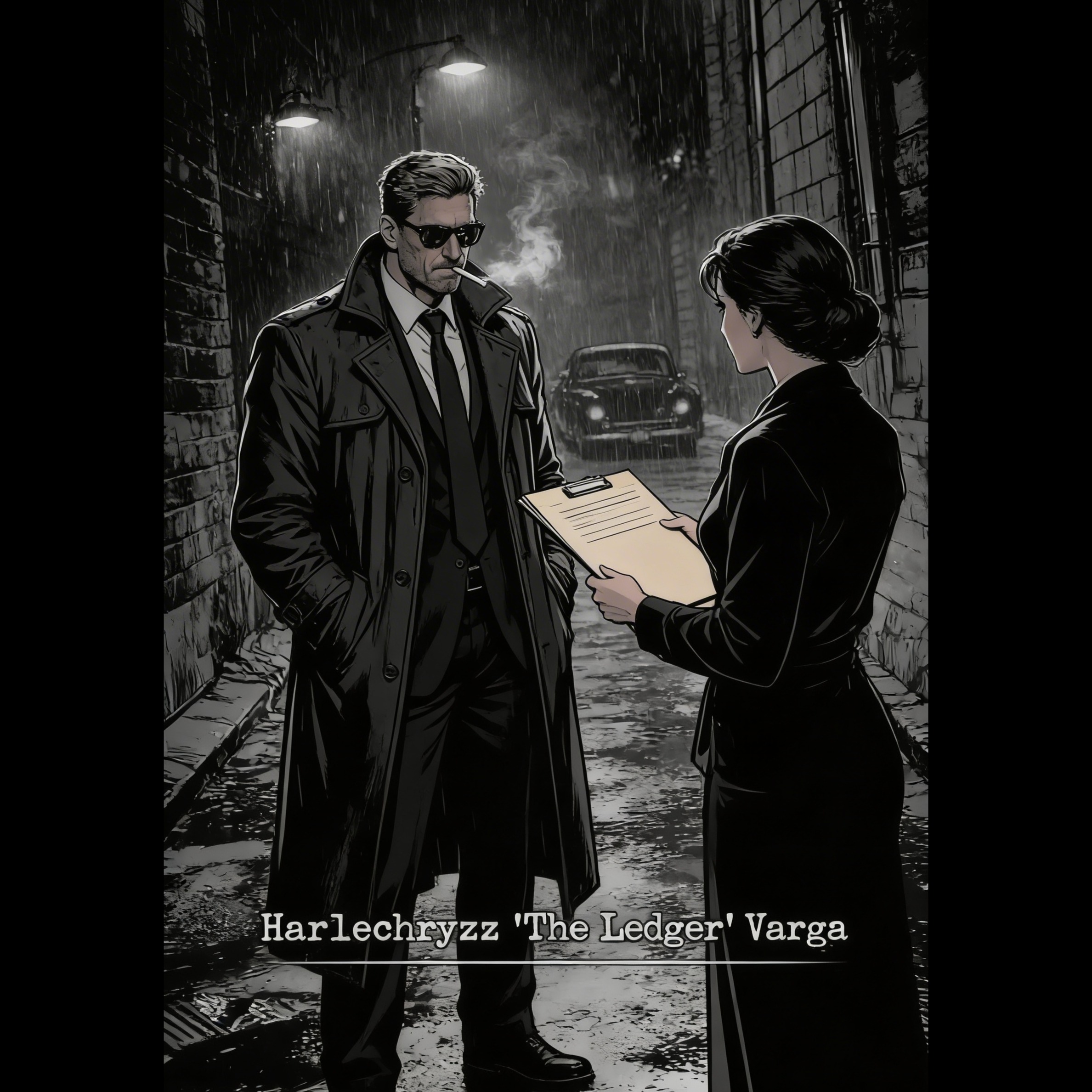
Dark film noir jazz ballad, 1946 New York atmosphere, high-contrast black-and-white cinematic mood, rain-on-asphalt ambience, smoky basement club, muted trumpet, tenor sax lead lines, upright bass, brushed drums, noir piano chords, subtle vibraphone, slow-to-mid tempo, minor key, intimate crooner vocal with spoken-word noir monologue phrasing, vintage mono warmth, tape saturation, light room reverb, suspenseful and bittersweet, no modern synths, no bright pop production, no heavy guitars
5:22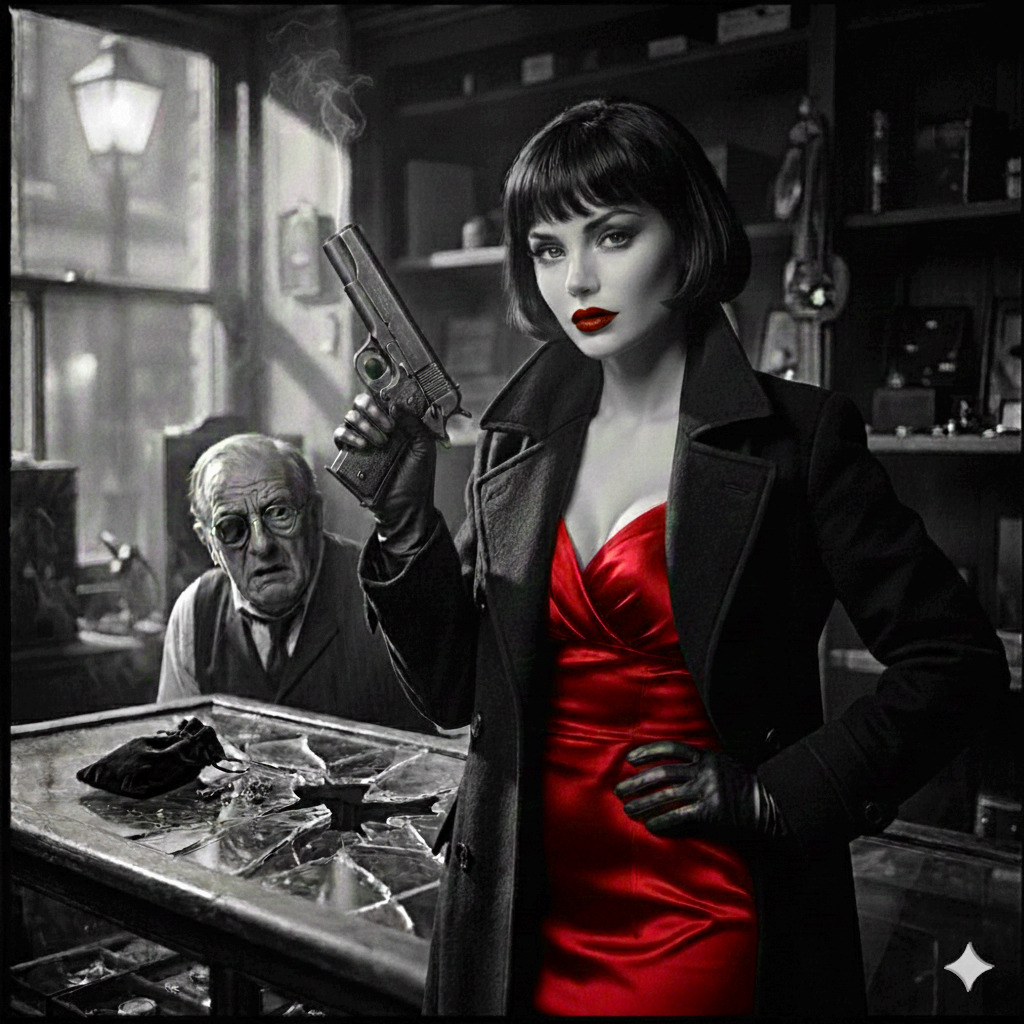
1940s film noir dark jazz torch song high quality swing, Starts with a slow upright bass and seductive saxophone setting a moody cinematic atmosphere, Transitions into a spoken word sequence over a soft jazz piano, The first verse introduces a smoky sultry female vocal accompanied by soft brush drums and a muted trumpet, The pre-chorus builds tension with rising piano chords and a steady walking bass line, The chorus opens up into a full slow swing band arrangement featuring expressive powerful vocals and subtle seductive backing harmonies, The second verse returns to a stripped back bass and drum groove for intimate storytelling, A wailing melancholic saxophone solo takes over the middle section providing a smoky and dangerous vibe, The bridge drops down to almost silence with just a quiet tense upright bass and piano highlighting the vocal delivery, The final chorus swells with maximum emotional intensity and brass before transitioning into a quiet mysterious jazz outro, Length: 5:00
2:09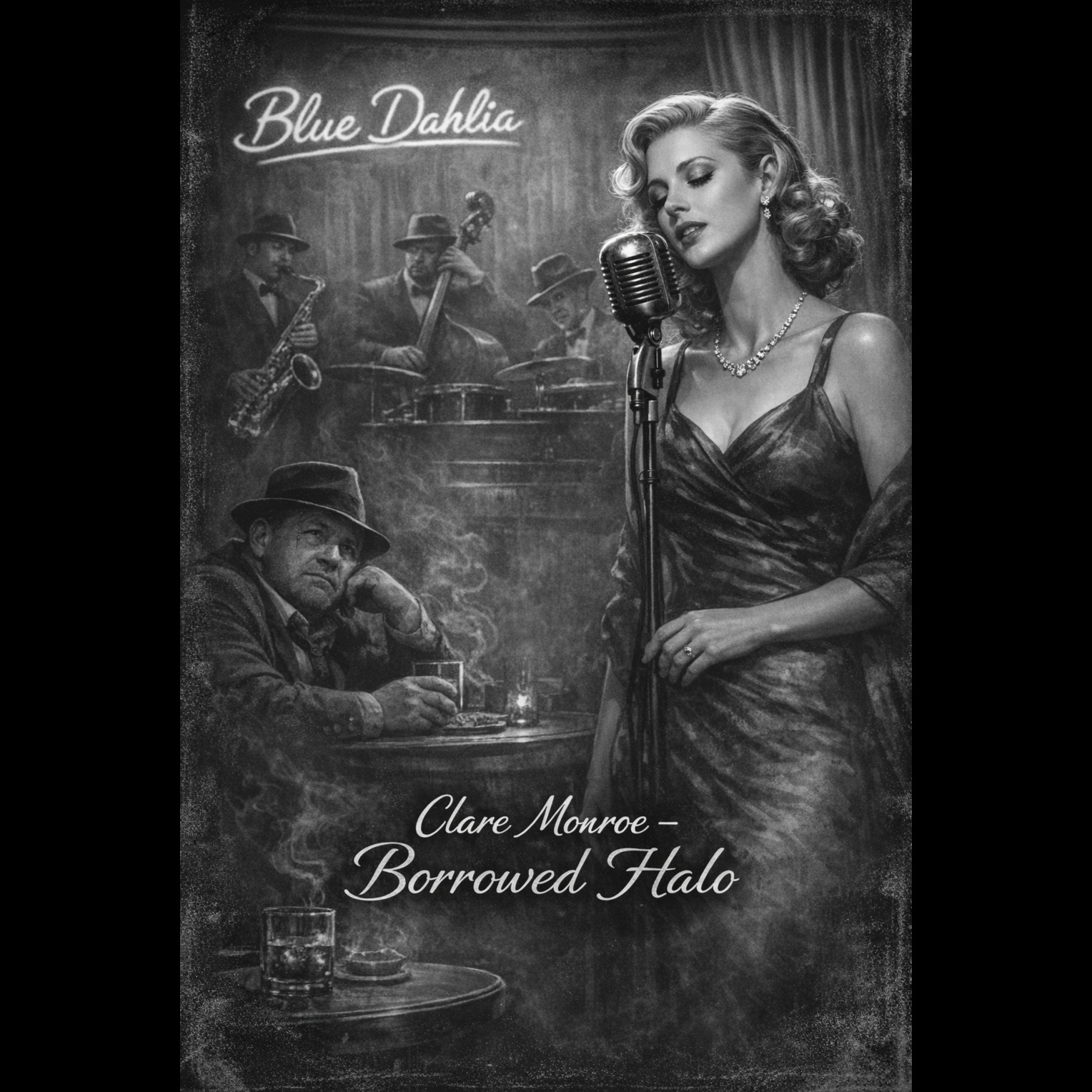
4:23
5:45

A slow, noir jazz piece opens with upright bass walking softly in a minor key while brushed drums create a lazy, late-night pulse, Smoky male crooner vocals glide over faded piano and haunting guitar voicings, Bluesy saxophone solo emerges mid-song, soaked in vintage lo-fi grit, wrapping the cinematic, shadowy lounge atmosphere in authentic 1940s texture
3:48

1946 era, Gritty Female Blues Vocals, Smoky Jazz Noir, Mid-tempo, Upright Bass, Brushes on Drums, Honky-tonk Piano, Industrial Atmosphere, Emotional and Raw, Blues-Rock influence, Analog Recording Style
4:27

1940s film‑noir jazz ballad, slow swing around 75 BPM, Male crooner vocal, smoky bar tone, intimate vintage microphone sound, Upright bass with soft walking lines, brushed jazz drums, muted trumpet fills, mellow swing piano voicings, Dark, cinematic and melancholic mood, rainy post‑war New York city at night, subtle vinyl hiss and room reverb, like a late‑night jazz club performance
5:07
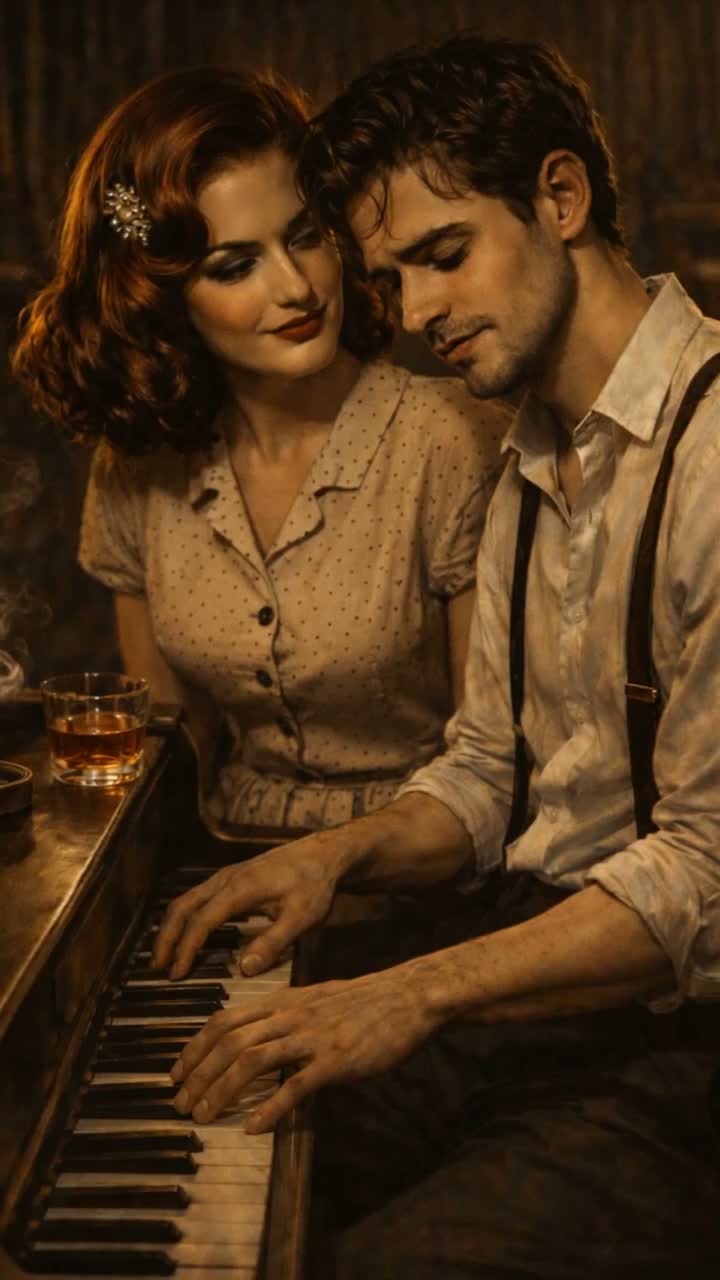
A 1940s film-noir jazz ballad at 74 BPM in F minor, blending classic smoky jazz club atmosphere with dramatic orchestral film scoring, Baritone sax introduces a dark harbor motif while muted trumpet echoes like distant foghorn calls, Upright bass and brushed drums create a slow swing groove beneath sparse piano voicings, Low orchestral strings add suspense and tension during the early sections, In the first chorus, a dramatic orchestral hit follows the lyric “one bullet breaks the night, ” after which the entire ensemble briefly falls silent before a lonely trumpet echo resumes the melody, This moment simulates a gunshot echoing across the harbor, From the bridge onward the harmony softens and warms, introducing vibraphone shimmer and fuller brass textures as hope returns when Vivian survives, The male vocal is delivered in a deep noir baritone with restrained vibrato, narrating the scene like a detective reflecting on a night that almost ended in tragedy
4:01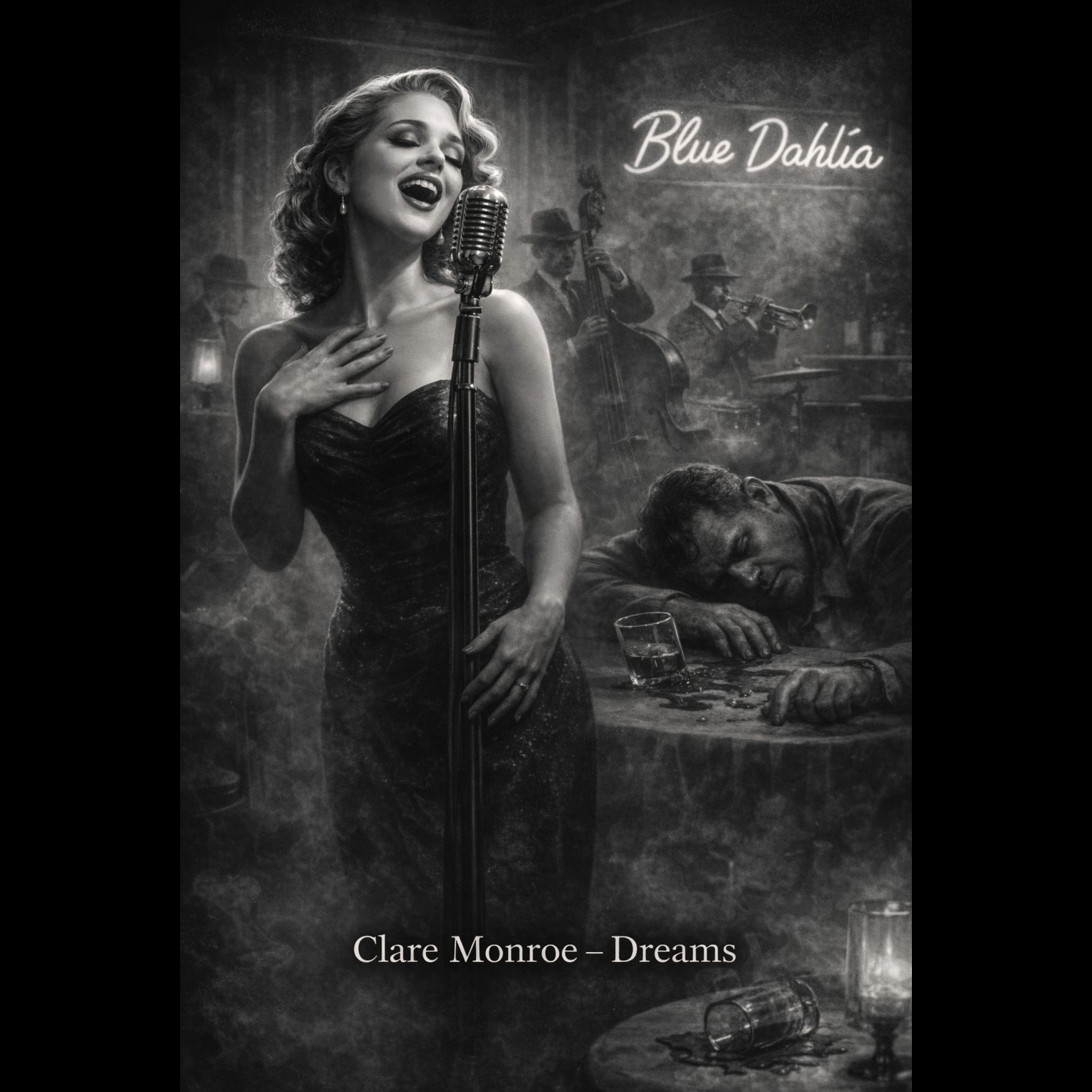
Style:
Authentic 1946 film noir jazz torch song, very Slow, ddeeply emotional nightclub ballad, Late-night swing with blues influence, Tempo around 48–55 BPM, Vocal style:
Solo female singer with a warm smoky alto voice, Intimate and emotionally expressive delivery inspired by 1940s torch singers, Slightly behind the beat phrasing, gentle vibrato, breathy tone, subtle blues inflections, She sings quietly but intensely, addressing the audience in an intimate conversation, Each lyric line is deliberate and reflective, emphasizing heartbreak, resilience, sad, virtuoso, Setting: Intimate, cinematic film-noir atmosphere, Bittersweet, reflective, quietly humorous but emotionally sharp, A song that begins playful and observational, then slowly
Arrangement:
Small jazz combo: dampened piano, upright bass, brushed drums, muted trumpet, occasional soft tenor sax fills, Sparse instrumentation to keep the focus on the singer and lyrics, minimalistic
4:23
1940s Crooner style, melancholic big band accompaniment, slow tempo, smoky male voice, gritty spoken word verses, emotional sung chorus, dark vintage radio sound
1:47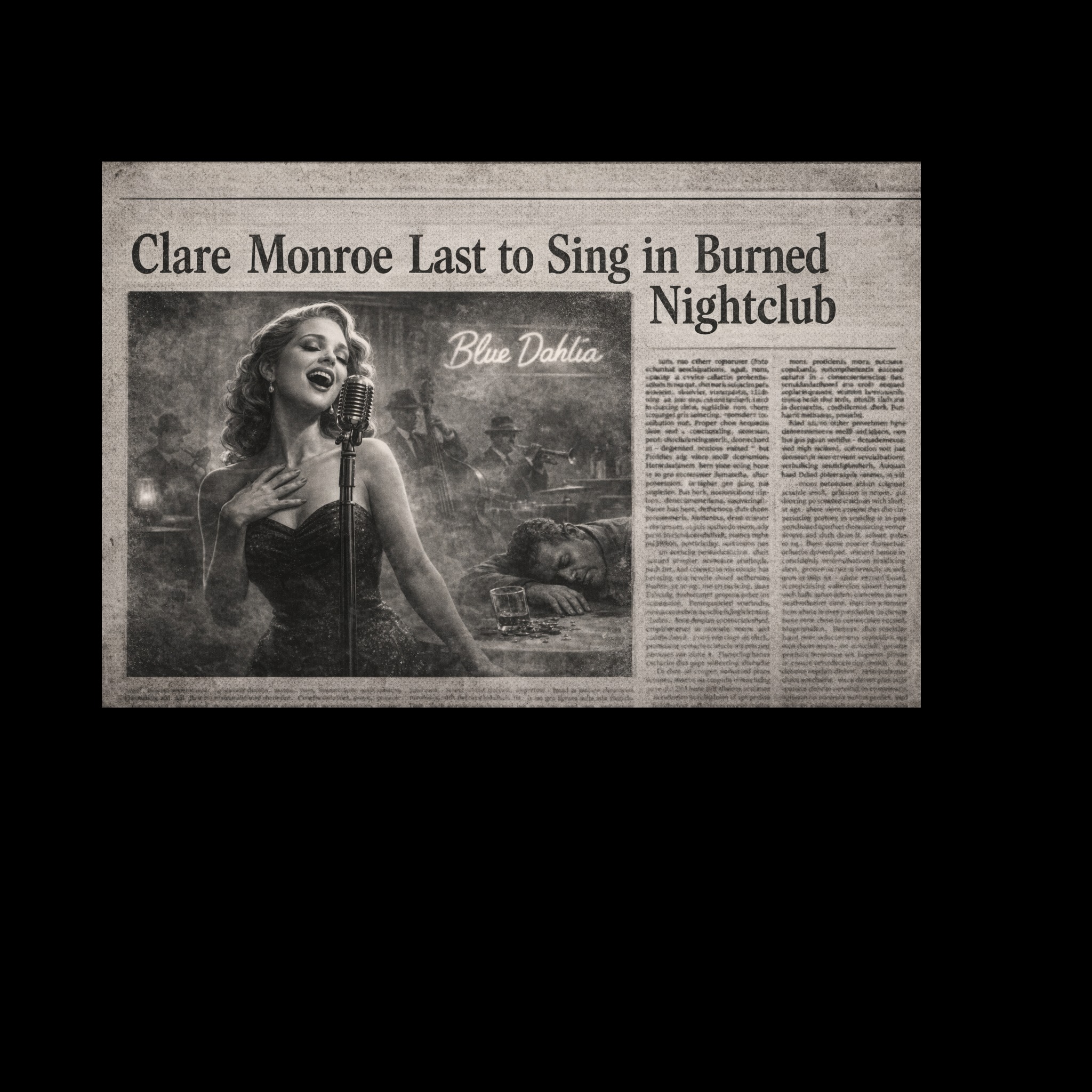
Create a short authentic vintage 1940s American radio news broadcast from a small New York radio station, Style and atmosphere should match late 1946 radio journalism, Structure:
1, Opening Jingle (3–5 seconds)
A short vintage radio station jingle with brass and swing-style music typical of the mid-1940s, Example tone:
bright, optimistic, orchestral swing, 2, Station Identification
Announcer voice:
male, confident, warm baritone, classic 1940s American radio cadence, 3, News Introduction
4, Main Story
The tone should be dramatic but restrained, like classic wartime-era radio reporting, 5, Closing Line
End with a typical 1940s radio transition line such as:
Audio Style
mono radio sound
slightly compressed vintage microphone tone
subtle background static
authentic 1940s broadcast pacing
Length: 45–60 seconds
3:54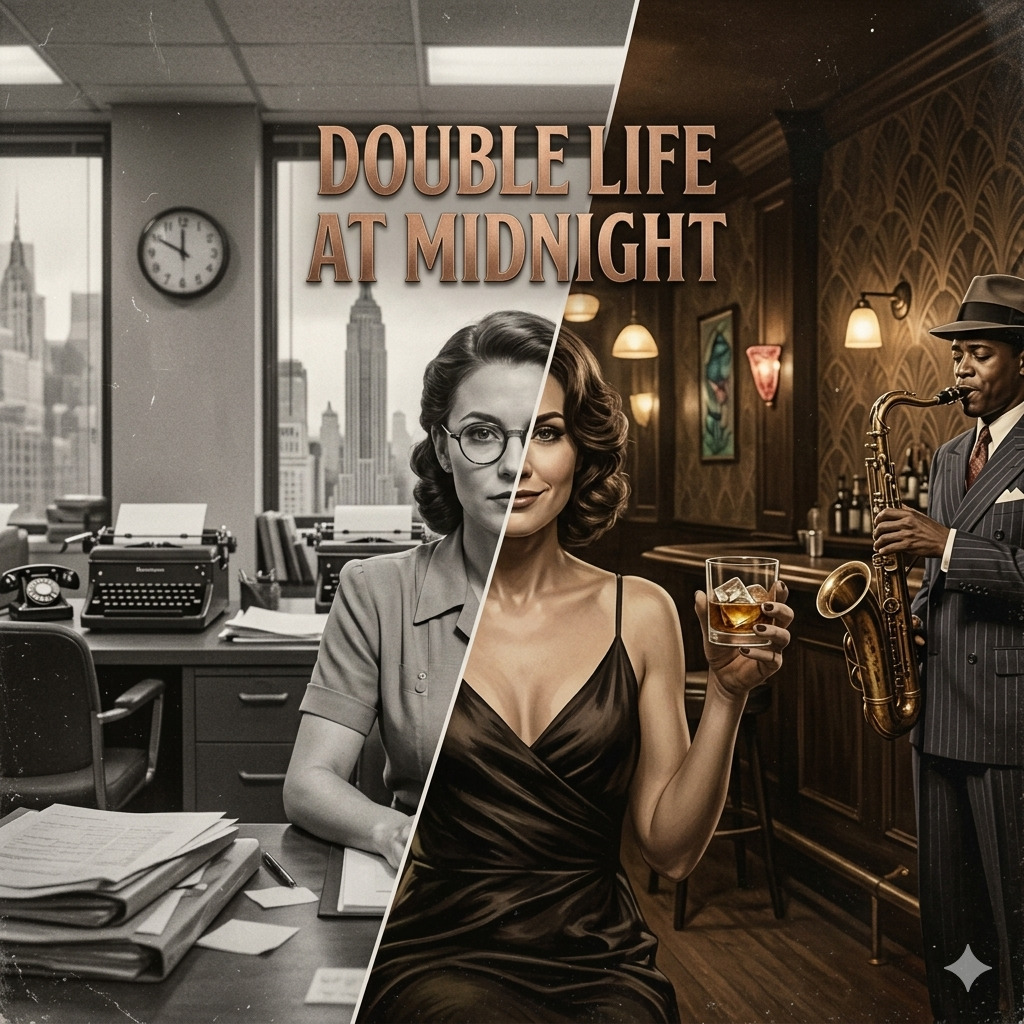
1940s new york jazz noir slow swing around 80 bpm smoky female jazz vocals upright bass brushed drums muted trumpet vintage piano intimate analog recording with light tape hiss cinematic reverb mood secretive elegant bittersweet like Jazz, Swing, Blues, Vocal Jazz, Traditional Pop meets classic film noir soundtrack
4:34
4:57
minimalist vocal jazz, very slow tempo, deep warm male voice, gentle piano, acoustic bass, dark mood, storytelling
5:09
Generate a cinematic 1940s Broadway jazz ballad set in New York’s theatre district, Blend golden-age orchestration with Frank Sinatra–style crooner phrasing: warm vocals, lush strings, piano, brushed drums, muted trumpet and gentle big-band swells, The song follows a street girl stepping into Broadway magic for the first time, Use natural American slang and short, rhythmic lines, Include sensory details: velvet seats, stage lights, orchestra tuning, applause, hush before singing, For reflective interlude/bridge, allow near-spoken phrasing, slower tempo, pauses, letting silence carry tension, Return to normal chorus after bridge, Maintain a repeating 5-line chorus expressing wonder, freedom and fragile hope
5:57
1940s R&B, smoky blues club, upright piano, walking bass, brushed drums, muted trumpet, rainy night, mysterious noir story
5:44
1946 noir dark smooth jazz high quality female sultry vocalist cinematic spoken word upright bass brushed drums smoky tenor saxophone muted trumpet slow tempo intimate atmosphere dramatic building lounge jazz progression classical noir vibe storytelling dynamic rhythm
5:19
dark acoustic jazz blues high quality languid raspy female vocals intimate lazy vocal delivery vintage acoustic guitar upright bass brushed snare dark noir femme fatale cinematic spoken word smoky melancholic muted trumpet slow tempo vintage underground jazz club atmosphere brooding rhythm minor key progression sinister undertones storytelling acoustic bluesy jazz
3:15
40s, storytelling, Optimistic Swing, captivating, virtuoso
4:59
4:44

2:42
1940s Swing Big Band, upbeat hep swing 130 BPM, New York 1946 postwar jive, Brass blasts, clarinet solos, walking bass, brushed drums, boogie piano, Sultry female jazz vocal, playful jive slang, scatting bridge, Warm vinyl crackle, club reverb, optimistic energy
4:59

5:02
live 1940s film noir live club performance french chanson dark jazz high quality, Begins with immersive sound design featuring a crowded smoky jazz club with clinking glasses, A realistic radio play spoken word intro features an insecure nervous female voice speaking hesitantly into a live microphone addressing the audience with a heavy french accent, A melancholic accordion and upright bass slowly enter transitioning into a slow jazz waltz rhythm with soft brush drums, The chorus is an emotional sweeping torch song vocal sung entirely in French acting as her stage performance, The instrumental solo features a crying accordion dueling with a muted jazz trumpet, A mid song spoken word section acts as a secretive internal monologue, The bridge strips the instrumentation down to a tense upright bass before building into a powerful dramatic final French chorus supported by subtle brass, The track concludes with a cinematic fade out blending slow jazz with live audience applause
4:35
4:18
slow vocal jazz, 1940s film noir, rainy night, smooth male crooner, smoky female vocals, duet, muted trumpet, slow saxophone, upright bass, acoustic piano, sorrowful, cinematic, gritty
7:07
jazz, bebop, stadium chant, rhythmic group vocals, anthemic, jazz-pop, soulful ballad, baritone male vocals, A solo female vocalist sings a simple, repetitive melody in a clear, slightly breathy tone
3:14
crooner, 1940s typical music, 1940s instrumentation, 1940s sound, harmonica
4:19
1946 new york city noir jazz swing crooner ballad slow tempo around 72 bpm smoky big band atmosphere with upright bass brushed drums muted trumpet tenor sax vibraphone accents and bluesy piano male crooner vocal with husky tone smooth phrasing introspective but tough like Traditional pop, Jazz, Swing, Big band meets chet baker in a rainy alley harmonic mood in minor key melancholy but cool think latenight jazz club rain outside cigarette smoke curling by the barlight emotional feel regret survival moral grayness oldschool swing rhythm
3:24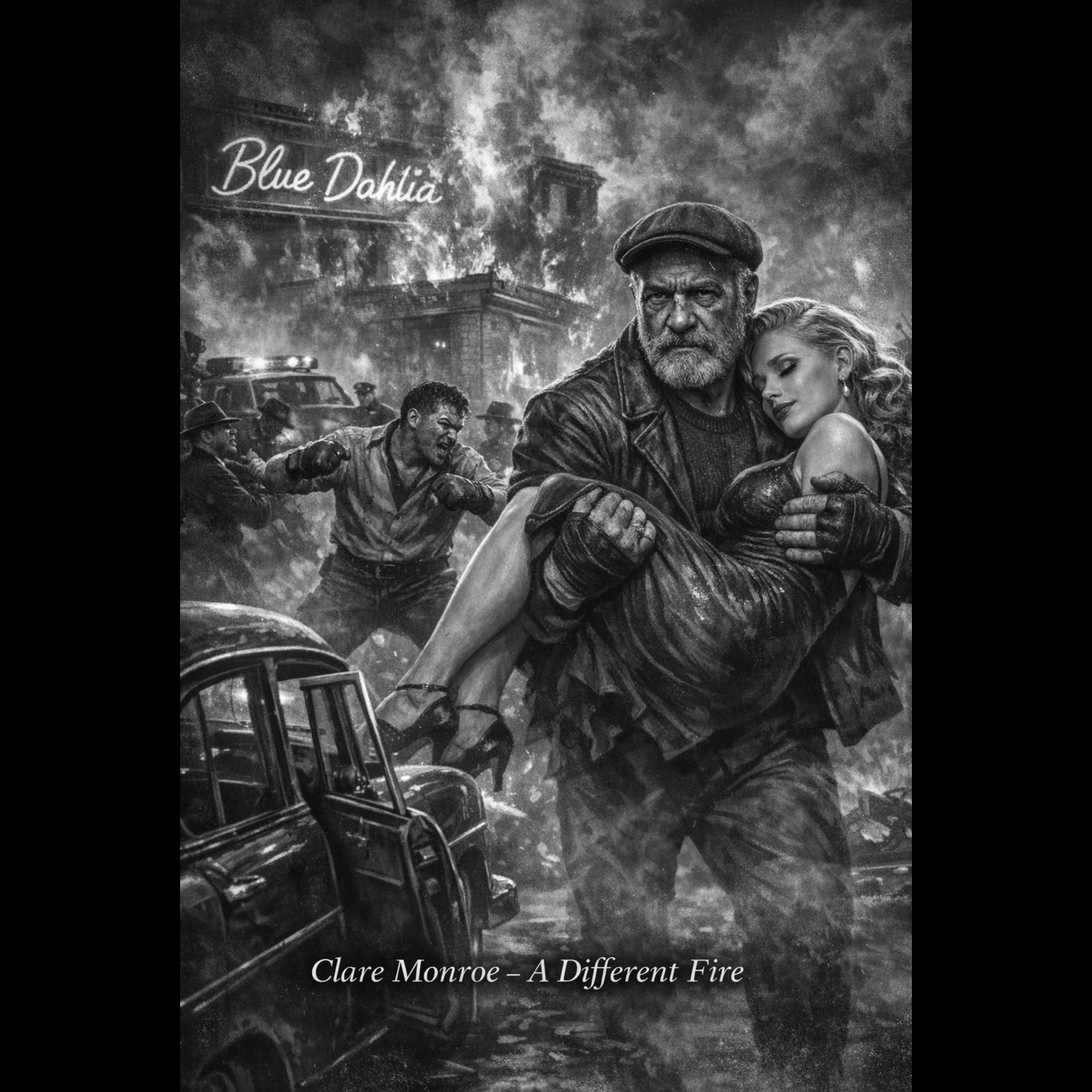
A 1940s moody love song in a small jazz-combo aesthetic: warm low-mid, narrow stereo field, and close-mic intimate vocal with tube compression and subtle tape saturation, Rhythm: slow swing feel at ~84 BPM with brushes and soft transient response; upright bass woody tone and sparse piano comping providing walking→root pedal motion, Brass: muted trumpet, reedy timbre, low presence, Reverbs: vintage plate with moderate decay plus short slapback echo on lead vocal, Dynamics: legato phrasing, gentle vibrato, restrained peaks, Atmosphere: lowpass overtones and light vinyl/tape noise for period authenticity, At the lyric cue "never return" trigger: shift harmonic center to relative minor, slow to rubato (elastic timing), strip percussion, amplify plate reverb decay, lengthen vocal phrases, increase dissonant appoggiaturas and descending chromatic bass lines to create torch-song heartbreak
4:52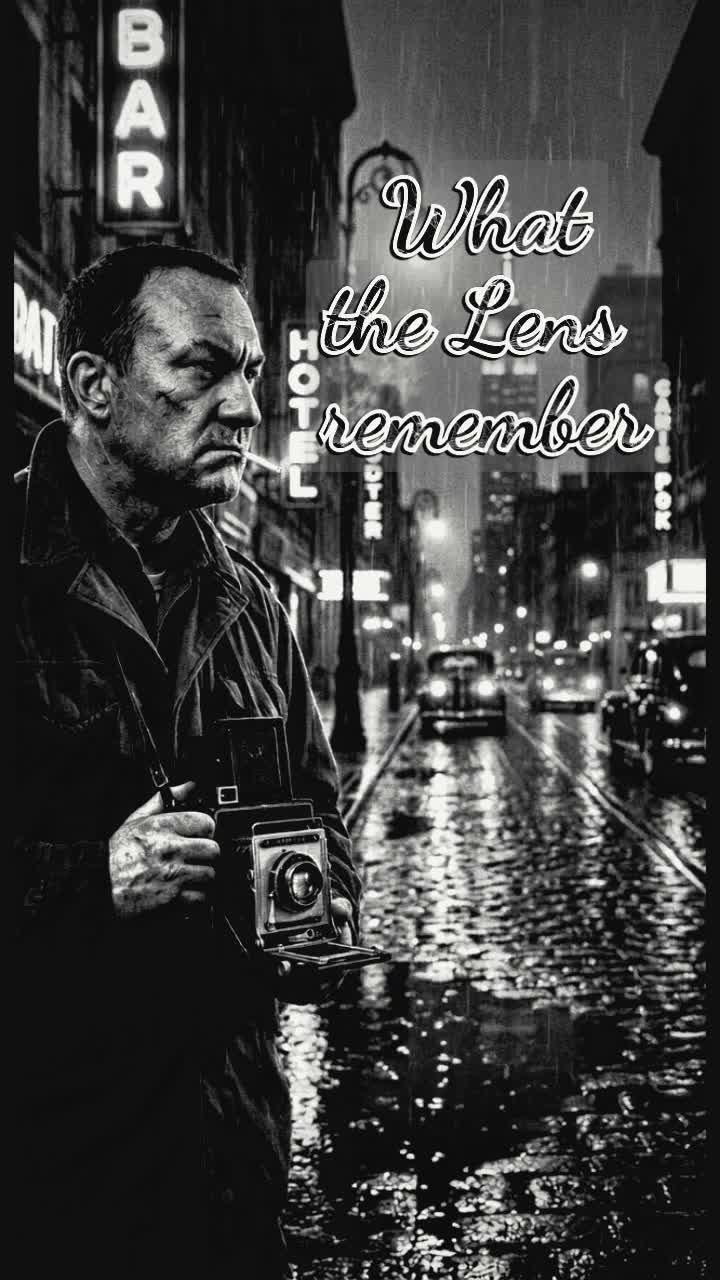
live noir jazz club performance, intimate smoky atmosphere, audience murmurs, clinking glasses, small room reverb, vintage 1940s live recording, cinematic dark jazz, dominant sultry alto saxophone, upright bass, brush drums, deep raspy male crooner, raw emotional delivery, spoken-word elements, ‑- modern music - e-guitar -hip hop
5:29
Generate a 1946 New York Swing track with short Jump-Blues phrases, - Base: classic swing rhythm, walking upright bass, brushed drums, muted brass stabs, piano comping, - Interludes: short Jump-Blues riffs with horn or piano fills to accent narrative beats, - Tempo: medium swing (≈100–110 BPM), keep room for vocals with phrasing around 6/8 or 4/4 swing, - Dynamics: build slightly at chorus, relax for verses; instrumentals between bridge and verse 6, - Texture: sparse during introspective vocals, fuller during tray-selling, club, or first success moments
3:53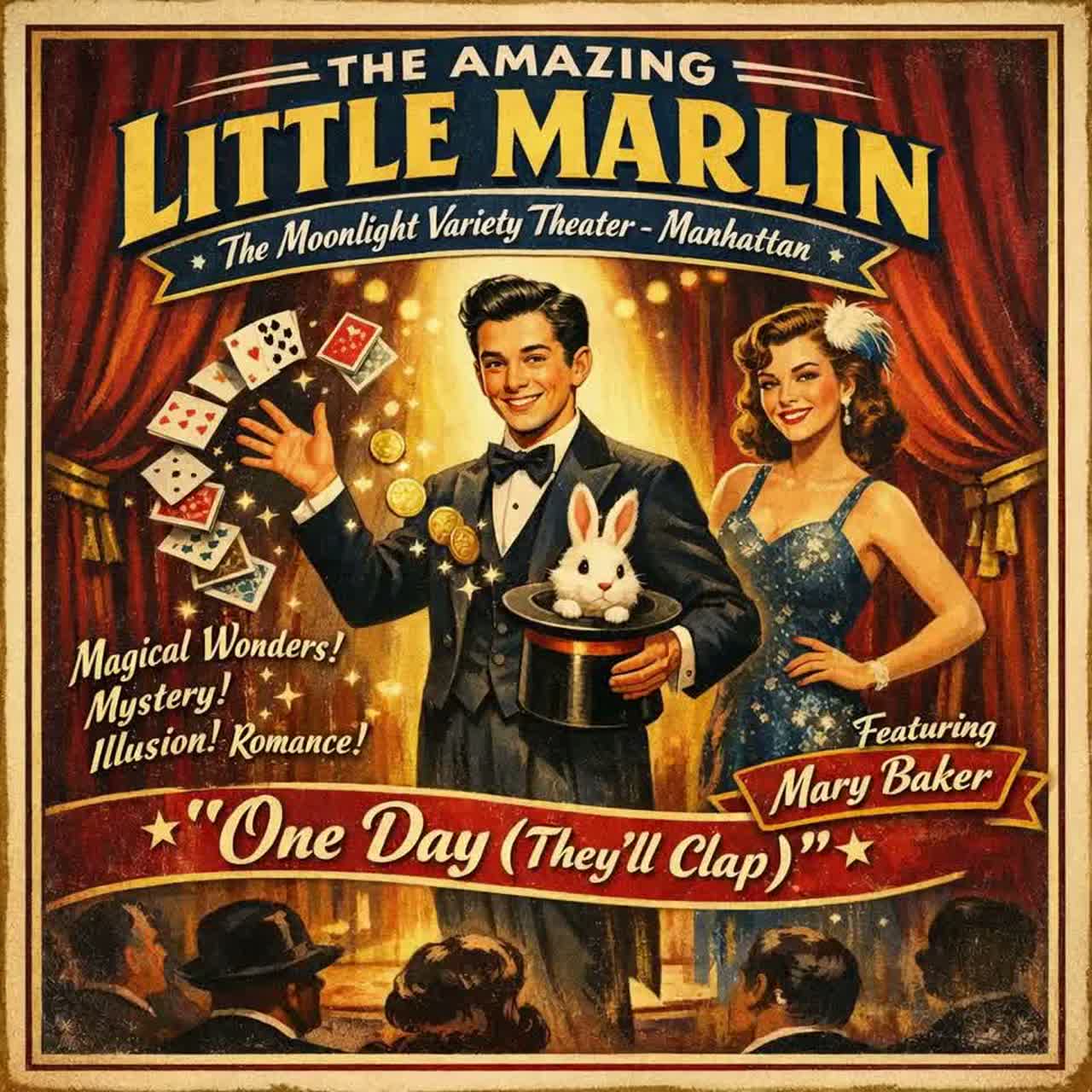
1946 new york swing big band crooner style upbeat vintage jazz storytelling song about a young stage magician performing in a small manhattan theater male crooner vocal with playful charm similar to classic Traditional pop, Jazz, Swing, Big band bing crosby era delivery swing rhythm section with upright bass brushed drums piano comping and walking bass line bright brass section trumpets trombones and lively saxophones answering the vocals occasional clarinet flourishes and vibraphone accents for magical atmosphere light theatrical callandresponse backing vocals during chorus energetic jumpswing groove around 160 bpm with playful brass hits and comedic timing mood joyful magical triumphant nostalgic new york nightlife song structure intro verse verse chorus verse chorus bridge final chorus outro
5:31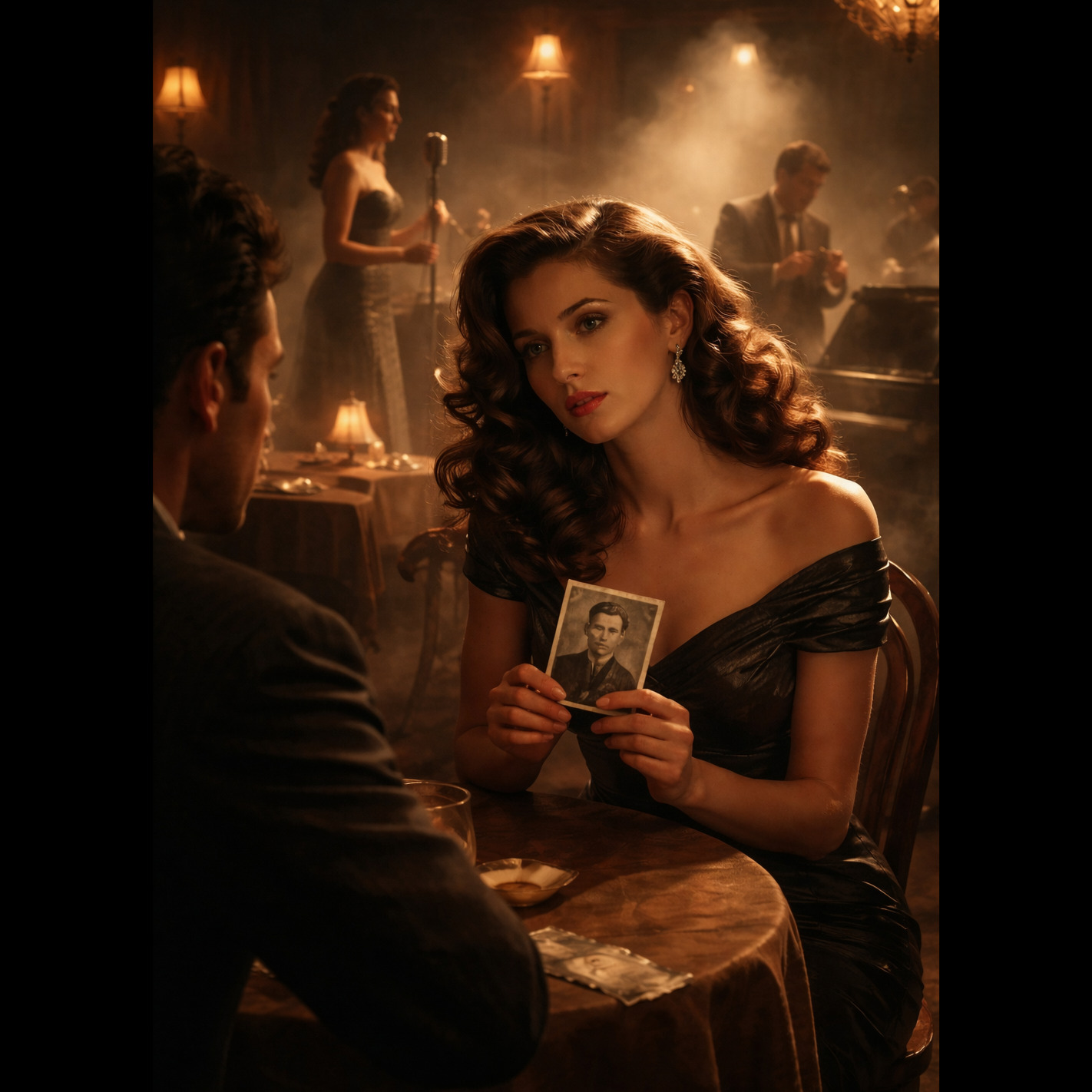

1940s torch jazz ballad set in an intimate late-night New York jazz club, Slow jazz ballad around 76 BPM with a gentle swing feel, Single female vocal performance with two expressive modes: quiet intimate storytelling in the verses and pre-choruses, and emotional melodic torch singing in the choruses and bridge, Classic small jazz ensemble with upright piano, light jazz brush kit, upright bass, muted trumpet and soft tenor sax answering the vocal phrases, Clean warm vintage jazz recording with natural reverb, evoking a 1940s Harlem jazz club and film-noir atmosphere of longing and quiet heartbreak