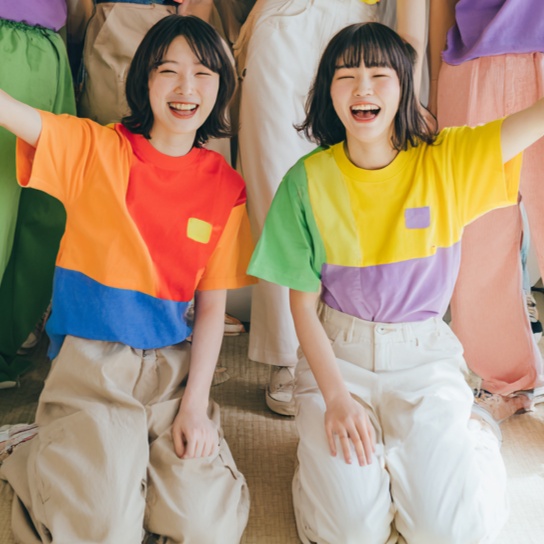
Shchedryk Remix トラネコみぃ wks
シュチェドリック Remix Contest 応募作品:様々な文化の視点でこの曲を探求し、希望と再生という普遍的なメッセージの考察を試みました。I explored the song from a multicultural perspective, attempting to examine its universal message of hope and rebirth.
·

11 songs
1:39
A theatrical dialogue through song, Each word is sung by a different singer, 50 professional male and female singers, sometimes harmonizing and sometimes singing with playful precision and expert vocal control, as if they were frogs, ducks, dogs, camels, elephants, and other animal voices, The surreal choir's voices constantly switch, blending operatic proficiency with absurdist imitation, Accompanied by intentionally crude instruments (an out-of-tune toy piano, a plastic recorder, a detuned guitar, a rusty marchng drum), the piece creates a humorous, rhythmic, and slightly tragic atmosphere, reminiscent of avant-garde Japanese choral comedy
1:01
This choir piece is in a traditional Ukrainian folk choral style, a cappella, bright and ritual in feeling, It uses SATB or women’s choir, with a simple repeating melody passed between parts in fast, imitative entries like a round, Harmony focuses on open fifths and fourths with modal color and some natural “crunchy” clusters as lines overlap, A steady low drone on the tonic or dominant in the bass anchors the sound while upper voices weave around it, Rhythm is quick and driving, with short repeating patterns that feel incantatory, and accents follow the stress of Slavic‑like syllables rather than strict meter, Dynamics grow from soft and mysterious to a strong, radiant climax, like releasing a blessing or spell, Use mostly straight tone for clarity and blend, adding more edge only in climactic moments, The overall mood is folk‑rooted, communal, and slightly mystical, celebrating abundance, new life, and a prosperous season
2:28
A surreal comic choral miniature performed by ten distinctive male and female singers, each taking turns to sing in a lively conversational rhythm, Sometimes their voices blend into short bursts of harmony, sometimes they scatter into playful chaos — switching tone, color, and mood like actors in an absurd little theater, With precise yet ridiculous vocal control, they imitate animals — cows, gorillas, pigs, frogs, cats, dogs, elephants, and others — fusing operatic skill with childlike nonsense, The only instruments are a badly played elementary school recorder, an offbeat pair of clumsy castanets, and a slightly mistimed triangle, They sound uneven, naïve, and charmingly wrong, joining the choir like mischievous children in a music class, The instruments squeak, click, and ring out with awkward sincerity — never quite in time, but always full of character, No other instruments are used, ten imperfect human voices and three even more imperfect instruments
3:24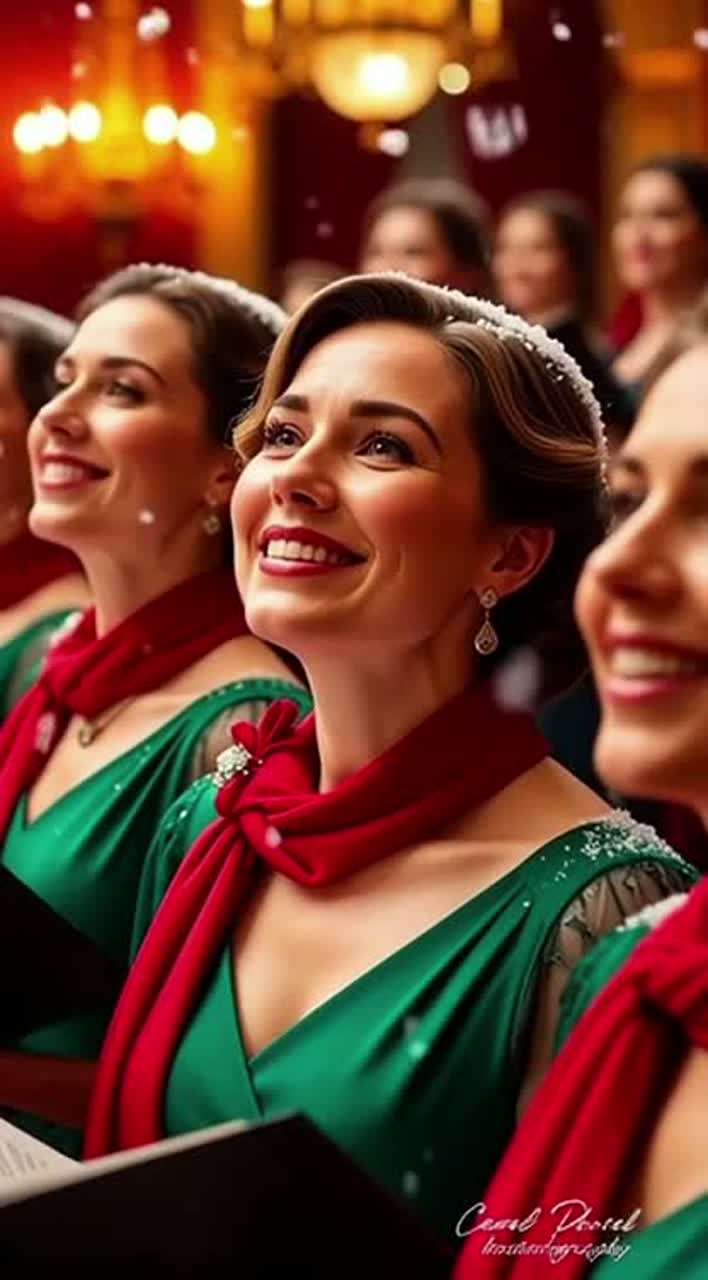
A majestic choral recreation of "Carol of the Bells" evoking the historic 1922 Carnegie Hall performance, capturing the grandeur of early 20th-century American Christmas concerts, Feature a large mixed choir—sopranos, altos, tenors, and basses—in tight four-part harmony, with voices layering dynamically from soft whispers to triumphant crescendos, Accompany with orchestral elements: shimmering glockenspiel and tubular bells mimicking silver chimes, subtle strings for warmth and depth, and light percussion for rhythmic drive, Maintain a brisk tempo of 130 BPM, starting ethereal and building to joyful intensity, with echoes and reverb to simulate the hall's acoustics, Incorporate subtle Ukrainian folk influences in melody phrasing, reflecting the song's origins, while emphasizing festive cheer through repetitive "ding dong" motifs and merry exclamations, No modern synths—keep it acoustic and period-authentic, like a live ensemble in a vast auditorium, the air with holiday spirit
3:48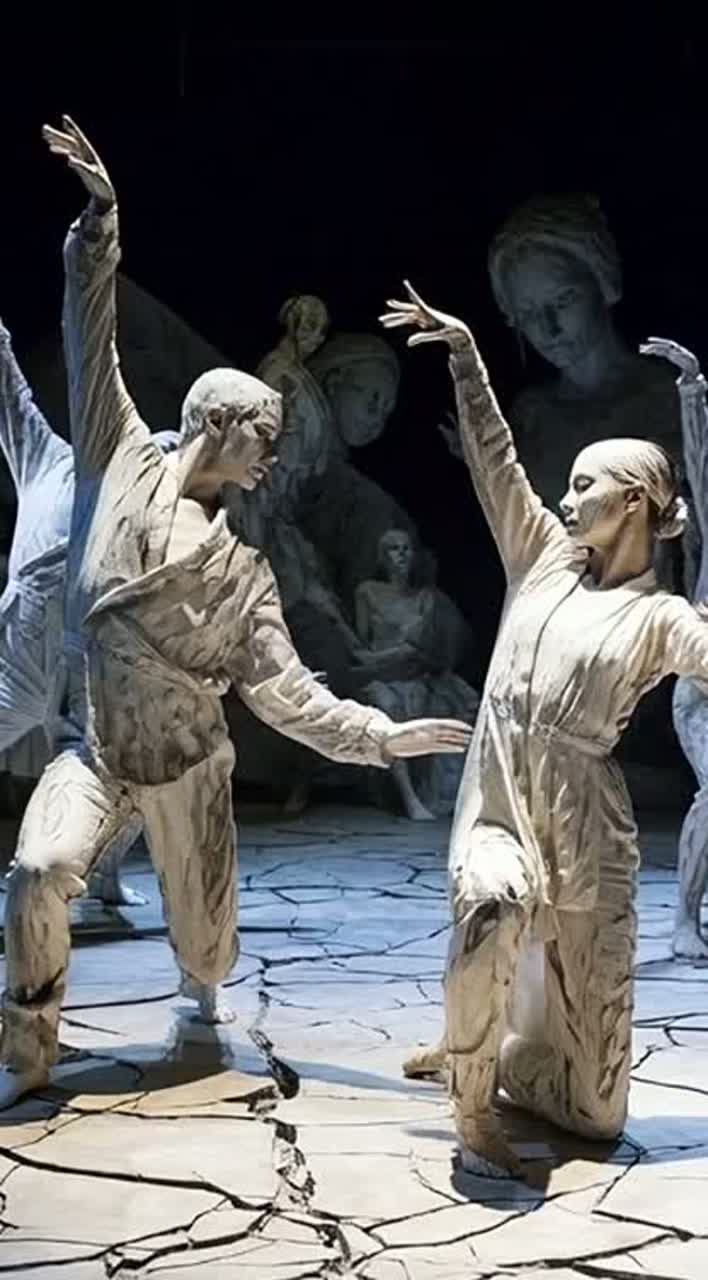
A haunting Butoh-inspired reinterpretation of "Shchedryk, " transformed into a shadowy vocal ensemble piece, Feature a 10-person mixed choir of men and women with distinct, ethereal voices—some raspy whispers, others deep groans or fragile falsettos—layering in dissonant harmonies that evoke existential void and bodily decay, No traditional melody; instead, fragmented phrases with elongated notes, irregular rhythms at a glacial 40 BPM, starting in near-silence and building to chaotic intensity through overlapping echoes, Accompany minimally with shakuhachi-like wind breaths for hollow tones, sporadic taiko drum thuds for tension, and koto plucks creating discordant ripples, Infuse subtle Japanese folk undertones in phrasing, emphasizing impermanence with breathy chants and silent pauses, Atmosphere: dark, meditative, like ghosts writhing in a dimly lit void, with reverb simulating an abandoned shrine's acoustics, Keep acoustic and primal—no synths, raw vocal textures for a visceral
3:59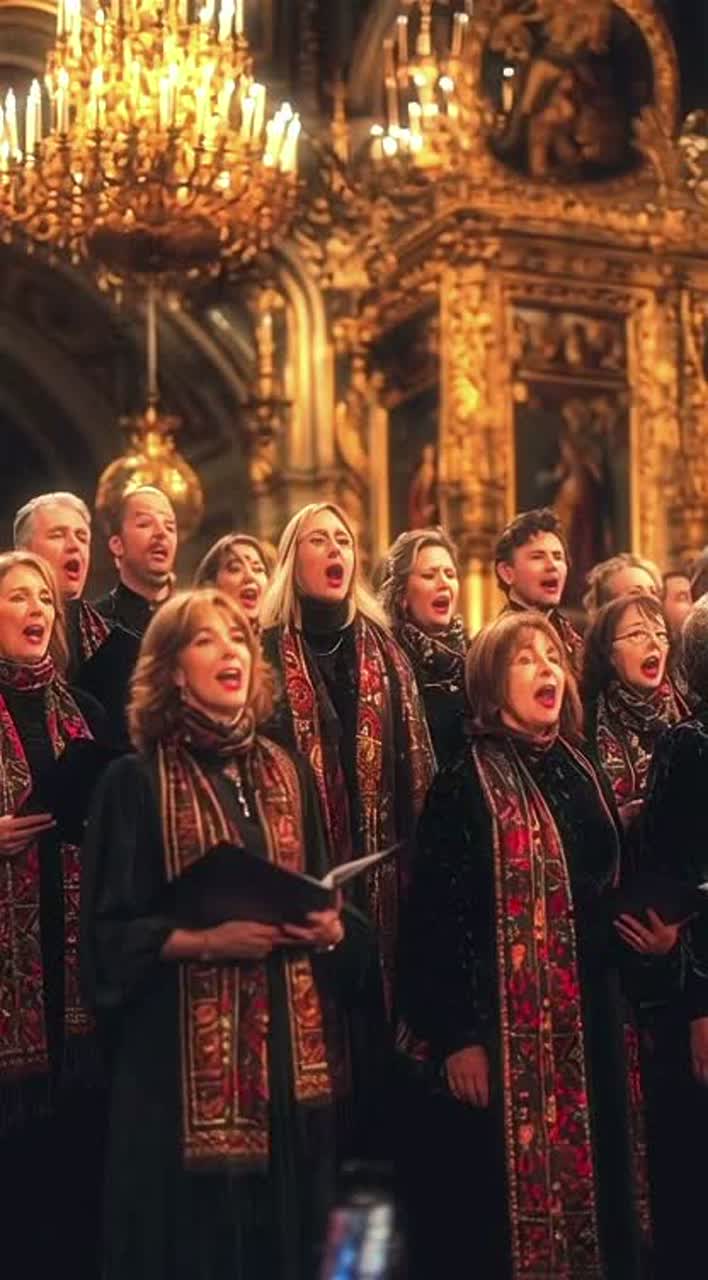
A solemn Russian choral rendition evoking the vast Siberian winters and New Year's eve gatherings in early 20th-century Moscow, capturing the spirit of communal folk celebrations under the northern lights, Feature a grand mixed choir—rich basses anchoring the harmony, soaring sopranos, warm altos, and resonant tenors—in layered polyphony, building from hushed introspection to exuberant swells, Accompany with traditional instruments: twinkling balalaika for melodic twinkles, deep accordion for rhythmic warmth, subtle domra strums for folk texture, and resonant church bells (kolokol) for echoing chimes, Maintain a moderate tempo of 110 BPM, starting with a meditative hush like falling snow and building to festive vigor, with reverb mimicking a wooden izba or cathedral hall, Incorporate subtle Russian folk motifs, like minor-key inflections for melancholy joy, emphasizing peace via repetitive "zvon, zvon" motifs and invocations, Keep it acoustic, filling the air with hopeful renewal
3:04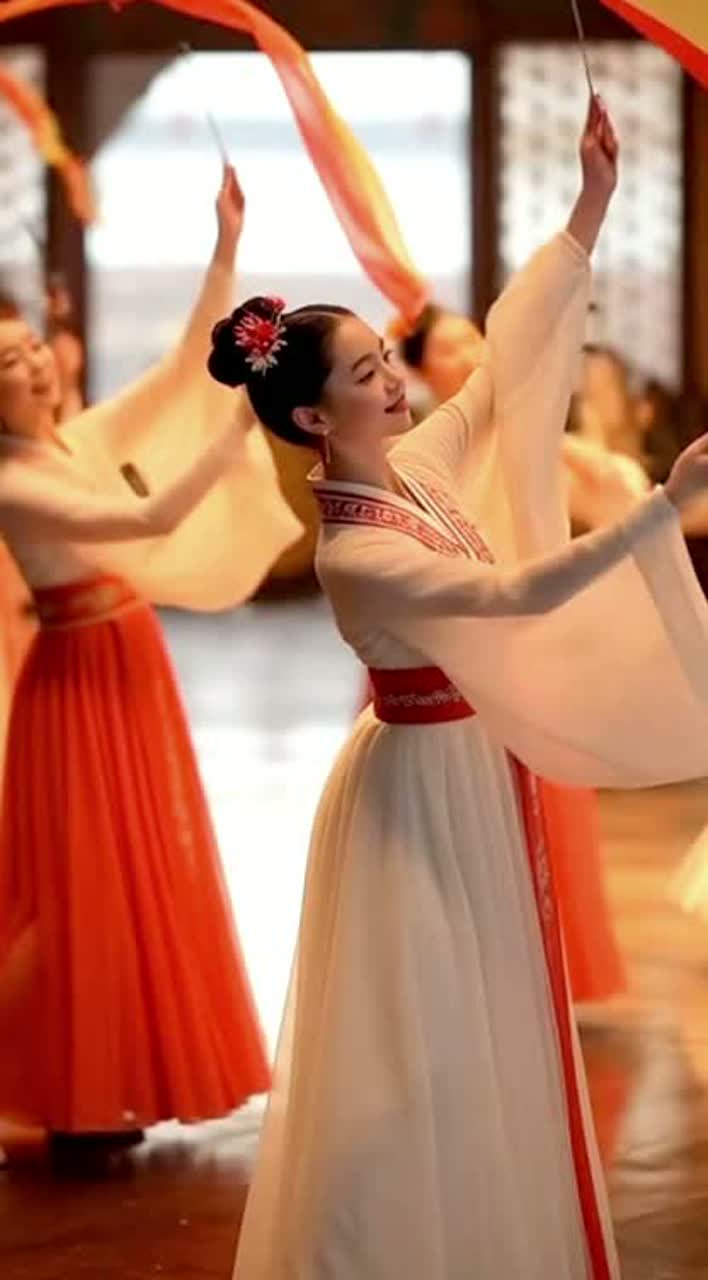
Music Style: A serene orchestral homage to the ancient Chinese Dongzhi Festival, evoking the tranquil gatherings in imperial temples during the winter solstice, symbolizing the rebirth of yang energy amid the depths of yin, Feature a grand ensemble of traditional Chinese instruments— cascading guzheng for ethereal ripples like falling snow, soulful erhu for introspective warmth, plucky pipa for rhythmic vitality, and breathy dizi for melodic winds—accompanied by subtle percussion including resonant temple gongs and wooden fish for meditative pulse, Incorporate a large mixed choir in Mandarin, with voices weaving in pentatonic harmony, layering from hushed, contemplative whispers to harmonious swells of renewal, Set at a steady tempo of 110 BPM, beginning in quiet reflection and ascending to uplifting exuberance, with natural reverb to mimic the echo of a vast courtyard, Infuse subtle folk motifs from Chinese melodies, as if performed live in a historic pavilion enveloped
4:30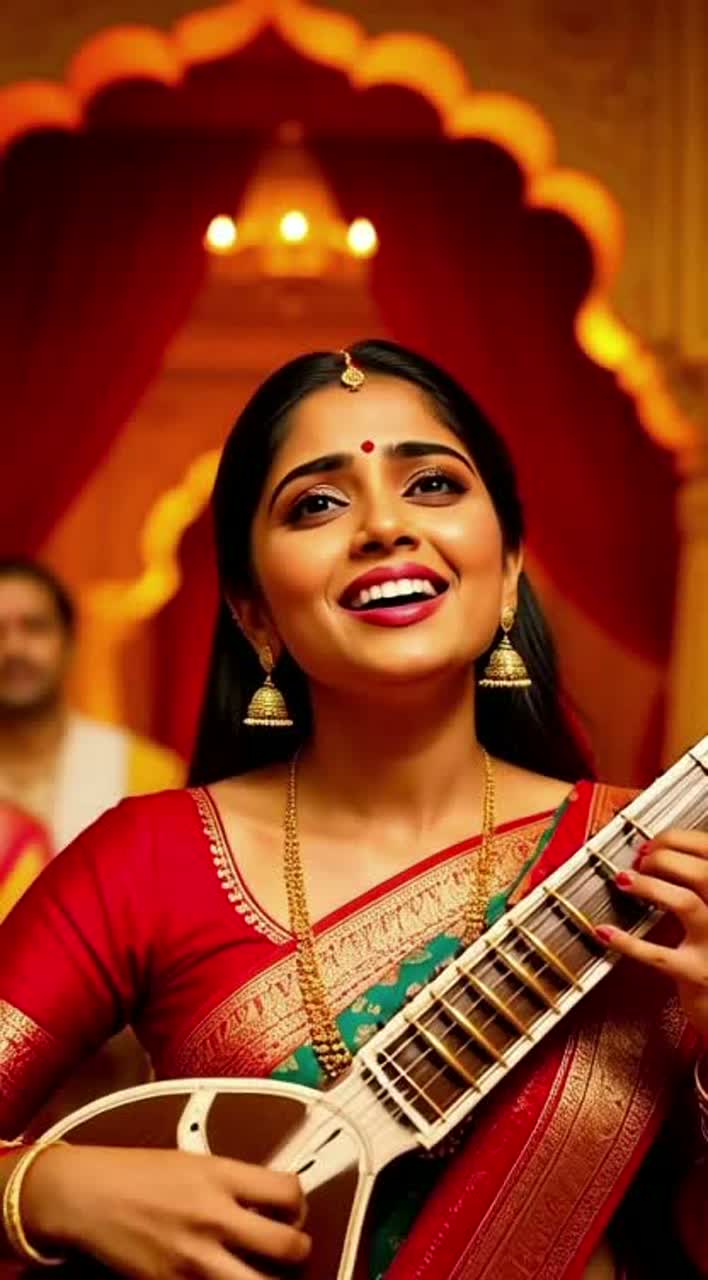
A majestic fusion of Hindustani classical and folk traditions, inspired by Diwali festivals and communal winter gatherings in India, evoking early 20th-century temple and village celebrations, Feature a large mixed-gender vocal ensemble—sopranos, altos, tenors, and basses—in four-part harmony infused with ragas like Bhairavi or Yaman, building from soft whispers to euphoric peaks with swaras, taans, and alternating gender calls for resonance, Accompany with authentic instruments: sitar and sarod for melodic tones, shehnai and bansuri for warmth, and tabla, mridangam, and dhol for rhythm, Maintain 130 BPM tempo, starting with alaap and rising to rapture, with natural echoes mimicking temple courtyards or melas, Incorporate Rajasthan or Uttar Pradesh folk elements, emphasizing unity via "deep jalao" motifs and mixed chants, No electronics—preserve acoustic purity, like a live festival sabha filled with harmony, light, and spirit
3:34
A lush mixed-voice choral arrangement in a Brazilian samba-bossa nova style, celebrating a joyful tropical Christmas, Feature a large mixed choir (sopranos, altos, tenors, basses) in rich four-to-six-part harmony, with voices entering in waves—sopranos carrying the bright melody, altos and tenors adding warm harmonies, and basses providing rhythmic foundation, Accompany with gentle acoustic guitar in classic bossa nova fingerstyle, subtle samba percussion (pandeiro, surdo, shakers) played softly to support rather than dominate, occasional cavaquinho or flute doubling the "bell" motifs, and sparse brass for festive accents, Maintain a relaxed yet uplifting tempo of 105 BPM, starting softly and intimately, building through layered choral entries to radiant full-choir crescendos with natural reverb evoking a beachside gathering, Include call-and-response between male and female sections, handclaps from the choir, and joyful layered "ding dong" echoes distributed across voice parts
2:41
A vibrant Afro-gospel recreation evoking energetic Nigerian Christmas celebrations in churches and streets, blending church choir praise with outdoor carnival joy, Feature a large mixed choir with powerful call-and-response harmonies, building from gentle praise to explosive joyful shouts and claps, Accompany with traditional Nigerian percussion: ringing agogô bells for rhythmic "ago ago" chimes, talking drums and ogene for driving polyrhythms, shekere for shimmering texture, Maintain an upbeat tempo of 140 BPM, starting reflective and building to danceable intensity with crowd echoes simulating outdoor festivities, Incorporate Yoruba and Igbo folk phrasing in melodies, emphasizing communal cheer through repetitive "ago ago" motifs and exclamations like "E ku odun!" or "Merry Keresimesi!", Keep it fully acoustic with African percussion ensemble, like a live church choir and street band filled with holiday unity and praise
3:46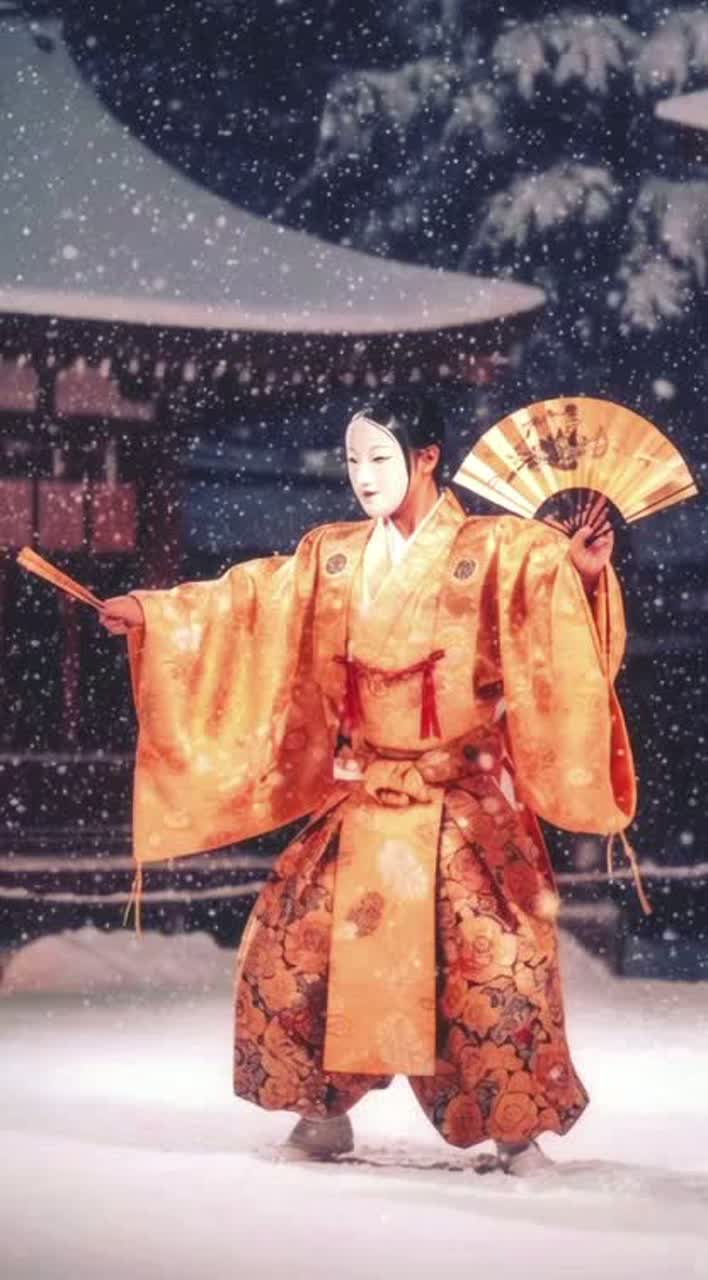
The solemn and mysterious Noh stage evokes the ancient Joya no Kane ritual, capturing tranquil meditation in medieval Japanese temple ceremonies amid winter's still air, A male shite, wearing a solemn mask, performs slow symbolic dance on a simple wooden stage with pine tree backdrop, A male and female Noh chanting uses deep, resonant diaphragm vocalization, prioritizing word rhythm and dynamics over melody, with gliding pitches and emotionally drawn-out syllables, Japanese accompanied by piercing nōkan flute, kotsuzumi and ōtsuzumi drums for tension, and taiko for deep bell-like reverberations, A male and female mixed jiutai chorus (8-10 singers) chants in Kongō-style rhythm, building delicately without crescendo, Free-flowing chant rhythm shifts to eight-beat patterns, rising from quiet introspection to profound resonance echoing through snowy temple halls, Incorporating Shinto-Buddhist influences, repetitive "kan, kan, " motifs evoke bell sounds, emphasizing purification