3:34
3:38
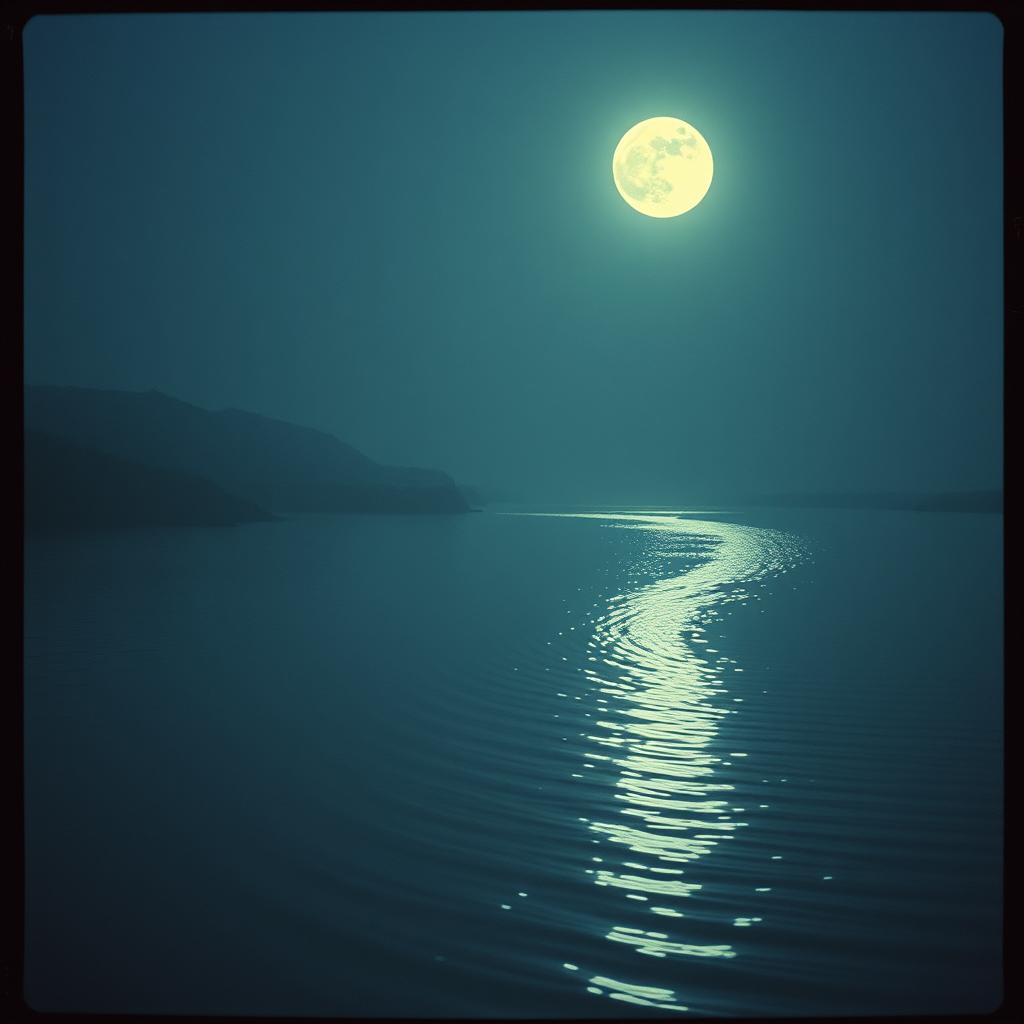
Intimate, late-night solo male vocal and guitar performance, Haunting, breathy delivery with fragile falsetto, soft crackle in emotional peaks, and tender, floating phrasing, Finger-picked electric guitar with clean tone, gentle reverb, light tremolo shimmer, and occasional natural harmonics, Slow pace, deep pauses, and space for silence to breathe, Mood: aching nostalgia, quiet longing, spiritual stillness, moonlit river melancholy, No percussion, No bass, Organic room sound like a tiny club after midnight — warm air, close mic, soft ambient hum, Subtle dynamics, never loud or busy, Minimalist, reverent, personal, Let every note feel like a confession and every breath feel like a prayer whispered to the dark
3:36

Create a slow, emotional piano ballad that sounds like a young man falling apart as he sings, The arrangement should stay minimal — solo piano with faint string swells or ambient pads, nothing polished or produced, The tempo should be around 60 BPM, painfully slow, letting silence hang between phrases, The male vocal must sound fragile, imperfect, and breaking down — shaky breaths, cracked notes, voice straining by the final chorus, Begin calm and restrained, but let the emotion unravel: his voice should tremble, maybe even choke up mid-line, Add subtle reverb to make it feel like he’s in an empty room at night, In the final minute, let the piano drift slightly out of time, like his hands can’t keep steady, No drums, no rhythm section — just voice, piano, and heartbreak, The mood should be devastating, raw, and real — the sound of someone realizing they’ve already lost the person they’re begging to hold them
3:44
Create a hard rock arrangement with emotional depth and heavy drive, Start with distorted electric guitar playing a slow, moody riff with palm-muted rhythm, Add deep bass guitar that follows the kick pattern tightly, and hard-hitting drums with powerful snare and crash hits, As the song builds, layer in overdriven rhythm guitars panned left and right for a full wall of sound, Include expressive lead guitar solos with bending, sustain, and vibrato that cut through the mix — raw and soulful rather than flashy, Vocals should be male, passionate, and slightly raspy — the kind of performance that sounds like he’s singing through emotion, Tempo around 80–90 BPM, with dynamic shifts between tense verses and explosive choruses, End with a long feedback sustain from the lead guitar fading into silence, The overall mood should feel gritty, lonely, and powerful, like heartbreak shouted into the night
4:00
4:01
Late 90's/Early 2000's Boy Band Version with multiple male vocalists
4:03
3:44
Slow, moody 1950s crooner jazz ballad (~58–64 BPM) with no swing—just a steady, sighing pulse, Arrangement built around piano playing soft extended chords, upright bass sustaining gentle notes rather than walking, and brush drums whispering time with snare swirls and cymbal shimmers, Add muted trumpet or tenor sax for mournful fills, plus a small string ensemble or vibraphone for warmth and atmosphere, Lead vocal: deep male baritone, intimate and world-weary, recorded close to a vintage ribbon mic—smooth breath control, subtle vibrato, phrasing conversational but aching, Capture that “2 a, m, at the empty bar” tone: quiet, honest, resigned, Mix mono or narrow stereo, warm tube saturation, minimal reverb so the voice feels inches from the listener, Overall mood: wistful, reflective, lonely elegance—Sinatra after the crowd’s gone home