Sherlock Holmes Series
Freely adapted from Sir Arthur Conan Doyle. I love the stories of Holmes and Watson. The atmosphere of Victorian London. This is my attempt to put my own personal stamp on it all. Enjoy!
·

26 songs
4:26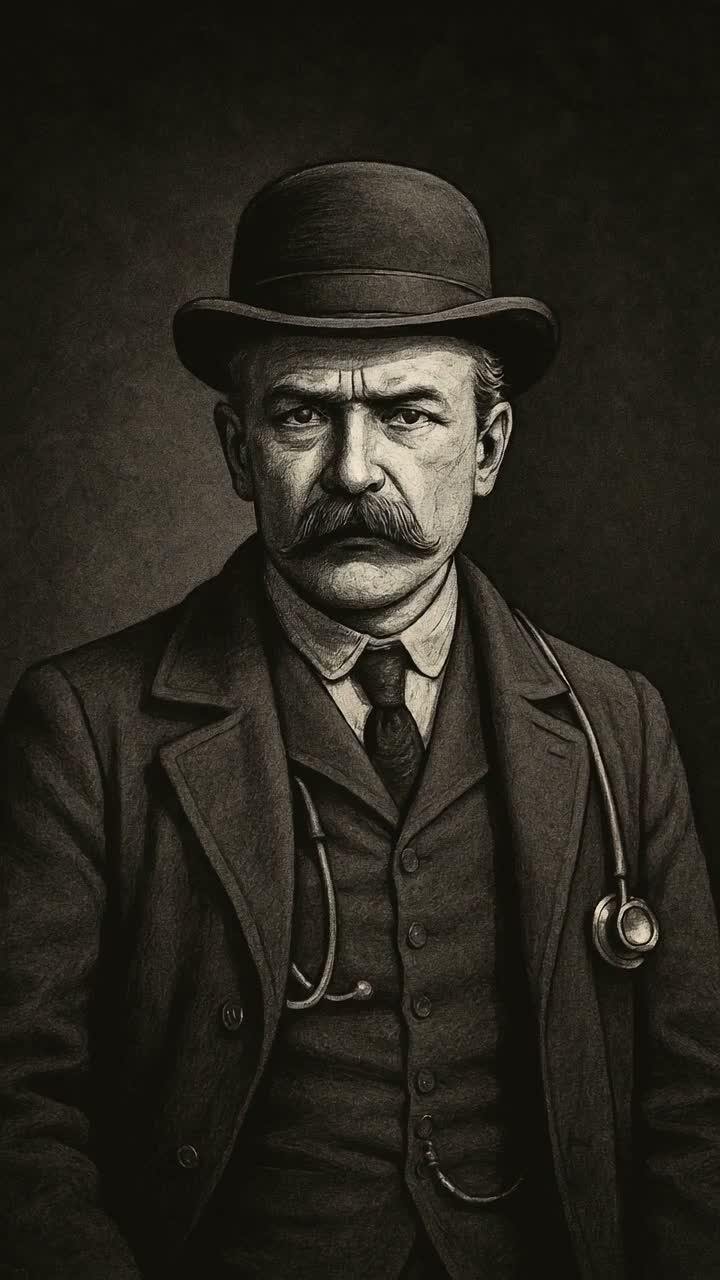
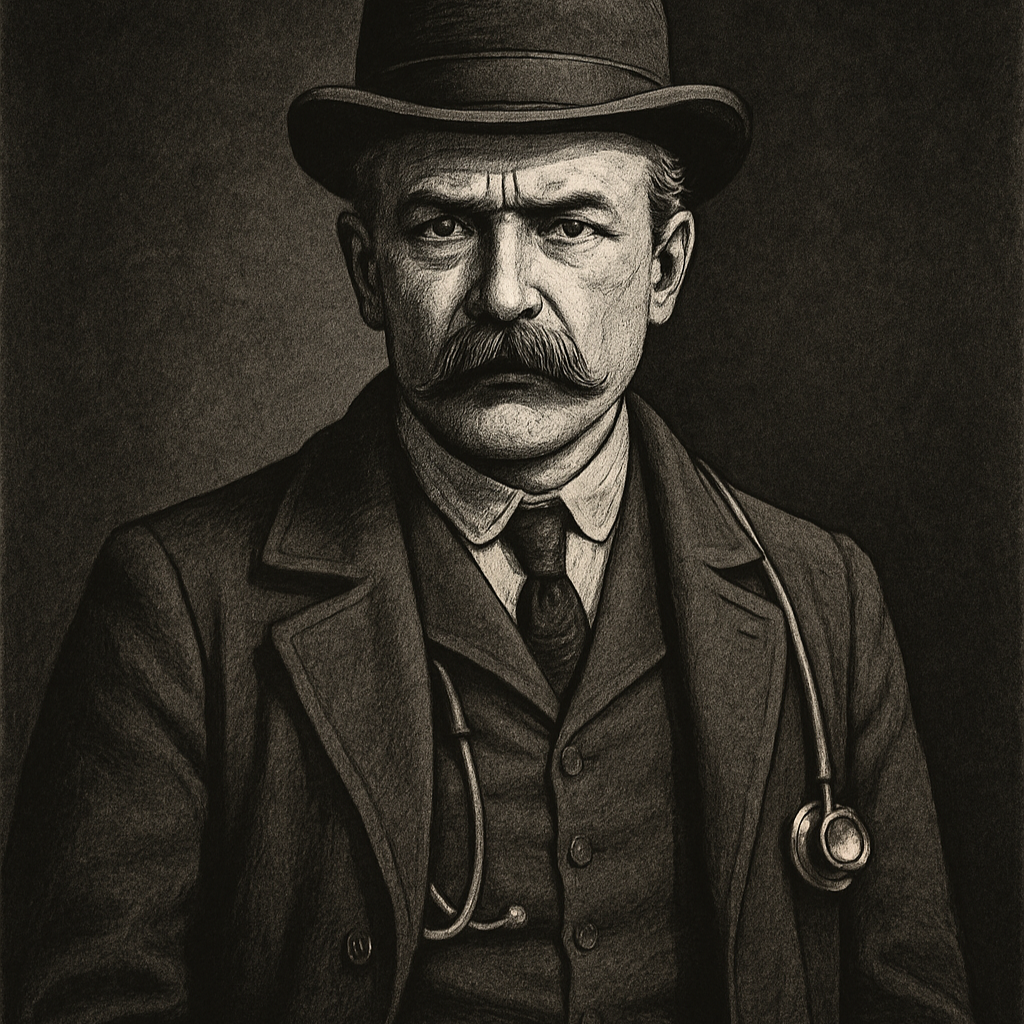
This track blends a smoky, vintage 1920s atmosphere with a solemn, reflective tone—soft crackling-room acoustics, muted brass, and dusty upright-piano textures—as if narrated by an older John Watson near the end of his life, A steady, military-style drum cadence forms the backbone: crisp snare rolls, parade-march accents, and low tom patterns that echo Watson’s past as a soldier, Layered on top is a powerful metal foundation: heavy distorted guitars, deep bass, and dramatic percussive hits that erupt in the choruses, The music should shift between quiet, introspective verses and explosive, emotionally charged metal refrains, Orchestral strings support the storytelling with a somber, cinematic edge, while subtle 1920s-era jazz inflections appear only as atmospheric seasoning, Overall the sound is reflective, heroic, and heavy—memorializing a life of war, friendship, and legendary cases
5:39
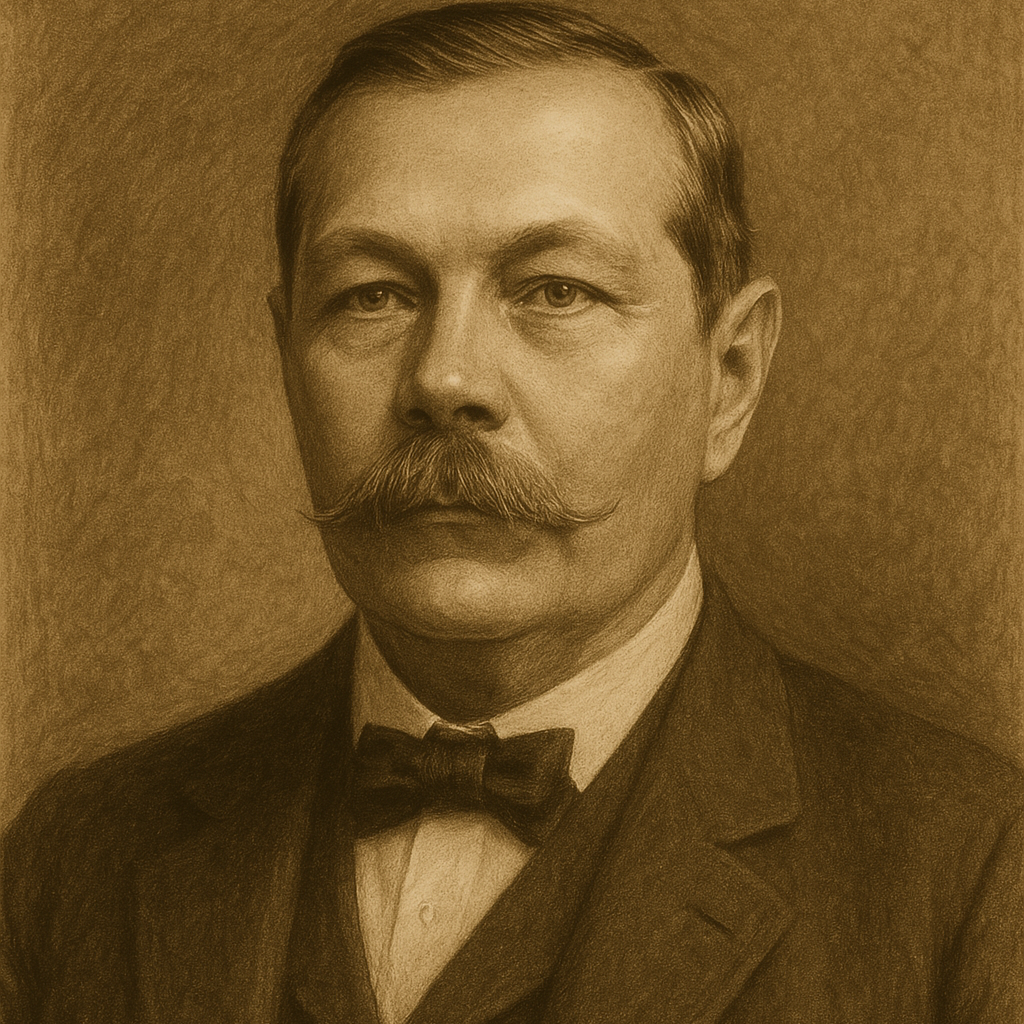
A cinematic Victorian orchestral sound with minimalist tension and a restrained metal undercurrent, This track begins with a quiet, minimalist introduction—soft sustained strings, distant room ambience, and slow, hollow tones that evoke foggy Victorian London at dawn, The arrangement grows gradually into a rich cinematic orchestra dominated by violins, cellos, and brass, creating a tense and immersive storytelling atmosphere, The sound should capture the late-19th-century mood: gaslamp streets, carriage wheels echoing through alleys, and the somber weight of London’s early morning fog, As the narrative builds, the orchestra expands with dramatic crescendos, wide string harmonies, and deep percussion, Underneath the orchestral foundation lies a subtle metal undertone: low, rumbling distorted guitars, thunderous bass hits, and restrained rhythmic pulses that add darkness and emotional gravity without overpowering the period setting, The dynamics should move from intimate whispers to powe
5:39
This style blends cinematic Victorian orchestral writing with a stronger Gothic Metal foundation and subtle Indian folklore colors, The track opens with a minimal fog-laden atmosphere shaped by soft strings, faint sitar tones, and distant sarangi textures, As the arrangement expands, sweeping violins, dark brass, and slow, dramatic crescendos merge with deep distorted drones, heavy tom pulses, and brooding harmonic progressions that echo Victorian gloom, Indian elements remain gentle ornamentation rather than a driving force, The female voice sings in clear, natural English with no accent or stylistic mimicry, carrying emotion through controlled vibrato and steady phrasing, Layers of shadowy choral pads and low metal resonance build a gothic weight beneath the orchestral surface, creating a tense, immersive sound world that mirrors Mary Morstan’s journey from fear to truth
4:18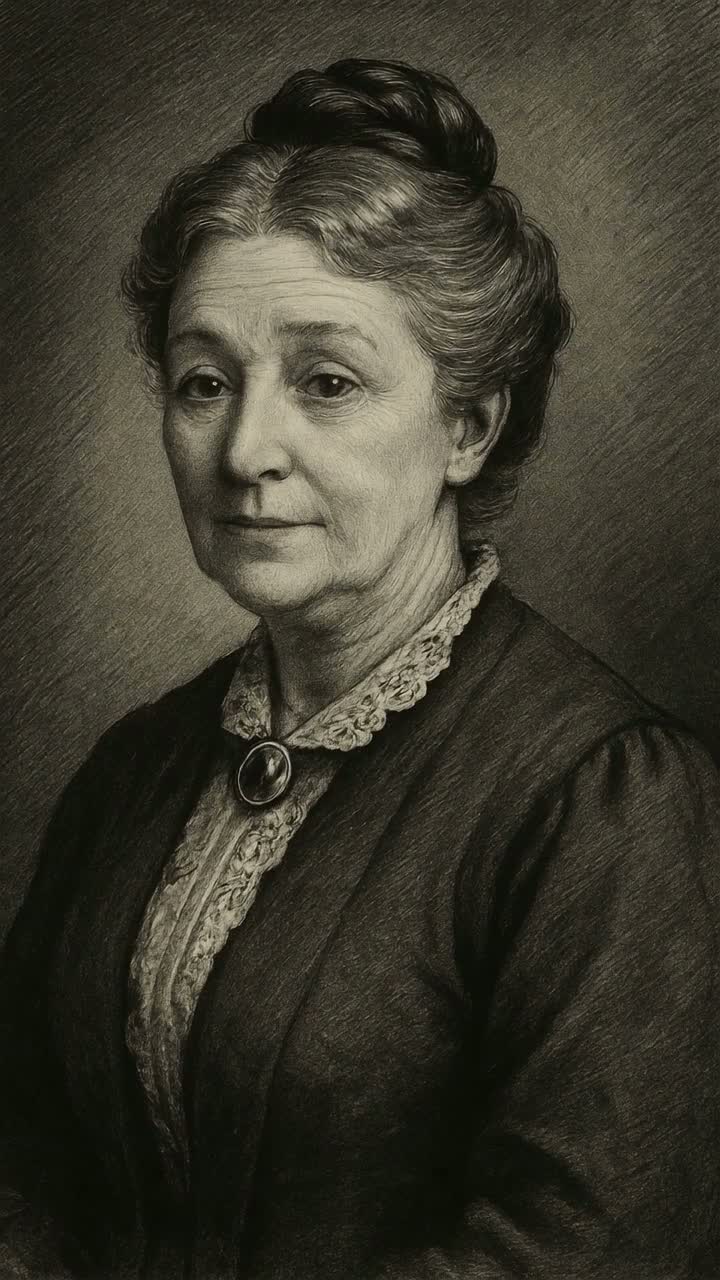
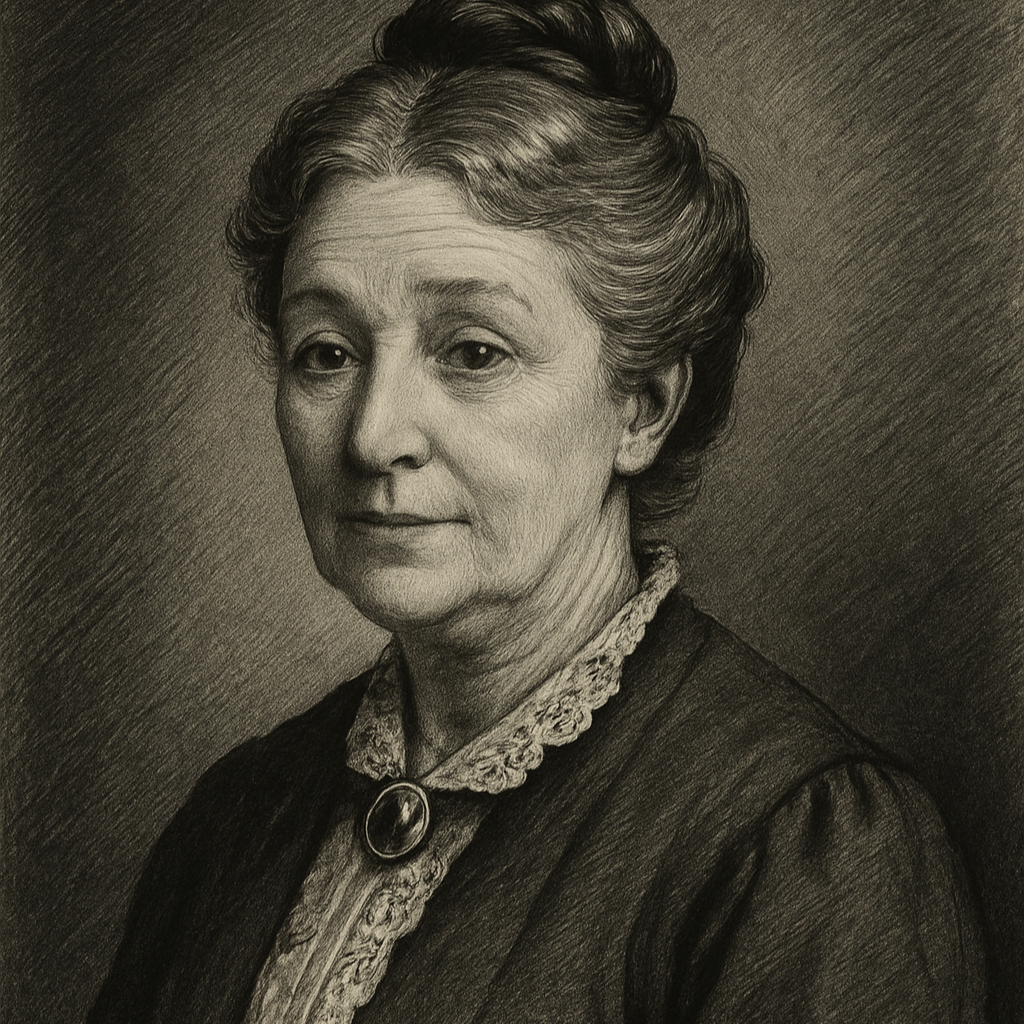
This track features a bright and whimsical orchestral palette reminiscent of classic British mystery films, with a subtle Miss Marple–style elegance, Light strings, woodwinds, playful flute runs, and warm chamber-hall ambience create a lively Victorian atmosphere full of charm and character, The rhythm is soft, bouncy, and polite—much like Mrs, Hudson herself—supported by gentle pizzicato strings, glockenspiel accents, and a graceful waltz-like sway, Melodic themes should feel cozy and slightly humorous, capturing her fond exasperation with Holmes and her warm admiration for Watson, While the overall tone is cheerful and domestic, a restrained modern undercurrent connects the song to the broader Sherlock series: a faint, low, atmospheric pulse and subtle dark harmonies that hint at the mysteries unfolding at 221B Baker Street without overwhelming the lighthearted mood, The sound should shift between cozy parlor warmth and small cinematic flourishes, reflecting both the charm of everyda
3:42
This style blends sharp orchestral power with a classic James Bond-like sense of swagger, shaped to fit a Victorian London setting with strong steampunk influences, Brisk strings, bold brass stabs, and driving bass lines create a tense, confident atmosphere, while metallic percussion, gear-like rhythmic ticks, and smoky industrial textures add a mechanical edge, The music balances elegance and grit: sweeping orchestral themes glide over punchy rhythmic motifs, creating a sound world that feels heroic, secretive, and slightly arrogant—perfect for Lestrade’s perspective, The pacing mixes dramatic spy-style tension with Victorian grandeur, enriched by subtle steam hisses, low mechanical pulses, and polished melodies, Overall the track feels like a fusion of detective flair, cinematic sharpness, and industrial charm, capturing both pride and reluctant cooperation, This blend creates a bold, Victorian atmosphere that suits Lestrade’s pride, ambition, and unspoken respect for his unlikely al
4:57
This style blends cinematic Victorian orchestral drama with a darker, more supernatural atmosphere, The music begins with a minimal, mist-covered introduction shaped by trembling strings, hollow drones, and wind-like textures that give the sense of something lurking just beyond sight, As the tension grows, wide, brooding harmonies and low brass swells build a gothic weight, Subtle Scottish elements—soft bagpipe drones and eerie Highland fiddle phrases—add regional coldness, Beneath all of it runs a quiet electronic undertone: deep pulses, distant rumbling synths, and faint distorted textures that mimic the moor’s heartbeat, These electronic hints remain atmospheric, never overpowering, but they inject an unnerving modern edge that intensifies the dread, The sound moves between whispered suspense and sweeping haunted surges, creating a chilling landscape where legend, fog, and fear intertwine
4:20
This style blends a heavy, slow-marching military foundation with Victorian orchestral colors and a subtle layer of dry humor that reflects Mycroft Holmes’s imposing presence and weary intellect, The music moves with weight: thick drum cadences, low brass pulses, and lumbering rhythmic steps that echo the strain of his reluctant walk to the Diogenes Club, Strings and woodwinds add a refined London elegance, while muted percussion and clipped accents create a sense of restrained authority, A faint comedic undertone appears in light, unexpected instrumental flourishes that hint at Mycroft’s grumbling wit beneath his dignified exterior, The overall sound is formal yet gently playful, capturing both the seriousness of his governmental power and the irony of his physical discomfort, This blend forms a dignified, heavy Victorian march that mirrors his brilliance, reluctance, and unspoken affection for his troublesome brother
5:04
This track builds a menacing, imperial atmosphere through heavy orchestral accents, brooding brass, and tense string rhythms that echo Moriarty’s cold precision, A deep gothic-metal undertone drives the music forward with distorted drones, slow crushing riffs, and thunderous low percussion, creating a sense of overwhelming threat and intellectual dominance, Choir pads, metallic hits, and churning rhythmic pulses reinforce the villainous grandeur, while sharp staccato motifs mirror his calculating cruelty, The overall tone feels theatrical, ominous, and ruthlessly intelligent—like a mastermind addressing his network from the shadows, preparing for the final confrontation with Sherlock Holmes
4:32
This style blends sweeping cinematic orchestral drama with Victorian tension and early American folk colors, all carried by a calm, storytelling voice, The music moves like a slow-building film score: wide strings swelling in foggy layers, deep brass rumbling beneath, and dominant marching drums creating a feverish, rising heartbeat throughout the narrative, Percussion plays a central role—rolling toms, pounding bass drums, and tight military accents drive the tension forward without rushing the vocal performance, The Victorian sections feel like a shadowed London thriller, full of trembling violins, dark harmonies, and slow-burning suspense, When the story shifts to America, the music “opens up” cinematically: sudden orchestral bursts of frontier fiddle, banjo textures, and folk-inspired motifs appear like dramatic revelations, almost like scene changes on a vast screen, These elements arrive as surprises rather than constant accompaniment, A subtle electronic undertone ties both worl
5:26
This style blends cinematic orchestral tragedy with subtle Swiss folk elements to capture the sorrow of the Reichenbach Falls, The music unfolds slowly, carried by a calm, emotional storyteller’s voice, Wide, mournful strings and deep brass shape a heavy, fateful atmosphere, while dominant drums create a slow, thunderous heartbeat that mirrors the crashing water below, Swiss influences appear as soft alphorn echoes, gentle zither-like tones, and distant mountain drones that rise like cold air from the valley, A faint electronic undertone—low pulses, shimmering textures, and subtle rhythmic hums—adds tension without disturbing the historical feel, The overall sound is tragic, expansive, and breathless, blending cinematic weight with alpine melancholy to portray Watson’s grief as he faces the loss of Holmes and Moriarty at the edge of the abyss
4:26
This instrumental title theme unifies the full sonic world of the Holmes project into one sweeping cinematic overture, The piece opens with a dark, atmospheric electronic pulse beneath trembling Victorian strings, hinting at mystery before the orchestra expands into a bold, gothic-tinged motif, Heavy, slow military drums underline the main melody with a sense of marching destiny, while low brass and choral shadows add tension and grandeur, Subtle color accents echo the stories to come: a faint Highland drone, a whisper of Swiss alpine harmony, a dusty Americana chord, each appearing like fleeting memories within a broader orchestral landscape, As the theme builds, distorted metal textures blend with soaring violins to create a heroic yet ominous sound, The final swell merges all elements into a powerful, unified signature motif—majestic, brooding, and unmistakably Holmes
5:32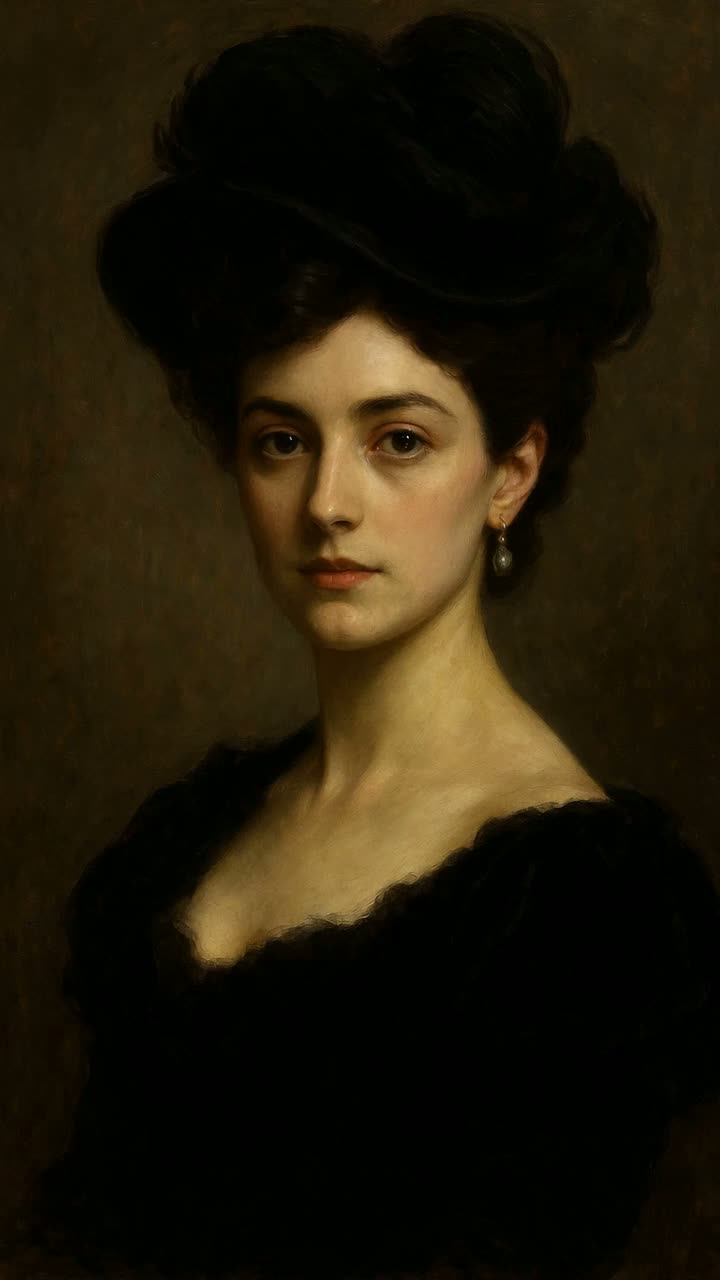
This style blends a faster, gothic-metal inspired waltz with Victorian and Austro-Hungarian elegance, creating a seductive yet dangerous sound that reflects Irene Adler’s confident charm, The music moves in a driving 3/4 rhythm with swirling violins, sharp staccato strings, and bold brass that lend the waltz an urgent, dramatic pulse, Romantic Viennese harmonies merge with shadowed gothic textures, supported by deep distorted drones and metallic low-end accents that give the piece a dark, modern weight, Operatic flourishes—harp glissandos, woodwind bursts, and sweeping orchestral swells—keep the tone glamorous and theatrical, while sudden dynamic shifts highlight Irene’s cunning superiority, The result is a cinematic, flirtatiously commanding waltz charged with gothic fire
4:29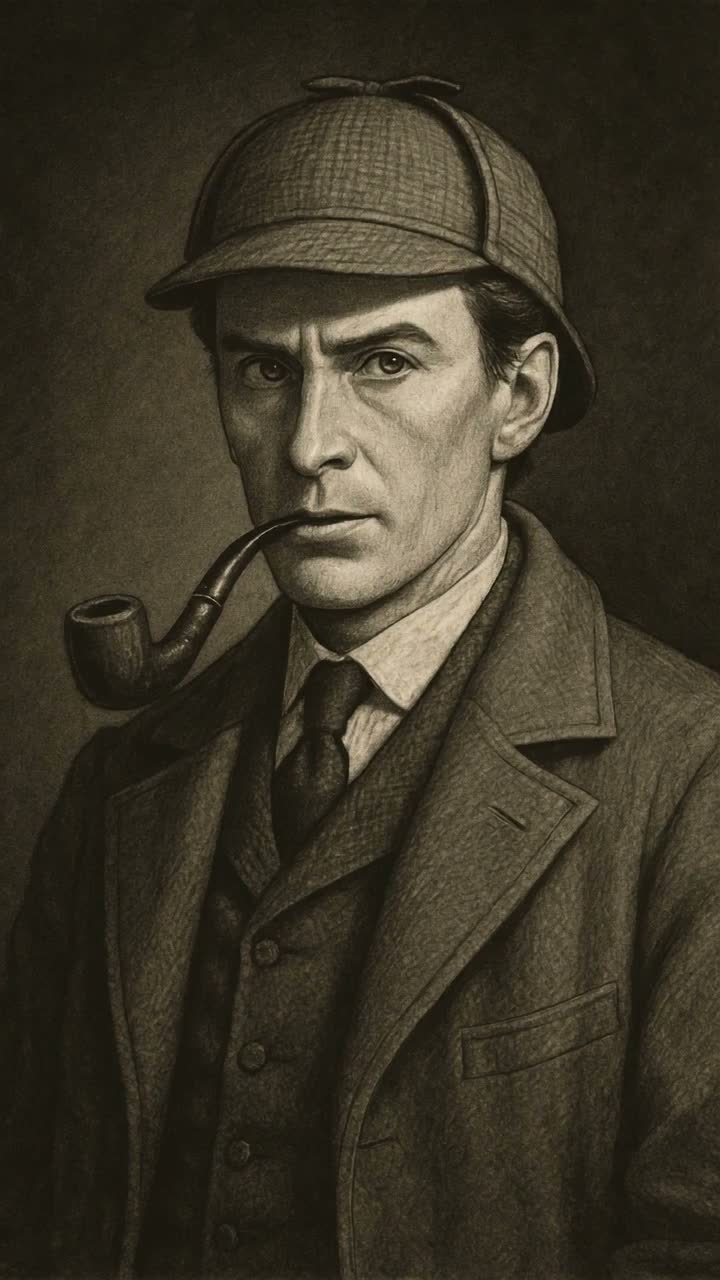
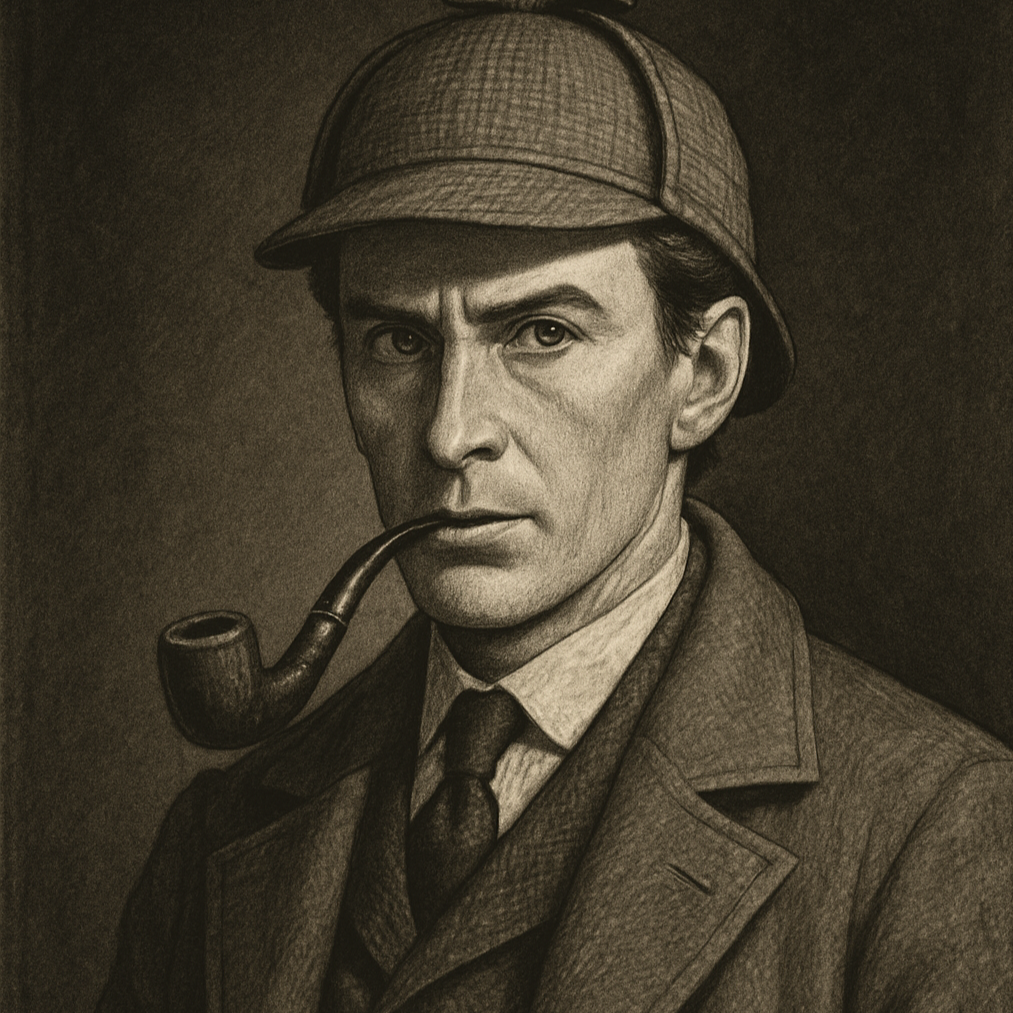
This piece is built around traditional British military march percussion: steady snare rolls, regimented drum patterns, and rhythmic cadences that give the music a disciplined, old-world pulse, The Victorian orchestral foundation adds warmth and detail, with brass, woodwinds, and strings echoing the formal elegance of London’s 19th-century soundscape, Holmes’ vocals are slow, controlled, and intentional—sometimes coolly arrogant, sometimes unexpectedly gentle, yet always shaped by a sharp and logical mind, He sings like a man who observes everything but reveals little, his phrases short and precise, reflecting emotional restraint and inner conflict, When he thinks of the few companions he respects, a dry, subtle sarcasm slips through, The overall tone is orderly, atmospheric, and deeply character-driven, combining classic military march structure with Victorian melodic charm
5:07
This track blends lively Central European polka rhythms with a cinematic orchestral score and tight staccato percussion, Fast, bouncing accordion-like melodies and playful brass figures drive the dance energy, while sharp, marching snare hits and crisp hi-hat patterns create constant forward motion, Beneath the light-footed surface, a dramatic film-score foundation unfolds with sweeping strings, low brass swells, and subtle choir pads, giving the story royal weight and intrigue, The tempo is brisk and elegant, joyful yet tense, balancing courtly humor with hidden danger, Vocals are theatrical and storytelling, shifting between amused confidence and reflective confession, The arrangement builds in waves, alternating intimate dinner-table narration with triumphant, almost operatic chorus lifts, Overall the mood feels witty, noble, and adventurous, like a grand European ballroom suddenly turning into a spy drama, It should feel timeless, theatrical, and visual from first note to last now
4:07
This track uses a bright and whimsical orchestral palette inspired by classic British mystery films, now wrapped in sparkling Christmas colors with a distinctly sharp-tongued parlor elegance, Light strings, woodwinds, cheeky flute runs, and pointed staccato accents blend with subtle sleigh bells and cozy chamber ambience to create a lively Victorian winter mood with playful bite, The rhythm is light, bouncy, and alert—quick on its feet rather than polite—driven by pizzicato strings, glockenspiel, and celesta that feel like raised eyebrows and whispered gossip over porcelain cups, Melodies remain festive and warm, yet always edged with irony, reflecting the Cousin’s quick wit, her open disdain for Holmes, and her amused commentary on Watson and the household, While the tone stays Christmas-bright and theatrically charming, a restrained modern undercurrent and subtle dark winter harmonies anchor the track in the wider Sherlock series, hinting at hidden secrets behind frosted windows
5:21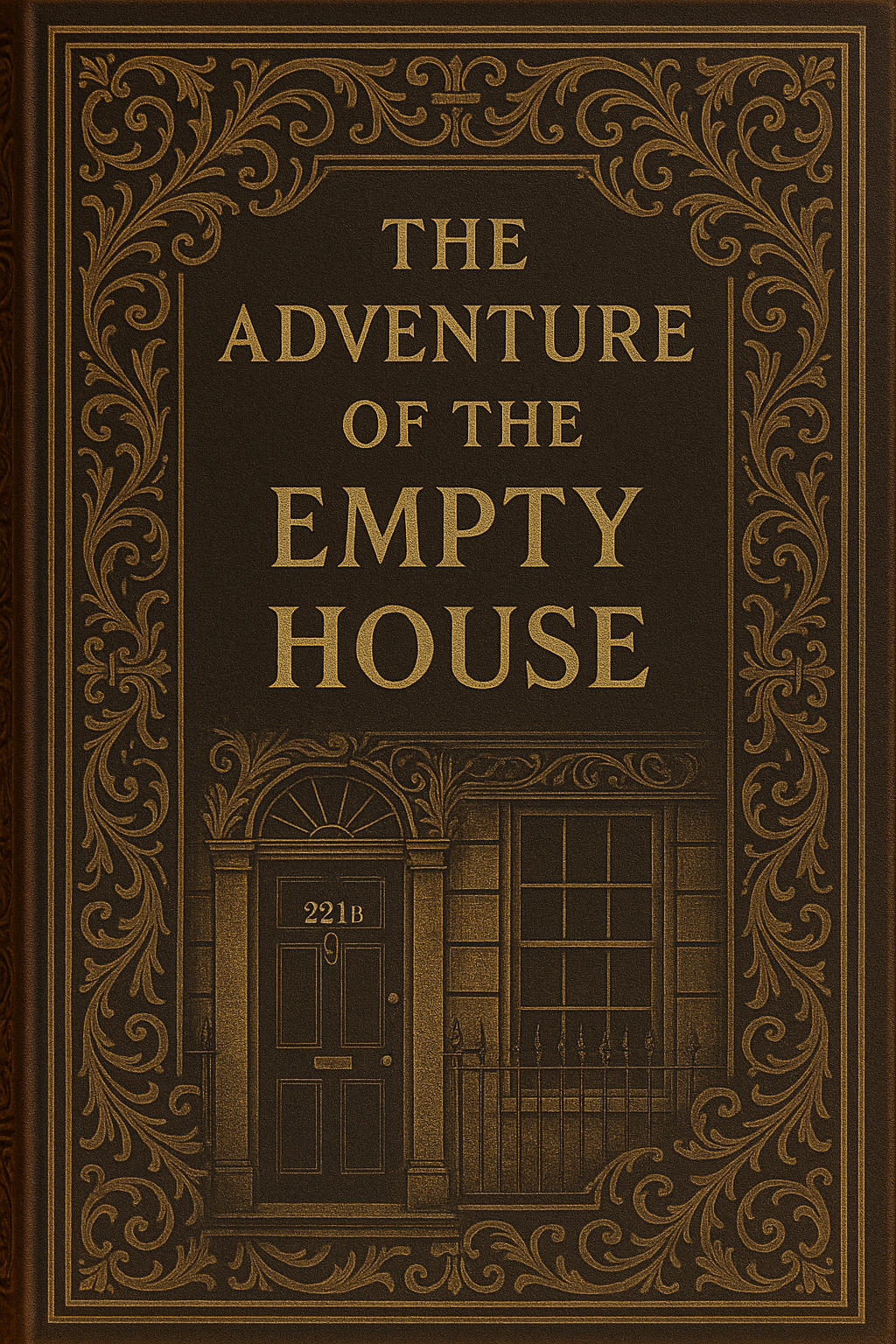
This track fuses cinematic orchestral power with dark Victorian march energy and a driving folk rock core, building constant forward momentum, Low strings, urgent cellos, and sharp brass stabs create a tense, restless foundation, while hard military snare patterns, rolling toms, and accelerating march rhythms push the song relentlessly ahead, Distorted yet controlled folk rock guitars add grit and urgency to Watson’s emotional narration, Piano appears in short, striking motifs before being overtaken by fast rising string runs and charging brass during the revelation of Holmes’ return, The arrangement shifts quickly between pulsing restraint and sudden explosive peaks, mirroring pursuit, danger, and shock, A dark modern cinematic pulse strengthens the impact without breaking the Victorian atmosphere, The final section surges into wide, triumphant but still urgent harmonies, driven by full orchestra and marching drums, signaling a return from death not into peace, but into unfinished bat
3:11
This track blends dark Victorian noir with slow, heavy hip-hop rhythms and maritime instrumentation, The verses are fully spoken, delivered in a restrained, tense male voice as short telegram-style reports by Inspector Stanley Hopkins—dry, clipped, and emotionally controlled, as if transmitted over a crackling wire in a foggy harbor office, The chorus is fully sung, deep and haunting, carried by layered male vocals with a brooding, almost chant-like character, The beat is slow, heavy, and minimal: low hip-hop kick, dusty snare, and muted sub-bass pulses like distant thunder, Maritime colors shape the atmosphere—creaking wood, distant foghorn, low accordion drones, bowed double bass, slow naval drums, and solemn brass swells, Subtle vinyl crackle and telegraph-click textures enhance the Victorian telegram mood, The song never becomes heroic; it stays grim, investigative, cold, and fatalistic—dark hip-hop at the edge of a 19th-century harbor
4:05
A cinematic Greek-folk military steampunk hybrid set in late Victorian London, Tempo slow to mid, marching yet mournful, Core instruments: bouzouki, lyra, hand drums, muted brass, military snare, low strings, pipe organ, ticking clockwork percussion, and hissing steam textures, Minor scales dominate, with Greek lament motifs weaving through rigid parade rhythms, Verses are cold, restrained, observant, sung with controlled baritone authority, hinting at power behind stillness, Chorus opens wider with layered choir-like vocals, folk ornamentation, and rising brass, evoking fate and machinery in motion, Sound design blends crackling valves, gear clicks, and distant crowd echoes, No glossy pop sheen—only polished iron, velvet shadows, and strategic tension, Mood: calculating, tragic, imperial, mechanical, and human beneath the cogs, Dynamic swells rise and fall like coded signals, alternating between folk intimacy and disciplined martial force, driven by pistons of rhythm and brass, Endgam
6:32
Dark cinematic fusion of ancient Chinese classical instrumentation, staccato-driven metal and subtle Victorian orchestral colors, Slow to mid-tempo with tense, investigative pacing, The melodic core is carried by guzheng, erhu, pipa, guqin and sheng, weaving fragile pentatonic themes, trembling bends and ritualistic drone textures, Short, sharp staccato electric guitars strike in controlled, clipped patterns like cutting blades, never fast but constantly pressing, Drums are heavy, precise and martial, built from tight snare hits, deep toms and restrained double-kick accents, Light Victorian orchestral elements—muted strings, distant brass and shadowy choir pads—hover in the background like London fog, The mood is mysterious, elegant and threatening, perfect for narrated storytelling and slow-burning revelation
5:18
Cinematic folk-noir ballad with a slow-punk backbone and coded-thriller tension, Tempo mid-slow (≈78–86 BPM), steady heartbeat kick and tight snare like a ticking clock; occasional military-style staccato snare rolls for urgency, Main bed: fingerpicked acoustic guitar in minor key, warm bass, distant tremolo electric guitar for dread, plus sparse fiddle lines that feel like fog over farmland, Verses are close-mic, intimate and controlled—half-sung, half-confessional—breath and room noise kept, Subtle “cipher” textures: telegraph clicks, paper rustle, pencil scratches, whispered gang-counts panned wide, Pre-chorus swells with low drones and toms; choruses explode into raw sing-along power with layered male backing vocals, gritty amp bloom, and brighter chords, Bridge drops to near-speech over minimal pulse, then rebuilds into a final towering chorus, Dark, urgent, protective, human—no glossy pop polish
5:33
Victorian steampunk Christmas orchestral song with a gentle mystery arc: opens with warm, close-mic spoken narration over soft strings, celesta, distant sleigh bells and ticking clockwork percussion, Verses are mid-tempo (≈92 BPM), intimate and story-driven—pizzicato strings, clarinet/oboe, light harp, upright bass, and brushed snare, Pre-chorus builds with rising violins, muted brass, chiming glockenspiel and timpani rolls, Chorus blooms grand and cinematic: full strings, French horns, trumpets, choir “ooh/ah”, and bold snare hits—festive but not goofy, Bridge turns suspenseful with minor-key modulation, telegram-like staccato motifs, mechanical whirs, and tight crescendos, then resolves to a triumphant final chorus and warm, candlelit outro, Mix is airy and Victorian: hall reverb, coppery brass glow, subtle steam-hiss foley; no EDM drops—pure cinematic narrative
5:57
A haunted Victorian steampunk thriller song told by a weary narrator (Dr, Watson), Tempo: mid (95–110 BPM) with a relentless military snare pattern (tight rolls, rimshots, marching accents) driving the tension, Dark orchestral strings (cellos/violas tremolo), low brass swells, and pipe organ drones create dread; add mechanical steampunk percussion (gear clicks, valve hisses, clockwork ticks) as rhythmic texture—not gimmicky, but cinematic, Verses are intimate, close-mic storytelling with restrained harmony; pre-choruses escalate with rising strings and brass, Choruses explode into a wider, anthemic wall: doubled vocals, subtle choir layer, thunderous toms, cymbal washes, and staccato brass hits, Sound palette: foggy, gaslit, ominous; dynamic build to a suffocating bridge, then a resolute final chorus
5:04
Victorian horror rock set in late 19th century England: London fog, a decaying manor, candlelit corridors, Female lead vocal, close and urgent, with whispered doubles in the pre-chorus and a powerful, gritty belt in the hook, Start with spoken lines over a low organ drone and tremolo strings, then snap into staccato military drums with tight snare bursts, stop start accents, and sharp kick patterns, Add a punchy electric guitar tone built on driving palm-muted powerchords and bold, swinging riffs, plus thick bass that follows the downbeat like footsteps, Keep tense minor harmony, dissonant swells, and sudden dropouts for jump-scare silence, Cold choir pads underline the whistle and hiss motif, A distant caravan fire beyond the grounds is only a misleading trail, never vilified, Final chorus hits hard with bigger guitars, staccato drums, and choral menace, then collapses to a spoken outro
5:56
Industrial cinematic track with calm spoken narration and controlled tension, Slow-mid tempo (82 BPM) minor key, Sparse intro: room tone, wind, ticking clock, analog drone, Percussion from metallic hits, chain rattles, steam hisses, muffled kick, gritty snare, industrial clanks with tight gating, Hard driving bassline: distorted mono synth-bass, syncopated, sidechained to the kick, with octave drops and growl; add a sub layer for weight, Cinematic layers: dark piano motifs, cold strings, low brass swells, occasional choir pad, eerie harmonics, Vocal: intimate male spoken-word, low and steady, whispered ad-libs, panicked breaths, minimal melody, heavy texture, Chorus opens with wider reverb and rising synths, but stays ominous, Bridge: near-silence, heart-like thumps, then a final surge of drums and strings, Mix: film-score depth, punchy transients, sub-focused, negative space, Mood: cold, regretful, claustrophobic, investigative, End with a dry stop, leaving only the clock in darkness