
2:20
Create a slow, emotional end-credits piano ballad for a romantic drama, The mood should feel intimate, reflective, and deeply human — a quiet conversation with loss, It should sound timeless, simple, and raw, as if played live in a dim studio with no polish, only feeling, Use a solo piano as the foundation, gentle sustain pedal throughout, with minimal strings or ambient reverb for depth, The vocal should be a soft, heartfelt male performance—tender, weary, and sincere, capturing love, regret, and remembrance without exaggeration, The pacing should be unhurried, with pauses that breathe between lines, The overall tone: fragile, cinematic, and heartbreaking—something that plays as the credits roll after a bittersweet ending, fading into silence like memory itself
2:17

3:09
Create an emotional, cinematic end-credits ballad, The mood should be intimate, heartfelt, and deeply nostalgic — about love that endures through memory and time, The arrangement should feature a full orchestra with piano and strings carrying the melody, gradually swelling into warmth before fading to stillness, The pacing should remain slow and deliberate, letting silence and breath convey emotion, The male vocal should be gentle, sincere, and natural — more like a quiet goodbye than a performance, The tone should balance heartbreak and peace, evoking the feeling of gratitude for a love that changed everything, The music should sound timeless, cinematic, and human — something that could close a romantic film with both tears and calm acceptance
3:07
3:18
Create a slow, emotional end-credits ballad for a romantic drama, The mood should be intimate, heartfelt, and cinematic, expressing quiet surrender between two people who finally let themselves love, Begin with soft piano and gentle strings, gradually building into a full orchestral swell before fading to silence, The pacing should be deliberate and tender, allowing every word and breath to resonate, The male vocal should sound vulnerable yet controlled — honest, unguarded, and deeply human, The tone should evoke both peace and ache, like a final embrace before parting, Overall, it should feel timeless, graceful, and cinematic — the sound of love held just long enough to let go
3:13
4:34
Create a slow, emotional orchestral ballad played during the end credits of a tragic romance film, Begin with solo bagpipes playing a slow, mournful melody in a vast, echoing space — deep reverb and long sustain, as if calling across the empty hills, The tone should feel distant and sorrowful, not triumphant, After several measures, bring in a gentle harp, plucking soft, delicate chords that fall between the breaths of the pipes, Introduce a low cello to anchor the emotion, its notes warm and drawn out, joined quietly by muted violins and violas in close harmony, Add a wooden flute or Irish whistle to softly echo fragments of the melody, like a faint memory returning, Keep the tempo very slow and the dynamics low throughout — no build, no swell, just the quiet persistence of grief, Allow space and silence between phrases; every note should feel like it’s drifting through the air, End with only harp and distant bagpipes, fading gently into silence, The mood should be heartbreaking
3:58

Create a slow, atmospheric end-credits piece built around a solo theremin instrument, The tone should be haunting, lonely, and reflective — capturing the quiet vastness of space and the fragile humanity of isolation, Begin with the theremin playing a slow, expressive melody over soft piano chords and low, sustained strings, Add subtle synth pads and ambient textures that shimmer and fade, evoking a sense of drifting weightlessness, The tempo should be very slow, with long pauses and natural breathing space between phrases, Introduce gentle percussion swells or distant heartbeat-like bass pulses to suggest motion and life within the silence, The male vocals should blend with the theremin rather than overpowering it, Let the arrangement swell softly near the end, then fade into a long, quiet decay where the theremin lingers alone, echoing into stillness, The overall feeling should be melancholy, infinite, and deeply cinematic — the sound of being alone in the void
4:34
Begin with solo bagpipes playing a slow, mournful melody in a vast, echoing space — deep reverb and long sustain, as if calling across the empty hills
4:04

2:58
Create a soft, slow 1990s-style end-credits ballad filled with warmth, nostalgia, and quiet emotion, The arrangement should stay gentle and simple throughout, never cinematic or overproduced, Begin with solo piano playing a heartfelt, steady progression, joined by soft strings for depth and tenderness, Add light acoustic guitar strumming in the background for texture, and occasional brush percussion to keep a natural flow, Vocals should be male, intimate, and emotional, recorded close and warm, like someone reminiscing rather than performing, The dynamics should stay soft from start to finish, evoking the quiet ache of memory and growing up, The mood should feel tender, reflective, and human—the sound of remembering someone you loved long ago
3:39
The song opens with a theremin carrying the lead melodic lines, Verses highlight the theremin's expressive glides, while the chorus features layered harmonies from synth pads, The instrumental textures create an ethereal, modern atmosphere throughout
3:08
John Legend version with African American male vocals
3:54
John Legend version with African American vocals
4:41
Mid-slow tempo (72 BPM) cinematic folk ballad with warm, organic instrumentation and a heartfelt, narrative tone, Core arrangement built around fingerpicked acoustic guitar and upright bass, supported by light brushed drums and subtle piano or dulcimer accents, Add violin and cello swells for emotional lift in choruses, but keep them natural—more texture than orchestral, Optional pedal steel or banjo harmonics for depth and Americana color, Lead vocal: male tenor, intimate and steady, with a conversational tone—clear chest voice, no vibrato in verses, subtle lift in chorus, Harmonies: two or three soft background voices that enter gently during refrains, mixed close for warmth, Keep production acoustic and analog, using real room reverb or small-hall ambience, No pads or synths—just air, wood, and strings, Overall mood: bittersweet, tender, and human; it should sound like a memory being retold under a twilight sky—hope and ache sharing the same breath
4:47
Mid-slow tempo (around 74 BPM) 1990s-style pop ballad arrangement with warm, emotional production, Lead vocal: male tenor, smooth, expressive, full chest tone with controlled vibrato and emotional phrasing reminiscent of early-’90s movie themes and power ballads, Delivery should move from gentle storytelling in the verses to open, soaring intensity in the final chorus, Piano drives the core harmony with soft sustain, layered by clean electric guitar arpeggios and warm acoustic strumming, Add synth strings and pad layers for atmosphere, swelling under the chorus, Drums: light rim hits and tom fills in the verses, opening into full snare and cymbal crashes by the climax, Bass guitar round and melodic, locking with slow 4/4 groove, Include a short, melodic electric guitar solo before the final chorus, Production should sound analog and wide—lush reverb, chorus on guitars, and vocal stacked harmonies for lift, Mood: nostalgic, romantic, cinematic—heartfelt and timeless
4:39
Mid-tempo classic country ballad (around 84 BPM) with a clean, polished 1990s Texas sound, Rhythm built around acoustic guitar strumming in 4/4, accented by a bright telecaster electric guitar playing tasteful fills and light twang between vocal lines, Add pedal steel guitar for warmth and emotion, electric bass holding steady root motion, and brush or light stick drums keeping a relaxed backbeat, Piano can double chords softly under the chorus for fullness, Lead vocal: male baritone, smooth and rich, conversational but emotionally grounded — clear tone with natural twang and light vibrato on sustained notes, Background vocals: tight country harmony, one or two singers doubling key phrases in the chorus, mixed close and balanced, Production should sound warm, analog, and true to live studio playing — minimal reverb, wide stereo guitars, gentle compression, Mood: romantic, heartfelt, and unpretentious — a straight-talking country love song sung by someone who’s lived it, not selling it
5:14
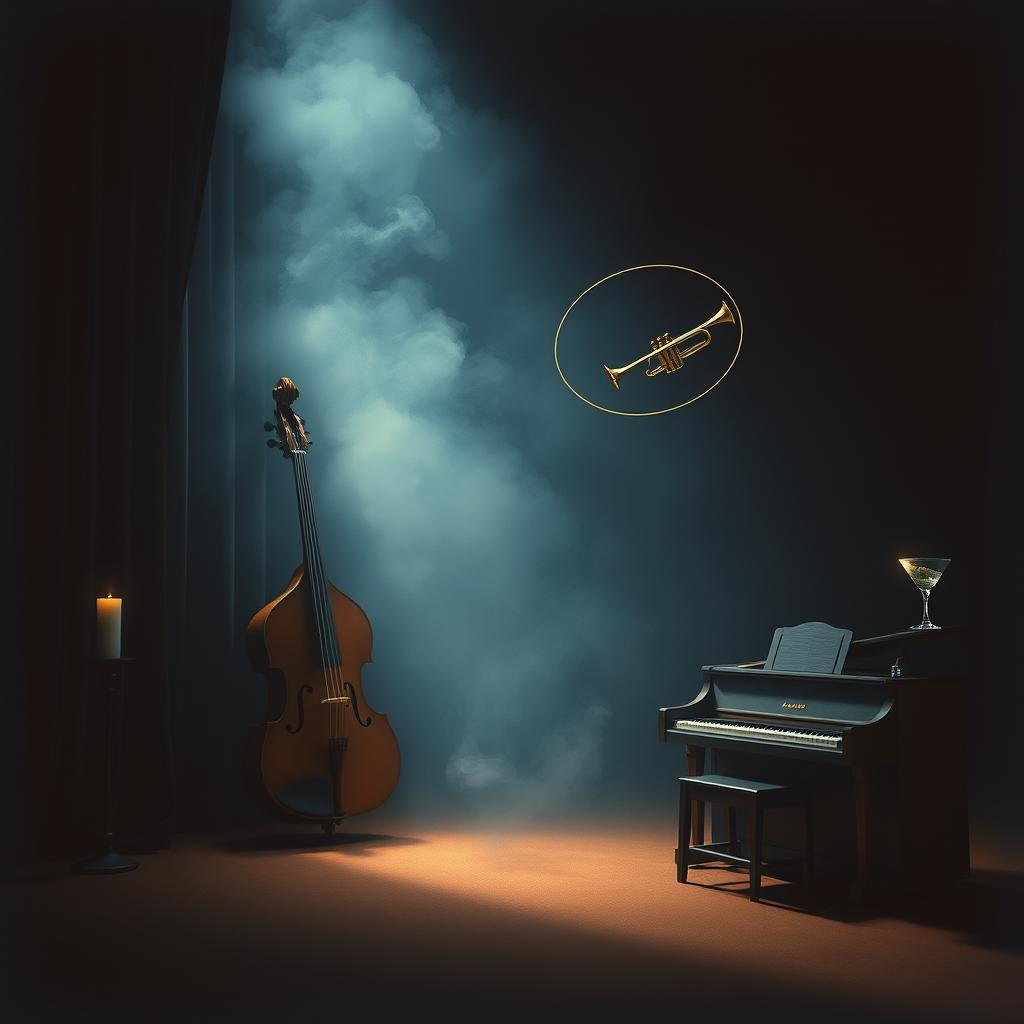
Slow-tempo jazz noir ballad around 66 BPM with a late-night, cinematic mood, Instrumentation: upright bass walking gently in half time, brush drums keeping a soft swing with snare whispers and cymbal accents, hollow-body electric guitar playing slow chord comping with occasional melodic fills, and muted trumpet or tenor sax weaving countermelodies between vocal phrases, Add a subtle acoustic piano for sparse chords in the bridge, Lead vocal: male baritone, smoky and restrained, with breathy phrasing and slight vibrato at phrase endings, The delivery should feel conversational, intimate, like a quiet confession over a last drink, Recording space: small club or studio feel—close-mic’d vocals, dry mix with a touch of room reverb and warm analog compression, Bass and drums low in the mix, guitar and horn intimate and panned narrow, Overall tone: late-night melancholy meets quiet resilience, the sound of a man dreaming after the world’s gone home
3:23
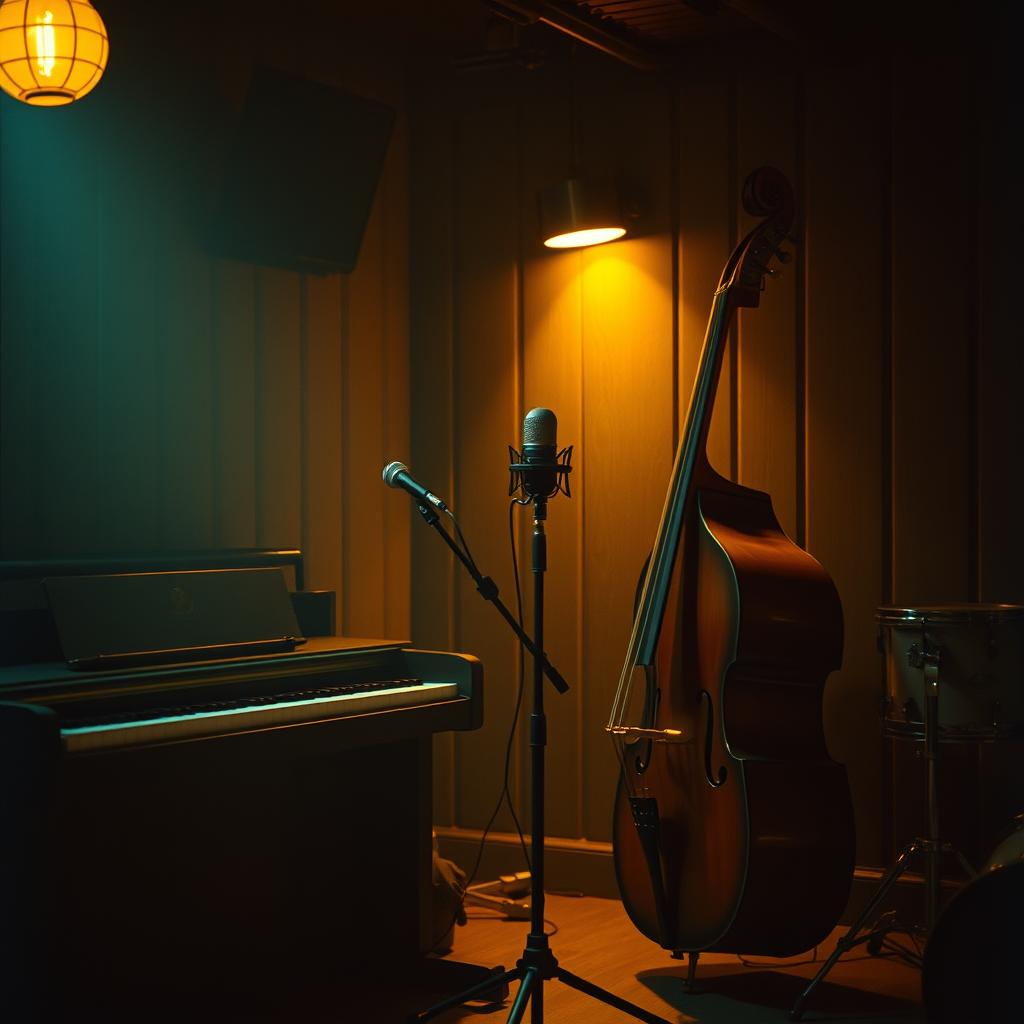
Slow, moody 1950s crooner jazz ballad (~58–64 BPM) with no swing—just a steady, sighing pulse, Arrangement built around piano playing soft extended chords, upright bass sustaining gentle notes rather than walking, and brush drums whispering time with snare swirls and cymbal shimmers, Add muted trumpet or tenor sax for mournful fills, plus a small string ensemble or vibraphone for warmth and atmosphere, Lead vocal: deep male baritone, intimate and world-weary, recorded close to a vintage ribbon mic—smooth breath control, subtle vibrato, phrasing conversational but aching, Capture that “2 a, m, at the empty bar” tone: quiet, honest, resigned, Mix mono or narrow stereo, warm tube saturation, minimal reverb so the voice feels inches from the listener, Overall mood: wistful, reflective, lonely elegance—Sinatra after the crowd’s gone home
3:07
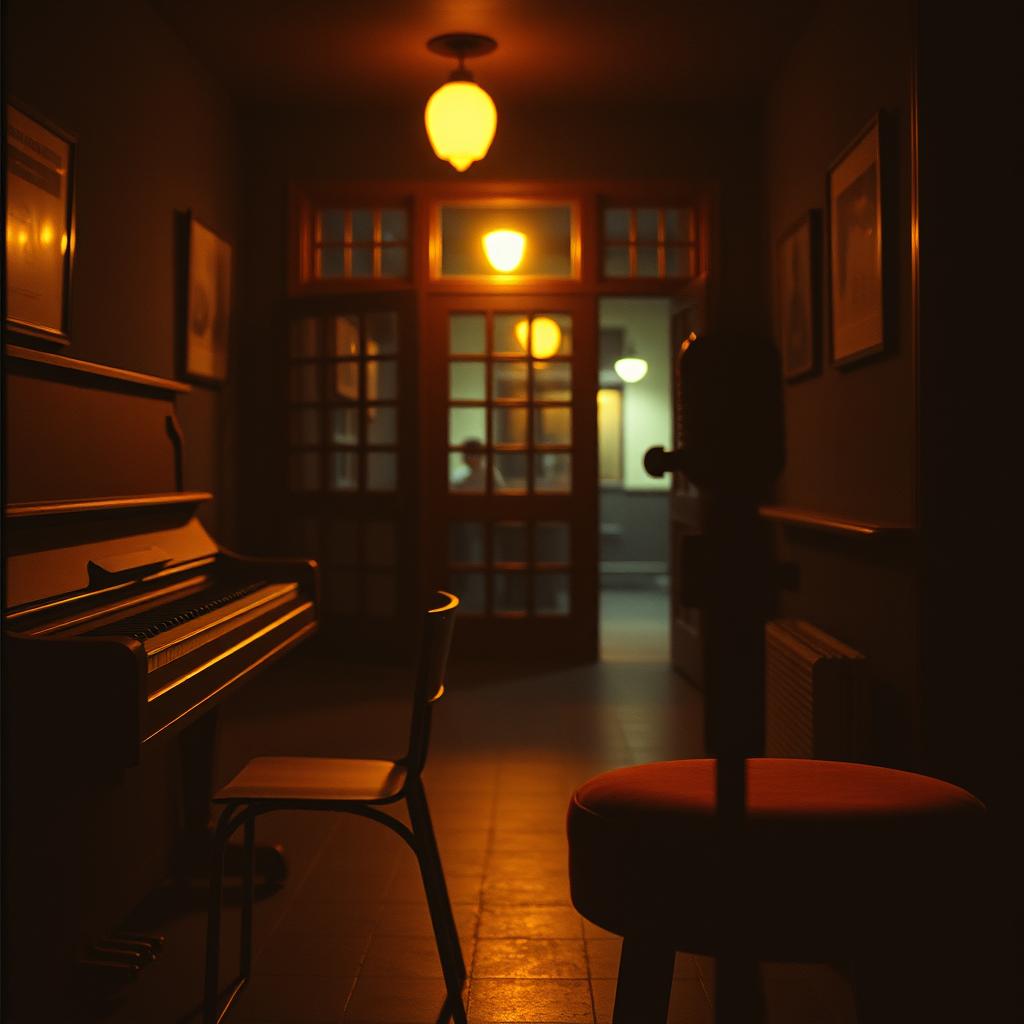
Slow, moody 1950s crooner jazz ballad (~58–64 BPM) with no swing—just a steady, sighing pulse, Arrangement built around piano playing soft extended chords, upright bass sustaining gentle notes rather than walking, and brush drums whispering time with snare swirls and cymbal shimmers, Add muted trumpet or tenor sax for mournful fills, plus a small string ensemble or vibraphone for warmth and atmosphere, Lead vocal: deep male baritone, intimate and world-weary, recorded close to a vintage ribbon mic—smooth breath control, subtle vibrato, phrasing conversational but aching, Capture that “2 a, m, at the empty bar” tone: quiet, honest, resigned, Mix mono or narrow stereo, warm tube saturation, minimal reverb so the voice feels inches from the listener, Overall mood: wistful, reflective, lonely elegance—Sinatra after the crowd’s gone home
3:12
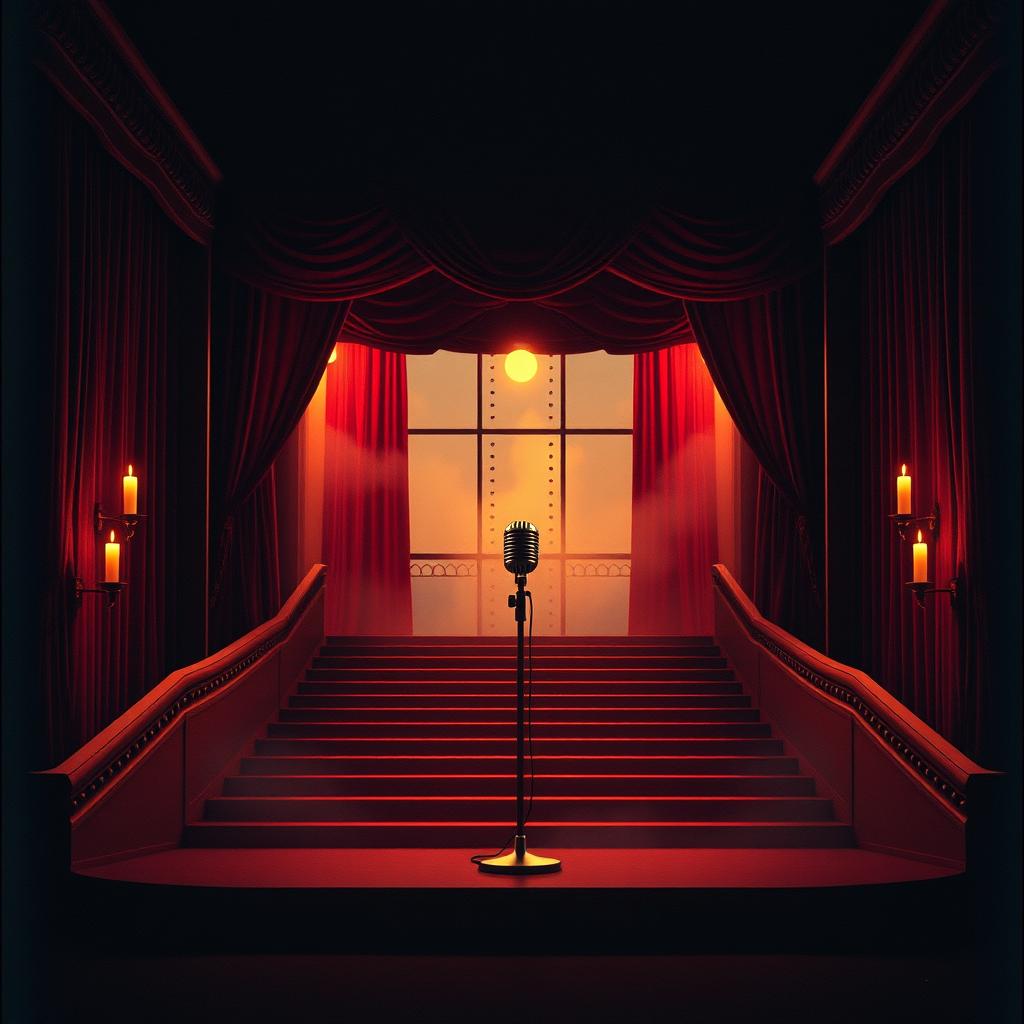
Slow, dramatic orchestral theatrical ballad (~60–68 BPM) inspired by The Phantom of the Opera, Full symphonic arrangement with strings (violins, violas, cellos) carrying long, emotional legato lines; French horns and trombones adding depth; timpani and bass drum for grandeur; harp and pipe organ accents creating gothic atmosphere, Piano anchors the harmony with rich minor chords and gentle arpeggios, Lead vocal: male tenor in the style of Michael Crawford—warm yet commanding, trained theatrical tone, crystal diction, strong controlled vibrato, dynamic range from hushed confession to powerful sustained high notes, Record vocal dry and forward, adding cathedral-style reverb to blend with the orchestra for scale, The phrasing should feel lived, dramatic, and sincere—never operatic excess, just pure musical theater emotion, Mix for cinematic width and depth: lush midrange, soaring highs, and a resonant low end, Mood: tragic romance, timeless drama, haunting beauty echoing in candlelight
3:19
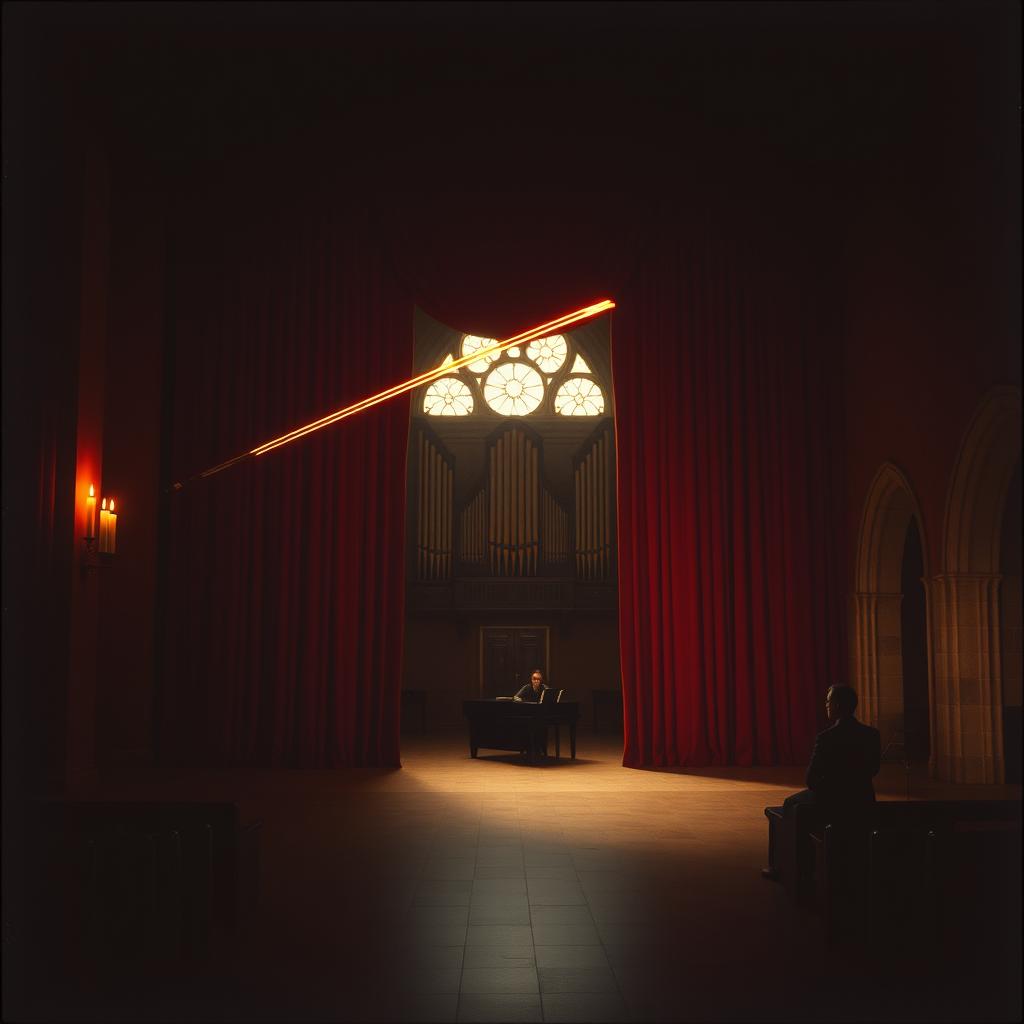
Slow, dramatic orchestral theatrical ballad (~60–68 BPM) inspired by The Phantom of the Opera, Full symphonic arrangement with strings (violins, violas, cellos) carrying long, emotional legato lines; French horns and trombones adding depth; timpani and bass drum for grandeur; harp and pipe organ accents creating gothic atmosphere, Piano anchors the harmony with rich minor chords and gentle arpeggios, Lead vocal: male tenor in the style of Michael Crawford—warm yet commanding, trained theatrical tone, crystal diction, strong controlled vibrato, dynamic range from hushed confession to powerful sustained high notes, Record vocal dry and forward, adding cathedral-style reverb to blend with the orchestra for scale, The phrasing should feel lived, dramatic, and sincere—never operatic excess, just pure musical theater emotion, Mix for cinematic width and depth: lush midrange, soaring highs, and a resonant low end, Mood: tragic romance, timeless drama, haunting beauty echoing in candlelight
3:16
4:19
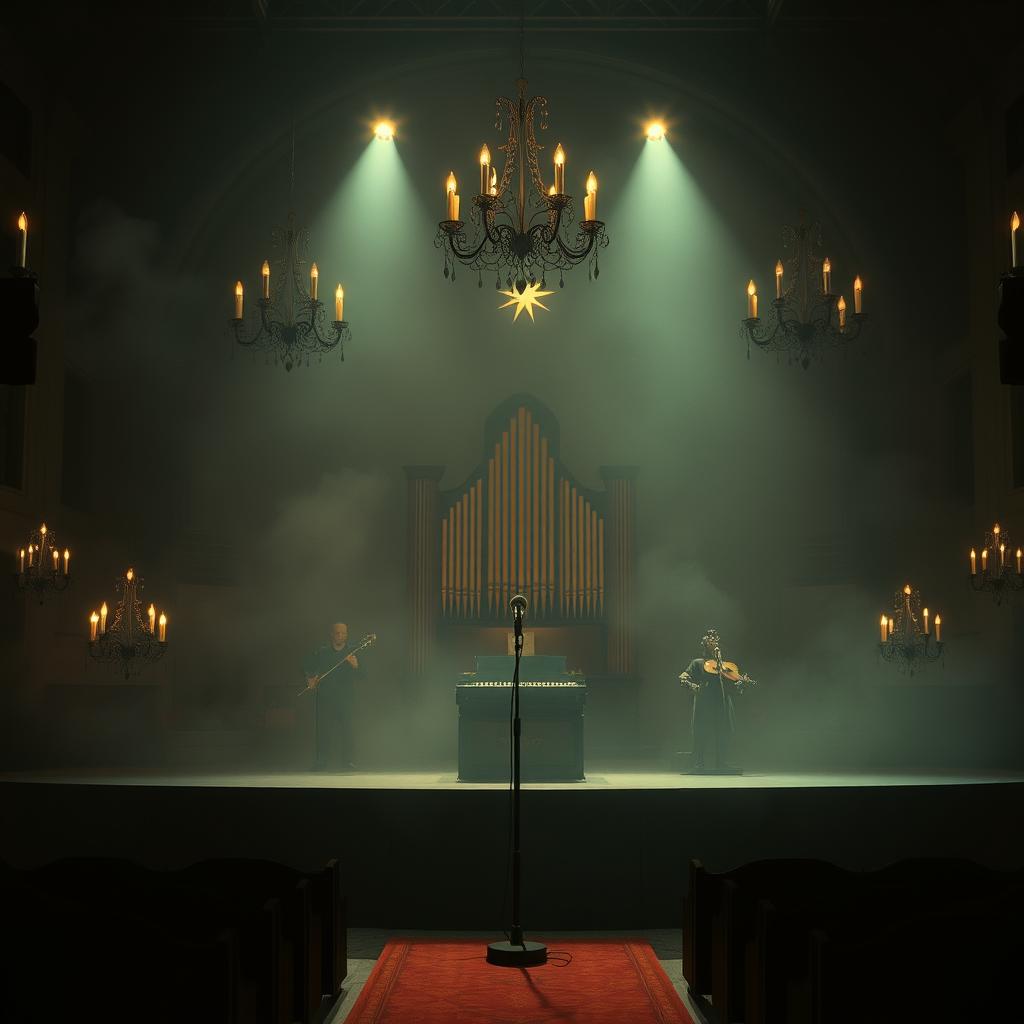
Slow, dramatic orchestral theatrical ballad (~60–68 BPM) inspired by The Phantom of the Opera, Full symphonic arrangement with strings (violins, violas, cellos) carrying long, emotional legato lines; French horns and trombones adding depth; timpani and bass drum for grandeur; harp and pipe organ accents creating gothic atmosphere, Piano anchors the harmony with rich minor chords and gentle arpeggios, Lead vocal: male tenor in the style of Michael Crawford—warm yet commanding, trained theatrical tone, crystal diction, strong controlled vibrato, dynamic range from hushed confession to powerful sustained high notes, Record vocal dry and forward, adding cathedral-style reverb to blend with the orchestra for scale, The phrasing should feel lived, dramatic, and sincere—never operatic excess, just pure musical theater emotion, Mix for cinematic width and depth: lush midrange, soaring highs, and a resonant low end, Mood: tragic romance, timeless drama, haunting beauty echoing in candlelight
4:33
Slow, dramatic orchestral theatrical ballad (~60–68 BPM) inspired by The Phantom of the Opera, Full symphonic arrangement with strings (violins, violas, cellos) carrying long, emotional legato lines; French horns and trombones adding depth; timpani and bass drum for grandeur; harp and pipe organ accents creating gothic atmosphere, Piano anchors the harmony with rich minor chords and gentle arpeggios, Lead vocal: male tenor in the style of Michael Crawford—warm yet commanding, trained theatrical tone, crystal diction, strong controlled vibrato, dynamic range from hushed confession to powerful sustained high notes, Record vocal dry and forward, adding cathedral-style reverb to blend with the orchestra for scale, The phrasing should feel lived, dramatic, and sincere—never operatic excess, just pure musical theater emotion, Mix for cinematic width and depth: lush midrange, soaring highs, and a resonant low end, Mood: tragic romance, timeless drama, haunting beauty echoing in candlelight
4:11

3:54
Slow, dramatic orchestral theatrical ballad (~60–68 BPM) inspired by The Phantom of the Opera, Full symphonic arrangement with strings (violins, violas, cellos) carrying long, emotional legato lines; French horns and trombones adding depth; timpani and bass drum for grandeur; harp and pipe organ accents creating gothic atmosphere, Piano anchors the harmony with rich minor chords and gentle arpeggios, Lead vocal: male tenor in the style of Michael Crawford—warm yet commanding, trained theatrical tone, crystal diction, strong controlled vibrato, dynamic range from hushed confession to powerful sustained high notes, Record vocal dry and forward, adding cathedral-style reverb to blend with the orchestra for scale, The phrasing should feel lived, dramatic, and sincere—never operatic excess, just pure musical theater emotion, Mix for cinematic width and depth: lush midrange, soaring highs, and a resonant low end, Mood: tragic romance, timeless drama, haunting beauty echoing in candlelight
4:08

Mid-tempo modern R&B/hip-hop groove (~86 BPM) built around a chopped, pitched sample of a 1950s doo-wop chorus (“I Found a Girl”), Layer warm analog drums with crisp snare, deep 808s, and subtle vinyl crackle, Add Rhodes electric piano, muted guitar, and atmospheric pads to bridge eras, Lead male vocals: smooth baritone with rap-adjacent phrasing; stacked harmonies echo the vintage sample, Mix wide, with the sample filtered in the intro and full-bandwidth in the choruses, Mood: nostalgic but current — think smoke, city lights, and late-night heartbeat
3:12
Mid-tempo modern R&B/hip-hop groove (~86 BPM), Layer warm analog drums with crisp snare, deep 808s, and subtle vinyl crackle, Add Rhodes electric piano, muted guitar, and atmospheric pads to bridge eras, Lead male vocals: smooth baritone with rap-adjacent phrasing; stacked harmonies echo the vintage sample, Mix wide, with the sample filtered in the intro and full-bandwidth in the choruses, Mood: nostalgic but current — think smoke, city lights, and late-night heartbeat

3:34
Very slow, Intimate, late-night solo male vocal and guitar performance, Haunting, breathy delivery with fragile falsetto, soft crackle in emotional peaks, and tender, floating phrasing, Finger-picked electric guitar with clean tone, gentle reverb, light tremolo shimmer, and occasional natural harmonics, Slow pace, deep pauses, and space for silence to breathe, Mood: aching nostalgia, quiet longing, spiritual stillness, moonlit river melancholy, No percussion, No bass, Organic room sound like a tiny club after midnight — warm air, close mic, soft ambient hum, Subtle dynamics, never loud or busy, Minimalist, reverent, personal, Let every note feel like a confession and every breath feel like a prayer whispered to the dark
2:27
2:12
2:08

2:53

90's/2000's Pop Boy Band remix with multiple male vocalists