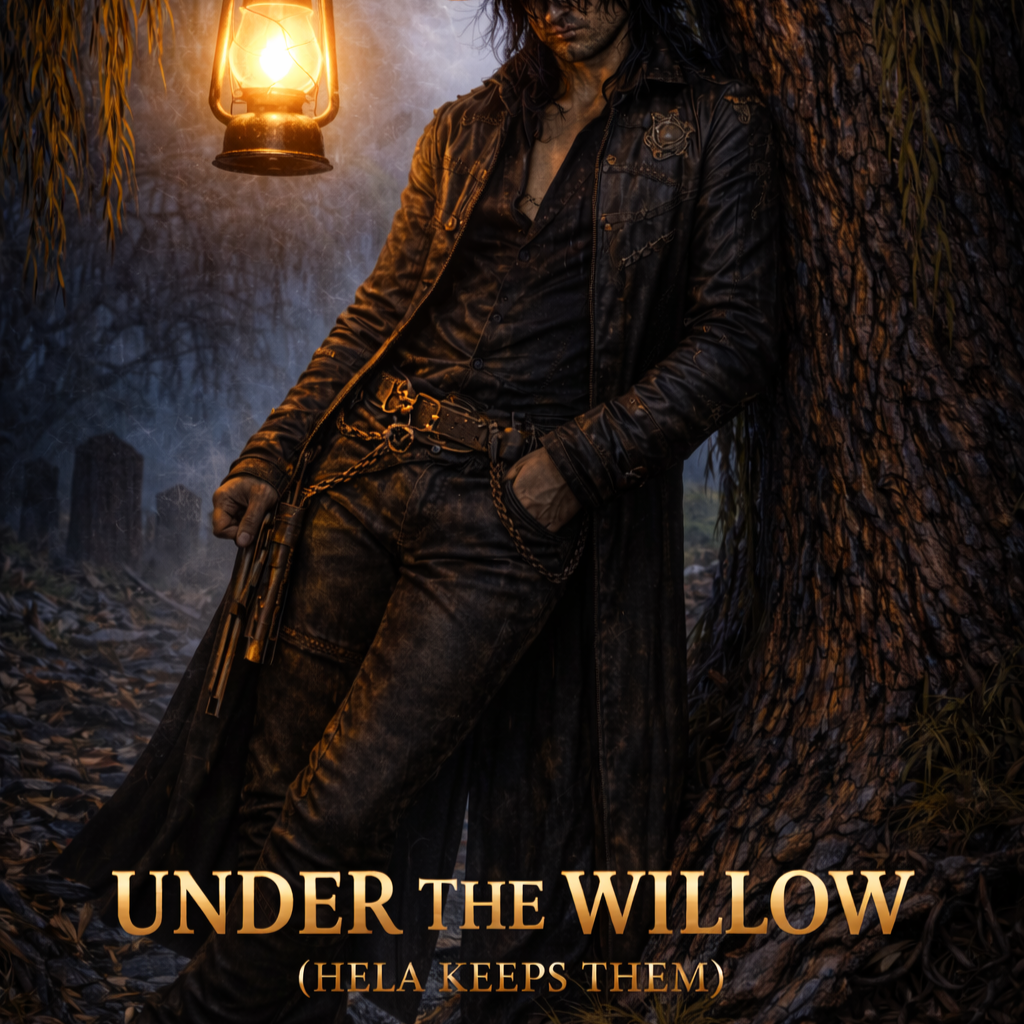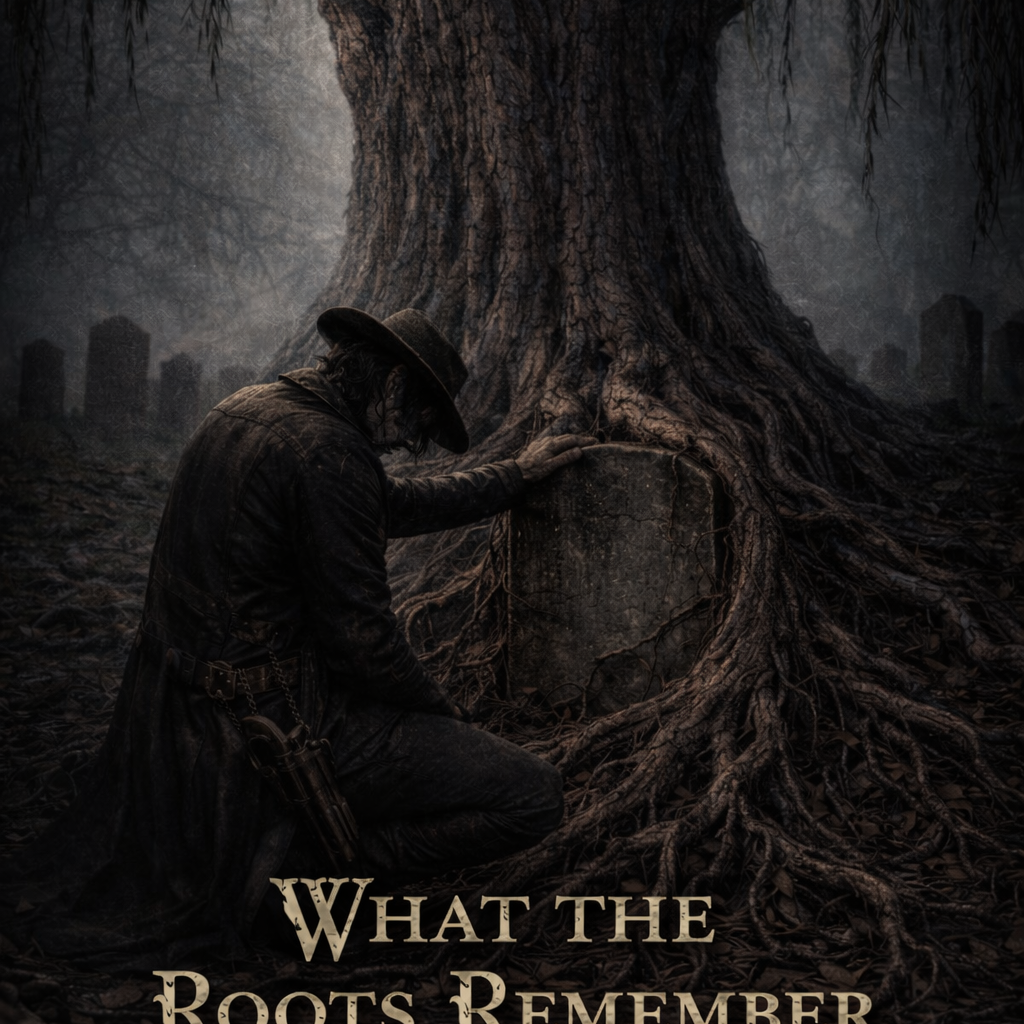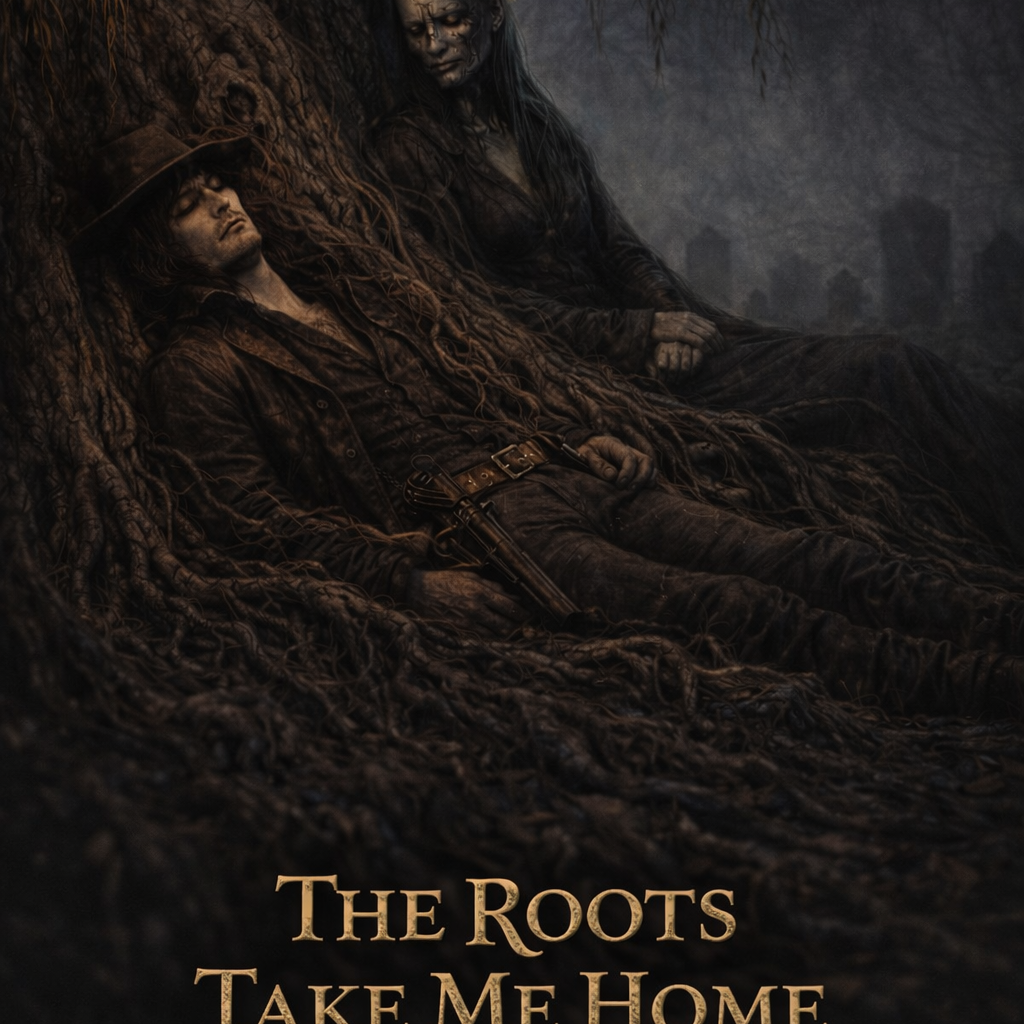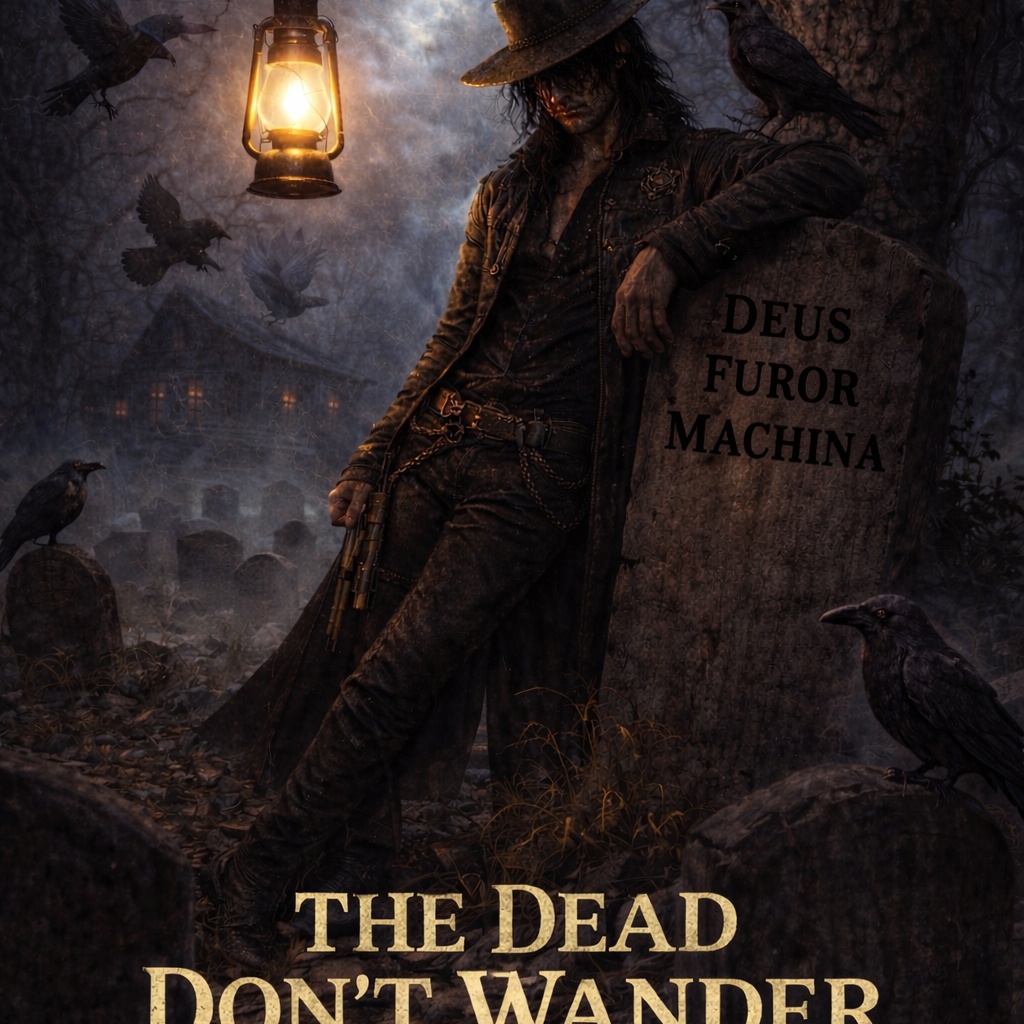
The Dead Don't Wander EP
Songs from where the road ends. Lanterns burn low, grief settles, and nothing asks to be named. The Dead Donโt Wander EP listens to stillness instead of running from it.

4:36

5:37

A dark, roots-driven folk ballad grounded in tradition, memory, and quiet endurance, Tempo moves slow and deliberate (60-72 BPM), carrying weight rather than momentum, Acoustic guitar anchors the song with a warm, woody tone, joined sparingly by upright bass and brushed percussion used to mark gravity, not drive, Fiddle or pedal steel appear briefly as distant, mournful voices-rising and fading like memory, Vocals are male-led, weathered, and restrained, delivered with lived-in authority and narrative phrasing, There is no polish or melodrama-silence, breath, and held notes carry as much meaning as the words, Harmonies, if present, are minimal and ghostlike, The atmosphere is somber, earthy, and reverent, rooted in American folk tradition and generational memory, There is no resolution or uplift; the song remains still and heavy to the end, This is music about staying, remembering, and bearing witness-where loss does not disappear, but settles into the land
6:19

A slow, somber dark folk ballad that serves as the final installment of a grief trilogy, centered on quiet death, acceptance, and belonging, Tempo remains restrained at 55-65 BPM, moving with the weight of breath rather than rhythm, Instrumentation is minimal and earthy: low piano or acoustic guitar, distant sustained strings or drone, subtle ambient textures, and long stretches of intentional silence, Percussion is sparse or absent, used only as a faint pulse when necessary, Male vocals are intimate, fragile, and close-micโd, often hovering between sung and spoken delivery, emphasizing exhaustion over drama, Lyrical themes explore rest without peace, death without fear, and the act of finally laying oneโs weight down, The presence of Hela is calm and unjudging, felt rather than announced, Mood is solemn, grounded, and ritualistic-an ending that does not resolve pain, but allows it to settle into the earth and become still
4:57

A dark folk/bluegrass-influenced ballad built as a quiet epilogue rather than a climax, moving at a slow, steady pace around 60-78 BPM, The arrangement is sparse and airy: acoustic guitar and low resonant strums carry the harmony, supported by subtle upright bass, brushed percussion, and occasional distant fiddle or pedal steel used for atmosphere rather than melody, There are no dramatic builds-only forward motion and space, Vocals are male, intimate, and calm, delivered with a restrained, almost weightless tone, as if spoken from beyond the body, Phrasing is deliberate and unhurried, allowing silence to breathe between lines, Background harmonies are minimal and ghostlike, entering briefly in later sections before fading away, The mood is reflective, inevitable, and gently transcendent-neither mournful nor triumphant