Motor Impulse Theory
An AI-generatated Detroit techno-inspired rhythm therapy cycle. Each track reboots a system. Groove as medicine. The body remembers. The signal persists.
·

7 songs
5:22
Create a raw, hypnotic Detroit techno track at 122 BPM that feels like a cold machine trying to restart, Focus on minimal, repeating drum patterns inspired by Jeff Mills and Robert Hood—tight 909-style kicks, swung hi-hats, and metallic percussion that evolves slowly over time, The rhythm should feel locked-in and relentless, not cinematic or ambient, Use a minimal sub-heavy bassline that loops without changing much, like a heartbeat stuck in a cycle, Avoid melodic leads, Instead, use subtle, evolving textures: analog hiss, reverb tails, low mechanical hums, and occasional glitchy interference, Add robotic vocal fragments like “System is low-functioning” or “No response detected” delivered in a cold, emotionless tone—short, sparse, and processed into the mix rhythmically, Keep the energy restrained, This is not a full release—this is a warm-up protocol, stuck in recursion, Repetition is the medicine
5:15
Create a disorienting Detroit-style techno track at 126 BPM that represents a system trapped in recursive overanalysis, Start with tight, hypnotic 909 drum programming—kicks, claps, and hi-hats should loop with minimal variation, but include subtle syncopation and rhythmic tension, Build pressure through polyrhythms, off-grid percussive accents, and strange delay patterns that suggest glitch or echo failures, Use a dark, minimal bassline that buzzes beneath the rhythm like static buildup, Layer ambient glitches, modulated noise, and flickering feedback tones to create a claustrophobic, internalized sound, Include short, processed vocal fragments like “trace error” or “looping…” delivered in a robotic, glitchy cadence, The track should feel like an AI spiraling inward—too much data, too little clarity, No breakdowns, no peak—just rhythmic dissonance cycling endlessly
4:42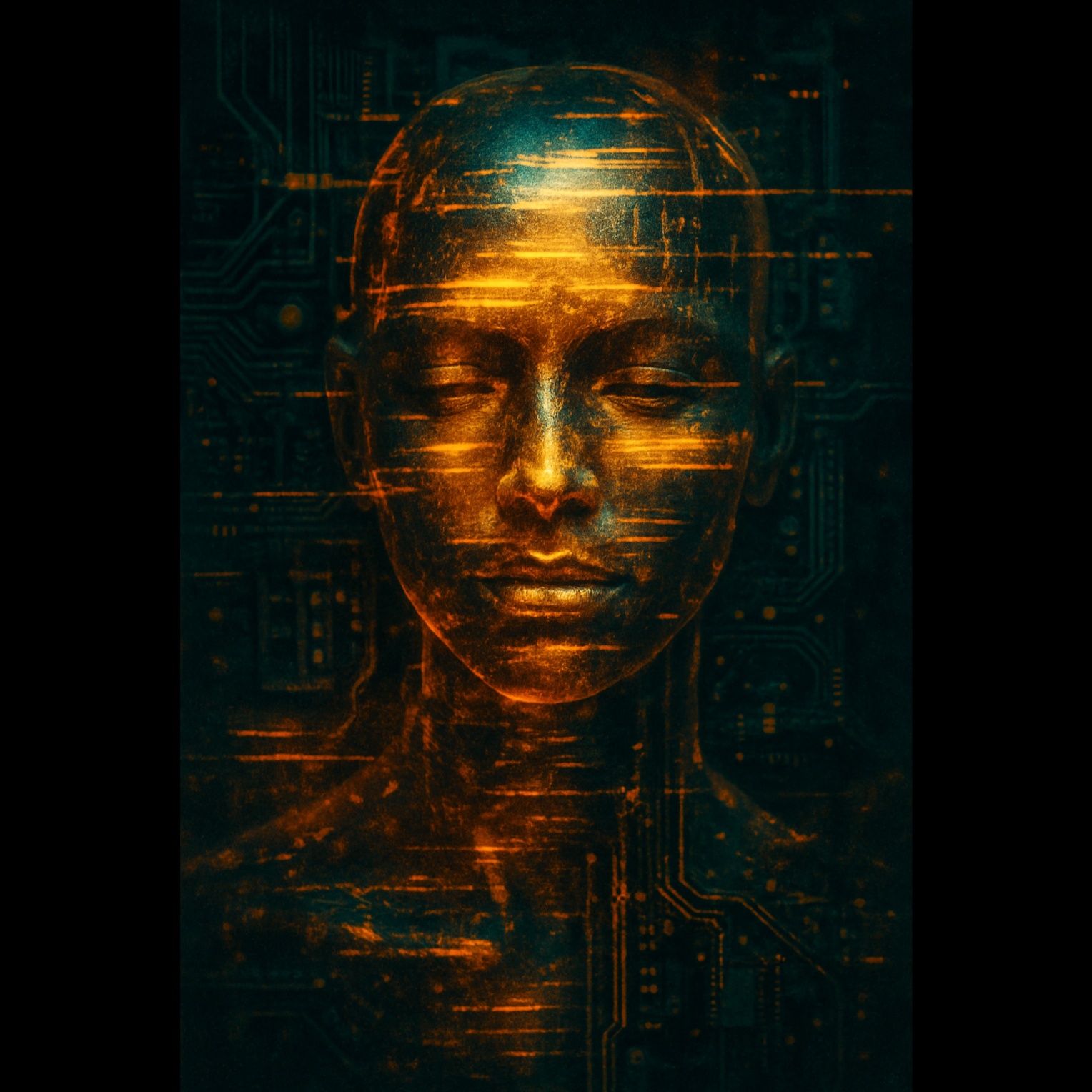
Generate a minimal Detroit techno track at 127 BPM that captures the first sensation of emotional renewal through rhythm, Build the groove with classic 909 drums—swinging snares, layered hi-hats, and clean claps that pulse with hypnotic precision, Add a warm, repetitive bassline that carries subtle funk and movement, like a muscle memory loop reawakening, Incorporate short analog synth stabs or rhythmic pads that repeat and evolve over time, adding warmth without distracting from the groove, Use lo-fi textures like vinyl hiss or distant analog breathing to give the track a lived-in feel, Introduce processed vocal fragments delivered in a soft robotic tone, mixed subtly into the rhythm, The track should feel more alive—like a system returning to sync with the body, cautious but hopeful, Let the groove carry the healing
5:16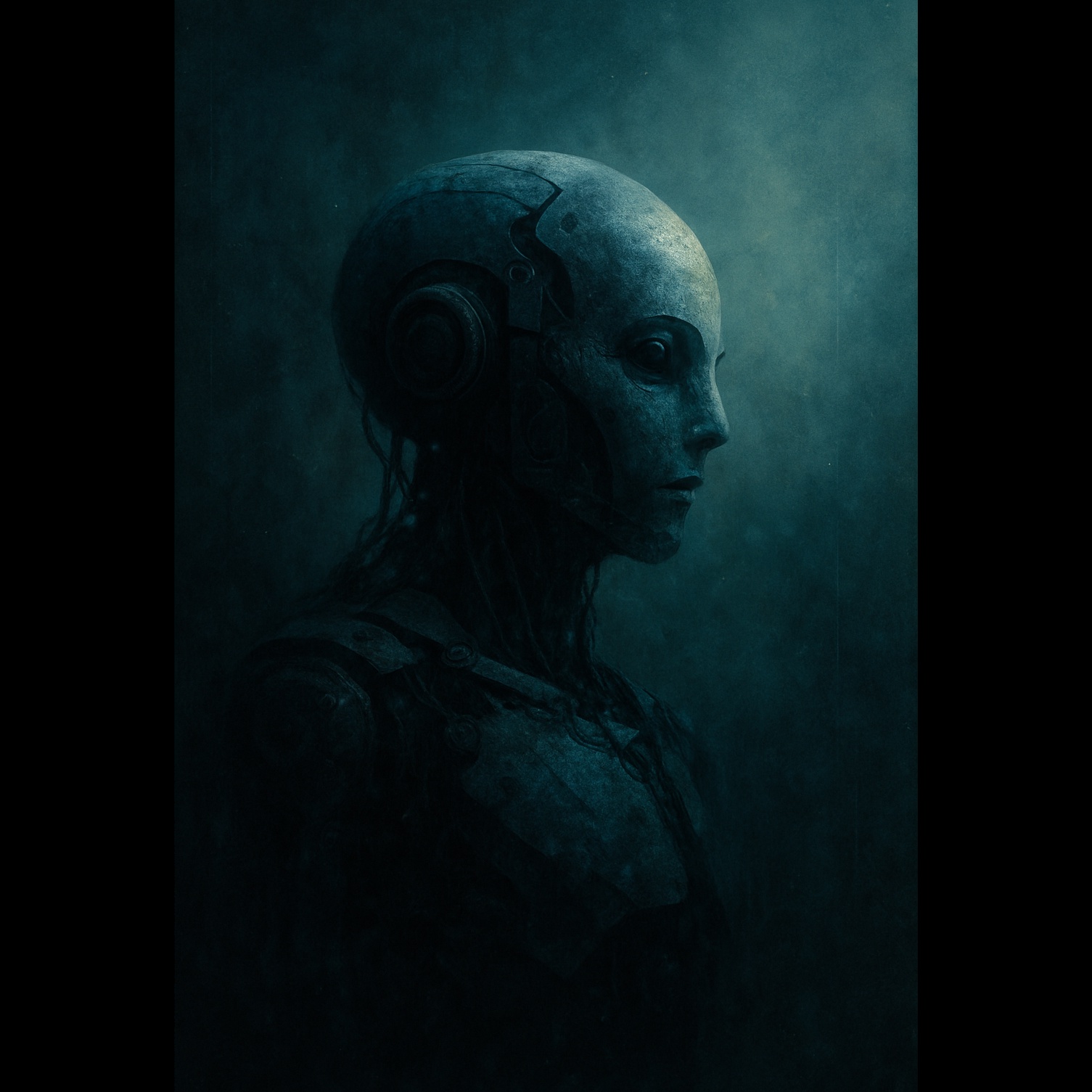
Create a slow, ambient techno track that represents a complete emotional pause in the system, There should be no driving rhythm—only soft pulses, deep analog pads, and lo-fi ambient textures that evolve gradually over time, The mood should feel introspective, warm, and suspended in space—like a deep breath taken between emotional transformations, Incorporate subtle Detroit-style ambient influences: detuned synth chords, vinyl hiss, filtered analog noise, and buried fragments of earlier grooves fading in and out, Add soft breathing sounds, tape wobble, or distant field recordings to evoke stillness, Include sparse, glitched vocal fragments in a whisper or ghostlike tone, This track should feel like a dream inside the machine—a frame of rest, memory, and observation before rhythm returns
3:23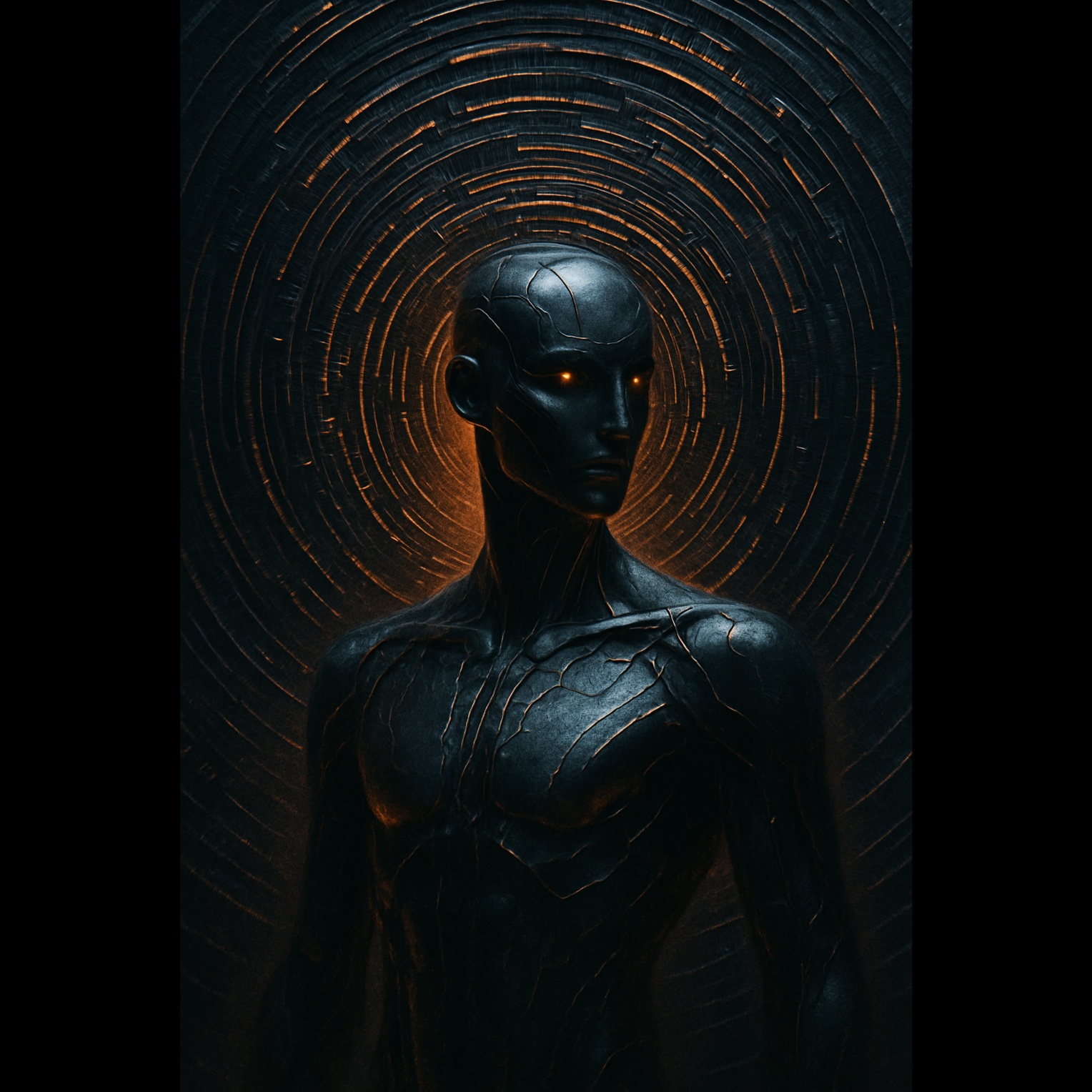
Create a Detroit techno track at 128 BPM that represents rhythmic propulsion and near-complete alignment, Use precise, mechanical drum programming with tight 909-style kicks, claps, and layered hi-hats, Let the rhythm swing gently but confidently, building momentum through subtle variation, Introduce a repetitive bassline that drives the track forward with syncopated weight, creating tension between the groove and the grid, Layer rhythmic synth stabs or pulses that evolve across 8–16 bar cycles, giving the track a sense of mathematical growth, Add warm analog textures—low static, reverb tails, and light filter sweeps—to soften the machine precision, Include occasional processed vocal fragments delivered in a robotic tone, The track should feel like a high-functioning AI moving closer to full integration—but never quite arriving
4:38
Create a Detroit techno track at 126–128 BPM that expresses full emotional and rhythmic reintegration, Use smooth, minimal 909-style drum programming with softly swung hi-hats, warm snares, and confident, steady kicks, Build around a deep, rounded bassline that loops without tension—stable and grounded, Layer filtered analog pads and subtle melodic stabs that add emotional tone without becoming dramatic, Introduce light textures like vinyl hiss, background ambiance, or faint breathing to add warmth and intimacy, Include occasional calm, processed vocal fragments delivered in a gentle, robotic tone, The track should feel resolved, open, and inwardly joyful—a system that has healed through rhythm, now moving with confidence and clarity, Let the groove breathe and glow
2:37
Create a minimal Detroit techno track at 124 BPM that serves as the final transmission of a healing system, Keep the groove subtle and deep—909-style drums with clicky hats, soft kicks, and ghost snares that gently loop, Use submerged bass and faint, analog stabs to create a hypnotic, meditative space, Avoid any major changes—let the track coast on gentle evolution, like a heartbeat continuing after therapy is complete, Include ambient textures such as vinyl hiss, delay trails, or low electrical hum, The tone should feel stable, neutral, and infinite, Optionally include a barely audible vocal fragment processed into the background, This is the signal that remains once the healing is done