

5:05

九尾の狐と少年 #Mythical 🦊
v4.5+
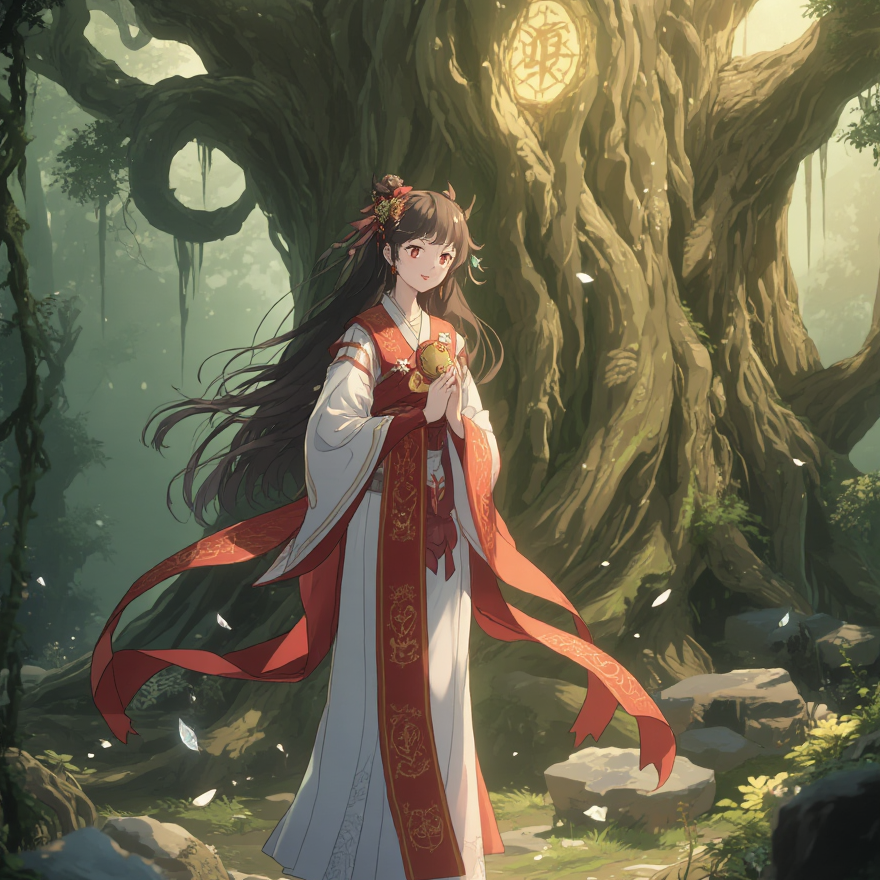
A slow, mythic Japanese ballad evoking ancient folklore and divine spirits, Inspired by Shinto legends, yokai tales, and sacred forest rituals, Features traditional instruments like koto, shakuhachi, taiko, and hinoki wood percussion, Soundscape includes mist, wind, distant bells, and reverb-drenched ambient layers, Vocals by a soft, youthful Japanese male voice—ethereal, breathy, and solemn, The atmosphere is spiritual, mystical, and otherworldly—like a forgotten god’s lullaby
4:25
A Japanese traditional (yōgaku-inspired) song in the Yona-nuki or D minor scale opens with koto and suzu bells, shakuhachi weaving a delicate intro, Shinobue and koto guide the verse atop lush strings, The chorus swells as taiko and strings build, shakuhachi soaring, with layered soprano vocals, Bridge heightens tension with dramatic taiko and strings, Outro returns to koto, bells, and fading nature sounds, while synth pads and harp arpeggios add ambient depth throughout, Pristine production merges ancient textures and modern clarity, enveloped in flowing wind, leaves, and stream ambience
5:02
九尾の涙
v4.5+
- Emotion: Dark and sorrowful with strong feelings of vengeance; at the last part, mix with nostalgia and tender sadness, - Pitch & Intonation: Calm and low during verses; powerful and intense during choruses; soft and slightly trembling at the last lines, - Dynamics & Pacing: Slow and measured in quiet parts; faster and stronger in anger or revenge parts; controlled rise and fall in emotional peaks, - Expression: Convey deep emotion; use subtle growls or sharp emphasis for anger, softening for tender moments, - Tempo: Mid-tempo ballad feel (BPM ~70-80), - Volume Variation: Emphasize lines like "Haha no namida wa kooritsuku" and "Fukushuu no honoo wo moyashi tsudzukeru"; soften lines like "Haha wa dakishimeru tame ni ugoku", - Notes: Keep rubi readings to assist pronunciation, Highlight emotional peaks and soften tender resolutions for natural dramatic flow
5:22
命を抱く九つの尾
v4.5+
Japanese traditional epic, Gagaku instruments (shō, hichiriki, ryuteki, kagura suzu, biwa, taiko), cinematic, dramatic progression with emotional dynamics
4:07
九つの尾の祈り
v4.5+
Traditional Japanese orchestral, cinematic, solemn and emotional, Use shō, koto, biwa, taiko (subtle), wind textures, Female vocal, expressive and narrative
6:03

尾に抱かれた、最後の夢
v4.5+
A sorrowful and mystical Japanese-inspired ballad with a strong sense of tragedy and maternal love, Use traditional Japanese instruments such as koto, shamisen, shakuhachi, and taiko, layered with faint modern cinematic strings and deep choirs, Tempo: slow to medium, flowing like wind through a forest, with a mournful yet dignified atmosphere, Vocal style: young boy’s fragile and emotional voice, sometimes trembling, sometimes crying out, occasionally whispered as if remembering, Add female background vocals like a distant memory, soft and ephemeral, echoing like the voice of the mother, Mood: melancholic, dramatic, sacred, filled with grief and resolve, Progression: Start soft with shakuhachi and koto, then gradually build with taiko and strings as emotions intensify, climax with powerful vocals, and fade out gently into silence, No modern pop beats, focus on ancient and ritualistic atmosphere