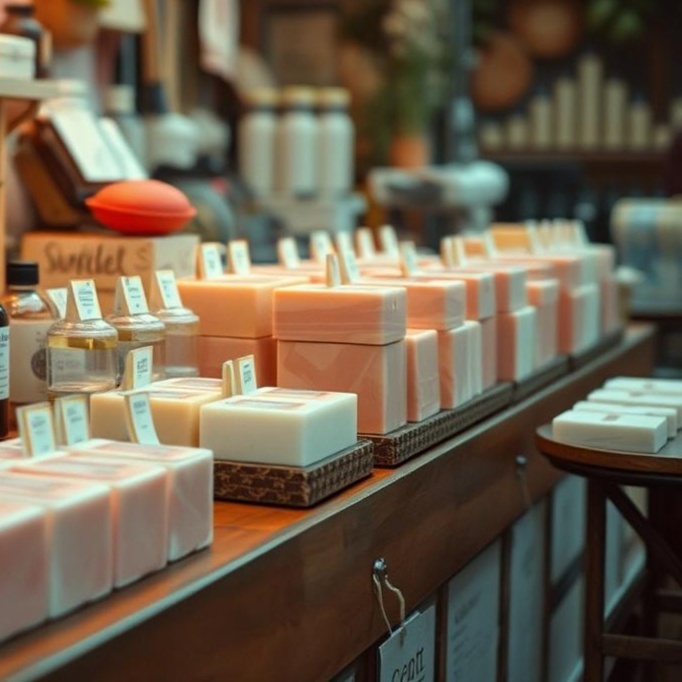
Antinea's Soaps and Oils
A collaboration with "Antinea Torok" and "Ancient Mutt" generated from roleplay within The Second Circle.
·

16 songs
4:23
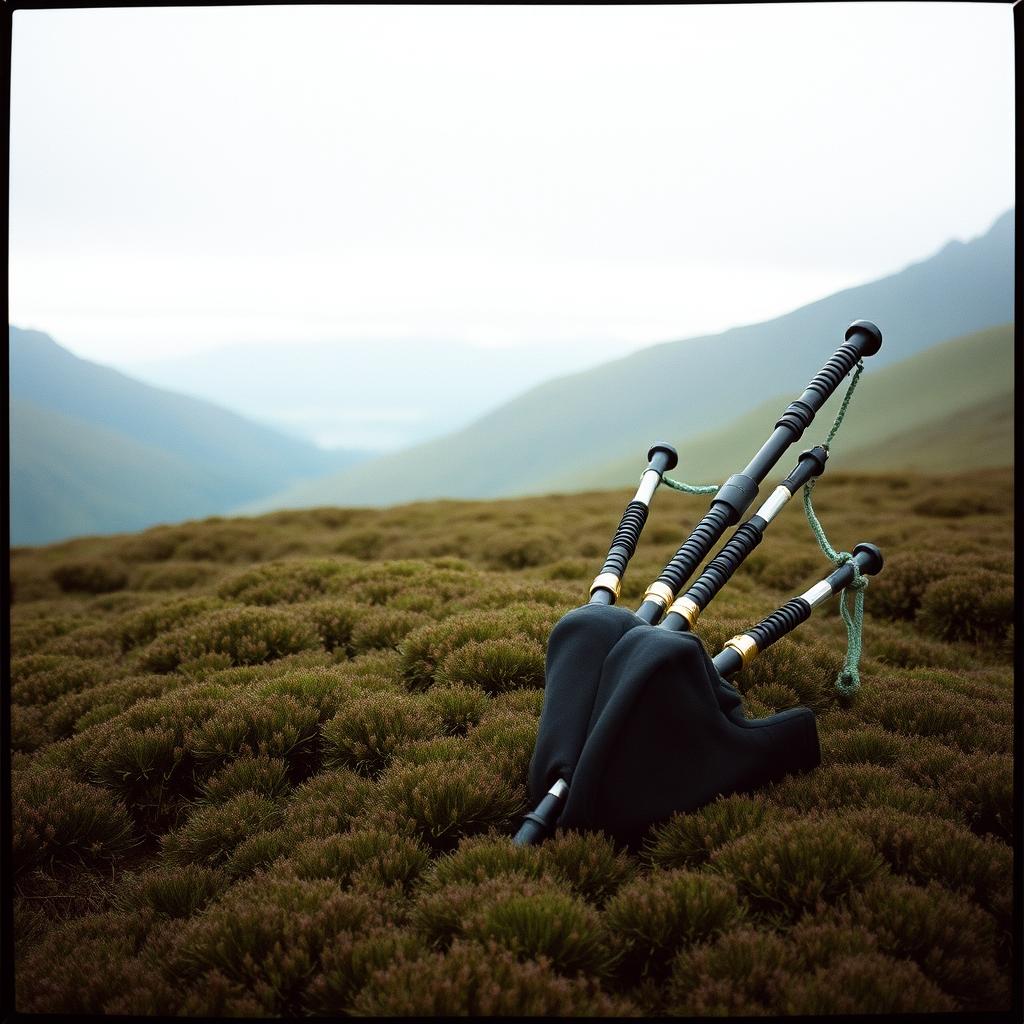
The Pipes Still Cry
v4.5+
Key Instruments
Bagpipes:
The Great Highland Bagpipe was iconic, used to rally soldiers, provide a war cry, and mark formations, The British government viewed them as "instruments of war" and banned them after the 1745 uprising to suppress Scottish culture, Clarsach:
This was Scotland's oldest national instrument, a type of harp, and it played a central role in Gaelic courts until the 18th century, suggesting its continued presence and use, Fiddle:
The violin family, including the fiddle, were also traditional instruments, There are examples of instruments that may have been made for Jacobite rebels, though provenance can be challenging to trace, Drums and Horns:
While less specific to the Jacobites, drums and horns were commonly used in warfare during this period to coordinate movements and motivate soldiers, similar to how they might have been used by Jacobite forces
4:08
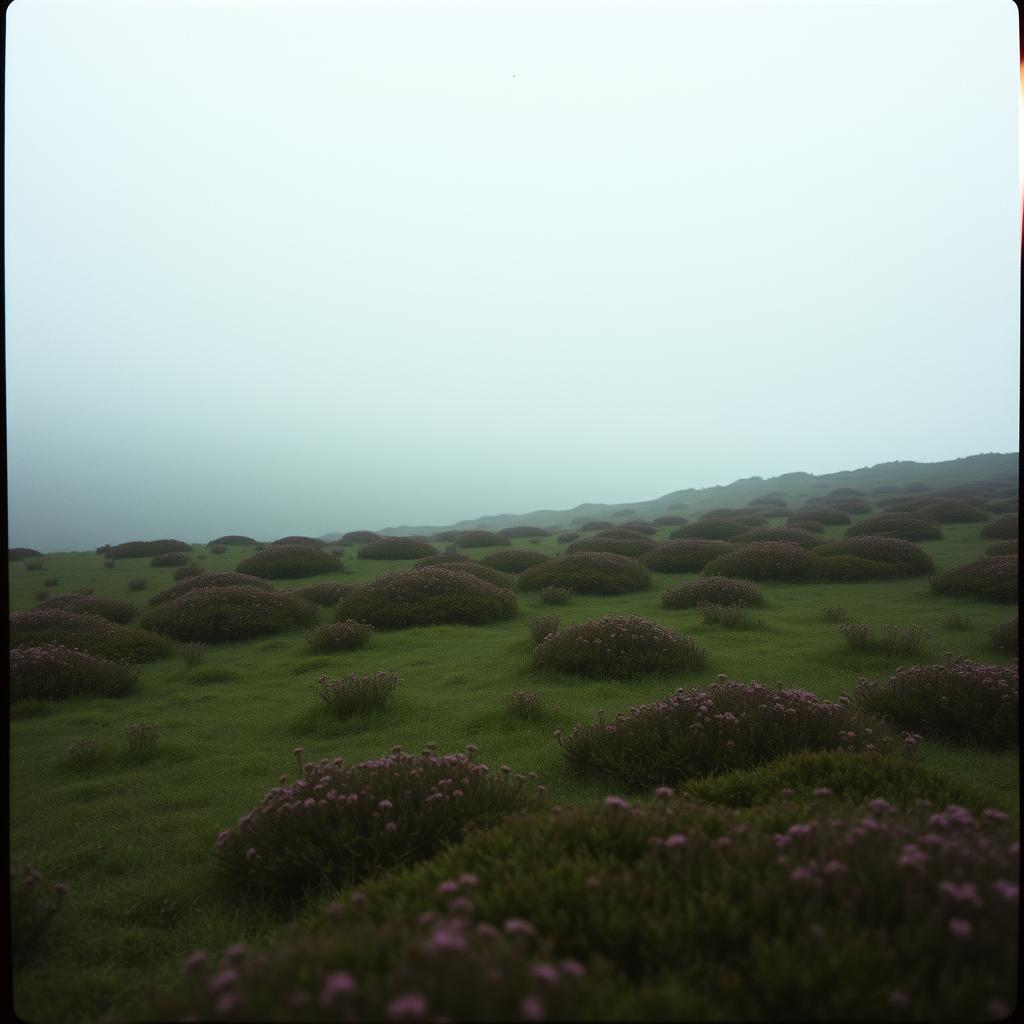
A haunting bagpipe solo introduces the track over subtle, distant snare and bass drum pulses, Flutes weave modal countermelodies, female leads with female choir, Violins and cellos gradually build a resonant drone, culminating in a wistful, unified, and fading march
4:55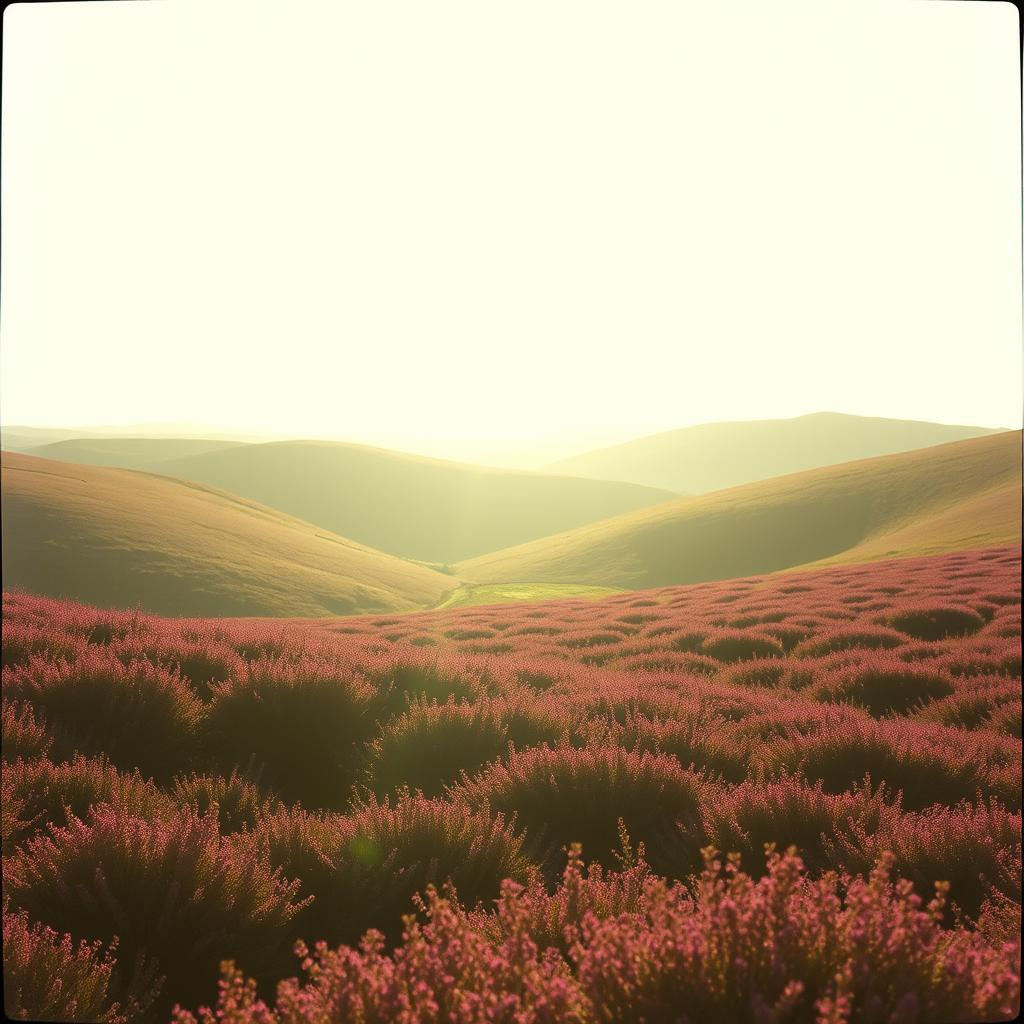
Delicate lute patterns weave gentle arpeggios, filling spacious silences that evoke the airy mountainside, The lilting Scottish female vocal glides with subtle ornamentation and a mournful, translucent resonance, conveying ethereal melancholy, Lute harmonics hint at fragrant, drifting notes
4:36
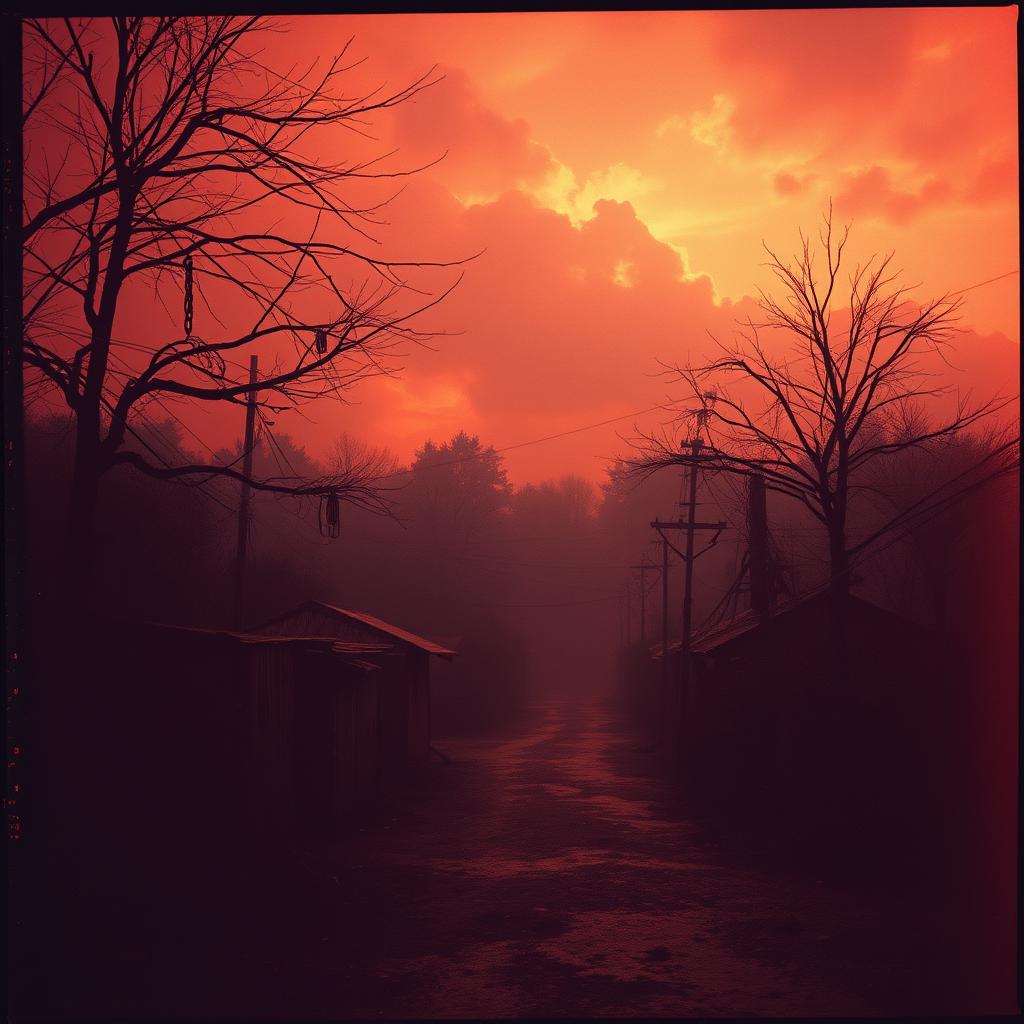
A folk-blues ballad, led by a soulful female voice with a French accent, opens with plucked lute and smoky, expressive melodies, Hurdy-gurdy drones create an ancient, organic texture, The arrangement stays intimate and solo, evoking bardic storytelling with subtle blues inflections
4:47
Emerald Grove
v4.5+
An ethereal piece opens with flowing water textures and delicate motifs, The lead instrument is a lute, accompanied by light hurdy-gurdy, glass armonica and mixed seraphim voices weave airy harmonies, while cello, double bass, and bassoon provide a resonant foundation, Shaman drum and tympanum pulse with a spacious, primal groove, uniting all forces
4:35
Iron Ember
v4.5+
~~ Iron Ember ~~
This fragrance is fire bound in stone, It opens with the sharp spark of ginger, bracing and alive, softened by the calm strength of lavender, At its core, sandalwood and myrrh entwine — deep, resinous, and timeless, carrying the weight of ancient temples and whispered oaths, Musk lingers in the base, primal and unyielding, a shadow that clings to the skin like a second presence, This is masculinity in its rawest form: bold, sensual, and enduring, a flame that smolders long after the first spark has passed
5:21
A slow bardic folk anthem, grounded by steady acoustic lute and resonant drums, unfolds with mournful cello weaving through modal melodies, Verses bloom with layered open-fifth harmonies and warlike percussion, A powerful female leads with muted affection, ending on a chilling solo vocal outro
5:03
So I Have Spoken
v4.5+
The song opens with sparse, light lute arpeggios and warm, resolute female vocals, Long instrumentals weave the melody and harmony together with symphonies, Ancient percussion—bodhrán and tympanum—establish a deep, earthy pulse, As the arrangement flows, the hurdy-gurdy introduces droning textures, and majestic organ tones from the Valère Basilica add grandeur to the chorus
5:47

A Hurdy-Gurdy weaves a droning, mournful lead amidst pulsing tympanum strikes, their deep resonance anchoring the track with primal power, Layers of Crotala add sharp, metallic punctuation while the Lituus delivers haunting brass swells, Sparse Lyra arpeggios echo in the shadows, Majestic, foreboding male chant weaves through dense neoclassical synth drones, interspersed by stark, ancient-styled spoken proclamations, resulting in a textured, ominous, and uniquely ancient-industrial soundscape
4:59
Genre: Celtic Folk Ballad, Ethereal Ambient, Fantasy Folk
Mood: Ethereal, gentle, enchanting, pure, magical, serene
Instrumentation: Prominent Irish Harp (flowing, arpeggiated melodies), Bodhrán (deep, rhythmic heartbeat), Tin Whistle (light, airy lead melody), Cello (long, sustained notes), layered high-pitched female vocal harmonies (choir-like, wordless chants)
3:57

Genre: Epic Orchestral Hymn, Sacred Choral, Classical Crossover
Mood: Majestic, transcendent, awe-inspiring, radiant, serene, divine, heavenly
Instrumentation: Full Pipe Organ (deep, resonant bass pedals, soaring treble stops, grand swells), Large Symphony Orchestra (sweeping strings, powerful brass section with Tuba and French Horns, timpani for impactful punctuation), Full Mixed Choir (singing powerful, wordless harmonies and Latin-esque chants), delicate Glockenspiel/Celesta (for shimmering light effects), occasional ancient Roman Lituus (for distinct, noble brass accents, but blended into the orchestra), ethereal synth pads (for otherworldly atmosphere)
13:40
The song opens with mournful piano and lilting strings, underpinned by deep, resonant pipe organ, Verses are sparse and sombre, building tension, Choruses feature distorted lyre, lute, and hurdy-gurdy chords, weaving majestic neo-classical and cinematic rock textures
6:26
Genre: Dark Cinematic Ballad / Ethereal Goth Rock, Instrumentation: Deep, echoing piano chords, sweeping, layered strings (violins and cellos), minimal, driving percussion (slow, heavy drum beat), Integrate a low, synthetic bassline to provide foundation, Vocals: Female Vocalist (Antinea's voice) with a clear, mezzo-soprano tone, Vocal Mixing: The main vocal track must be mixed slightly forward and crisp for maximum enunciation and clarity, The backing vocals (the echoed, single words) must be sung by a whispering, harmony vocal and treated with a heavy, lush, ethereal reverb and delay to create a haunted, inescapable atmosphere, Pacing: Start slow and sparse, building intensity in the Chorus, The Bridge should be the most emotionally dramatic section, Outro has a long, fading reverb trail
7:51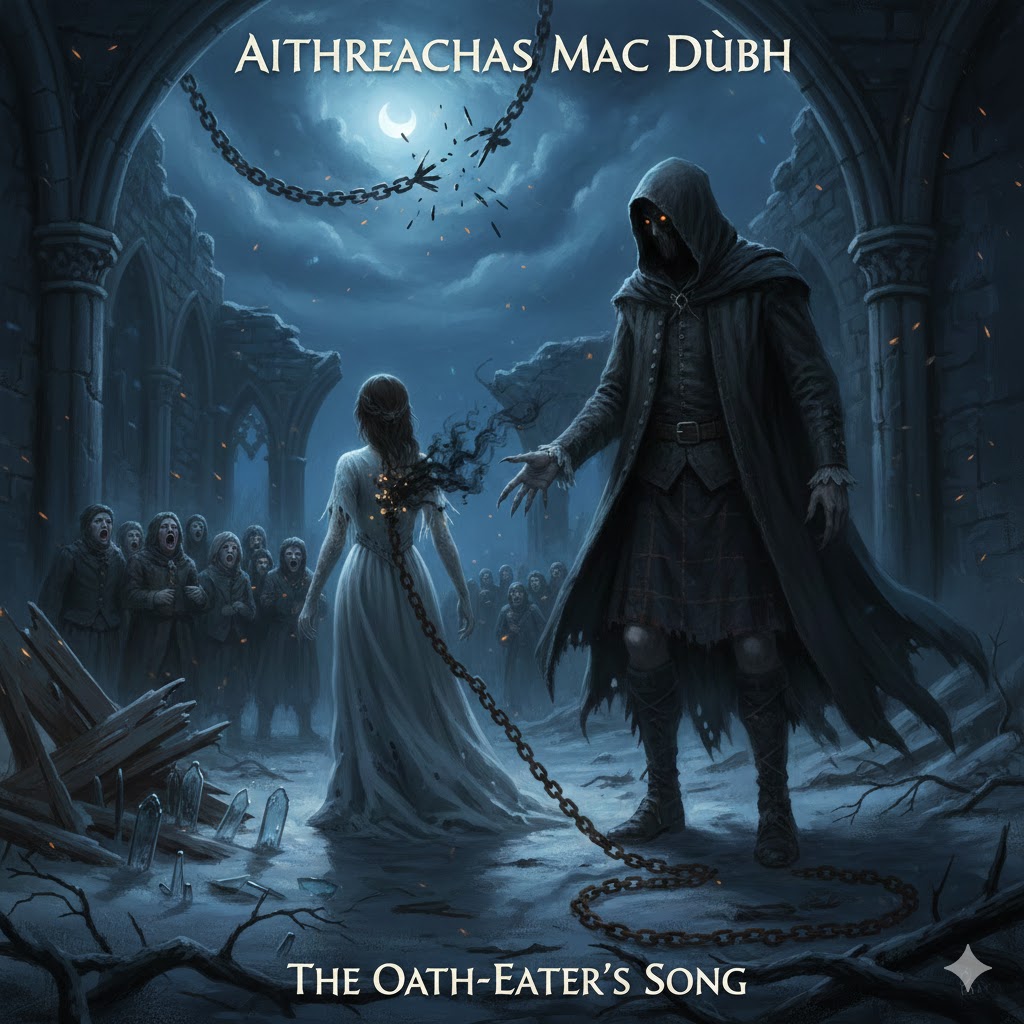
Dark Scottish Folk Ballad, Male Vocalist, Irregular 5/7 time signature, Pace is slow, deliberate, and mournful, The rhythm must be highly measured to ensure crisp enunciation of every syllable and clear phonetics, Key instrumentation: Amplified Double-Bass playing a heavy, uneven rhythm; National Reso-Phonic (Resonator) Aluminium Guitar playing cold, metallic, and sharp notes; Weeping Fiddle melody; Deep Bodhrán drum maintaining the limping 5/7 pulse; Subtle, haunting Low Drone, The mood is profound, metallic sorrow, reminiscent of a single malt aged in a cask of broken iron, Avoid rock crescendo or heavy distortion
3:52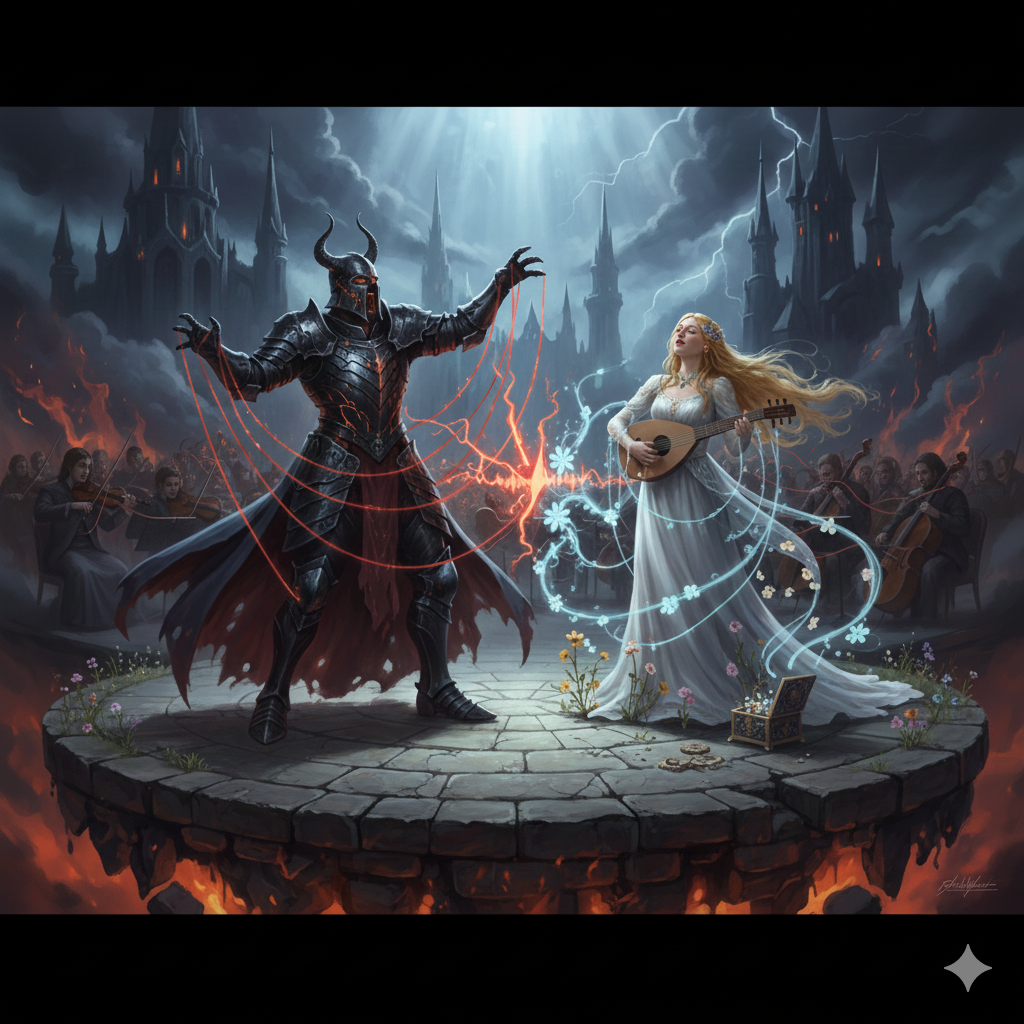
This production hinges entirely on a cruel dichotomy, Centurion must be High Operatic Grand Guignol—Wagnerian doom, gothic villainy, and a Dark Baritone, His music requires a tumultuous, dominant orchestra (Symphonic Goth/Opera) of aggressive piano, strings and epic horns, Antinea, the Bard, must be the tragic opposite: utterly saccharine, a crystalline Light Soprano, Her segments demand minimalist, gentle instrumentation (lute and light Acoustic Ballad), The transitions must be harsh, mechanical, and chillingly precise, Use the Trinket Music Box Glockenspiel cue not as a flourish, but as the metallic, binding signature of the Centurion's puppet mastery, The final mix must sound like a glorious opera being constantly violated by its hidden, clockwork master
5:59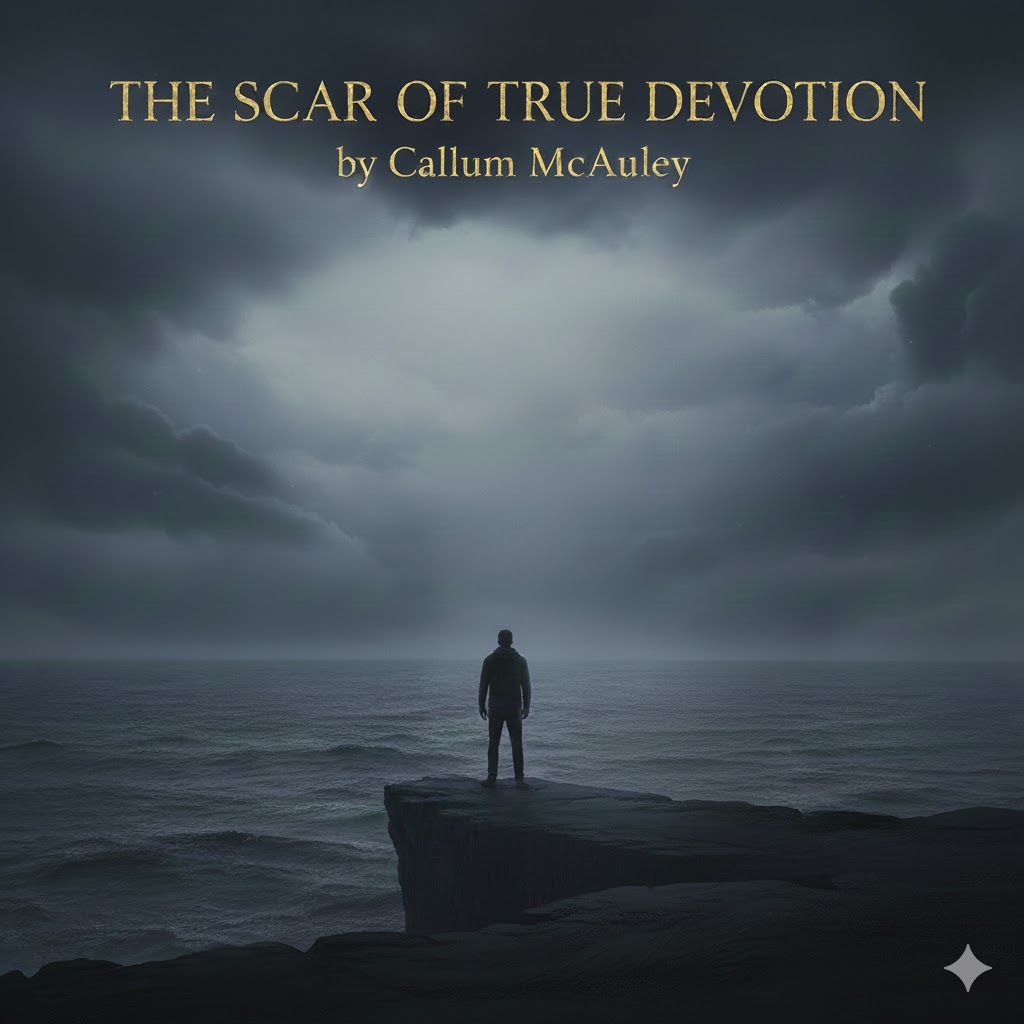
"A rare, cask-strength ballad, The initial nose is a dark, heavy Oboe and Clarinet, settling quickly into the solemn, earthy texture of the Double Bass, The body delivers profound melancholy, layered with a crystalline, echoing Fiddle that carries the pain, Hints of a small, reverent Choral harmony provide a momentary, spiritual lift, before the final, consuming taste of bitter, honest truth, "