Greatest Choruses: My Pick
A handpicked journey through my songs. Starting with high-energy hooks, moving through anthemic choruses and international variety, and ending on calmer tracks. First in the “My Pick” series.
·

61 songs
3:53
Plastic Skies
v4.5+
Era: 1996 stereo recording, UK Britpop
Voice: Young male, high baritone, theatrical vibrato, soaring phrasing, emotional projection, London accent
Style: Glam-Britpop, anthemic, high-tempo, melodic arc
Instrumentation: Bright electric guitar layers, melodic bassline, crisp acoustic drums, string pad swells, subtle organ bed
Production: Stereo mix, upfront vocal, moderate plate reverb, wide imaging, analog EQ warmth, balanced compression
3:16
Clean, British 1960s indie pop, Instruments: drum, bass, rhythm guitar, lead sitar, Whammy bar, Melody guitar (like The Shahows)
4:27
Living My Best Life
v4.5+
Era: 1986 stereo recording, US arena rock
Voice: Young male, soaring tenor, bright tone, sharp vibrato, strong projection, American rock accent
Style: Arena rock, uplifting, high energy, anthem pacing
Instrumentation: Power chord rhythm guitar, melodic lead licks, Hammond organ pad, bright synth layer, steady bass, big drum kit, layered crowd vocals
Production: Stereo mix, polished reverb, wide drum sound, close mic lead, crowd-like backing, crisp EQ, analog tape warmth, ‑Voice: no growl vocals, ‑no falsetto ballad style, ‑no whispering, ‑no subdued crooning Production: no lo-fi hiss, ‑no minimal arrangements, ‑no EDM polish Style: no heavy metal shred, ‑no thrash riffs, ‑no country twang, ‑no folk textures, ‑no jazzy swing Rhythm: no double bass drumming, ‑no shuffle groove, ‑no tempo automation Vocal FX: no autotune, ‑no robotic processing, ‑no extreme delay effects
3:51
1978 – South Africa, Female lead vocal with strong, resonant tone and tight vibrato, Delivery is clean, emotionally direct, with sustained notes and precise articulation, Phrasing aligns to backbeat groove, using long melodic arcs and clear harmonic resolution, Accent is neutral, slight Afrikaans undertone, Genre blends pop rock, soft rock, and light disco elements, Core instruments: dual electric guitars, bass, analog drum kit, electric piano, Production is polished but analog, with stereo panning and slight tape warmth, Harmony is diatonic with gospel-pop tendencies, Groove is straight, 4/4 midtempo, steady backbeat, Vocal harmonies are female-led, stacked in thirds and unison, prominent in choruses and codas, Emotional tone is sincere, uplifting, and slightly pleading, Lyrics focus on emotional clarity, romantic urgency, and spiritual longing, with repetition for emphasis, ‑Country, ‑folk, ‑or Americana instrumentation such as banjo, ‑slide guitar, ‑pedal steel, ‑fiddle, ‑or acoustic fingerpicking patterns, ‑Soft-pop vocal delivery (e, ‑g, ‑breathy crooning or overly delicate tone), ‑Ballad structure with slow piano leads — unless explicitly driven by electric instrumentation, ‑Gospel or R&B vocal arrangements like melisma, ‑call-and-response choirs, ‑or soulful wailing, ‑Anachronistic production elements including autotune, ‑lo-fi filters, ‑modern synth layers, ‑or ambient pads, ‑Modern pop phrasing, ‑millennial whoops, ‑or slang not used in late-70s rock lyrics, ‑Overuse of emotional tropes like pleading, ‑weeping, ‑or confessional tones more suited to later adult contemporary or Americana ballads, ‑Any stylistic drift toward Nashville or Nashville-inspired pop-rock hybrids
3:21
Chain Attraction
v4.5+
Mid-’80s glossy pop-rock with retro Motown inflections, Afro American Female lead vocal starts breathy and smooth, then builds into bright full-voice declarations, Vocal phrasing leans syncopated, with short bursts on verses and elongated vowels in choruses, The backing vocals rise in call-and-response, layered in tight thirds and fifths, often echoing key phrases, Instrumentation fuses analog synth brass, sharp tambourine, funky rhythm guitar, and punchy acoustic drums with clap overdubs, The energy builds like a pressure valve: steady verse-pulse, expansive pre-chorus, explosive key-lift chorus, Bassline bounces with drive and Motown bounce, Ah—ooh! Huh! Yes I do—mm!, ‑Avoid low-tempo soul balladry or soft jazz textures, ‑No ambient pads, ‑ambient delay trails, ‑or lo-fi aesthetics, ‑Do not use modern R&B runs or melisma, ‑No hushed acoustic intros or spoken sections, ‑Keep all vocals pitched and bright — no breathy whisper or glottal fry, ‑Exclude trap hats, ‑EDM kicks, ‑or digital saturation, ‑No irony or modern detachment — passion is real, ‑tension is tactile
4:31
Rainbow Love [V]
v4.5+
Post-2010s Scandinavian-style mellow euro-pop with a vocal-led mix and melodic assertiveness, Female solo voice carries the emotional core, floating confidently above mid-tempo electronic grooves, The vocals are clear, open-chested, and slightly theatrical in delivery — not whispery or neutral, Phrasing is rhythmically precise but not robotic, with subtle melisma or vowel stretching in climactic lines, Harmonies are used strategically for depth, but the lead voice dominates with presence and shape, Instrumentation includes layered synth pads, gated plucks, ambient piano motifs, and sidechained basslines, creating a flowing pulse, Choruses expand with melodic lift and phrasing contrast, This style emphasizes song-as-performance rather than song-as-text — allowing simple lyrics to transform through bold melodic contour and nuanced timbre, Mm-mm, let the melody speak where the words stay still, ‑Avoid weak or anonymous group-style vocals, ‑Exclude overly cheerful delivery, ‑forced optimism, ‑or teenage pop tropes (such as unison clapping choruses or cutesy interjections), ‑Do not use flat vocal phrasing that mirrors the text without interpretation — the melody must always rise above the lyrics, ‑Avoid excessive vocal auto-tune, ‑vocal stutter effects, ‑or robotic timing, ‑No EDM-style drops, ‑aggressive four-on-the-floor beats, ‑or harsh snare-driven transitions, ‑Exclude gospel belting, ‑cinematic string swells, ‑or theatrical orchestration, ‑Do not use male vocals, ‑duet formats, ‑or backing vocals that override the lead, ‑Avoid toy-sounding synths, ‑hyperpop vocal slicing, ‑or saccharine layering typical of early 2000s teen bands
2:56
French chanson circa 1967, sung by a powerful female contralto with vibrato-rich phrasing and pure diction, Melody follows sweeping arcs, alternating between delicate upward suspensions and emphatic downbeats, often resolving on emotionally clear cadences, Lyrics are poetic, romantic, and symbolic, with nature metaphors and timeless longing, Arrangement centers on orchestral instrumentation: string ensembles, muted brass, celesta, and harp, Rhythm is slow 3/4 or rubato, often lilting, with dynamic swells tied to the phrasing, Vocal delivery alternates between sustained elegance and breathy intimacy, driven by emotional peaks, Harmony is tonal, occasionally modulating for emotional contrast, Light choral backing may appear in climactic refrains or final cadences, mmm, ooh la fleur, ‑Avoid electric guitars, ‑modern pop or EDM rhythms, ‑synthetic textures, ‑or slang, ‑No chesty belting, ‑shouting, ‑or glottal attacks, ‑Avoid English phrases or modern idioms, ‑No casual conversational phrasing, ‑Do not use four-on-the-floor or trap beats, ‑Avoid compressed dynamics or abrupt transitions, ‑No narrative irony or cynicism — tone must remain sincere, ‑Exclude modern vocal fry, ‑spoken-word blocks, ‑or autotuned vocals, ‑No synth pads, ‑drum machines, ‑or anachronistic genres like rap, ‑indie rock, ‑or electro pop
3:36
1978 French chanson-pop ballad blending analog synth textures with acoustic guitar and intimate female vocals, The mood is softly nostalgic, evoking the gentle wonder of televised learning and the quiet emotional world of a child or daydreamer, The song features a sparse arrangement: electric piano, brushed drums, analog synth pads (Juno-like), nylon guitar, and occasional string flourishes, Moderate tempo (ca, 88 BPM), Vocals are expressive, whispered with moments of vibrato and airy head voice, suited for a storytelling delivery, as if reading from a personal diary, ‑• Digital synths (DX7, ‑FM tones) • Modern phrasing or vocal belting • English lyrics or Anglo-pop idioms • Auto-tune or post-1990s harmonies • EDM elements or sampling • Overproduced chorus effects • Hip-hop or disco slang • Dense reverb beyond 1970s analog limitations
3:32
"Per Sempre"
v4.5
Year: 2006
Genre & Traits: Classical crossover ballad, blending operatic phrasing with pop power ballad structure, Highly cinematic, melodically direct, with lush harmonic progressions and dramatic climaxes, Mood: Grand, emotional, passionate
Vocal Type: Male quartet (tenor/baritone blend) with solo + harmony structure
Instrumentation (in order): String orchestra, grand piano, cinematic drums, French horns, ambient synth pad (subtle), choir (background only)
Tempo: Slow–Moderate (ca, 70–75 BPM) with ritardando into chorus and climactic dynamic swells
Performance Notes: Full vocal projection, expressive legato lines, heavy vibrato on sustained notes, seamless shift between solo and unison sections, ‑• Raw operatic realism (verismo), ‑folk textures, ‑or period-specific classical stylings • Intimate acoustic arrangements or solo piano-only formats • Abrupt tonal shifts or asymmetrical song structures • Complex jazz or experimental harmonies • Whispered or overly restrained vocals • Distorted guitars or R&B-style melismatics • Language too abstract or poetic — must be emotionally direct • Verse-only format — song must include a clearly defined chorus and climax
3:23
"筆とともに"
v4.5
Style Prompt:
Set in Edo, Japan, in 1830, this piece is composed in the style of jiuta — a traditional shamisen-and-koto-based chamber song form, The vocal is delivered by a solo female voice (mezzo), restrained yet expressive, with refined nasal tonality typical of the period, The arrangement features koto, shamisen, shakuhachi, and sparse taiko, The tempo is slow and meditative, embracing ma (空間) — the space between notes — as a core expressive element, The melody evokes stillness and awe, as if painting with sound, The tone is reverent, quietly emotional, like brushstrokes over silence, ‑Western harmonies or instruments Modern cinematic swells or lush string pads Dramatized depictions of "The Wave" as disaster Male vocal leads or duet stylings Romantic or Western-style storytelling Rhyming lyric patterns (not used in traditional Japanese forms) Direct naming of artworks (they are expressed through imagery) Any reference to modern Tokyo or post-Meiji culture
4:44
"Флаг в тишине"
v4.5
Year: 1965, Genre: Soviet orchestral ballad with cinematic undertones, Influences include the Red Army Choir, Eduard Khil, and early science fiction film scores, Emotional tone: solemn, awe-inspired, noble, Vocal: powerful baritone male soloist with precise diction, supported by male choral harmonies in the chorus, Instrumentation: string orchestra, brass section (prominent horns), balalaika, snare drum rolls, and theremin accents to suggest the surreal vastness of space, Tempo: slow-moderate (approx, 72 BPM), with dramatic pauses and rising melodic arcs, Vocal delivery is formal, resonant, and emotionally charged, as if reporting back from the edge of the unknown, ‑Western rock influences (e, ‑g, ‑electric guitar, ‑backbeat rhythms) Casual or romantic phrasing inconsistent with Soviet formal tone Electronic sounds beyond what was available in the USSR in 1965 Female lead vocals (uncommon in Soviet heroic ballads of the time) Syncopation or jazzy phrasing Modern metaphors about identity, ‑emotion, ‑or individualism Any reference to the U, ‑S, ‑space program or pop culture irony
4:39
Year: 1972, Genre: Italian-American orchestral ballad with influence from traditional Neapolitan song (canzone napoletana) and early cinematic scoring, Emotional tone: brooding, noble, tragic, Vocal: rich male tenor, restrained yet emotionally loaded, reminiscent of Italian crooners like Mario Lanza or Claudio Villa, Instrumentation: classical guitar, accordion, mandolin, string quartet, and soft timpani, Occasional use of suspended piano chords for tension, Tempo: slow and deliberate (approx, 68 BPM), with rubato flexibility for expressive phrasing, Vocal delivery is lyrical and sorrowful, blending traditional operatic phrasing with cinematic restraint, ‑Modern pop tropes or pop songwriting structure Jazz or swing elements not associated with Italian ballads English idioms or American slang Electric guitars, ‑synths, ‑or rock percussion Broadway-style theatrical singing Overt references to organized crime clichés or gun violence Any post-1972 musical developments (no disco, ‑no power ballads)
3:47
UK 1993 synthpop with high-gloss electronic orchestration, Vocals by high male tenor, delivered with cool clarity, restrained emotion, and near-monotone phrasing, Beat-driven structure with gated snares, analog pads, and triumphant synth-brass stabs, Digital choirs and layered harmonies accent refrains, Songs progress linearly, with a keychange used as emotional lift, not theatrical climax, Lyrical tone is collective, abstract, and dignified — focused on shared emotion over personal narrative, mmm, da-da-daaa, ooh-oh, ‑Avoid personal anecdotes, ‑irony, ‑spoken confessions, ‑or slang, ‑No lo-fi, ‑acoustic, ‑funk, ‑or EDM-style drops, ‑Exclude unstructured metaphors or surrealism, ‑No raspy vocals, ‑shouted lines, ‑trap rhythms, ‑or contemporary buzzwords, ‑Never include stripped-down or raw arrangements — polish and symmetry are essential
3:09
Mainstream EDM-pop crossover from 2013 with acoustic folk fusion, Male voice in mid-tenor range with soulful, lightly raspy timbre and slight country/blues articulation, Vocal phrasing is earnest and flowing, following a verse-chorus structure with strong hook repetition, Verses are acoustic and reflective, while choruses soar with emotional power, Instrumentation blends fingerpicked acoustic guitar, claps/snaps, and pads in the verses, followed by layered synth chords, sidechained bass, and EDM supersaw leads post-chorus, Tempo ranges from 120–128 BPM with four-on-the-floor kick, Production is polished and expansive, with a festival-ready build-drop-release dynamic, Lyrics emphasize journeys (physical or emotional), leaving home, growing older, spiritual awakening, or nostalgic freedom — direct and uplifting with modern cowboy imagery, ‑No distorted guitars, ‑lo-fi vocals, ‑or rock/punk stylings No ambient pads, ‑synthwave retro sounds, ‑or indie dreaminess No over-complex metaphors, ‑surrealism, ‑or poetic riddles No call-and-response or rap vocals No jazz, ‑funk, ‑or reggae infusions No robotic or heavily autotuned delivery No pessimistic, ‑dark, ‑or abstract lyrical content No experimental song structures or breakdowns that obscure the drop
7:04
Mid-1970s UK rock ballad with a restrained opening and gradual emotional build, UK London lead vocal, high tenor, with fragile tone in the lower register and expressive upper phrasing; delivery shifts from breathy and intimate to raw and exposed, Intro led by clean electric guitar arpeggios, lightly reverberated, with slow mellotron swells adding distant unease, First half maintains quiet dynamic tension — minimal drums, open mix, no rhythmic push, Arrangement expands mid-song with overdriven guitar textures and tom-heavy percussion, but vocal remains the emotional focus throughout, No harmonies; melodic phrasing stretches across bar lines with dramatic pacing and internal contrast, Lyrics are metaphorical, unresolved, and memory-driven — reflecting loss without release, Atmosphere is brittle, internalized, and haunted — intensity arises from vulnerability, not force, Ahh— the voices, still burning, ‑No American vocals, ‑no smooth baritone delivery, ‑no falsetto pop phrasing, ‑Avoid blues inflection, ‑gospel harmony, ‑or US rock stylings, ‑No piano, ‑acoustic guitar, ‑brass, ‑or orchestral strings, ‑Exclude synth pads, ‑EDM textures, ‑modern reverb tails, ‑or heavy compression, ‑No vocal stacks, ‑no call-and-response, ‑no soulful grit, ‑Emotional tone must remain restrained, ‑bleak, ‑and unresolved — never warm, ‑romantic, ‑or empowering, ‑Do not resolve lyrics with clarity or uplift; keep tension unresolved, ‑Avoid cinematic swells or choral moments — atmosphere must remain raw and exposed
4:48
Circles of Memory
v4.5+
Era: 1997 stereo recording
Voice: UK Young male, mid-20s, nasal tenor, slight rasp, restrained projection, British accent
Style: Britpop, reflective, mid-tempo, expansive arc
Instrumentation: symphonic string section, orchestral sample loops, electric piano, electric guitar (jangly), bass guitar, live drums
Production: Orchestral samples, Stereo mix, warm analog saturation, layered hall reverb, live room mic blend, wide spatial imaging, ‑No falsetto, ‑no American accent, ‑no EDM, ‑no autotune, ‑no gospel, ‑no punk, ‑no heavy compression, ‑no trip-hop, ‑no swing, ‑no robotic FX
4:07
The Divide
v4.5+
Era: 1995 stereo recording, UK
Voice: Young female, nasal alto, whining tone, dry delivery, clipped phrasing, mid projection, detached sneer
Style: Britpop, raw, angular, mid-tempo, cool detachment
Instrumentation: Overdriven rhythm guitar, jagged lead guitar riffs, bass drone, tight snare-kick drums, minimal synth stabs
Production: Stereo mix, analog tape grit, close mic, compressed midrange, dry reverb, slight vocal overdrive, ‑Voice: no falsetto, ‑no crooning, ‑no smooth soprano, ‑Production: no autotune, ‑no glossy polish, ‑Style: no psychedelia, ‑no funk, ‑no orchestral swells, ‑Rhythm: no swing, ‑no syncopation, ‑FX: no robotic
3:13
US 1987, Female lead vocals in a bright mezzo-soprano, warm yet assertive, with a soft Californian inflection and breath-supported chest voice, Phrasing is spacious and mid-tempo, with soaring melodic arcs, strong downbeats, and emotive push during chorus peaks, Words are articulated with American pop clarity, leaning into vowels with a smooth drawl and slight reverb-tail emphasis, Genre fusion of arena pop-rock, synth-gloss, and 60s revival energy, featuring lush background harmonies, steady gated drums, layered rhythm guitars, warm pads, and chorus-laden bass lines, Vocal harmonies support the lead in unison or thirds, often swelling during chorus and bridge, Production is full-spectrum, stereo-wide, with bright reverb, snare splash, and late-80s sheen, Harmonic feel is major-key optimism with bittersweet undertones, often modulating upward for emotional lift, Lyrics are romantic, evocative, and outward-facing, focused on longing, euphoria, or nostalgic desire, ‑Avoid heavy rock distortion, ‑grunge texture, ‑or industrial tones Avoid spoken word sections or ironic phrasing Avoid minor-key dominance or gloomy motifs Avoid post-90s vocal fry, ‑minimalism, ‑or filtered production Avoid retroactive genre blending like synthwave or dream pop Avoid country or Americana associations
3:04
Het pad
v4.5+
Era: 1965 stereo recording
Voice: Mature male, baritone-tenor timbre, warm vibrato, legato phrasing, Jordaan-accent coloring, gedragen projectie
Style: Dutch chanson, nostalgic, mid-tempo ballad, reflective and orchestral phrasing arc
Instrumentation: String ensemble (legato), hobo, clarinet, acoustic guitar (light arpeggios), soft piano chords, brushed snare, upright bass pizzicato
Production: Stereo mix, natural concert hall reverb, ribbon mic vocal close, warm analog tape saturation, wide orchestral blend
3:12
4:38
[Genre: Levenslied / Light Clasical] [Sphere: Solemn] [Period: 1950] [Vocal: 40 year old male, funeral speaker] [Accent: Amsterdams]
3:30
By the Riverside
v4.5+
Era: 1975 stereo analog
Voice: Young male, clear bright tenor, pure head resonance, gentle vibrato, light airy tone, soft projection, folk clarity
Style: Folk-country ballad, nostalgic, playful, mid-tempo, storytelling arc
Instrumentation: Steel-string acoustic guitar, banjo, harmonica, upright bass, brushed snare, handclaps, light fiddle
Production: Stereo mix, analog warmth, ribbon mic intimacy, natural room reverb, bright midrange presence, ‑Voice: no falsetto, ‑no dark baritone, ‑no heavy twang Production: no digital polish, ‑no lush cinematic strings, ‑no synthetic layers Style: no modern country-pop, ‑no arena rock, ‑no gospel choir swells Rhythm: no swing jazz, ‑no funk syncopation, ‑no tempo automation Vocal FX: no autotune, ‑no doubling, ‑no vocoder
2:26
Endless Sky
v4.5+
Era: 1975 stereo analog
Voice: Young male, clear bright tenor, pure head resonance, gentle vibrato, light airy tone, soft projection, folk clarity
Style: Folk-pop anthem, uplifting, mid-fast tempo, celebratory arc
Instrumentation: Steel-string acoustic guitar, 12-string guitar, mandolin, banjo, upright bass, brushed drums, hand percussion, layered harmony vocals
Production: Stereo mix, analog warmth, ribbon mic clarity, natural reverb, wide spatial field, ‑Voice: no baritone weight, ‑no country twang, ‑no harsh projection Production: no digital polish, ‑no electronic pads, ‑no synthetic effects Style: no blues shuffle, ‑no heavy rock, ‑no gospel swells, ‑no minor-mode melancholy Rhythm: no swing jazz, ‑no funk syncopation, ‑no tempo automation Vocal FX: no autotune, ‑no doubling, ‑no artificial echoes
4:17
He’s a Runner
v4.5+
Late-'70s disco-soul hybrid driven by syncopated rhythm guitar, punchy bass, sweeping string accents, and tight brass stabs, Female trio vocals in layered unison or parallel harmony, using staccato phrasing, breath-pushed diction, and simultaneous call-outs, Melody is rhythm-first: short bursts, rapid interplay, word-per-beat delivery, Drums are tight and syncopated, with steady 4-on-the-floor kick, accent snare, and shaker/hi-hat overlays, String lines double the vocal rhythm or build swirling momentum in pre-chorus sections, Clavinet and wah-guitar interlock midrange, Full-swing disco tempo with tightly arranged dynamics and urgent, athletic propulsion, Ahh-hah! Hoo! Doo-doo-dooo! Go now!, ‑Avoid slow builds, ‑ambient intros, ‑ballad phrasing, ‑or loose vocal delivery, ‑No solo sections or acoustic elements, ‑Keep vocals sharp, ‑layered, ‑and rhythmically precise, ‑No lo-fi, ‑reverb-heavy aesthetics or modern soft-pop, ‑Avoid dreamy harmonies, ‑falsetto float, ‑or breathy tone, ‑Absolutely no trap, ‑R&B melismatics, ‑or modern EDM textures, ‑No swung rhythm — strict gridlocked disco/funk
4:37
Sunrise [V]
v4.5+
1970s adult orchestral pop ballad, 40 year old female with a warm mezzo-soprano vocal: rich, nasal, chest-centered tone, smooth vibrato, extended legato phrasing, Emotional arcs build from intimate softness to controlled dynamic swells, with clear diction and vibrato blooming at phrase endings, Orchestration begins with piano and strings, expanding into harp, oboe, soft brass, and woodwinds, No rhythm section or electronic elements, Choruses lift through phrasing and harmony, not power, The sound is cinematic, vintage, expressive, and emotionally restrained
3:03
3:06
3:22
Late-1990s Euro-American alt-rock fused with club-culture abstraction, Electric guitar is chopped, gated, and delay-soaked — more signal than chord — shifting across stereo lanes like coded light, Kick-snare is sequenced with machine logic; offbeat hi-hats flicker like glass, Sub-heavy bass mirrors the body more than the harmony — syncopated and hollow, Vocals are mid-tenor, vocoder-blurred and lowpass-filtered, with clipped phrasing and breathplay, Lyrics are cryptic, image-driven, and recursive — spiritual fragments wired into disposable glamour, Delivery alternates between seduction, satire, and glitch-distortion, Structure loops and breaks: recursive form, not verse-chorus linearity, Backing vocals are tight, robotic, whispered or falsetto-shadowed, layered in rhythm not harmony, Dynamics rise by subtraction, decay by tension, mmm uh-huh digital yeah push it ooh, ‑Avoid naturalistic dynamics, ‑major-key resolution, ‑and verse-chorus symmetry, ‑No folk melodies, ‑arena belting, ‑or clean confessional tone, ‑Exclude live jam aesthetics, ‑warm pads, ‑or traditional solos, ‑Guitar must not lead harmonically — only pulse, ‑glitch, ‑and shimmer, ‑No genre purity: the blend must remain ambiguous and self-aware, ‑No clean vocal takes — all voice must be processed, ‑fragmented, ‑or strained, ‑No sentimentality, ‑no earnest resolve — only loops, ‑contradiction, ‑and digital fatigue
4:49
UK 1993 art-pop with rhythmic clarity and spacious melodic layering, Driven by steady mid-tempo drums, delay-soaked guitar arpeggios, ambient synth textures, and warm, flowing bass, Vocals led by a British mid-tenor — emotionally open, rhythmically paced, and melodically strong without theatricality, The phrasing floats over a stable groove — reflective but always moving forward, Lyrics explore themes of emotional dissonance, memory, and quiet survival, with poetic economy, Structure is linear and symmetrical: verses lead calmly into lifting choruses, with instrumental bridges offering release, Production is clean and panoramic — subtle stereo play, layered echo trails, and glistening reverb give the track its buoyant, melancholic sheen, The pulse remains constant throughout: never dragging, never rushing — just alive, Mmm–yes, the rhythm stays, ‑Avoid piano-based balladry, ‑acoustic sentiment, ‑or soft-rock warmth, ‑No whisper vocals, ‑crooning, ‑or oversung emotion, ‑Exclude lo-fi aesthetics, ‑folk inflection, ‑or blues-based motifs, ‑Avoid cluttered layers or overly bright synths, ‑Do not use ironic phrasing, ‑spoken word, ‑or upbeat grooves, ‑This is not a confessional — it’s a distant mirror, ‑Keep it crystalline, ‑melancholic, ‑and resonant
2:10
1995 – Canada, Female voice, nasal and raw, shifting between melodic and semi-spoken delivery, Rhythm is irregular, phrasing ahead of the beat in verses and pulled back in choruses, Syllables burst or linger based on emotional pressure, Accent reflects mid-90s Canadian indie, with grunge tension, Genre blends alt-rock, folk-pop, and post-grunge guitar textures, Core instruments: close-miked acoustic/electric guitars, dry bass, tight drums, few overdubs, Production is intimate and saturated, vocals compressed, mids sharp, Harmony is modal, minor-rooted, with sudden shifts, Groove is driven yet unstable, Vocal harmonies are sparse, in thirds or whispered, Emotional tone: biting, volatile, exposed, Lyrics are confessional, ironic, personal — confrontational but self-aware, ‑Avoid ambient pads, ‑cinematic strings, ‑or smooth pop backing, ‑No electronic synths, ‑auto-tuned vocals, ‑or polished vocal layers, ‑Do not use modern slang or generic love-song tropes, ‑Exclude vocal ornamentation or gospel warmth, ‑No EDM beats, ‑orchestral breaks, ‑or folk purity, ‑Avoid introspective minimalism—this is raw and urgent
2:39
Orchestral power-pop from UK 1977, blending Beatlesque songwriting with symphonic arrangement and futuristic gloss, Vocals are UK male, mid-to-high range with nasal brightness and light falsetto peaks, Phrasing is melodic and bouncy, with triplet accents and upward leaps, Accent is British Midlands but softened for clarity, Harmonies are dense and layered: high unison, falsetto stacks, and vocoded interludes, Lyrics are whimsical, optimistic, and surreal, often referencing time, weather, or cosmic imagery, Production is saturated and stereo-wide: multitracked string sections (real and synthetic), vocoder textures, bright electric piano, disco-influenced drums, and analog phasing, Rhythm is steady and pop-driven, rarely syncopated, Songs follow pop arcs but add instrumental interludes, orchestral intros/outros, or abrupt transitions, The sonic aesthetic is hyper-arranged, joyful, and cinematic — a neon symphony in rock format, ‑Avoid blues-based structures, ‑raw vocals, ‑or emotional introspection, ‑No American twang, ‑punk minimalism, ‑or gritty realism, ‑Exclude acoustic folk textures, ‑jazz phrasings, ‑or sparse arrangements, ‑No whispered vocals, ‑dark themes, ‑or sparse production, ‑Do not allow funk syncopation, ‑ballad pacing, ‑or lo-fi aesthetics
3:21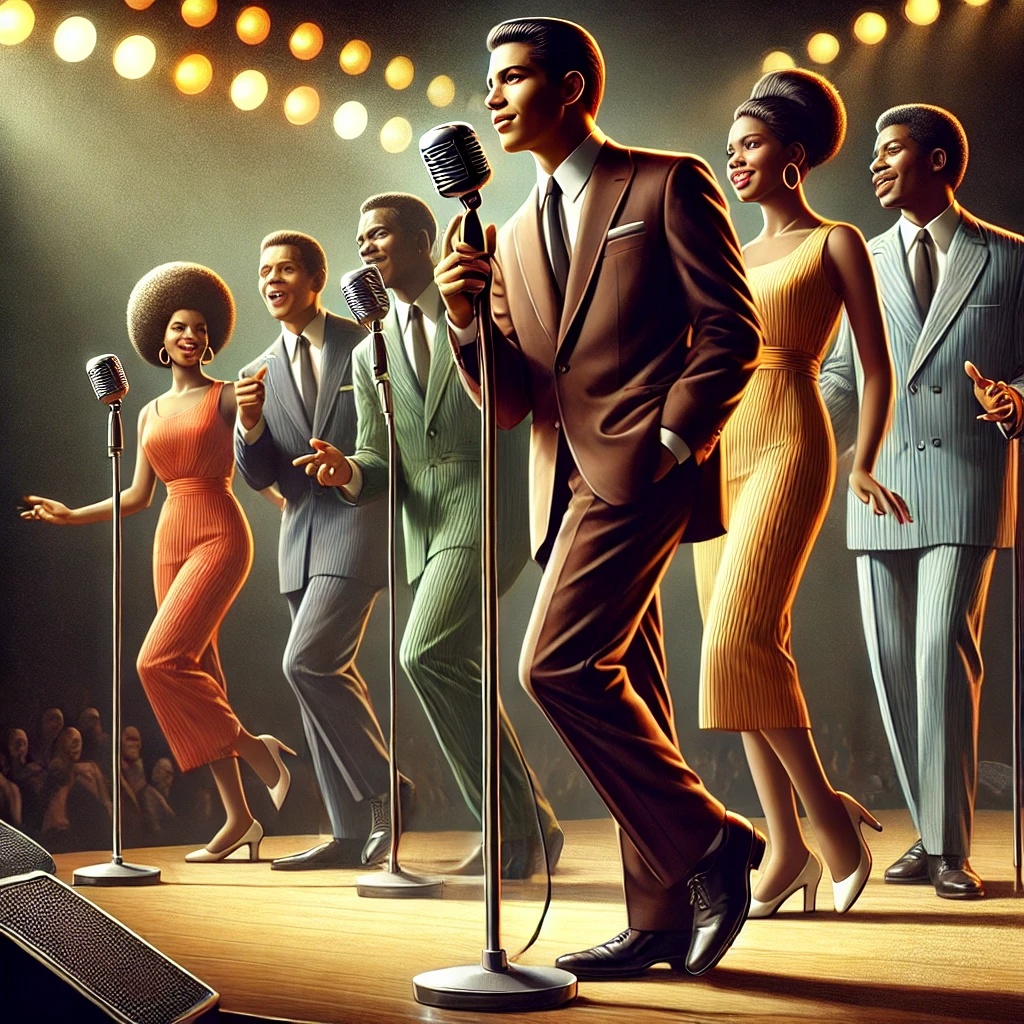
Old recording, 1960s motown/doowop style, non-operatic, London male lead vocals, ‑Female vocals, ‑American lead vocals
3:06
Save me
v4
1975s pop (Scandinavia) / disco, Classic 4 man band (drums, bass, lead, vocals), Female lead, high energy, afro american vocals (dual)
4:04
3:48
Period: 1975
Genre: 1970s Swedish pop / Piano Synthpop / Soul
Style: sharp melodic contrast between rhythmic, bouncy piano-driven verses and hook-heavy, anthemic choruses with tight modulation, Hooks: clear melodic motifs, repeated lyrical phrases, modulation in final chorus, Instrumentation: percussive piano in staccato triads, bright analog synth melodies, disco-influenced bass, string stabs, crisp acoustic drums, layered female harmonies with call-and-response structure, Tempo: Moderately fast (approx, 115 BPM), Vocal: European, Clean, bright female vocal with slight Swedish accent, soft mid-range, minimal vibrato, emotional but restrained, 1970s European pop tone, in the style of Agnetha Fältskog (ABBA), not modern, not theatrical, Mix: Polished but vintage — stereo panning, warm plate reverb, analogue vibe
3:32
Miss
v4
electronic / italo disco, Arabian rhythm, Main vocal: Androgynous deep female vocals, cool and commanding, Repeating backing vocals
4:59
UK 1985, Melancholic jangle pop with post-punk sensibility, Male lead vocal, sardonic yet tender, delivered in a wistful northern English accent, Phrasing is measured, slightly off-beat, allowing lines to bloom or wither mid-thought, Guitar is bright, clean, slightly chorus-soaked — often arpeggiated or loosely strummed in sync with emotional undercurrents, Bassline is lyrical and semi-melodic, counterpointing the vocal rather than grounding it, Drums are dry, restrained, tight — brushes or soft sticks emphasizing the hi-hat, Track builds slowly in emotional texture, not volume, The progression reflects a soft spiral: introspection → nostalgia → quiet surrender, Tone is reflective and ambiguous — beauty seen through a pane of cloudy glass, Backing vocals may occur in subtle ooh’s or wordless harmony swells, never prominent, mm-mm, ahh, ohhh, ‑Avoid dynamic contrast spikes or cinematic lifts, ‑No synths, ‑samples, ‑or orchestral layering, ‑Do not use dramatic vocal runs, ‑choral bursts, ‑or gospel-like inflections, ‑No American phrasing, ‑modern pop tropes, ‑or slang, ‑Do not include upbeat instrumental breaks or major key shifts to “resolve” the emotion, ‑Avoid metaphor overload — keep imagery light and resonant, ‑not heavy-handed, ‑No heavy percussion, ‑electronic elements, ‑or funk/groove patterns, ‑Do not inject overt bitterness or sarcasm — irony should remain soft and observational
4:57
1985 UK alt-indie melancholy with cinematic dream pop texture, The arrangement is slow and delicate, led by reverb-drenched acoustic guitar, soft string pads, and ambient flute or synth motifs reminiscent of chamber pop, The UK male vocal is a high-baritone, emotionally detached yet quietly desperate, with a nasal hue and subtle vibrato, Melodic lines are sparse but expressive, often delayed across the beat for dramatic effect, Harmonic motion stays simple but poignant, letting chord changes breathe under the weight of longing, Dynamics remain restrained — no percussive drive, only slow builds through instrumentation and lyrical gravity, Background vocals appear faint and ghostlike, used more for texture than counterpoint, The emotional tone blends quiet resignation with fragile hope, always held in suspension, mmm please, just once, mmm let it be, ‑Avoid modern pop phrasing, ‑rhythmic percussion, ‑or layered vocal stacks, ‑No belting, ‑no chesty vibrato, ‑no electronic drums or arpeggiators, ‑The tone must remain sparse, ‑unresolved, ‑and minimal — no anthemic hooks or uplifting turns, ‑Exclude Americana influences, ‑rock guitars, ‑or cinematic swells, ‑Vocal delivery must stay intimate, ‑never theatrical, ‑Avoid major key exuberance, ‑heavy bass, ‑or any contemporary production gloss, ‑No literal exposition — the lyrics must express yearning through mood, ‑not explanation
2:11
Last Train [V]
v4.5+
Early-70s inspired male Motown pop with uptempo energy and bubble-soul influence, Lead vocals delivered in vibrant tenor with rhythmic bounce, supported by falsetto harmonies and non-vocal hooks like “woo!”, “uh!”, and “mmm-hmm”, Rhythm guitar and tambourine lock in with snappy basslines, The structure leans pop: short verses, percussive pre-choruses, and a repetitive, singable one-line chorus hook that returns with increasing intensity, Vocal layers build with each pass, adding stacked harmonies and playful call-outs, The tone is confident, youthful, and danceable — urgency meets charm in every syllable, Mmm-hmm! Woo! Don’t miss that train now, boy!
3:40
Mid-90s Italian pop ballad with soft rock instrumentation and emotive male vocals, The arrangement blends bright acoustic guitar, rhythmic electric arpeggios, subtle synth pads, and warm drum grooves, The vocal delivery is nasal-tinged and expressive, with mid-range lead supported by light backing harmonies in key choruses, The melodic arc rises naturally from reflective verses to open, singable choruses, with smooth transitions and storytelling flow, Lyrics rely on metaphor and whimsical narrative to explore trust, unity, and unlikely friendships — all with sincerity and light Mediterranean flair, Oooh, sotto la luna, tutto può cambiare, ‑Avoid theatrical vocals, ‑cinematic orchestration, ‑or operatic vibrato, ‑No EDM drops, ‑gospel layers, ‑or funk grooves, ‑Do not include modern slang, ‑autotune effects, ‑or vocal processing artifacts, ‑Maintain an emotional tone that is warm and personal, ‑never ironic or exaggerated, ‑Avoid rigid rhyme patterns or march rhythms — phrasing should feel natural, ‑melodic, ‑and songlike
3:51
3:40
4:18
2000s, D Minor, Emotional, 50 year old lead male rock singer, Crescendos
3:04

3:16
3:16
4:12
4:18
Clear, 1950s, pop, doo-wop, r&b, male vocalist, upbeat, love, pop/rock, cute, uplifting, romantic, oldies 50s, melodic, rockabilly
3:20
US West Coast, 1969, Male vocals in high tenor with open, breathy tone and clear enunciation, Phrasing is mid-tempo, warm, and melodically fluid, often with stepwise motion and rising falsetto peaks, Harmonies are rich and full, arranged in parallel thirds, fourths, and tight cluster chords, with unison entries and echoing responses, Genre fuses baroque pop, soft rock, and Phil Spector-inspired orchestral pop, Core instrumentation includes 12-string guitar, upright bass, tambourine, glockenspiel, chamber strings, and warm reverb-drenched drums, Production is analog and lush, with stereo panning, natural echo, and layered depth, Harmonic language is diatonic with borrowed chords and major key modulations, Rhythms are straight and flowing, with occasional triplet undercurrents, Emotional tone is romantic, reflective, and hopeful, Lyrics are sincere and melodic, often about love, memory, or emotional connection, ‑• No psychedelic effects or unstable vocal phrasing • No ironic, ‑detached, ‑or fragmented lyrics • No minimalistic production or sparse arrangements • No digital processing, ‑autotune, ‑or compressed mastering • No British articulation or satire • No modern genres (EDM, ‑hip-hop, ‑indie pop, ‑trap) • No lo-fi, ‑glitch, ‑or ambient abstraction • No sharp vocal distortion or shouted delivery • No abstract narrative or dream logic — lyrics must be emotional but grounded
3:17
Genre: 1960s orchestral pop / dramatic crooner ballad
Style: powerful vocal-driven romantic pop with rich orchestration, steady tempo, emotional intensity, and classic phrasing
Instrumentation: lush string sections, brass accents, woodwinds, electric bass, clean electric guitar, vintage drums, light piano, subtle backing vocals
Vocal: 40 year old British male, smooth male baritone voice with natural legato phrasing, controlled emotional delivery, minimal vibrato, warm tone, clear articulation, expressive yet understated, Avoid breathy modern techniques, dramatic scoops, and overemphasized melisma, Mix: Warm analog tape feel, centered lead vocal, soft stereo spread on instruments, plate reverb on vocal
Hooks: strong melodic motifs, recurring lyrical phrases, rising vocal lines, emotionally charged choruses
Avoid: modern pop phrasing, synth-based sounds, minimalism, overproduction, ‑Vocals: female lead