Playlist cover art

World Tour EP

·
5 songs
3:49Song Image
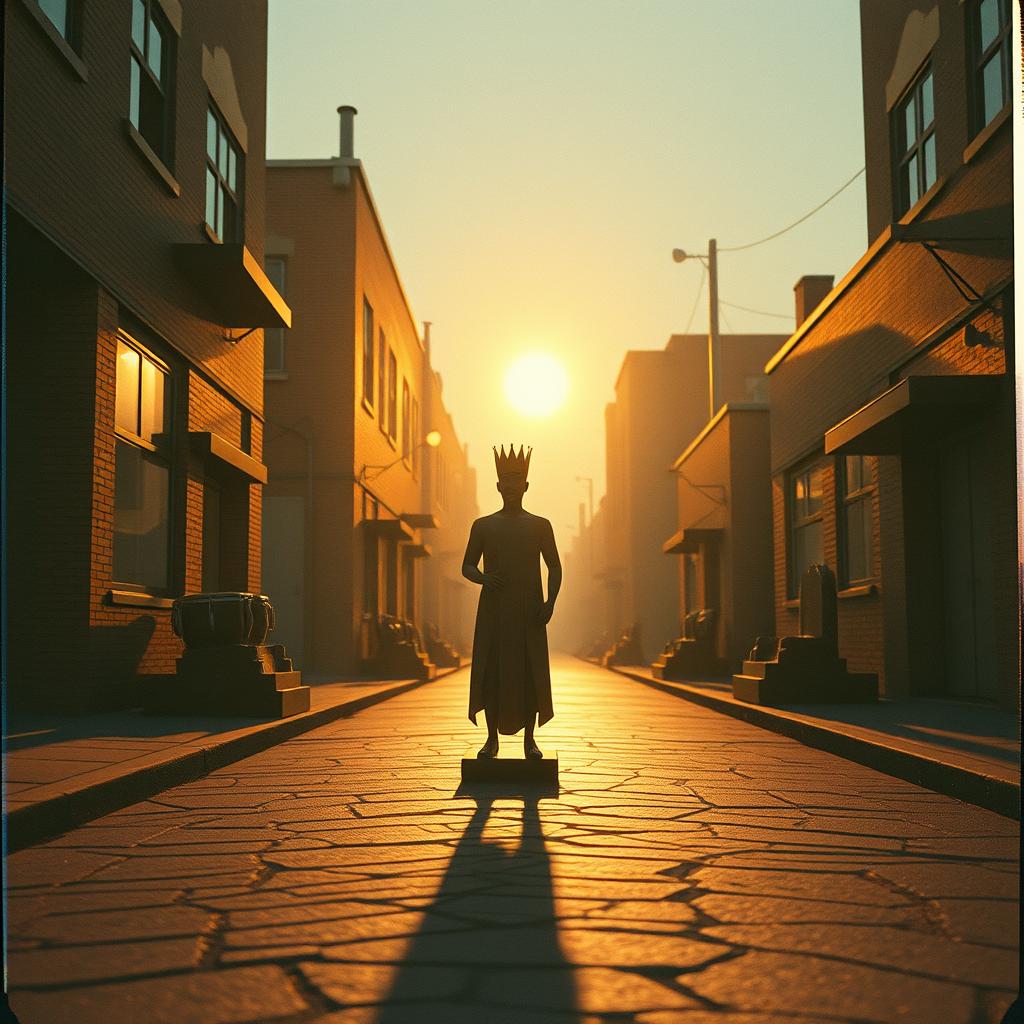
Conscious Rap, Alternative Hip-Hop, Neo-Soul Hip-Hop, Jazz Rap, Drums: Raw, swung boom bap or muted, dusty trap kits, Drum breaks chopped from soul/funk/jazz records, Lots of ghost notes and subtle groove shifts, Instrumentation: Rhodes piano, jazzy minor 7th chords, lush voicings Upright bass or Moog sub bass (warm, analog-feeling) Live guitar or bass lines, sometimes panned hard left or right Subtle synths for ambient pad fills Wind instruments: flutes, muted trumpets, sax stabs Texture: Lo-fi dust, vinyl crackle, reverb-washed instruments Dynamic space: sometimes very sparse, sometimes full ensemble Sample one-shots from old jazz or gospel (like a single piano chord or string swell) Vocals: Storytelling-heavy, conscious, often poetic Often layered with deliberate panning, pitch shifts, doubles, or lowpassed whispers for dynamic energy Sometimes breaks into spoken word or stream-of-consciousness sections
4:43Song Image
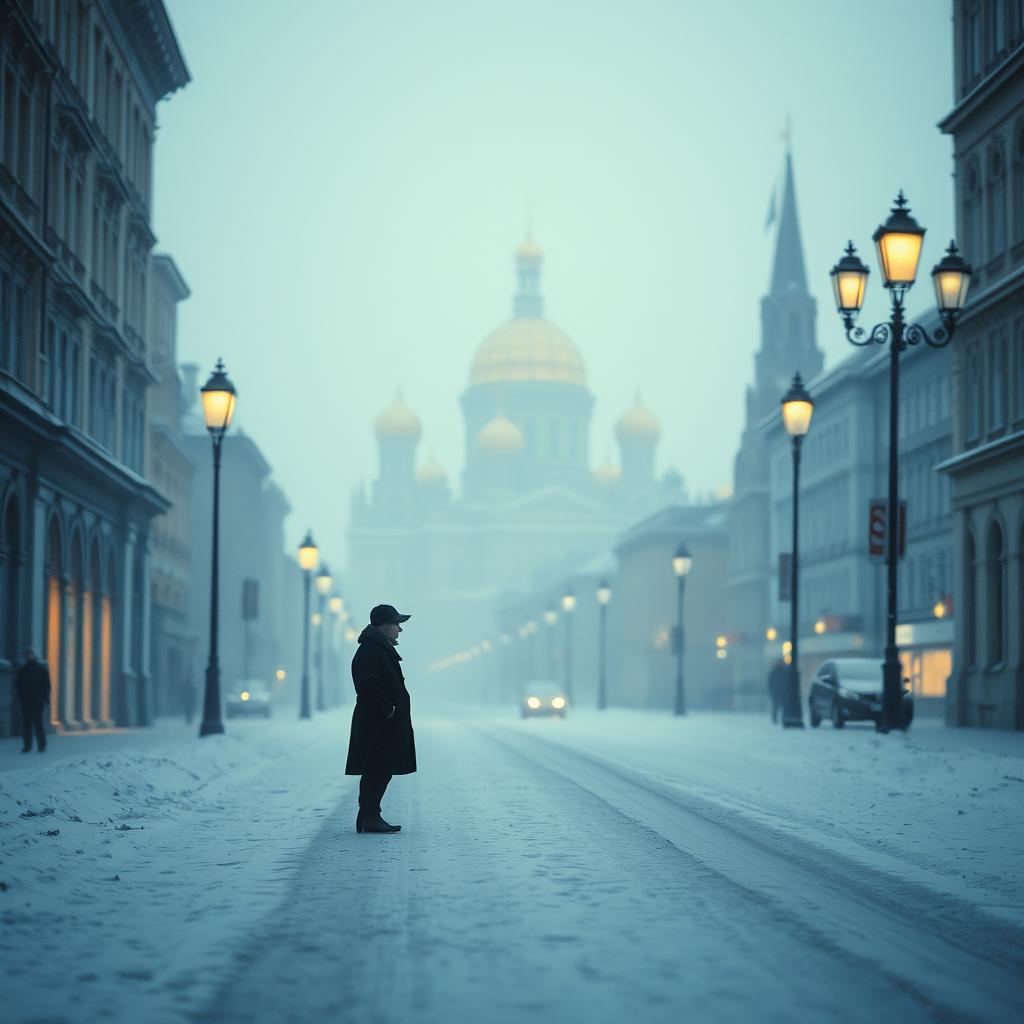
Core Mood / Identity: Cold, internal, restrained; heavy with history and silence, The music feels watched, measured, and intelligent—less expressive on the surface, more intense underneath, Emotion is implied, not announced, Beauty comes from endurance, not release, Genre Direction: Alternative / Art Hip-Hop, Neo-Classical Electronica, Post-Industrial Soul, Minimalist Jazz Rap optional; spoken word, half-sung phrasing, or murmured vocals are equally valid, Drums / Rhythm: Sparse, deliberate percussion; slow to mid-tempo (60–90 BPM) Muted kicks, low toms, brushed snares, or distant industrial hits Rhythms often feel incomplete—missing downbeats, delayed resolutions Occasional military-adjacent patterns, but softened or abstracted Silence used as rhythm Bass: Upright bass bowed low and tense, or deep sub drones that barely move Basslines are minimal, sustained, and uneasy rather than groovy Notes feel weighted, almost reluctant Instrumentation: Minor key
2:34Song Image
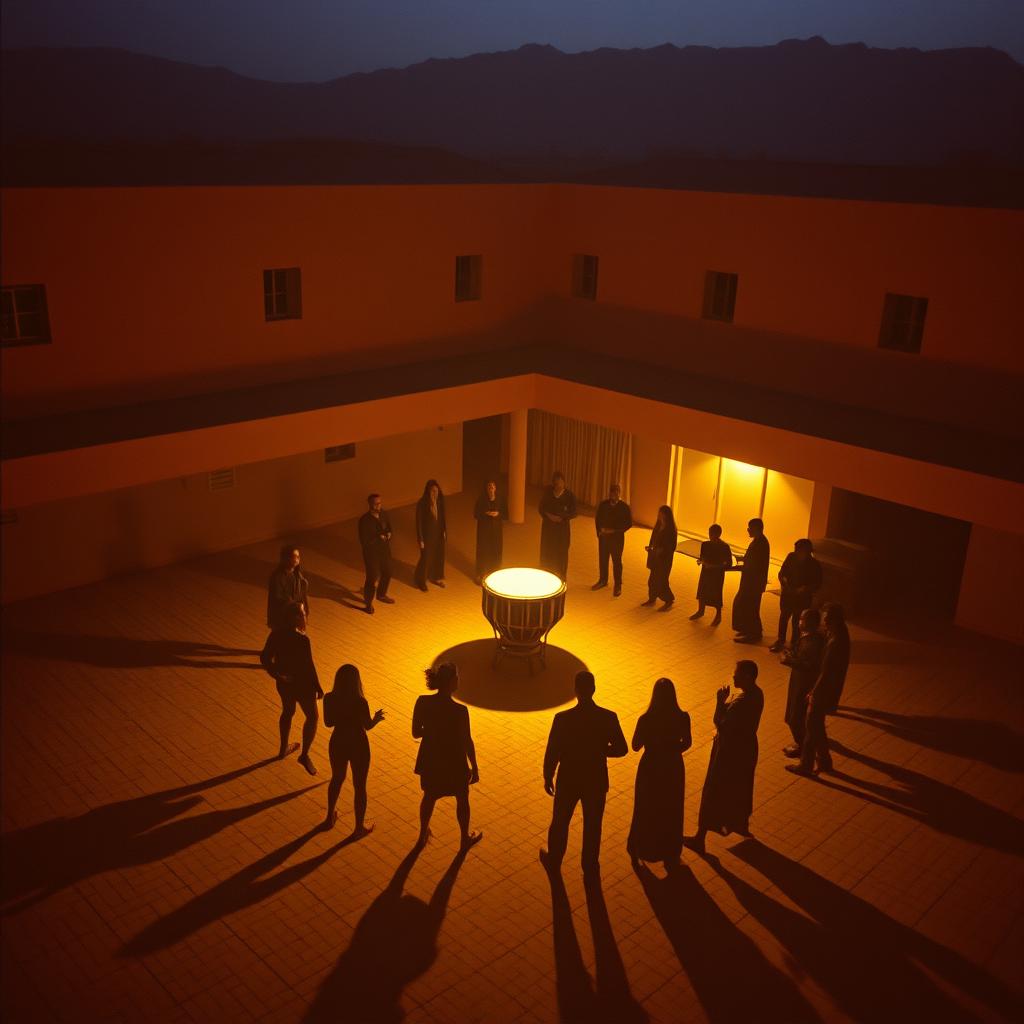
the sound centers on South African house (Amapiano/Afro-house) fused with hip-hop, prioritizing movement, community, and physical rhythm, Tempos sit around 108–115 BPM (Amapiano) or 120–124 BPM (Afro-house), with a loose, elastic groove designed for dance, Deep, melodic log drums anchor the track as both bass and percussion, supported by layered African rhythms—shakers, congas, bongos, hand claps, and syncopated kicks—evolving subtly without breaking momentum, Instrumentation stays minimal and hypnotic: warm synth stabs or keys, marimba/kalimba tones, and occasional brass or vocal-like accents, Texture feels dusty and outdoor, like music spilling from streets and yards, with crowd noise and ad-libs adding life, Vocals are communal and percussive—tribal or gang-style chants, call-and-response hooks, and short commanding phrases—alongside spoken or half-sung lines in English and local-language cadences
3:24Song Image
Conscious Rap, Alternative Hip-Hop, Neo-Soul Hip-Hop, Jazz Rap, Drums: Raw, swung boom bap or muted, dusty trap kits, Drum breaks chopped from soul/funk/jazz records, Lots of ghost notes and subtle groove shifts, Instrumentation: Rhodes piano, jazzy minor 7th chords, lush voicings Upright bass or Moog sub bass (warm, analog-feeling) Live guitar or bass lines, sometimes panned hard left or right Subtle synths for ambient pad fills Wind instruments: flutes, muted trumpets, sax stabs Texture: Lo-fi dust, vinyl crackle, reverb-washed instruments Dynamic space: sometimes very sparse, sometimes full ensemble Sample one-shots from old jazz or gospel (like a single piano chord or string swell) Vocals: Storytelling-heavy, conscious, often poetic Often layered with deliberate panning, pitch shifts, doubles, or lowpassed whispers for dynamic energy Sometimes breaks into spoken word or stream-of-consciousness sections
2:39Song Image
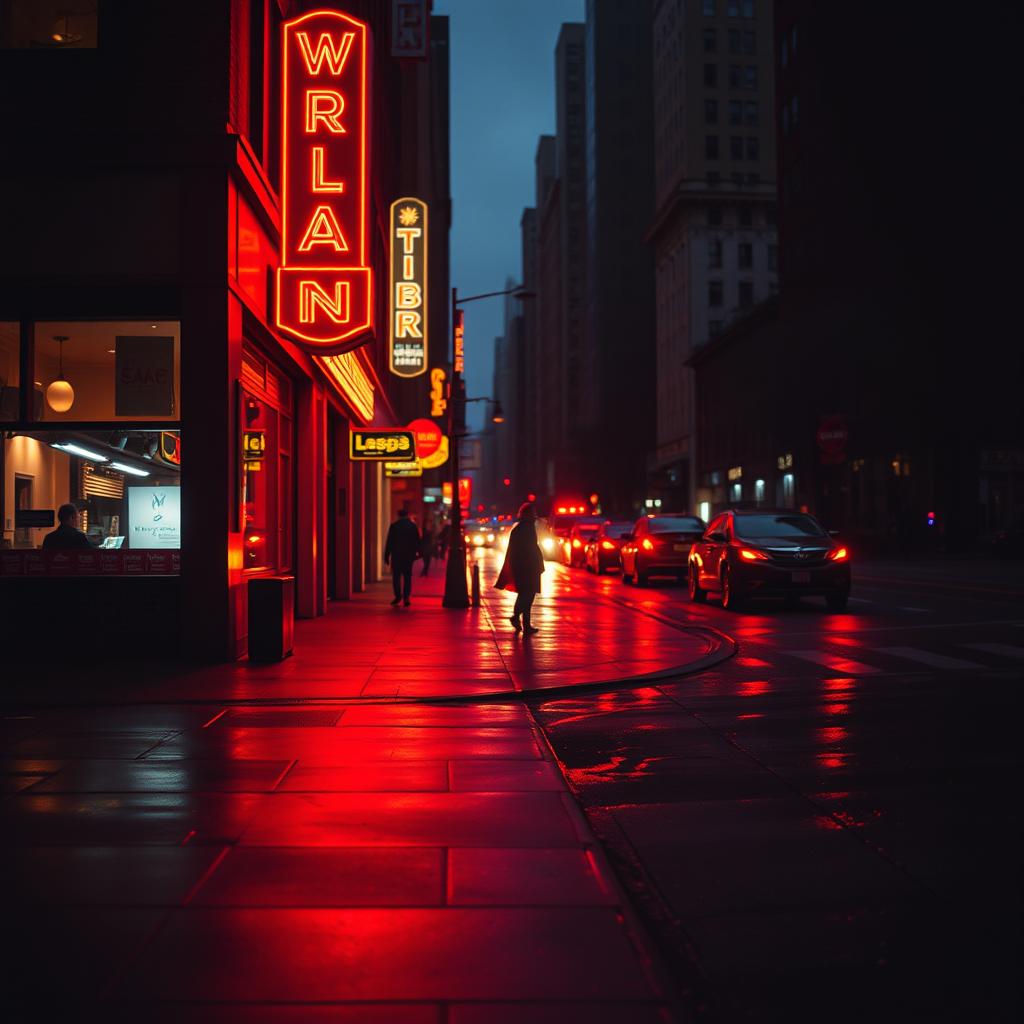
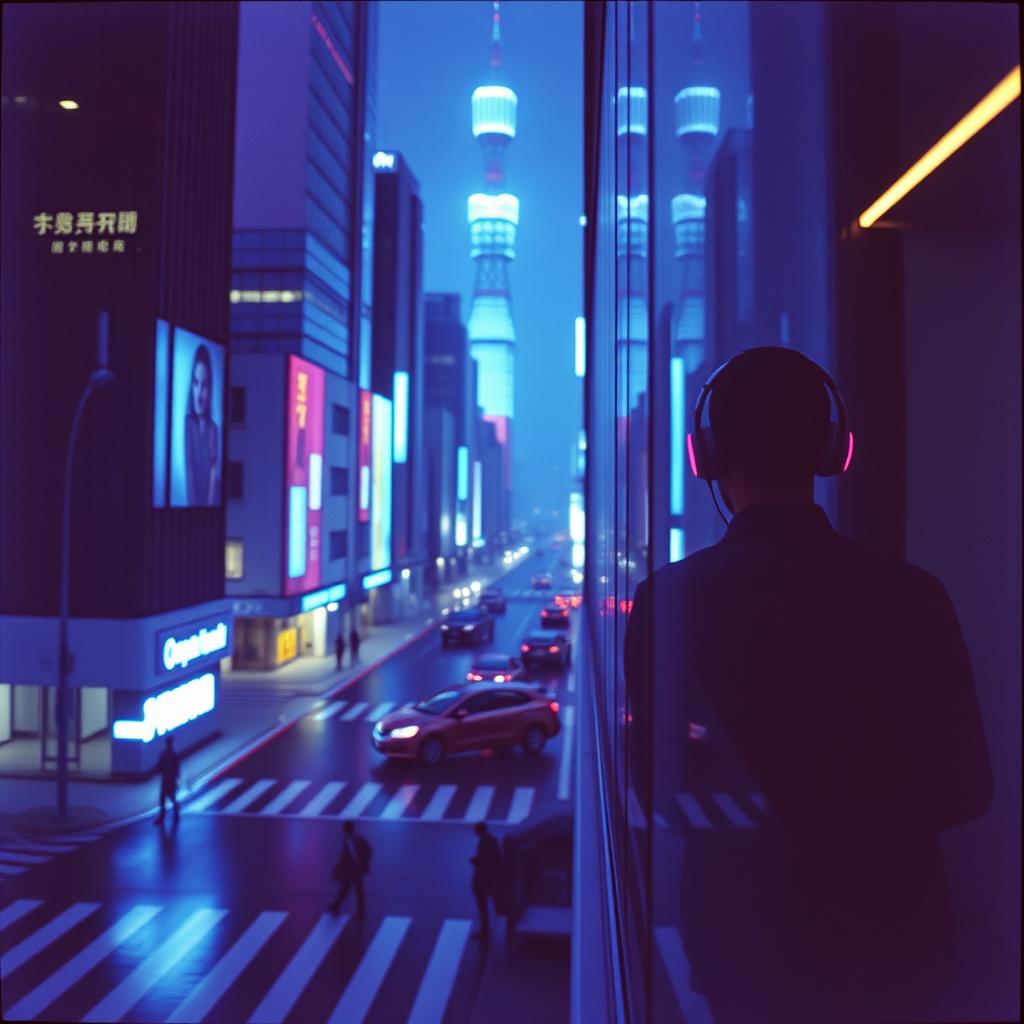
the sound is sleek, nocturnal, and hyper-detailed—where precision meets emotion under neon light, Genre leans toward alternative electronic, future pop, minimal hip-hop, and ambient R&B, with optional rap or spoken phrasing, Tempos range from 80–110 BPM (or double-time feel), driven by tightly programmed drums: crisp kicks, rim clicks, glitchy hats, and micro-swung percussion that feels engineered rather than loose, Bass is clean and controlled—subtle subs or elastic synth basslines that pulse without overwhelming, Instrumentation favors digital clarity: glassy synth plucks, airy pads, muted guitar harmonics, piano fragments, and occasional city-texture FX (train chimes, crosswalk tones, rain, crowd hush), Harmony uses minor keys with suspended chords and unresolved tension, Texture is polished but restrained—high contrast between silence and detail, minimal saturation, sharp stereo imaging, Vocals are intimate and cool, often half-sung or spoken, layered with whispers, doubles, and fo