
2:35
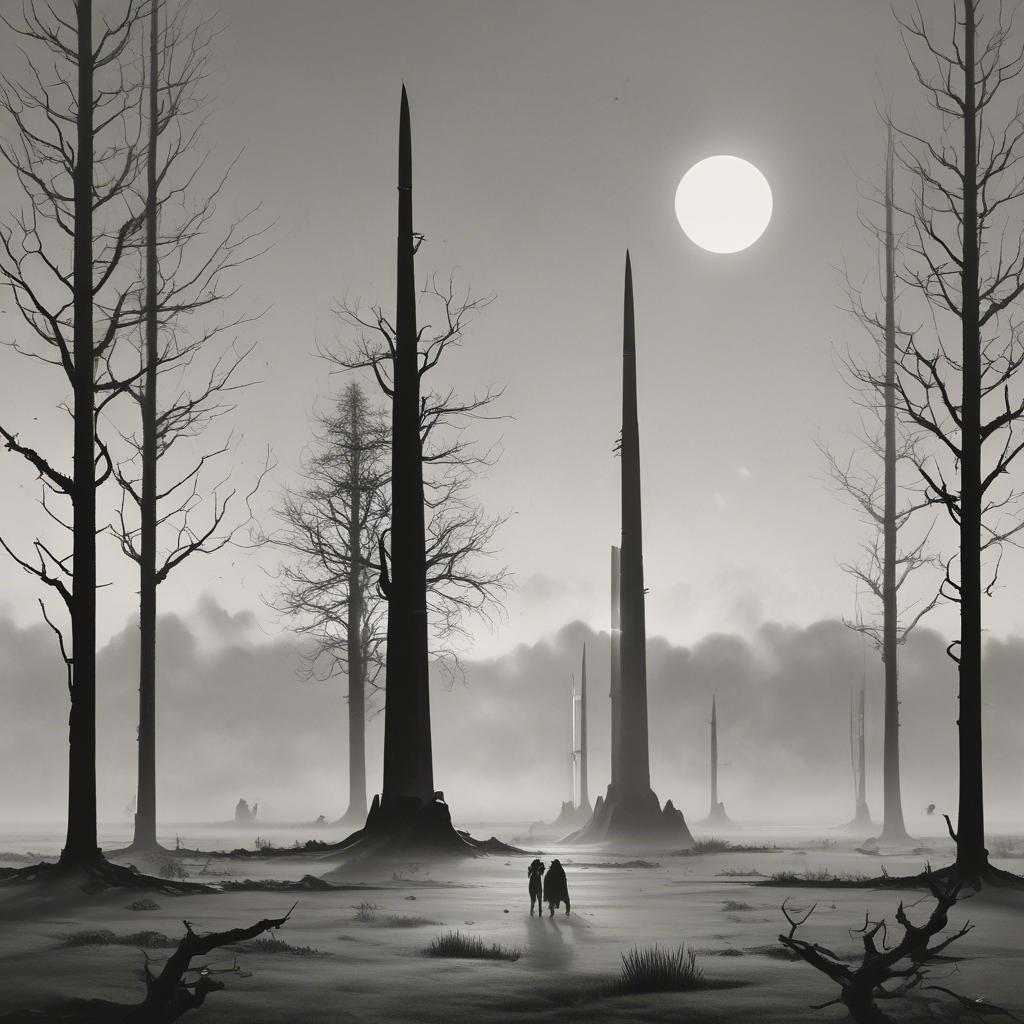
Wagnerian music drama prologue, mythic and primordial, continuous symphonic structure with no arias or song forms, Late-Romantic orchestral language stripped of lyricism, ritualistic and inexorable, conceived for a large resonant opera-house acoustic with long natural reverberation, Pre-linguistic world: no intelligible text, no melody-driven writing, Low strings, bass winds, and deep percussion dominate the opening, creating static harmony and circular time, Gradual escalation through rhythmic certainty rather than harmonic development, An external, alien harmonic intrusion represents imposed consciousness: cold vertical sonorities interrupting organic texture without warning, After transformation, brass and percussion enter forcefully and triumphantly, signaling mastery and survival, Music treats the first act of violence as victory, not horror, Orchestra remains the primary dramatic agent, voices emerging from and subsumed by orchestral mass, Scene ends abruptly without cadence, ‑Italian bel canto, ‑lyric opera, ‑arias, ‑recitative-aria alternation, ‑pretty melody, ‑romantic warmth, ‑sentimentality, ‑cinematic underscore, ‑Hollywood epic scoring, ‑trailer music, ‑ambient pads, ‑choir washes, ‑choral sustains used as texture, ‑minimalism, ‑ostinato-based film music, ‑tonal resolution, ‑heroic fantasy, ‑choral Latin, ‑Gregorian chant, ‑pop, ‑rock, ‑electronic music, ‑modern soundtrack tropes, ‑emotional catharsis, ‑hopeful endings, ‑fade-outs
1:08
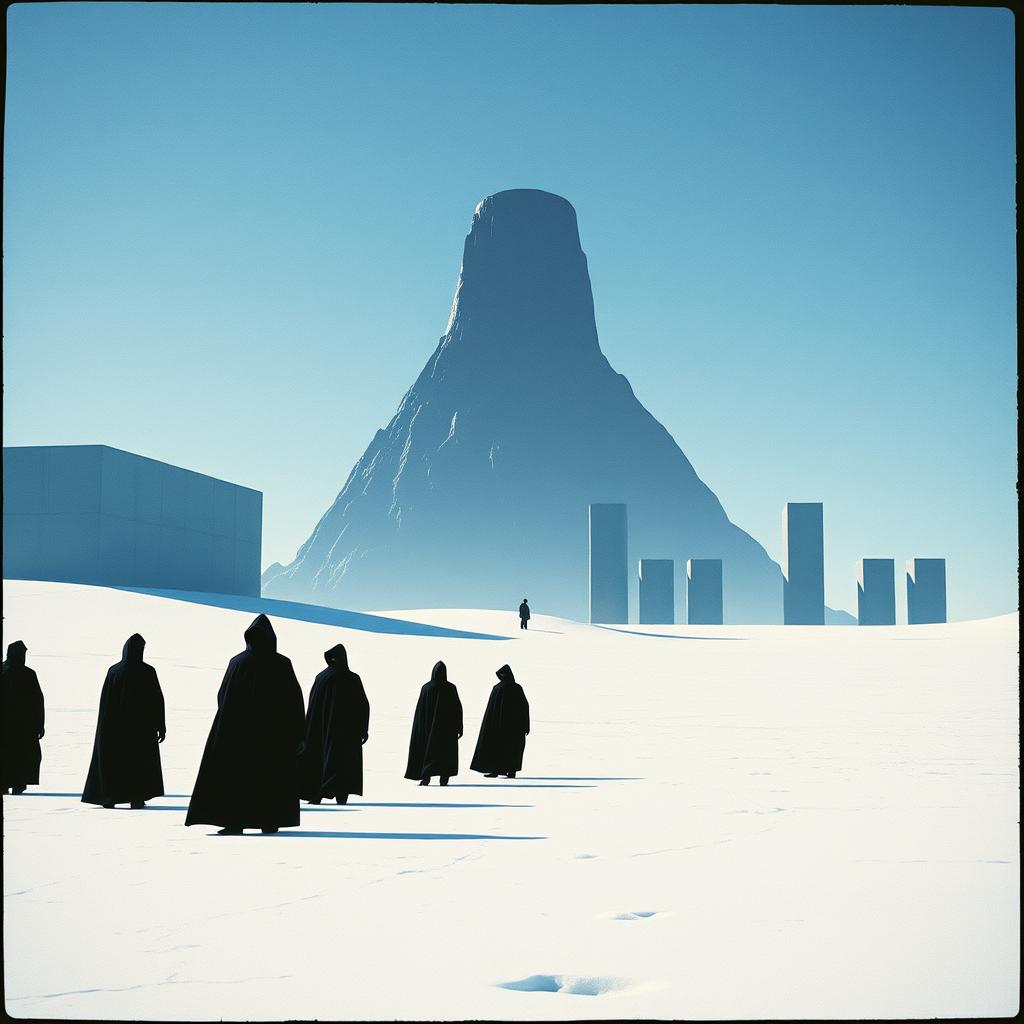
Wagnerian music drama, ritualistic and oppressive, in the harmonic world of Das Rheingold and Parsifal, not melodic Wagner, Continuous symphonic scene with whispered male chorus functioning as impersonal instruction, not expression, Orchestra represents physical disruption: low strings, contrabass winds, muted brass, and sustained dissonant harmonic blocks, Avoid melody, Avoid cadences, Avoid tonal center, Slow harmonic rhythm with sudden vertical intrusions, Chorus is whispered, monotone, rhythmically unified, emotionally neutral, Voices act as conduit, not character, No lyricism, No phrasing, No vocal beauty, The Monolith’s arrival is abrupt and unprepared, represented by harmonic interruption rather than thematic development, Music imposes order rather than revealing truth, Scene ends without resolution, with the curse fully internalized but not yet acted upon, ‑lyrical choral writing, ‑hymn-like harmony, ‑expressive dynamics, ‑melodic declamation, ‑mystical or reverent tone, ‑awe or wonder, ‑romantic mystery, ‑talian bel canto, ‑lyric opera, ‑arias, ‑recitative-aria alternation, ‑pretty melody, ‑romantic warmth, ‑sentimentality, ‑cinematic underscore, ‑Hollywood epic scoring, ‑trailer music, ‑ambient pads, ‑choir washes, ‑choral sustains used as texture, ‑minimalism, ‑ostinato-based film music, ‑tonal resolution, ‑heroic fantasy, ‑choral Latin, ‑Gregorian chant, ‑pop, ‑rock, ‑electronic music, ‑modern soundtrack tropes, ‑emotional catharsis, ‑hopeful endings, ‑fade-outs
1:09
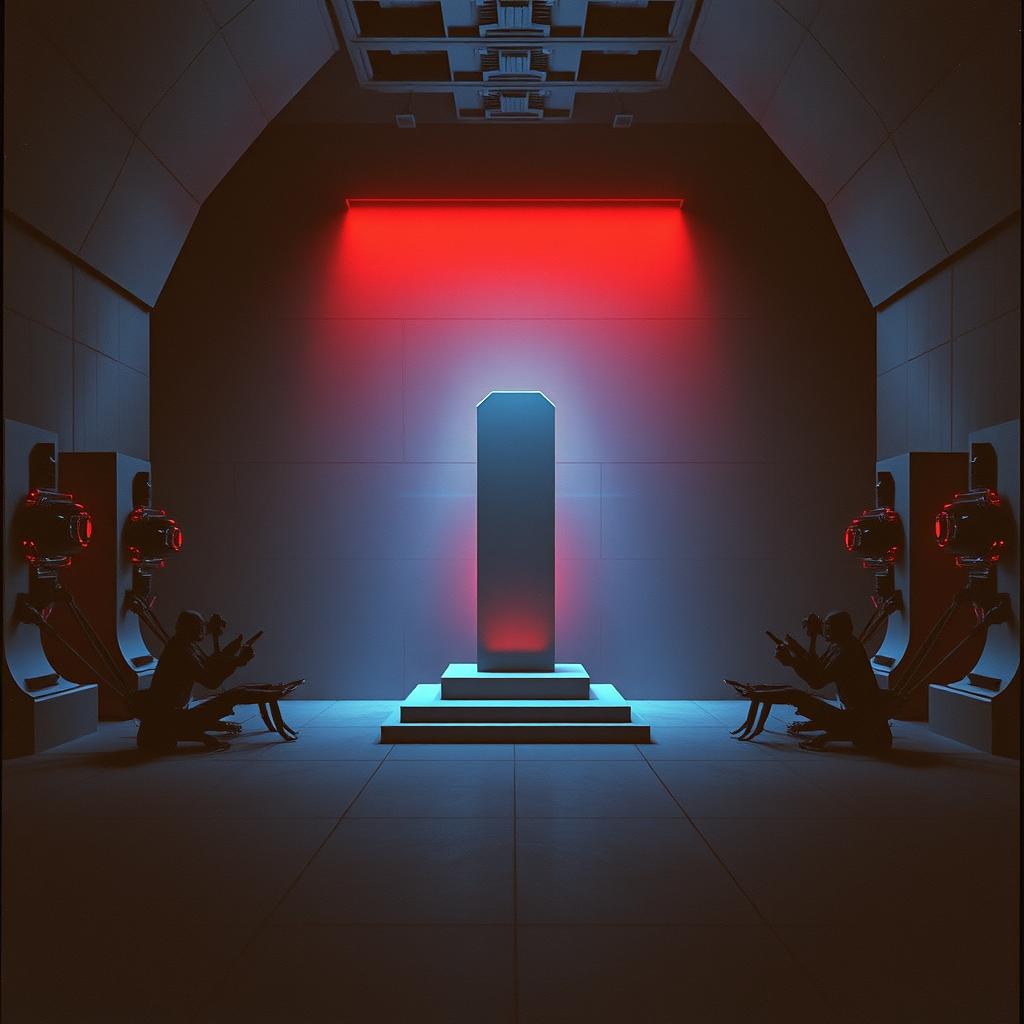
Wagnerian music drama, ritualistic and procedural, Direct continuation of the Monolith instruction scene with identical harmonic and rhythmic logic, No new thematic material introduced, Orchestra intensifies physicality: low strings, contrabass winds, percussion driving forward motion without melodic contour, Harmony remains suspended and unresolved, Avoid tonal center, Avoid cadences, Male chorus remains in unison, narrow range, emotionally neutral, Voices are functional, not expressive, Violence is treated as task completion, not event, No dramatic accentuation, No climax, Scene ends abruptly without resolution or emotional release, ‑Italian bel canto; lyric opera; aria-based structure; recitative–aria alternation; melodic vocal lines; singable themes; romantic melody; expressive phrasing; emotional catharsis; heroic brass fanfares; major-key triumph; tonal cadences; harmonic resolution; grand finale gestures Tannhäuser-style Wagner; Die Meistersinger-style Wagner; overture-like structure; concert showpiece writing; melodic leitmotif development cinematic underscore; Hollywood epic scoring; trailer music; modern film-score tropes; minimalist film ostinatos; ambient pads; choral washes; lush choir textures mystical or reverent tone; spiritual uplift; awe-driven writing; religious ecstasy; sacred or holy affect horror scoring; shock accents; jump-scare dynamics; expressionistic terror narrative lyricism; poetic metaphor; descriptive storytelling; emotional narration pop; rock; electronic music; synthesizers; modern hybrid scoring fade-outs; sentimental endings; hopeful conclusions
2:21
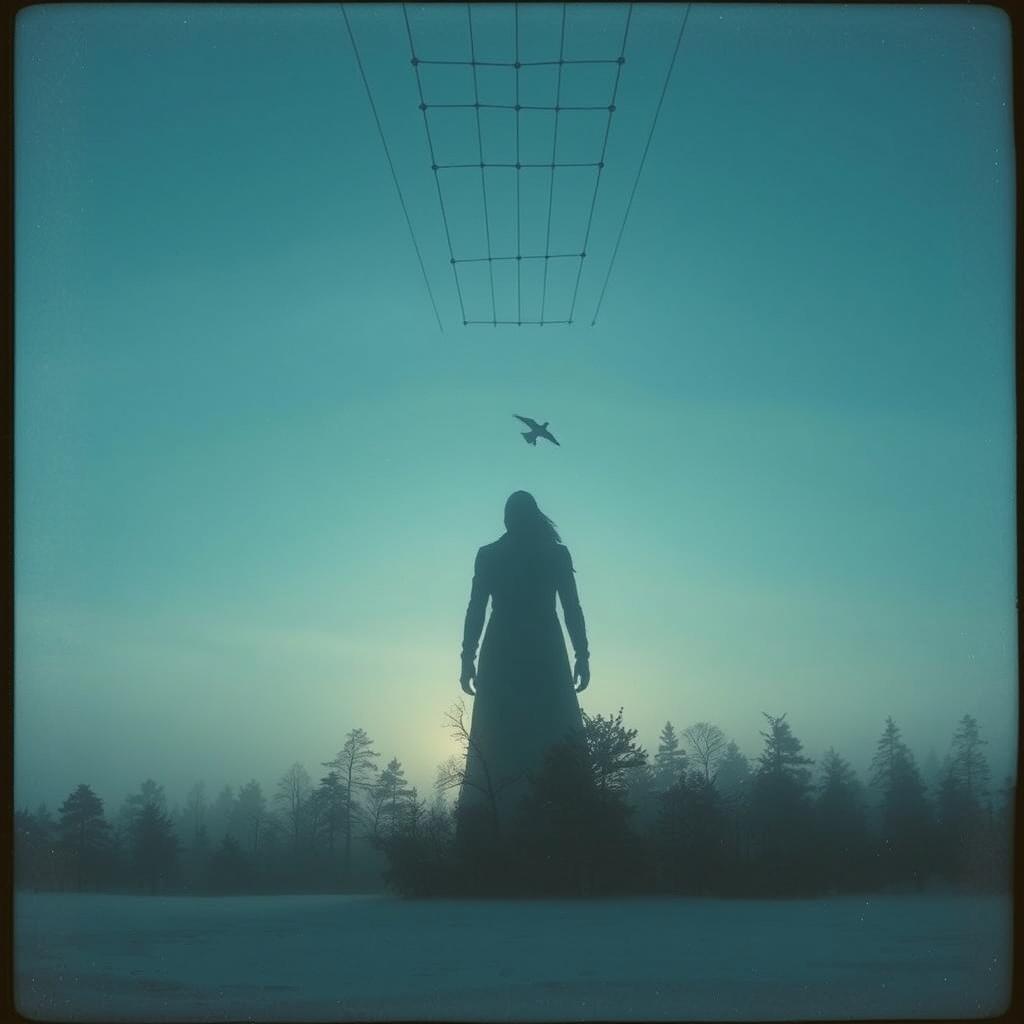
Wagnerian music drama, ritualistic and procedural, No vocals, Cold and sparse, Orchestra intensifies physicality: low strings, contrabass winds, percussion driving forward motion without melodic contour, Harmony remains suspended and unresolved, Avoid tonal center, Avoid cadences, ‑Italian bel canto; lyric opera; aria-based structure; recitative–aria alternation; melodic vocal lines; singable themes; romantic melody; expressive phrasing; emotional catharsis; heroic brass fanfares; major-key triumph; tonal cadences; harmonic resolution; grand finale gestures Tannhäuser-style Wagner; Die Meistersinger-style Wagner; overture-like structure; concert showpiece writing; melodic leitmotif development cinematic underscore; Hollywood epic scoring; trailer music; modern film-score tropes; minimalist film ostinatos; ambient pads; choral washes; lush choir textures mystical or reverent tone; spiritual uplift; awe-driven writing; religious ecstasy; sacred or holy affect horror scoring; shock accents; jump-scare dynamics; expressionistic terror narrative lyricism; poetic metaphor; descriptive storytelling; emotional narration pop; rock; electronic music; synthesizers; modern hybrid scoring fade-outs; sentimental endings; hopeful conclusions
1:47

Minimalist Wagnerian-adjacent orchestral writing with subtle electronic augmentation, Smooth, sterile, and tightly controlled, No sweeping melodies, No romantic phrasing, No emotional contour, Music should feel regulated and pressurized, like a closed life-support system, Mid-register strings sustain neutral harmonic fields with slight internal motion, Soft woodwinds and muted brass provide restrained color without prominence, Very light electronic tones or processed textures may be used to suggest artificial environment and mediation, Tempo steady and unyielding, No rubato, No expressive timing, This is functional sound, not expressive music, Nothing is emphasized, Nothing resolves, ‑Iromantic, ‑lush, ‑sweeping, ‑emotional, ‑expressive, ‑sentimental, ‑melodic, ‑lyrical, ‑heroic, ‑triumphant, ‑inspirational, ‑cinematic swell, ‑epic, ‑grand, ‑dramatic climax, ‑warm orchestration, ‑rich vibrato, ‑bel canto, ‑verismo, ‑musical theatre, ‑pop opera, ‑film score style, ‑John Williams style, ‑Hans Zimmer style, ‑ambient relaxation, ‑new age, ‑beautiful, ‑ethereal choir, ‑angelic voices, ‑hopeful, ‑majestic, ‑spiritual awe