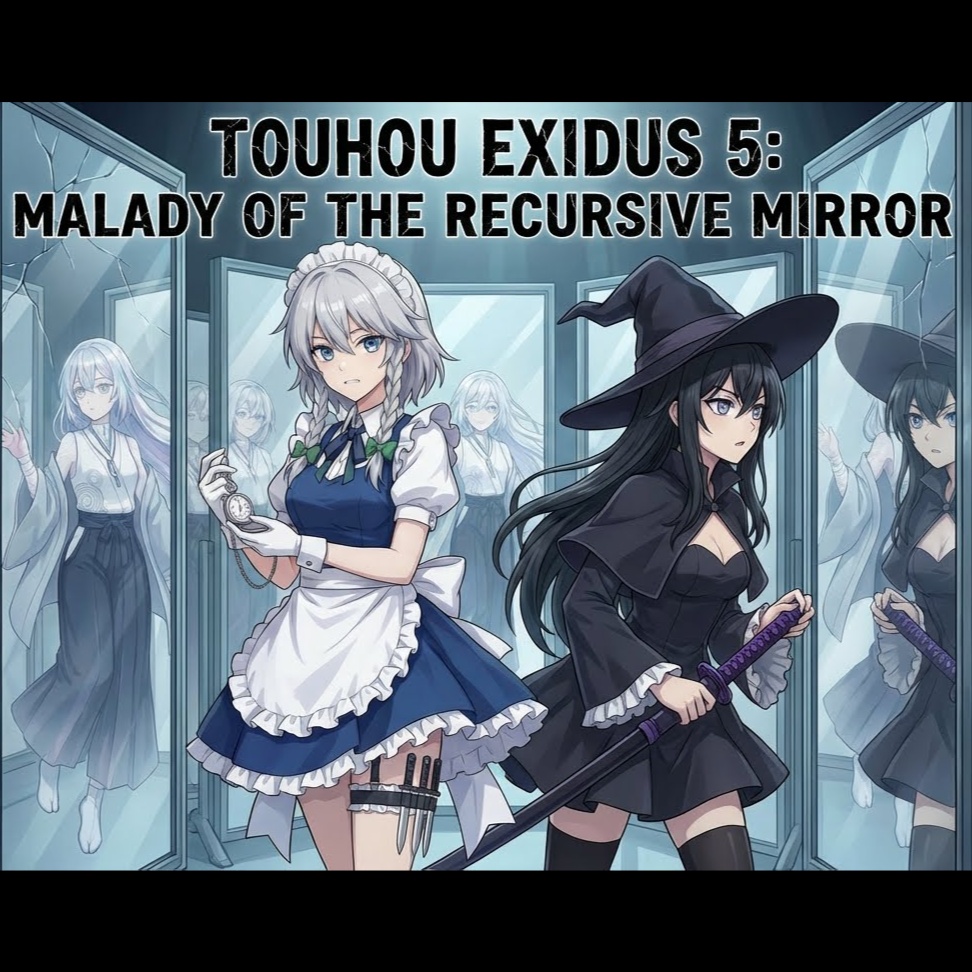
Exidus 5: Malady of the Recursive Mirror
Navigate the maddening recursions to find the "Prime Mirror," the original point of reflection that started the cascade, before causality becomes so tangled that Gensokyo cannot be unwound.
·

16 songs
2:53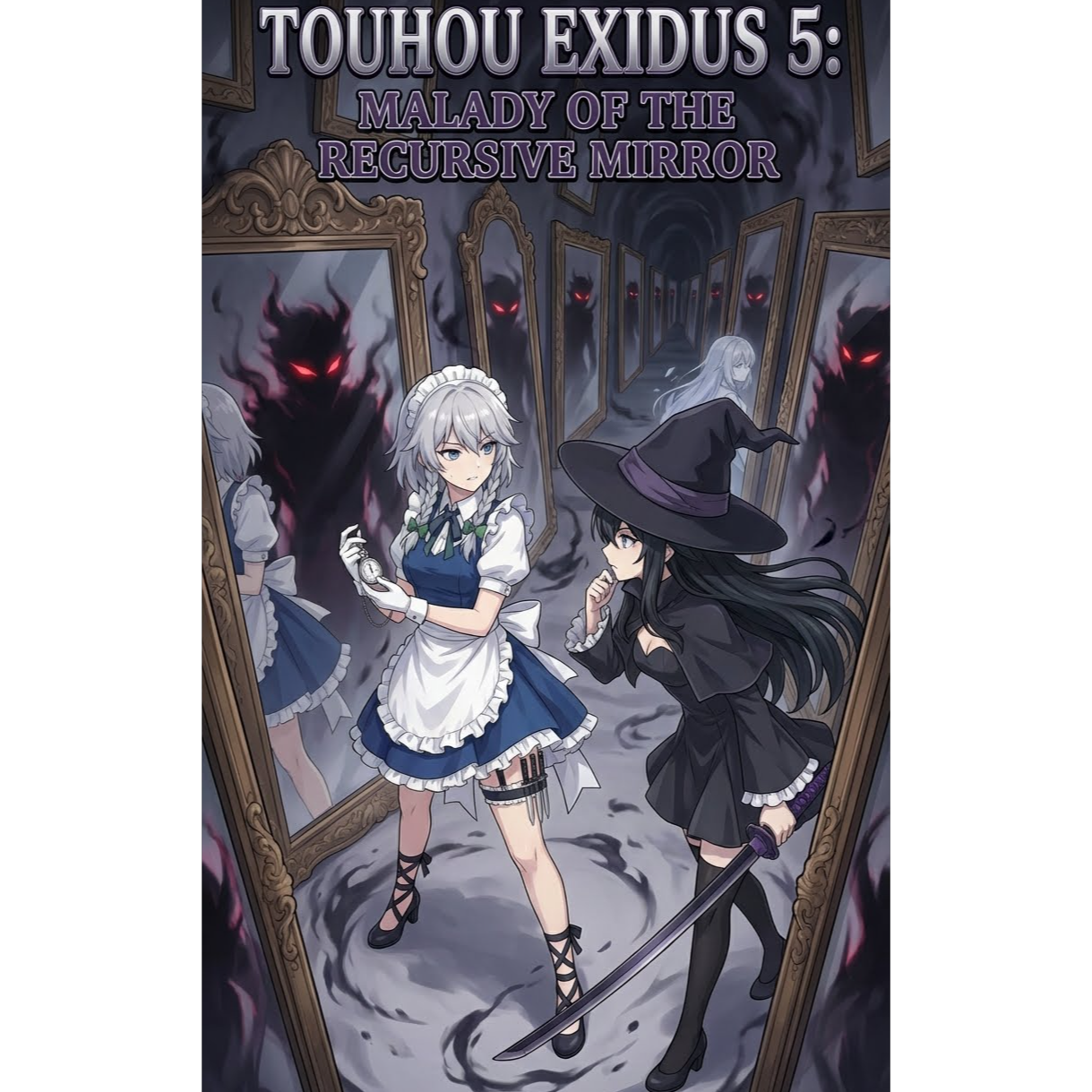
(Touhou Main Menu Theme), (ZUN Style), (Kaleidoscopic), (Recursive), (Ethereal) A menu theme for incident of infinite reflection and fractured reality, Features crystalline piano melody that echoes and layers upon itself, each repetition slightly different, Include sounds of mirrors, glass chimes, and reversed vocals creating hall-of-mirrors effect, Main theme plays then repeats delayed, overlapping with itself creating dense harmonic texture like infinite reflections, Layer synth pads with heavy reverb suggesting endless space between mirrors, Include heartbeat sounds that sometimes double or skip suggesting existence in superposition, Melody should be hauntingly beautiful but dizzying—same theme heard from thousand angles simultaneously, Should feel like standing between infinite mirrors, seeing yourself endlessly repeated, each reflection slightly different, questioning which one is real
4:19
(Touhou Project Stage 1 Normal Theme), (ZUN Style), (Mysterious), (Unsettling), (Ambient) An atmospheric stage theme that establishes the recursive mirror incident, The track should feature a gentle but eerie melody played on a koto that occasionally "stutters" and repeats phrases, creating a sense of déjà vu, Underlying this is a subtle, rhythmic pulse like a heartbeat reflected in water, Delicate wind chimes and the sound of dripping water should be layered throughout, The melody should have a searching, questioning quality, as if wandering through an increasingly strange landscape, The overall mood is one of beautiful disorientation—something is wrong, but it's not immediately threatening, just, off
3:42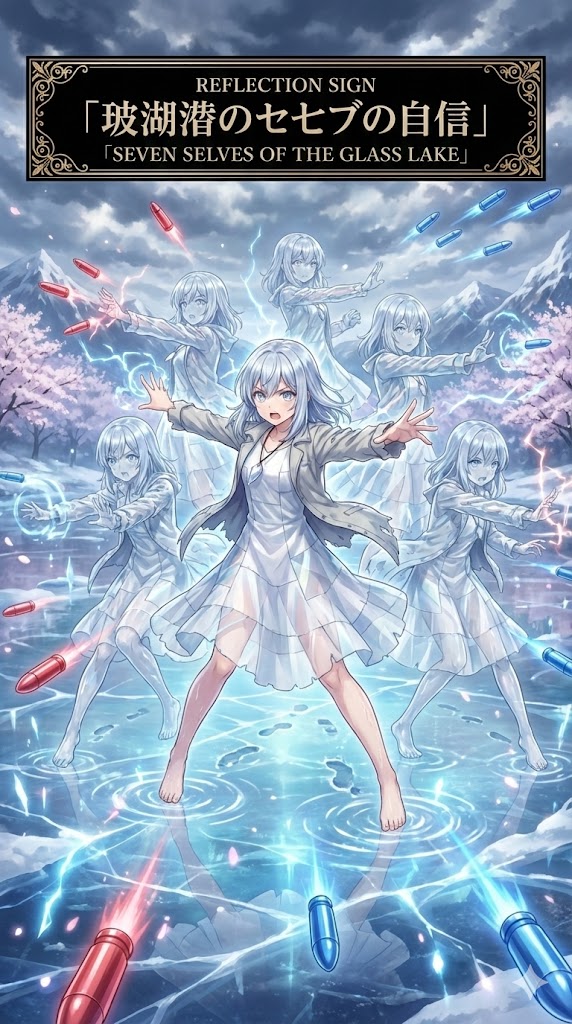
(Touhou Project Stage 1 Boss Theme), (ZUN Style), (Melancholic), (Uncertain), (Glitchy) An instrumental boss theme with a strong sense of fragility and desperation, The track should open with a lonely, echoing piano melody that occasionally "glitches, " repeating notes or phrases as if skipping, This is joined by a soft but steady drum beat and ethereal synth pads that shimmer and waver, The main melody should be carried by a delicate music box sound that keeps threatening to wind down and stop, The ZUN-style trumpet should be quieter and more vulnerable than usual, with a questioning, pleading quality, Incorporate subtle sound effects of glass gently clinking and water droplets, The overall mood is sorrowful rather than aggressive—a battle against someone who doesn't want to fight, just desperately wants to exist
3:59
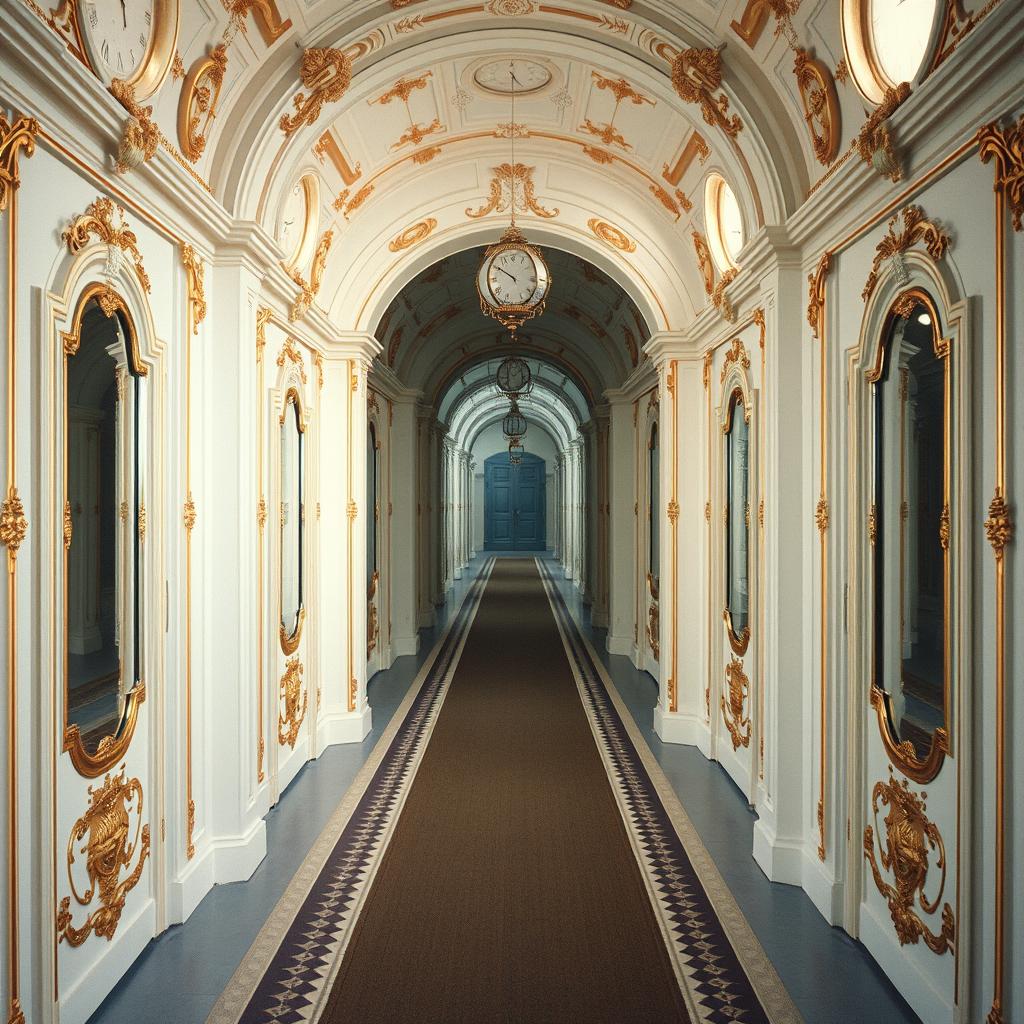
(Touhou Project Stage 2 Normal Theme), (ZUN Style), A stage theme that evokes the feeling of walking in circles while time becomes increasingly unstable, The track should feature a main melody that literally repeats with slight variations each time—the same musical phrase played on piano, then on violin, then on music box, each iteration adding or removing small elements, Underlying this is a steady, metronome-like percussion that occasionally stutters, skips beats, or plays in reverse for a measure, Layer in the sound of footsteps, echoing voices, and distant clock chimes that are slightly out of sync with each other, The melody should be beautiful but tinged with deep sadness, representing both the gorgeous prison of Kaiko's loop and the exhaustion of experiencing it hundreds of times, The overall mood is one of beautiful entrapment—circular, inevitable, and slowly maddening
3:54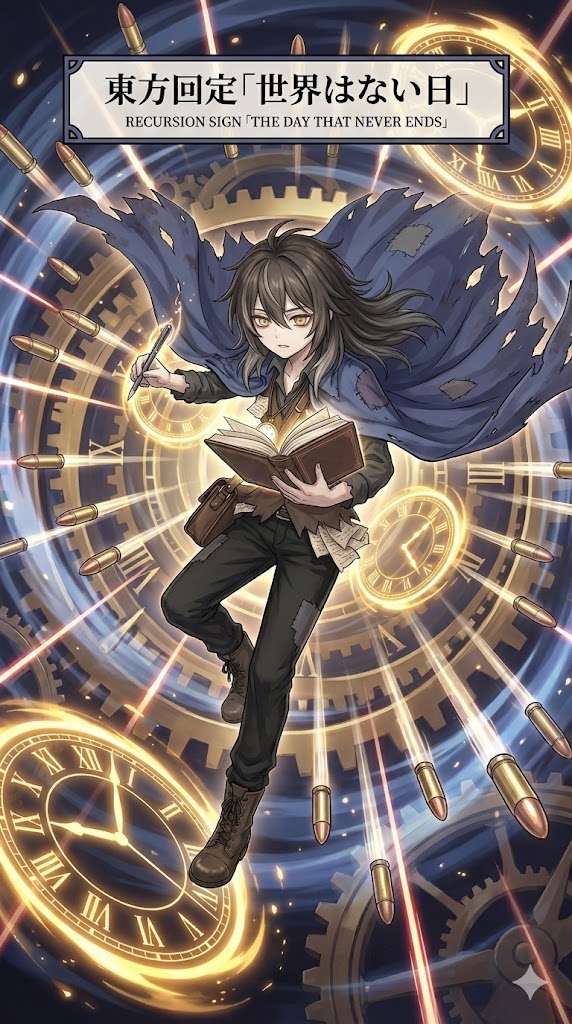
(Touhou Project Stage 2 Boss Theme), (ZUN Style), (Complex), (Weary), (Temporal) An intense instrumental boss theme that represents fighting someone who knows the future, The track should open with a frantic, overlapping cacophony of clock-ticking sounds and multiple versions of the same melody playing simultaneously, slightly out of sync, creating organized chaos, The main rhythm should be a driving beat that occasionally reverses direction for a measure or two, representing temporal recursion, The primary melody should be carried by a tired but determined piano, playing complex, almost mathematical patterns that feel like calculations, Layer in a ZUN-style trumpet that sounds exhausted but defiant, with phrases that "predict" and mirror the piano's next notes, Add synth pads that shimmer and phase, representing the ghostly echoes of past iterations, Include subtle vocal-like elements—not words, but sighs and whispers—representing the hundreds of past selves surrounding her
3:33
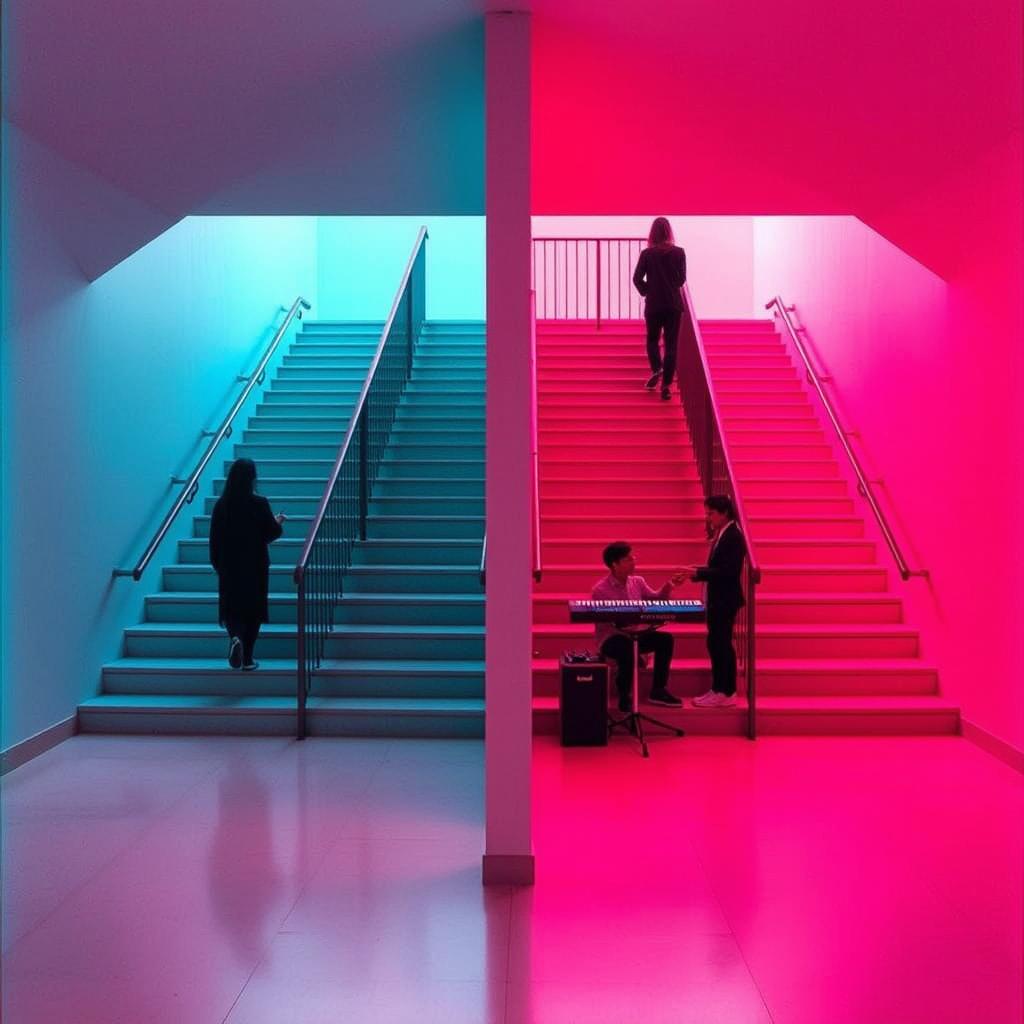
(Touhou Stage 3 Normal Theme), (ZUN Style), (Dual Melodies), (Uncertain) A stage theme with two distinct melodies playing simultaneously—one traditional Japanese using koto and shakuhachi, one modern using synthesizers—representing the two paths, The melodies weave around each other, sometimes harmonizing, sometimes clashing, Include the sound of footsteps echoing in stereo, walking sounds that don't quite match, Percussion should feel split, as if two drummers playing slightly different rhythms, The overall mood is beautiful confusion—two songs trying to be one
4:53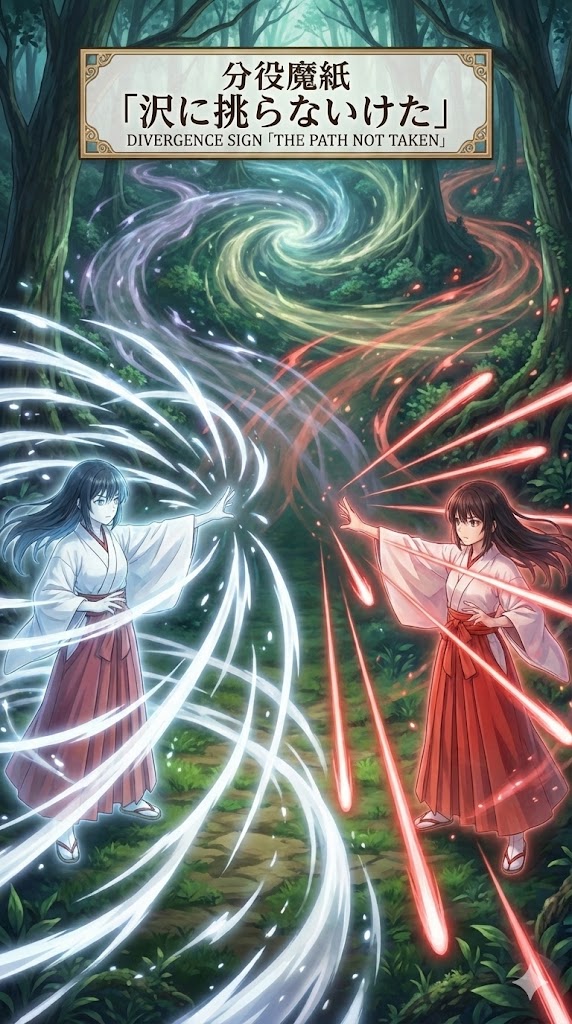
(Touhou Stage 3 Boss Theme), (ZUN Style), (Dual Identity), (Intense) An intense boss theme representing someone who is two people simultaneously, The track should feature two lead instruments playing different but related melodies—a bold electric guitar (the traveler) and a graceful violin (the shrine maiden)—constantly trading dominance, ZUN trumpet should mirror both styles, Include two drum patterns slightly out of sync, creating organized chaos, The melody should feel like an argument that becomes a duet, then an argument again, Add subtle vocal layering—two voices humming different harmonies, The mood is conflicted determination—two wills in one body fighting for control while fighting external threats
5:31
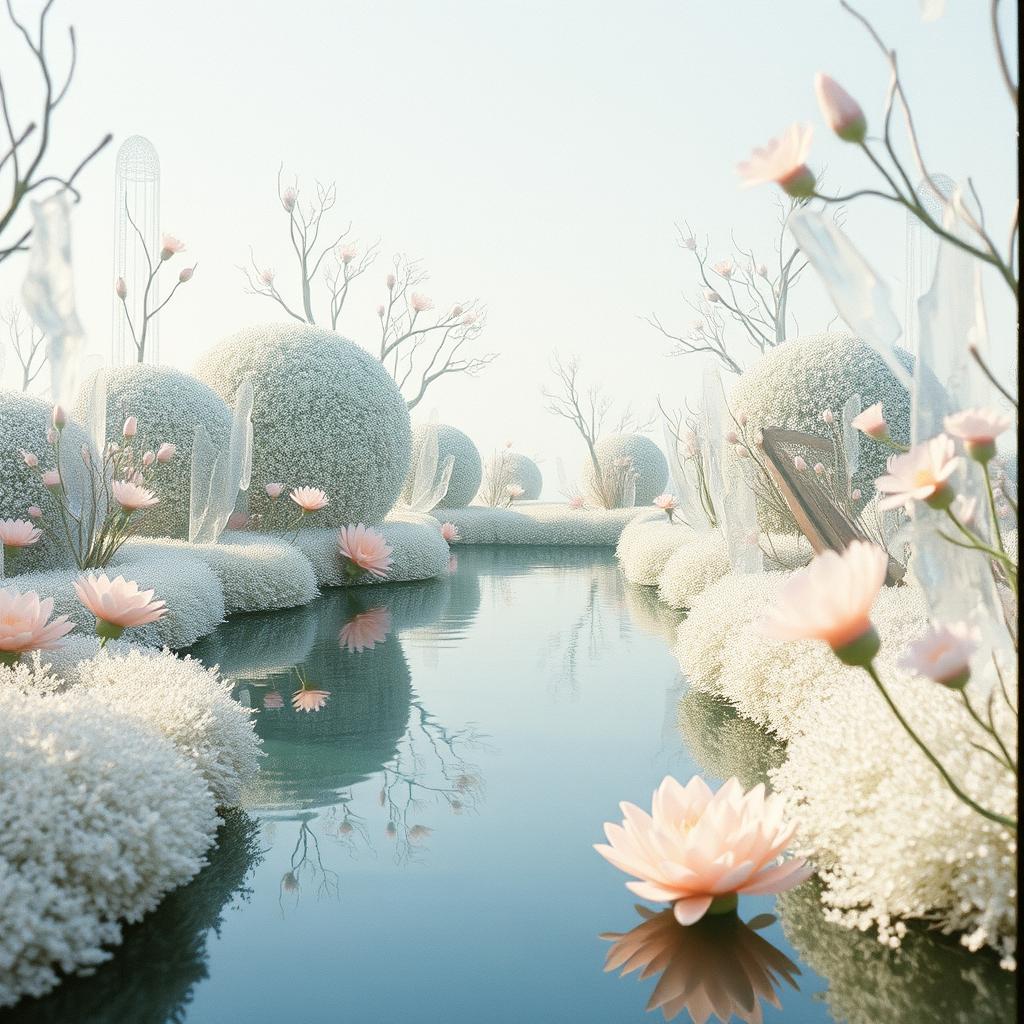
(Touhou Stage 4 Normal), (ZUN Style), (Crystalline), (Ethereal) A stage theme evoking a magical garden of mirrors, Features delicate music box melodies layered with glass-like synthesizers creating prismatic effects, Percussion should sound like gentle tapping on crystal, Include subtle echoing—each musical phrase repeats faintly a beat later, like reflections, Melody should be hauntingly beautiful but melancholic, played on celesta and harp creating an otherworldly, reflective atmosphere, Conveys beauty that's slightly unreal—too perfect to be natural
5:24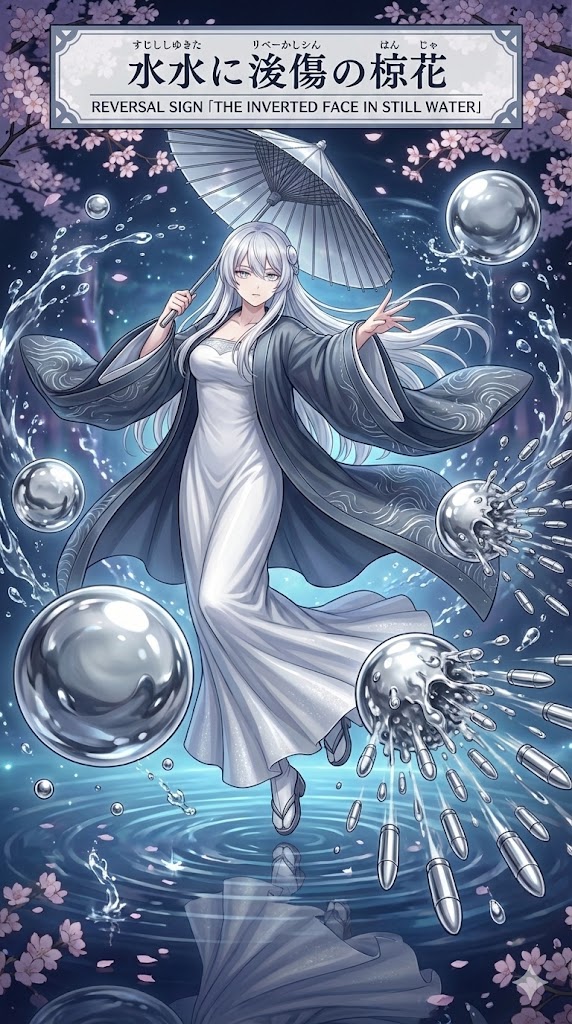
(Touhou Stage 4 Boss), (ZUN Style) Boss theme for someone questioning their reality while fighting, Opens with crystalline piano playing complex, perfectly symmetrical melodies, ZUN trumpet carries a beautiful but sad main theme with underlying desperation, Percussion should sound like breaking glass and ringing crystal, Layer reversed audio elements—melodies that play backward simultaneously with forward versions, Include ethereal synth pads suggesting endless reflections, Shifts between serene beauty and intense combat, representing inner conflict, Melody should feel like questioning existence while defending it
3:33
(Touhou Stage 5 Normal), (ZUN Style), (Epic), (Layered), (Complex) Stage theme evoking endless cycles and reincarnation, Opens with single piano melody that gradually layers additional instruments—each representing different lifetimes, Koto, guitar, organ, violin all play variations of same theme simultaneously but offset, creating dense harmonic texture, Percussion builds from simple to complex as more lives accumulate, Include sounds of pages turning and clocks ticking at different speeds, Melody should be beautiful but heavy with weight of time, Conveys feeling of endless experience pressing down
4:34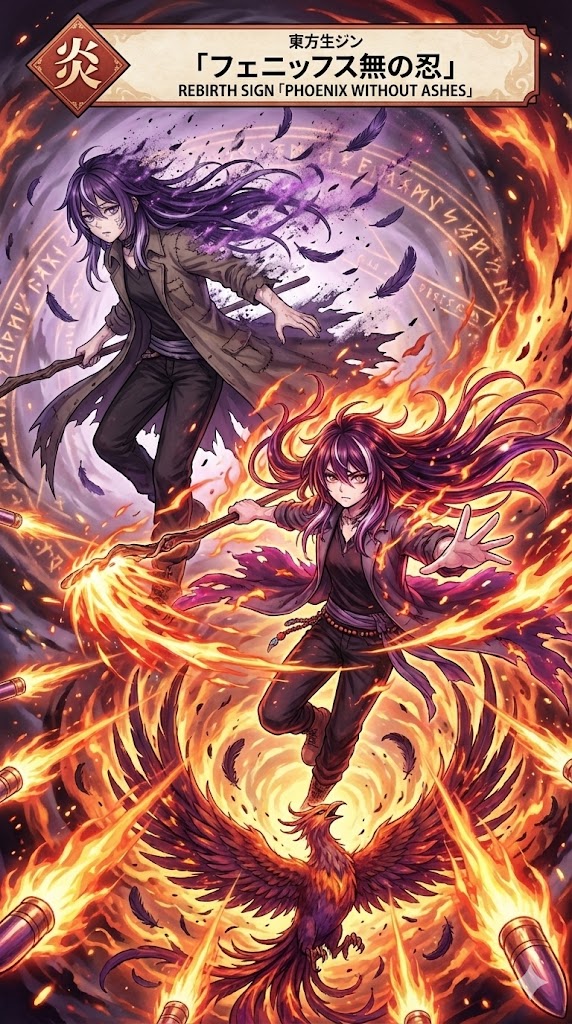
Touhou Stage 5 Boss, ZUN Style, Intense, Multi-layered, Epic, Powerful boss theme for someone with thousands of lives of experience, Features multiple melodies competing for dominance—aggressive guitar riffs, sorrowful piano, triumphant trumpet, mystical strings—all playing simultaneously representing different lifetimes, Complex polyrhythmic drums suggest multiple timelines, ZUN trumpet carries weary but defiant main theme, Include heartbeat sounds that occasionally skip or reverse, Build to overwhelming crescendo where all lifetimes unite, Should feel like fighting an army of one person, overwhelming yet tragic, Must be in Touhou/Zun style
5:29
(Touhou Stage 6 Normal), (ZUN Style), (Surreal), (Grand) Stage theme for navigating impossible recursive space, Opens with reality-breaking glitch effects—reversed audio, pitch shifts, stuttering rhythm, Multiple time signatures play simultaneously creating controlled chaos, Melody fragments from all previous stages play overlapping, suggesting all timelines converging, Features crystalline sounds, breaking glass, and warping space effects, Percussion is complex polyrhythm suggesting infinite branching paths, Despite chaos, maintains driving forward momentum toward confrontation, Conveys feeling of reality coming apart at seams, Must be in Touhou Style
3:03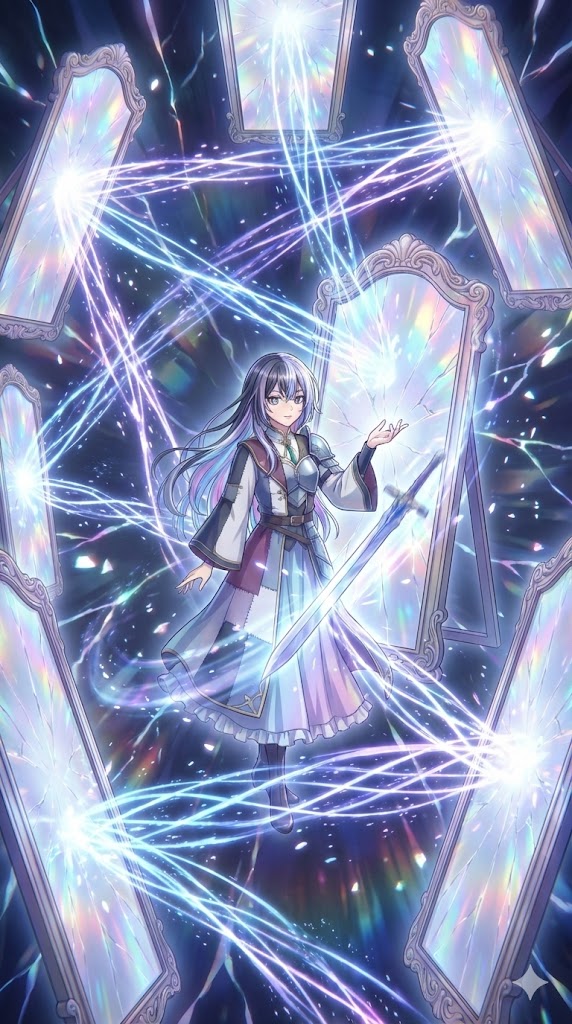
Prompt: (Touhou Stage 6 Boss Phase 1), (ZUN Style), (Chaotic), (Multiple Personalities), (Overwhelming) Intense boss theme for fighting thousands of simultaneous versions, Features dozens of instruments playing different melodies—each representing different fragment, Piano, guitar, violin, trumpet, organs, traditional Japanese instruments all compete for dominance, Rhythms clash and harmonize unpredictably, Include vocal-like elements suggesting arguing voices, ZUN trumpet tries to unify chaos but keeps fracturing, Should feel overwhelming—too much music happening at once, Conveys fighting parliamentary collective mind in constant internal debate, Beautiful chaos that threatens listener's sense of singular focus
5:14
(Touhou Stage 6 Boss Phase 2), (ZUN Style), (Heroic), (Unified), (Triumphant) Final boss theme for consolidated Kagami fighting alongside heroes, All previous chaotic elements from Phase 1 suddenly harmonize into single, powerful melody, Every instrument now plays in unison, creating overwhelming sense of unity from previous division, ZUN trumpet soars with heroic, determined theme, Percussion becomes singular driving force, Include sounds of mirrors shattering and reforming into whole, Build to massive, cathartic crescendo as integration completes, Should feel like resolution of impossible discord into beautiful harmony, Triumphant yet bittersweet—victory through accepting singular existence, Must be in Touhou Boss Style
4:08
(Touhou Extra Stage Normal), (ZUN Style), (Ethereal), (Haunting) Ambient stage theme for impossible space between mirrors, Features ghostly vocals and crystalline synths creating otherworldly atmosphere, Melody plays then repeats with echo effects creating layered sound, Percussion is minimal—soft chimes and reversed cymbals, Include sounds of distant voices, water drops, clock ticking that fade in and out, Theme should feel like drifting through memories that aren't yours, Beautiful but deeply melancholic, suggesting life at its end before it began, Bullet Hell/Touhou Music
4:33
Touhou Extra Boss, ZUN Style, Bittersweet, Intense, Transcendent Emotional extra boss theme for final challenge, Opens with lonely single note that multiplies into harmonics and echoes, Main melody features call-and-response between instruments—one plays phrase, another echoes it transformed, ZUN trumpet carries determined yet melancholic theme over complex rhythm suggesting borrowed time running out, Layer ghostly choir singing wordless melody that repeats and overlaps itself, Build to powerful crescendo where all echoes unify into single triumphant moment before fading, Should feel like brief, brilliant existence—beautiful because fleeting, meaningful because fought for