2:57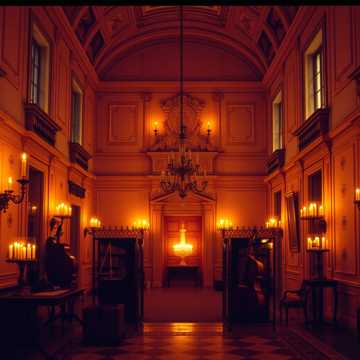
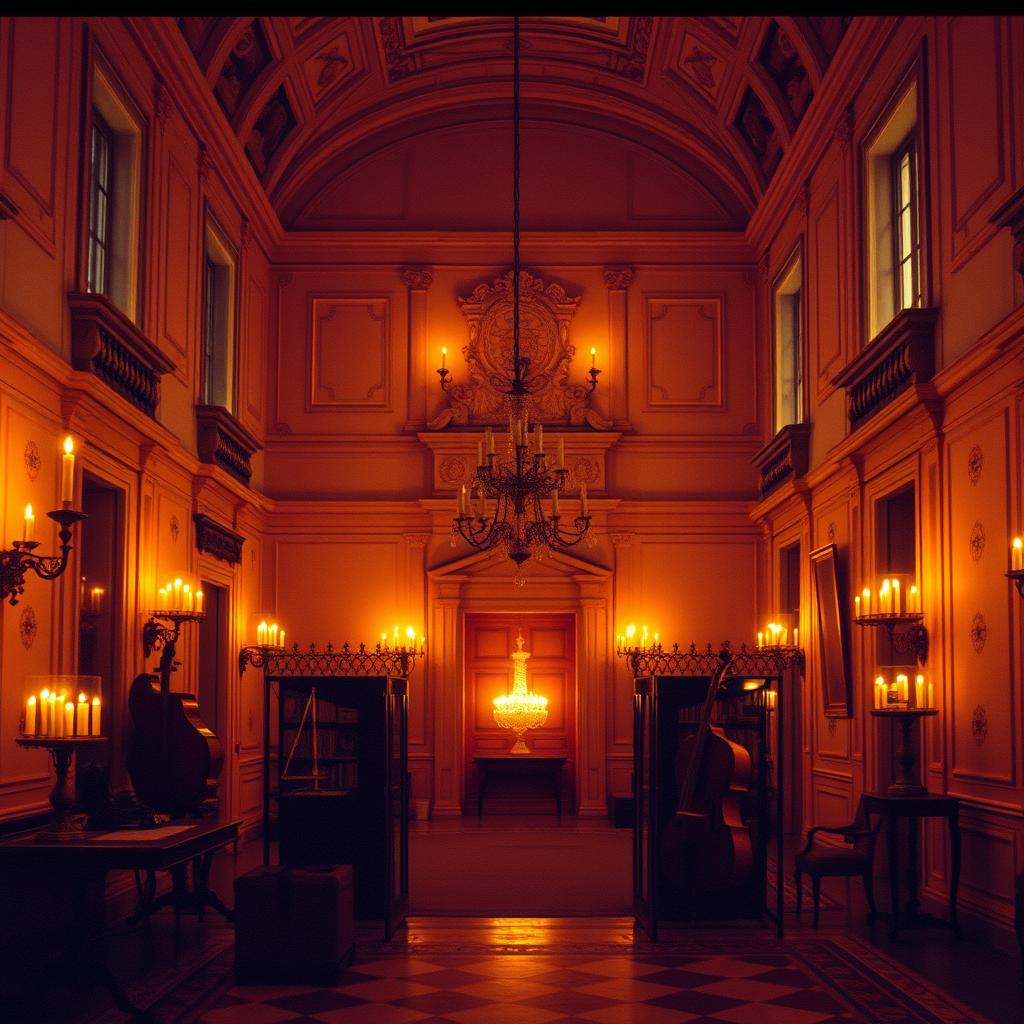
Create a purely instrumental Renaissance music piece that evokes an elegant evening gathering at the Medici court in Florence around 1500, The style should reflect the graceful, refined sound of Italian Renaissance court music, Main instruments should include lute (with delicate, ornamented arpeggios), viola da gamba or viol family for rich harmonic support, Renaissance flutes or recorders adding light, airy melodies, and occasional use of harp or harpsichord for texture, Light percussion (such as frame drums or tambourines) can provide subtle rhythmic pulse, but should remain gentle and courtly, The music should follow typical Renaissance forms, such as a pavane (slow and stately), galliard (lively and dance-like), or a saltarello (light, skipping rhythm), The overall atmosphere should feel sophisticated, intimate, and full of old-world charm, transporting the listener to a candlelit Florentine palace where nobles converse, sip wine, and enjoy exquisite live music
2:44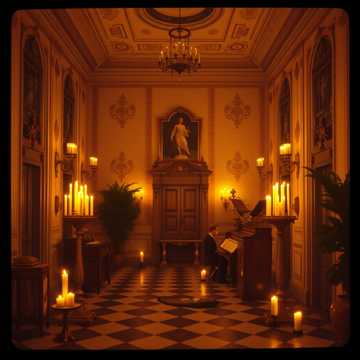
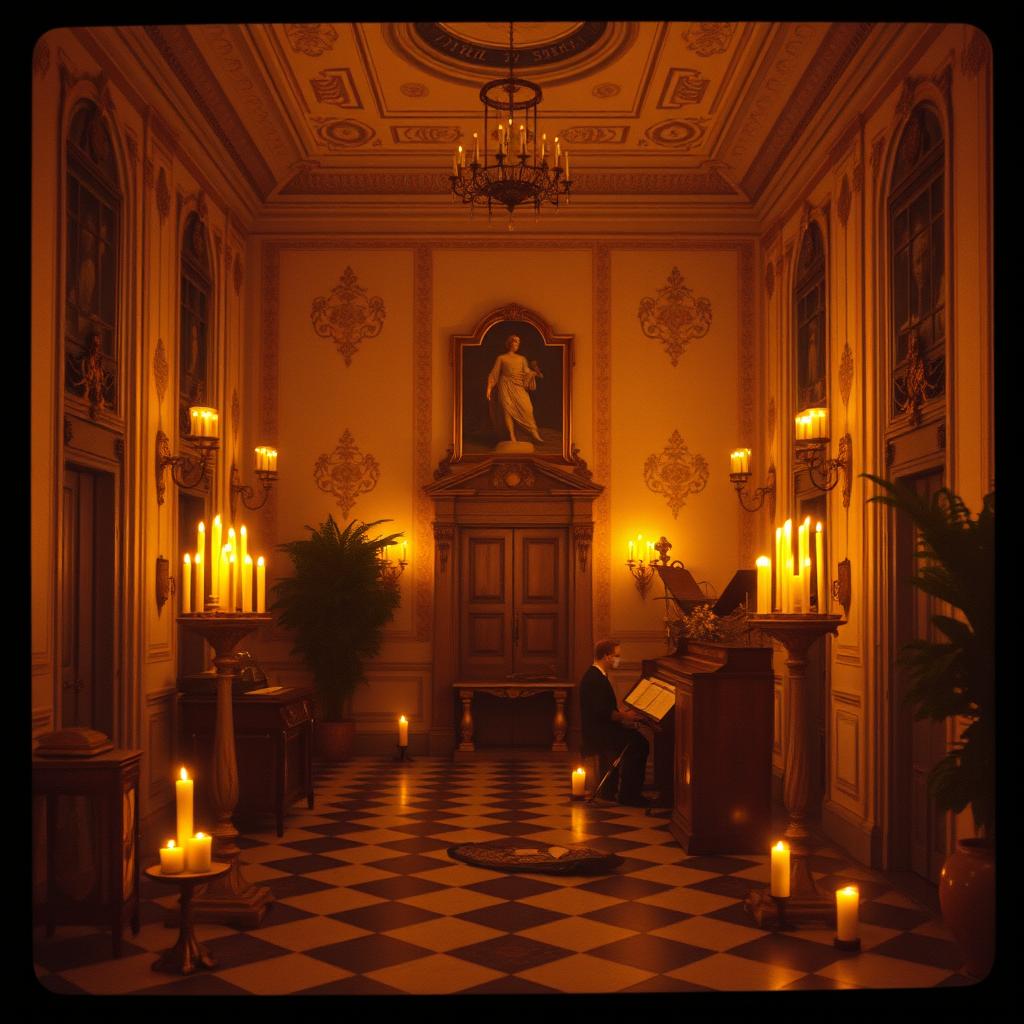
Create a purely instrumental Renaissance music piece that evokes an elegant evening gathering at the Medici court in Florence around 1500, The style should reflect the graceful, refined sound of Italian Renaissance court music, Main instruments should include lute (with delicate, ornamented arpeggios), viola da gamba or viol family for rich harmonic support, Renaissance flutes or recorders adding light, airy melodies, and occasional use of harp or harpsichord for texture, Light percussion (such as frame drums or tambourines) can provide subtle rhythmic pulse, but should remain gentle and courtly, The music should follow typical Renaissance forms, such as a pavane (slow and stately), galliard (lively and dance-like), or a saltarello (light, skipping rhythm), The overall atmosphere should feel sophisticated, intimate, and full of old-world charm, transporting the listener to a candlelit Florentine palace where nobles converse, sip wine, and enjoy exquisite live music
2:41
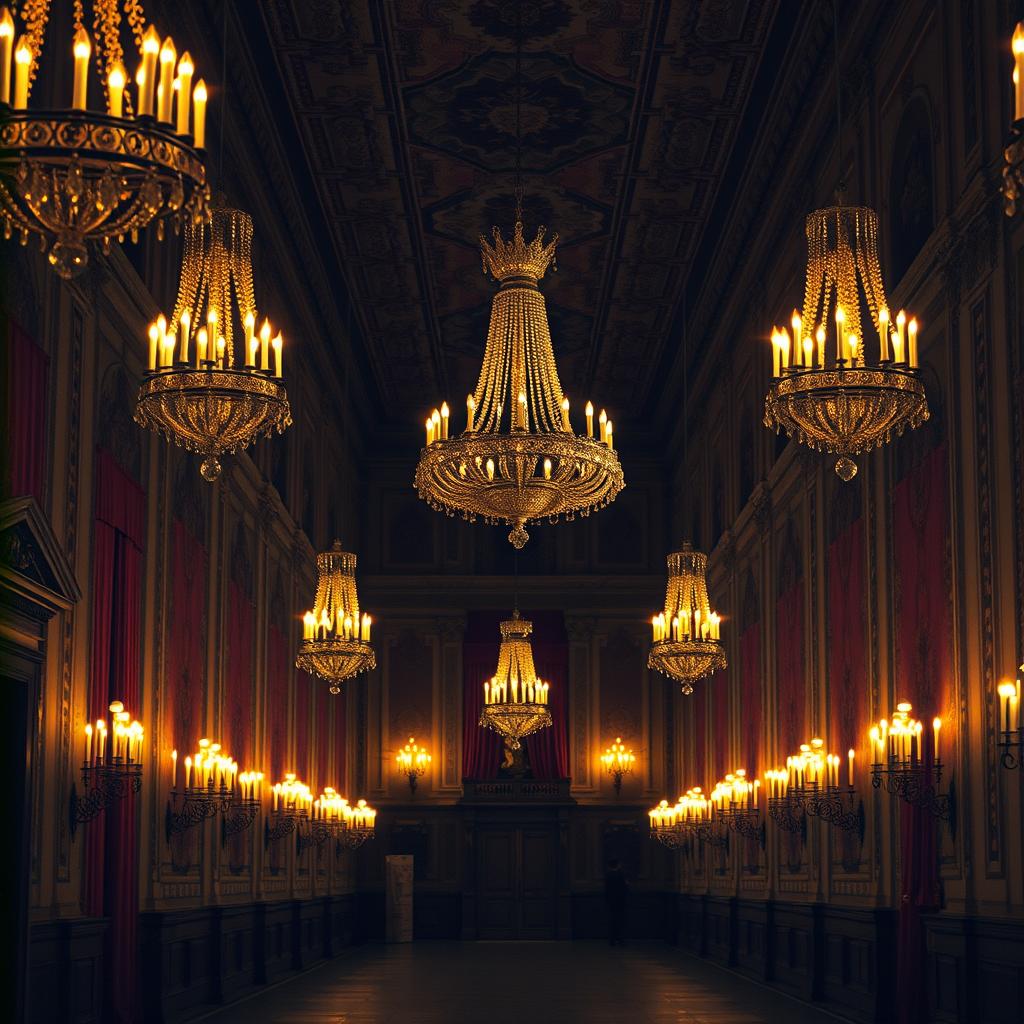
Create a purely instrumental Renaissance music piece that evokes an elegant evening gathering at the Medici court in Florence around 1500, The style should reflect the graceful, refined sound of Italian Renaissance court music, Main instruments should include lute (with delicate, ornamented arpeggios), viola da gamba or viol family for rich harmonic support, Renaissance flutes or recorders adding light, airy melodies, and occasional use of harp or harpsichord for texture, Light percussion (such as frame drums or tambourines) can provide subtle rhythmic pulse, but should remain gentle and courtly, The music should follow typical Renaissance forms, such as a pavane (slow and stately), galliard (lively and dance-like), or a saltarello (light, skipping rhythm), The overall atmosphere should feel sophisticated, intimate, and full of old-world charm, transporting the listener to a candlelit Florentine palace where nobles converse, sip wine, and enjoy exquisite live music
2:06
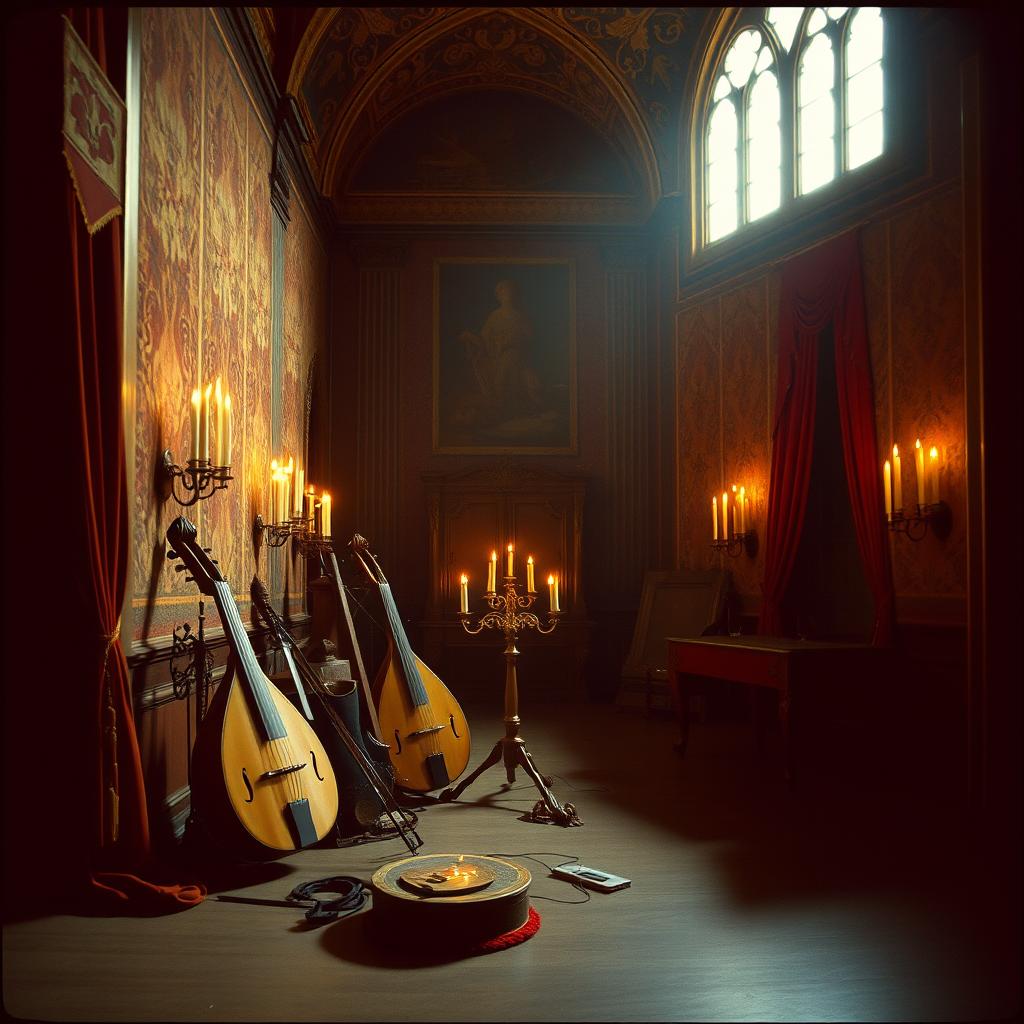
Create a purely instrumental Renaissance music piece that evokes an elegant evening gathering at the Medici court in Florence around 1500, The style should reflect the graceful, refined sound of Italian Renaissance court music, Main instruments should include lute (with delicate, ornamented arpeggios), viola da gamba or viol family for rich harmonic support, Renaissance flutes or recorders adding light, airy melodies, and occasional use of harp or harpsichord for texture, Light percussion (such as frame drums or tambourines) can provide subtle rhythmic pulse, but should remain gentle and courtly, The music should follow typical Renaissance forms, such as a pavane (slow and stately), galliard (lively and dance-like), or a saltarello (light, skipping rhythm), The overall atmosphere should feel sophisticated, intimate, and full of old-world charm, transporting the listener to a candlelit Florentine palace where nobles converse, sip wine, and enjoy exquisite live music
2:26
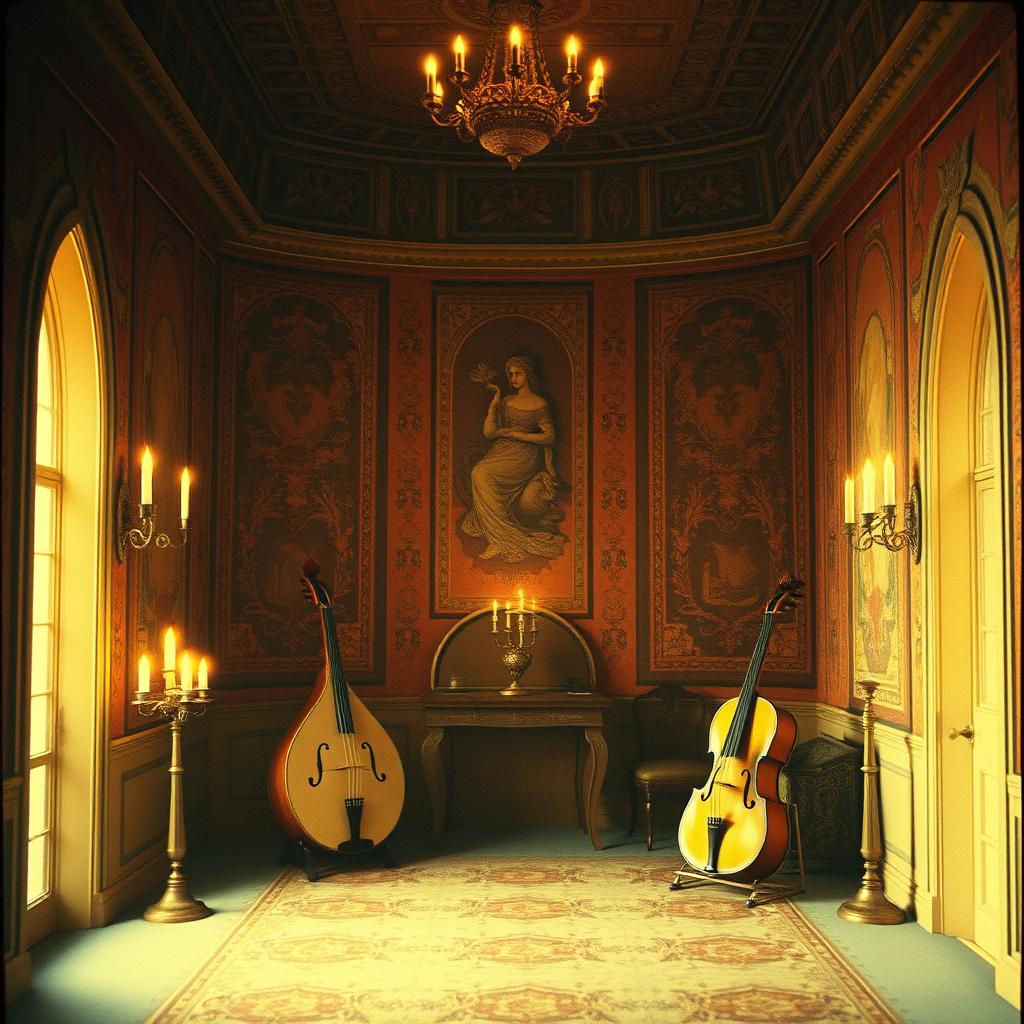
Create a purely instrumental Renaissance music piece that evokes an elegant evening gathering at the Medici court in Florence around 1500, The style should reflect the graceful, refined sound of Italian Renaissance court music, Main instruments should include lute (with delicate, ornamented arpeggios), viola da gamba or viol family for rich harmonic support, Renaissance flutes or recorders adding light, airy melodies, and occasional use of harp or harpsichord for texture, Light percussion (such as frame drums or tambourines) can provide subtle rhythmic pulse, but should remain gentle and courtly, The music should follow typical Renaissance forms, such as a pavane (slow and stately), galliard (lively and dance-like), or a saltarello (light, skipping rhythm), The overall atmosphere should feel sophisticated, intimate, and full of old-world charm, transporting the listener to a candlelit Florentine palace where nobles converse, sip wine, and enjoy exquisite live music