
2:36
Argentine Cumbia Villera from the early 2000s, with influences from psychedelic Peruvian chicha, The sound is dominated by cheap keyboard synths with a sharp, violin-like lead sound, a heavy, repetitive bassline, and electronic timbales with a prominent güiro, The vocal archetype is a 'Cronista Barrial' (Neighborhood Chronicler): a raw male voice, not technically polished, singing with a sense of urgency and street-smart authority, Delivery is half-sung, half-spoken, like a direct warning to a friend, Track kicks off with the iconic sharp synth lead playing a memorable, repetitive hook in the [Intro], The [Verse] is driven by the heavy bass and güiro, with the vocals telling the story clearly, The [Pre-Chorus] [Build up] adds layers of synth pads to increase tension, The [Chorus] powerful, sing-along chant, with all instruments hitting hard, During the [spoken word] [Bridge], music becomes sparse, with only a dark synth pad and the bassline to create a sinister [instrumental break]
3:18
Argentine Cumbia-Funk fusion, The track is built on a deeply groovy and prominent electric bassline, the heart of the song, The rhythm combines a laid-back rock drum beat with classic cumbia percussion: electronic timbales and a constant, scratching güiro, A funky electric guitar with a wah-wah effect plays rhythmic chops and a solo, The vocal archetype is a 'Charismatic Rebel, ' a baritone with a street-smart, rhythmic, half-sung delivery that is both sarcastic and cool, The atmosphere is urban, nocturnal, danceable, and slightly sleazy, like the soundtrack to catching a petty crime, The [Intro] must immediately establish the bass and güiro groove, The [Chorus] should be catchy and anthemic, perfect for a singalong, The [Wah-Wah Guitar Solo] after the [Bridge] is a key moment, it must be funky and expressive, The [spoken word] part should sound clear and official, contrasting with the groovy music, Track ends with a slow [fade out] on the main groove, suggesting the problem never ends
3:52
El Limpiacanaletas
v4.5+
Argentine Cumbia, a raw fusion of Cumbia Santafesina's soul with the gritty narrative of Cumbia Villera, The track is built on a live-sounding, danceable 2/4 cumbia beat at 98 BPM, with a forward güiro and a heavy, melodic bassline, The instrumental palette is dominated by a passionate, slightly overdriven accordion and a rhythmic electric guitar with a raw, "live-in-the-room" production feel, The performer is the 'Cantor del Barrio' (Neighborhood Singer) archetype: a raspy, soulful male vocalist with a slight 'arrastre' (drawl) and a delivery full of street-smart 'sentimiento' (feeling), The atmosphere is gritty, soulful, and deeply ironic, building from a tense [Verse] to an explosive, chant-along [Chorus], A [Sudden Break] with [Spoken Word] injects raw humor before a final, cathartic solo and climax
3:51
Upbeat, groovy, and soulful Argentine Blues Rock, The sound is driven by a melodic bassline and a steady, in-the-pocket drum beat that invites you to dance, A clean, soulful electric guitar plays rhythmic chords and riffs, complemented by a warm, ever-present Hammond organ, The lead vocal is a heartfelt and joyful male baritone, powerfully supported by a communal choir in the anthemic chorus, The atmosphere is warm and celebratory, capturing the feeling of a magical, hopeful night walk through the cobblestone streets of San Telmo, The guitar solo should be melodic and groovy, more about joyful expression than pain
2:38
Modern Argentine Cumbia Testimonial, The sound is based on the Cumbia Villera framework but with a hopeful, non-confrontational atmosphere, Driven by a sharp, synthetic keyboard lead (Korg N364 style) playing a catchy, repetitive melody, Heavy, driving bassline and electronic percussion (güiro, timbales), Vocal Archetype: "Cronista de Barrio" (Neighborhood Chronicler), A charismatic, raw male voice, full of pride and determination, Sings with the authentic conurbano accent, Atmosphere: Gritty, hopeful, and proud, The sound of hard work and dignity, Energetic and danceable, but the story is the focus, Dynamic Script: The [Intro] explodes with a bus SFX and the beat, The [Verse] is narrative-driven, with the voice clear over the bass and percussion, The [Chorus] is an anthemic, powerful singalong, The [Bridge] is a "low" moment, with the music dropping to just bass and güiro for the serious lyrical reflection, before exploding back into the final [Chorus]
4:25
Late 1980s Argentine post-punk and dark-wave fusion, Raw and gritty production, Deep, enigmatic male baritone vocals with a charismatic, seductive yet detached delivery, Groovy, driving bassline with heavy chorus and flange effects, Distorted electric guitars playing rhythmic stabs, Melancholic and aggressive urban saxophone solos (Sumo-core), Minimalist electronic drums using a LinnDrum-style pattern with heavy gated reverb, Tense and industrial atmosphere, 125 BPM, Haunting analog synthesizer pads (Roland Juno-106 style) providing a cold, nocturnal texture, Precise energy control: minimalist verses leading to massive, anthemic choruses with high-fidelity sonic clarity
2:22
Argentine Cumbia Villera, early 2000s style, The sound is dominated by cheap keyboard synths with a sharp, violin-like lead, a heavy, repetitive bassline, and electronic timbales with a prominent güiro, The texture is raw, electronic, and confrontational, A 'Street Chronicler', a raw male voice, sings with a mix of complaint, resilience, and street poetry, The atmosphere is marginal and urgent, mixing festive energy with social commentary, Production Script: The track starts with its sharp synth lead, The heavy beat and bass drop in the verse, The chorus is catchy and anthemic, designed to be chanted, with the synth playing a memorable hook, A simple but effective synth solo in the bridge leads to an abrupt ending, reflecting the harshness of the street
3:23

Dark, futuristic industrial techno, Cyberpunk, A cold, mechanical, and dystopian atmosphere, Driven by a relentless, pulsing arpeggiated synth bassline (like a Roland SH-101) and a hard, distorted TR-909 drum machine pattern, Glitch sound effects, static, and cold, detuned synth pads create a paranoid digital landscape, The "vocalist" is not a singer, but a [Processed Male Spoken Voice] and a [Vocoder Male Voice], cold and detached, narrating the facts like a digital entity or a police report, The [Intro] opens with modem sounds, static, and the processed spoken voice, [Verse] minimalist and rhythmic, with the steady beat and the spoken vocal narrative, The [Pre-Chorus] builds tension using swelling synth pads, The [Chorus] must be a massive, chaotic, and LOUD instrumental explosion, a wall of distorted synths and a heavy drum beat, punctuated only by the [Vocoder Voice] shouting the keywords, The [Outro] breaks down to the cold synth pads and sound effects, ending with a hard [End]
3:52

High-energy Argentine Ska, The music is fast-paced, with a driving rhythm section, prominent up-stroke guitar skanks, and a powerful brass section (trombone, trumpet) playing catchy, frantic riffs, The vocal archetype is a 'Desperate Client', singing rapidly, The [Intro] must start with phone sound effects and a pre-recorded voice, then explode into the fast ska instrumental, [Verse] vocals should be rapid-fire and almost spoken over the driving bass and drum beat, The [Pre-Chorus] builds tension with the brass section playing short, punctuating stabs, The [Chorus] must be an explosive, catchy sing-along, with the full brass section carrying the main hook, The [Brass Solo] in the [Bridge] needs to be wild, frantic, and slightly dissonant, The final [Chorus] after the [modulate up] tag should be even faster and more desperate, The [Outro] must feature an abrupt stop of all music, leaving only a dial tone sound effect, followed by a final shouted vocal before a hard cut
2:00
El Último Commit
v4.5+
Argentine Tango-Canción with influences of Tango Nuevo, The instrumental palette is a classic quintet: a soulful, melancholic Bandoneon as the lead voice, a rhythmic and dramatic piano, a sharp violin, a modern electric guitar for a gritty edge, and a deep double bass marking the 'milonga' rhythm, Vocal archetype is a classic "Tango Cantor": a dramatic baritone, world-weary but passionate, delivering the lunfardo lyrics with raw storytelling and emotional weight, The track opens in the [Intro] with a solo, mournful Bandoneon, The full quintet enters in [Verse 1] with a slow, marked 4/4 tango rhythm, The [Chorus] must be a dramatic explosion of passion and resignation, The [spoken word] line is delivered intimately over a sparse piano chord, The [Bandoneon Solo] must be the emotional centerpiece, virtuosic and heartbreaking, The final [Chorus] after the [modulate up] tag is desperate and defiant, The track ends abruptly in the [Outro] with a final, sharp chord from the full band
2:45
Late Golden-Age Tango, in the intense and emotional style of an orchestra circa late 1950s, with a walking tempo around 115 BPM, The sound is led by an intense, swelling bandoneon section and lush, melodic violins, A rhythmic piano provides crisp accents over a deep contrabajo, The vocal archetype is 'El Zorzal Inmortal': a warm, nasal baritone with a subtle, "mordiente" vibrato, The phrasing is rich and expressive, inspired by bel canto, capable of immense tenderness and controlled, "pudorosa" crescendos, The sound fuses nostalgic tango essence with a modern, polished production: crystal-clear, wide stereo, with analog warmth from plate reverb and subtle compression, The [Intro] presents the main theme with the full, powerful orchestra, The [Verse] sections are more intimate, allowing the expressive baritone voice to shine, The [Chorus] is a powerful, emotional swell with the full force of the orchestra, The [Bandoneon Solo] must be intense, melodic, and virtuosic, fabulous [end]
3:31
80s Pop Rock, in the style of a parody artist, Upbeat, energetic, and slightly nerdy, The sound is built on a driving 4/4 drum machine beat with a gated reverb snare, a bright and catchy synthesizer riff, a melodic electric bassline, and clean electric guitars, The vocal archetype is 'El Apostador Iluso' (The Clueless Gambler): a slightly nasal, high-energy male tenor delivering the story of his misfortune with an overly enthusiastic and earnest tone, :The track is upbeat and energetic, The [Intro] should open with the sound of casino coins and slot machines, followed by the main catchy synth riff, The [Verse] sections are narrative, telling the story clearly, The [Chorus] is a big, catchy, sing-along anthem with layered harmony vocals, The [Bridge] has a moment of false, heroic revelation, The [Guitar Solo] is melodic and slightly over-the-top, classic 80s style, The final [Chorus] must sound triumphant and self-deluded, The song ends with a final line and a classic rock [fade out]
3:56
Argentine Folklore, a melancholic Chacarera Trunca fusing traditional birhythm with a raw, industrial texture, Based on a deep Bombo Legüero drum and nylon-string Guitarra Criolla, layered with metallic percussion (anvil clangs, machine hums) for a "workshop folklore" sound, Vocal is a 'Wounded Chronicler': a soulful male baritone singing a painful testimonial of betrayal, The atmosphere is solemn, narrative, and heavy with family tragedy, Production Script: Starts with a lonely Bombo Legüero and anvil clangs in the [Intro], Verses are narrative with sparse percussion, The [Chorus] must be powerful, driven by the bombo's traditional chacarera pattern, The [Bridge] is intimate, with the vocal over a simple guitar arpeggio for raw emotion, The [Outro] slows dramatically, ending with a final, echoing metallic clang after the beat stops
4:29
Argentine Rock Nacional, circa 1983, The instrumental palette features electric guitars with chorus and delay, a powerful and heavy drum section, a melodic fretless bassline, and atmospheric analog synthesizers (Prophet-5 style), vocal archetype is an 'Anguished Chronicler': a passionate baritone with a slightly raspy, conversational delivery, prioritizing emotional honesty and poetic weight over technical perfection, The track begins with an atmospheric synth pad and a clean, delayed electric guitar in the [Intro], The full band enters in [Verse 1] with a mid-tempo, heavy 4/4 beat, The [Chorus] must be a powerful, desperate anthem, The [spoken word] section should have a filtered, radio-like effect over a minimalist bassline, The [Guitar Solo] must be melodic and melancholic, full of sustained notes and expressive bends, The final [Chorus] after the [modulate up] tag must feel explosive and climactic, The song ends with the main guitar riff fading out slowly in the [Outro]
3:54
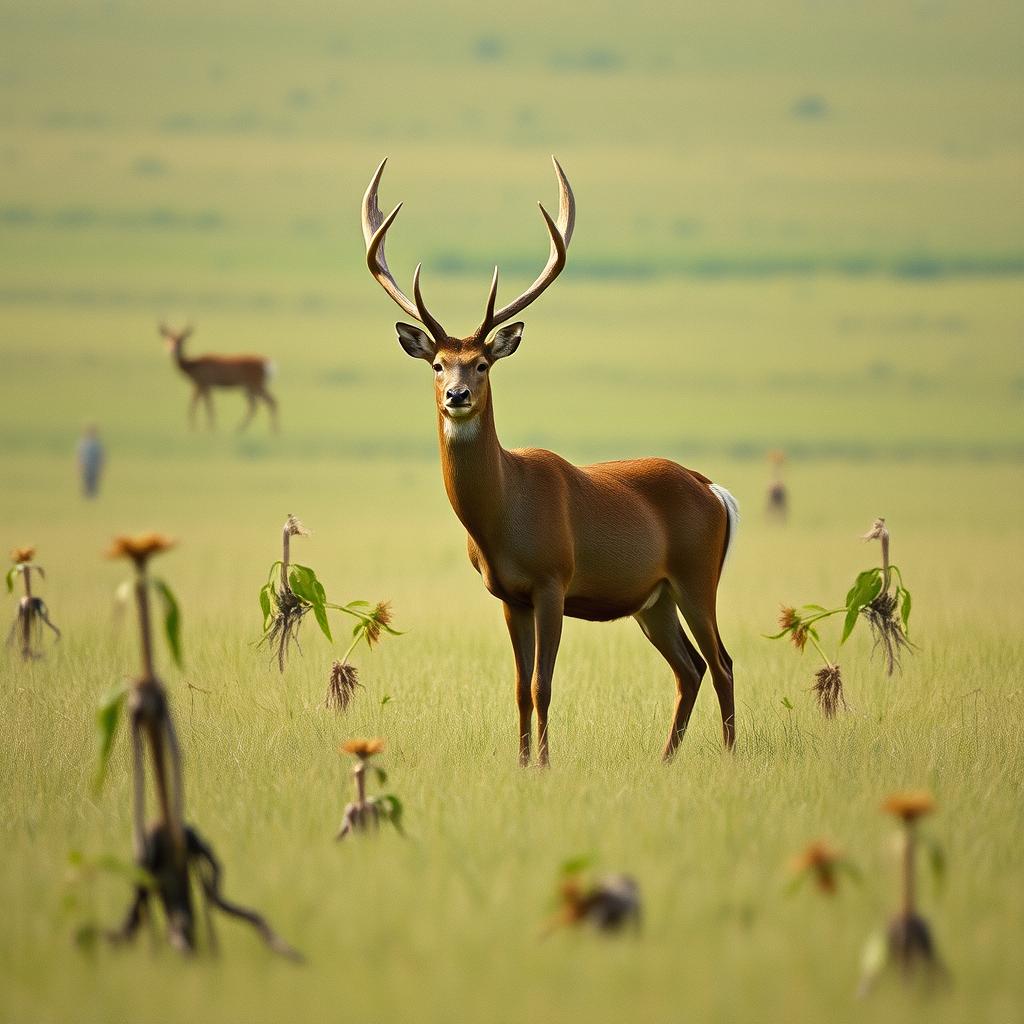
Argentine Folklore-Rock fusion, with the narrative depth of Rock Nacional, The instrumental palette is built on the powerful, earthy pulse of a bombo legüero and rhythmic criolla guitars, A melodic electric guitar adds texture and leads, supported by a solid, driving bassline, Vocal archetype is a male baritone, an 'Anguished Chronicler, ' delivering the story with gravity and testimonial conviction, The atmosphere is a mix of rural melancholy and determined resolve, reflecting the conflict between invasive species and the native ecosystem, The track begins with a sparse [Intro] featuring the bombo legüero, The full band enters in [Verse 1], establishing a mid-tempo groove, The [Pre-Chorus] uses a [Build up] to increase intensity, The [Chorus] must be anthemic and powerful, The [Guitar Solo] after the [Bridge] should be expressive and slightly gritty, reflecting the tension of the subject, The track concludes decisively with the final vocal line in the [Outro] followed by an [end] tag
3:11
Argentine Punk Rock, late 80s style, with hardcore punk influences, The sound is driven by fast, distorted power chords from an electric guitar, an aggressive and simple bassline, and a powerful, fast-paced drum beat with a loud snare, The vocal archetype is a cynical 'Anguished Chronicler, ' delivering lyrics in an urgent, nasal shout, prioritizing attitude over melody, The atmosphere is raw, confrontational, and full of nihilistic irony, A 'garage' sound with no polish, perfect for a critique of political hypocrisy, Production Script: The track must start with a blast of distorted guitar in the [Intro], Verses are fast and almost spoken-shouted, The [Chorus] needs to be an explosive, shouted anthem, The [Guitar Solo] is short, chaotic, and noisy, not melodic, The song should end abruptly after the final spoken word in the [Outro], using the [end] tag for a hard stop, leaving no room for reflection
4:22
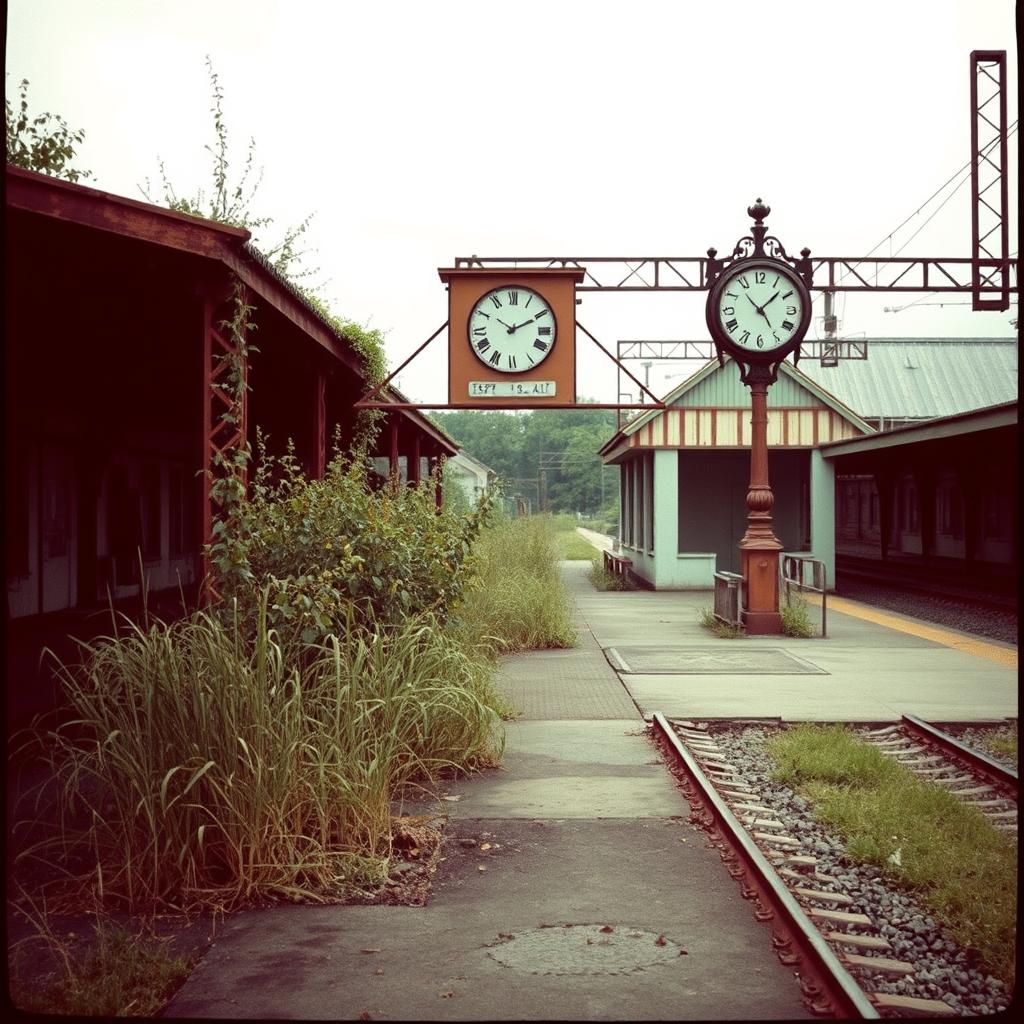
Argentine Rock Nacional, circa 1982, fusing progressive rock with the urban melancholy of Tango and the earthy textures of Folk Rock, The instrumental palette is atmospheric, featuring clean acoustic guitars, a melodic and delayed electric guitar, a mournful fretless bassline, and powerful, spacious drums, Atmospheric analog synthesizers with pads and textures for nostalgia emptiness, Vocal archetype is a passionate, slightly raspy male baritone, an 'Anguished Chronicler, ' delivering poetic lyrics with deep emotional urgency, The [Intro] must be sparse and atmospheric, with wind SFX and a lonely acoustic guitar, The full band enters in [Verse 1] with a slow, heavy 4/4 rhythm, The [Chorus] must be powerful and anthemic, but melancholic, not joyful, The [Synth Solo] should be melodic and evocative, like a ghost of the past, The final [Chorus] after the [modulate up] tag must feel explosive and epic, Track ends fading out to the sound of an approaching train, as scripted in the [Outro]]
2:34

Fusion of Argentine Candombe-Rock and theatrical Murga, with a ska-punk energy, Built on a powerful Candombe drum section (chico, repique, piano drums), a bouncy, syncopated electric bassline, and a clean, rhythmic electric guitar playing off-beats, ska-style, A brass section (trombone, trumpet) provides comical, dramatic stabs, Vocal archetype is a 'Pícaro Barrial' (Neighborhood Rogue): a male vocalist with a theatrical, story-telling delivery, narrating the story with irony and humor, Atmosphere festive and satirical, Track opens with a Candombe drum call in the [Intro], The [Verse] features a narrator-like vocal over a simple groove of bass and off-beat guitar, The [Pre-Chorus] [Build up] adds the brass section to create tension, The [Chorus] must be an explosive, full-ensemble Murga-style chant, rhythmic and singable, The [spoken word] line in [Verse 2] should be clear, with the music dropping down, The [Outro] fades out repeating the main hook with the full, festive percussion
3:03
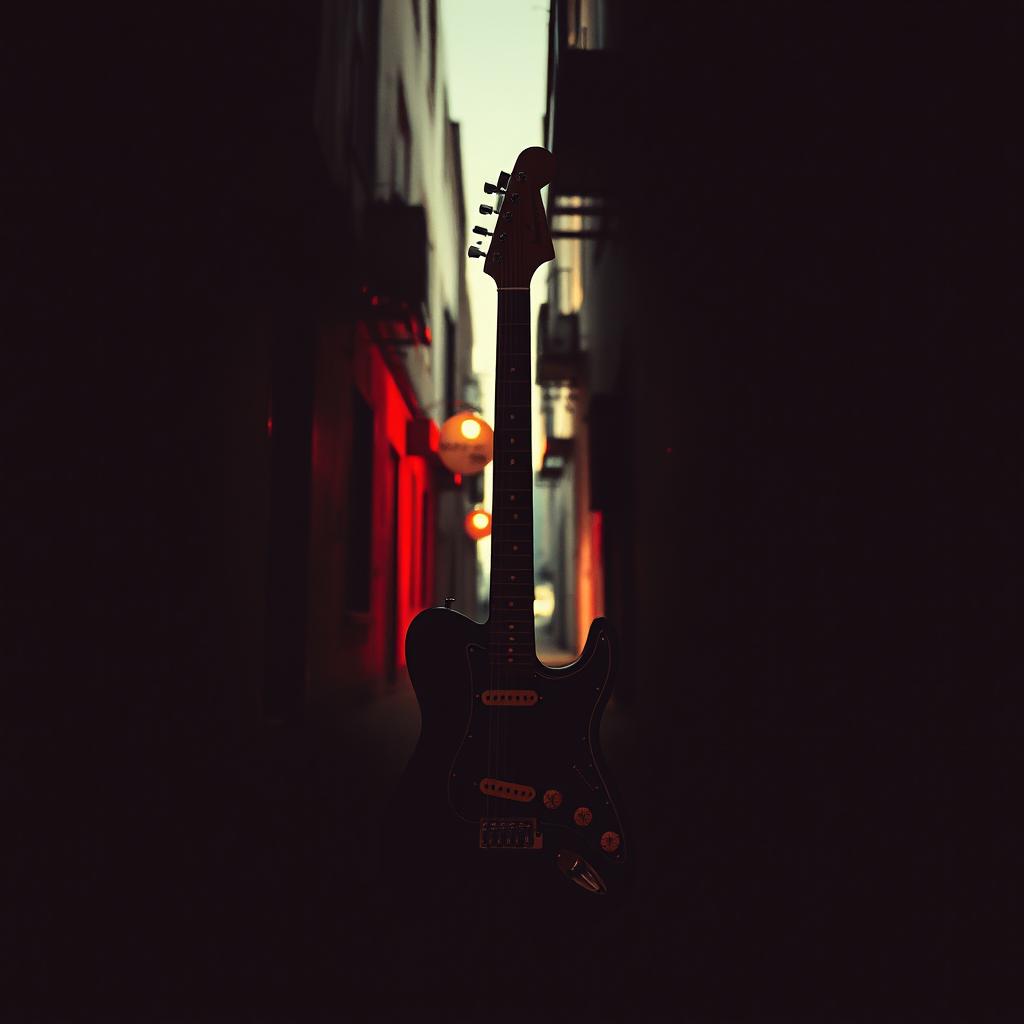
Argentine Garage Rock, circa late 90s, with raw punk rock energy and a touch of urban blues, Texture is raw, minimalist, and direct, built on a heavily distorted electric guitar playing simple power chord riffs, a driving, overdriven bassline, and aggressive, straightforward drums, No synths, no polish; a "live in a garage" sound, The vocal archetype is an 'Anguished Chronicler': a male voice with a raw, confrontational, half-shouted delivery, Not melodic, but rhythmic and full of attitud like punk PSA, Song kicks off immediately with the main distorted guitar riff in the [Intro], The [Verse] is tense, with the voice almost speaking over the pulsing bass and drums, The [Pre-Chorus] [Build up] gets louder and faster, leading into the explosive [Chorus], which should be a powerful, shouted anthem, The [spoken word] [Bridge] has a dramatic drop in instrumentation, with only a clean, menacing guitar arpeggio underneath, [Guitar Solo] is short, angry, and chaotic, Ends repeating the title
2:44
Classic Latin Bolero, An intimate, acoustic texture built on the interplay of three nylon-string guitars: a lead 'requinto' playing intricate, romantic melodies; a second guitar playing rhythmic chords; and a third providing the bassline, Light percussion (bongos, maracas) provides a gentle rhythm, The vocal archetype is a classic Bolero Trio arrangement: The lead singer ('Primera Voz') is a 'Velvet-Voiced Tenor' who narrates the story, He is supported by two other male vocalists providing tight, lush harmonies ('Segunda' and 'Tercera Voz'), The sound is rich, masculine, yet incredibly romantic, The track starts with a smooth [Romantic Guitar Intro], The verses are delivered by the lead tenor, with the other two male voices providing subtle, sweet harmonies throughout to support the narrative, The [Chorus] must feature the full, rich three-part male harmonies, The [Requinto Guitar Solo] in the [Bridge] must be melodic and emotional, The song ends on a gentle [fade out]
3:09

80s Hi-NRG Synth-Pop, in the style of Michael Sembello's "Maniac", The atmosphere is energetic, anxious, and frantic, The high-energy music creates a stark contrast with the dark, cautionary lyrics, The instrumental palette is dominated by a relentless, driving four-on-the-floor beat from a LinnDrum machine, a sequenced, pulsating synth bassline, and bright, catchy synthesizer hooks from a Yamaha DX7, The vocal archetype is a 'Desperate Belter': a powerful female voice singing with a sense of urgency and breathless anxiety, telling her story as if running from a nightmare, The track must start with a fast [Synth Arpeggio] that hooks the listener immediately, The beat must be constant and driving, The vocals in the [Chorus] should be layered and have a slight echo to enhance the feeling of panic, The [Synth Solo] in the [Bridge] must be virtuosic and melodic, The song should end abruptly after the [spoken word] part, fading out with a synthesized heartbeat sound to represent anxiety
3:24
Argentine Indie-Folk with a touch of melancholic Synthwave, A driving
yet subtle 4/4 beat, reminiscent of a modern chacarera rhythm but with
electronic percussion, The instrumentation features acoustic guitar
arpeggios, a deep bombo legüero drum layered with a crisp electronic
kick, atmospheric pads from a vintage analog synthesizer, and a subtle
bassline, Male lead vocal, smooth and slightly world-weary, narrating
the cynical story with moments of [Spoken Word] and [Vulnerable Vocals], Harmonies during the [Chorus] provide a sense of collective
disappointment, The atmosphere is nostalgic and slightly detached, building intensity gradually towards a [Climactic] and layered [Multiple
Voice Chorus SATV], then becoming [Stripped Back] and reflective in the
[Bridge], before a [Fade Out] with [Echoing vocals]
4:08
Argentine Milonga-Canción, around 110 BPM, The instrumentation is acoustic and classic, led by a nylon-string criolla guitar playing the characteristic milonga rhythm and a deep, resonant contrabass, A melancholic bandoneon weaves melodies throughout, The lead is a warm, intimate male baritone vocal, delivered in a cadenced, [Spoken Word] style, reminiscent of a poet reciting over music, The atmosphere is nostalgic and sentimental, with a vintage production style that evokes the warm, slightly crackling sound of an old tube radio, It features a poignant [Bandoneon solo] in the [Outro]
3:11
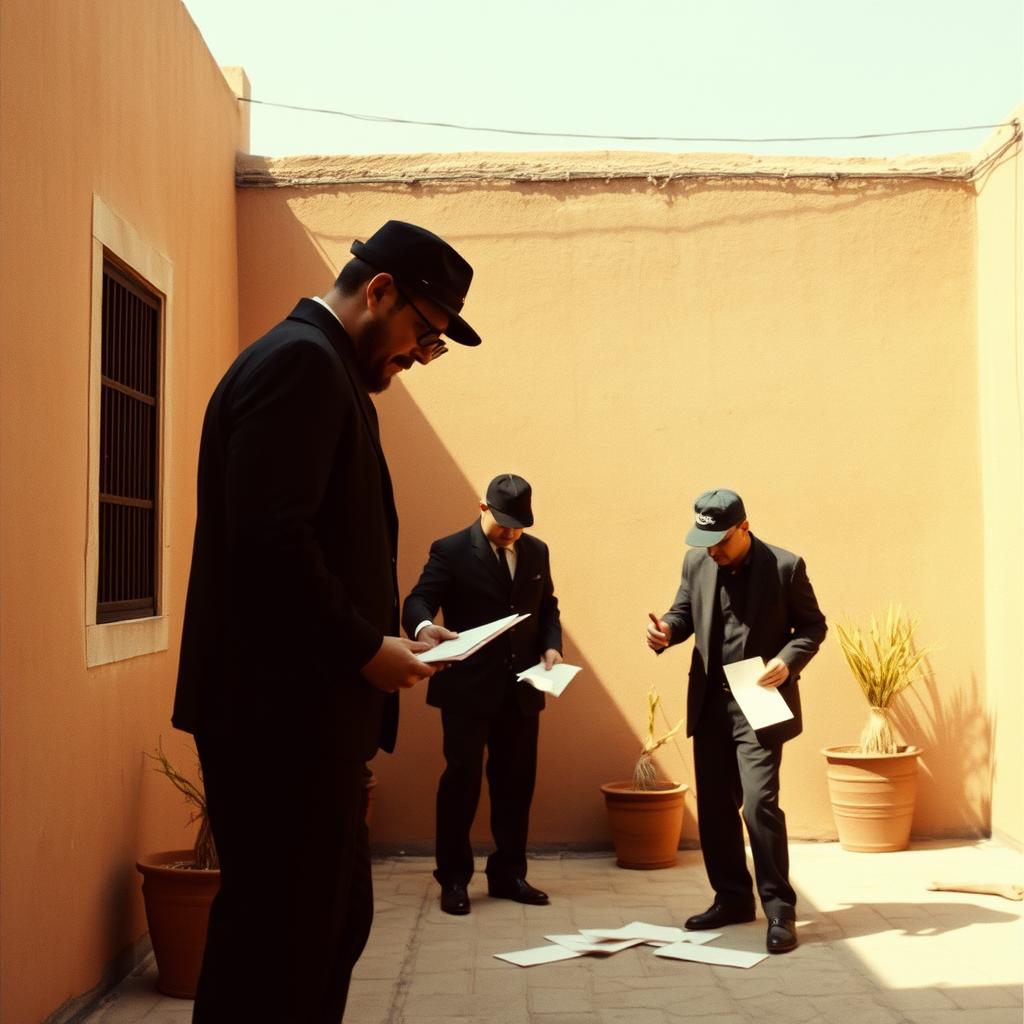
An ironic and humorous Argentine folklore song about clumsy criminals impersonating government officials in Santiago del Estero,
Authentic Argentine Chacarera from Santiago del Estero, fast-paced and festive, The rhythm must have a strong birhythmic feel between 6/8 and 3/4, driven by a deep bombo legüero drum playing complex patterns on both the patch and the rim, The main harmonic instrument is a nylon-string criolla guitar playing a percussive rasgueido, accompanied by a playful violin that carries the melody in the instrumental sections, The lead vocal is a clear, slightly nasal male folkloric singer with a narrative and ironic delivery, The chorus should feature a classic two-part vocal harmony in thirds, The production must be acoustic, earthy, and raw, capturing the live energy of a traditional peña, The final outro features a gruff, gaucho-like spoken word narrator
5:34
Argentine Rock Nacional, circa 1995, fusing the introspective lyrics of Rock Alternativo with the raw energy of Grunge*], The rhythm is a slow, heavy 4/4 rock beat, 78 BPM, with a crushing backbeat, The instrumental palette is dominated by heavily distorted electric guitars, a prominent, melancholic fretless bassline, and a raw, booming acoustic drum sound, The performer is a male baritone, the 'Anguished Chronicler' archetype*]: delivering poetic lyrics about urban alienation, social fatigue, and collective introspection with raspy, slightly shouting vocals, The atmosphere is dark, melancholic, and aggressive, building from an [Ominous Drone] in the [Intro] to a powerful, desperate [Chorus] before a slow [Fade Out]
4:33
Future Italo Disco, 126 BPM, fusing the melancholic, metaphorical Spanish lyrics of Argentine Rock Nacional with a self-aware, sentimental tone, The rhythm is a driving four-on-the-floor dance beat*] with a funky synth bassline and octave jumps, The instrumental palette features bright, atmospheric analog synthesizers, punchy 808 electronic drums, and a clean electric guitar lead with heavy reverb*] emphasizing the existential angst, The performer is a vulnerable male baritone, the 'Anguished Chronicler' archetype*], delivering the emotional narrative in neutral Spanish with a slightly exaggerated Italian accent*], The atmosphere is an ironic blend of euphoric escapism and introspective melancholy, building to a [Climactic], anthem-style [Chorus] before a dramatic [Fade Out]*]
4:25
1995 Argentine Rock Nacional meets Grunge, 4/4 slow heavy rock at 80 BPM, with distorted electric guitars, grinding bass, raw acoustic drums, and raspy male baritone vocals, Dark, aggressive, introspective vibe with poetic urban lyrics
2:53

Argentine Indie Rock with Lo-fi and Post-Punk influences, Mid-tempo, 110 BPM, with a steady, driving 4/4 drum beat that feels monotonous and hypnotic, The texture is slightly gritty, built on a clean electric guitar with light reverb for the [Verse] that gets more overdriven in the [Chorus], A melodic, prominent bassline carries the song, The performer is a 'Resigned Chronicler' archetype: a male baritone with a laid-back, almost spoken-word delivery, sounding tired and cynical but not aggressive, The atmosphere is melancholic and introspective, starting minimalist and building to a downbeat, anthemic [Chorus], The [Guitar Solo] should be melodic and expressive, The track ends on a [Fade Out] with a repeating vocal echo, like endlessly scrolling a webpage
3:18
Authentic 1962 Rio de Janeiro Bossa Nova, fused with the lyrical irony of modern indie pop, A slow, swaying 4/4 rhythm at 80 BPM, built on the classic batida guitar pattern, The percussion is minimal, using [soft, brushed drums] to maintain a gentle pulse, The sound is sparse and acoustic, dominated by a [Gentle nylon-string guitar] and a warm acoustic bass, A [Smooth, melancholic tenor sax solo] provides the instrumental centerpiece, The performer is 'The Misanthropic Crooner' archetype: a breathy, detached male baritone who delivers cynical, antisocial lyrics with a soft, almost whispered tone, creating a deep sense of irony, The atmosphere is deceptively calm, sophisticated, and intimate, contrasting sharply with the harshness of the lyrics
2:25

Estéreo Primaveral
v4.5+
Argentine Beat music, in the style of 'El Club del Clan', circa 1964, An upbeat, danceable 4/4 Beat rhythm at 145 BPM, driven by a prominent snare hitting the backbeat, The instrumental palette is defined by its primitive and experimental 1960s stereo production, featuring clean electric guitars, a cheerful Farfisa-style organ, a simple melodic bassline, and a basic drum kit, The mix employs extreme stereo panning: drums and bass are panned hard to the left channel, while guitars, organ, and vocals are panned hard to the right to create a stark 'ping-pong' effect, The performer is 'The Teen Idol Crooner' archetype: a clean, boyish, and incredibly enthusiastic male tenor, backed by wholesome, multi-part male harmonies, The atmosphere is one of clean-cut, wholesome, and naive optimism, capturing the essence of a 60s TV music show
3:14
70s style Argentine Folk-Rock, melancholic and acoustic, The sound is led by a nylon-string criolla guitar playing a zamba rasgueado pattern, A deep bombo legüero provides the birhythmic 6/8 - 3/4 pulse, supported by a melodic fretless bass and a very soft, subtle drum kit, A melancholic quena flute echoes the vocal melody, The lead vocal is a clear, high-tenor, full of nostalgia and gentle emotion, with soft two-part harmonies in the chorus, The atmosphere is nostalgic and warm, the sound of a long journey home through the open landscapes of Argentina at dusk
3:09
Avant-garde Tango Fusion / Tango Rock, The sound is a dramatic clash between a traditional tango ensemble and a heavy blues-rock band, The foundation is a real, melancholic Bandoneon, playing classic tango phrases, This is fused with a heavy, distorted electric guitar playing powerful, bluesy riffs in a call-and-response with the bandoneon, A heavy, straightforward rock drum beat replaces traditional percussion, The male vocal is a declamatory, theatrical baritone, halfway between a rock singer's grit and a tango singer's dramatic, world-weary narration, The atmosphere is satirical, cynical, and intensely urban—the sound of a classic tango orchestra being hijacked by a raw rock band
2:28
Fast and energetic Argentine Folk-Rock, in the style of a Chacarera Doble, The rhythm is a fast, driving birhythmic feel between 6/8 and 3/4, The powerful, intricate rhythm of the bombo legüero is the absolute protagonist, playing accents on both the patch and the rim, A nylon-string criolla guitar plays a fast, percussive rasgueado pattern, A lively violin enters to play the melodic interludes and trade phrases with the vocals, The lead vocal is an energetic male tenor, with powerful, joyful two-part harmonies in the chorus, creating a festive peña atmosphere, The sound is earthy, joyful, and powerful
5:49
Argentine National Rock, 80s ballad style, with the urban melancholy of tango and a testimonial charge, Driven by a clean electric guitar with delay, a solid fretless bassline as the melodic foundation, and acoustic drums with a reverberated snare, An atmospheric analog synthesizer pad enters in the choruses to add epicness, Sung by 'The Anguished Chronicler': a conversational, nasal male voice prioritizing emotional honesty over perfect pitch, The atmosphere is melancholic and solemn, as if narrating a significant historical event, Guion de Producción Dinámica:
The song starts minimalist in the [Intro] and [Verse] with just guitar and voice, Drums enter in the [Pre-Chorus] building tension, The [Chorus] is anthemic and powerful, with synths and layered harmonies, The [Bridge] becomes sparse again for reflection before the emotional [Guitar Solo], The final [Chorus] is delivered with maximum intensity, ending in a slow fade out
4:56
Melancholic and testimonial Argentine Rock Nacional, fused with Folk Rock, The sound is built on a raw electric guitar with delay, a driving and steady bassline, and a powerful, straightforward drum beat, Gritty, street-level production with an atmosphere of urban melancholy and social commentary, The singer is a male vocalist in the style of an 'Anguished Chronicler', with a raw, conversational delivery that prioritizes storytelling and emotional honesty over technical perfection, The song begins with a lonely electric guitar riff in the [Intro], The [Verse] is sparse, allowing the narrative vocal to be upfront, The energy explodes in the [Chorus] with the full band, featuring distorted guitars and a powerful, anthemic feel, The [Guitar Solo] should be expressive and melodic, full of emotion rather than technical shredding, The [Bridge] lowers the intensity to focus on the lyrical message, becoming more reflective, [Outro] fades out with the main riff and the distant sound of sirens
5:01
Slow and heavy Electric Blues, with a gritty shuffle rhythm, Infused with the melancholic and earthy feel of Argentine Litoraleño folk music, The sound is defined by a raw, overdriven electric guitar playing expressive bent notes, and a mournful, wailing slide guitar that responds to the vocal lines, A deep, simple, and repetitive bassline anchors the song, alongside a heavy, slow shuffle drum beat with a strong backbeat, Raw, lo-fi, and muddy production, evoking a sense of humidity and earth, The singer is a weathered male baritone voice, full of grit and weariness, The delivery is raw and emotional, prioritizing authenticity over perfect pitch, like a field holler turned into a song, The song opens with a haunting slide guitar motif in the [Intro], In the [Verse], following the classic AAB blues structure, the first two vocal lines are each followed by an instrumental guitar response (call-and-response), The [Chorus] becomes more intense, with the full band hitting hard, The [Guita
4:32
80s synth-pop power ballad, epic and sentimental, with a grand, cinematic feel, Defined by a massive gated reverb snare drum sound from a LinnDrum machine, and deep Roland Juno-106 synth pads creating a nostalgic and emotional atmosphere, It features a prominent Yamaha DX7 electric piano melody, clean chorus-effect electric guitar arpeggios in the verses, distorted electric guitar for the epic solo, Polished, high-budget 80s production, Singer is a passionate male vocalist with a wide range, capable of conveying both the vulnerability in the verses and the anthemic power in the chorus, with argentntinian crispy accent, like Ricardo Iorio, Opens in the [Intro] with only a soft Yamaha DX7 electric piano, The [Verse] is minimalist, with the lead vocal upfront, Energy builds in the [Pre-Chorus] as a simple bassline and a classic LinnDrum pattern enter, The [Chorus] must be massive and anthemic, with the powerful 'gated reverb' snare, distorted electric guitars and layered vocal harmonies
6:19
Argentine National Rock, 80s progressive rock style with tango influences, circa 1982, [cite_start]The rhythm is a slow 4/4 with a melancholic, fretless bassline, [cite_start]The instrumental palette includes electric guitars with heavy delay, atmospheric analog synthesizers[cite_start], and powerful, spacious drums using a classic gated reverb snare sound, [cite_start]The lyrics are poetic and metaphorical, sung by a passionate male voice with a slight rasp, in an introspective and testimonial style, The song starts with a minimalist [Intro], building tension through the [Verse] sections, The [Chorus] explodes with full instrumentation, It features a melodic and highly emotional [Guitar Solo] after the [Bridge], [cite_start]The overall atmosphere is nostalgic, epic, and deeply emotional, ending with a fade-out
3:35
An experimental and confrontational fusion of Argentine popular music styles, a sonic collage representing social and political conflict, The track is a political opera that morphs between the acoustic, earthy sound of **Argentine Folklore (Chacarera)**, the raw, electronic urban grit of **Cumbia Villera**, and the menacing, state-sponsored pomp of a **Peronist Military March**, This is not a blend, but a sharp, sectional contrast, The core sound palette is a deliberate clash of classes and regions, The **Folklore** sections are defined by a deep, resonant **bombo legüero** drum and the intricate *rasguido* of a **nylon-string criolla guitar**, The **Cumbia Villera** sections are dominated by a cheap, sharp **keyboard synthesizer lead**, a heavy, repetitive electronic bassline, and the insistent scrape of a **güiro**, The **Military March** is reinterpreted grotesquely with a cheap, synthesized brass sound, The vocal archetype is a passionate and defiant male **"Cronista Angustiado"
4:12
Classic 90s Argentine Rock Nacional, protest song, mid-tempo rock, The sound is raw, driven by a punchy drum kit with a prominent snare and a melodic basseline, Distorted electric guitars play memorable, simple riffs, The 'Cronista Urbano' archetype: a conversational, slightly nasal male voice, He sings with an honest, frustrated, and cynical emotional delivery, prioritizing ñ storytelling and anger over perfect pitch, The atmosphere is a mix of urban angst, social frustration, and dark humor, Lyrics use Argentine slang, Phone ring at [Intro], The [Verse] is rhythmically sparse, focusing on the storytelling vocal, The energy builds in the [Pre-Chorus] as the full drum and bass enter, creating tension, The [Chorus] is an EXPLOSIVE and anthemic shout, with raw guitar distortion and layered, angry vocals, The [Bridge] is slower, spoken-word, building back tension, A raw, melodic [Guitar Solo] follows, full of 'bronca' (angst), The song ends with a cynical spoken [Outro] and a [Fade Out]
4:24
Epic 90s Argentine Hard Rock, social chronicle style, A punchy, heavy drum kit with a massive, prominent snare sound, A raw, driving, 'aplanadora' bassline that carries the rhythm, Distorted, raw electric guitars playing dark, memorable riffs and melancholic leads, Atmospheric, cold synthesizers adding a layer of urban decay, The "Cronista Urbano" archetype: a raw, conversational male voice, full of angst and desperation, prioritizing honest delivery over perfect pitch, Sings with palpable frustration, The atmosphere is gritty, hopeless, and full of social frustration, The song starts dark and tense in the [Intro] with the distorted guitar riff and cold synths, The [Verse] is rhythmically sparse, with the raw vocal upfront over the bassline, Energy builds in the [Pre-Chorus] as drums enter fully, The [Chorus] must be ANTHEMIC AND EXPLOSIVE, with powerful drums, heavy guitars, and layered, desperate backing harmonies, Features a raw, melodic [Guitar Solo] after the second chorus, The [
3:09

90s Mambo Pop Revival, crossover dance anthem, high-energy party mood, 170-175 BPM, A fusion of two eras: the polished, driving, slightly synthesized drum beat and groovy electric bass of 90s Latin Pop, combined with an explosive, sampled 1950s Mambo big band brass section (trumpets, saxophones), NO 808s, NO trap, NO reggaeton, Vocals: Charismatic male lead vocalist performing in a rhythmic, spoken-word "party host" style (NOT rapping, NOT singing), Backed by a powerful, clean male choir in the chorus, Crucially, the track is filled with authentic 1950s-style high-pitched "¡Aaaee!", "¡Hooouuu!", "¡Ugh!" guttural shouts, punctuating the brass hits, Production: bright, clear, 90s pop mastering, very catchy and danceable
2:54

Authentic 90s Ragga (Raggamuffin), classic Jamaican dancehall style, Driven by a minimalist, synthetic digital riddim, A heavy, programmed drum machine pattern (like a Casio RZ-1 or E-mu SP-12) with a sharp, digital snare, A deep, repetitive, synthetic 'Sleng Teng' style bassline and occasional cheap synth horn stabs, Features a "Dancehall Deejay" archetype: a charismatic, energetic male vocalist with a heavy Jamaican patois inflection, using rhythmic 'toasting' and chanting for social commentary, Atmosphere is raw, energetic, and confrontational, like a 90s Kingston sound system clash, The track starts hard in the [Intro] with the full riddim and the deejay's ad-libs, The [Verse] is sparse, focusing on the rhythmic toasting over the bass and drums, The [Chorus] explodes with layered call-and-response chants, The [Bridge] is a fast, virtuosic toasting section, The [Outro] fades out, maintaining the groove
4:39

Classic 90s Argentine Rock Nacional, "Cronista Urbano" (Urban Chronicler) style, A driving, groovy bassline that carries the narrative, A punchy, precise drum kit with a prominent snare, Raw, clean electric guitars playing tense, funky, and memorable riffs, with some light distortion in the chorus, A dark, atmospheric Hammond organ pad creates a tense, police-procedural backdrop, The archetype: A slightly nasal, conversational male voice that prioritizes honest emotional delivery and clear storytelling over perfect pitch, He sings with a rhythmic, almost spoken-word cadence, narrating the facts of the case with a gritty, journalistic tone, A tense [Intro] featuring the main guitar riff, [Verse] is minimalist, focusing on the bass and the narrative vocal, The [Pre-Chorus] builds tension with the organ swells, The [Chorus] is an energetic, anthemic release, with the full band and layered backing vocals on the title, [Outro] fades out with main riff and police sound effect
2:56

A classic, warm, and nostalgic Argentine Folklore Chacarera, The song is a heartfelt tribute to a traditional craft, The rhythm is the classic birhythmic 6/8 and 3/4 feel, driven by a steady, earthy Bombo Legüero drum as the heartbeat, The entire song is built around nylon-string criolla guitars, playing the syncopated rasguido (strumming) and clear, melodic punteos (fingerpicking), No electronic elements, The vocalist is the "Cronista del Interior" (Storyteller from the Heartland): a warm, clear male baritone, He sings with honest pride and nostalgia, celebrating the story with clarity, not technical flash, nostalgic, proud, and communal, The [Intro] is just a solo [nylon-string guitar] and [marble SFX], The [Bombo Legüero] enters on [Verse 1], The [Chorus] is more energetic, with layered vocal [Harmonies] on the final line, Includes a short, melodic [Guitar Punteo] (solo) section, The [Outro] is spoken word over the beat, ending with a clean [End]
3:48
male vocal, spoken word intro, emotional gritty vocals, clean electric guitars to hard rock distortion, groovy bassline, punchy drums, delay on vocals, cinematic reverb, mid tempo, ironic tension, urban rock, megaphone effect, accordion and fairground organ samples in background, theatrical hard rock
3:20
Classic Argentine Tango, Golden Age Style, Bandoneon Lead, Staccato Strings, Rhythmic Piano, Intimate Deep Vocals, Dramatic, Passionate, 1940s Acoustic, Nocturnal
4:05
Isan Molam fusion, Thai Funk, Cumbia Villera Fast Tempo, Festive, High Energy, Male Vocals, Traditional Reed Instruments mixed with Synths, Party Crowd Noise
5:47
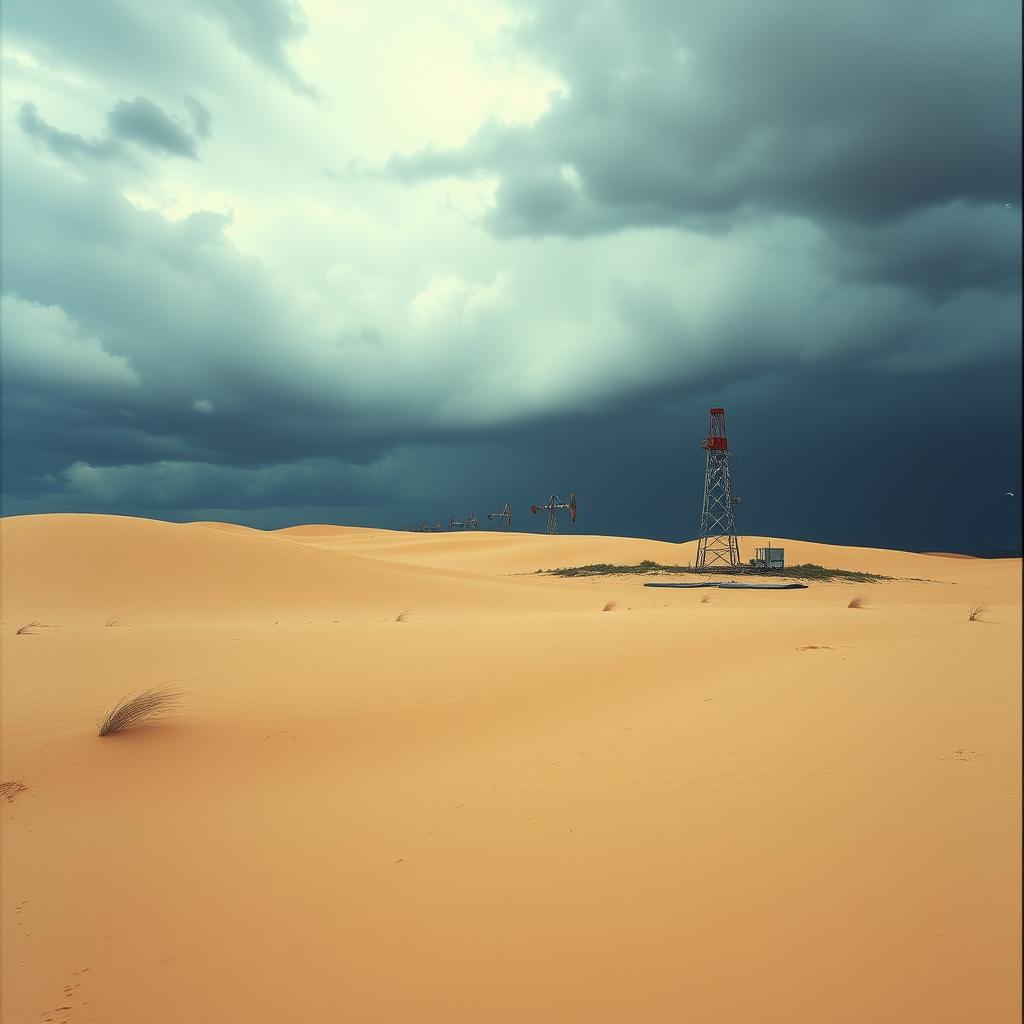
Classic 90s Argentine Rock Nacional fused with Gritty Blues Rock, Raw, earthy, and powerful sound, reflecting the harsh Patagonia desert atmosphere, Fender Stratocaster with overdrive, slide guitar fills, Hammond B3 organ, heavy stomping drums reminiscent of Pappo's Blues, driving bass, Raspy baritone male voice, conversational and weary but with bursts of angry energy, prioritizing emotional storytelling with a distinct Argentine accent context
2:54
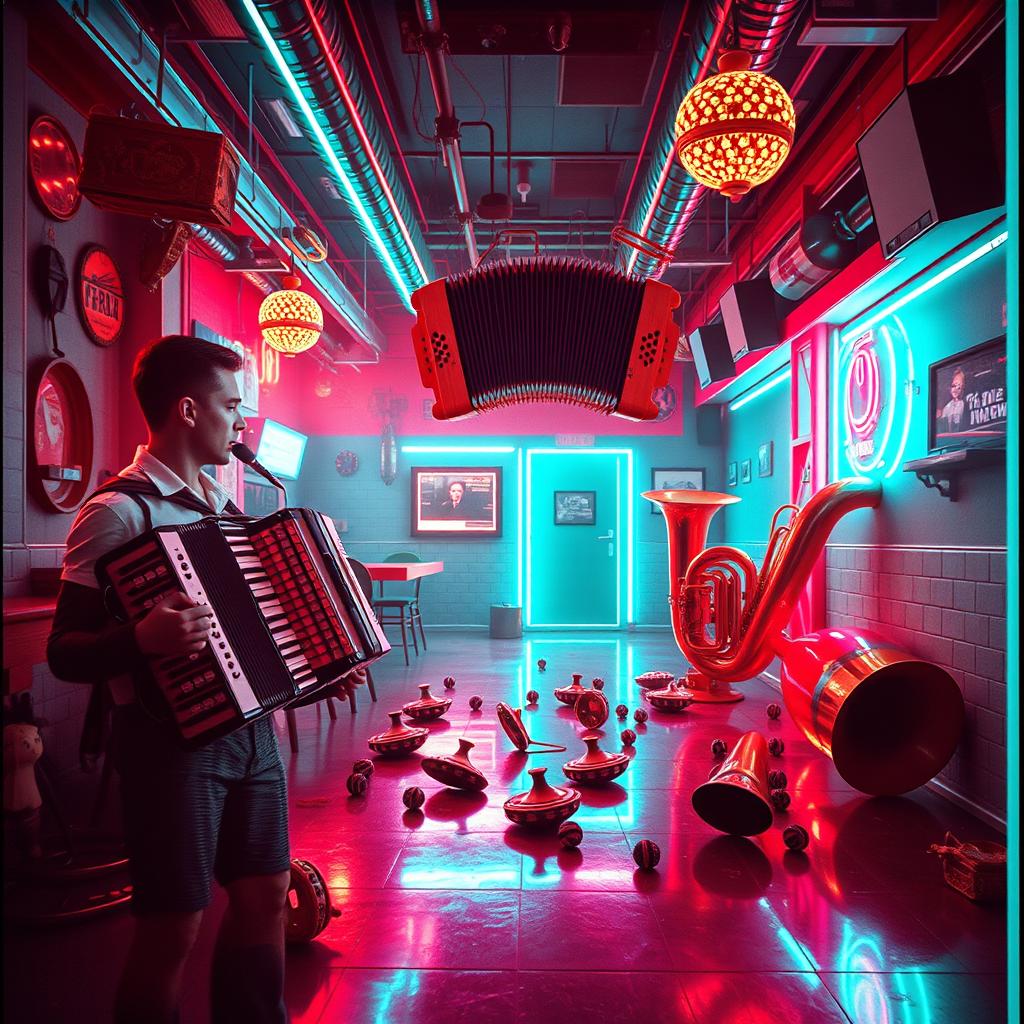
Chaotic Italo-Argentine Polka 1940s, Intro with spoken confusing dialogue, Fast tempo, Instruments: Accordion, Clarinet, Tuba, Snare Drum, Vocals: Male singer with heavy Italian immigrant accent singing in Cocoliche (broken Spanish), Theatrical, humorous, expressive