
2:53
Medieval sacred music, 12th–14th century Europe, Gregorian chant, organum, early polyphony, cathedral acoustics, monastery choir, Latin liturgical vocals, male and female voices, Hildegard von Bingen influence, Guillaume de Machaut influence, modal harmony, drone accompaniment, ancient bells, reverent, mystical, solemn, haunting stone chapel reverb, authentic medieval performance practice, no modern instruments, no percussion, no contemporary harmony, deeply spiritual atmosphere
3:14
Renaissance sacred and courtly music, 1450–1600, rich vocal polyphony, imitative counterpoint, flowing overlapping choir lines, Palestrina-style sacred harmony, Thomas Tallis-style English cathedral textures, humanist ideals, Latin motet, soaring mixed choir, cathedral acoustics, elegant melodic weaving, serene and luminous, authentic Renaissance performance practice, subtle lute and viol accompaniment, no modern instruments, no percussion, refined, majestic, reverent, golden age of choral music
4:14
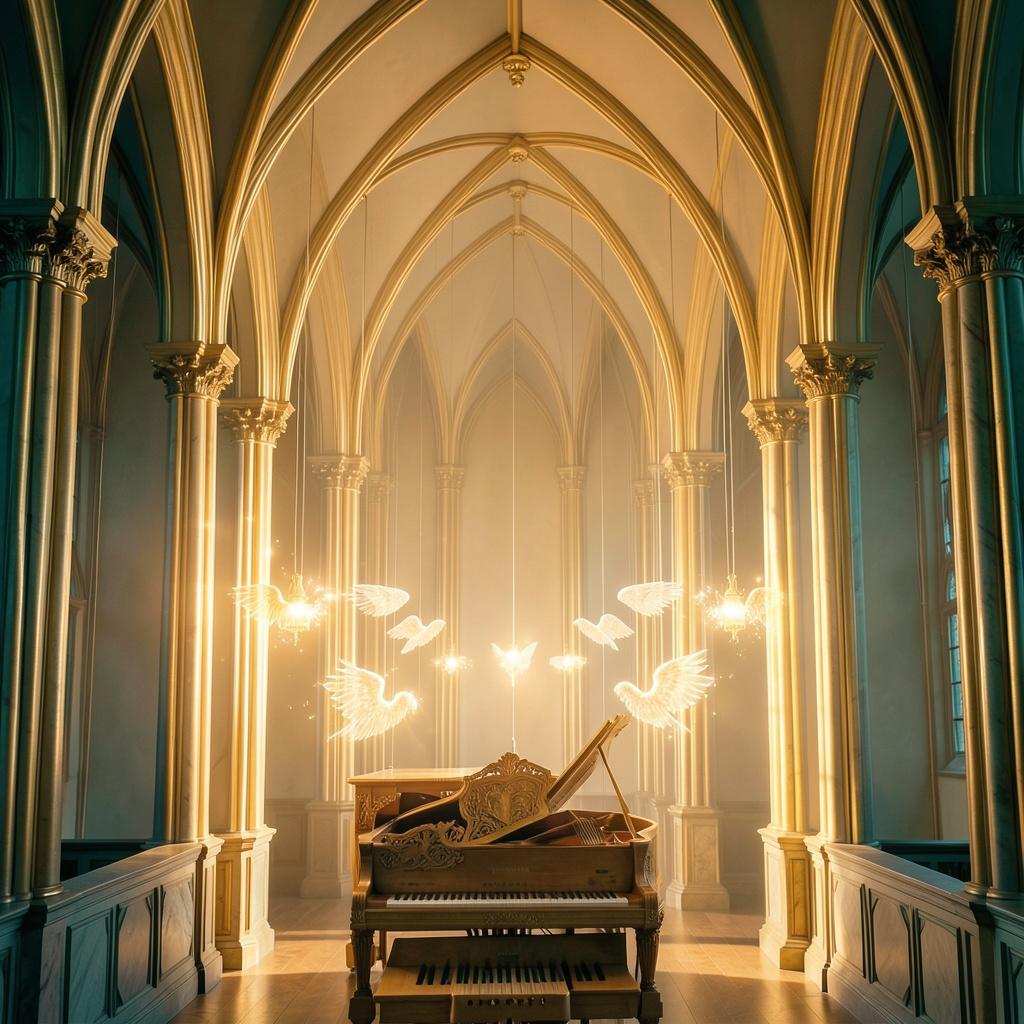
Baroque era classical music, 1600–1750, ornate melodies, dramatic counterpoint, virtuoso harpsichord, chamber orchestra, soaring strings, pipe organ, basso continuo, grand concerto grosso textures, Vivaldi-inspired energy, Handel-inspired majesty, Bach-inspired complexity, elaborate ornamentation, powerful choral passages, royal court atmosphere, cathedral grandeur, dynamic contrasts, authentic Baroque performance practice, elegant and dramatic, no modern instruments, dramatic
3:24
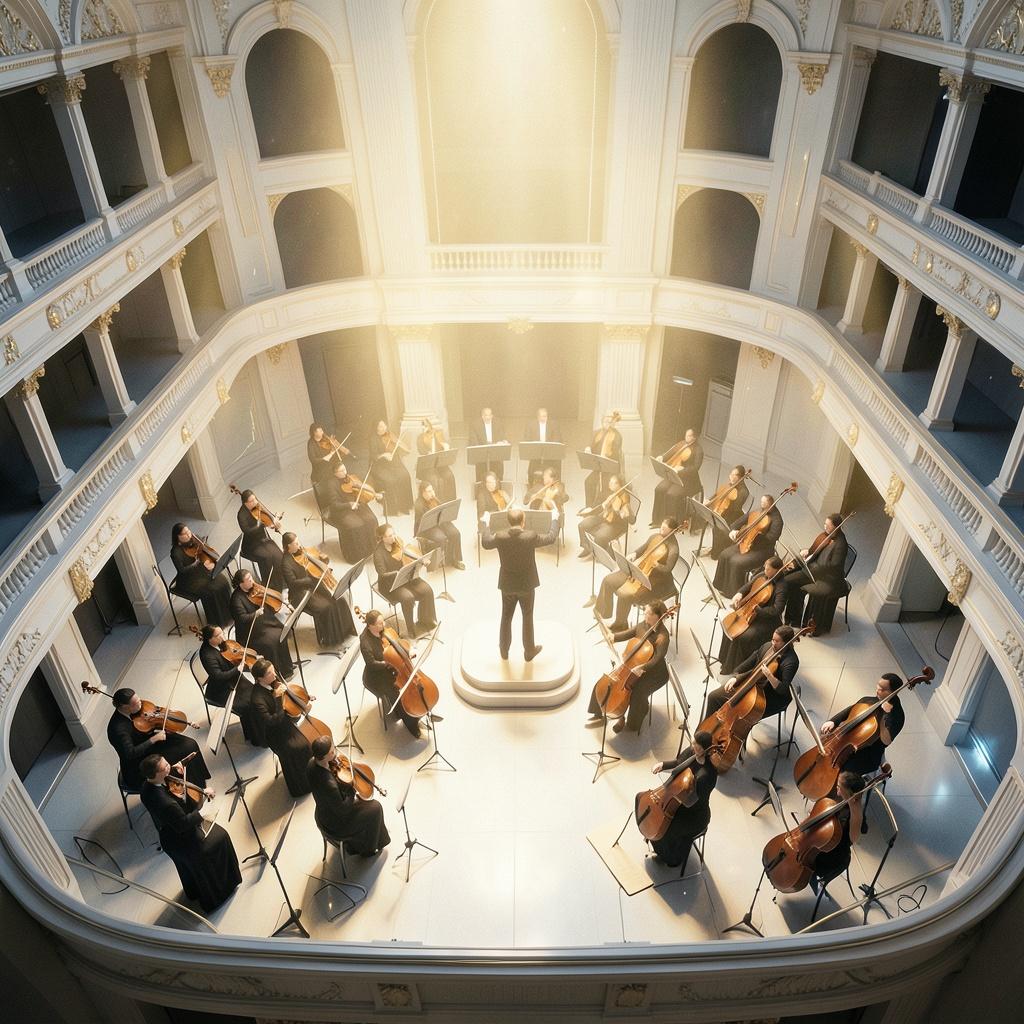
Classical era orchestral music, 1750–1820, elegant symphony, balanced phrasing, clear melodic structure, graceful piano, string orchestra, woodwinds, French horns, refined dynamics, Mozart-inspired lyricism, Haydn-inspired symmetry, early Beethoven-inspired nobility, bright major-key passages, formal sonata influences, aristocratic concert hall atmosphere, transparent orchestration, uplifting and dignified, authentic Classical period performance practice, no modern instruments
4:52
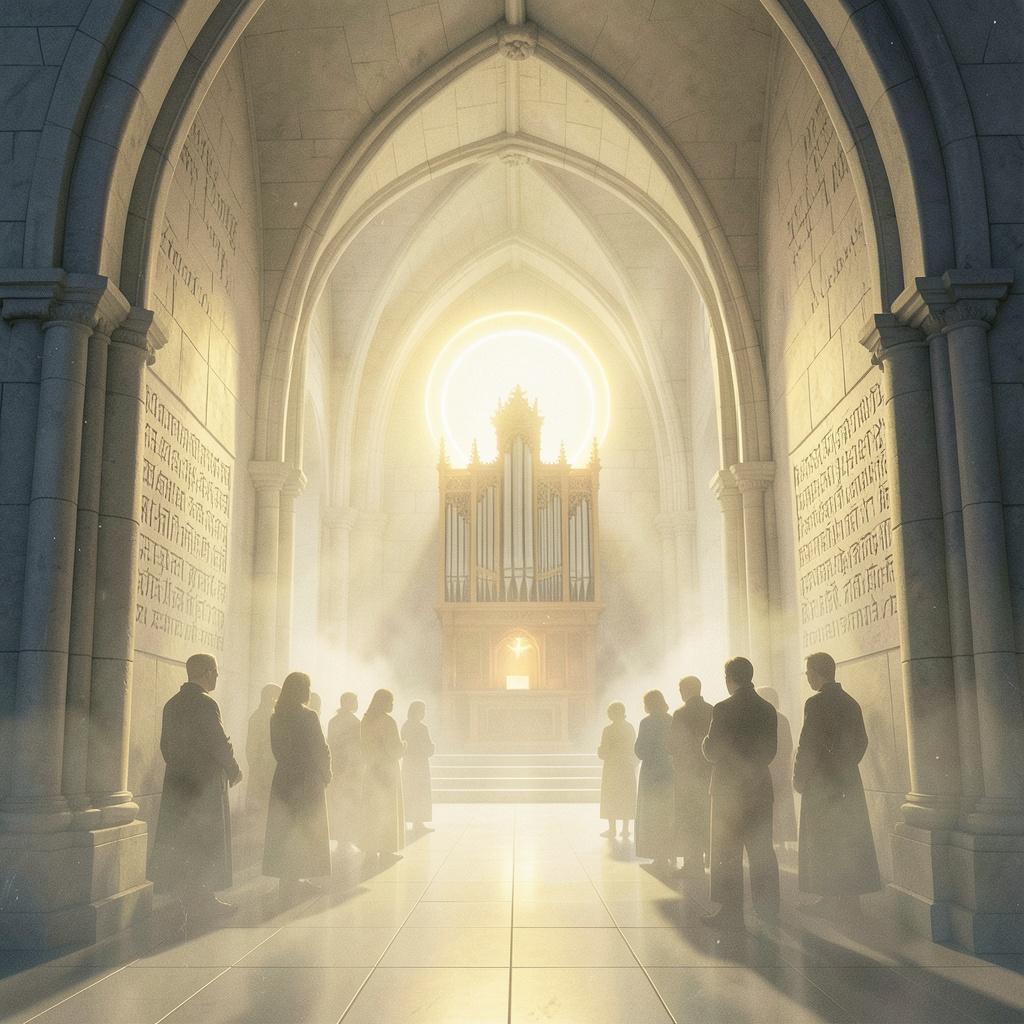
Sacred Gregorian chant, multilingual ancient liturgical choir, phonetic Latinized vocals, cathedral acoustics, deep bass 2 male monastic chant, angelic female angelic choir layers, Byzantine and medieval sacred tone, slow evolving harmonic drones, orchestral pads, pipe organ, emotional spiritual ascension, gradual choral stacking, reverent and timeless worship atmosphere, no percussion, immersive sacred reverb, ancient languages implied through phonetic chant performance, cinematic sacred minimalism, slow build to full choir unity, transcendent and solemn tone
4:09
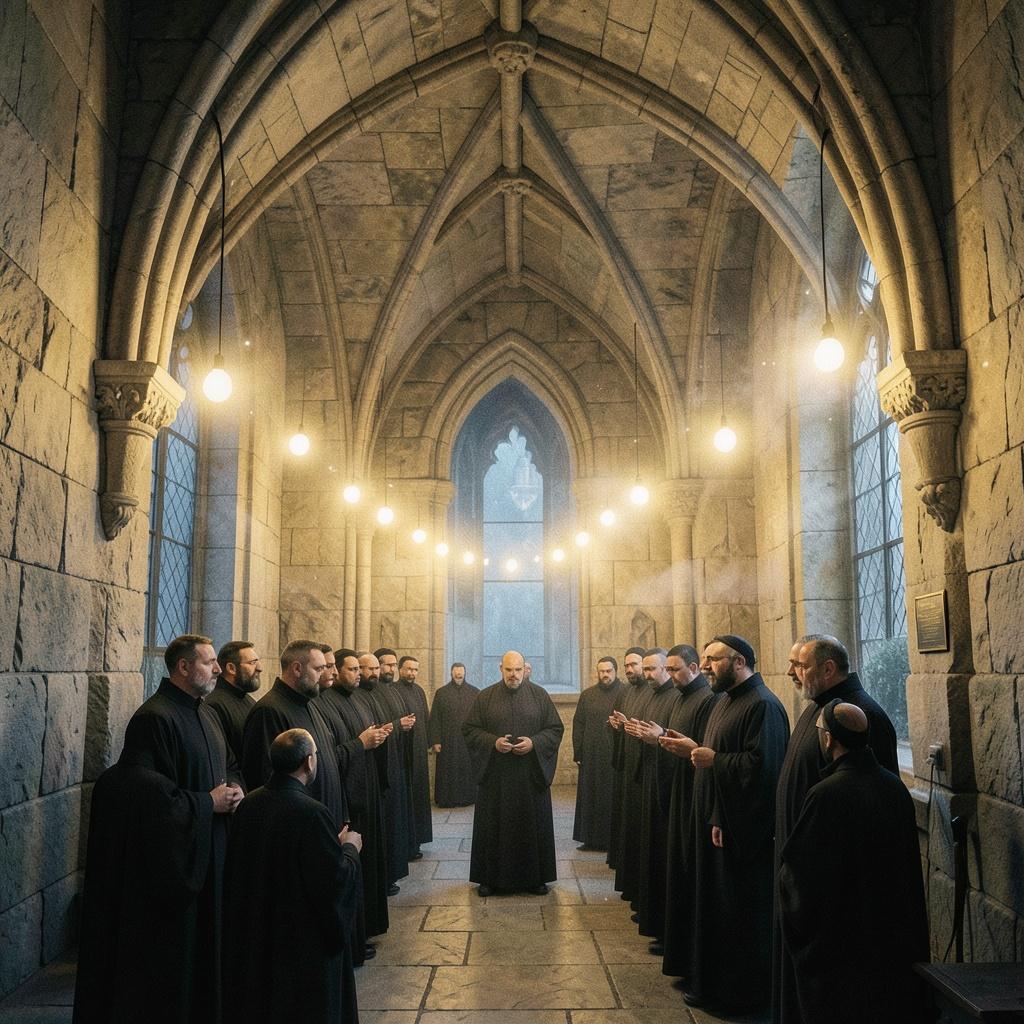
Ancient monastic chant, deep male voices, low-register sacred drone, solemn liturgical singing, early Christian monastery, 3rd century worship, unaccompanied vocal ensemble, resonant stone chamber acoustics, slow processional tempo, modal melody, Byzantine and Syriac chant influences, sacred recitation, austere and reverent atmosphere, no modern harmony, no contemporary worship style, no praise band, no instruments, no percussion, no female vocals, monks chanting in unison, cavernous resonance, sacred mystery, ancient Mediterranean liturgy