Classical Composers (Covers)
What if every composer could speak again?
These covers explore the emotions hidden behind the scores — faith, longing, brilliance, madness, devotion, love. Classical spirits retold with modern colors.
·
17 songs
2:28
A modern electro-classical reinterpretation
The organ is treated as a synthesizer, surrounded by warm pads, subtle electronic rhythms, and ethereal choir textures, The song begins in G minor with a sense of reverent darkness and slowly modulates toward a bright major resolution, symbolizing light breaking through faith, Vocals are English + German combined naturally, sung with intimate emotion, no narration, modern cinematic minimalism with emotional piano, ambient strings, and sacred warmth
2:15
The neo-classical waltz opens with solo violin stating the familiar minuet melody, piano gently doubling lower strings for subtle support, The quartet trades melodic fragments with airy textures, keeping dynamics soft and articulation expressive, Cello underpins with restrained warmth, while inner strings offer passing counterpoint, Voice floats intimately above, weaving English and German lines, blending into the ensemble for a unified timbre, Delicate rubato and understated dynamics allow space and warmth, culminating in a hushed, heartfelt coda
3:02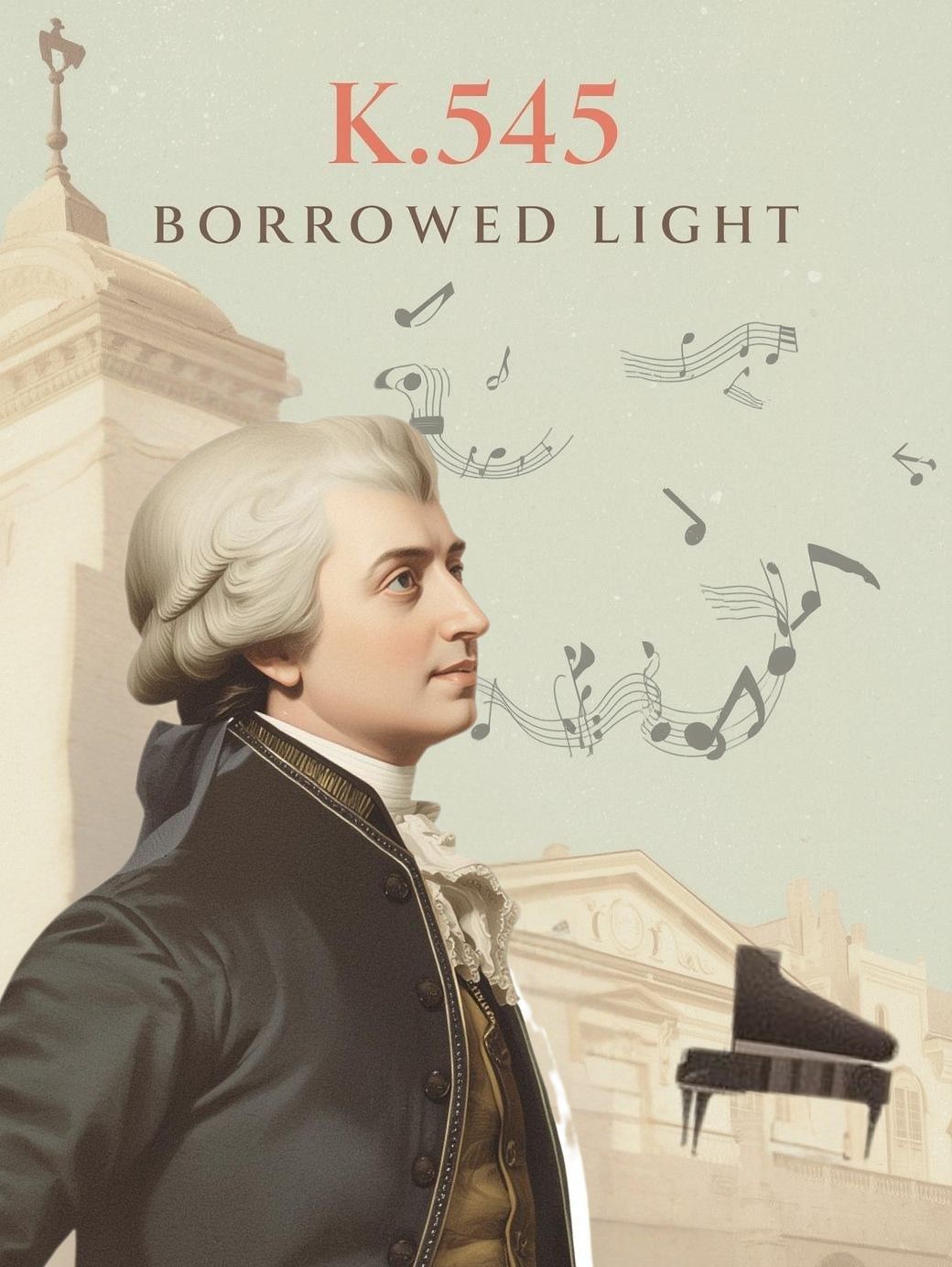
Classical chamber-pop × elegant electronic indie, with Viennese salon energy, Crisp fortepiano/piano leads the rondo-like motif, supported by warm chamber strings (no music-box or toy-like synths), Add subtle modern groove: soft brushed drums or tasteful electronic kick, mid-tempo (around 88–96 BPM), Texture should feel witty, refined, and adult — playful but not childish, Vocals: youthful male voice, warm and conversational, lightly ironic smile, NOT childlike, NOT cartoonish, Harmonies minimal and elegant, chorus soaring but graceful, Short intro, chorus comes in early; avoid long pure-classical opening, Mood: bright resilience under pressure, Viennese charm with a hint of financial anxiety, ‑K, ‑545: Borrowed Light
3:25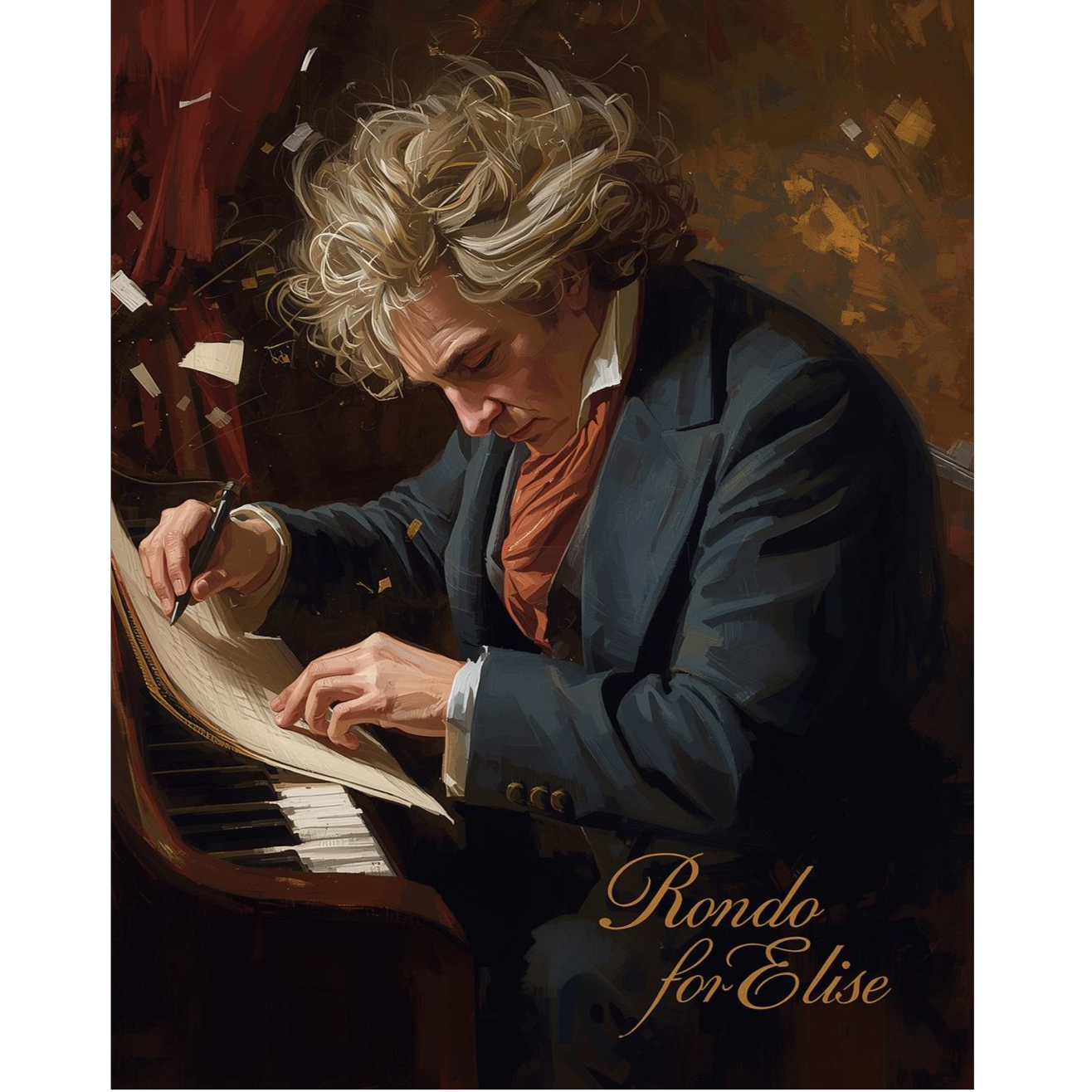
Romantic Classical Crossover × Neo-Classical Waltz × Ethereal Piano Pop
Inspired by Beethoven’s “Für Elise”, The music should feel circular and emotional, like a rondo that returns to its theme with hope and hesitation, Use bright piano arpeggios and light strings, with gentle acoustic percussion in 3/4 or 6/8 meter (around 90 BPM), The tone is romantic and wistful, not sad — like a letter that keeps rewriting itself, Vocal style: expressive male or androgynous voice, warm and intimate, showing tender self-doubt and affection
4:14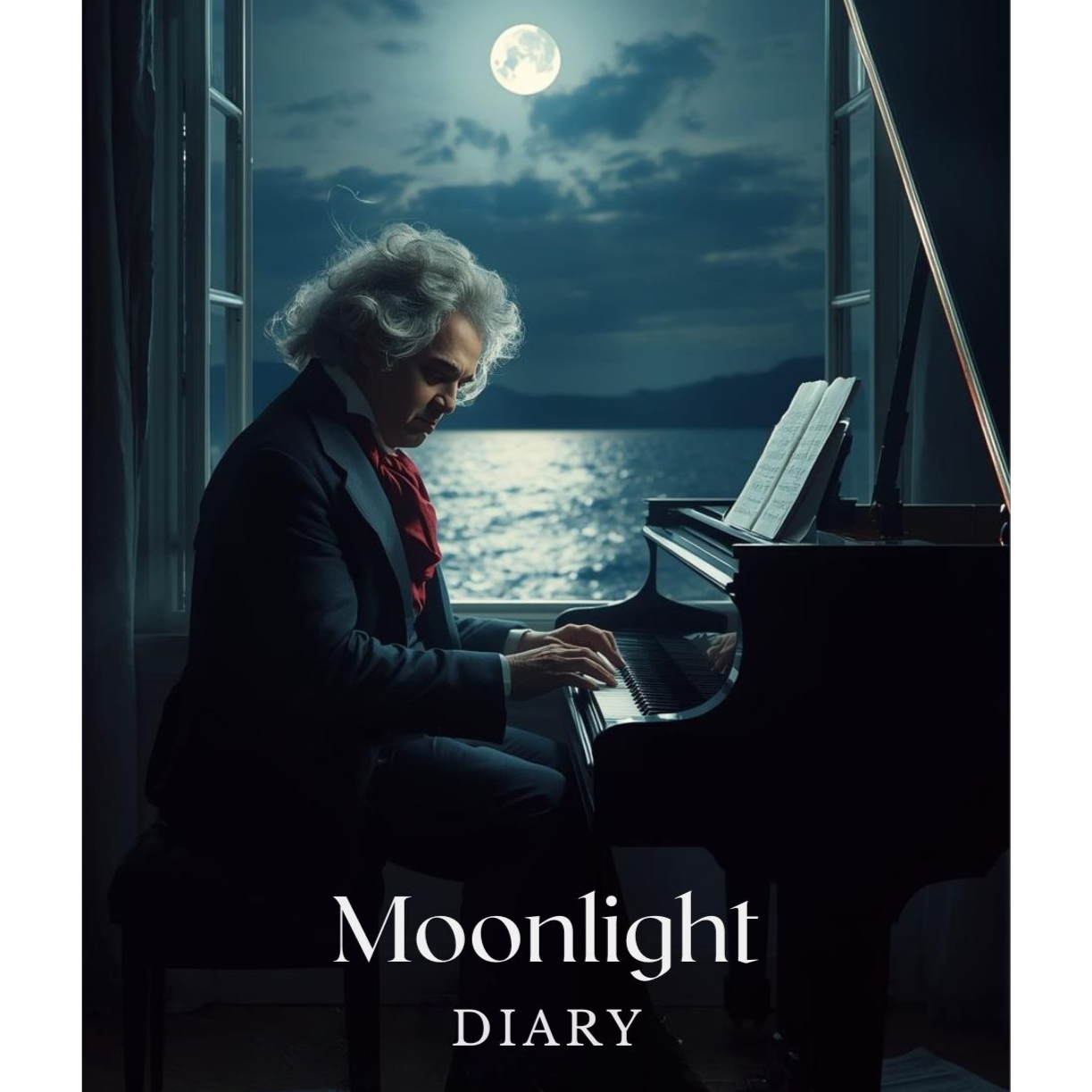
This track opens with delicate, sustained strings and atmospheric pads, merging orchestral textures with subtle electronics, Ethereal piano lines float above, weaving expressive neo-romantic melodies, Minimal percussion enters for momentum, crescendos build to lush, cinematic choruses, and fades conclude the piece with lingering sonic resonance
3:26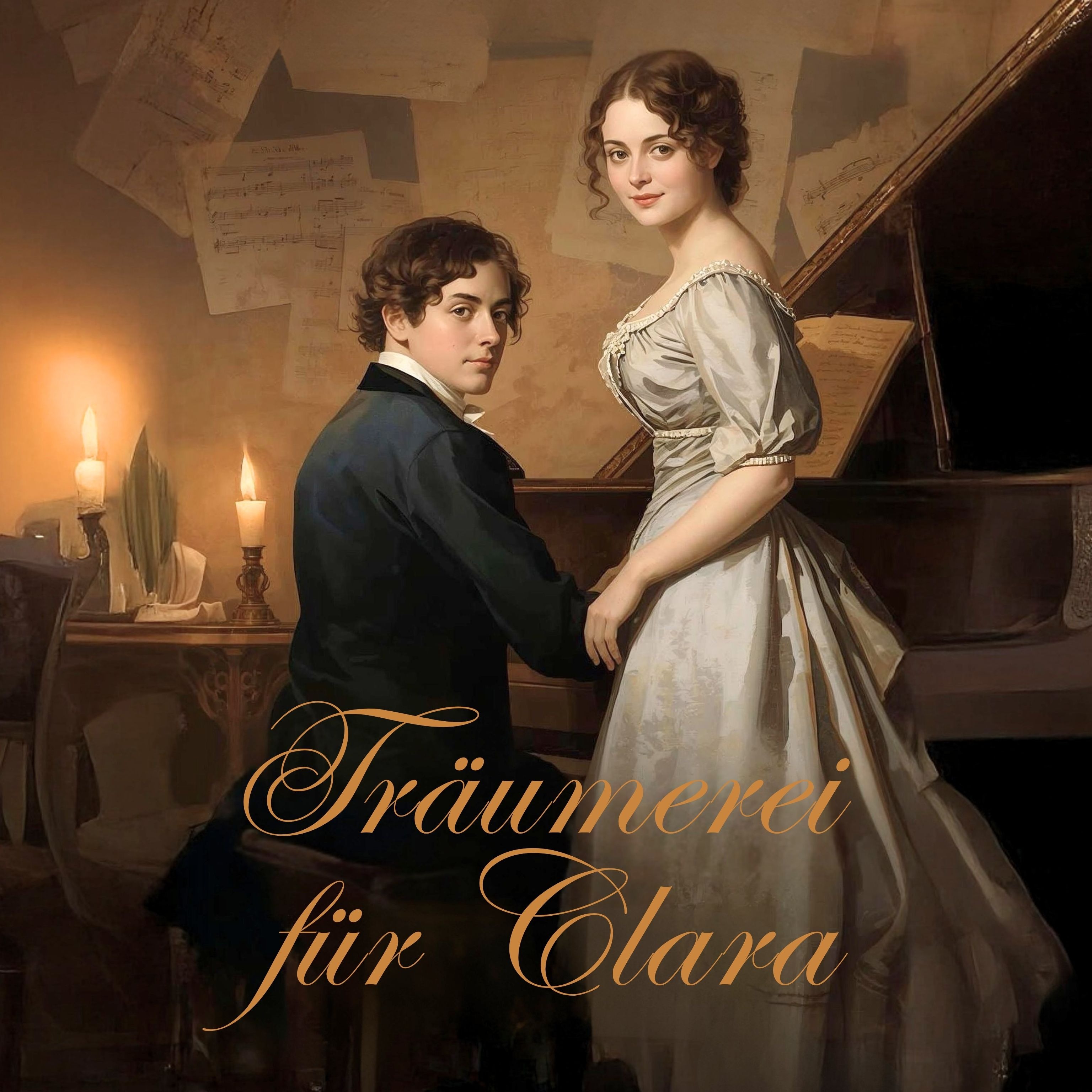
Romantic chamber pop led by warm piano and softly intertwining strings, with gentle modern harmonic shifts, Intimate vocals are placed close in the mix, Subtle woodwinds enrich the arrangement in the bridge, with delicate dynamics carrying the song to a hushed, heartfelt ending
2:57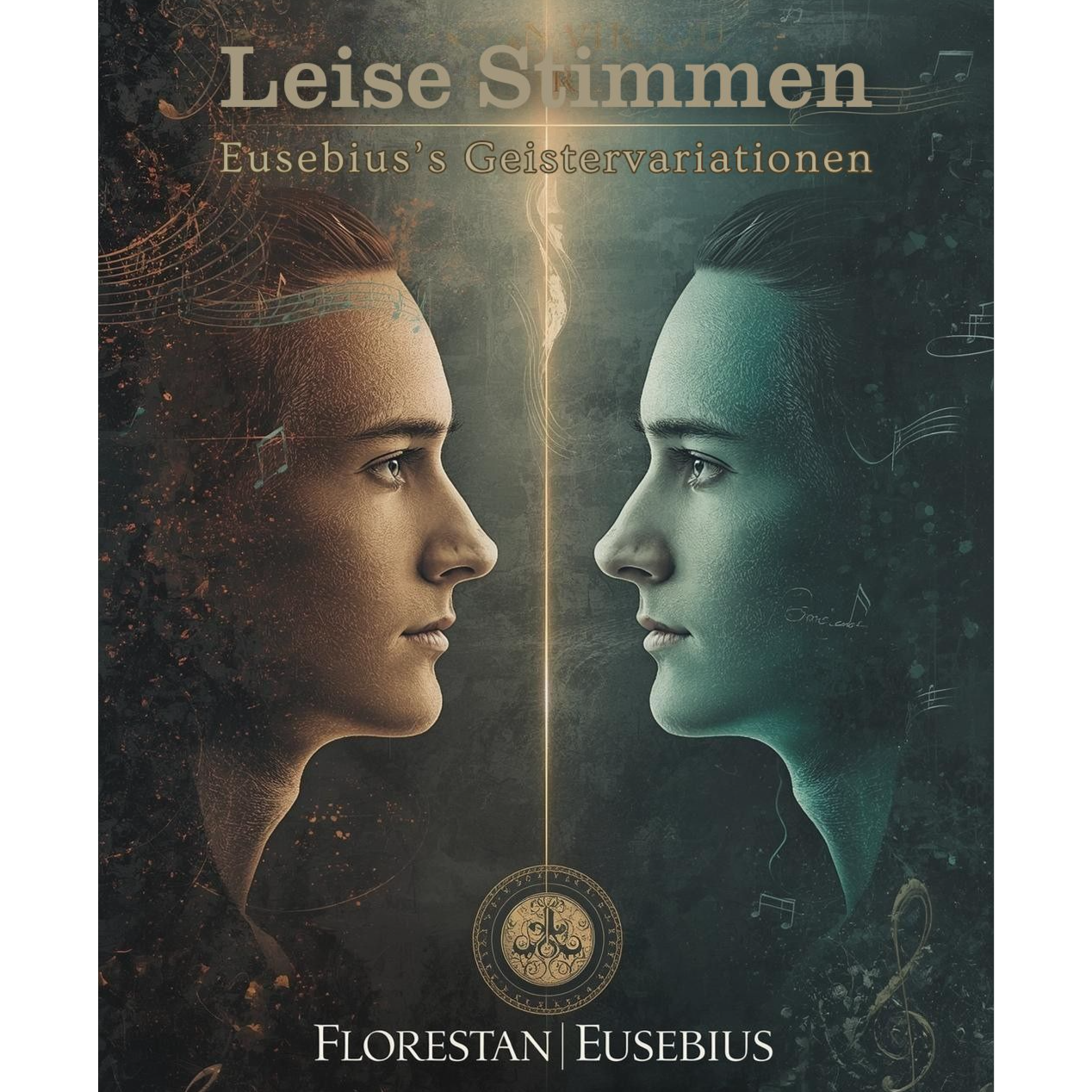
Ambient Neo-Classical × Dreamy Minimal Trip-Hop, Slow tempo (around 65–75 BPM), Soft, repeating piano motif inspired by “Geistervariationen” in E-flat, with warm ambient pads, subtle reversed textures, and a gentle heartbeat-like kick, Vocals are intimate, breathy, almost whispered, sitting very close to the listener, The overall mood is fragile, dreamy, and introspective, as if the music is heard from inside the mind, No heavy drums, no big climaxes – just a slow, growing inner glow
3:42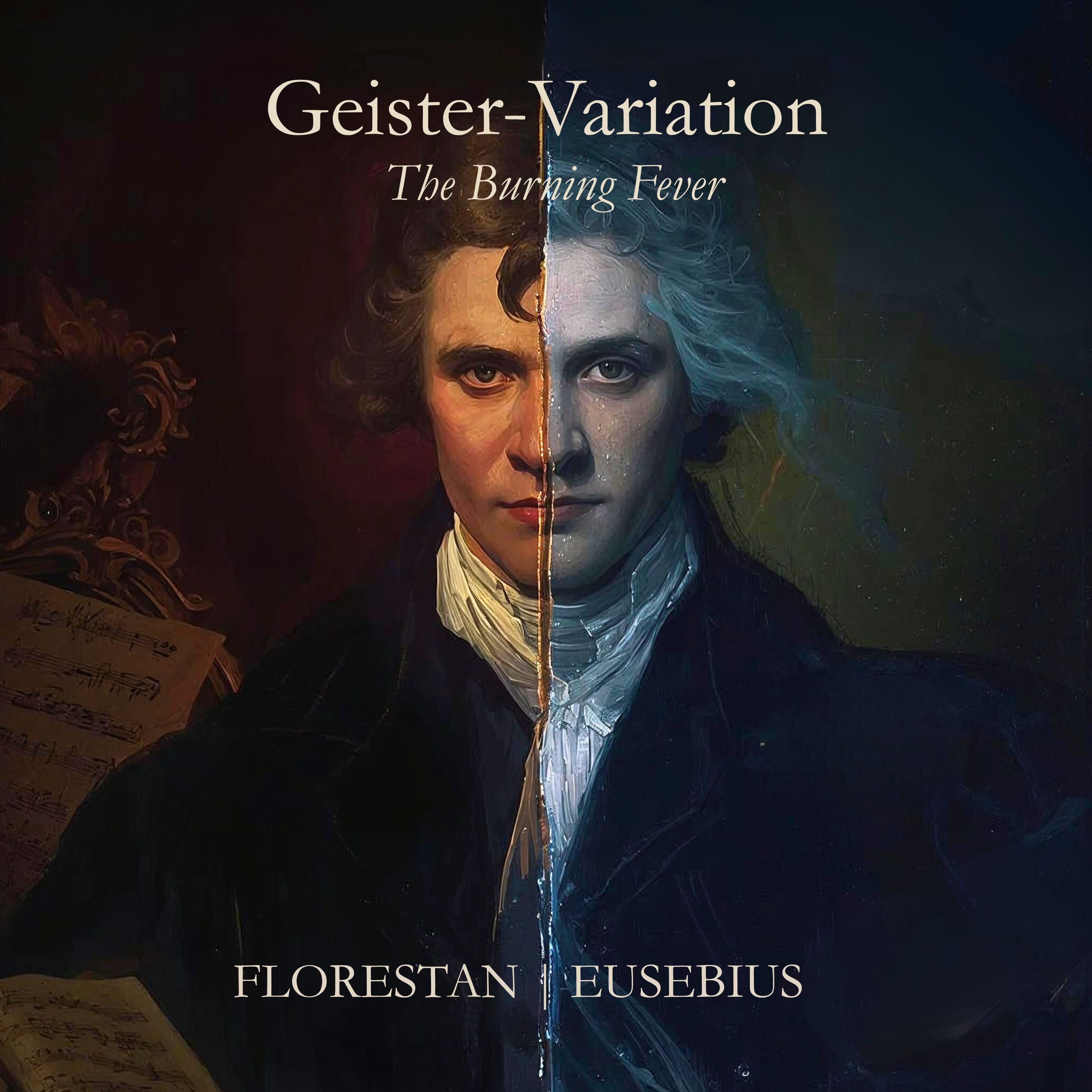
Dark Romantic Art-Rock × Neo-Classical Piano, Driving piano ostinato inspired by Schumann’s “Geistervariationen” in E-flat, combined with dramatic drums, deep warm bass and subtle distorted guitars, Medium tempo (around 95–110 BPM), in 4/4 or 6/8, with sharp dynamic contrasts, The mood is intense, haunted, and feverish, but still lyrical and melodic, Vocals should be passionate, slightly unstable, with emotional outbursts, No metal, no EDM – more like cinematic rock with a tortured Romantic soul
4:26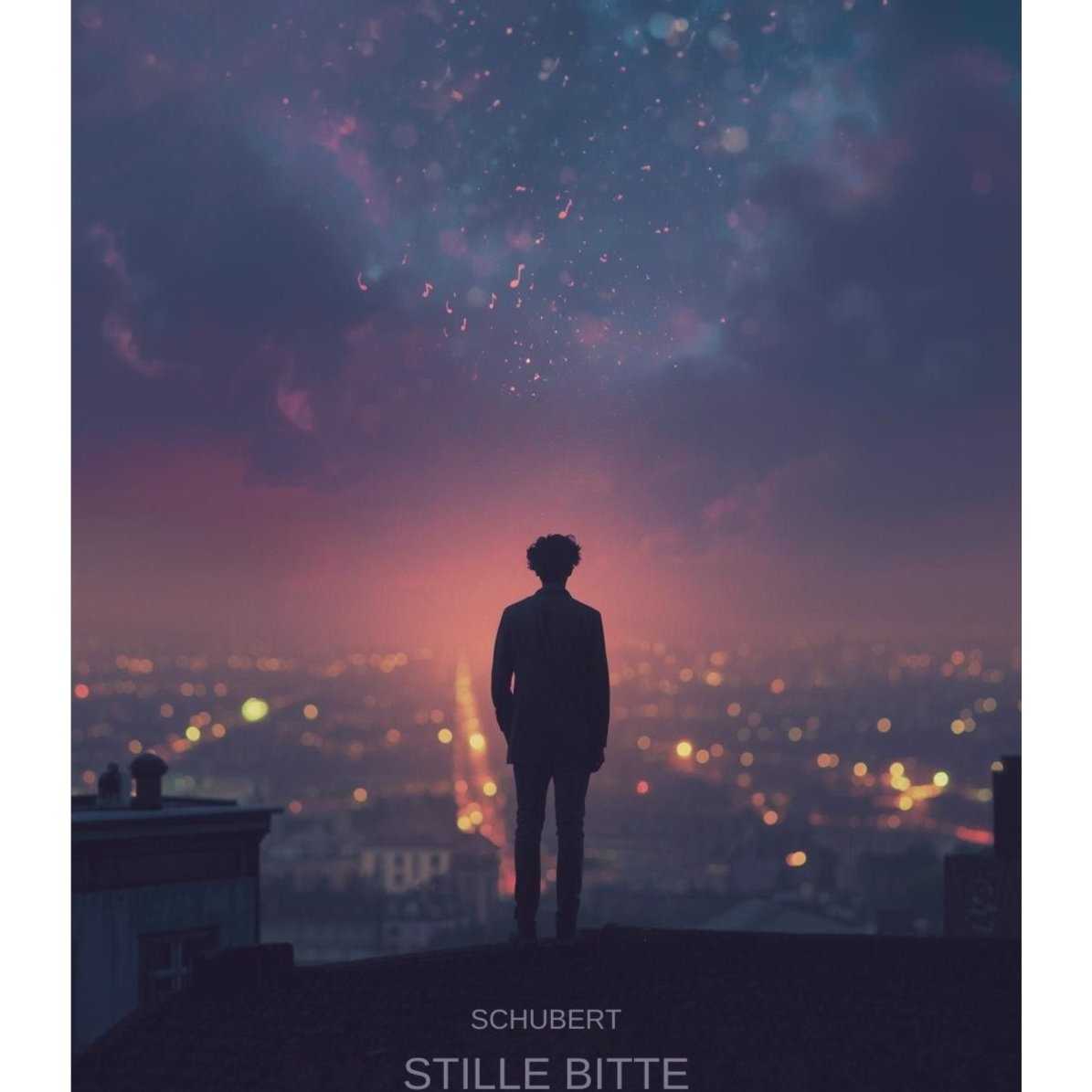
Dream pop × ambient indie ballad, inspired by Schubert’s “Ständchen”, Soft electric guitar with reverb and delay, warm synth pads and a gentle, pulsing beat, Tempo medium-slow (around 75–85 BPM), hazy, floating groove, Vocals should be airy and dreamy, with layered harmonies in the choruses, as if the serenade is echoing inside a night sky, No aggressive drums, no rock guitars; keep everything soft, shimmering, and romantic, The mood is bittersweet, longing, and tender, like calling to a lover from far away
3:48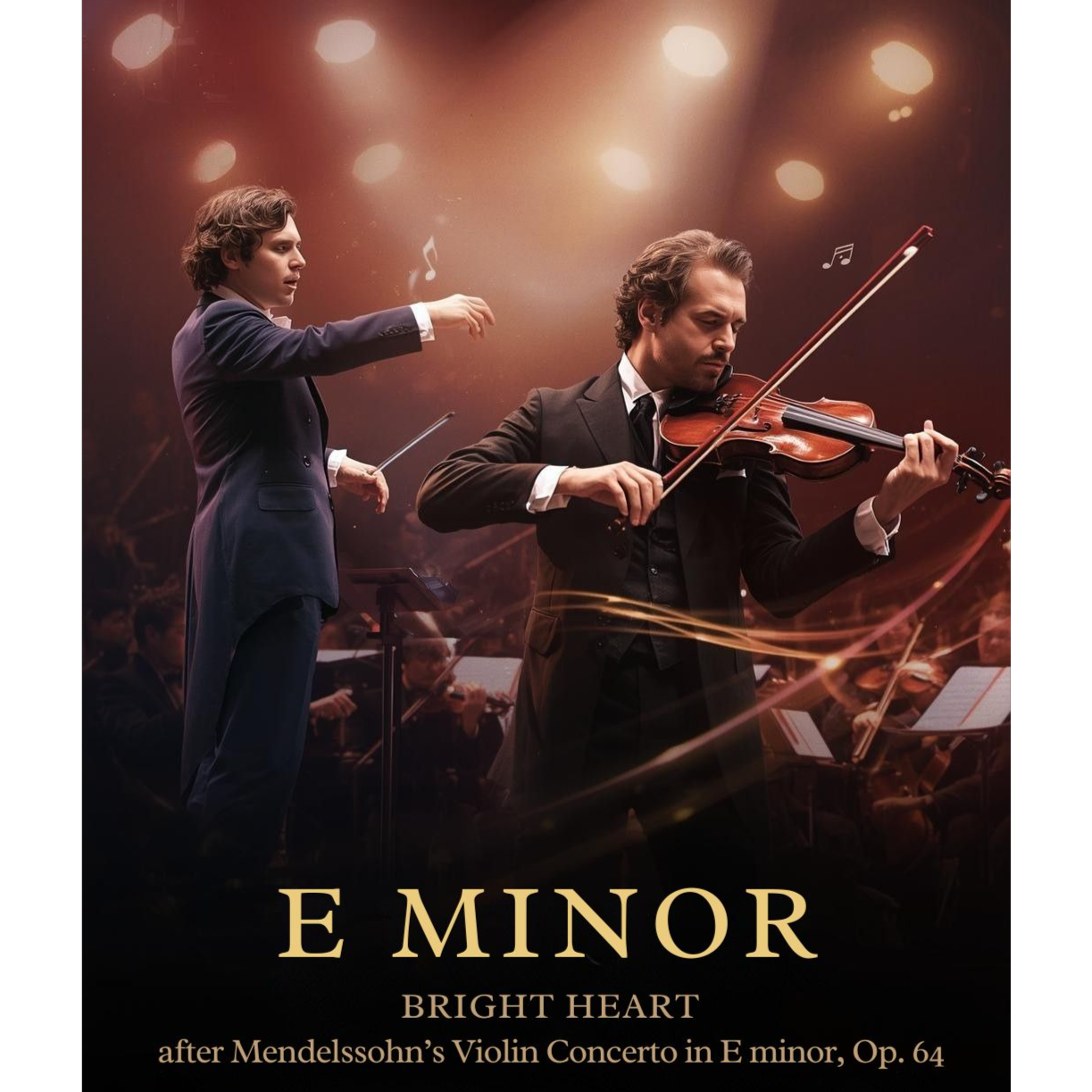
E minor, Neo-Romantic orchestral pop × cinematic indie rock, The arrangement should be driven by a lyrical solo violin as the main voice, supported by warm strings, woodwinds, and a modern band (piano, bass, light drums), No heavy rock guitars; keep the texture elegant and flowing, The verses feel intimate and slightly melancholic, with gentle piano and soft strings, The choruses open up with soaring violin lines and fuller orchestra, conveying hope and forward motion, Overall mood: passionate but refined, youthful yet touched by Romantic-era wistfulness, like Mendelssohn running through a night city toward the concert hall, full of work, friendship, and expectation, Female or male vocal, clear and emotional, not overly gritty
3:15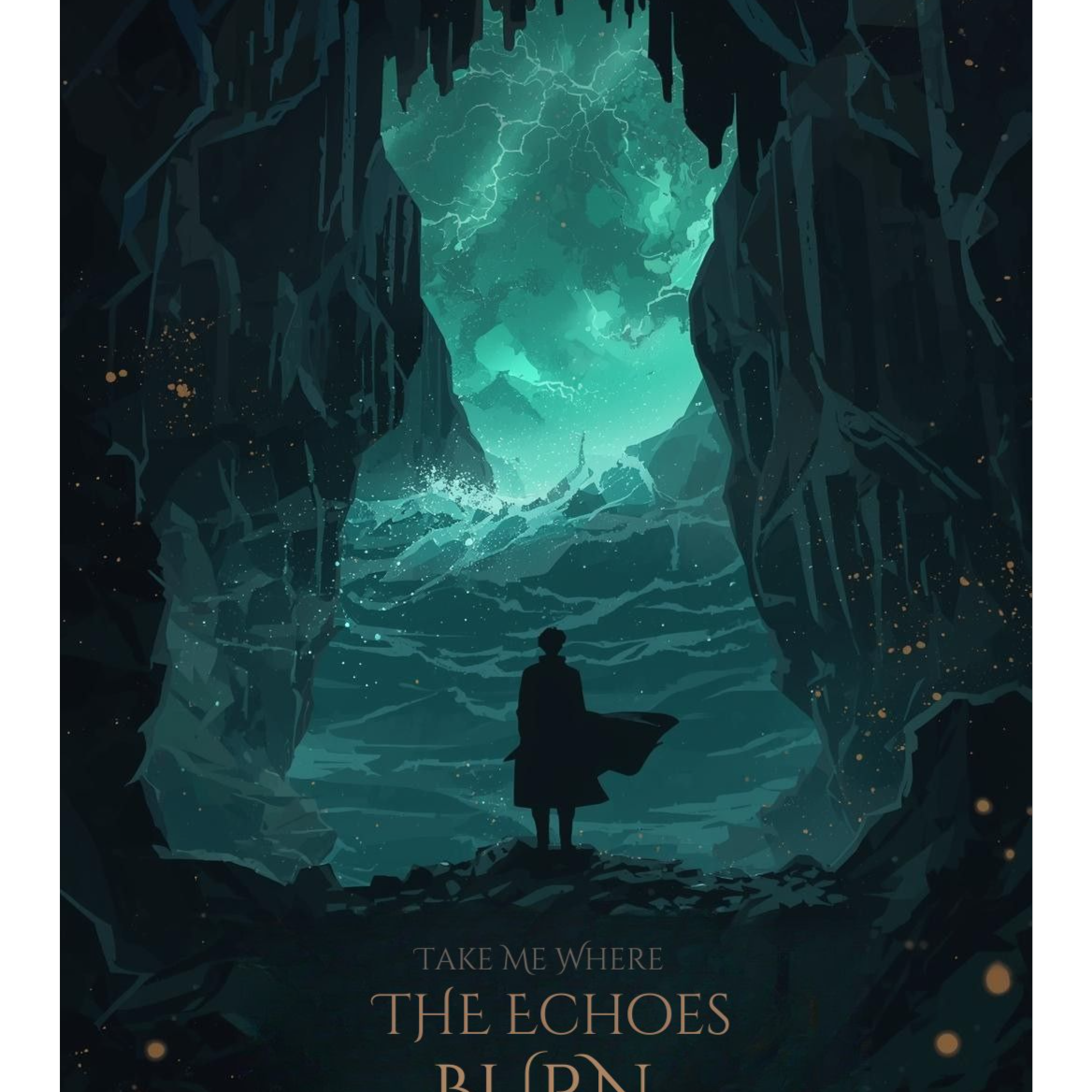
Dark cinematic pop × electronic indie with soundscape design, Use deep sub-bass to represent the cave resonance, soft granular synths for water spray, and wide cavern reverb to simulate Fingal’s Cave, Include distant ocean rumble, subtle wave crashes, and rhythmic low-frequency pulses, Vocals should be haunting, breathy, and intimate, layered with atmospheric harmonies, German spoken-word narration should appear with heavy reverb like echoing in stone, No heavy drums; instead, use heartbeat pulses, low toms, or electronic thuds, Overall mood: mysterious, majestic, slightly ominous, sea-lit, inspired by Mendelssohn’s journey
2:44
Neo-Soul × Trip-Hop hybrid, Smooth electric piano instead of classical piano, Early rhythm, gentle groove from the start, Warm bass, soft drums, atmospheric textures, Moody, intimate, poetic
2:13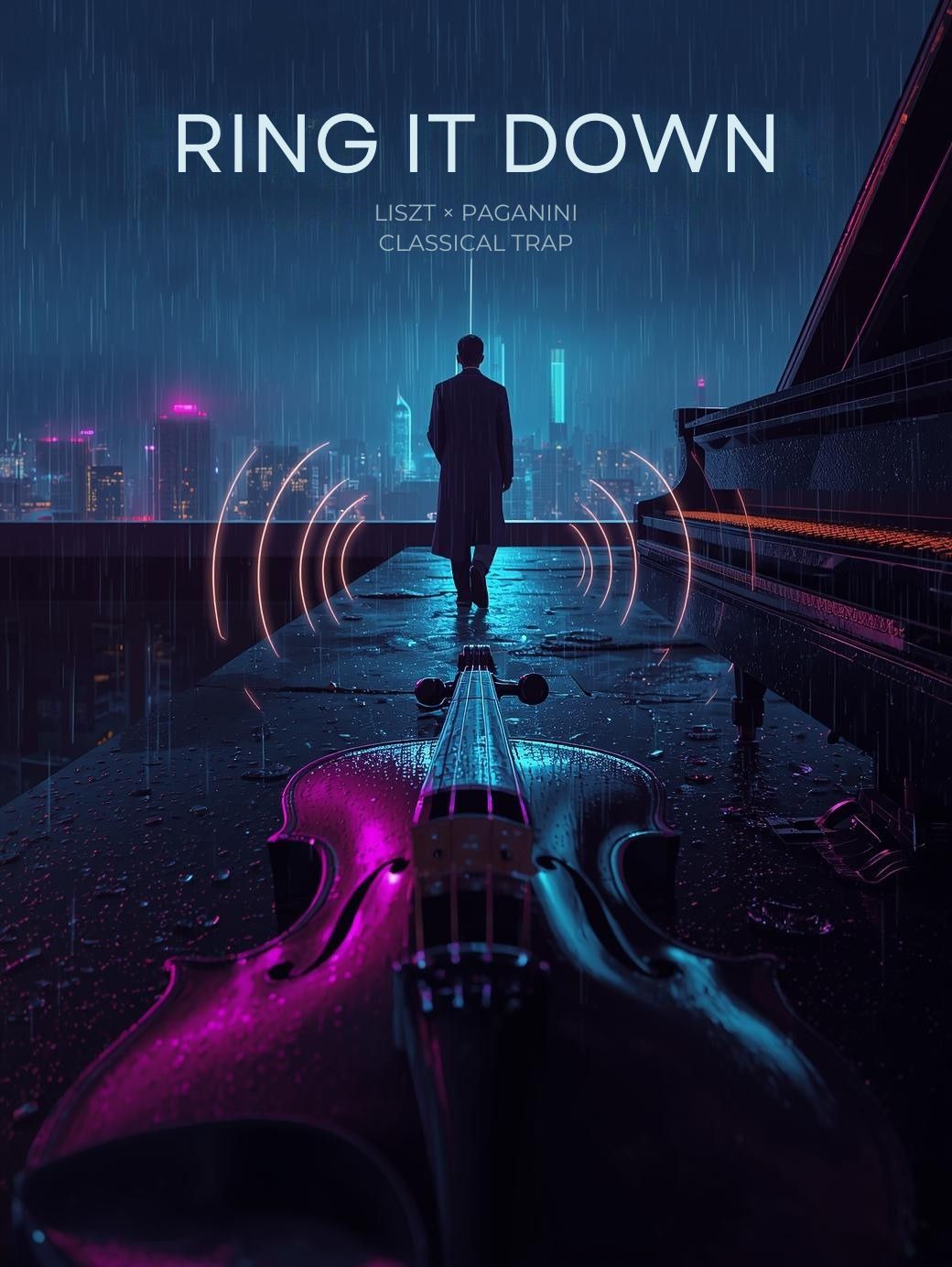
Classical trap / hip-hop with Liszt “La Campanella” bell motif, Structure control:
After the spoken intro, insert a short instrumental section (4–8 seconds) featuring the La Campanella opening bell motif on bright high piano/violin loop, then drop directly into the hook, Production:
Fast staccato string/piano hook, heavy 808 bass, tight trap drums, Hook appears early and repeats clearly, Rap-forward verses, minimal melodic singing, Cinematic energy, cold luxury, virtuosic swagger, Keep the instrumental motif recognizable but modernized
3:17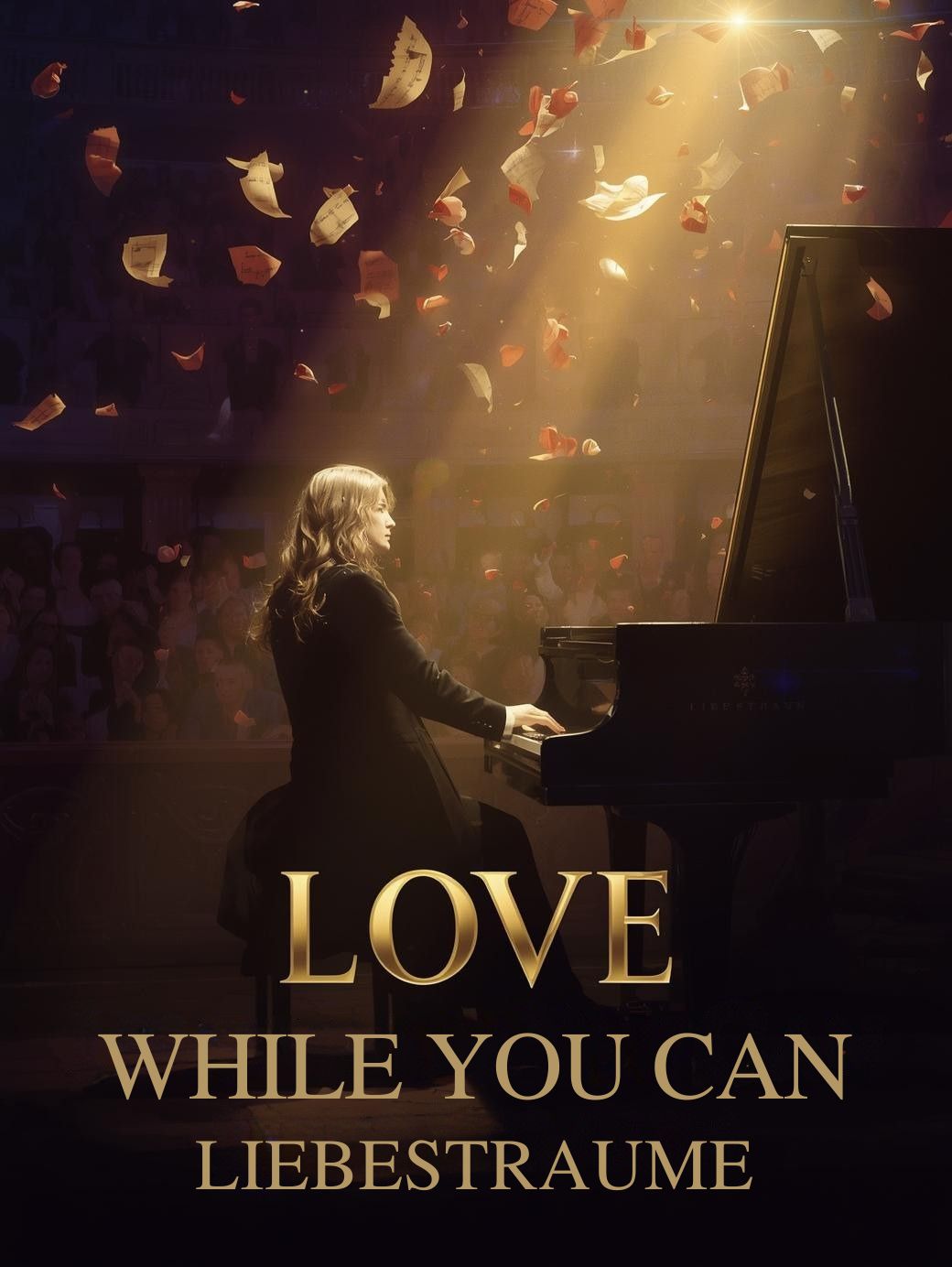
Delicate, expressive piano opens over subtle electronic textures, joined by a sweeping string quartet and warm woodwinds, The rhythm section builds gradually, introducing textured drums and deep, syncopated bass, Lush orchestral flourishes swell through the choruses, while the vocals glide with alt-R&B phrasing, The bridge juxtaposes intimate solo piano against glistening harp and minimal strings, leading into a powerful, orchestral climax before fading to a sustained piano cadence
2:56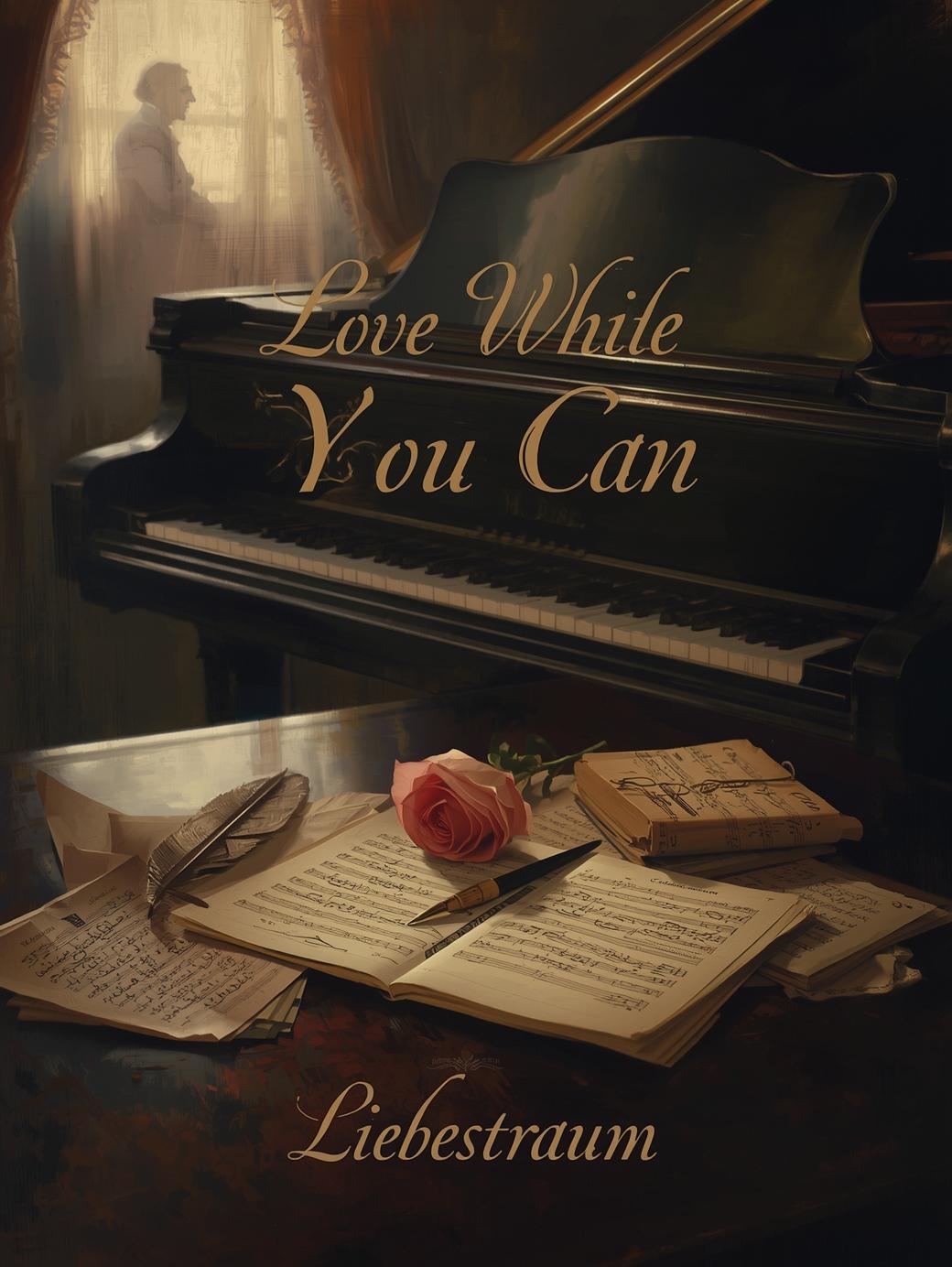
Begin with the “Liebestraum” motif on expressive grand piano, rubato and lyrical, Chamber strings glide in subtly, swelling with elegance, never overpowering, Warm sub-bass and soft, brushed neo-soul drums enter swiftly, merging modern groove with classical textures, Occasional harp or celesta highlights add glow, never sounding twee, A warm, intimate male vocal—breathy yet poised—carries the melody, phrasing with adult sensitivity, Chorus appears early, with piano, R&B pulse, and strings interwoven seamlessly for a slow-burn, bittersweet romantic feel
2:39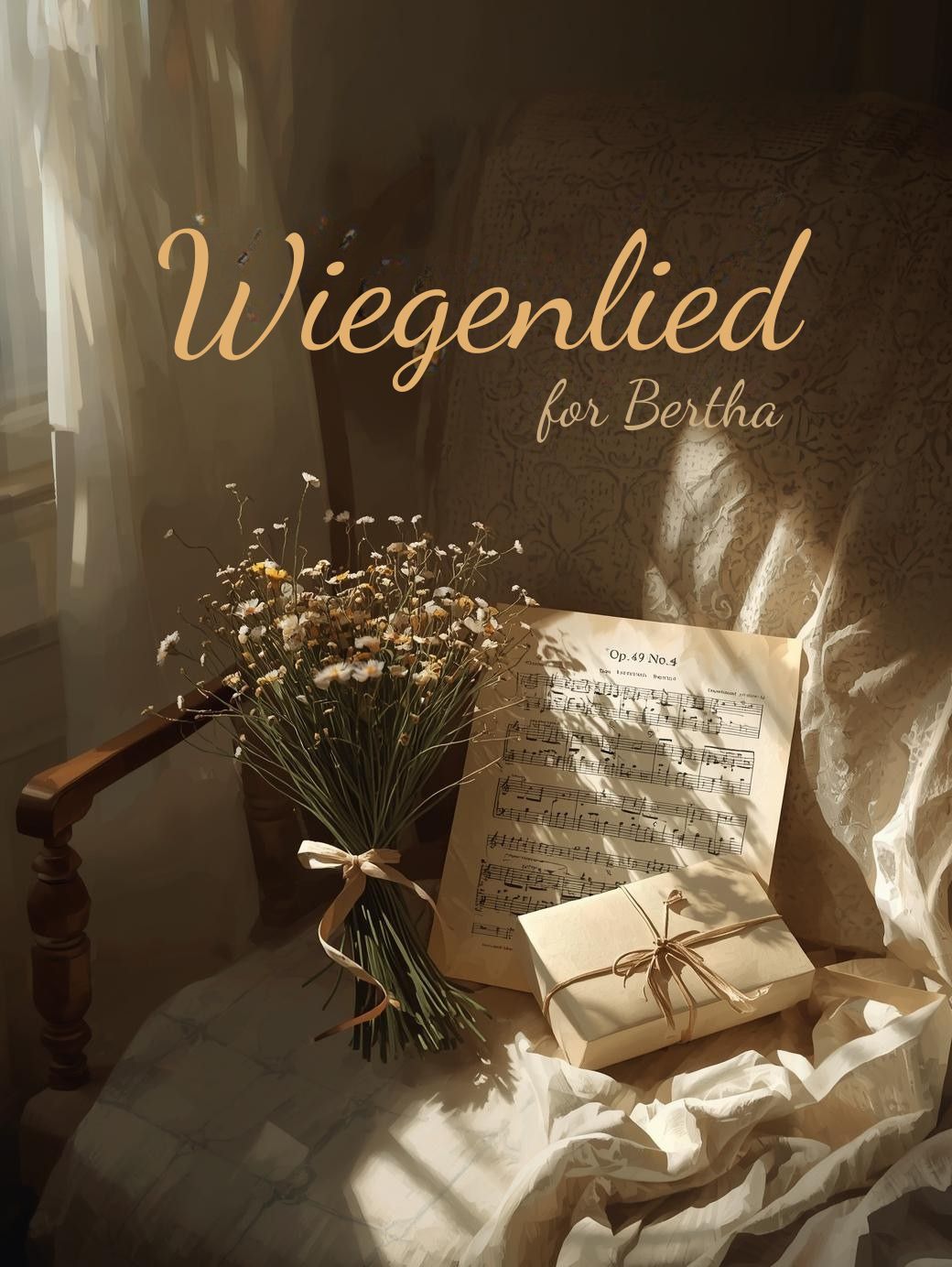
Acoustic folk lullaby meets minimalist classical, nylon guitar + piano duet, subtle ambient pads, very light heartbeat kick, close-mic vocal, tender and sincere, bedtime intimacy, slightly melancholic glow