
4:28

Razor Line
v4.5+
F♯ minor, 140 BPM, hard rock, heavy rock, 80s, male vocals
“Razor Line” channels aggression and rhythmic drive: a haunting riff (single note + pedal tone) builds tension that is released in the powerful chordal choruses, The verses are nervous and rhythmic, the pre-chorus builds pressure, the chorus explodes into a choral rendition; the solo offers technical release while remaining
faithful to the groove, Production: mid-forward guitar sounds, double L/R tracking, DI blend for body; hybrid drums with parallel compression;
compact and mono bass below 120 Hz; layered backing vocals for live impact, Effective structure to generate adrenaline and cathartic satisfaction, When exporting or synthesizing, avoid hard cuts: let the final chord decay naturally with a fade of a few seconds, [• Outro: Do not cut the ending abruptly — apply a natural decay/fade on last held chord, ]
5:42

C major ~115–117 BPM, 4/4, hard rock, 80s, male vocals
This lyric mirrors the original’s economy: short, image-driven verses that set scenes, pre-choruses that raise harmonic and narrative tension, and a repetitive chorus engineered for mass singability, Keep tempo in the 110–120 BPM window to balance punch and chantability, Musically, use sparse, rhythm-focused verses (palm-muted guitars, tight kick/snare) to let prosodic consonants land; switch to open power-chord voicings with doubled, reverb-washed chorus vocals for lift, Arrange the solo/bridge as sonic space rather than a lyrical detour; automate a clear dynamic swell into the pre-chorus, and prioritize vocal stacking and call-and-response in the mix so the hook reads instantly on first listen, Production should favor mid-forward guitars, a compressed bass pocket with kick sidechain, and short-to-medium plate reverb on choruses to craft an arena-ready, yet gritty night-ride texture, [DO NOT CUT THE ENDING ABRUPTLY]
4:18
Strike the Night
v4.5+
E minor, 122 BPM, 4/4, hard rock, 80s, male vocals
“Strike the Night” is a compact, riff-driven rock anthem built for immediate crowd engagement and physical energy: a single-note/modally flavored riff anchors
the verses while open power-chord choruses provide cathartic release, At ~122 BPM the track balances headbanging momentum with singable phrasing;
the production emphasis should be mid-forward guitars, punchy drums, and stacked gang vocals to recreate a stadium-style feel, In mixing, prioritize: clear separation of rhythm guitars and vocals (carve 200–450 Hz from guitars), mono sub under 120 Hz, parallel compression on drums for heft, and tasteful saturation for analogue warmth, The guitar solo should be melodic and memorable rather than overly technical, [• Outro: Do not cut the ending abruptly — allow natural decay/fade of the final chord, ]
4:47
Lightning Strike
v4.5+
F♯ minor, 134 BPM, 4/4, hard rock, rock, 80s, male vocals, backing vocals
“Lightning Strike” mirrors the high-voltage energy of “Thunderstruck” with a tapped intro, relentless groove, and anthemic chorus, Its F♯ minor riff cycle and dynamic solos deliver maximum impact, Ensure endings are never cut abruptly—fade the final chord and
ambience smoothly over 8–10 seconds for an authentic rock finale
5:55

G minor, ~115–120 BPM, 4/4, hard rock, 80s, male vocals
[DO NOT CUT THE ENDING ABRUPTLY]
Tempo ~118 BPM, key G minor for that anthemic minor feel; use power-chords and palm-muting to create verse/chorus contrast, Arrange: sparse, rhythmic verses that open into wide, doubled choruses with gang vocals, Guitar tone: Marshall-esque distortion, double tracked L/R; lead uses minor pentatonic + natural minor color, Drums: punchy kick, gated snare, short room reverb, Mix tips: carve mids for guitars, compress bass to lock with kick, push chorus vocals + reverb for “stadium” feel, and automate build dynamics into pre-chorus/chorus transitions
4:39

Midnight Run
v4.5+
A minor, 104 BPM, 4/4, rock-pop, hard rock, 80s, male vocals
Use a strong, clean mid-tempo pulse (98–110 BPM) so the vocal hook breathes while rhythm guitars cut; arrange verses sparingly
(dry guitar, muted keys, tight snare) and open choruses with doubled guitars, harmonies and brighter cymbal work, Guitar tone: warm overdrive with clear mids;
solo language: major/minor pentatonic with diatonic passing notes, Vocals: intimate verses, stacked harmony on chorus; compress lightly to keep presence, Mix tips: carve 800–2kHz for vocal clarity, tighten low-mids on guitars (250–500Hz), sidechain-bass lightly to kick for pocket, and automate chorus brightness
and backing gang vocals for perceived lift and radio impact, [DO NOT CUT THE ENDING ABRUPTLY — FADE THE FINAL POWER-CHORD NATURALLY OVER 8–12s, RETAIN ANY CROWD/REVERB TAILS, ]
3:51

Green Fields
v4.5+
B major/F♯, ~99–101 BPM, 4/4, hard rock, 80s, male vocals
Keep the arrangement dynamic: tight, palm-muted or syncopated guitar in verses that open to wide, doubled chords in the chorus, Tempo around 98–103 BPM supports both mid-tempo verse drive and the double-time feel in the outro, Use major/modal shifts for chorus lift (mixolydian/dorian color is effective), and phrase the riff so it’s a short, repeatable motif, Build layers gradually — add backing vocals, doubled guitars L/R, and brighter cymbals into choruses, Soloing should reference the riff (pentatonic + blues notes), and production should prioritize a forward midrange for guitars, a compressed bass-kick pocket, and vocal presence with plate reverb on choruses to reach anthemic scale, [DO NOT CUT THE ENDING ABRUPTLY — FADE THE FINAL POWER-CHORD NATURALLY OVER 8–12s, RETAIN ANY CROWD/REVERB TAILS]
4:38
City Lights Call
v4.5+
A minor, ~137–140 BPM, 4/4, arena-rock, hard rock, 80s, male vocals
For reproduction or inspiration: keep the core riff tight and rhythm-focused; arrange verses with a sparser texture (palm-muted guitars, tight bass/kick)
so vocals and rhythm land clearly, Open the chorus using doubled power-chords and stacked backing vocals to create lift; add subtle synth pad or organ under
the chorus for sheen, Tempo in the high-130s maintains urgent momentum while allowing half-time feel pockets for contrast, Solos should reference the main motifs (minor/pentatonic + bluesy color notes) and be placed so they heighten rather than derail the groove, Mix-wise, carve 800–2000 Hz for vocal clarity, compress bass to lock with kick, double rhythm guitars L/R for width, and use short-to-medium plate on choruses for arena ambience, Automate cymbal and brightness increases into choruses to amplify perceived size; leave a 2-bar half-band break before the final chorus to maximize payoff
4:40
hard rock, glam rock, 80s, E minor pentatonica, 120 BPM, 4/4, “Neon Nights, Leather Dreams” is a sleaze‑metal anthem built on immediate, memorable riffs, a relentless groove, and a catchy chorus, The simple but effective arrangement and production place guitars and drums front‑and‑center, driven by a charismatic, high‑energy vocal performance
7:44
E minor, 102 BPM, 4/4, hard rock, 80s, male vocals
“Midnight Reckoning” is a riff-driven hard-rock anthem built to combine punchy groove with stadium-sized chorus release, Its Em-centered riff and 102 BPM pocket make it ideal for live impact and physical motion, Production priorities: achieve a mid-forward guitar tone that sits above the mix without masking vocals, maintain punchy yet natural drums via parallel compression, and create chorus width with stacked vocal doubles, The lyrical material emphasises nocturnal ritual and communal release—well suited for audience call-and-response, Crucially, allow the final power-chord to decay naturally with added reverb/delay tails so the ending breathes rather than being abruptly cut, [• Suno instruction: Do not cut the ending abruptly — allow natural decay/fade of the final riff/chord, ]
4:37
A major, ~120 BPM, 4/4, heavy-rock anthem, hardrock, 80s, male vocals
Recreate the impact by keeping arrangements direct and riff-forward, Use a mid-tempo rock pulse (~120 BPM) and 4/4; place palm-muted, percussive guitar in verses to carve space for a bright, present vocal, Open choruses with doubled rhythm guitars panned L/R and add stacked gang vocals for anthemic weight, Keep drums punchy (tight kick, snappy snare with small room/plate), compress bass to glue with kick, and EQ guitars to avoid 250–500Hz buildup so vocals cut, Solos should be short, motif-driven (minor/major pentatonic flavors) and sit slightly above the rhythm mix with a touch of slapback delay, Production must favor immediacy: light vocal saturation, chorus doubling on the hook, and short-to-medium reverb to keep energy live and in-your-face, [DO NOT CUT THE ENDING ABRUPTLY — FADE THE FINAL POWER-CHORD NATURALLY OVER 8–12s, RETAIN ANY CROWD/REVERB TAILS, ]
4:13
Break the Chain
v4.5+
G minor, 118 BPM, 4/4, hard rock, 80s, male vocals
The track’s power lies in brevity and contrast: taut, riff-centric verses that snap into open, chantable choruses, Use a mid-tempo rock groove that keeps energy steady while allowing the riff to breathe, Favor power-chord voicings and short palm-muted patterns in verses; open the chorus with broader strums and stacked vocals for anthemic impact, Keep solos melodic and thematically tied to the riff (minor/pentatonic language works well), Production should place guitars in the mid-range, carve space for a punchy snare and compressed bass, and use vocal doubling + light plate reverb on
choruses to create crowd-ready immediacy without losing grit, [DO NOT CUT THE ENDING ABRUPTLY — FADE THE FINAL POWER-CHORD NATURALLY OVER 8–12s, RETAIN ANY CROWD/REVERB TAILS]
4:33
Sing It Loud Tonight
v4.5+
D minor (relative F major), 96 BPM, 4/4, hard rock, 80s, male vocals
Keep the arrangement raw and physical: tempo in the mid-90s for a head-nod groove, rhythm guitars double-tracked for weight and slightly panned, with the lowest midrange scooped minimally so the vocal cuts through, Drums should be punch-first — kick tight, snare bright and gated/small-plate for snap, tom accents for drama, Bass is slightly compressed and mirrors kick hits but adds bridging fills, Vocals: lead up-front with a touch of grit;
double main hook lines and add stacked gang vocals for the chorus, Use short delay on leads, sparse reverb on verses, and fuller plate/room verb on choruses
to create the stadium call-and-response effect, Keep solos melodic and motif-driven, returning quickly to the chant to preserve anthem momentum, [DO NOT CUT THE ENDING ABRUPTLY — FADE THE FINAL POWER-CHORD NATURALLY OVER 8–12s, RETAIN ANY CROWD/REVERB TAILS]
6:37
D major, 80 BPM, 4/4, rock ballad, power ballad, 80s, male vocals
Arrange for contrast: keep verses intimate—thin texture, close-miked electric or acoustic guitars, low-level pads—and open the chorus with doubled electrics
and stacked vocal harmonies to create lift, Tempo in the 76–86 BPM range preserves ballad sway and allows vocal phrasing room;
use 4/4 with pocketed snare on 2/4 and light ride or shaker subdivision, Harmonically, favor diatonic progressions with a IV or vi lift into choruses for emotional shift, Production tips: give vocals a present midrange (carve guitars at 800–1200Hz), use short plate for verses and longer plate on choruses, compress bass lightly and sidechain subtly to the kick for groove, Keep the solo melodic, echoing main motifs, and automate overall brightness into choruses for perceived size, [DO NOT CUT THE ENDING ABRUPTLY — FADE THE FINAL POWER-CHORD NATURALLY OVER 8–12s, RETAIN ANY CROWD/REVERB TAILS]
6:11
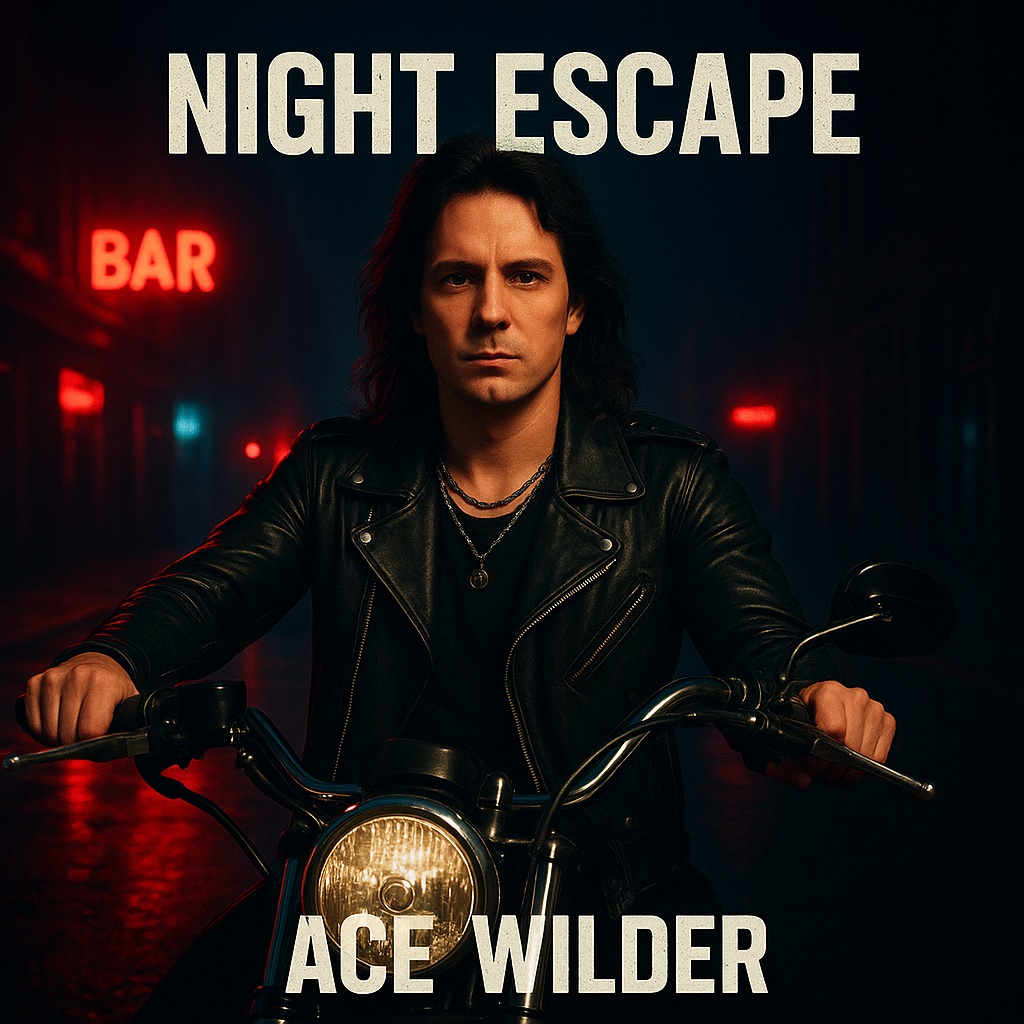
E major, 135 BPM, 4/4, hard rock, 80s, male vocals
“Night escape” is a riff-centric hard-rock anthem at ~135 BPM built for live impact and sing-along moments, T
he arrangement balances tight palm-muted verses with open, stadium choruses; production should emphasize mid-forward guitars, punchy drums with parallel compression, and stacked gang vocals for scale, Pay special attention to carve 200–400 Hz from rhythm guitars to preserve vocal clarity, keep low end mono under 120 Hz, and let the final chord’s reverb/delay/crowd tails decay naturally (see Suno instruction in Structure & Form), The diversified outro (percussive chant → clean motif → sustained chord) gives a memorable closing that’s different from typical fadeouts and leaves listeners with an afterglow, DO NOT CUT THE ENDING ABRUPTLY — FADE THE FINAL POWER-CHORD NATURALLY OVER 8–12s, RETAIN ANY CROWD/REVERB TAILS
5:24
Key = E minor
BPM ≈ 140
Time signature = 4/4
hard rock, heavy-rock, 80s
male vocals, powerful voice, backing vocals, guitar solo, powerful drums
[DO NOT CUT THE ENDING ABRUPTLY — FADE THE FINAL POWER-CHORD NATURALLY OVER 8–12s, RETAIN ANY CROWD/REVERB TAILS]