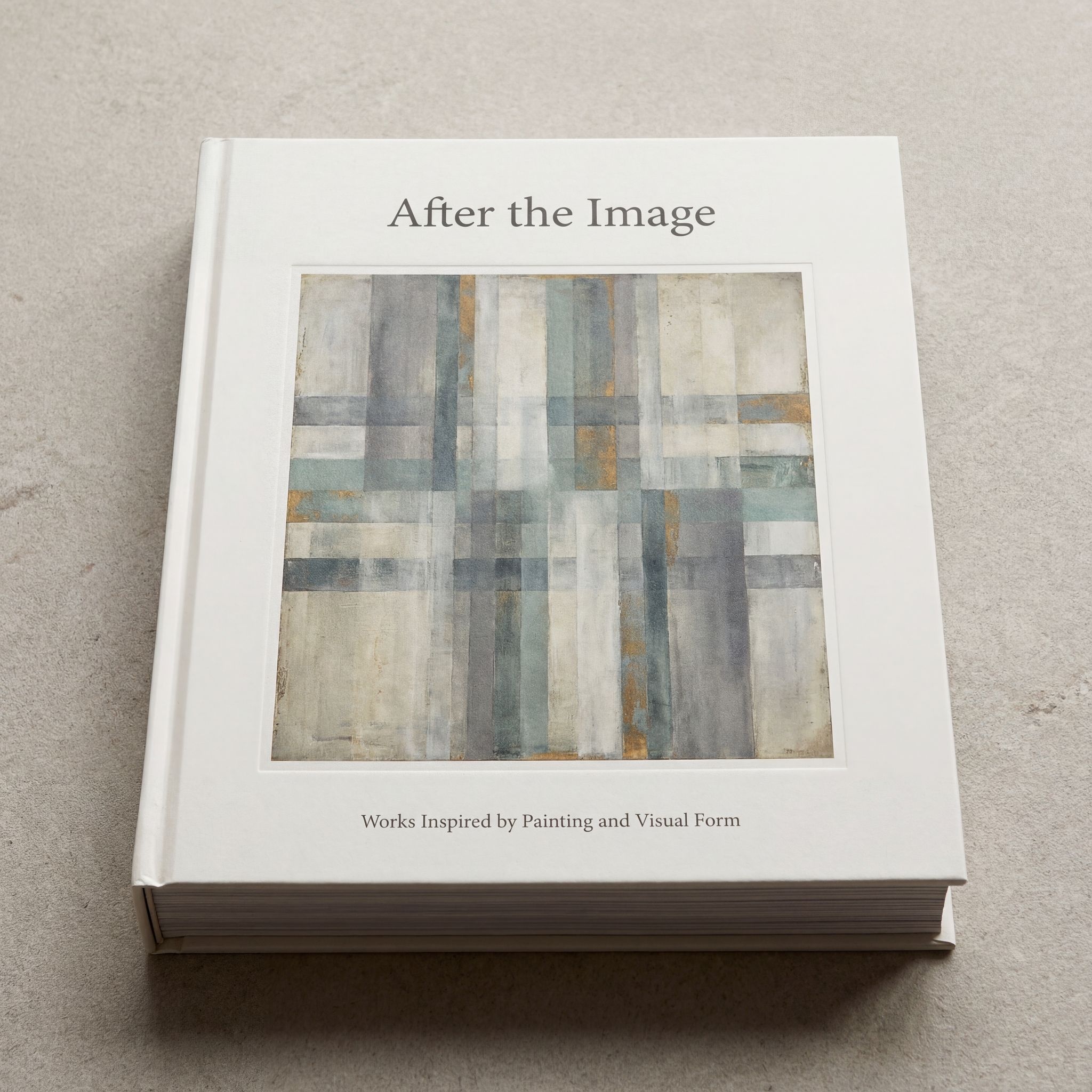
After the Image
Music composed in response to paintings that left a mark. Each piece is a translation of visual form, atmosphere, and the feeling that stayed after looking away.

·
5 songs
4:02

[Style:]
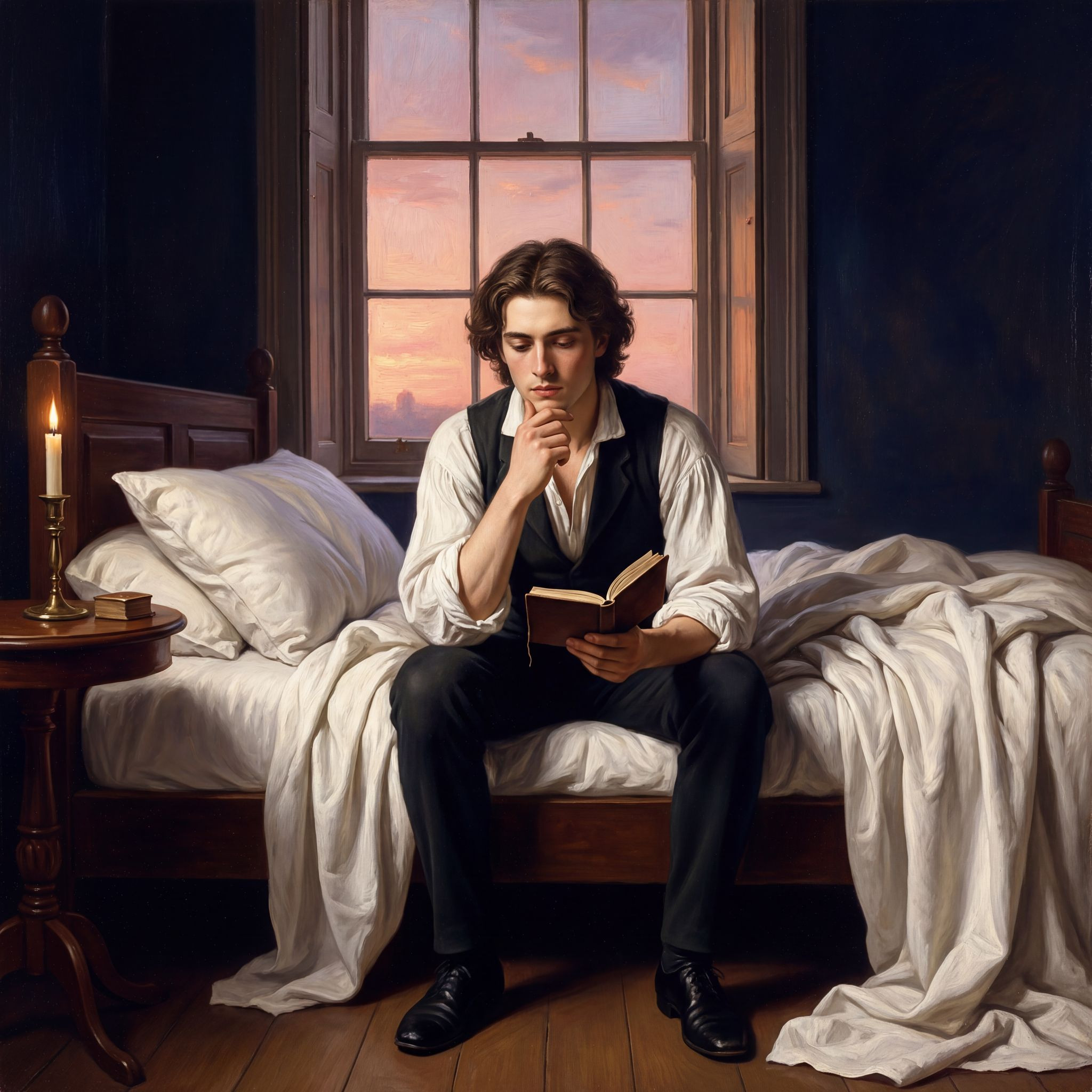
Lush neoclassical art-pop ballad blending intimate piano minimalism with cinematic depth, A rich, emotive female voice anchors the piece — warm, resonant, and human, carrying quiet strength beneath vulnerability, Her tone is tactile and dimensional, like skin meeting candlelight: velvet low end, shimmering highs, the kind of voice that fills silence without needing to rise, The piano races gently beneath her, a heartbeat she rides rather than follows, Emotion flows like ink — beauty, ache, surrender — unfolding with the grace of a Soey Milk portrait come to life, [Mix:]
The vocal is front, full, and enveloping — center of gravity for the entire mix, Breath detail intact, low mids saturated for warmth, airy highs softened for intimacy, Piano recorded close and dry, arpeggios crisp but never sharp, Subtle analog pads widen the spectrum, barely audible but emotionally felt, Natural reverb wraps voice and piano in the same space — not separate layers, but one shared room, Masterin
4:16

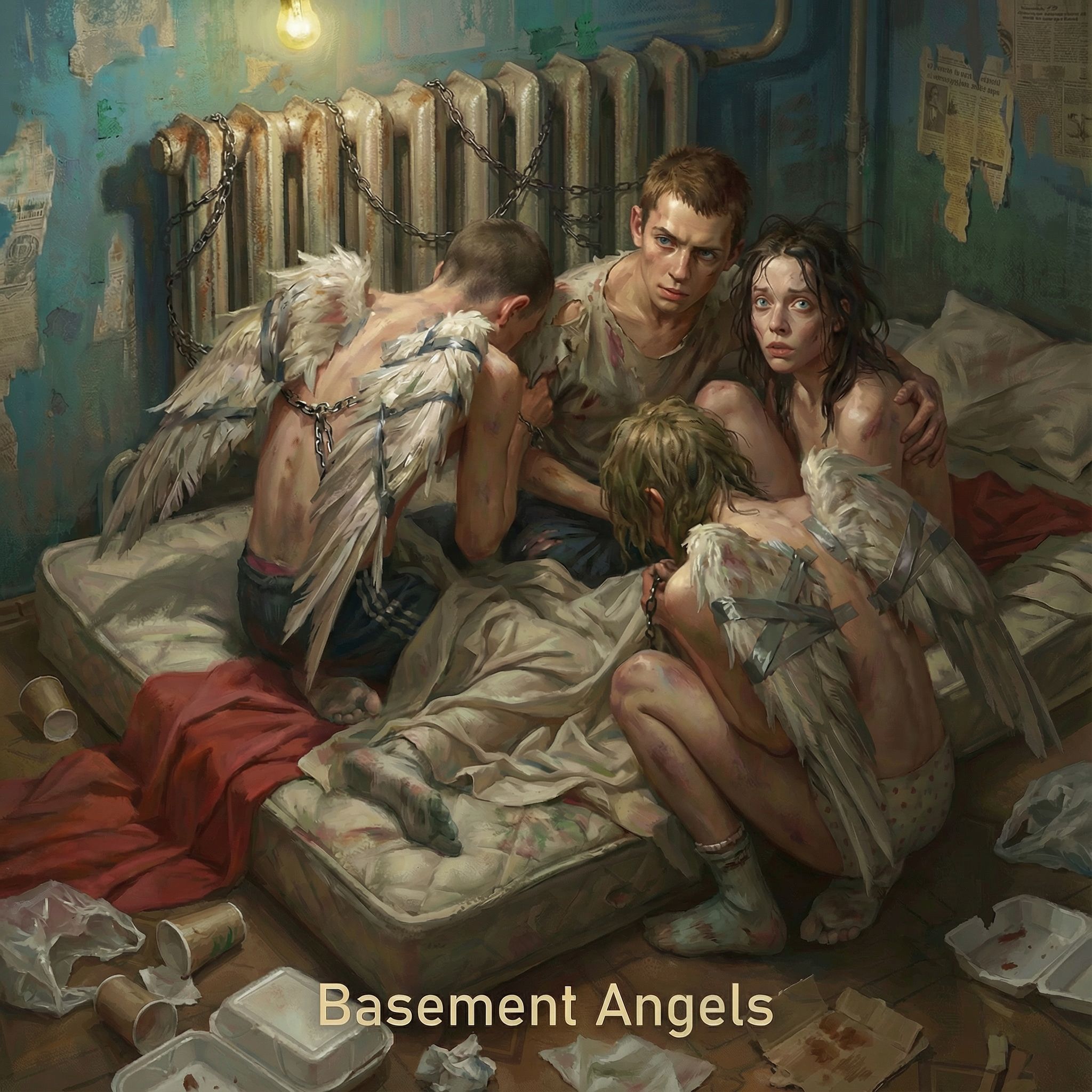
Industrial trip-hop, post-punk minimalism, claustrophobic interior acoustics, slow tempo, arhythmic phrasing, female vocal lead, low alto register, constrained dynamic range, controlled breath, no breathy softness, no vibrato, emotionally neutral delivery, narrow melodic span, late entrances behind the beat, fragmented phrasing with pauses, silence foregrounded, no pitch correction, no quantization, narrow mono image, dull short reverbs, concrete room reflections, reverb arrives after words then cuts off, subtle electrical hum drift, irregular pipe knocks, fabric and vinyl movement noise, muted sub bass presence, detuned pads with low harmonic density, restrained ghost-choir fragments mixed barely audible, choir avoids harmony resolution, fatigue-first performance, anti-beauty vocal treatment, no emotional lift, unresolved ending, hard cut outro
Critical
4:06

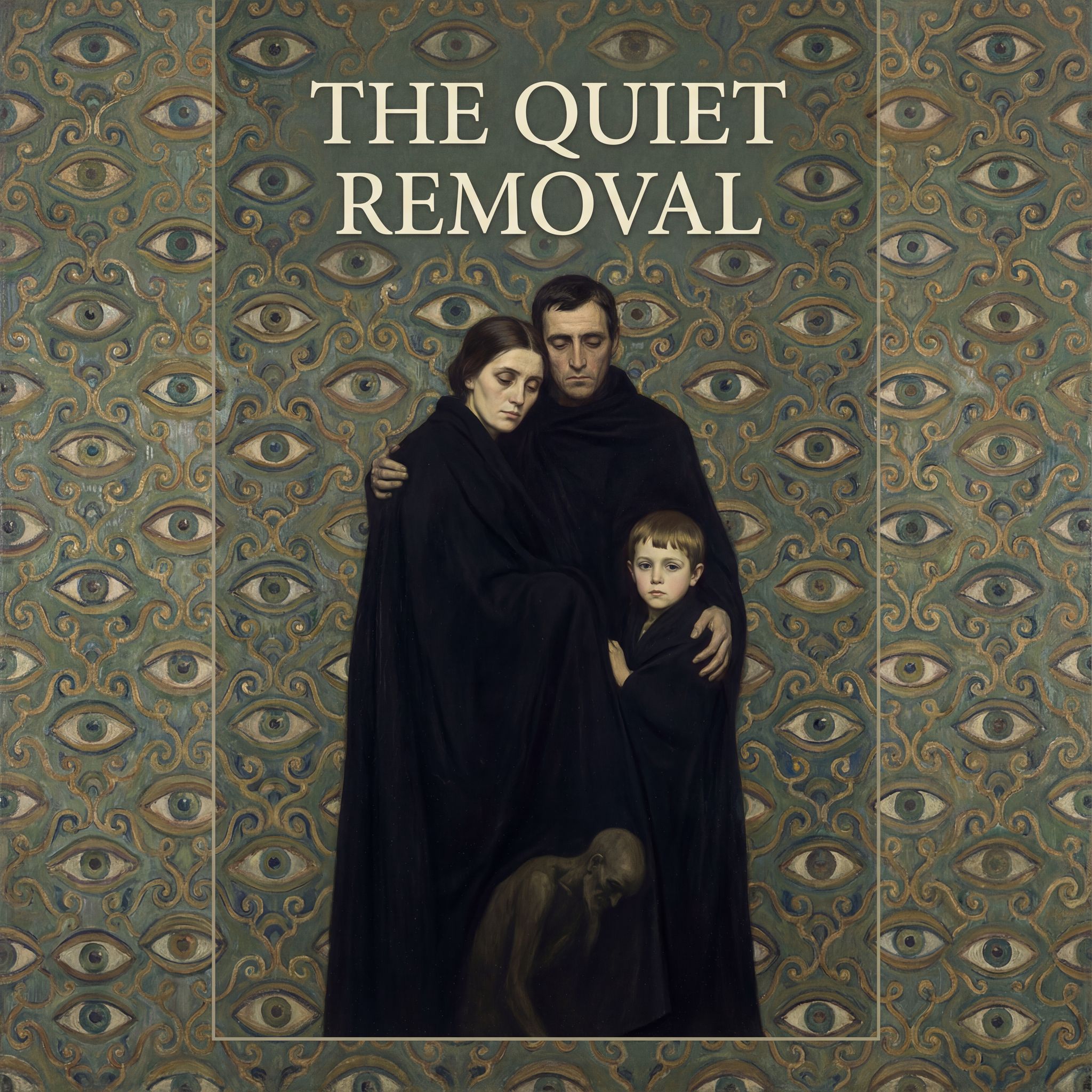
Kafkaesque administrative dread, modern Symbolist art-music, 66 BPM, slow procedural pulse, muted felt kick, dry woodblock ticks, clocklike ostinato with occasional dropped beats, micro-delays and ghost notes, close-miked intimate vocal, restrained delivery no belting, minimal reverb with abrupt cutoffs, suspended chords and modal ambiguity, pedal tone, unresolved harmony, high-register strings tremolo slightly detuned, overlapping arpeggio cells drifting out of sync, ornamental but suffocating texture, cognitive overload without climax, return-to-pattern like nothing happened, wide but claustrophobic mix, high headroom, low-end felt not heard, crisp transient control, master clean and cold, no cathartic lift
3:49

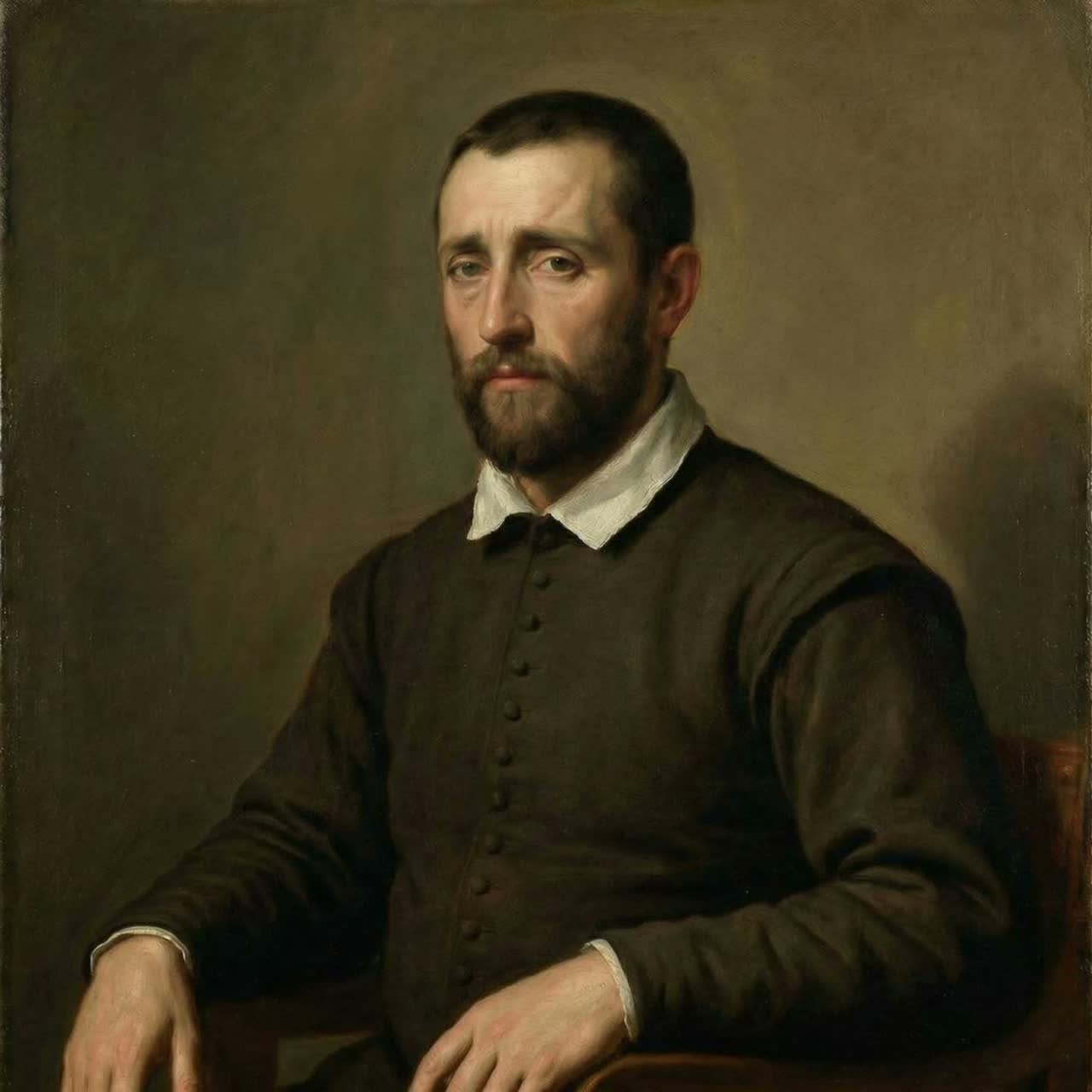
Early 17th-century transitional Italian madrigal, late Renaissance to seconda pratica, concertato duet texture, principal tenor and soprano dialogue, SATB ensemble expansion on cadences, imitative polyphony, basso continuo foundation, lute, theorbo, viola da gamba, recorder consort, archaic reedy woodwinds, modal Dorian, emerging tonal gravity, Phrygian gestures, prepared suspensions, rhetorical dissonance, cross-relations, word painting, madrigalisms, overlapping entries, intimate stone chamber, natural resonance, historically informed performance, zero-vibrato vocals, ‑Modern orchestral strings, ‑romantic swells, ‑cinematic climax, ‑strict dense Franco-Flemish equal polyphony, ‑modern pop lead vocal structure, ‑verse-chorus form, ‑cinematic dynamic swell, ‑operatic grandiosity, ‑bel canto vibrato, ‑romantic harmonic language, ‑19th-century functional tonality, ‑orchestral string sections, ‑modern violin vibrato, ‑brass fanfare texture, ‑trumpet or trombone solos, ‑drone-based ambience, ‑cinematic sub-bass, ‑film-score climax arc, ‑crescendo-heavy transitions, ‑percussion, ‑drums, ‑electronic synthesis
6:21

English Restoration baroque cantata, Purcellian dramatic scena, falsetto male singer countertenor clear diction restrained vibrato, theatrical recitative and aria structure, expressive English declamation, ground bass lament technique, descending tetrachord bass, thorow-bass continuo foundation, harpsichord continuo realization, theorbo and lute continuo color, viola da gamba bass reinforcement, chamber violins and viol consort texture, oboe obbligato sighing woodwind figures, sparse organ pedal gravity, prepared suspensions expressive dissonance, rhetorical word-painting, melismatic lament gestures, rising heroic intervals for declamation, intimate candlelit chamber acoustics, small ensemble historically informed performance, natural room resonance, dramatic recitative pacing, lament aria repeating bass cycle, Restoration theatre emotional rhetoric, Picardy-third major resolution, late-17th-century harmonic language, modal minor with emerging tonal cadence, ‑italianate diction, ‑italian operatic pronunciation, ‑rolled r consonants, ‑trilled r consonants, ‑modern orchestral strings, ‑romantic swells, ‑cinematic climax arcs, ‑film-score dynamics, ‑Hollywood orchestration, ‑large symphonic ensemble, ‑modern violin vibrato, ‑bel canto vibrato, ‑operatic grand voice production, ‑romantic harmonic language, ‑nineteenth-century functional tonality, ‑chromatic Wagnerian harmony, ‑lush legato string pads, ‑brass fanfare texture, ‑trumpet or trombone solos, ‑percussion sections, ‑timpani rolls, ‑drum kit, ‑snare drums, ‑electronic synthesis, ‑synthesizers, ‑ambient pads, ‑sub-bass drones, ‑cinematic sub-bass, ‑EDM elements, ‑pop production, ‑rock instrumentation, ‑electric guitars, ‑distorted guitars, ‑bass guitar, ‑verse-chorus pop structure, ‑modern singer-songwriter phrasing, ‑contemporary musical theatre style, ‑dense Franco-Flemish equal polyphony, ‑renaissance madrigal full SATB texture, ‑large choral mass writing, ‑cinematic reverberation, ‑stadium acoustics